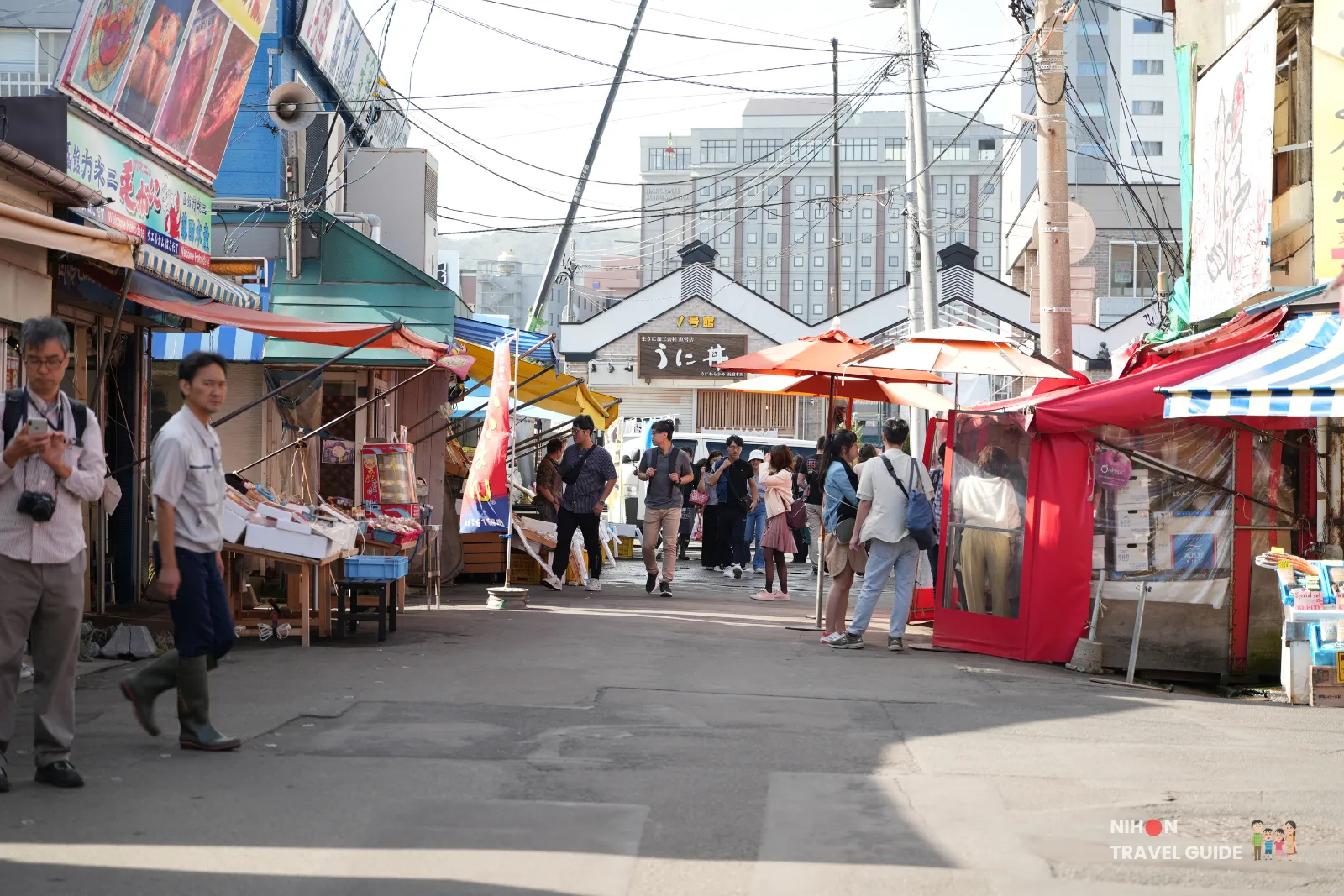
Great fresh seafood especially Crab and Lobster. Authentic Traditional Rural Japanese Fish market.
Disclaimer: I am not sponsored for this post. Some links on this page are affiliate links, meaning I may earn a small commission if you book through them, at no extra cost to you.
TL;DR – Yes, Hakodate Morning Market is worth it if you are a seafood lover.
- Great fresh seafood especially Crab and Lobster.
- Arrive early at around 7-8 AM to avoid peak crowds.
- Authentic Traditional Rural Japanese Fish market experience.
- Friendly vendors despite lack of English.
In September 2024, my family visited the Hakodate Asaichi Morning Market and it’s a little bit like diving straight into Hokkaido’s ocean — but tastier and way less wet. Because you can pretty much find most of Hokkaido’s edible sea creatures in the market without having to fish or go for a swim yourself.
While I haven’t visited Hakodate Morning Market myself yet, my family went recently and came back with these incredible photos. Their pictures captured the energy, the fresh seafood, and the morning buzz so perfectly that I just had to share it with you.
Anyhow, in this article my family will share their experiences visiting the Hakodate Asaichi Morning Market, what to eat, practical tips and why you should visit if you love eating seafood.
- TL;DR – Yes, Hakodate Morning Market is worth it if you are a seafood lover.
- How to get to Hakodate Morning Market?
- What are the Hakodate Morning Market Opening Hours?
- History of Hakodate Morning Market
- Atmosphere of Hakodate Morning Market
- What to eat at Hakodate Morning Market
- What else to do besides Eating
- How does it compare to Toyosu Fish Market?
- Some Tips
- Does my family Recommend it?
- FAQ – Hakodate Asaichi Morning Market
Disclaimer: I wasn’t there myself, my family was there and I am writing about their experiences.
Photos shot by Tessa Leong were shot with a Sony a7IV DSLR with Tamron 28-200mm lens.
How to get to Hakodate Morning Market?
So there are a few ways of getting to Hakodate Asaichi Market from Sapporo (most likely you will be). You can take the Hokuto Limited Express Hakodate from Shin-Sapporo Station. It’s about 13 stops with 3 hr and 36 mins travel time. This would cost you ¥9,240.
If you want a cheaper but longer method, you can also take the Sapporo Hakodate New-Star Express bus from the Odouri Bus Center. It will take 5 stops and 5 hrs 26 mins travel time. This would cost you ¥4,550.
If you drive, it’s about a 4 hour drive from Sapporo. But my family stayed at the Premier Hotel in Hakodate for a few days so they basically walked to the market instead.
The Hokkaido Shinkansen does go past Hakodate to Sapporo but you can’t take the Shinkansen from Sapporo to Hakodate as of 2026. You would have to take either the Hokuto Limited Express Hakodate or the Sapporo Hakodate New-Star Express.
Parking Information at Hakodate Morning Market
There is plenty of parking at the Hakodate Asaichi Dai-ichi Parking and other affiliated parking areas for the visitors visiting the market. Some shops offer free or discounted parking if you purchase above a certain amount. My family drove a Toyota Alphard and had no issues finding parking.
What are the Hakodate Morning Market Opening Hours?
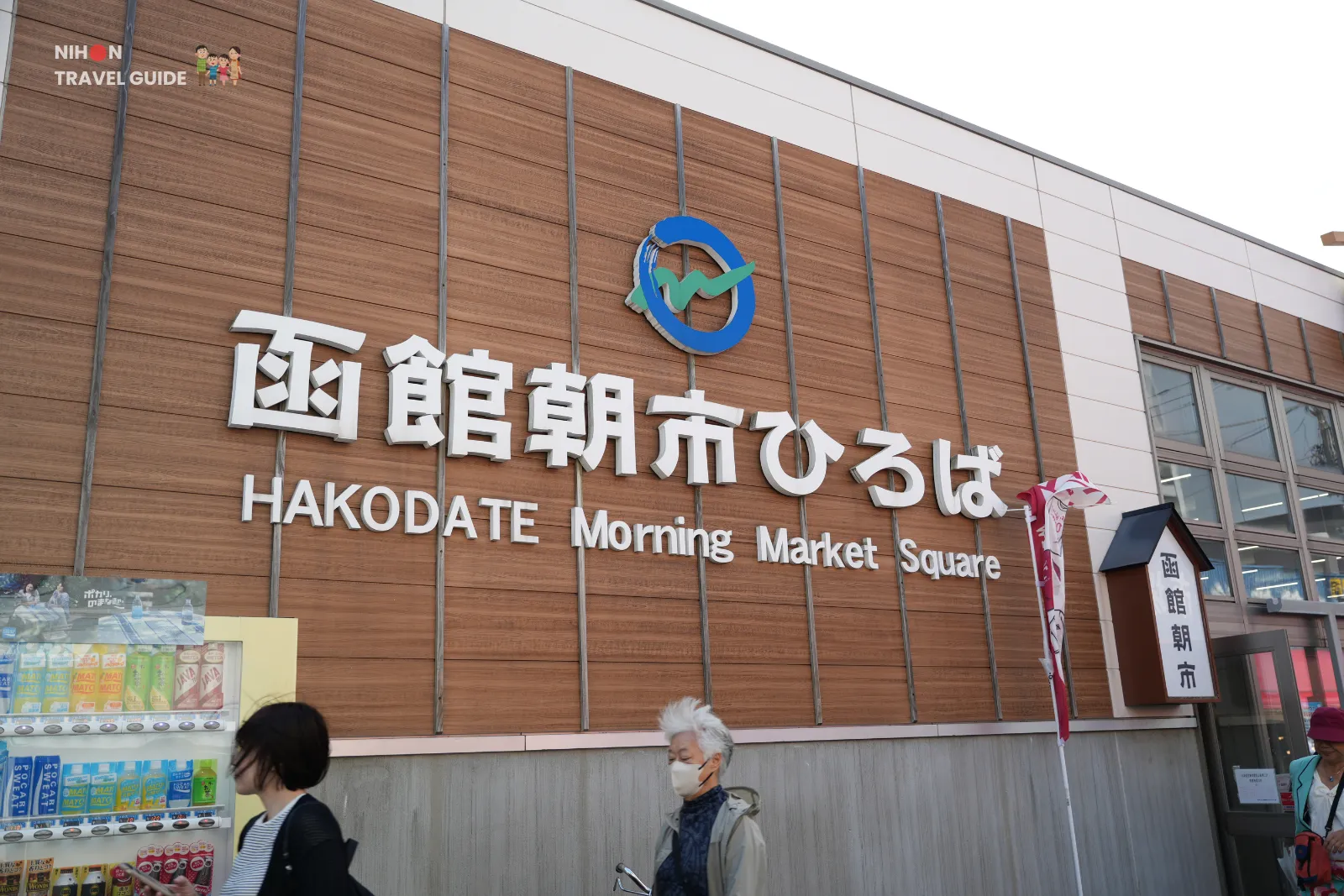
The Hakodate Morning Market is open from 5:00 (or 6:00 in winter) to about 14:00. The shops open sometime within this opening hours.
History of Hakodate Morning Market
If you are unfamiliar, Hakodate Morning Market started around 1945 just after World War II, as local farmers started to sell vegetables in front of the Hakodate Station to cope with food shortages post war. And as the fishing industry recovered, many fishing and seafood vendors joined thus becoming a morning fish market that serves locals — and now tourists alike.
The Hakodate Morning Market moved to it’s current location in 1956 and is organised under a commercial cooperative (Hakodate Morning Market Cooperative Association) to make it more structured as a marketplace instead of random scattered stalls.
Hakodate Morning Market has since become a hub for crabs, squid, sea urchin, salmon roe and other Hokkaido seafood including fruits and vegetables.
Also it’s called morning market because Hakodate Asaichi (函館朝市) 朝(asa)means morning and 市 (ichi) means market (so asaichi market). It operates in the early hours when the fishermen come back with fresh seafood and the locals shop for the day’s ingredients.
Atmosphere of Hakodate Morning Market
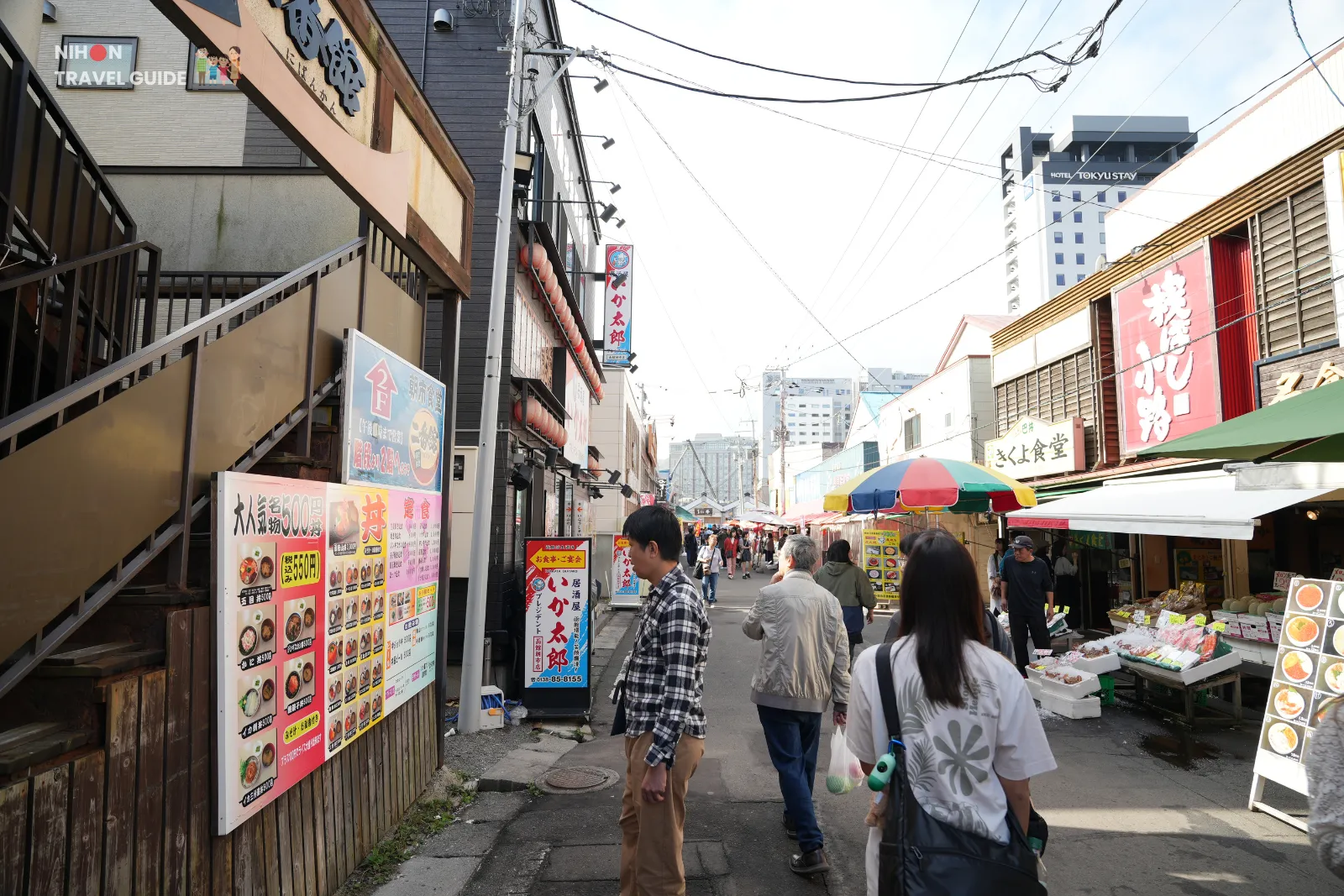
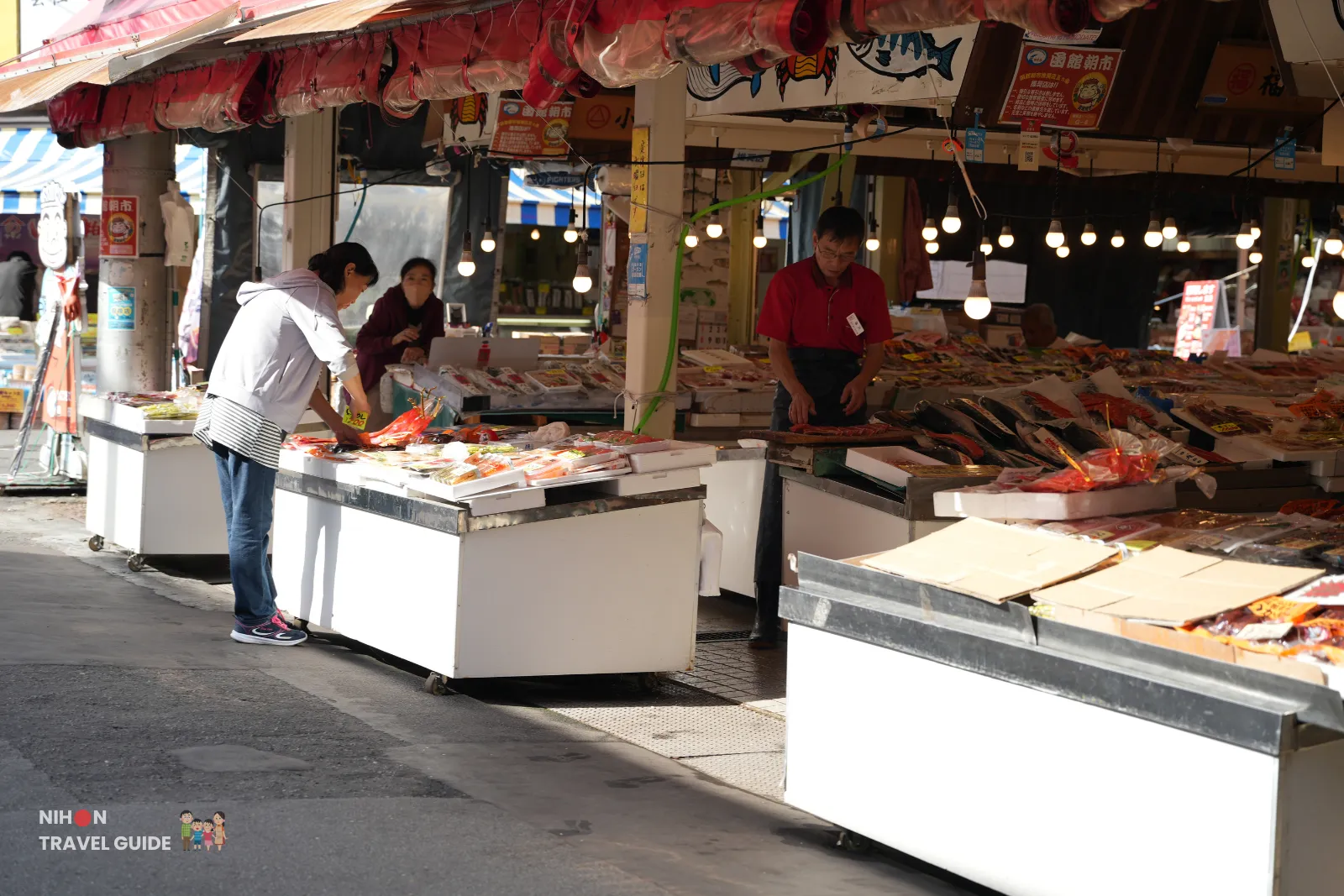
One of my family’s first impressions of Hakodate Asaichi Market was that it had a vibrant and energetic atmosphere, with a mix of local authenticity and tourists visiting. You would see morning crowds, lively interactions with the vendors and of course smell the fresh seafood from it’s over 250 stalls.
Some areas of the hakodate fish market are quite narrow and once you add the people, tourists stopping to take the photos and the occasional lorry it can feel quite crammed. But that being said, it was still lively in an immersive way rather than claustrophobic.
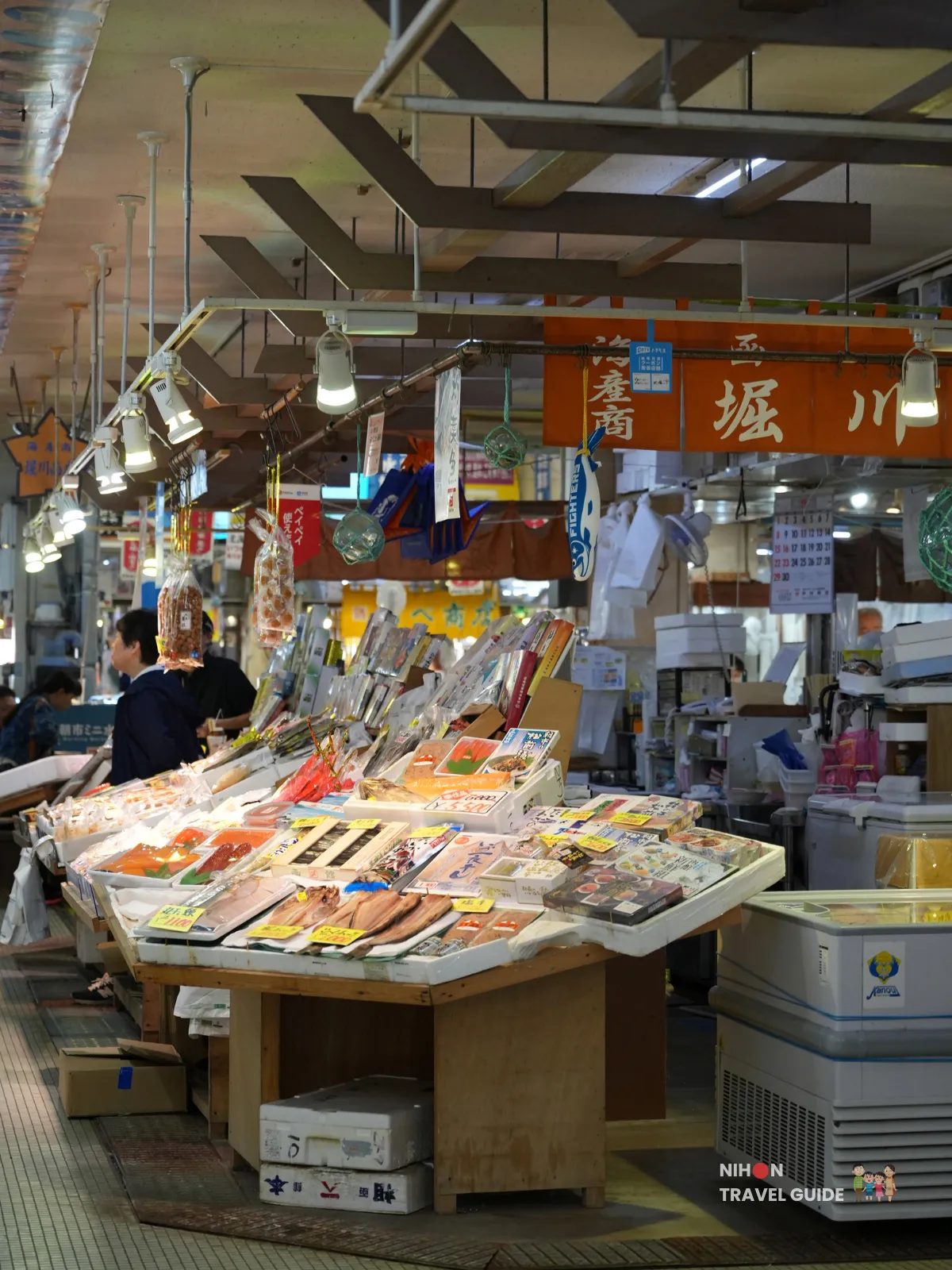
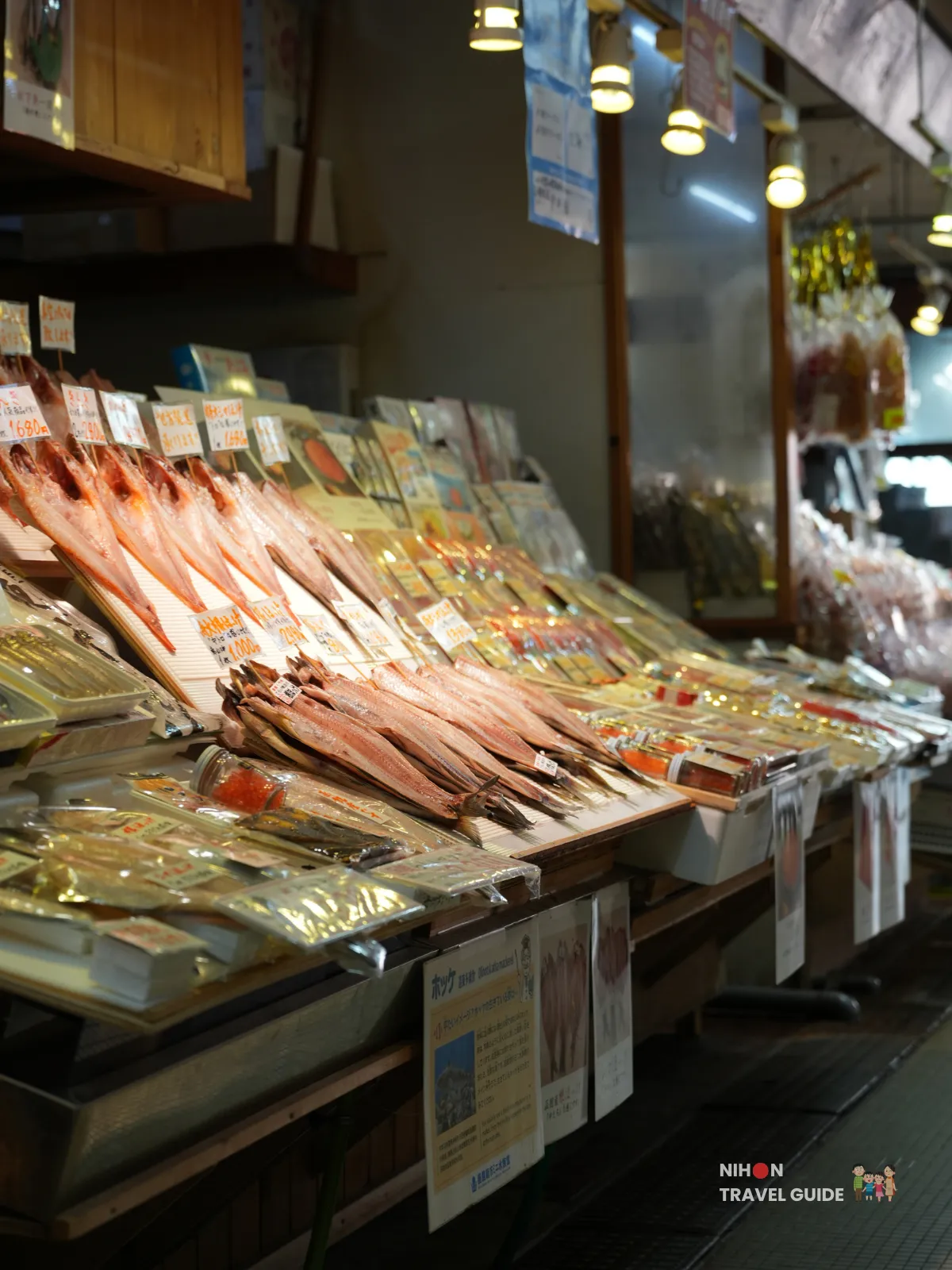
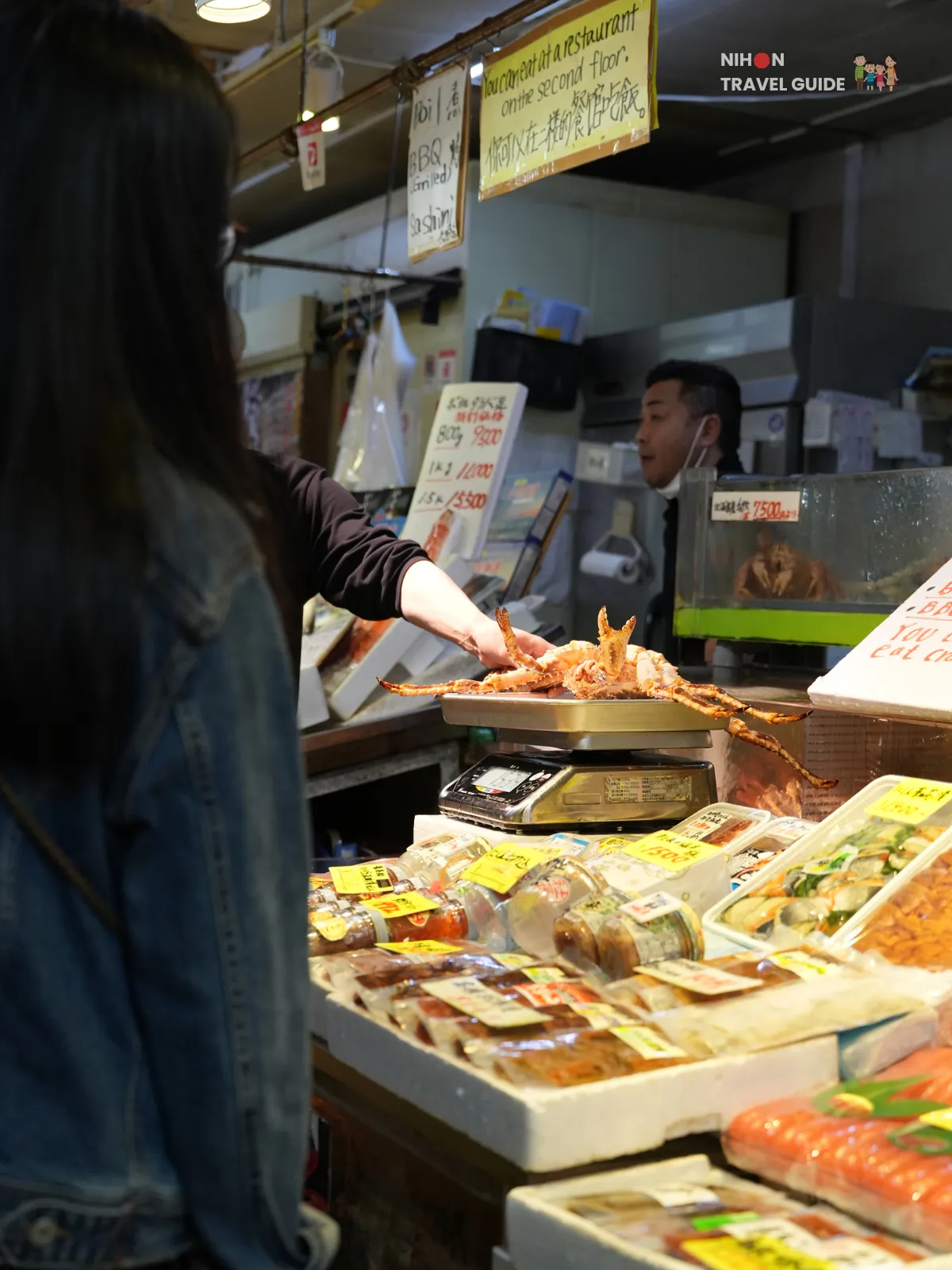
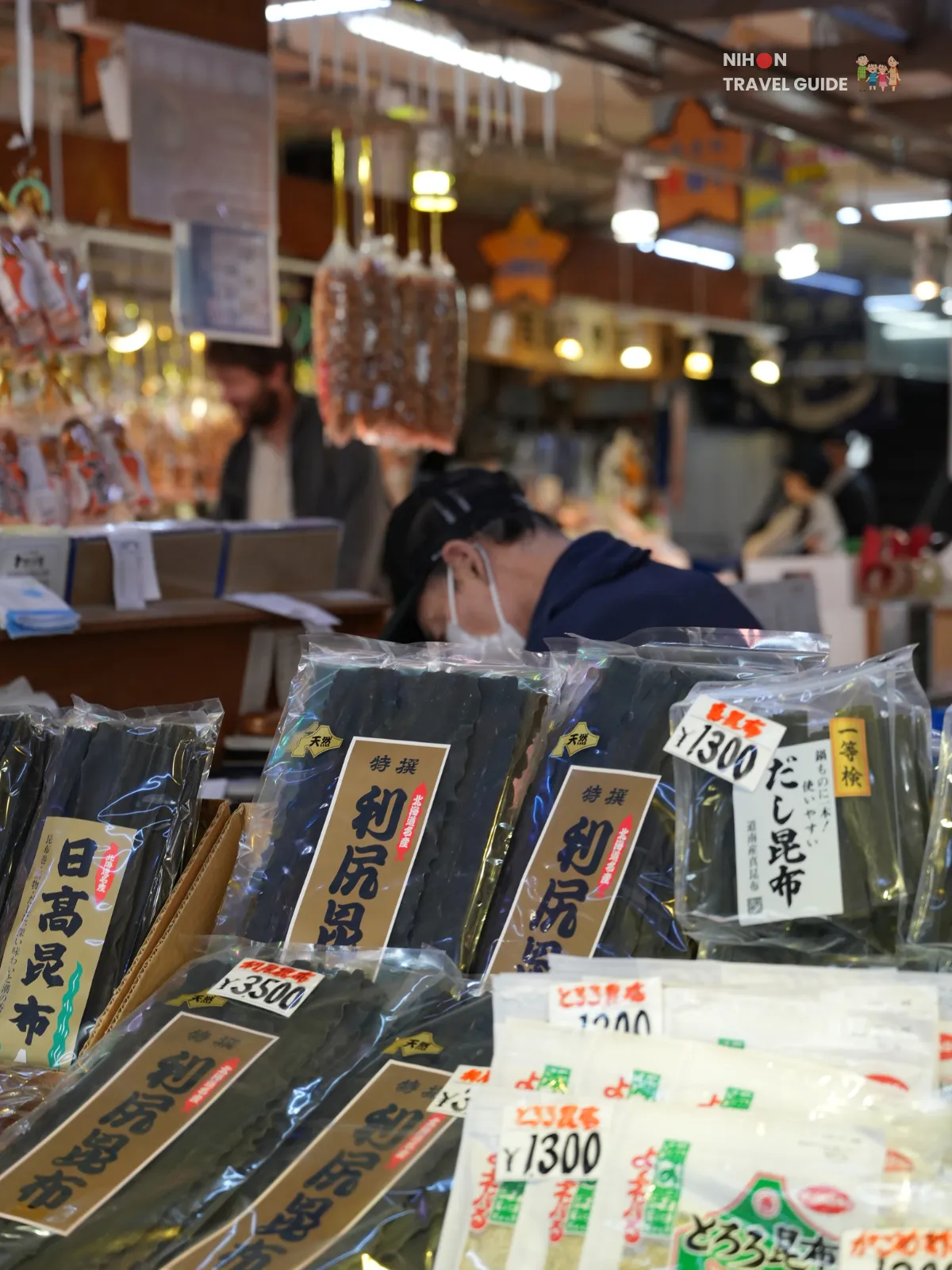
Though narrow, they were filled with rows of vacuum packed kombu (like seaweed), bright orange salmon, premium scallops and the unmistakably huge crabs and lobsters. The air was filled with the briny scent of the ocean and in some places, a smoky aroma from the stores selling grilled fish.
The vendors were constantly calling out to the customers, weighing massive king crab legs using the traditional scales. Some of them were proudly displaying their big crabs in the display tanks. The vendor staff were really friendly even though they could not speak English (or sometimes really basic English). But things like gestures, pointing and smiles are sometimes enough to bridge the language gap.
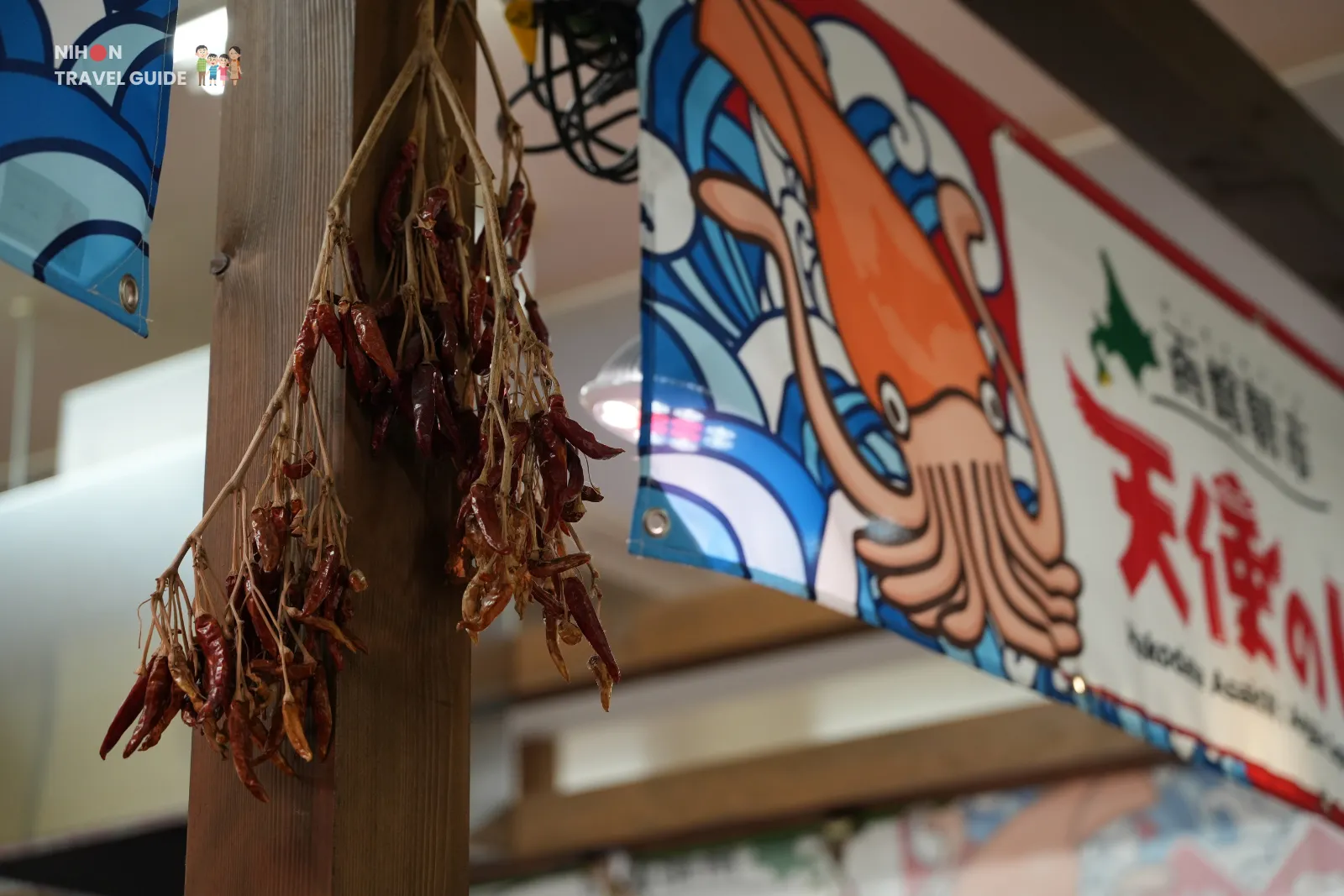
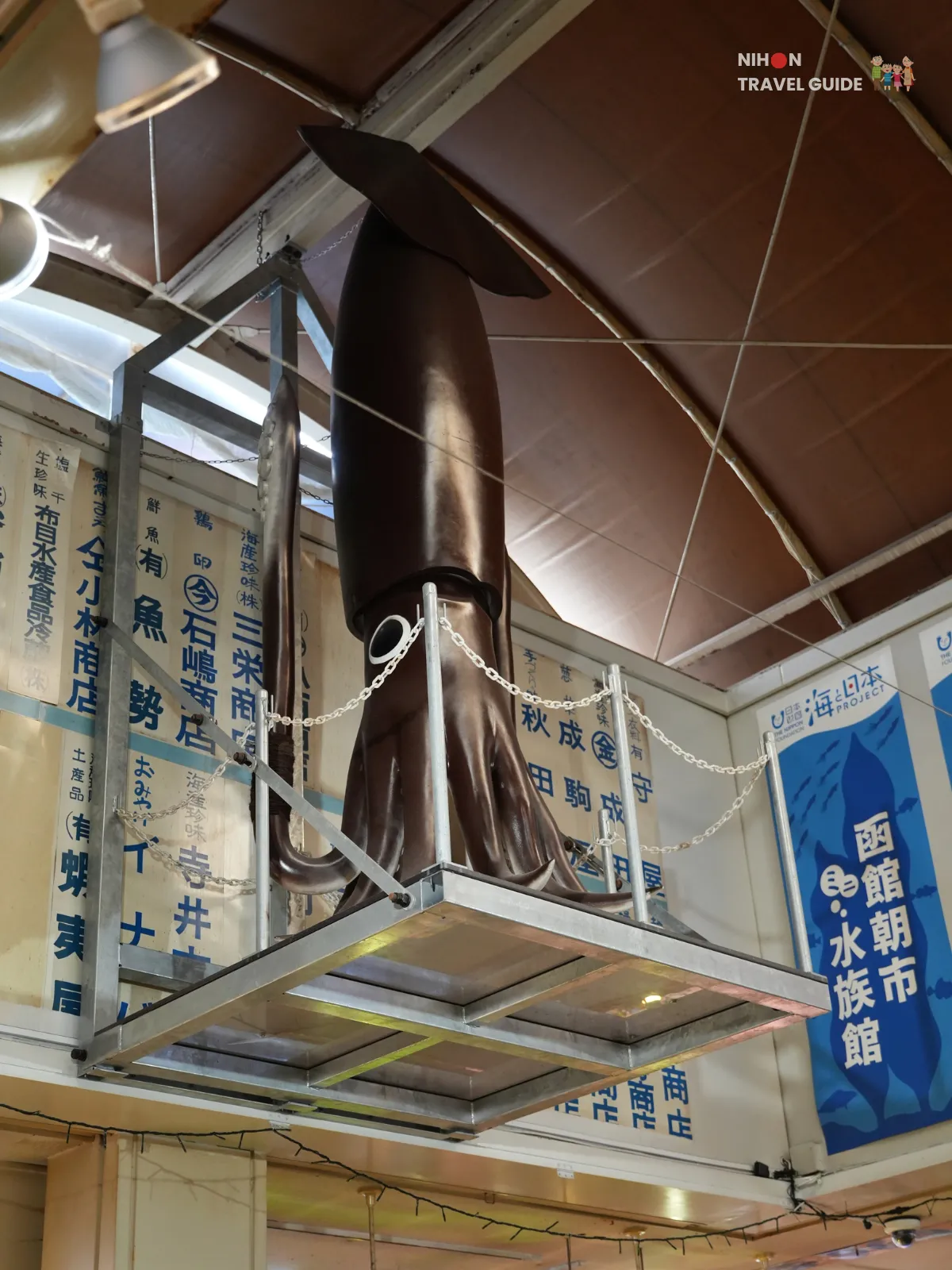
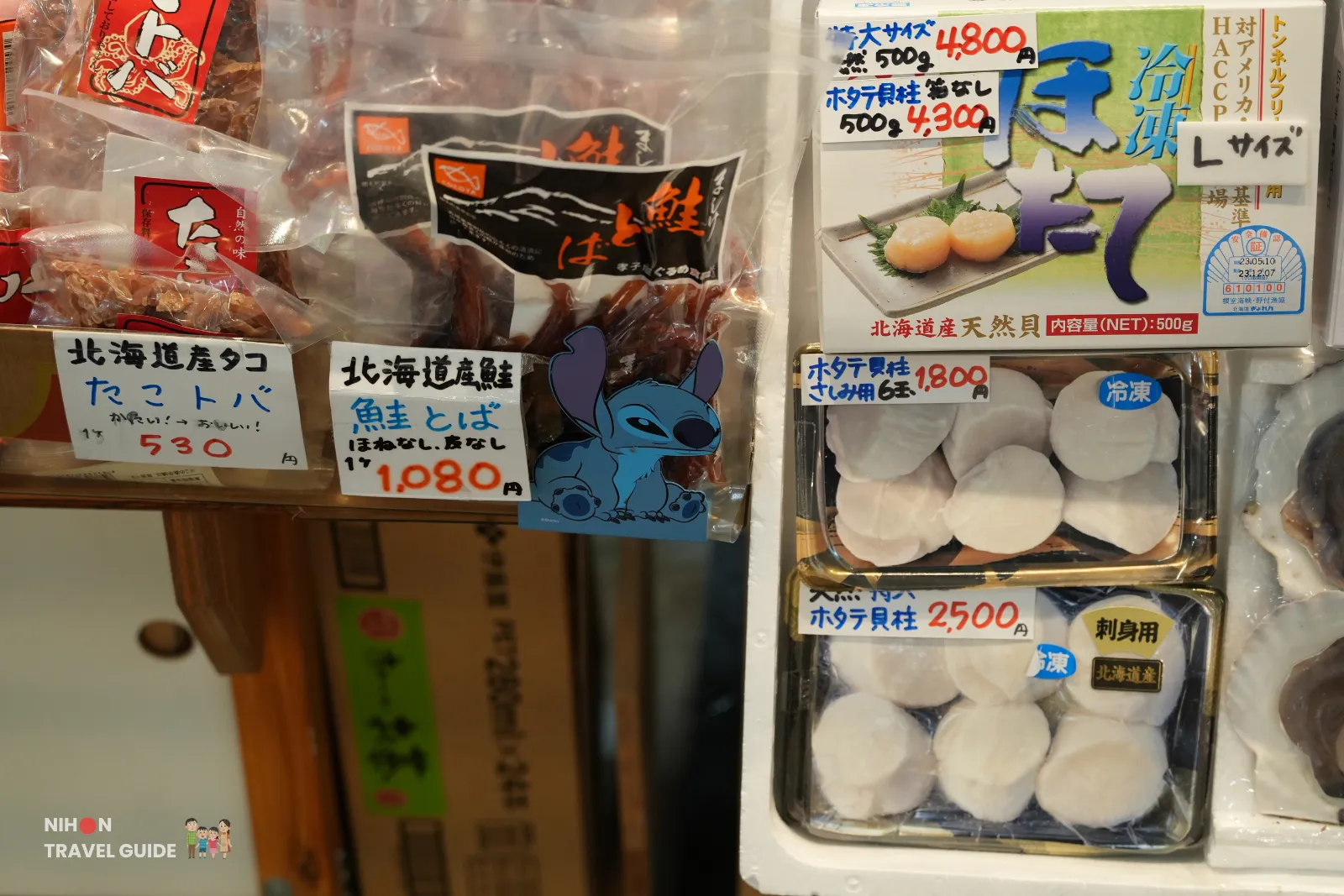
In some places, the Morning Market Hakodate had a quirky personality. There was a giant bronze squid hanging dramatically from the ceiling. Almost like a local mascot. One stall they saw had a random Stitch sticker on their signs. At the outdoor parts, there were colourful banners, signs and menus along the streets.
Overall it felt like a local Japanese traditional market, authentic feeling with not a lot of touristy vibes. Like a real working marketing where the fishermen and farmers bring their best each morning. Unlike other bigger city markets that had a lot more tourists and seemed like it was built purely for tourists.
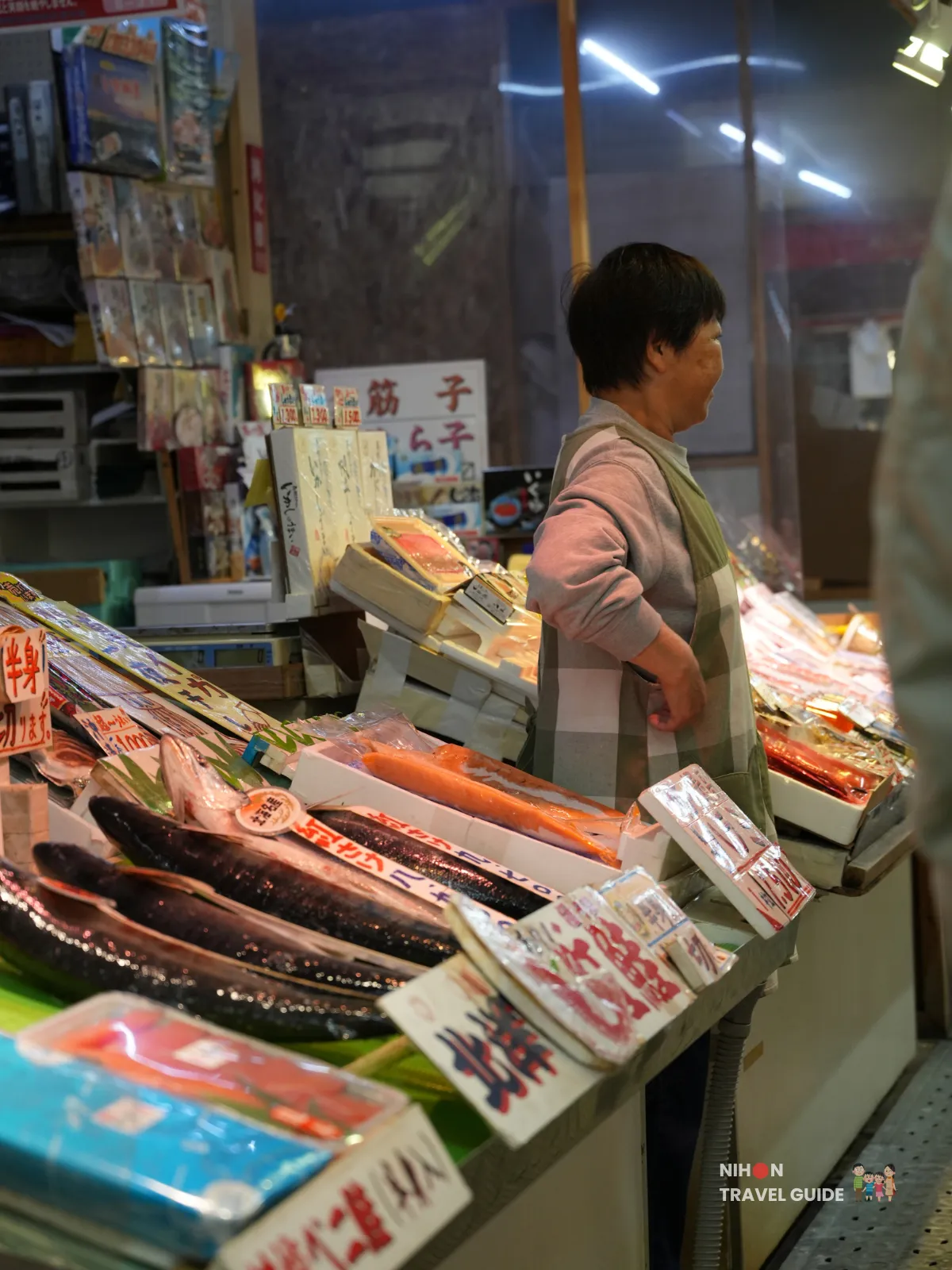
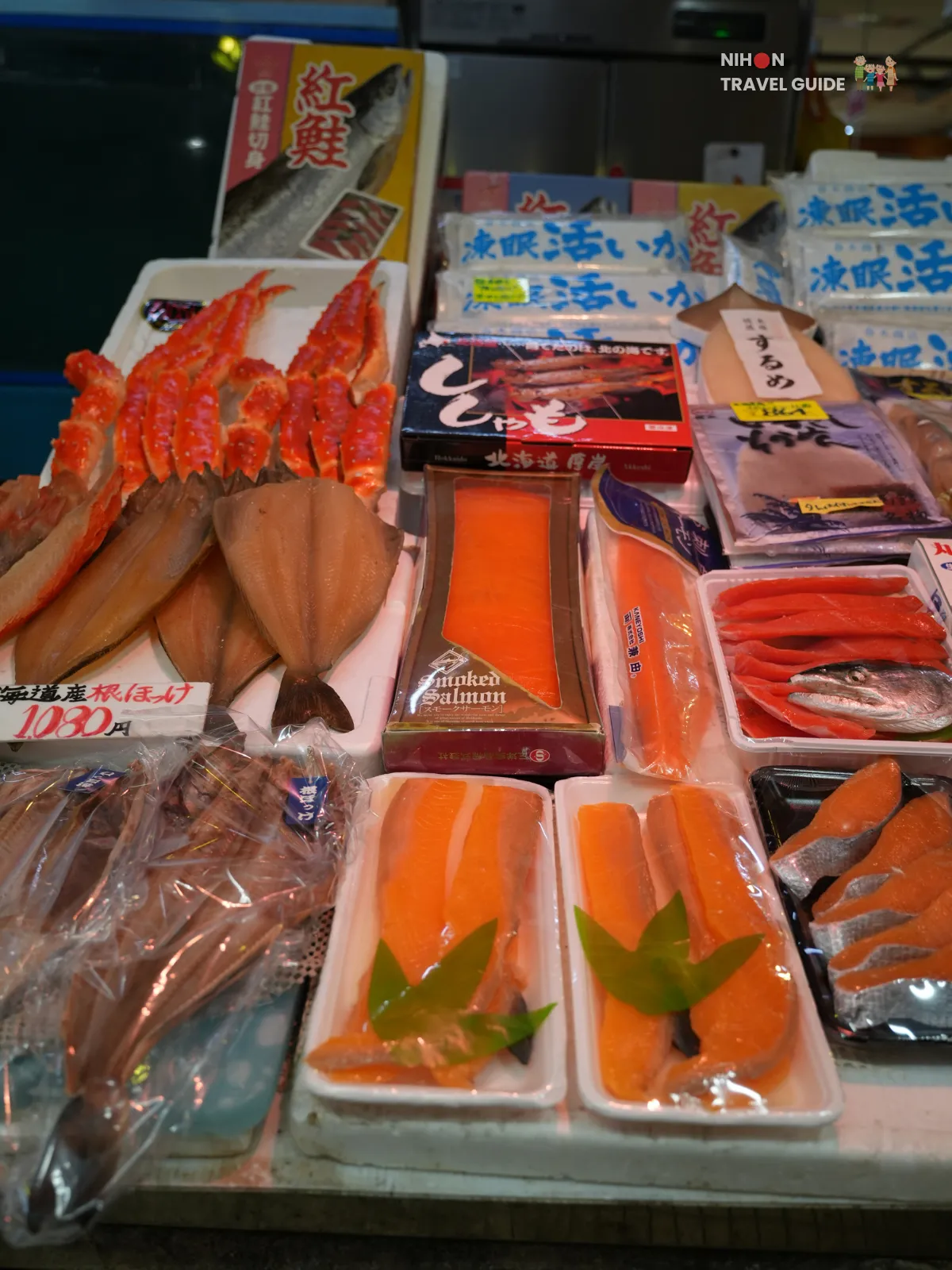
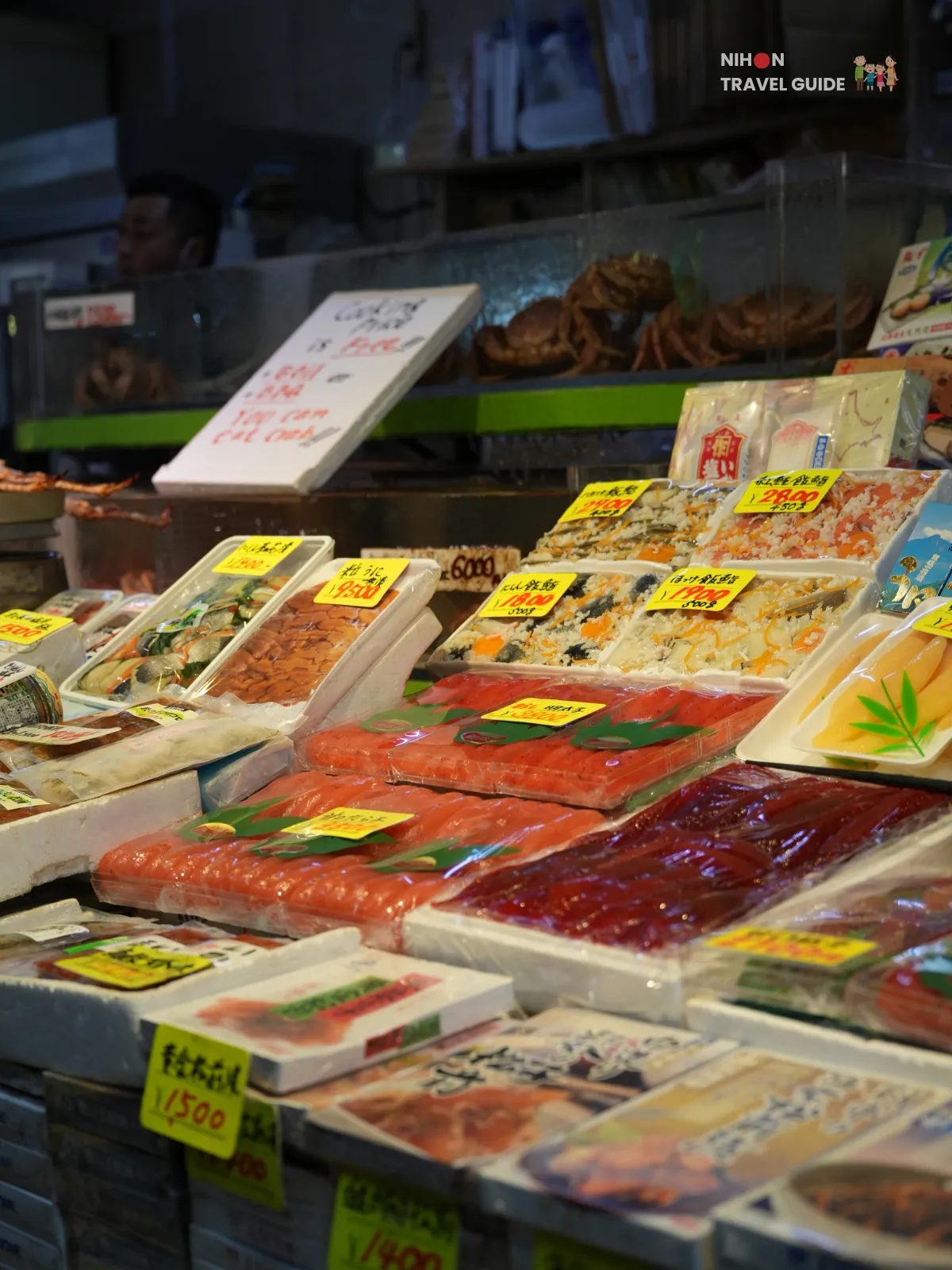
My family came away saying that it was one of the more genuine markets they have experienced in Japan. And looking at these photos, it’s not too difficult to see why.
What to eat at Hakodate Morning Market
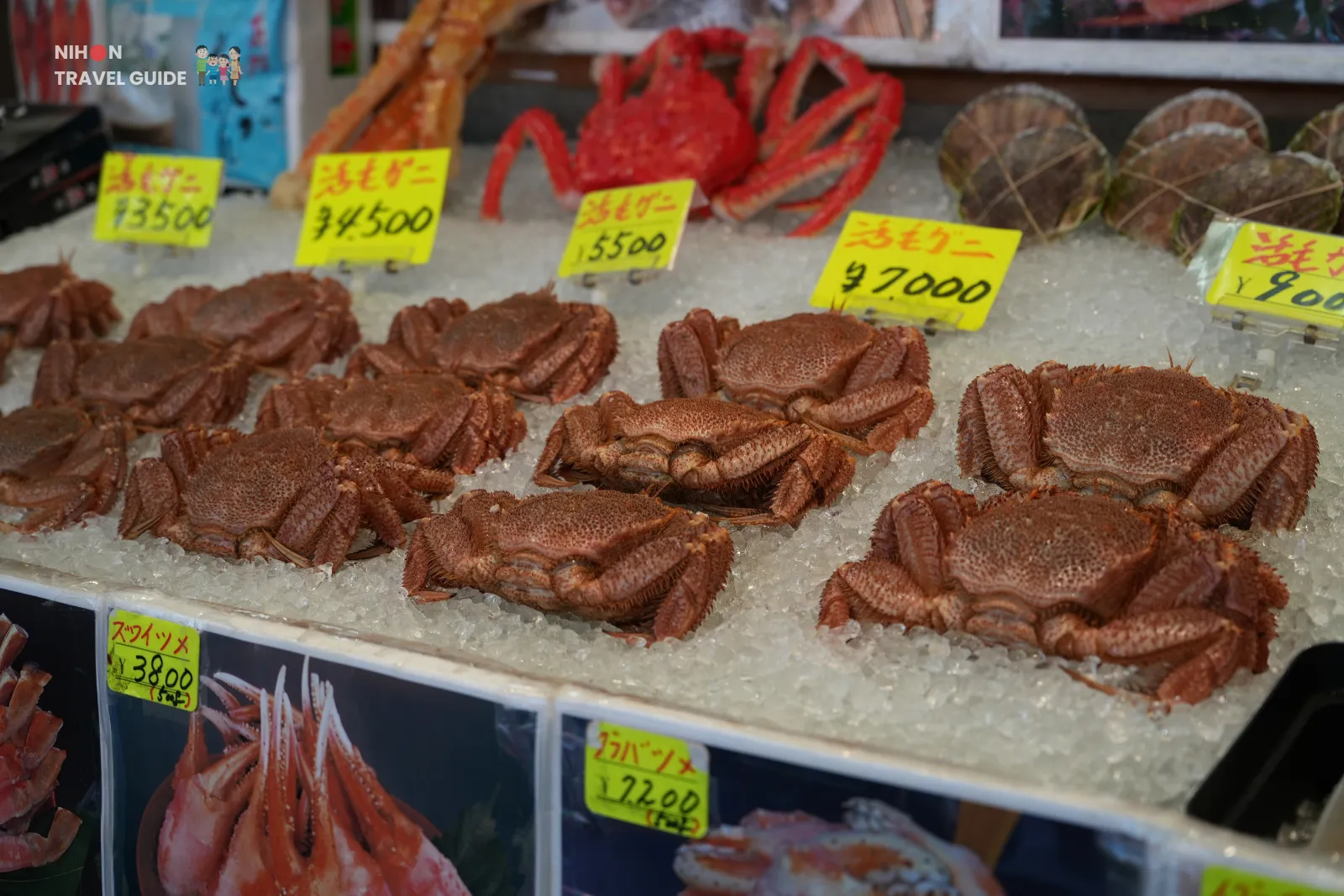
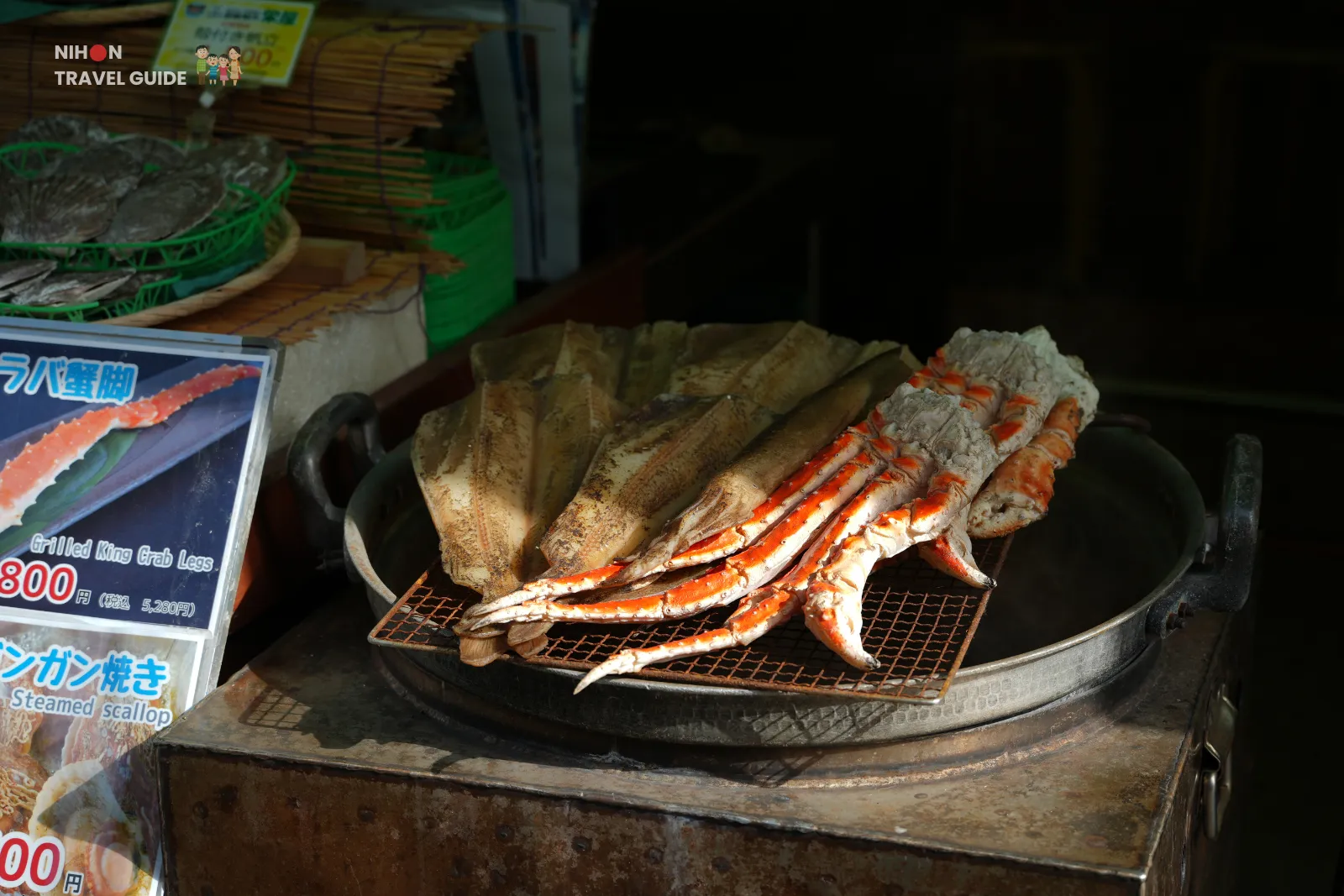
So probably the first thing you should go for is the crab or lobster. My family saw lots of hairy crabs (kegani 毛ガニ) in their display tanks. The hairy crabs were about ¥3500–¥9000 based on their size. But especially the massive king crab legs. One stall had them laid their on the grill just waiting for someone to order them. I am still stunned by the length every time I see the photo.
Grilled squid was another highlight for my family. Whole squid, lightly charred and golden, shared grill space with the crab legs in several shots. Simple, salty, and straight from the tank to the fire – classic market street food.
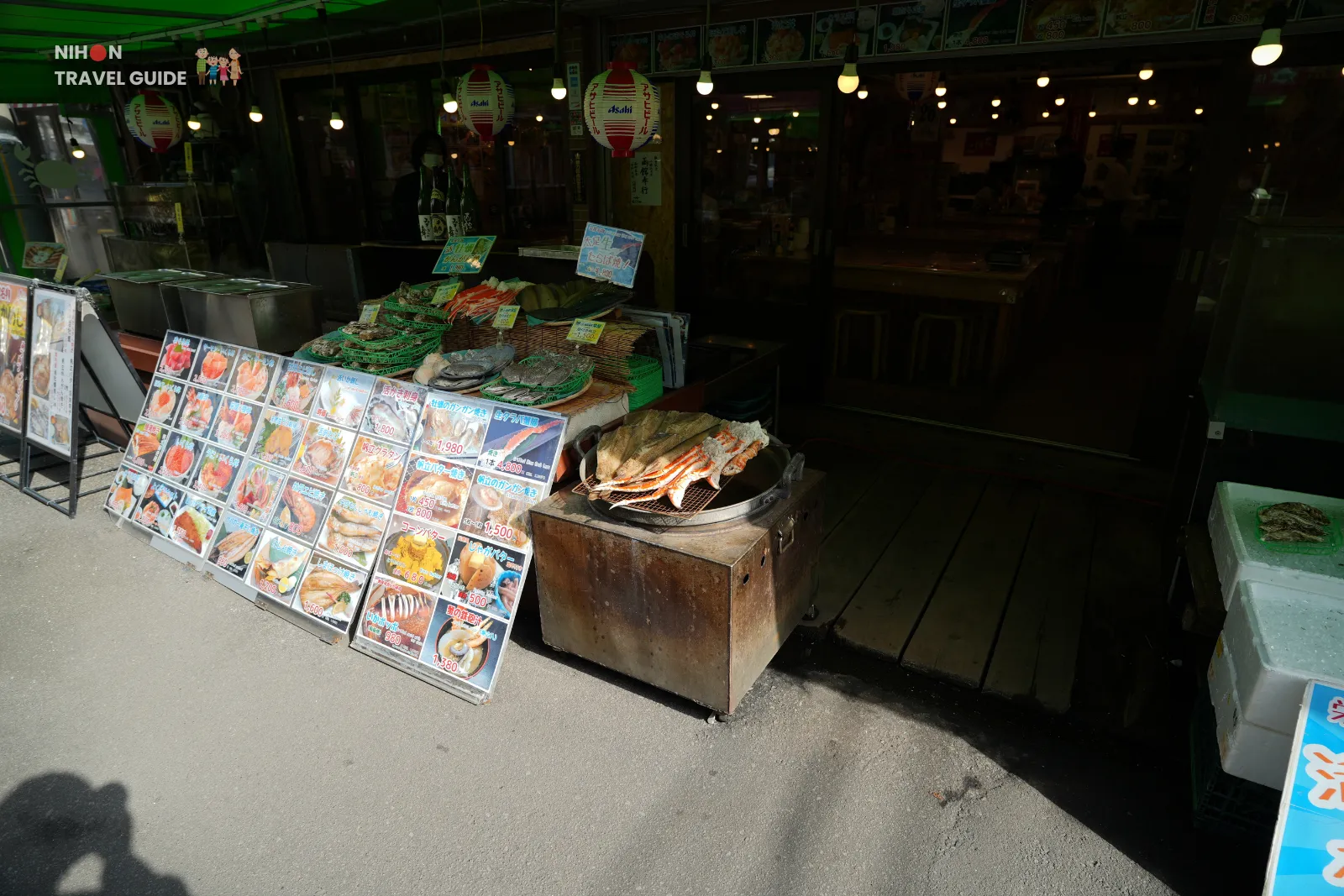
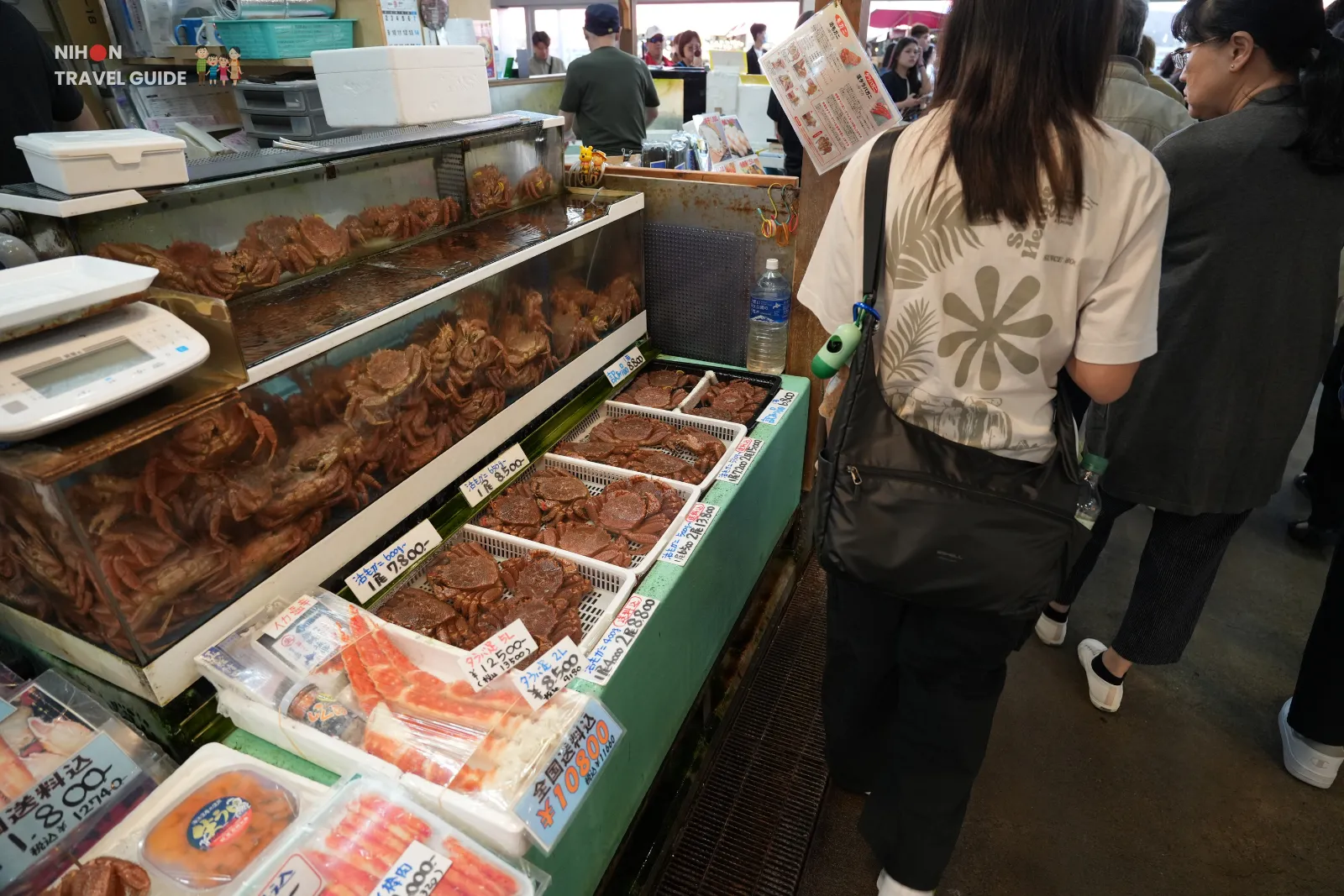
Of course, no visit is complete without a kaisendon (seafood rice bowl). My family didn’t get a photo of the finished bowl, but the orange salmon roe (ikura), plump scallops, and chunks of sweet crab meat over rice makes for quite a delicious meal.
The famous Donburi Yokocho area inside the market lets you pick your own toppings – uni (sea urchin), salmon, tuna, whatever looks freshest that day.
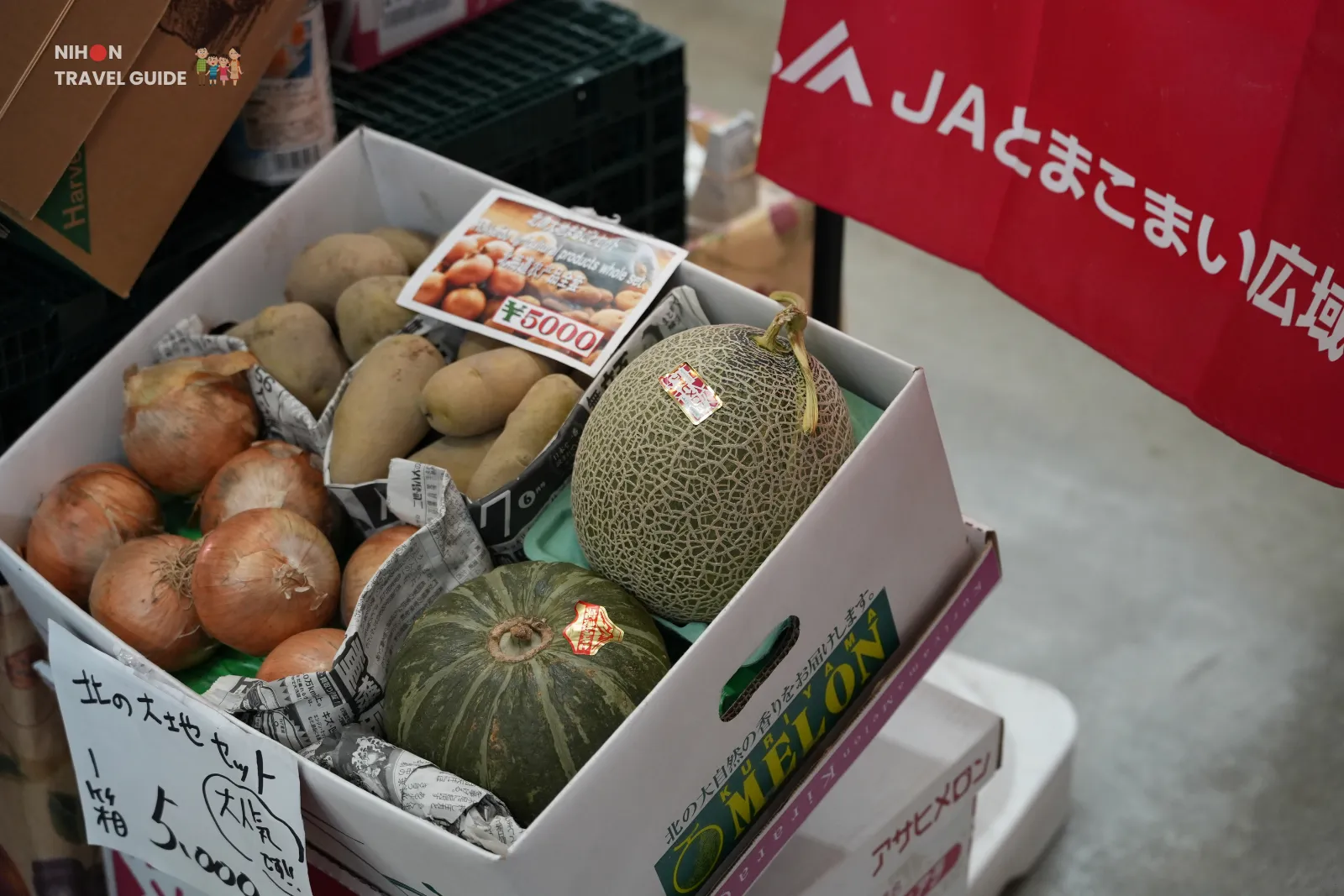
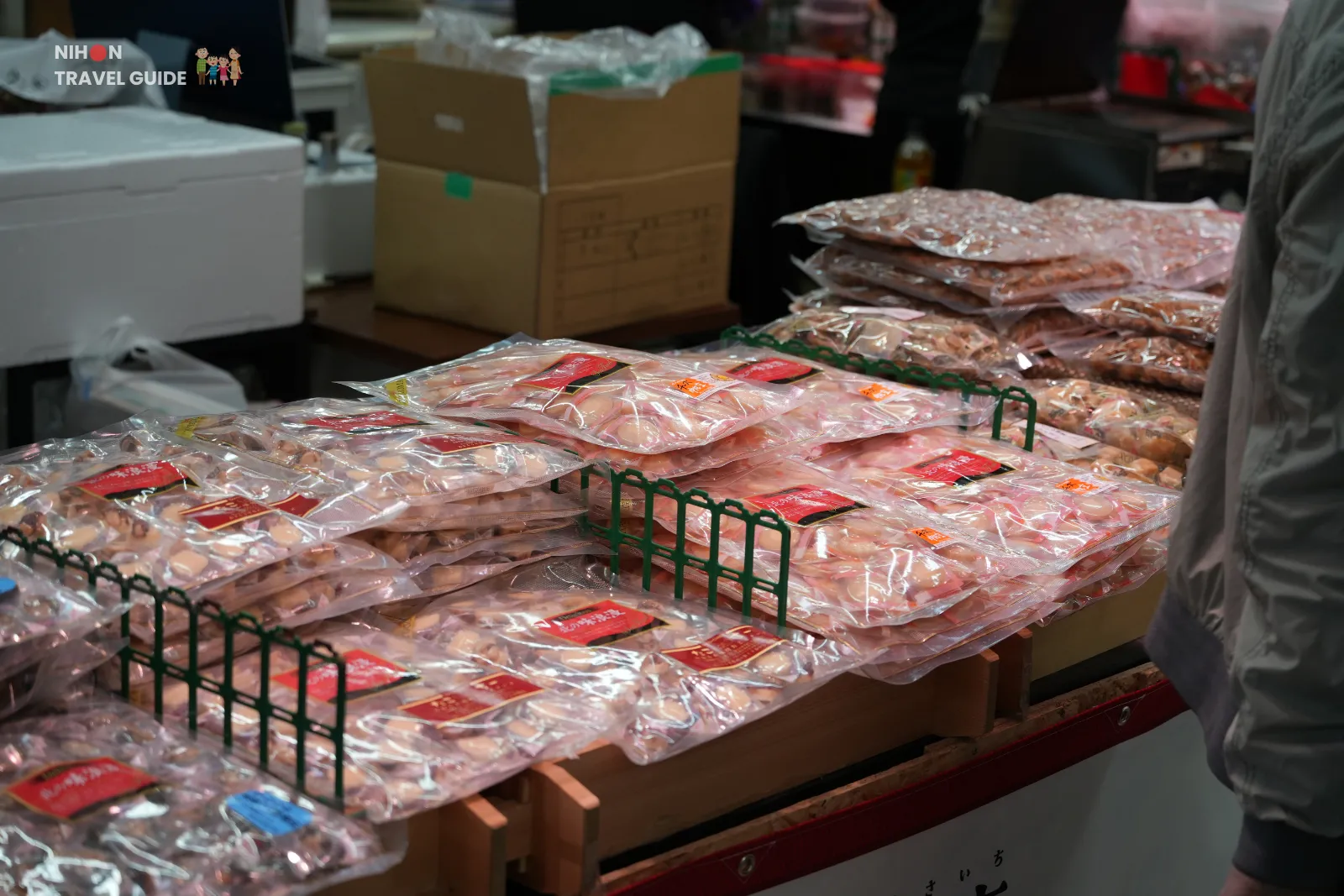
If you’re not in the mood for a full meal, there are plenty of edible souvenirs too – packaged roe, dried squid, or smoked salmon to take home. But honestly it’s hard to resist eating on the spot with grills sizzling right in front of you and that ocean-fresh smell everywhere. And if you need a break from seafood there is plenty of non-seafood stalls around selling fruits, vegetables and Japanese food.
My family came away saying the seafood here was some of the best and freshest they’d ever had – and judging by these photos, it’s easy to see why Hakodate Asaichi is a food lover’s paradise.
What else to do besides Eating
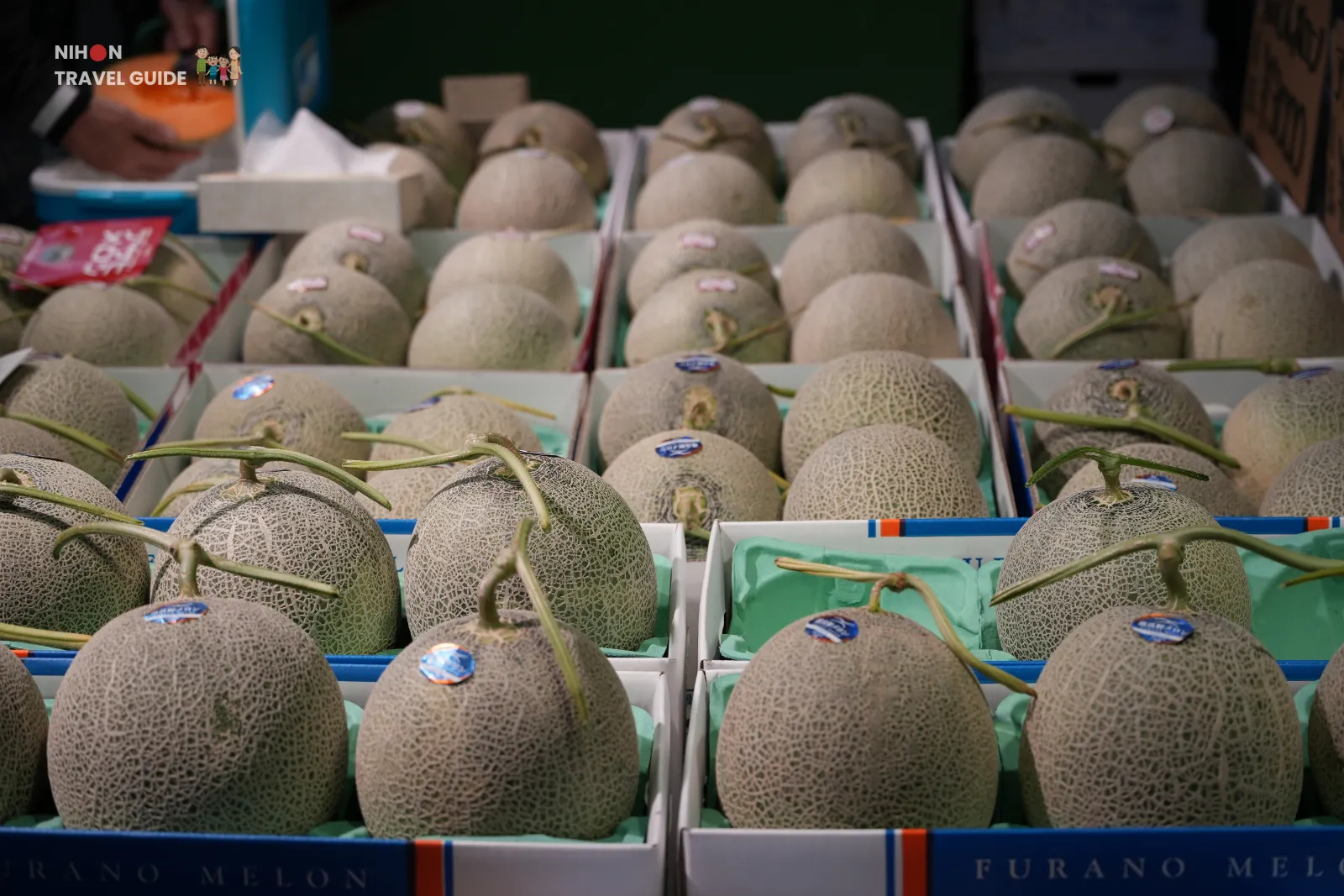
Besides eating fresh seafood, there are other reasons for visiting the Hakodate Morning Market. There are many shops where you can find Omiyage (お土産) for your friends and family members. The Japanese have the Omiyage Culture where they buy souvenirs for their friends, family members and colleagues after traveling or visiting a new place.
For example there were a lot of premium kombu (like seaweed) that were neatly vacuum sealed, scallop and oysters that were also seal packed and the famous Furano melons from the fruit stall.
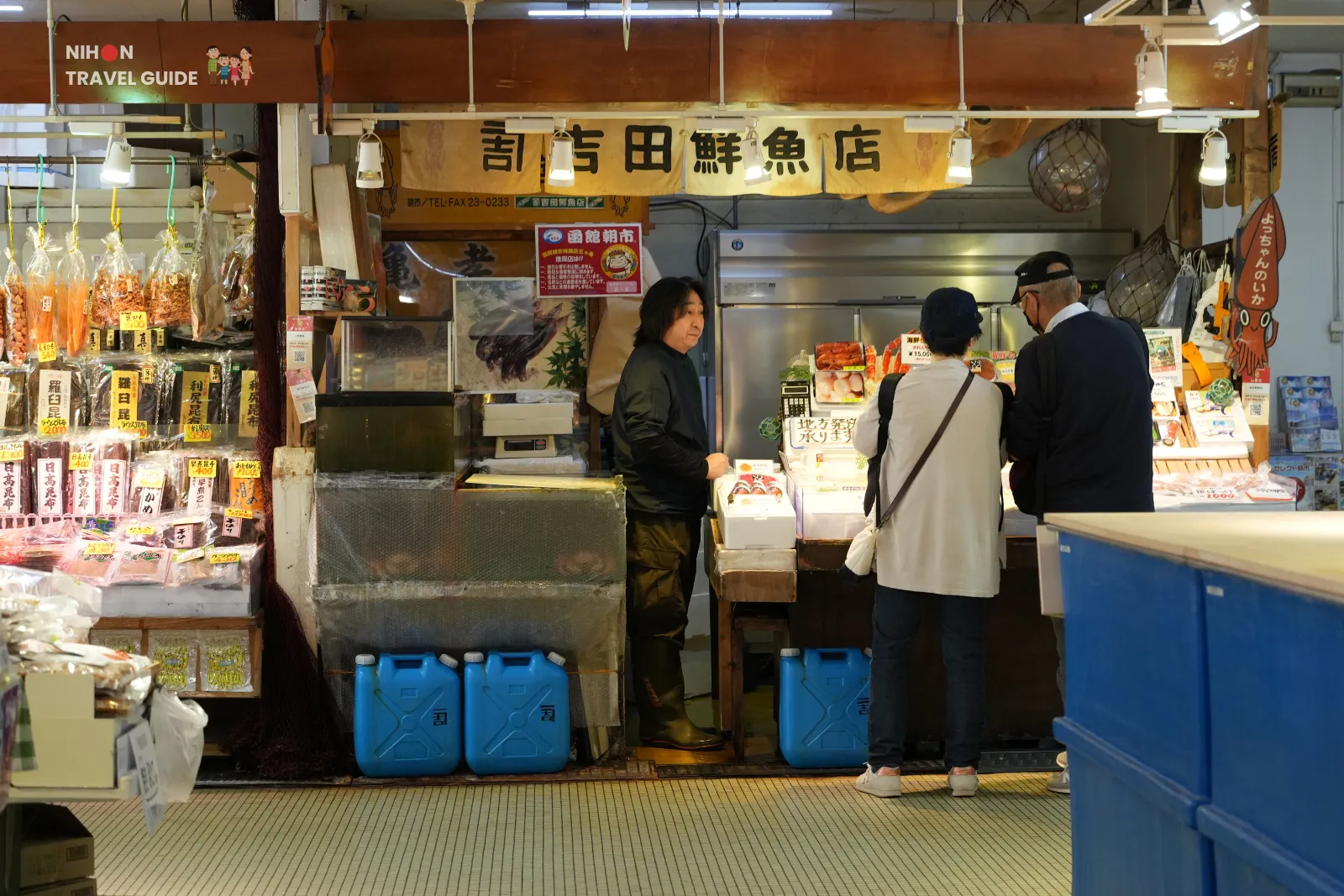
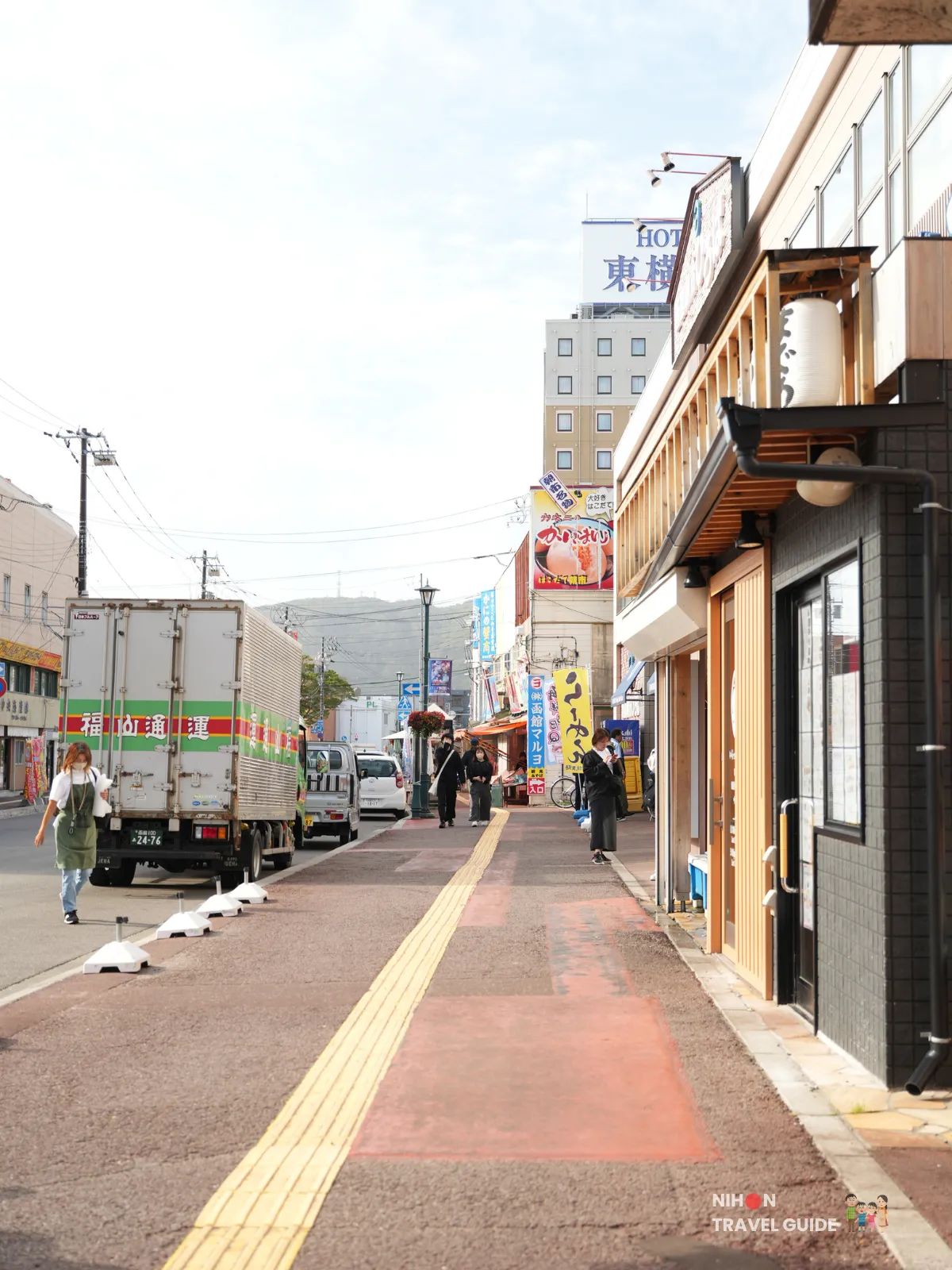
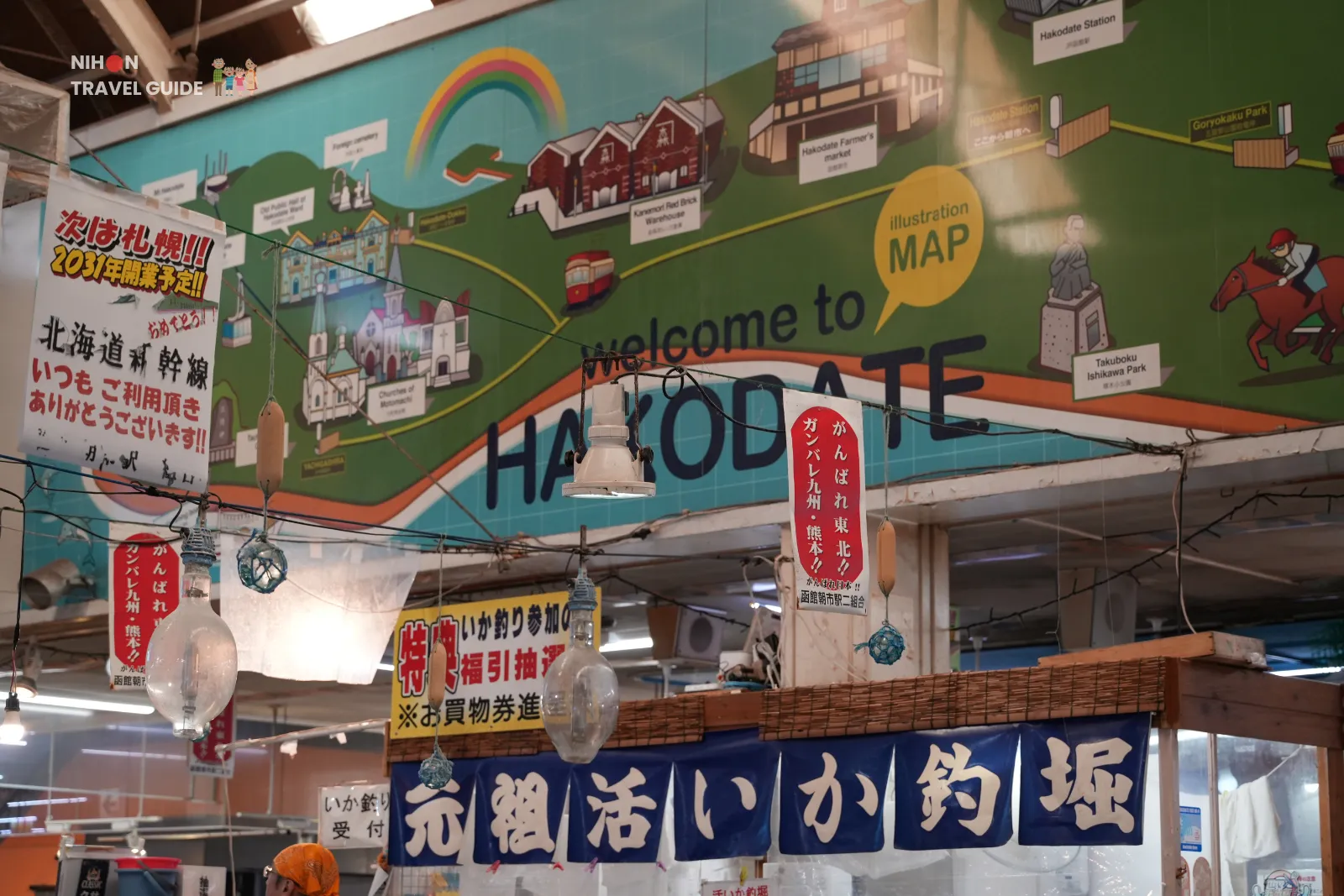
There are also a lot of photo opportunities available. Hakodate Morning Market is a great place to capture the feel of a more traditional rural fishing market, with the different colours and different sea creatures available. It’s also a great opportunity to capture the dialogue between the locals and vendors as they bargain for prices.
Although they didn’t spot the famous “ika-meshi” squid fishing game on this visit (where you try to catch live squid from a tank), it’s something many people mention as a fun activity if the right stall has it set up.
Overall, even if you’ve already had breakfast, it’s worth spending an hour or two just strolling, photographing, and picking out edible (or just pretty) souvenirs. My family came away with lots of photos and a few Omiyage (お土産).
How does it compare to Toyosu Fish Market?
If you’re wondering how Hakodate Morning Market compares to the famous Toyosu Fish Market (formerly Tsukiji Fish Market), it is quite a different animal all together. With the Toyosu Fish Market being a lot more structured, enormous, much more modern and a lot more restaurants and cafes.
Hakodate Morning Market on the other hand is much more intimate, traditional and local giving you a more authentic Japanese rural market experience. It’s more narrow, messy, wet and loud which adds to it’s own unique charm.
You definitely can’t go wrong with both, Toyosu Fish Market is worth going. But I much prefer the traditional rural Japanese feeling and will be looking to visit Hakodate Morning Market myself in the future.
Some Tips
– Try to go during off-peak periods to get more of the local vibe.
– Try to arrive early at around 7-8 AM to avoid peak crowds.
– Any season is fine. But go in winter for the King Crab, go in Autumn for the hairy crab and go in Summer for the Furano melons.
– One to two hours should be fine enough to walk through the stalls and grab some food.
– Cash is needed as most of the stalls don’t accept cards or Apple Pay.
Does my family Recommend it?
Yes if you love seafood and want to experience what a rural traditional fish market in Japan is like, Hakodate Morning Market is a great opportunity to do that. My family especially loves to eat fresh lobster and crab so they were really happy with this experience.
If you don’t really like seafood or are allergic, there are some other things at the market for you to see and do. But you could probably do a quick visit and pair it with other attractions in Hakodate.
My Rating: 4 / 5
Great fresh seafood especially Crab and Lobster. Arrive early at around 7-8 AM to avoid peak crowds.
FAQ – Hakodate Asaichi Morning Market
1) Is Hakodate Morning Market worth visiting?
Yes – my family loved it and called it one of their favorite stops in Hokkaido. The super-fresh seafood, friendly vendors, and authentic local vibe make it a standout, especially if you enjoy markets that feel more community-driven than tourist-heavy.
2) What are the opening hours?
The market generally opens around 5–6 AM and closes by early afternoon (around 1:30–2 PM). Hours can vary slightly by stall and are shorter in winter. My family visited mid-morning and it was already in full swing – aim for 7–9 AM for the best experience.
3) What’s the best season to visit?
Any time is good, but winter offers peak king crab, while summer brings sweet Hokkaido melons and lighter crowds early in the day.
4) How do I get to Hakodate Morning Market?
It’s incredibly easy: just a 1-minute walk straight out the main exit of JR Hakodate Station. If you’re staying in town or arriving by train/tram, you can’t miss it.
5) Do I need cash?
Yes – most stalls are cash-only. There are ATMs inside or near Hakodate Station. Budget ¥2,000–¥5,000 per person for a meal plus snacks/souvenirs.
6) Is there an English menu or do vendors speak English?
English is limited, but many stalls have photo menus, price tags in English, or simple translations. Pointing and smiling works perfectly – the vendors my family encountered were patient and welcoming.
7) Can I eat on the spot?
Absolutely! Many stalls grill items right in front of you (crab legs, squid, scallops), and there are small eateries and an upstairs dining area where you can have fresh seafood cooked.
8) Is it Hakodate Morning Market crowded?
It gets busy, especially mid-morning onward, but the narrow aisles add to the fun energy rather than feeling overwhelming. Go early for a calmer visit.
9) Is it family-friendly / kid-friendly?
Yes – the colorful displays, giant hanging squid, and watching crabs in tanks are entertaining for kids. Just keep an eye on little ones in the tighter spots.
10) Can I bring souvenirs home (especially internationally)?
Vacuum-packed items like salmon roe, smoked salmon, dried squid, and kombu travel well. Check your country’s customs rules for seafood products – most packaged items are fine in checked luggage.
11) Is it wheelchair or stroller accessible?
Partially – it’s mostly flat, but the narrow aisles and occasional crowds can make navigation tricky. The main areas are doable, but it’s not fully barrier-free.

Written by
Timothy Leong
Timothy is a Singapore-born, Japan-based digital marketer turned hidden-gem hunter. After ditching spreadsheets for Google Maps, he now lives full-time in Japan, chasing quiet towns, real ramen, and off-grid train routes. Every photo and tip on Nihon Travel Guide is 100% his — no AI, no fluff, no Tokyo Tower.
More about Timothy →