Free entry, authentic local shrine experience, and a great starting point for a day trip up Mount Tsukuba.
TL;DR – Tsukubasan Shrine is worth it if you are visiting Mount Tsukuba as well.
- Tsukubasan Shrine is free to enter and takes about 45 minutes to 1 hour to explore.
- Best visited on weekdays — it gets very busy on Sundays and weekends.
- The shrine is right next to the Mount Tsukuba Cable Car station — easy to combine both in one day.
- More of a local shrine than a tourist attraction — don’t expect the scale of Kyoto shrines.

In February 2026 I visited the Tsukubasan Shrine 筑波山神社 (Mount Tsukuba Shrine) together with my visit to Mount Tsukuba. Below is my experience visiting Tsukubasan Shrine, one of the oldest shrines in Japan.
- TL;DR – Tsukubasan Shrine is worth it if you are visiting Mount Tsukuba as well.
- Tsukubasan Shrine History
- How to Get to Tsukubasan Shrine
- Tsukubasan Shrine Pricing
- Tsukubasan Shrine Grounds
- Tsukubasan Shrine Main Hall
- Etiquette at the Tsukubasan Shrine
- Tsukubasan Shrine Seasonal Highlights
- Food and Shops Near the Shrine
- Tips when visiting Tsukubasan Shrine
- Where to Stay Nearby
- Is Tsukubasan Shrine Worth Visiting?
- Mount Tsukuba
- FAQ – Tsukubasan Shrine
All photos on this page are mine, shot on an iPhone 11 pro.
Tsukubasan Shrine History
Tsukubasan Shrine is a Shinto Shrine on the slopes of Mount Tsukuba in Tsukuba City and is dedicated to the mountain itself and to the deities Izanagi and Izanami. It is said to be focused on family safety, marital harmony and matchmaking.
It is also officially classified as a Beppyo Shrine, a designation for shrines of special status within the Association of Shrines. It is also associated with the Nyotaisan and Nantaisan Shrines on the peaks of Mount Tsukuba.
Local and shrine traditions say that the Tsukubasan Shrine originated roughly 3000 years ago (2nd century CE, reign of Emperor Seimu 131–190 CE), making it one of the oldest and most venerated shrines in Japan.
Today, Tsukubasan Shrine mainly functions as an active Shinto Shrine, a local festival centre and a tourism spot for people visiting Mount Tsukuba as well.
To find out how to reach Nyotaisan and Nantaisan Shrines, check out our Mount Tsukuba complete guide for ropeway prices, hiking tips and a full itinerary.
How to Get to Tsukubasan Shrine
The best way to get to Tsukubasan Shrine is by taking the Kōsoku Bus “Tsukuba-go” (高速バス「つくば号」) from Tokyo Station to Tsukba Center. This is about take about 1hr 5 mins.
From there, you want to take the Tsukubasan Shuttle to the Shrine. This would take about 38mins. The total journey would take about 2 hours and cost ¥2,030.
You could also take the Tsukuba Express Train from Tokyo to Tsukuba Center. This would take about an hour. But you would have to travel to the station that has the Tsukuba Express Train from wherever you are.
Driving to Tsukubasan Shrine
If you are driving to Tsukubasan Shrine, please take the main route (Ibaraki Prefectural Route 42) or the Tsukuba Road (つくば道) up the mountain as it is the maintwo-lane road going up the mountain.
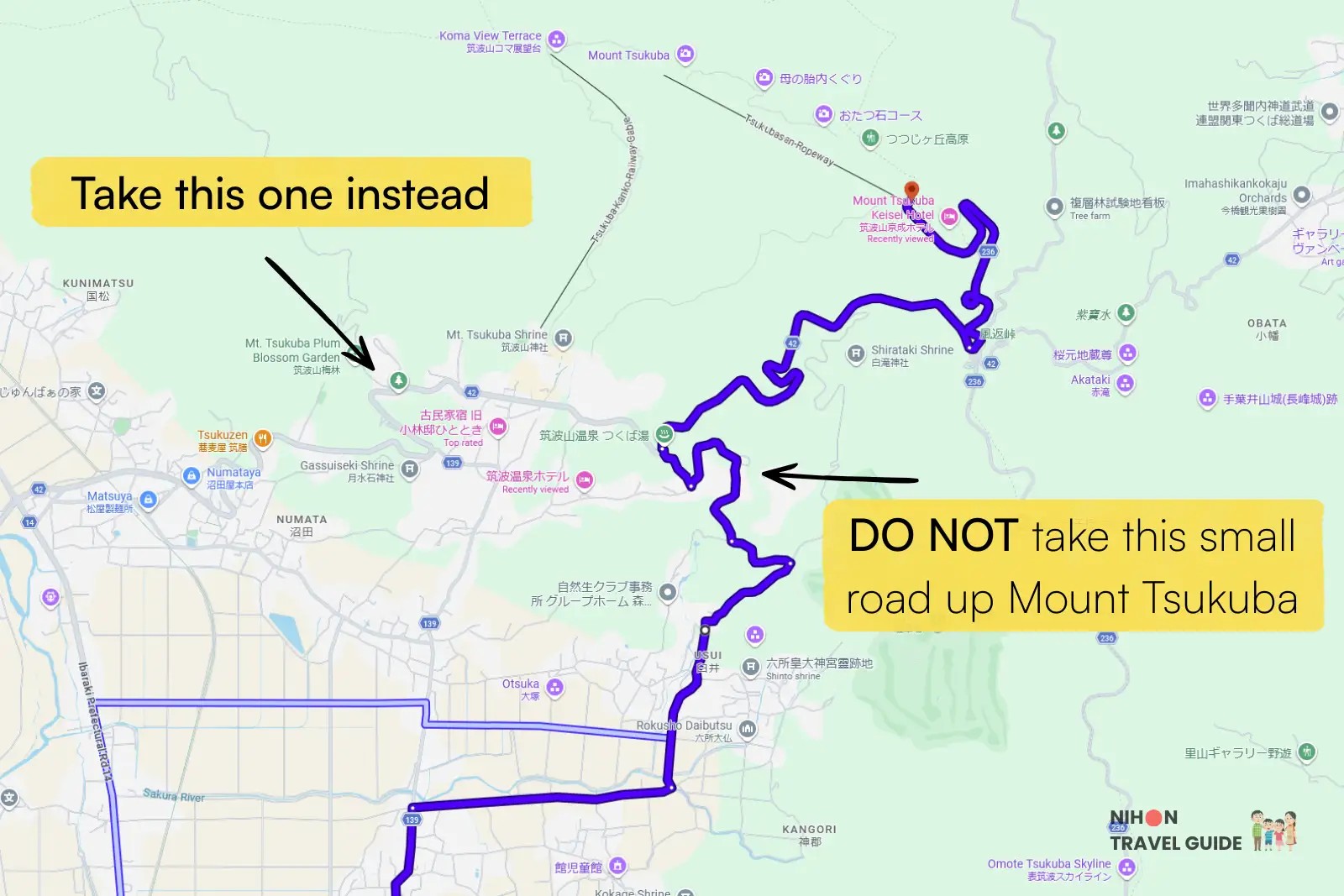
Sometimes Google maps will say that there is an alternate route towards the east (in the photo above). Please try to avoid taking that road up Mount Tsukuba as it is only a one lane road for bi directional traffic. It is very narrow and you can’t see on coming traffic either. Much safer to take the main road.
Tsukubasan Shrine Parking
So there are quite a lot of parking options near Mount Tsukuba Shrine. I parked at the Tsukubasan Shrine Parking Lot (shown on the map), and it’s about a 5 minute walk to the shrine itself. This is the best place to park but it can fill up quickly on the weekends. It’s much quieter on the weekdays.
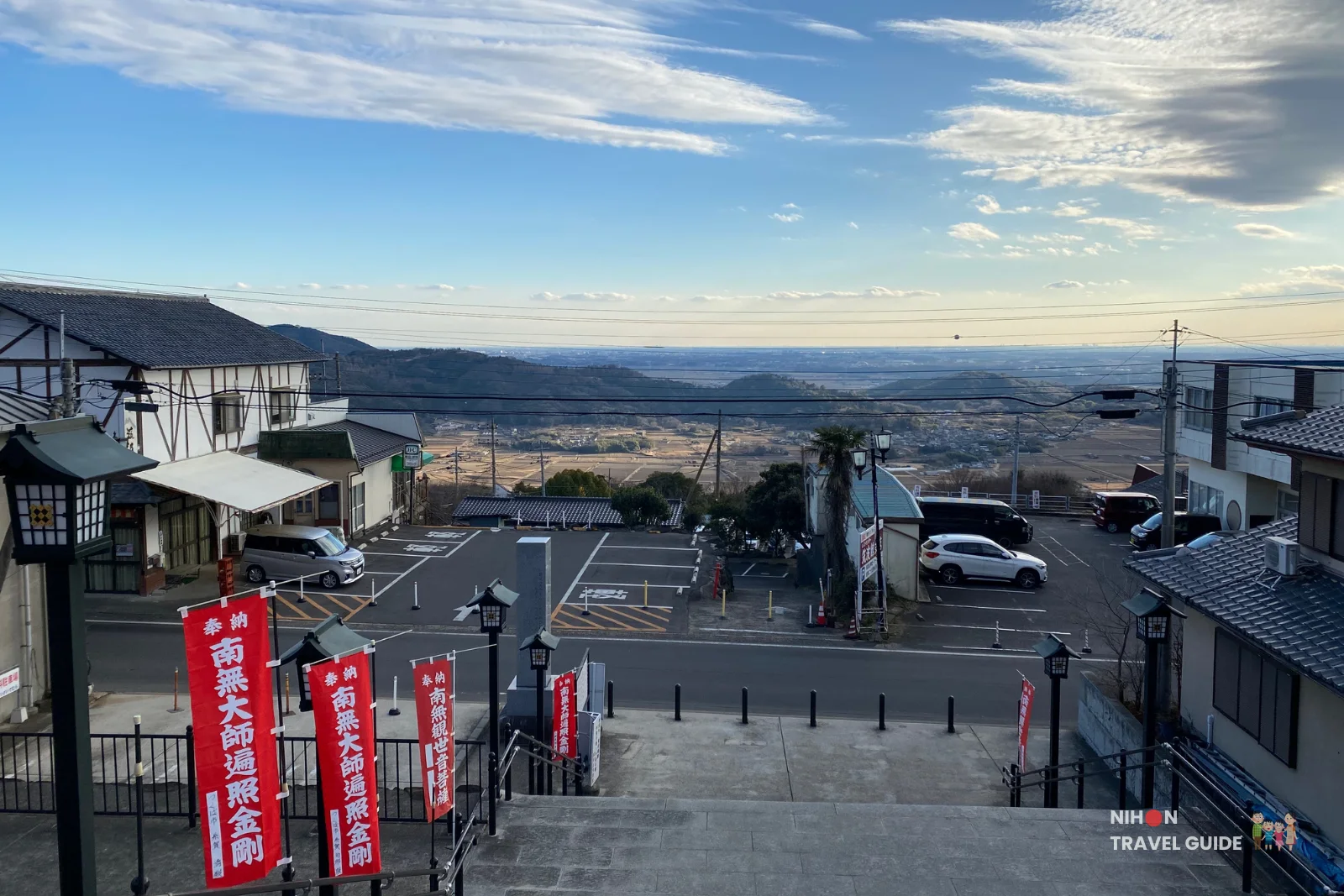
There are more parking spaces at the shops near the shrine and you pay the shopkeeper itself. However if you can’t speak Japanese that conversation might be a bit tricky.
There are some open parking spaces without any shops and there are mailboxes where you could coins into to pay for the parking. Sort of like an honour system. You could do that as well but I decided not to risk it as there isn’t a proper way to verify that I paid for the parking.
When is the Best Time to visit Tsukubasan Shrine?
If you want a quiet experience, a good time to visit Tsukubasan Shrine is on the weekdays, as it is not as crowded. Try to avoid going on the weekends especially on Sundays.
I originally tried to visit Tsukubasan Shrine on Sunday before climbing Mount Tsukuba. It was really busy, there were a lot of cars and I had to skip it and come back on the weekdays instead. If you go on the weekdays it’s a lot more quieter and some of the shops might close early.
But if you want the full experience with a lot of the locals going to the shrine then going on the weekends or when there is a special event going on will be great. If you are going on the weekends it is better to take the bus instead of driving.
Tsukubasan Shrine Pricing
Tsukubasan Shrine is free of charge you do not need to pay for tickets to enter.
Tsukubasan Shrine Grounds
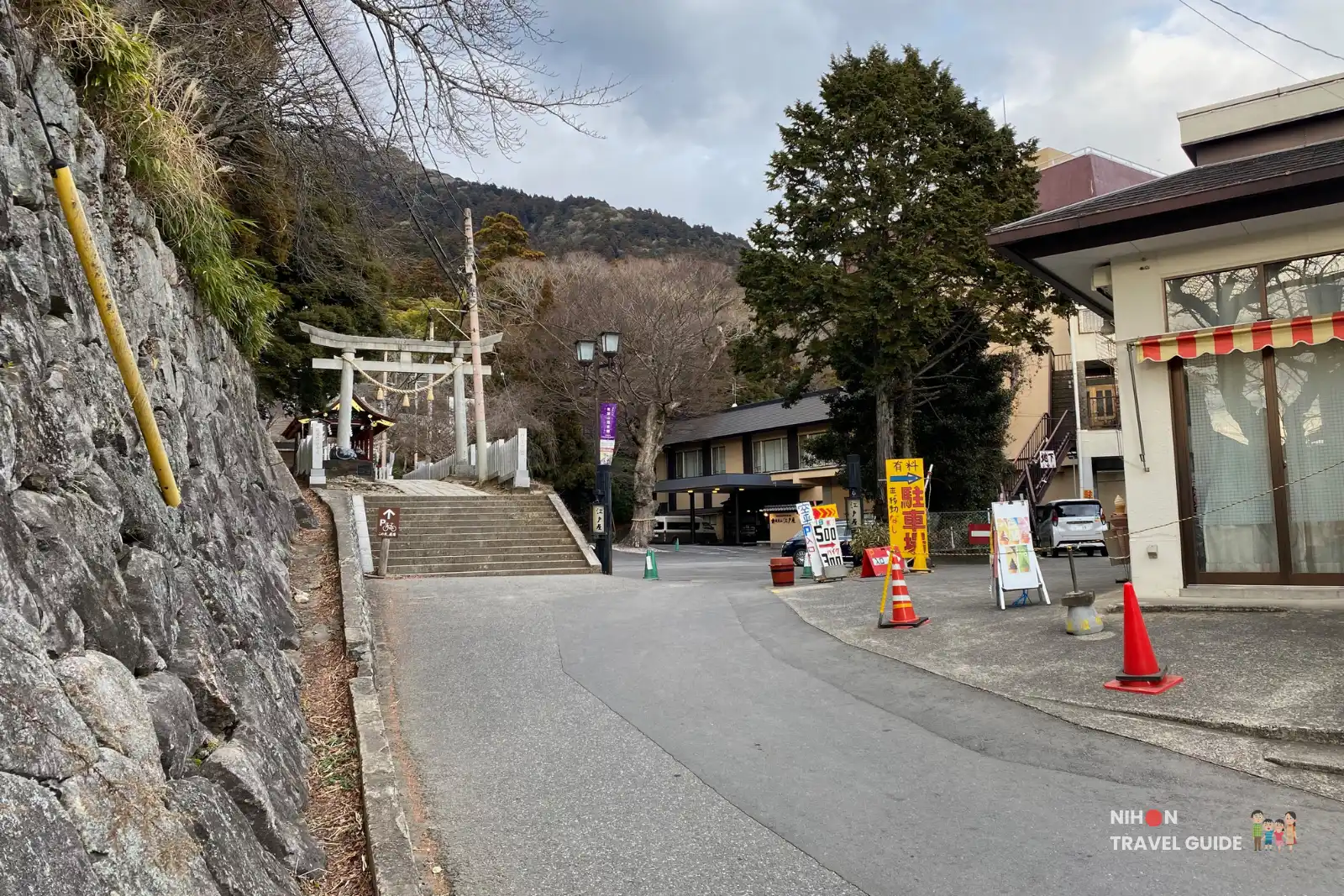
The Tsukubasan Shrine is quite easy to navigate. Once you have parked, you will walk past the shops and some hotels on the way to the shrine.
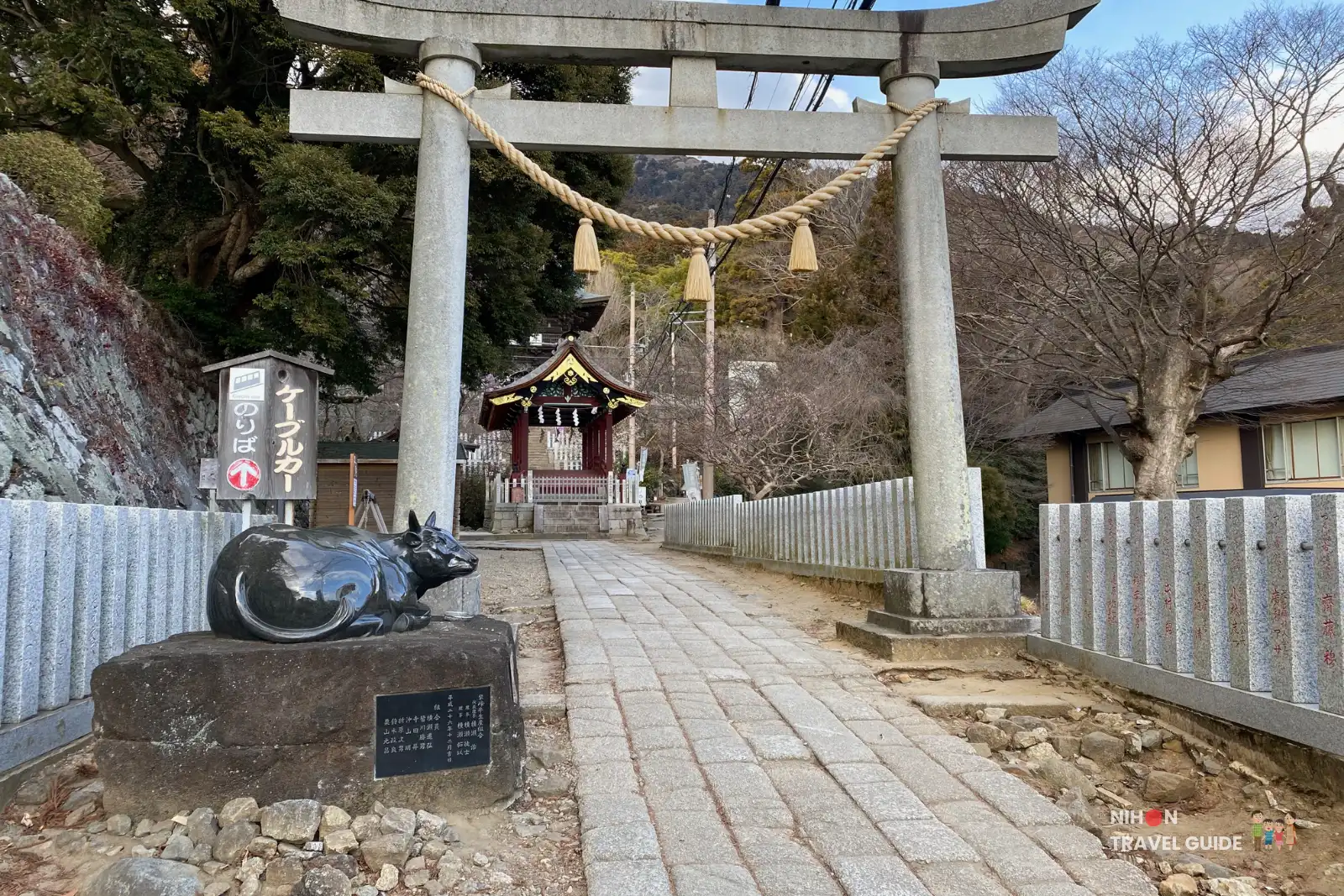
You will then see the entrance, a stone torii called the 二の鳥居 (second torii) and a wooden sign that will guide you to the Mount Tsukuba Cable Car.
Shinkyo (神橋)
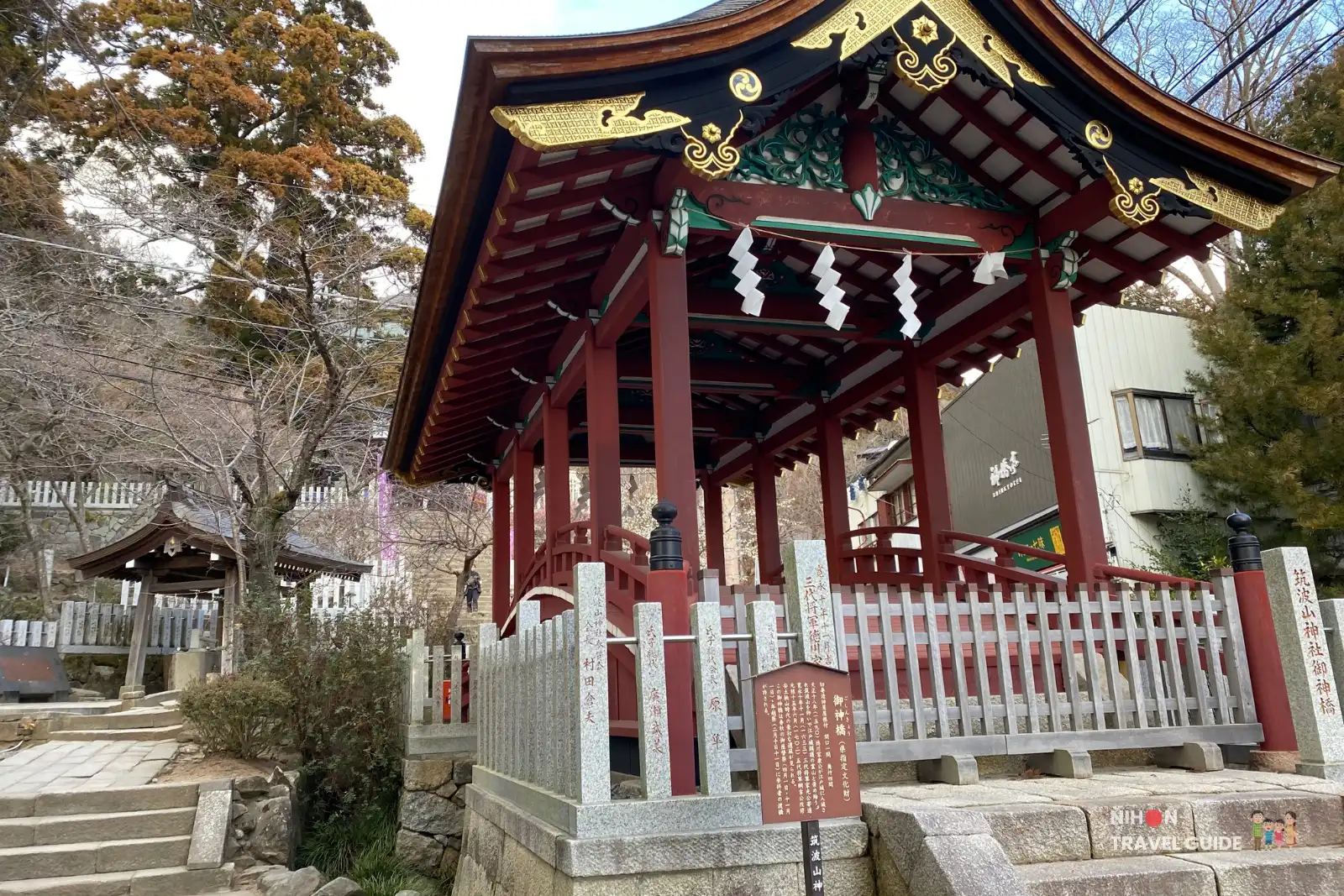
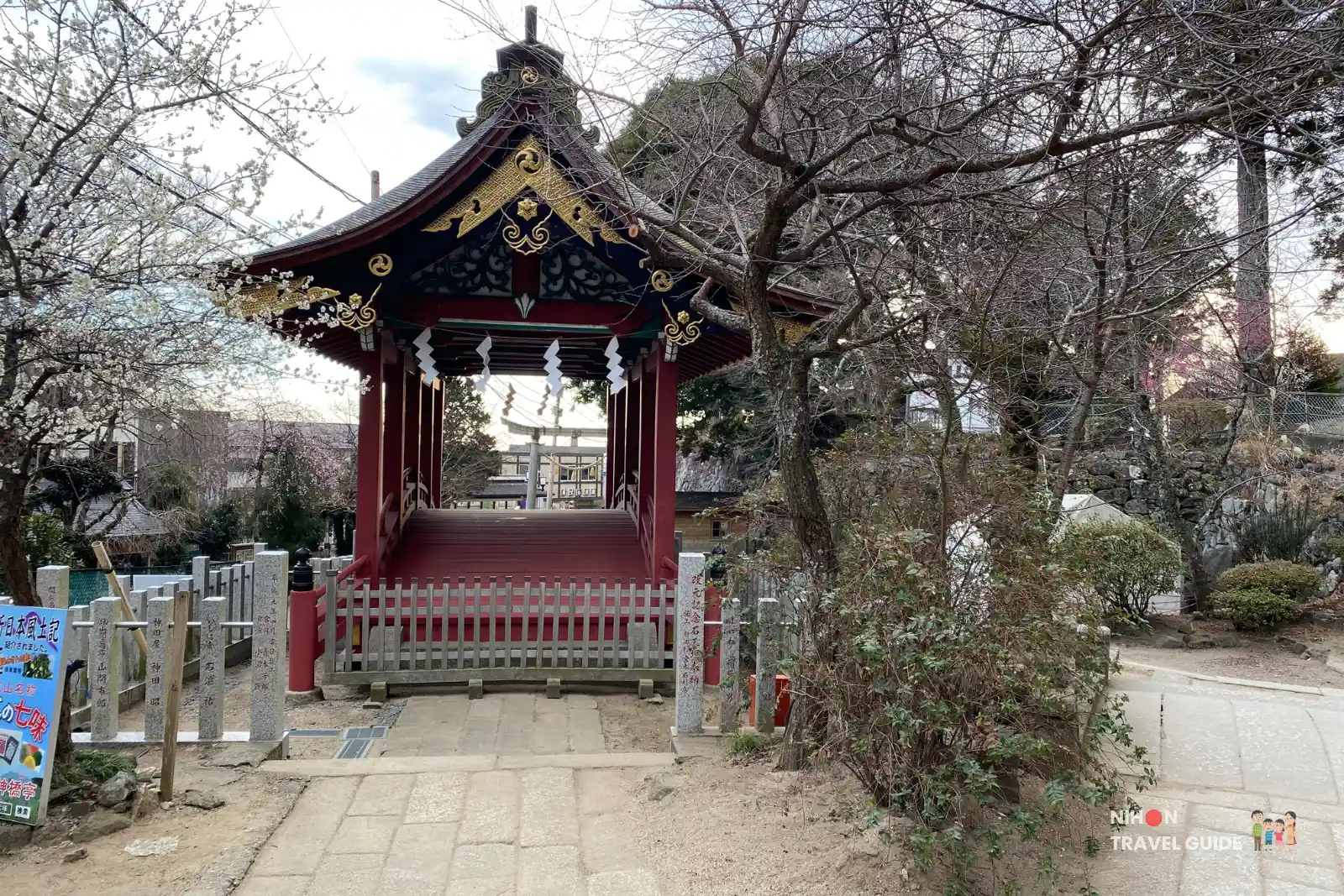
Next you will walk pass the Shinkyo (神橋) which translates to “sacred bridge”. It’s meant to be a sacred passage to the shrine reserved for deities, imperial envoys or priests. It’s also meant to be a symbolic crossing for purification and protection rather than a practical bridge.
Temizuya (手水舎)
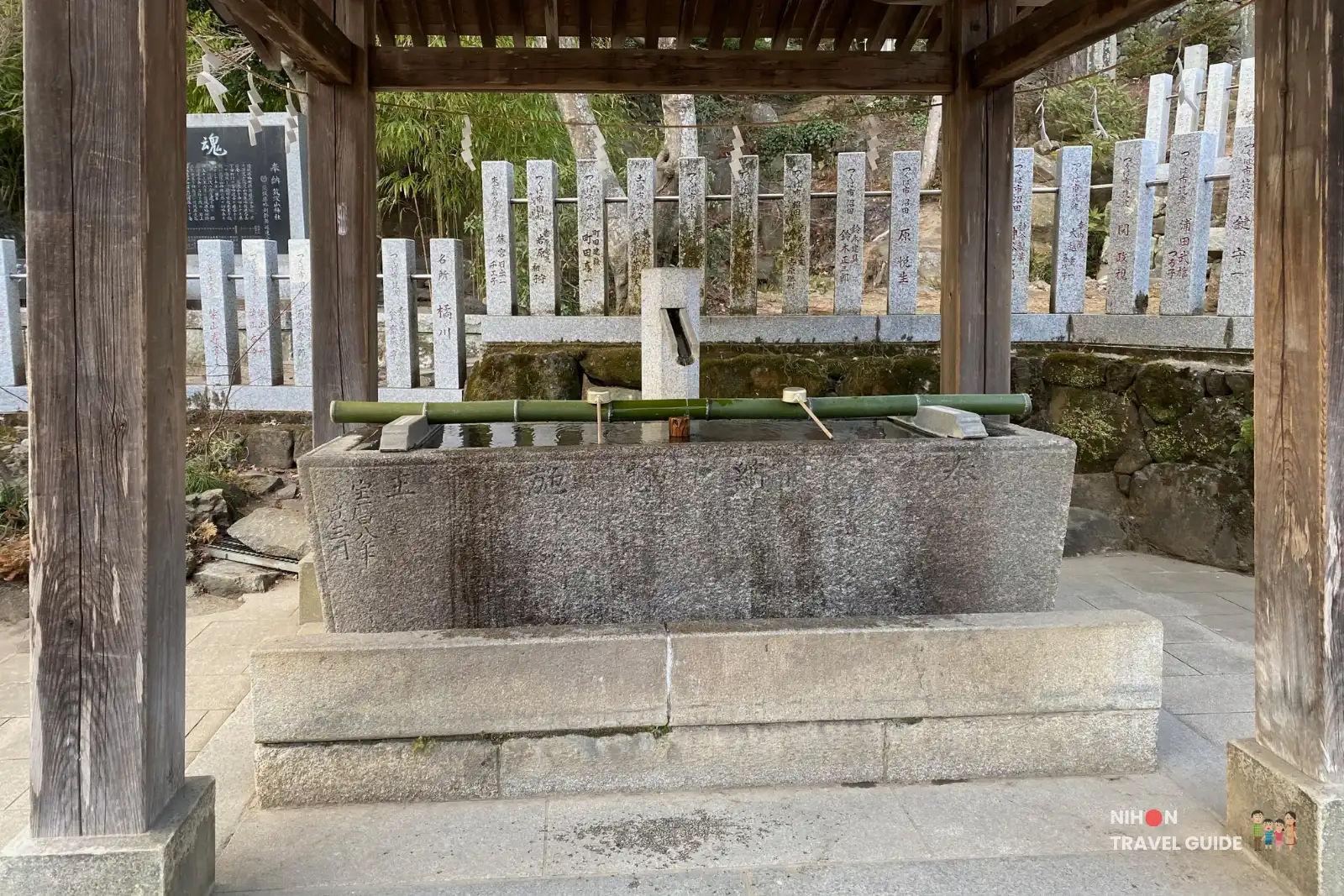
Just after that you would see a Temizuya (手水舎) on the left, the purification pavilion. It’s a stone water basin where visitors ritually wash their hands and rinse their mouths before approaching the main shrine buildings.
Zuishinmon Gate (随神門)
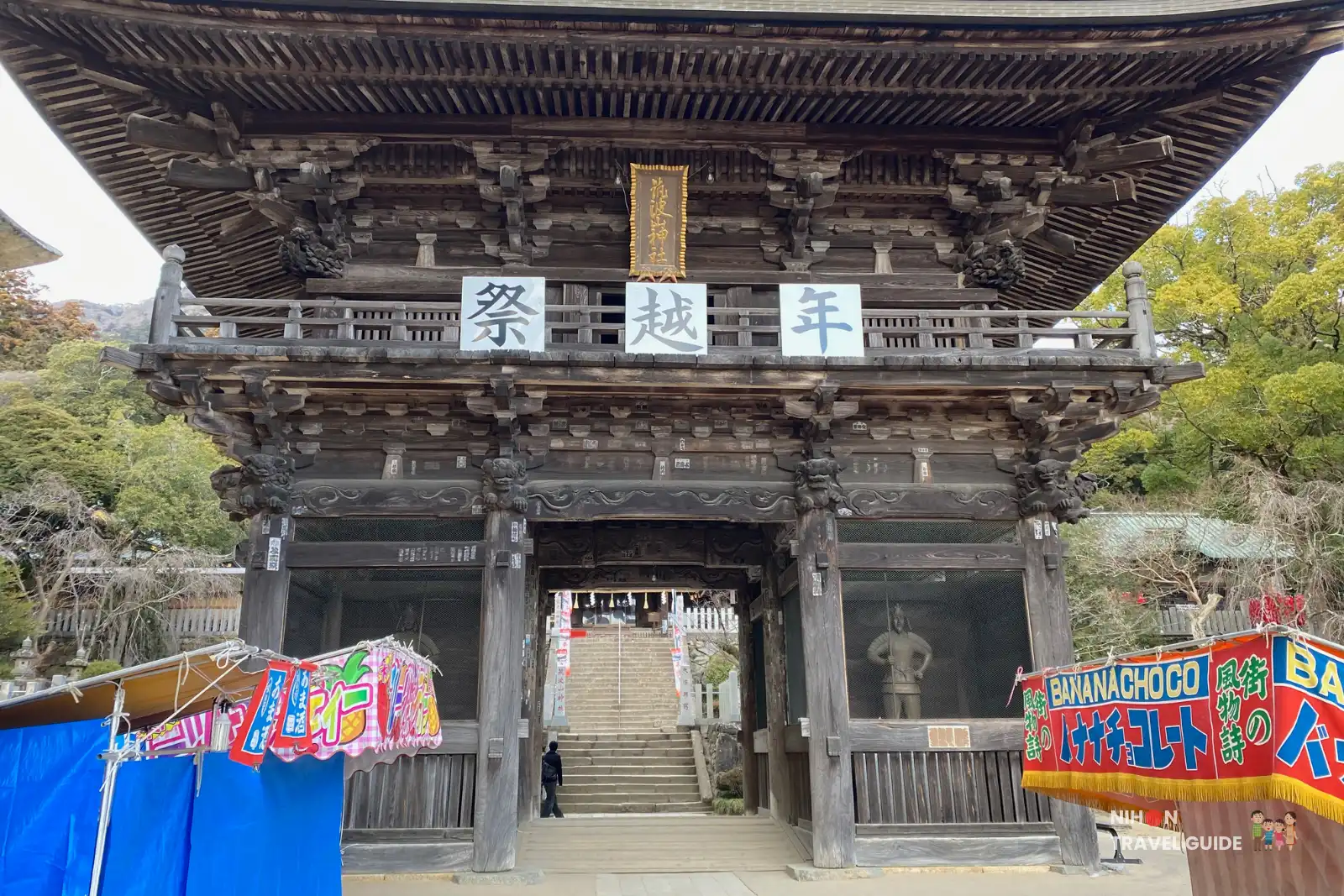
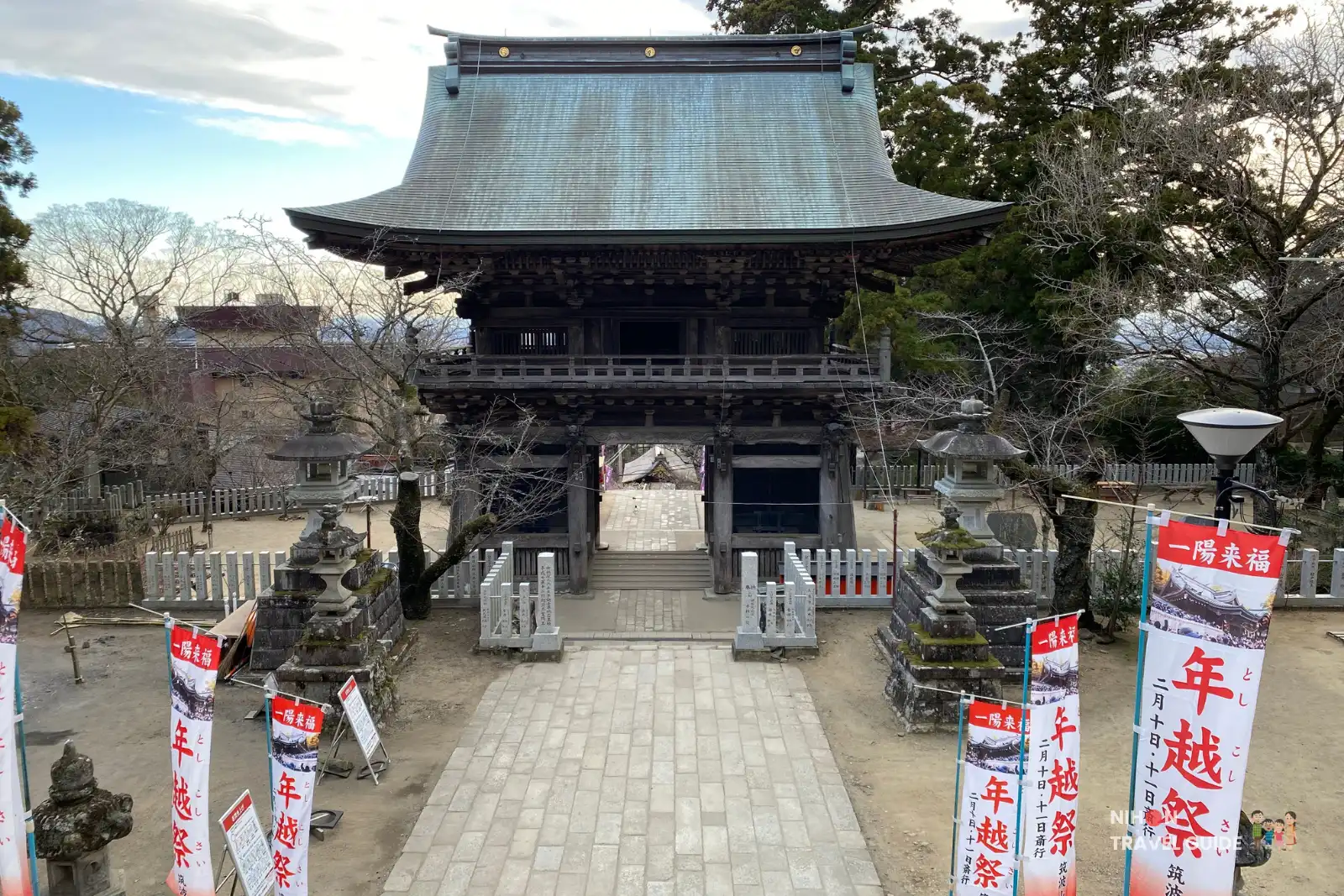
Just before the main shrine compound is the Zuishinmon Gate (随神門), the main gate leading into the inner precinct. The Zuishinmon Gate is a ceremonial gate that marks the transition from the outer approach into the shrine’s more sacred inner precinct.
It houses the guardian deities and symbolically protects the shrine, so passing through it is a ritual act of entering purified, protected space before approaching the main halls.
Tsukubasan Shrine Main Hall
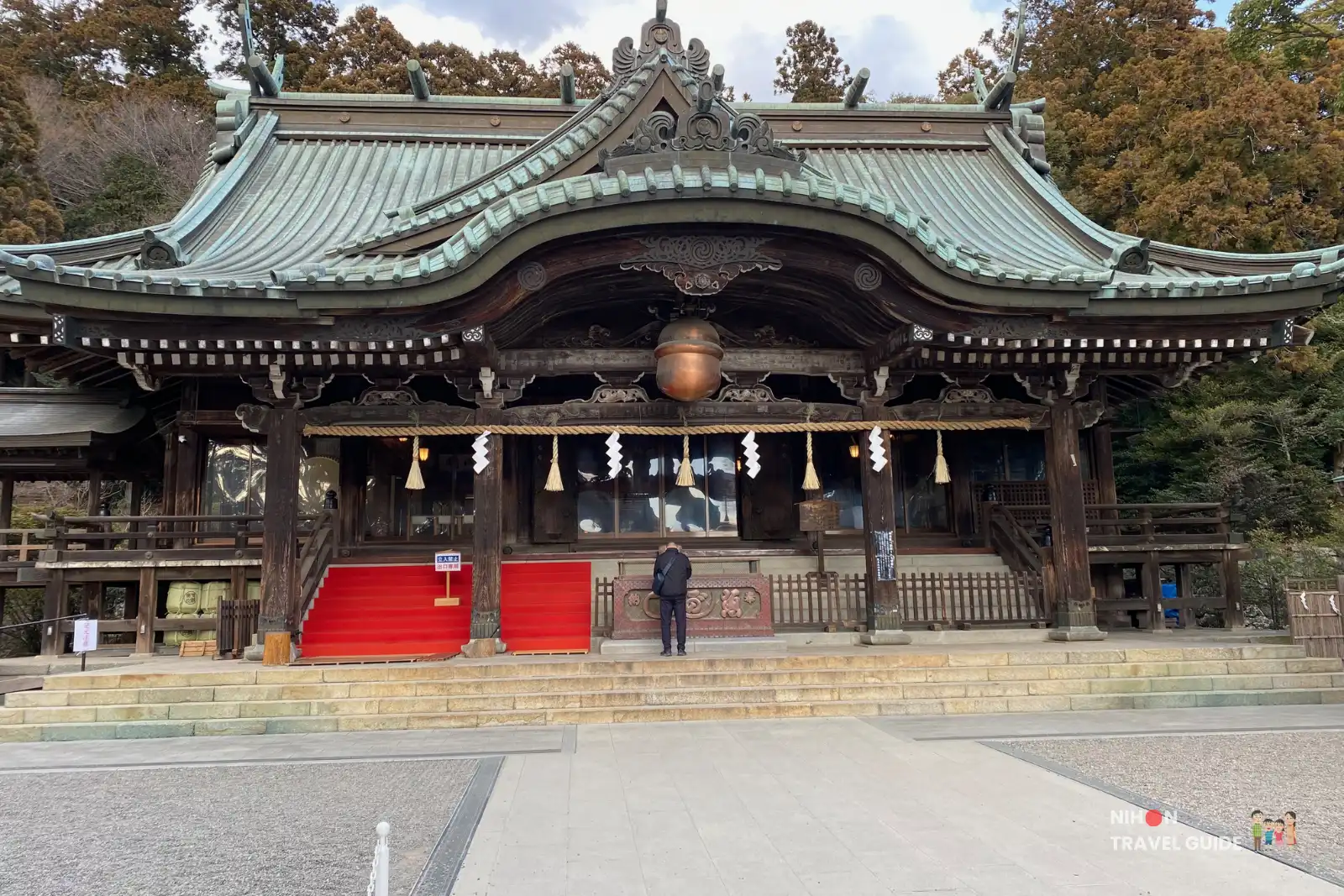
Once you you go past the Zuishinmon Gate and up the stairs you’re in the main shrine compound with the haiden (拝殿) in front of you. This is the main worship hall of Tsukubasan Shrine. You can see the locals go to pray
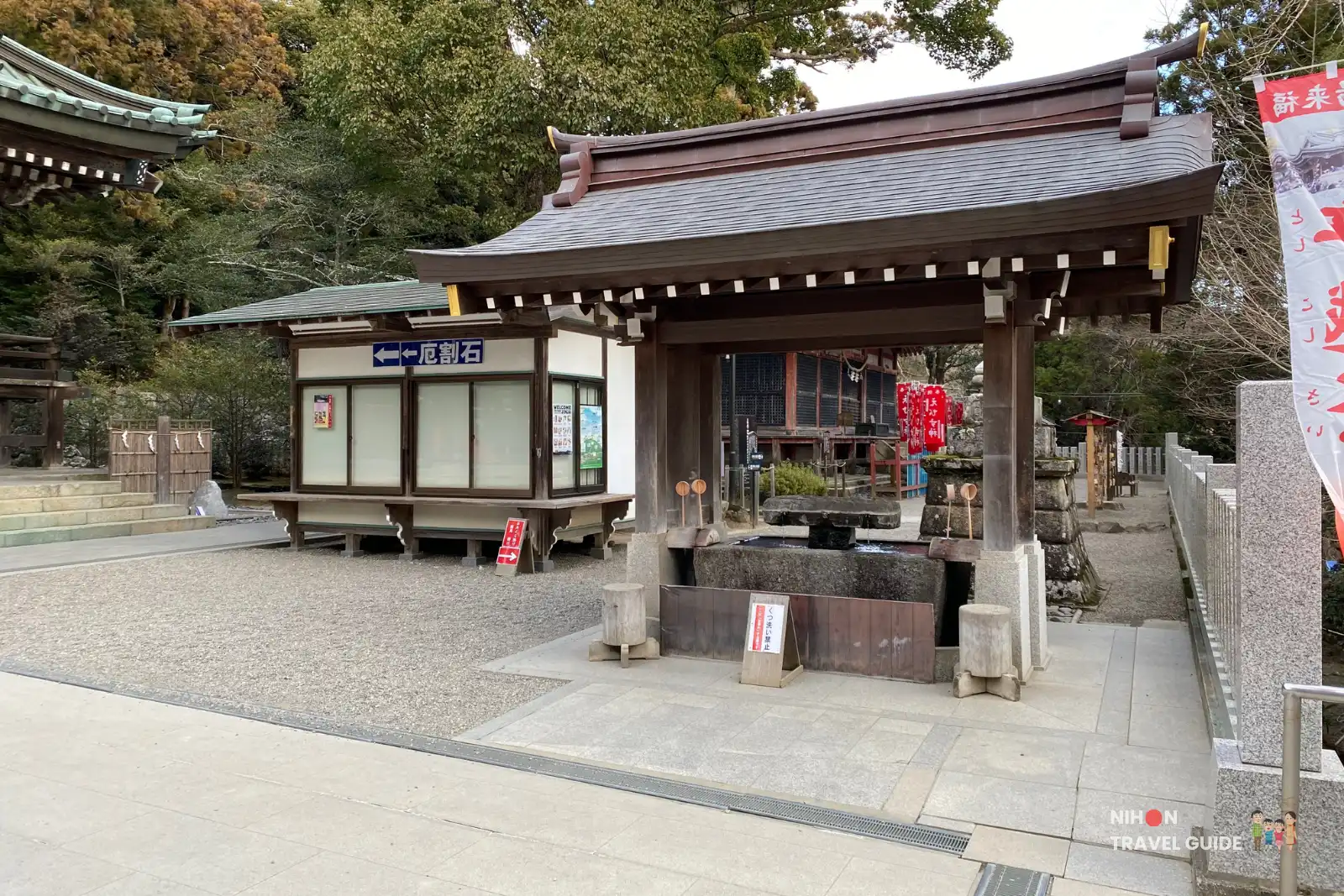
On the right there is another smaller Temizuya (手水舎) meant for you to wash your hands and rinse your mouth before worship.
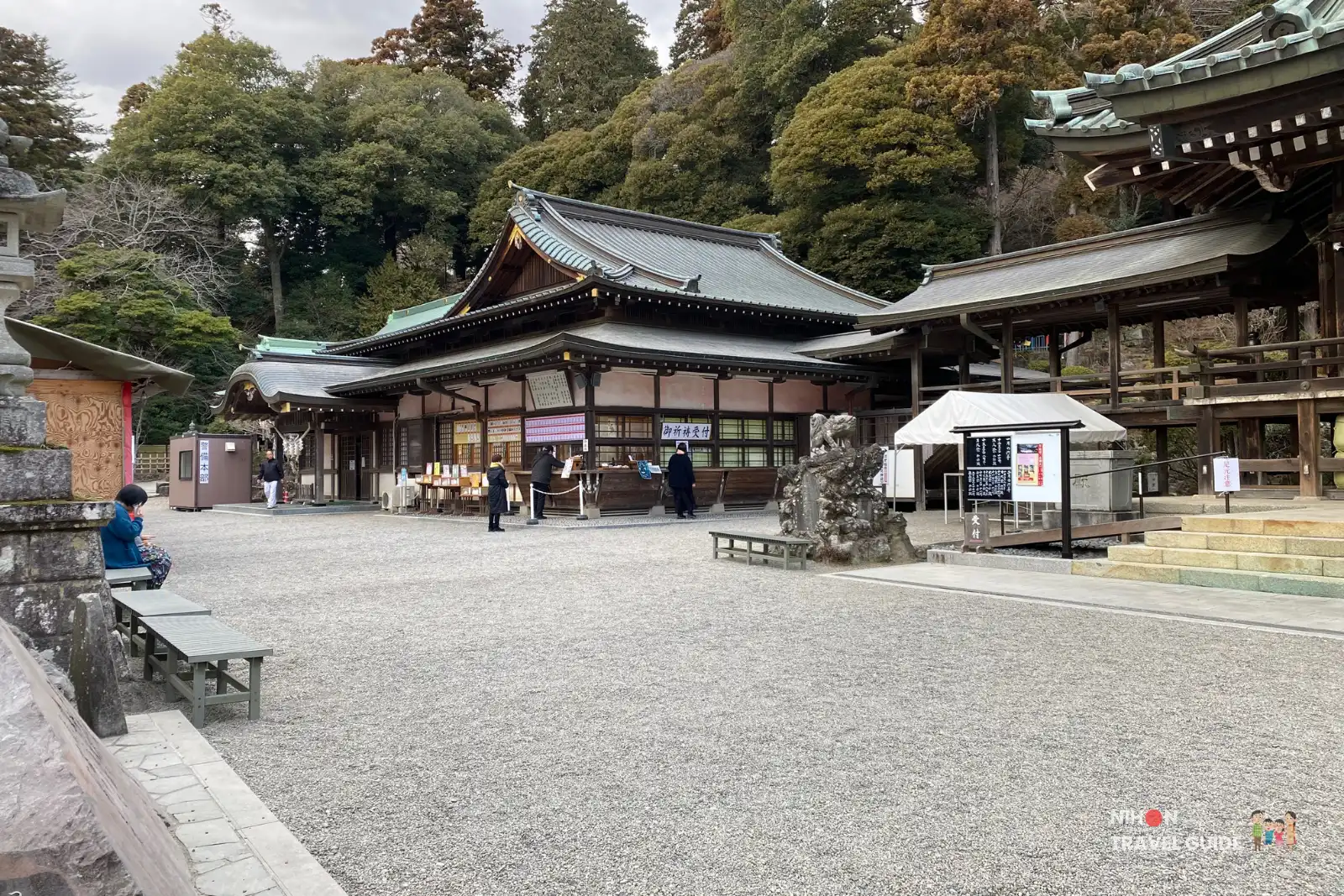
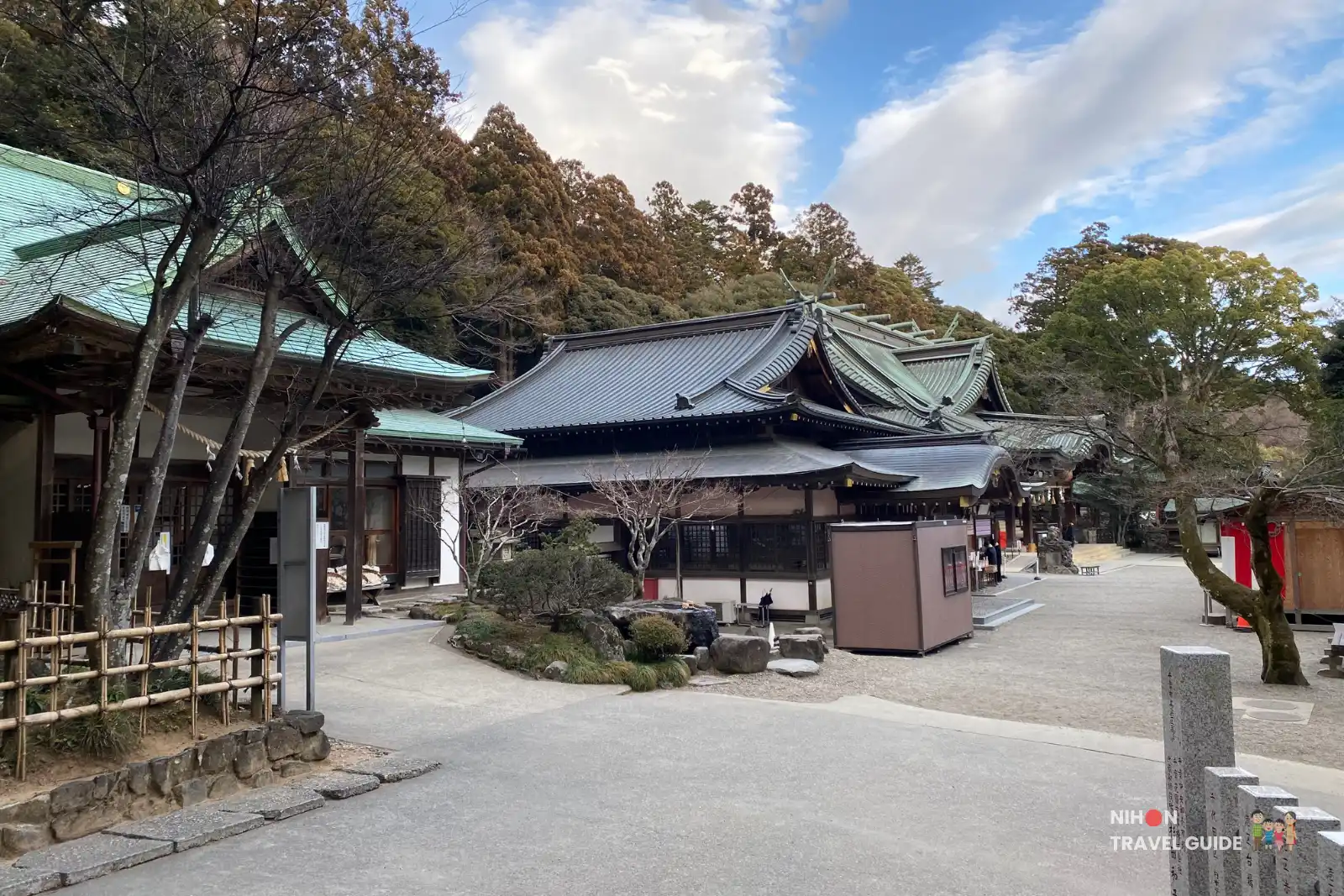
On the left is the shrine office (社務所 / 授与所) where you can receive your omamori 御守 (amulets) and ofuda お札 (talisman plaques) and buy omikuji 御神籤 fortune slips.
If you are familiar with the culture of collecting seals in Japanese Culture (Goshuin Atsume 御朱印集め), you may also collect the individual seal from the Tsukubasan Shrine at the Shrine Office.
Mount Tsukuba Cable Car
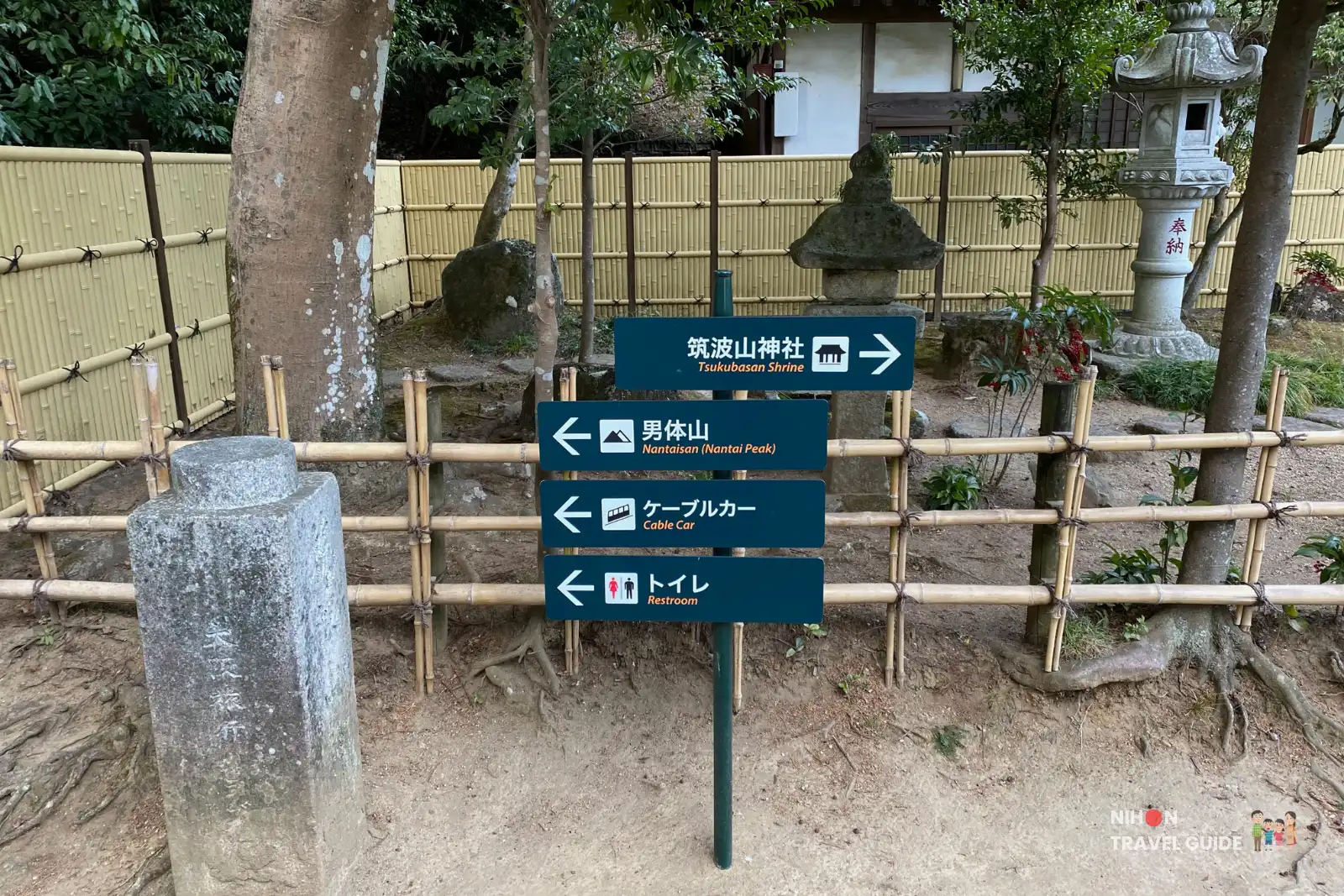
If you continue walking pass the Shrine Office, you will be led onto a path towards the Mount Tsukuba Miyawaki Cable Car Station. Once you are done visiting Tsukubasan Shrine you can easily begin your hike towards Mount Tsukuba.
Just take note that the path will split to another path and that is the hiking route (miyukigahara trail) up to Nantaisan Peak on Mount Tsukuba. Just be careful as you don’t want to hike too much before realising you made a mistake.
Etiquette at the Tsukubasan Shrine
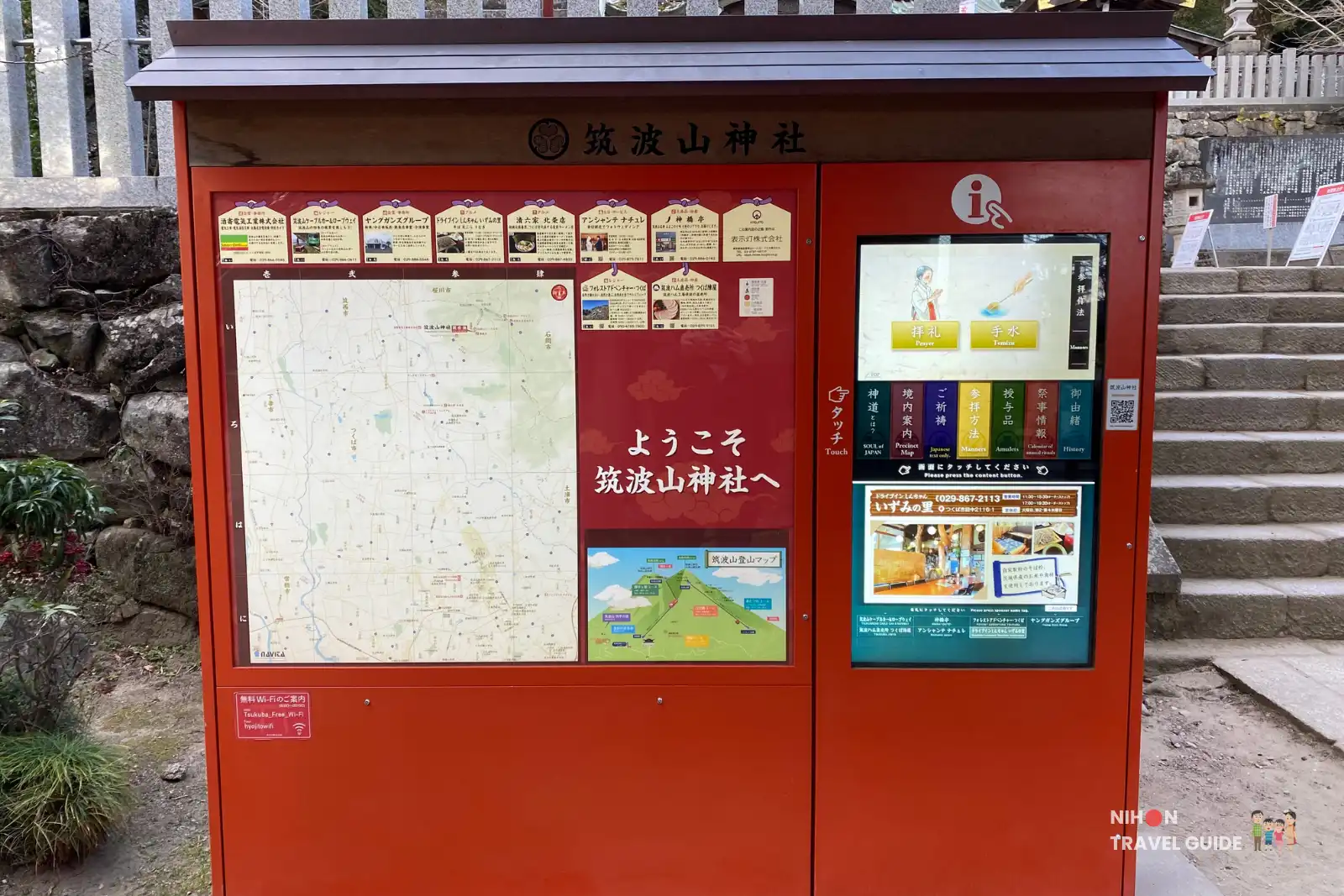
So I did not take part in any prayers or offerings myself, so I don’t have first hand experience about this. However there are signs and information booths/boards at the shrine (with English) to guide you on this.
The locals most likely would not be good at English so if you would like to take part, read up on general Shinto Shrine etiquette resources before your visit.
But in general just behave properly as a guest and foreigner. Things like don’t make too much noise, try not to take photos of the locals, don’t litter or fly drones. Things of this sort.
You can find a clear overview of how to behave and pray at Japanese shrines in the Japan National Tourism Organization’s guide, “Shrine & Temple Visits – Best Practices,” and in Japan Guide’s concise article “Visiting temples and shrines.”
Tsukubasan Shrine Seasonal Highlights
Tsukubasan Shrine mainly holds two Ozagawari 御座替 (Goza‑change) festivals every year on April 1 and November 1. This is when the deity’s garments are ceremonially changed and an omikoshi (portable shrine) procession goes up and down the mountain.
Regular prayers such as good luck, fortune, exams and especially relationship and family blessings are received daily from around 9:00 to 15:45.
New Year’s Eve and the first days of January draw many worshippers for hatsumode 初詣 (first shrine visit), with all‑night or late‑night New Year’s prayers listed among traditional local events.
Food and Shops Near the Shrine
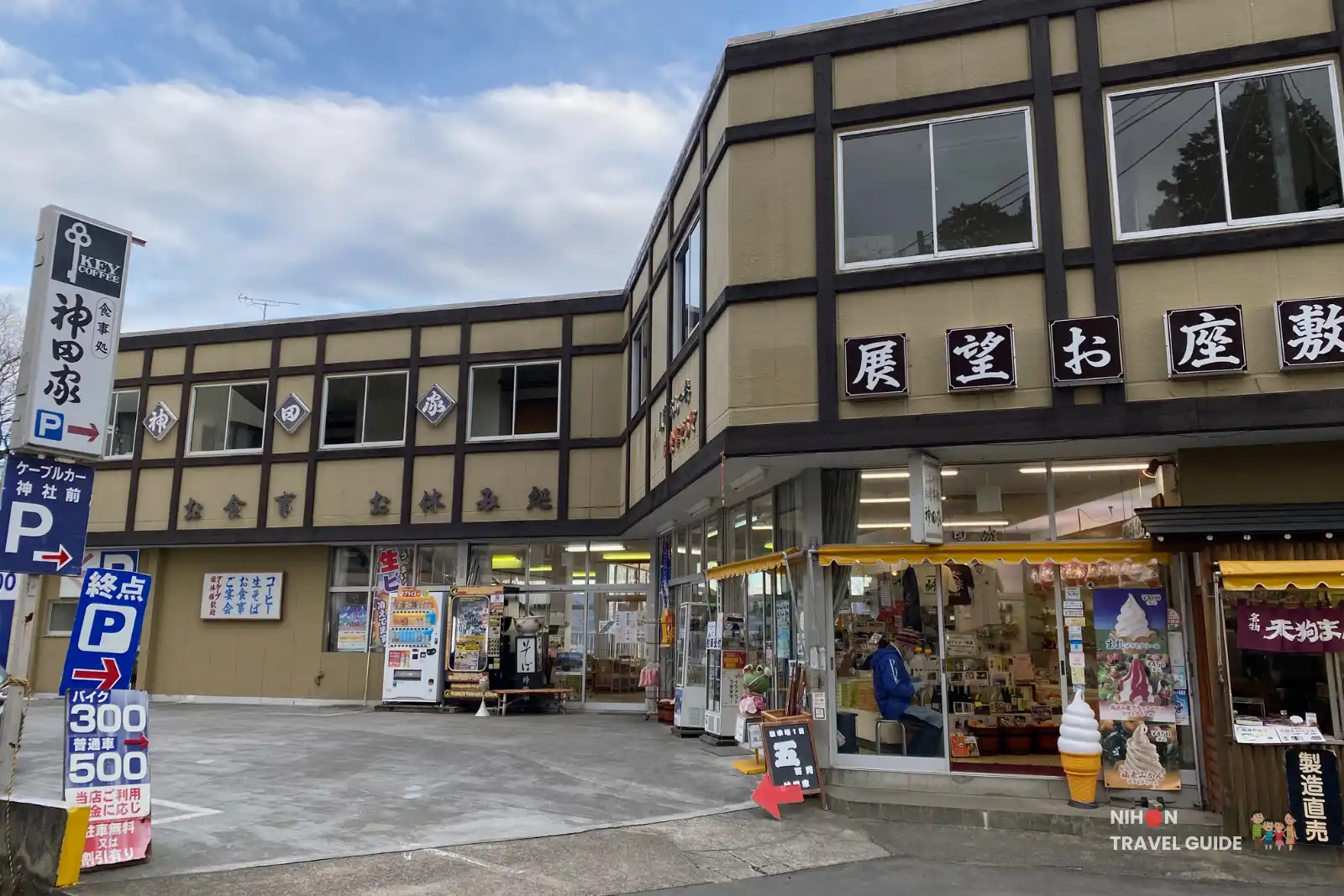
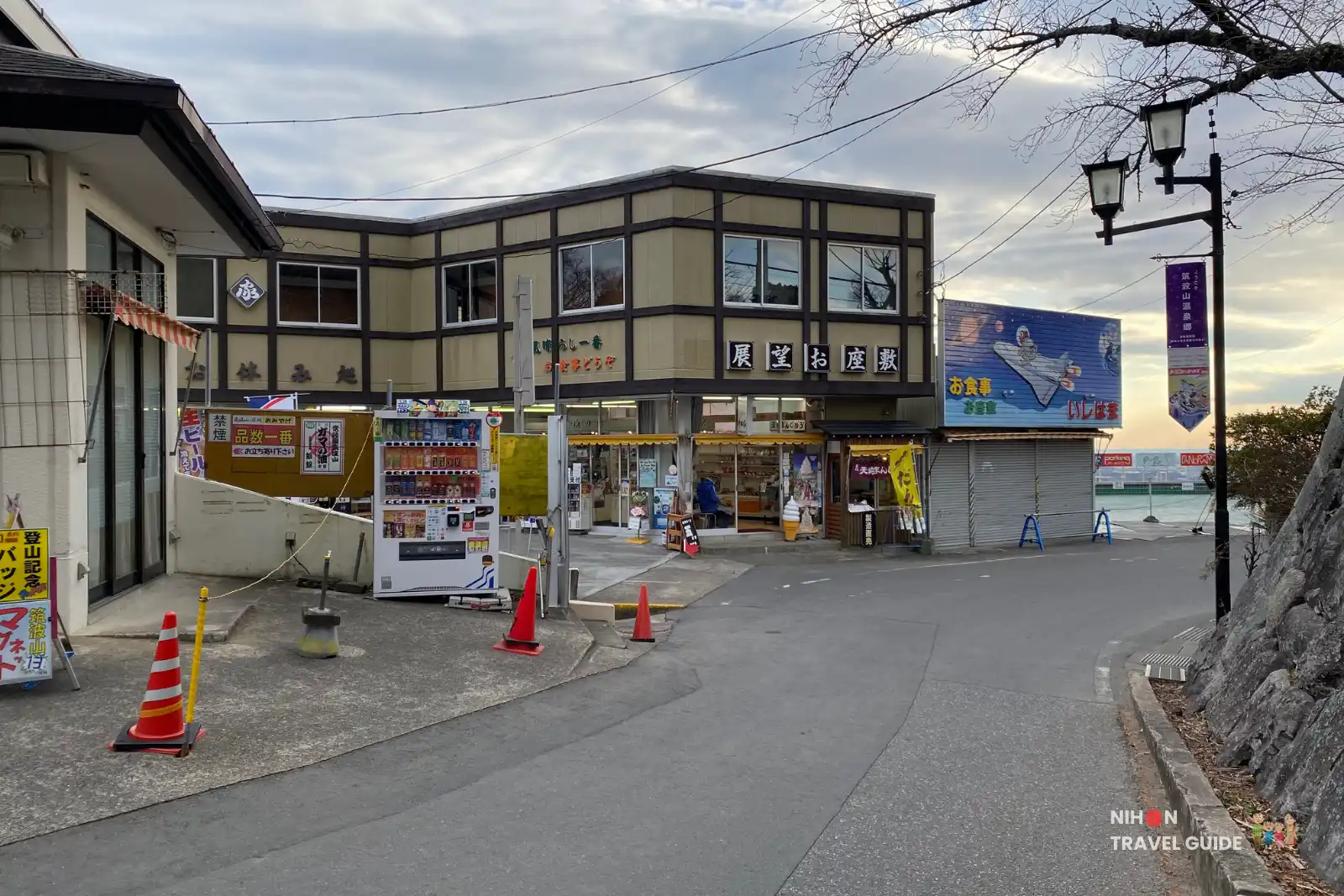
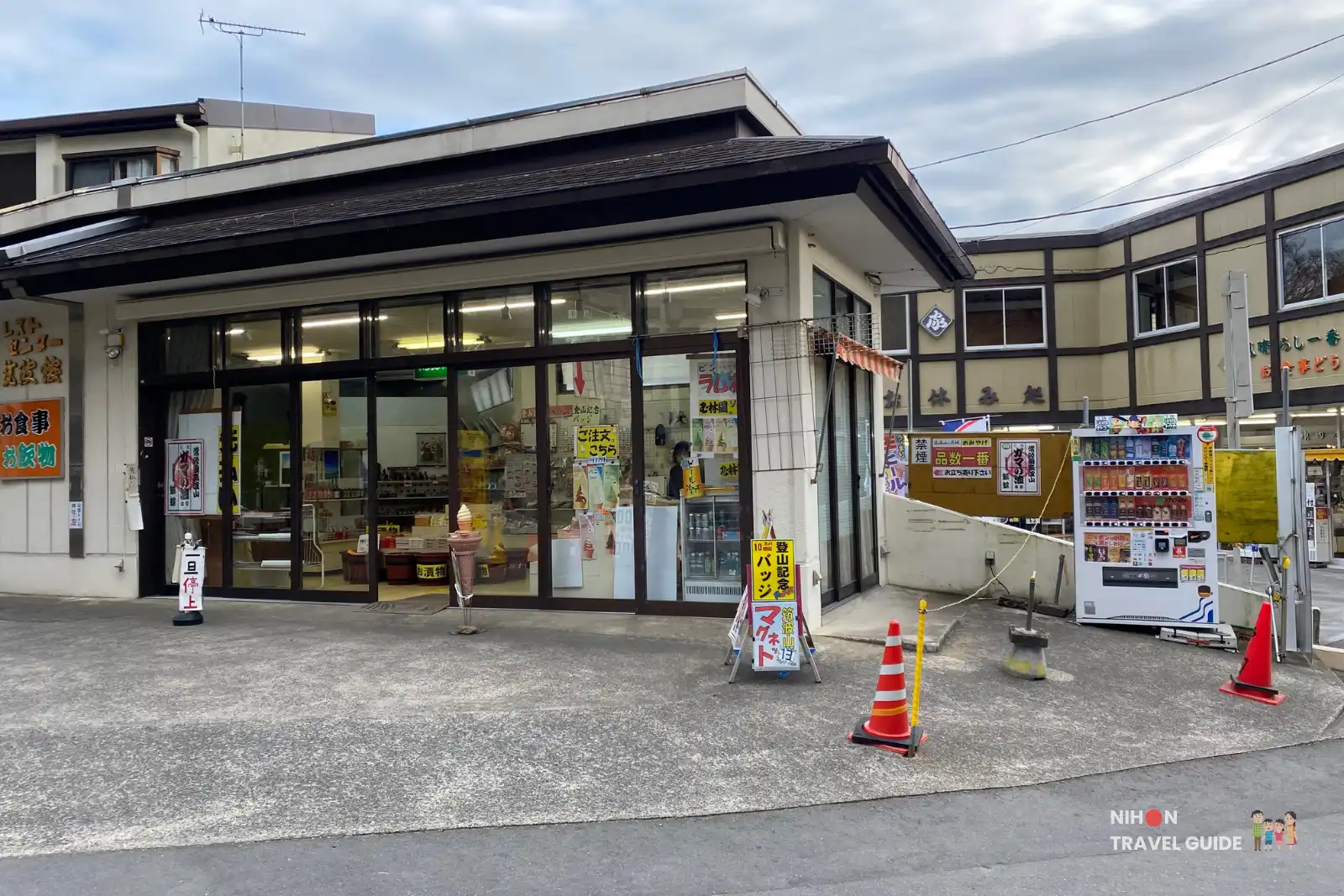
There are some shops around the Tsukubasan Shrine that sell some general souvenirs and food. They sell mostly souvenirs and T-shirts of Mount Tsukuba, Japanese snacks (omiyage お土産) and Osake (お酒).
One store sells soft serve as well, with flavours such as plain milk, berry and citrus flavour for ¥400 – ¥450.
But overall they are pretty basic and are more for the locals who are visiting the shrines, or for people visiting during the festival periods. Don’t expect something very ‘touristy’ such as in Kyoto.
Tips when visiting Tsukubasan Shrine
– Go on Weekdays to avoid crowds
– Go on Weekends or on Events if you would like to see the locals visiting the shrine. Check their website for their event schedule.
– Most shrines are cash only so just be prepared for that.
– Read up on general Shinto Shrine etiquette if you would like to take part.
– In general behave properly and respect the locals who are taking part in their prayers.
Where to Stay Nearby
If you don’t want to take a day trip out from Tokyo, staying at Tsukuba is a good option. Staying at hotels around the Tsukuba City centre such as the Daiwa Roynet Hotel Tsukuba are good options as you can get on the Tsukubasan Shuttle easily.
If you would like to stay on Mount Tsukuba itself there are a few options like the Mount Tsukuba Hotel Aokiya (筑波山ホテル 青木屋), the Mount Tsukuba Edoya (筑波山江戸屋) and the Kamenoi Hotel Tsukubasan (亀の井ホテル 筑波山). These hotels are right at the doorstep of the Tsukubasan Shrine and Mount Tsukuba Cable Car Station.

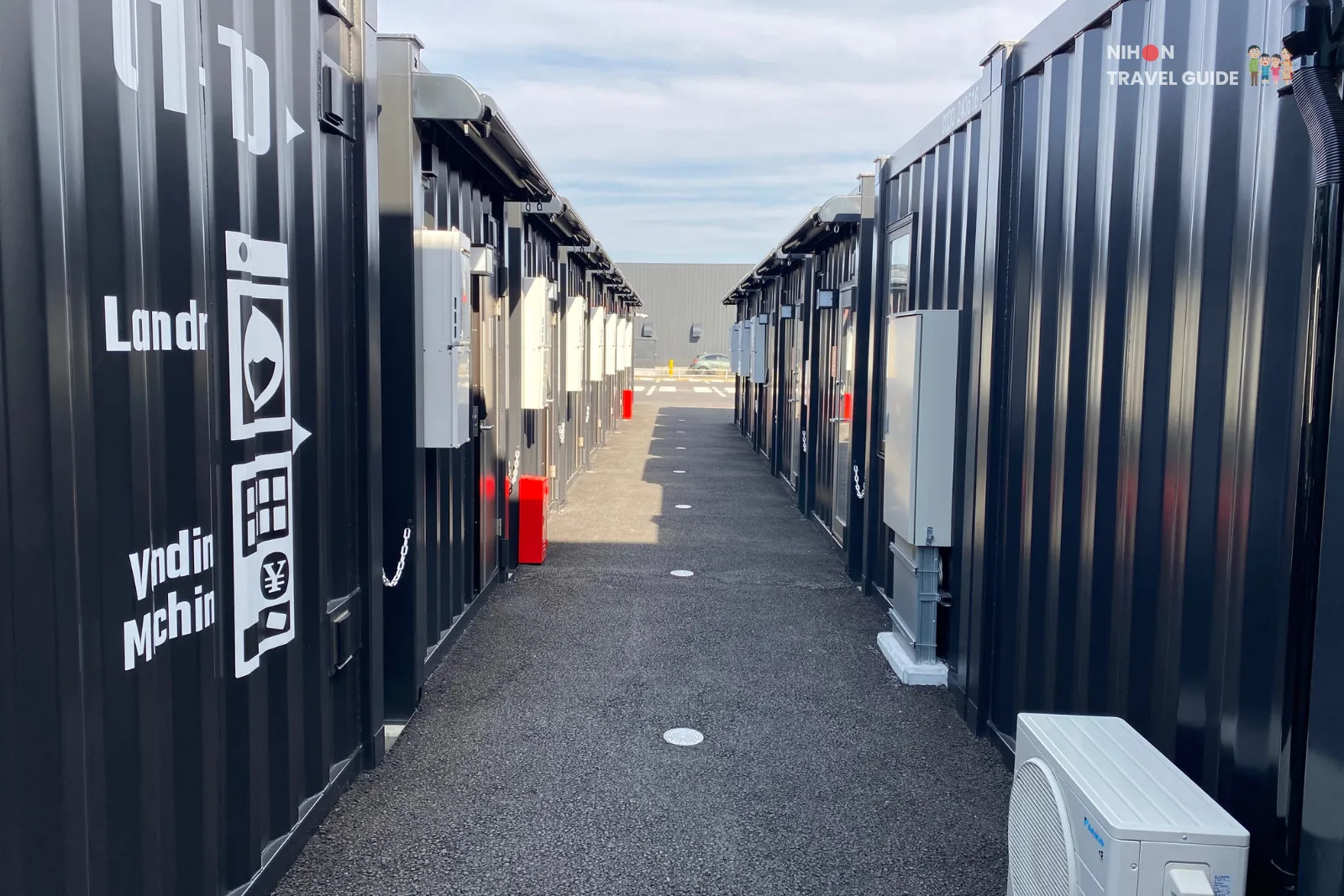
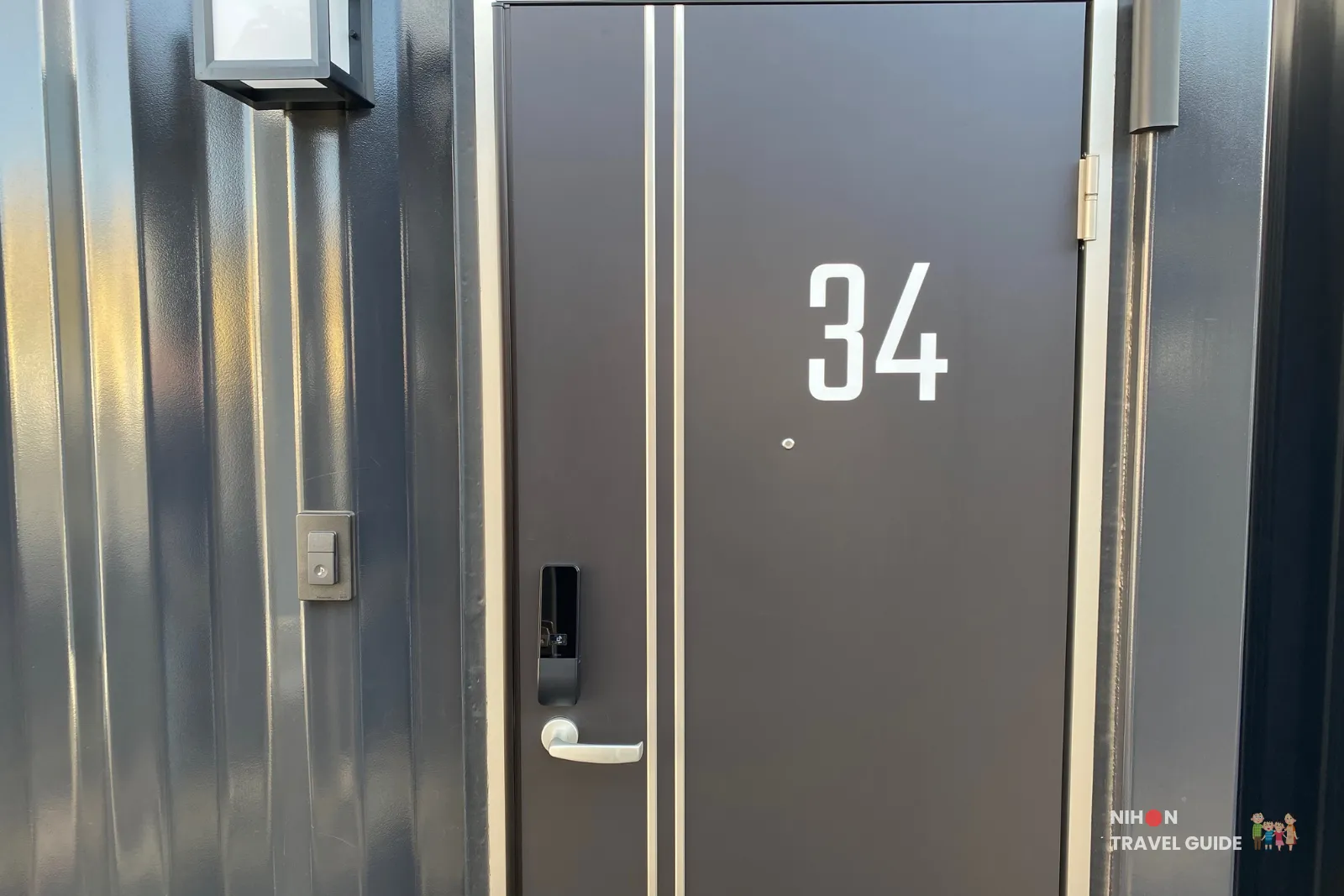
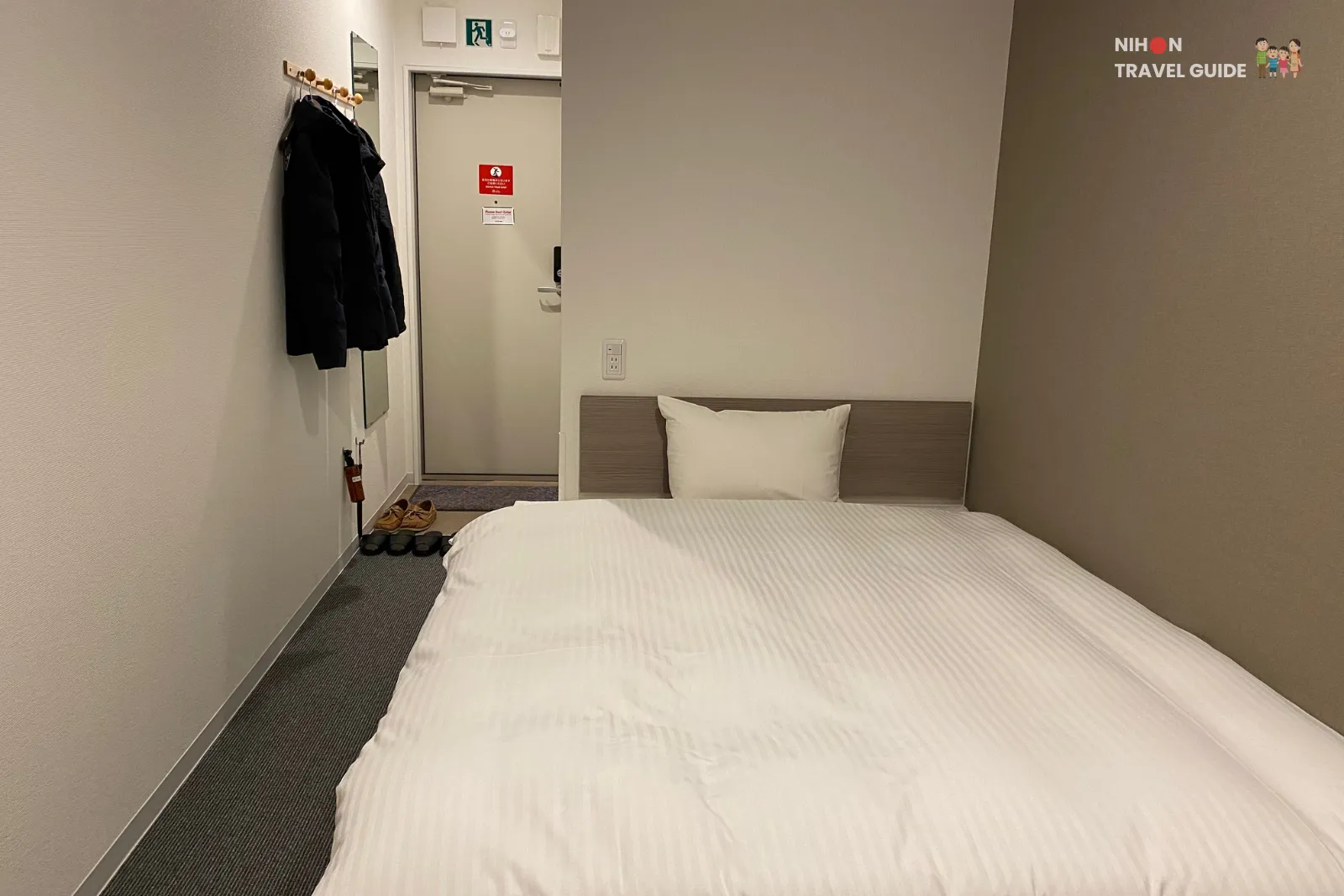
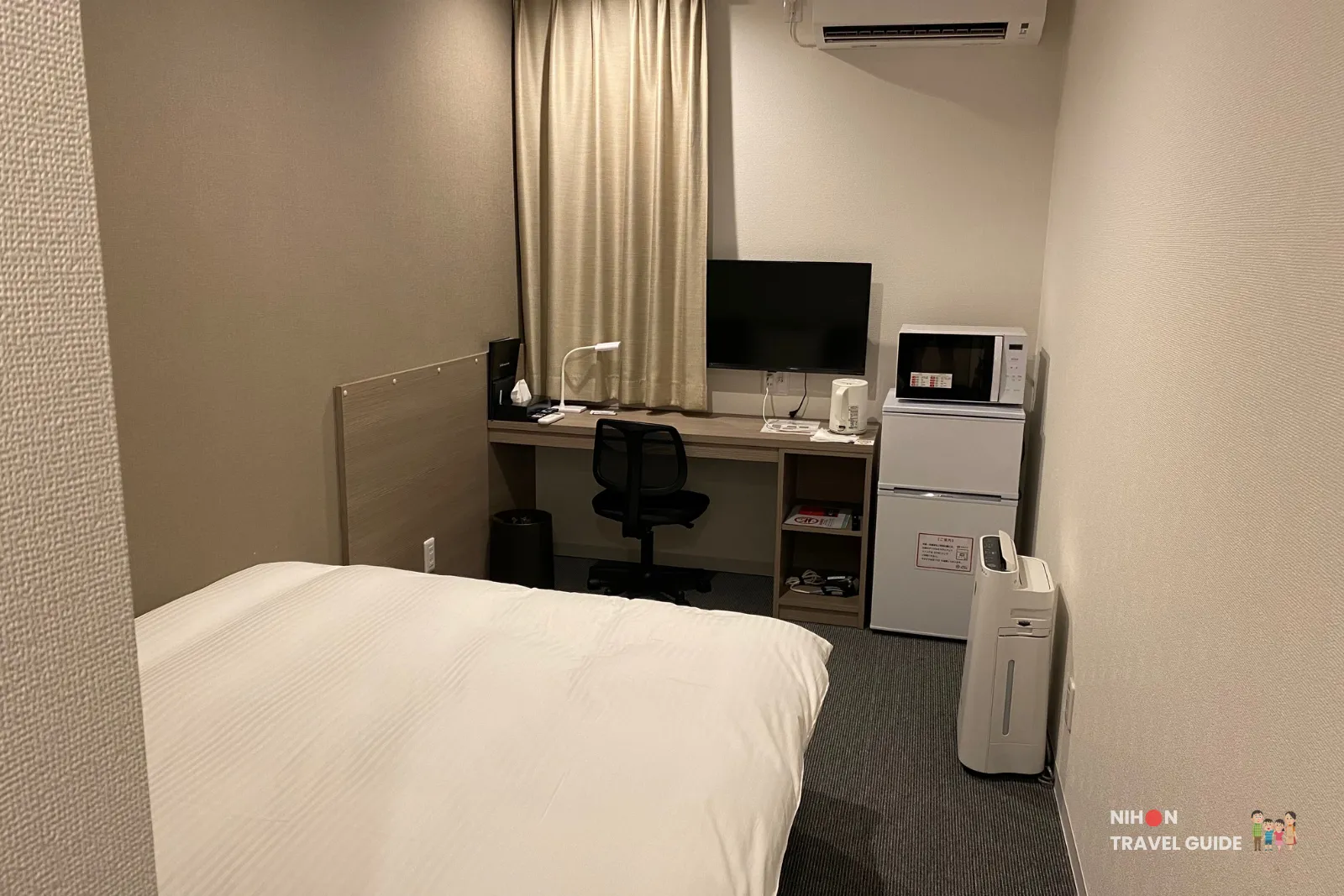
If you are on a driving holiday and are exploring the wider Ibaraki region, you can consider staying at the R9 The Yard Hotel Tsukuba like I did. R9 The Yard Hotel Tsukuba is a really affordable and modern option that is new in Japan. It is also near lots of food places and Aeon Mall Tsukuba. It’s not the most accessible by public transport however so if you are relying on that more then you should consider staying near Tsukuba City Centre.
Read our full review of R9 The Yard Hotel Tsukuba including room details, pricing and tips for a 7 night stay.
Is Tsukubasan Shrine Worth Visiting?
I do recommend visiting Tsukubasan Shrine if you are visiting Mount Tsukuba as well. Spend about an hour at the Shrine before hiking up the mountain. It is more of a shrine that locals go to instead of being very ‘touristy’ so don’t expect an experience like the shrines in Kyoto. You won’t be missing out too much if you decide not to go.
That being said if you want to see an authentic shrine experience that the locals do then Tsukubasan Shrine would be a good experience for you.
If you are flying many hours to Japan and want to visit nicer shrines, you might want to consider visiting Nezu Shrine in Tokyo or the other shrines in Kyoto.
My Rating: 3.7 / 5
Free entry, authentic local shrine experience, and a great starting point for a day trip up Mount Tsukuba.
How long to spend at Tsukubasan Shrine?
Tsukubasan Shrine is not really big and I would say spending one hour is more than enough to see and experience everything. If there are long queues at the Shrine Office then your time spent there might increase a bit. But I would say one hour is enough so that you can spend more time visiting Mount Tsukuba.
Mount Tsukuba
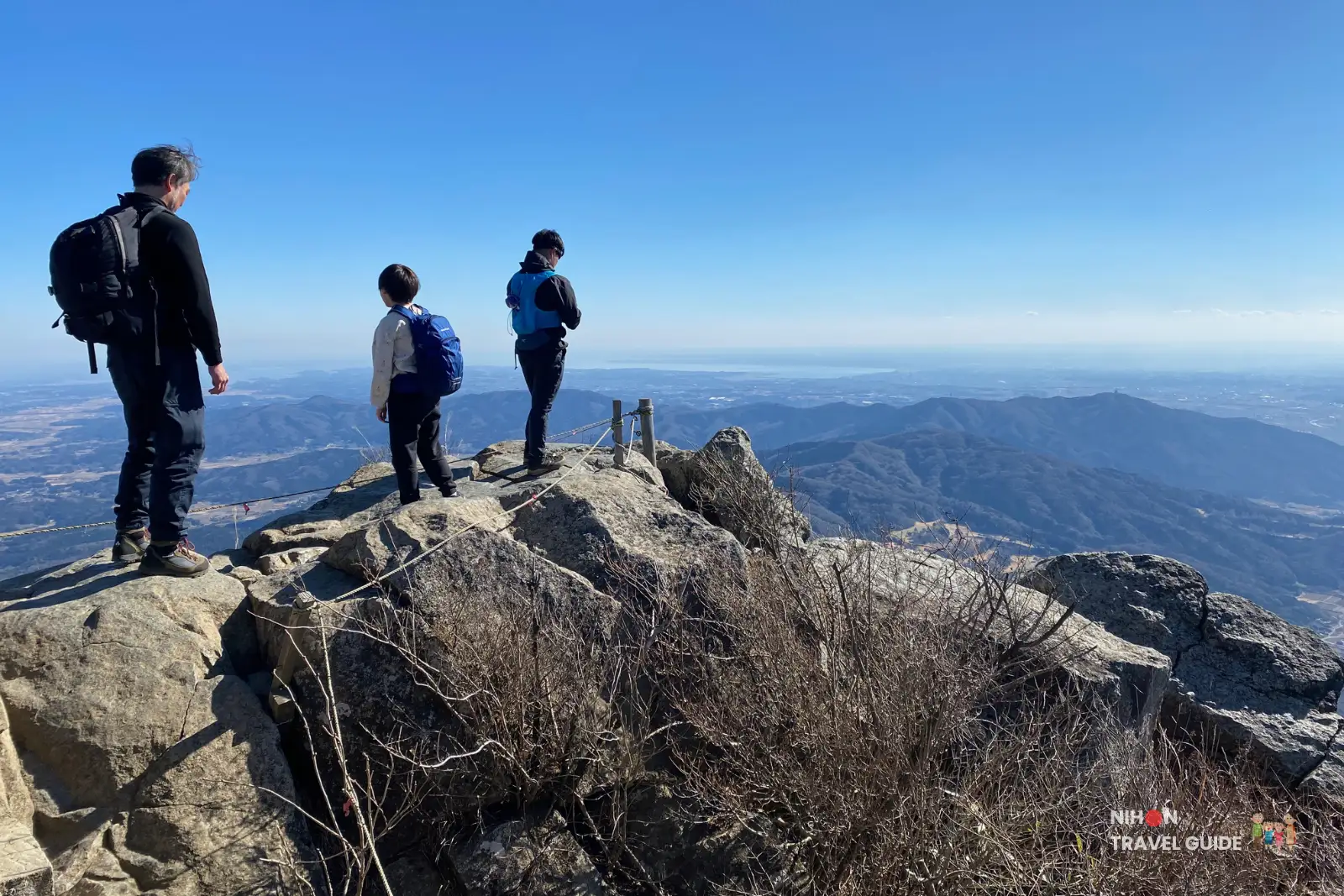
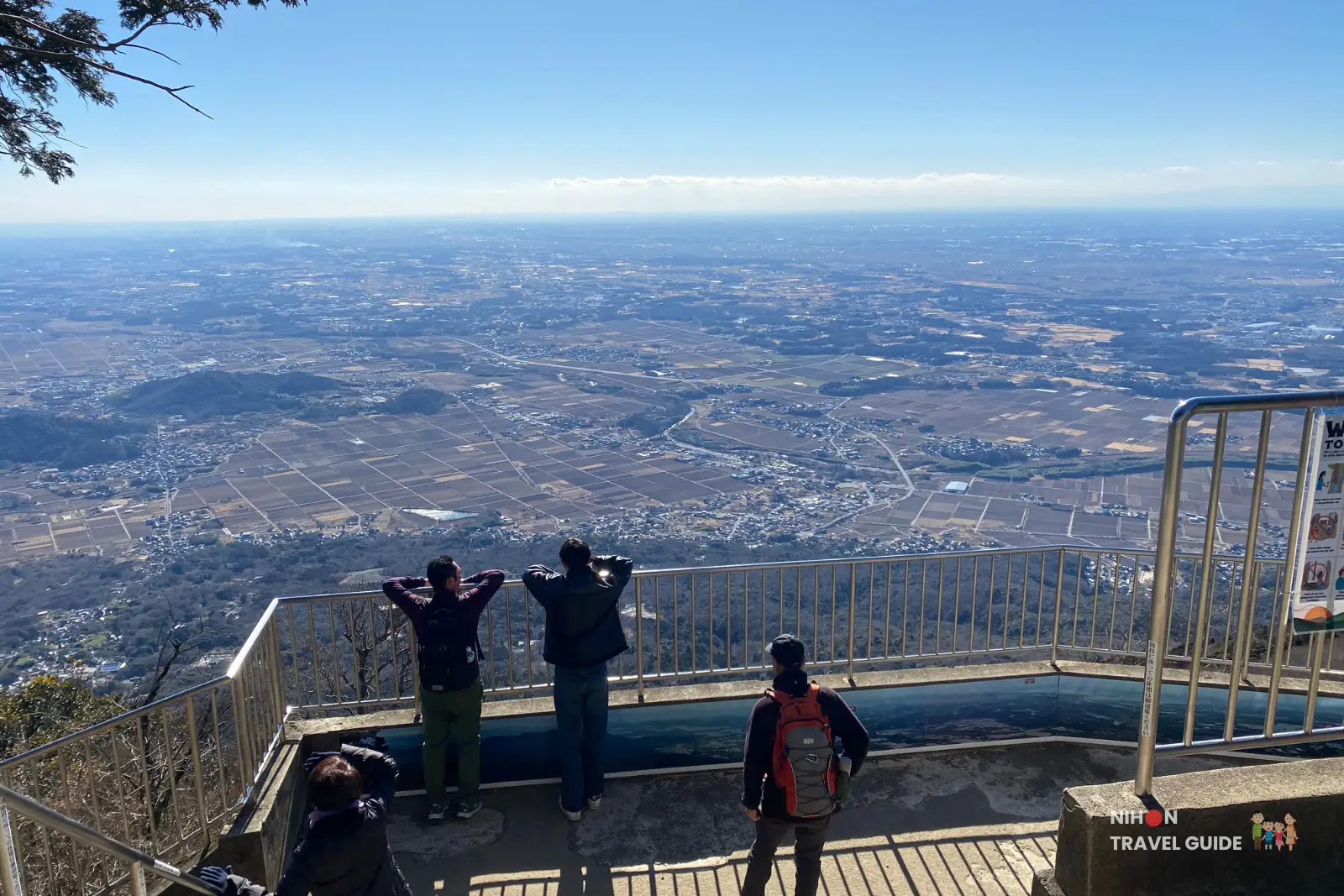
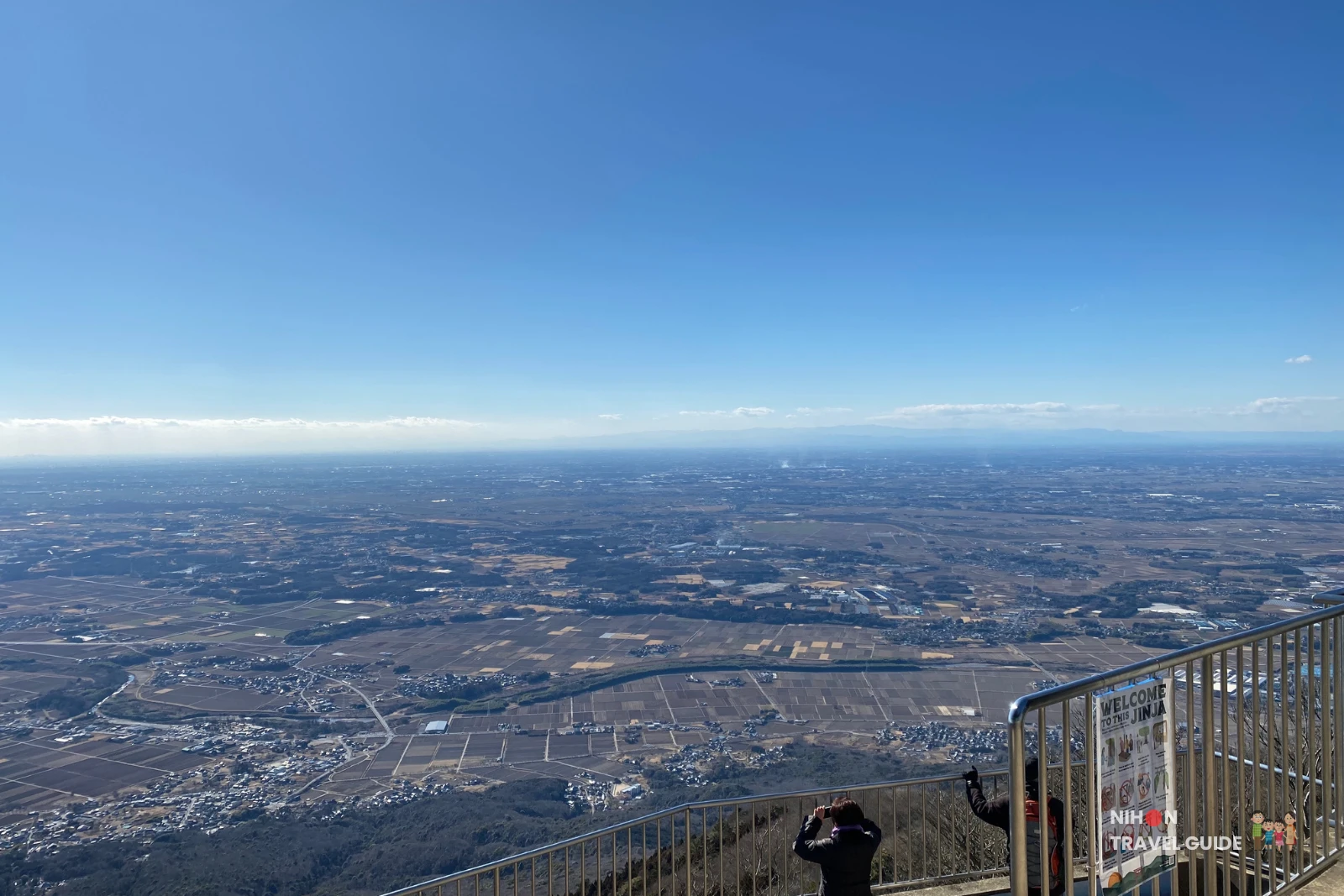
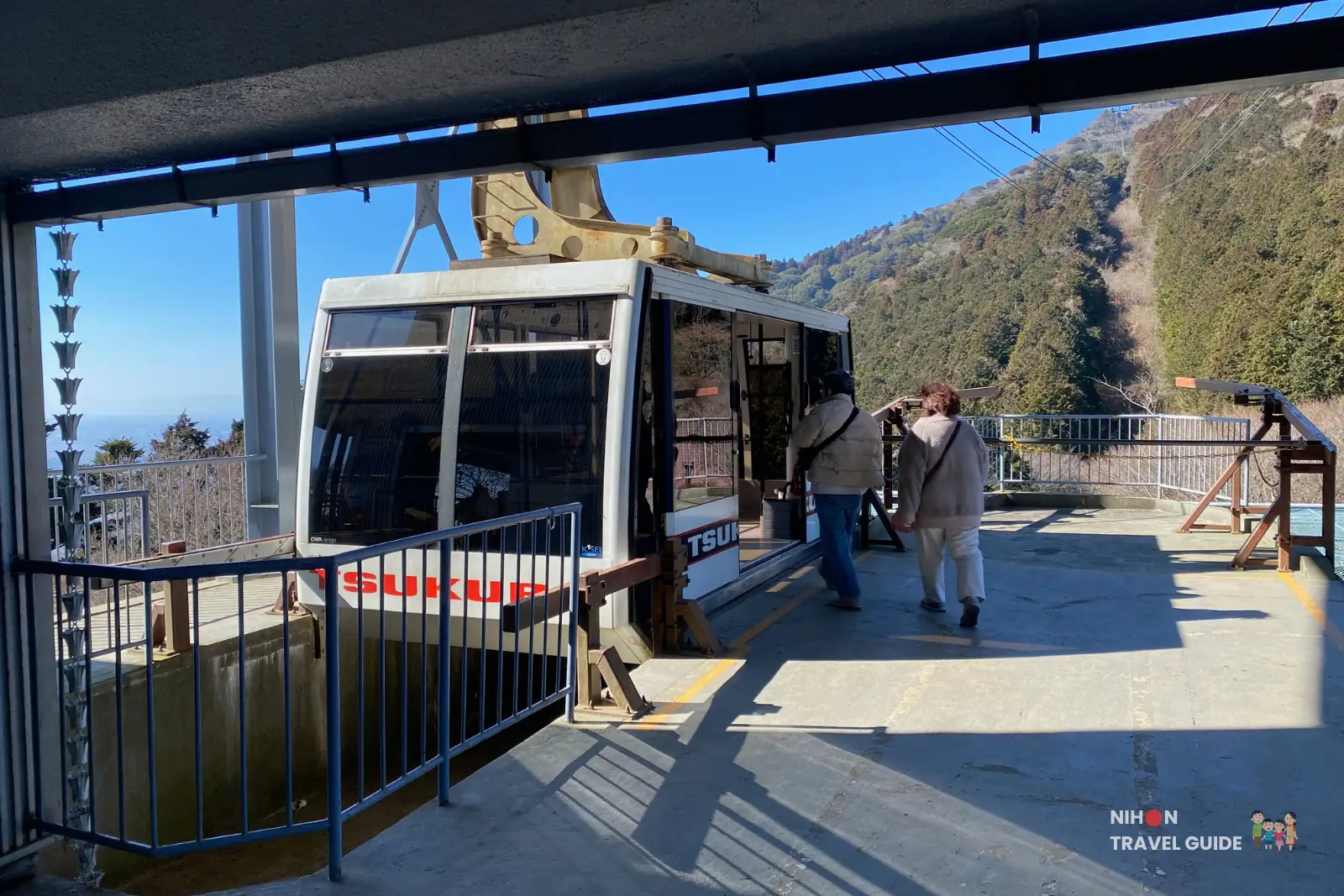
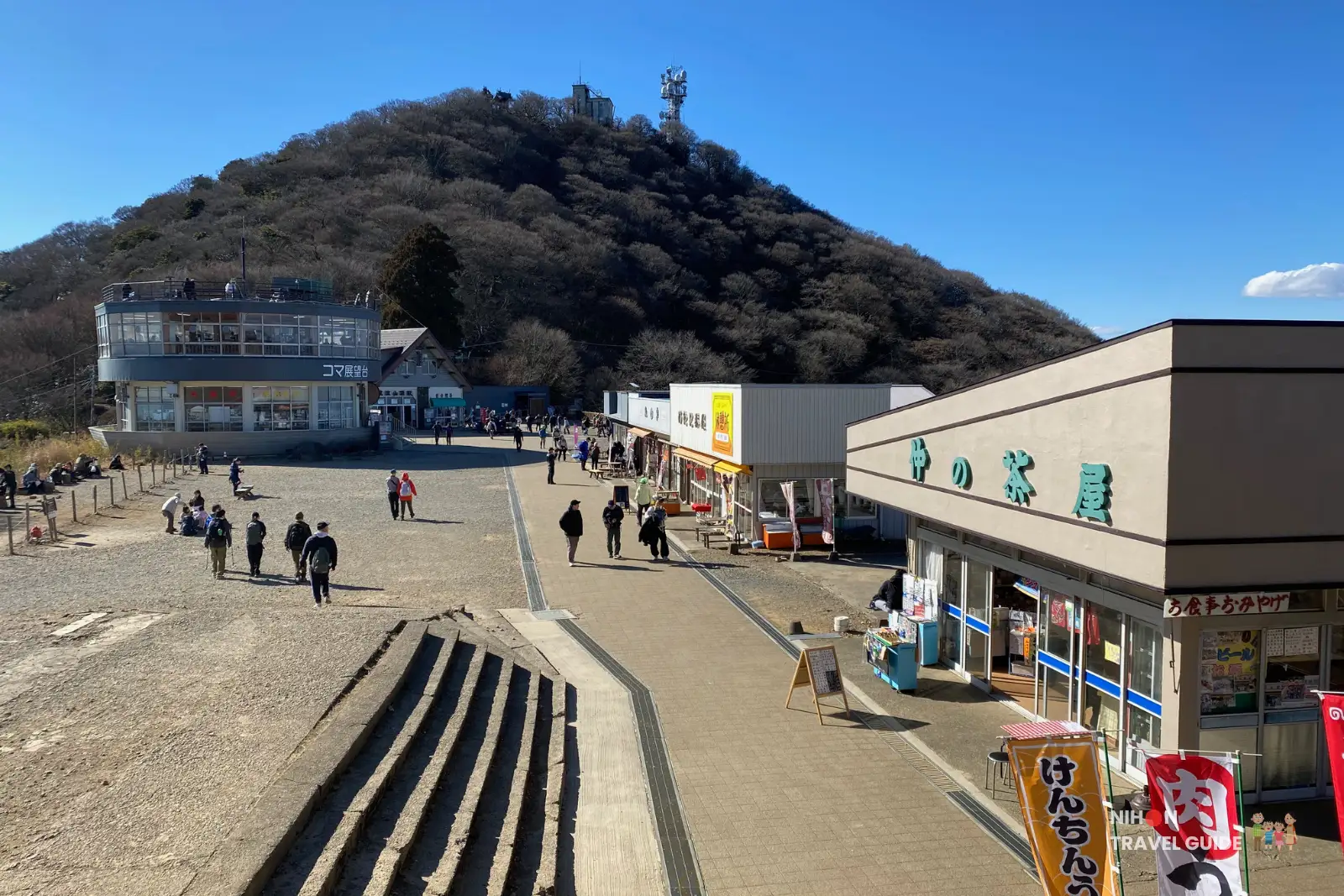
If you are visiting Tsukubasan Shrine, consider pairing it with Mount Tsukuba. The Mount Tsukuba Cable Car station is right beside the Tsukubasan Shrine and will provide you easy access to the mountain.
If you’re thinking about climbing Mount Tsukuba too, check out our Mount Tsukuba complete guide for ropeway prices, hiking tips and a full itinerary.
FAQ – Tsukubasan Shrine
1) Is Tsukubasan Shrine free to enter?
Yes, entry to Tsukubasan Shrine is free. You can pay for optional items like omamori (amulets), ofuda (talisman plaques) and omikuji (fortune slips) at the shrine office.
2) How long does Tsukubasan Shrine take to visit?
Allow about 45 minutes to 1 hour. This gives you enough time to walk the approach, pass through the Zuishinmon Gate, visit the main hall and browse the shrine office. Budget accordingly if combining with Mount Tsukuba on the same day.
3) Can I combine Tsukubasan Shrine with Mount Tsukuba in one day?
Yes — it is the recommended way to visit. The Mount Tsukuba Cable Car station is right beside the shrine so you can visit the shrine first and then head straight up the mountain. See our Mount Tsukuba complete guide for a full day trip itinerary.
4) What is the best time to visit Tsukubasan Shrine?
Weekdays are significantly quieter. Sundays in particular can get very crowded with both locals and tourists. If you want to see the shrine at its most lively, visit during one of the two Ozagawari festivals on April 1 and November 1.
5) Is parking available at Tsukubasan Shrine?
Yes. The main Tsukubasan Shrine parking lot is about a 5 minute walk from the shrine and is the most straightforward option. It fills up quickly on weekends so arriving early is advised. If you are visiting on a weekend, taking the bus is recommended over driving.
6) How do I get to Tsukubasan Shrine from Tokyo?
Take the Tsukuba-go Highway Bus from Tokyo Station to Tsukuba Center (about 1 hour 5 minutes), then transfer to the Tsukubasan Shuttle to the shrine (about 38 minutes). Total journey is approximately 2 hours and costs around ¥2,030.
7) Do I need to speak Japanese to visit Tsukubasan Shrine?
Not at all. There are English information boards and signs at the shrine. The locals and shrine staff may not speak much English but the shrine is easy to navigate on your own.
8) When are the main festivals at Tsukubasan Shrine?
The two main festivals are the Ozagawari festivals on April 1 and November 1, when the deity’s garments are ceremonially changed and a mikoshi procession travels up and down the mountain. New Year is also a popular time with many locals visiting for hatsumode (first shrine visit of the year).