Disclosure: This article is written in partnership with Japanese with Hikari. Some links in this article are affiliate links, which means I may earn a commission if you buy through them. Readers also get an exclusive 20% discount with the code NIHONTRAVEL20.
Besides the Japanese cultural and nature, one of the things I really enjoy is connecting with Japanese people. But for the longest time I have been unable to do that as I couldn’t speak Japanese.
There were many times where I wish I could express my thanks or appreciation to things instead of just saying “thankyou”. As I felt that it was not enough.
In recent years I started to take up Japanese and it has since unlocked a whole other side of visiting Japan. As now I get to have great experiences interacting with the locals and some of them turn out to be some of my favourite memories from my trips.
The thing is that for years I still managed to get around Japan fine without speaking any Japanese. So do you actually need to learn Japanese to travel in Japan? Or is it just a nice extra?
To find out more, I interviewed Hikari from Japanese with Hikari, a native Japanese teacher who also helps travellers prepare for Japan.
- Where I’m Coming From
- Meet Hikari
- Why Learn Japanese for a trip to Japan?
- Why not use Google Translate instead?
- 3 Underrated Japanese Phrases to learn
- Where English stops working
- Japanese Cultural Norms: The Train Rules
- What is the Japan Ready Travel Course?
- I’ve studied Japanese basics, when do I move on to something more advanced?
- Is It Worth Learning Japanese for Your Trip?
Where I’m Coming From
Just for some context, I am currently studying Japanese N4 level with another language school and as part of the partnership with Japanese with Hikari, Hikari has generously taken the time to answer my interview questions.
There are links to her courses on this page, and if you use the code NIHONTRAVEL20 you’ll get 20% off any of them. This discount is exclusive to Nihon Travel Guide readers.
So that is where I’m coming from. I will never forget the first few days when I first started to speak Japanese while traveling in Japan and the interactions and conversations that I managed to have.
Even when you speak simple broken Japanese it shortens the “figuring out” stage really quickly and the Japanese people immediately know what you want or need.
If you love Japan and visit often, I do encourage you to learn Japanese no matter how basic it might be as it would open up a whole new side of Japan that you would otherwise have missed.
Meet Hikari
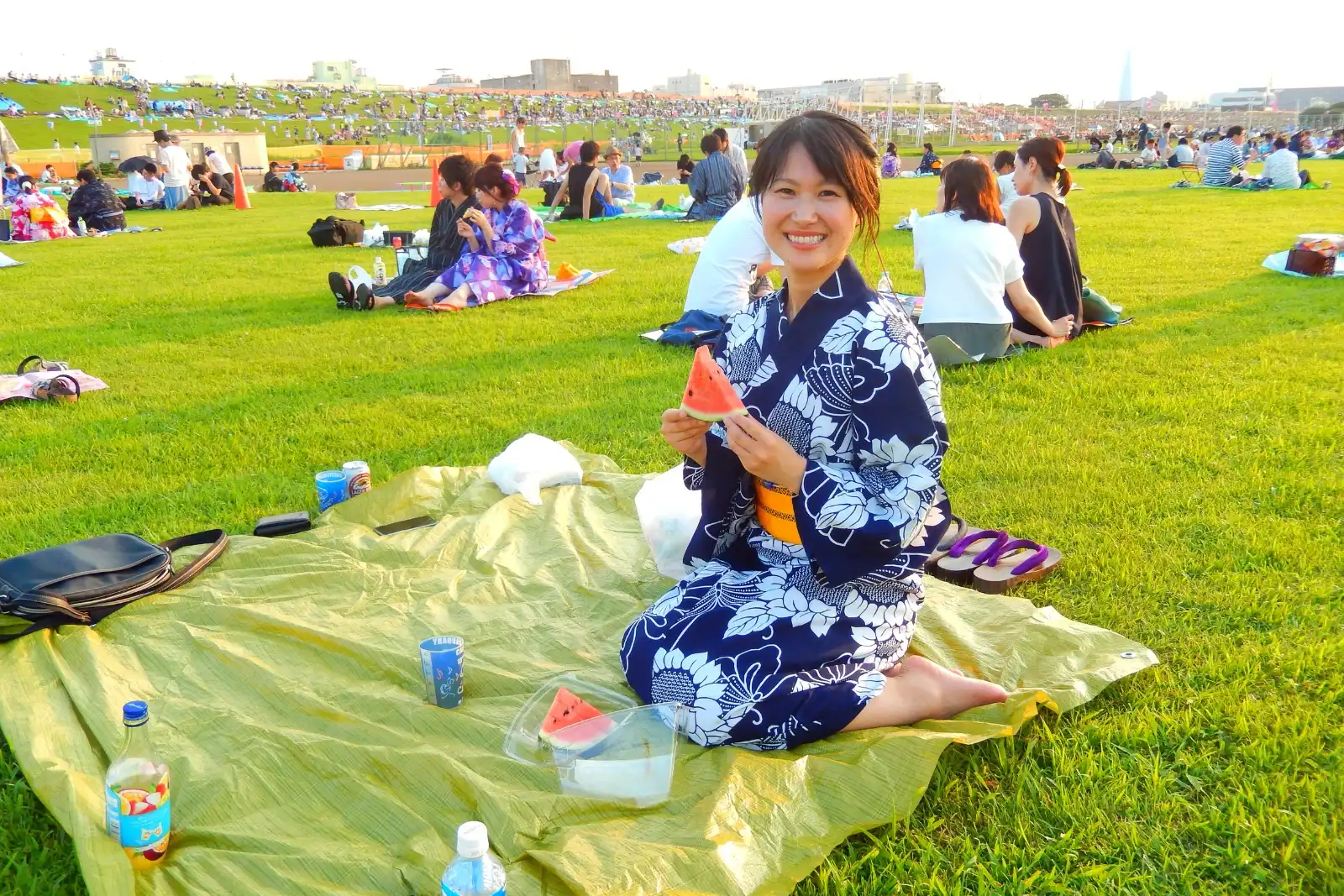
Hikari had been teaching Japanese for about 8 years before she started Japanese with Hikari. When the pandemic hit, she moved her teaching online so people around the world could keep learning. To her surprise, her social media took off and she gathered more than 100,000 Instagram followers in her first year.
One thing I related to was her take on how Japanese is usually taught. She feels a lot of learning materials are outdated or quite robotic, and focus only on textbook-correct Japanese.
“Casual spoken Japanese is a completely different thing, and it actually tends to make learning easier and the point of entry much more accessible.”
After releasing 6 language courses, she noticed another group quietly following her: people who weren’t trying to master the language, but were preparing for a long-awaited trip to Japan. That led her to create the Japan Ready Travel Course, which covers basic travel Japanese alongside trip preparation and culture.
So who better to ask whether you actually need Japanese for your trip?
Why Learn Japanese for a trip to Japan?
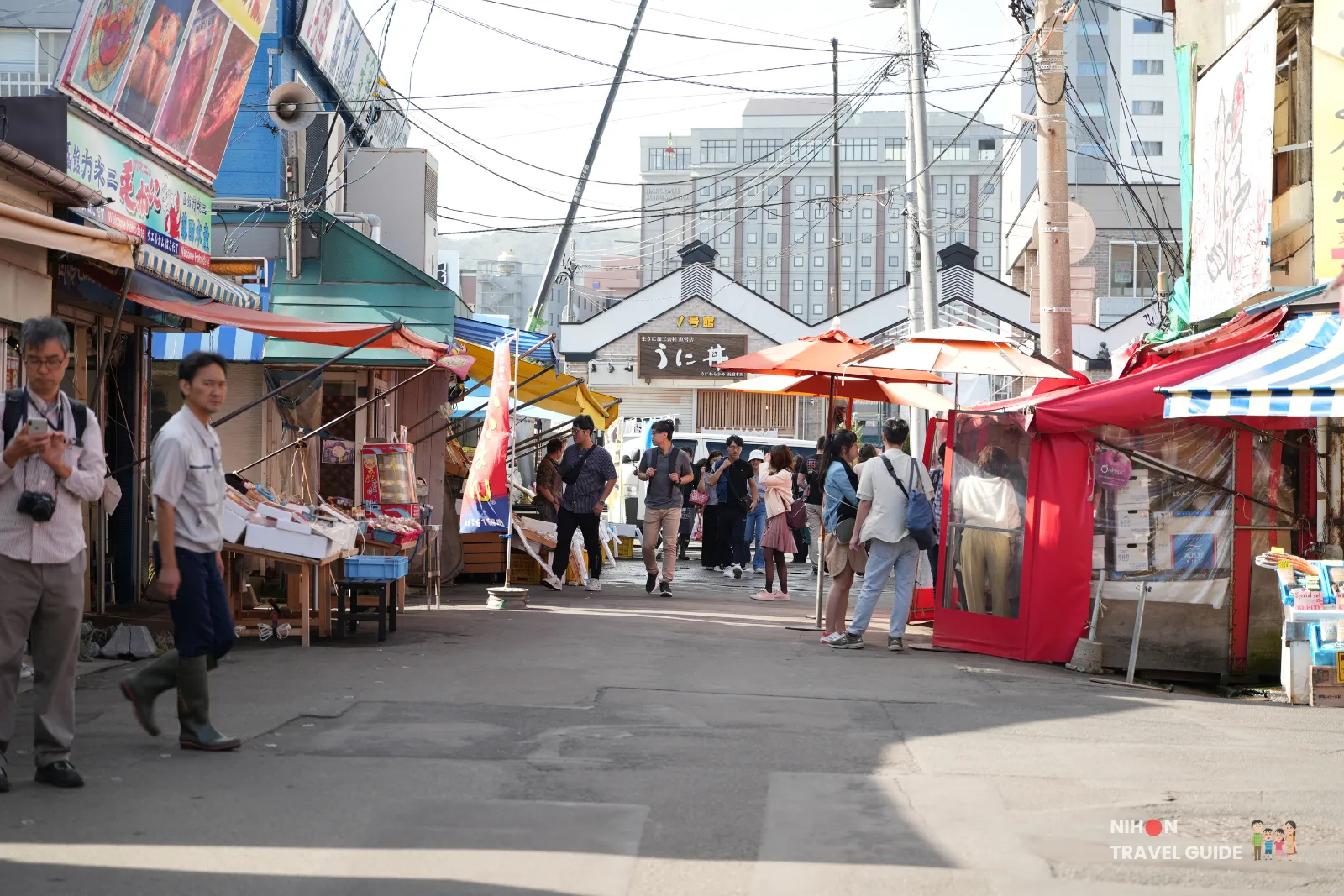
In the last few years I have found that Japanese have gotten much better at English compared to more than a decade ago. If you were to take ANA, land at Haneda Airport and buy a JR rail pass at the train station for example, most people you meet would be able to speak English nowadays.
And Hikari agrees, at least for the main tourist spots. More and more people in Japan speak basic English, and if you’re sticking to Tokyo, Kyoto and Osaka, it won’t make much of a difference.
But where it does make a difference is how locals respond to you.
“A Japanese person who sees that you are polite and hears you say things like ‘arigatou gozaimasu’ or ‘sumimasen’ will be amazed and will literally admire you.”
So why do Japanese people sometimes seem shy or even cold at first?
According to Hikari, it usually has nothing to do with you. There’s a cultural feeling in Japan that not being able to do something properly is embarrassing, and that includes speaking English. A lot of Japanese people would rather pretend they don’t speak any English than speak broken English, even if you would understand them perfectly fine.
But the moment they hear you try even one word of Japanese, that wall comes down. Hikari says she has heard many stories of travellers making friends for a night at an izakaya or a bar, just because they made the effort.
I have experienced this countless times when travelling in Japan especially when I say something slightly more than basic Japanese. Once after dinner I said ごちそうさまでした (thank you for the meal) and the staff were surprised and happy that I showed my appreciation to them.
Why not use Google Translate instead?
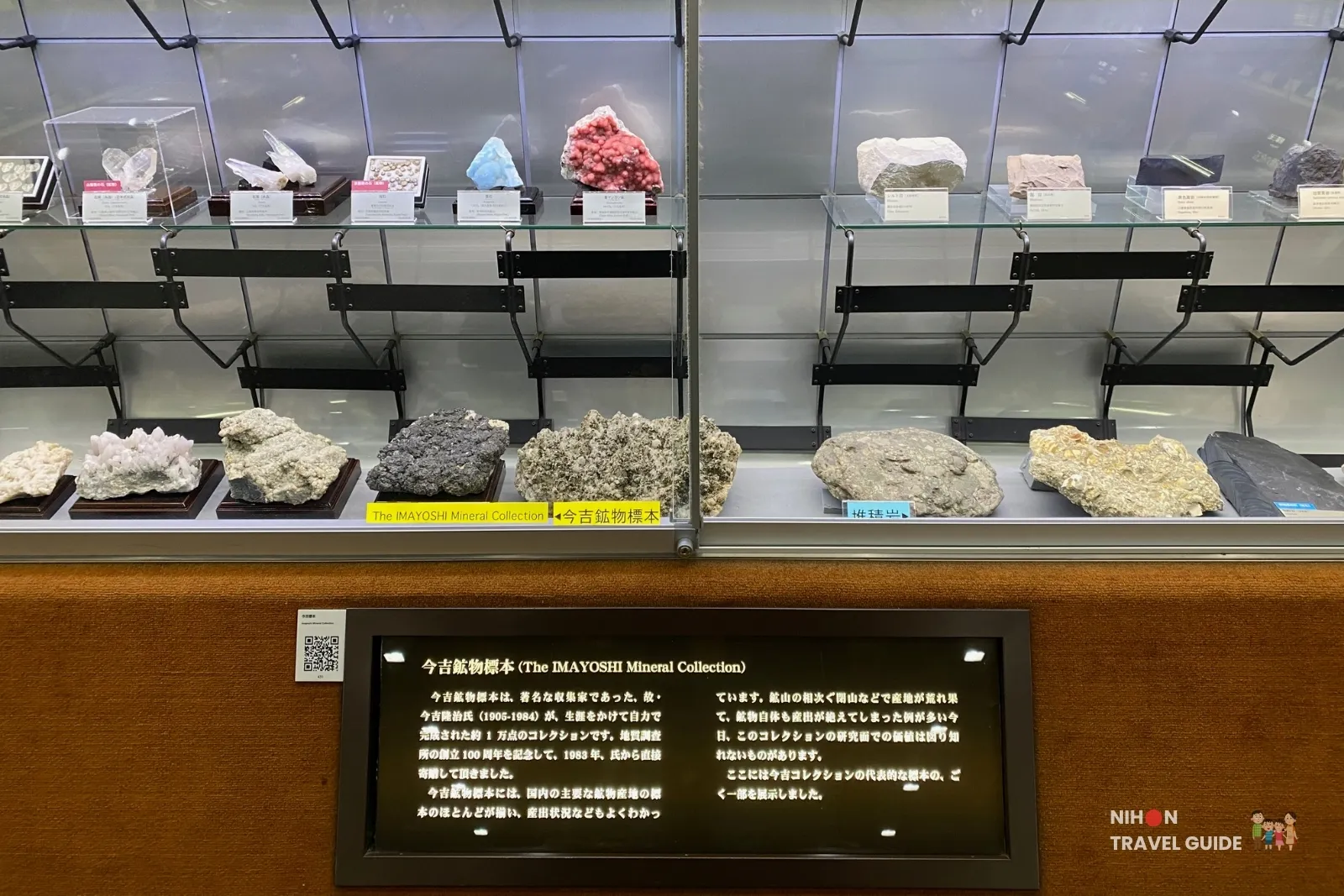
Translation apps are useful, and there’s nothing wrong with using them. But Hikari makes a good point about what they do to the interaction itself. Holding a phone up between you and the other person gets you understood, but it does put a bit of a wall between the two of you. You get your answer and move on.
Compare that to trying to find your words in broken Japanese, while the other person answers you sometimes in broken English.
“[That] is a magical moment that many tourists miss because they rely solely on English and technology.”
I sort of had this experience as well when visiting museums in Japan, as there were times where I had to rely on the English translations on a website they had. The constant checking of the translation and looking back at the exhibit really broke the “immersion” for me.
But having someone try to explain it to me with broken English and my broken Japanese really helped to create this unique experience that I would not have had.
3 Underrated Japanese Phrases to learn
I asked Hikari for a few underrated phrases that most visitors don’t know about, without giving away too much from her course. Here are her 3 picks:
1. Arigatou Gozaimasu (ありがとうございます), Not Just Arigatou
At every tourist spot, Hikari sees happy travellers saying “arigatou” to staff after being served. It does mean thank you, but on its own it’s the casual form you would use with family and close friends. Basically “thanks” or even “thanks bro”.
Adding gozaimasu at the end makes it the polite version, which is what you want with shop staff, waiters and anyone who isn’t your friend.
“Most of us will be happy to hear ‘arigatou’ from a traveler, [but] there will always be a small voice in the back of our heads saying, ‘You should say gozaimasu, but it’s okay, you don’t know, it’s not your native language, of course.'”
I personally am guilty of doing this (even though I know about it) because sometimes it feels like you don’t have enough time to say the full thing. But saying the right thing and the right form really goes a long way. And the more you do it the more it is appreciated as well.
2. Daijoubu Desu (大丈夫です)
Most people learn that yes is “hai” and no is “iie”. But as Hikari puts it, Japanese people really don’t like saying no directly. Instead, daijoubu desu is the polite way to decline something. It’s basically “I’m good” or “I’m okay, thanks”.
The really clever part is that if you add ka at the end (daijoubu desu ka?), it becomes “is it okay?” And you can use it for almost anything without knowing the rest of the words.
Hikari’s example: you want to sit on a bench where someone is already sitting, and there’s plenty of space. Instead of trying to say “Is it okay if I sit here?” (which needs the words for I, sit and here), you just gesture and say “daijoubu desu ka?” They will immediately understand.
This is what she means when she says Japanese is very situational. You don’t need to say every part of the sentence, because the situation fills in the rest.
3. … Kara Kimashita (…から来ました)
This means “I come from…” (literally “… from came”). So for me it would be “Shingapōru kara kimashita”.
According to Hikari, if a Japanese person starts a conversation with you, their first question will almost always be where you’re from. And once you tell them, most will try their best to find something they know about your country to keep the conversation going.
If you are looking for a conversation starter, this is one that you can try learning first.
Where English stops working
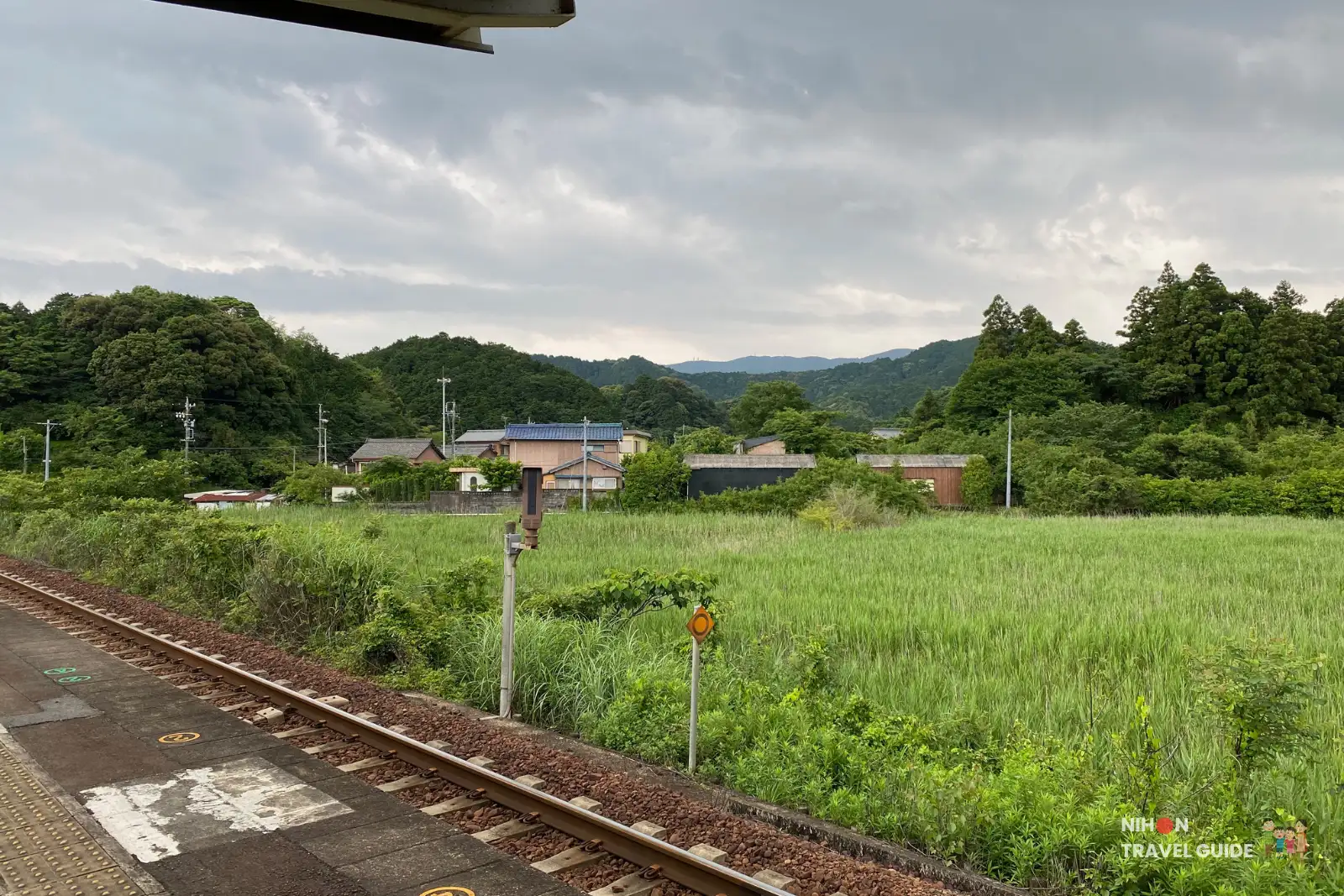
Hikari put it really simply: English is enough for Japan, but it quickly limits your experiences. Here are the situations where that gap shows up.
Off the Beaten Path
Once you leave the main tourist areas, English becomes less and less useful. Getting around the countryside often means renting a car for example, and that comes with a lot more to understand.
Regional train lines might also be less English-friendly, and in many cases the station names are written only in kanji.
I ran into this myself in Nagoya one time because my Suica card (train card) had some problems and I couldn’t exit the station. I was fortunate enough that I met a Japanese guy who could speak some English to translate to the station staff. I hadn’t started learning Japanese then, but I sure wished I could speak a bit.
Getting Sick
Nobody plans to get sick on holiday, but it does happen. Hikari points out that most doctors in Japan are not fluent in English. Knowing the basic words for body parts and being able to say “it hurts here” could save you a lot of trouble.
The same goes for drugstores. If you can describe your symptoms, the staff can point you to the right medicine, instead of you trying to figure it out in an aisle full of kanji and flashy packaging.
Onsen Entrances
This one might sound obvious, but Hikari still hears stories of it going wrong. Onsen always have two entrances, one for men and one for women. And it doesn’t take long before you reach the changing room where everyone is undressing.
Most of the time the signs won’t say MALE or FEMALE in English. They will say:
男 = men
女 = women
Do take note of these two kanji before your first onsen visit otherwise things could get quite embarrassing…
Japanese Cultural Norms: The Train Rules
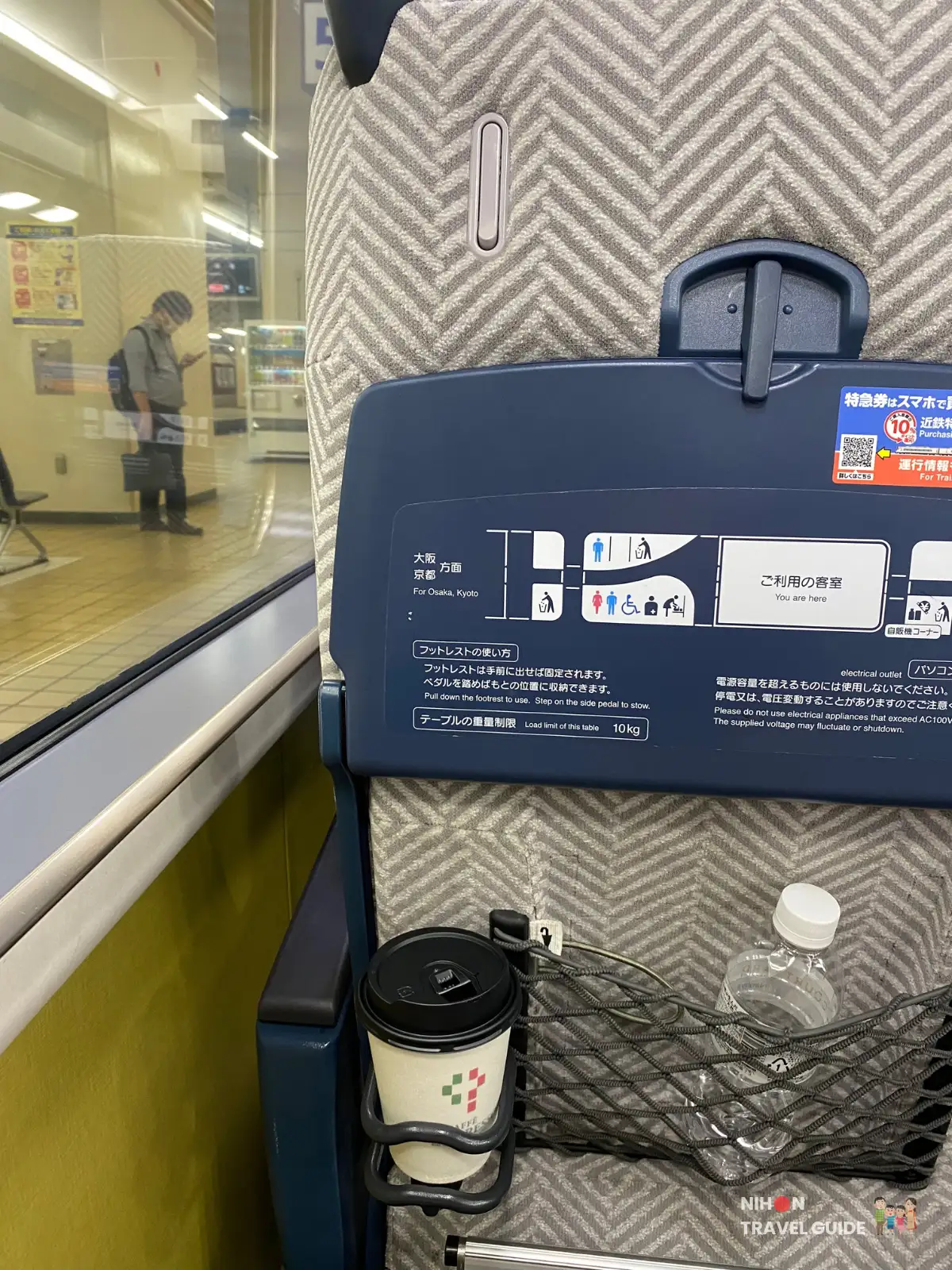
When I asked Hikari about the most common cultural mistake she sees tourists make, she didn’t hesitate: trains, and public transport in general. Japanese people take the unwritten rules here very seriously.
On trains, locals expect everyone to:
- Line up neatly behind one another, instead of crowding the door to get the best spot
- Wait for people to get off before boarding
- Keep the volume down, both your voice and your phone
- Avoid big gestures, like swinging on the hand straps as if they were gym rings
The reason behind all of this is a concept called 和 (wa), which means harmony. Everyone acts respectfully so nobody is bothered. When someone breaks these rules, it can make the people around them feel irritated, anxious, or even a little scared.
This also explains why “arigatou gozaimasu” matters so much. Being polite isn’t just good manners in Japan, it’s part of keeping that harmony.
“You will earn profound respect in the hearts of the locals just by behaving like us and respecting these little rules.”
Learning basic broken Japanese also helps to avoid misunderstandings. For example you might not know if you are doing something right or wrong, but being able to communicate or ask in Japanese helps you to clear this misunderstanding and they know that you are not trying to be funny or cause problems.
A Few Quick Trip Prep Tips
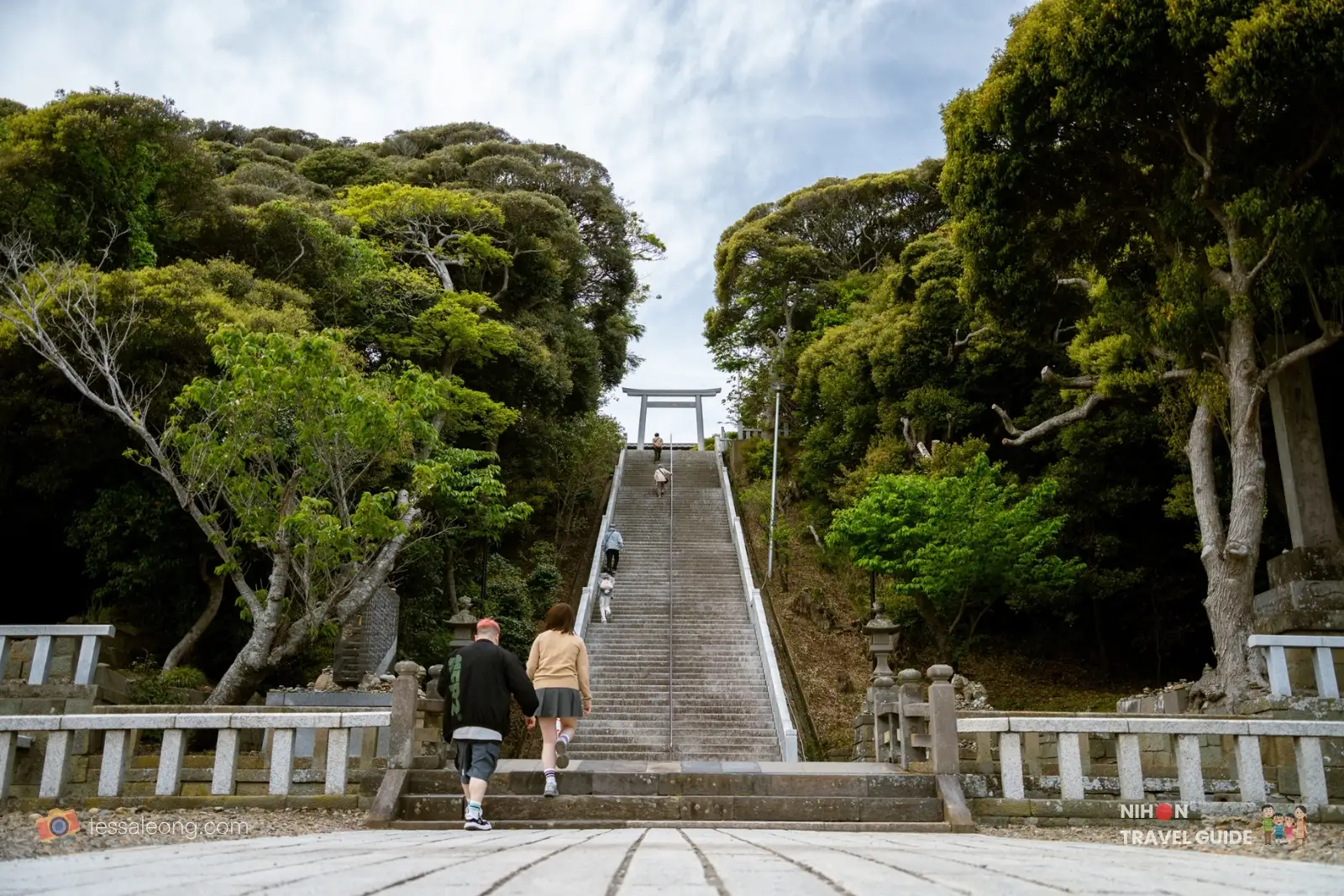
Hikari also shared a few things first-timers often fail to anticipate:
- You will walk a lot, much more than you think. So bring good shoes.
- Check the weather before you book. Every summer she sees exhausted tourists who underestimated the heat and humidity.
- Avoid the 3 peak holiday periods: Golden Week, Obon and New Year, when Japanese people travel too. Especially if you’re travelling with kids.
What is the Japan Ready Travel Course?
If everything above sounds useful, this is basically what Hikari’s Japan Ready Travel Course is built around. Here’s how she describes it:
What it covers: It isn’t just a language course. According to Hikari, roughly 25% is travel vocabulary and situational sentences. A big part of the rest is trip preparation, such as what to pack, what to expect at the airport, accommodation, transport and food.
The other big chunk is understanding Japanese culture, so you know what’s going on around you and what’s expected of you.
Who it’s for: Absolute beginners. No prior Japanese is needed. It doesn’t go deep into the language either, just the essentials for the situations travellers run into most: restaurants, reading menus, asking for directions, the doctor’s, hotels and shopping.
What she hopes you get out of it: In one word, confidence.
“It’s like travel insurance, but for the mind!”
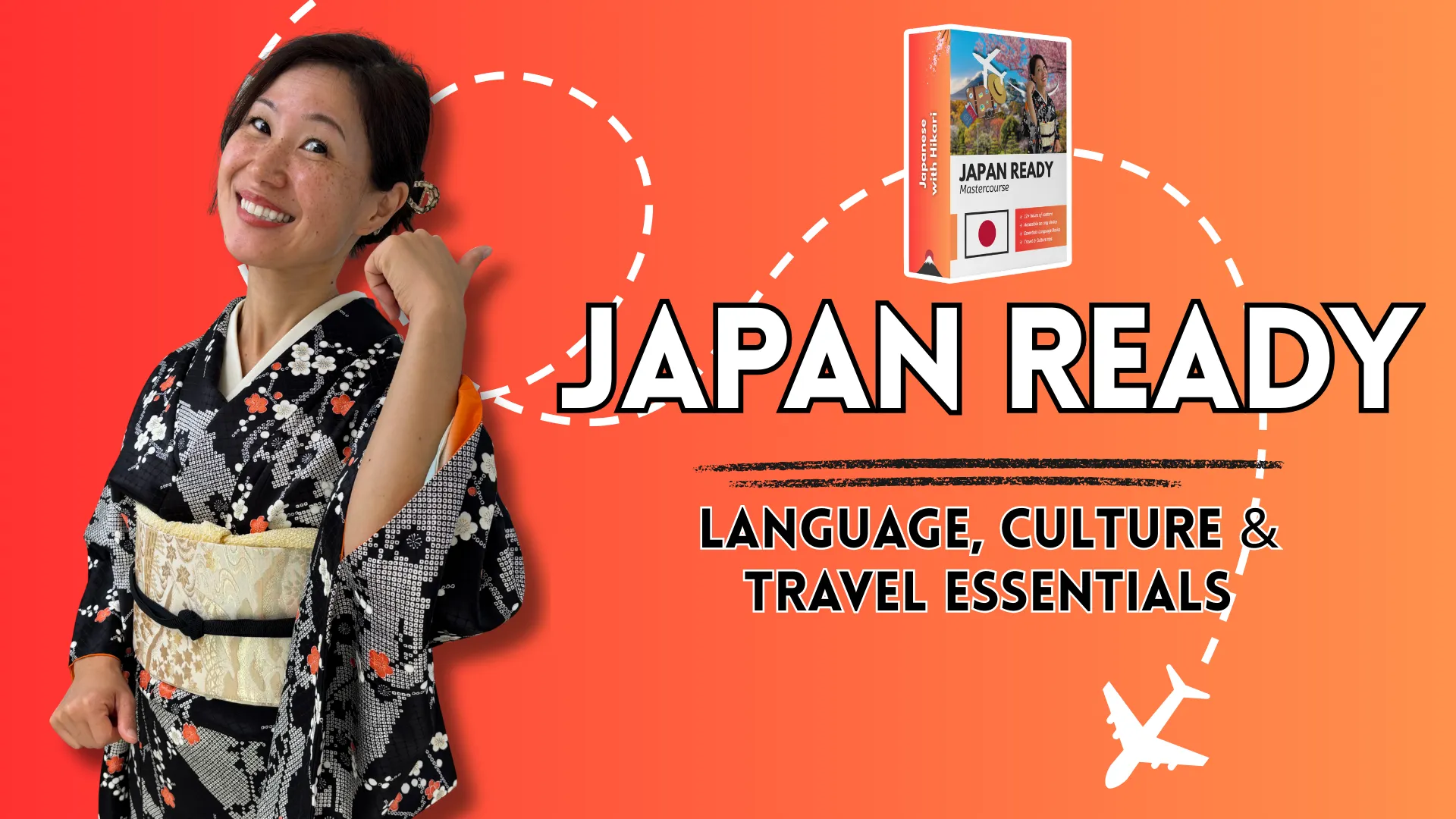
- Travel Japanese for restaurants, menus, directions, hotels, shopping and the doctor’s
- Trip preparation: packing, the airport, accommodation, transport and food
- Japanese culture and etiquette, so you know what’s expected of you
This is an affiliate link — I may earn a commission at no extra cost to you.
I’ve studied Japanese basics, when do I move on to something more advanced?
This was a question I personally wanted answered. I started to feel a big difference in how I communicated with Japanese people when I moved from N5 to N4. Probably because I learnt more grammar and understood how to use the different forms.
Hikari agrees that the gap is much bigger than most people expect. N5 covers the basics and is fairly easy to reach. N4 is where things start getting tougher, all the way up to N1, which she says is hard even for Japanese people!
She described her courses as a pathway:
“Japan Ready will be the door that opens up the world of communicating in Japanese, the Beginner course will be the one holding your hand along that journey, and the JLPT Prep courses will be the final destination.”
So here’s how it works:
- Japan Ready Travel Course: for complete beginners preparing for a trip.
- Master Courses: where you actually learn the language, from N5 with the Beginner course up to N2 with the Intermediate and Advanced courses. Hikari recommends the Beginner course as the next step after Japan Ready.
- JLPT Preparation Courses: for people who already have the level for the exam. These focus on mock exams (with native voice actors for the listening sections, including Hikari herself) and on preparing logistically and mentally for exam day.
One thing worth taking note of: the JLPT prep courses won’t teach you every concept you need. If you’re not at the exam level yet, Hikari recommends starting with the Master Courses instead.
Is It Worth Learning Japanese for Your Trip?
Yes, even if it is basic broken Japanese. Nowadays you may be able to get away with speaking English. But once you leave the big cities it becomes more challenging as English is spoken less and signs start to have less English too.
You don’t need to be fluent. Start with “arigatou gozaimasu”, “daijoubu desu” and “… kara kimashita”, learn to spot 男 and 女, and mind the train rules. That alone will change how a lot of your interactions go.
It is very difficult to write about those “magical” moments that I experienced when I managed to connect to someone in Japanese. I believe this is something you will be able to understand once you have experienced it yourself.
If you’d like a structured way to prepare, check out Hikari’s Japan Ready Travel Course and use the code NIHONTRAVEL20 for 20% off. It’s an exclusive discount for Nihon Travel Guide readers.
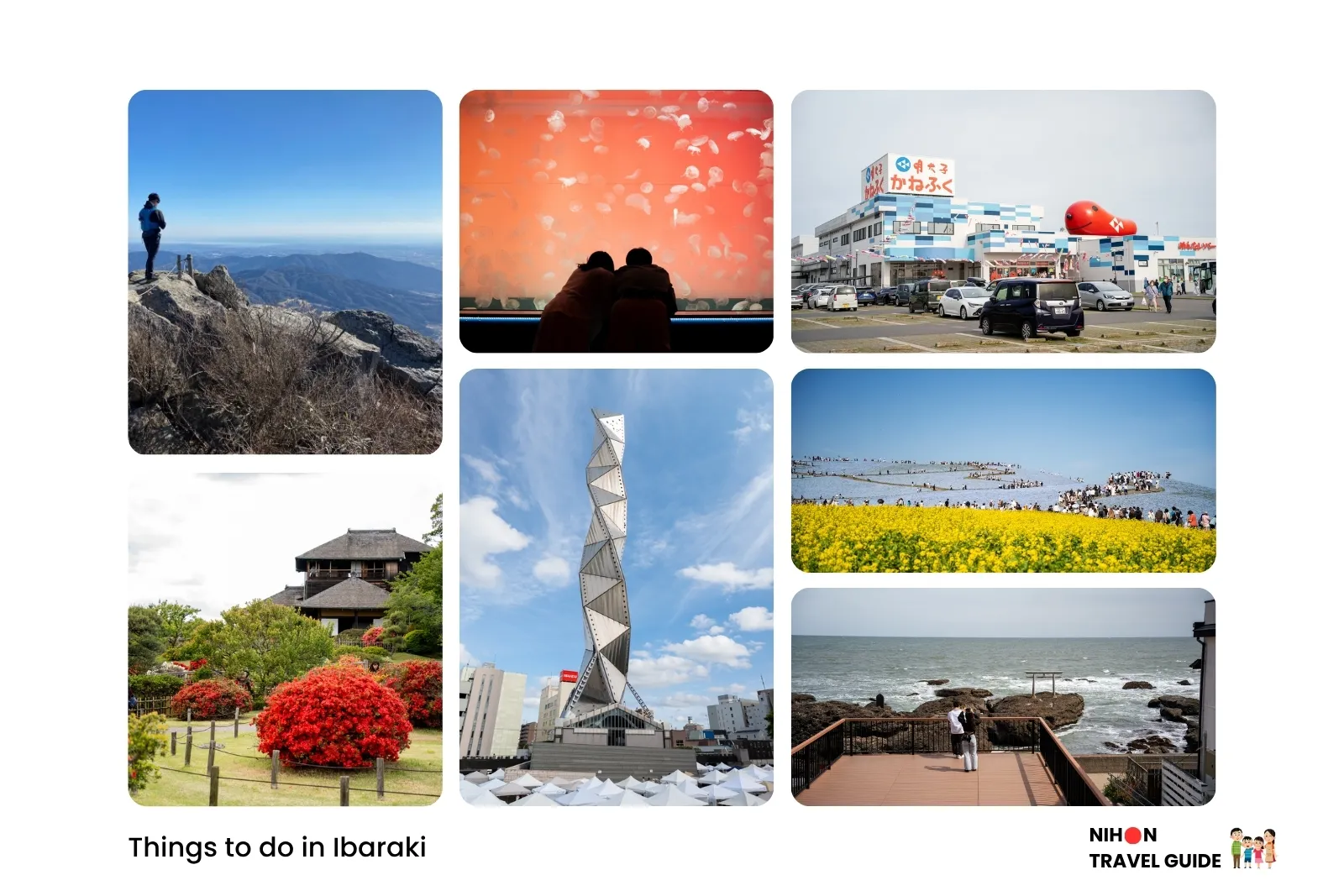
If you’re looking for places to put your new Japanese to use, Ibaraki is a great place to start, as English is used a lot less there.
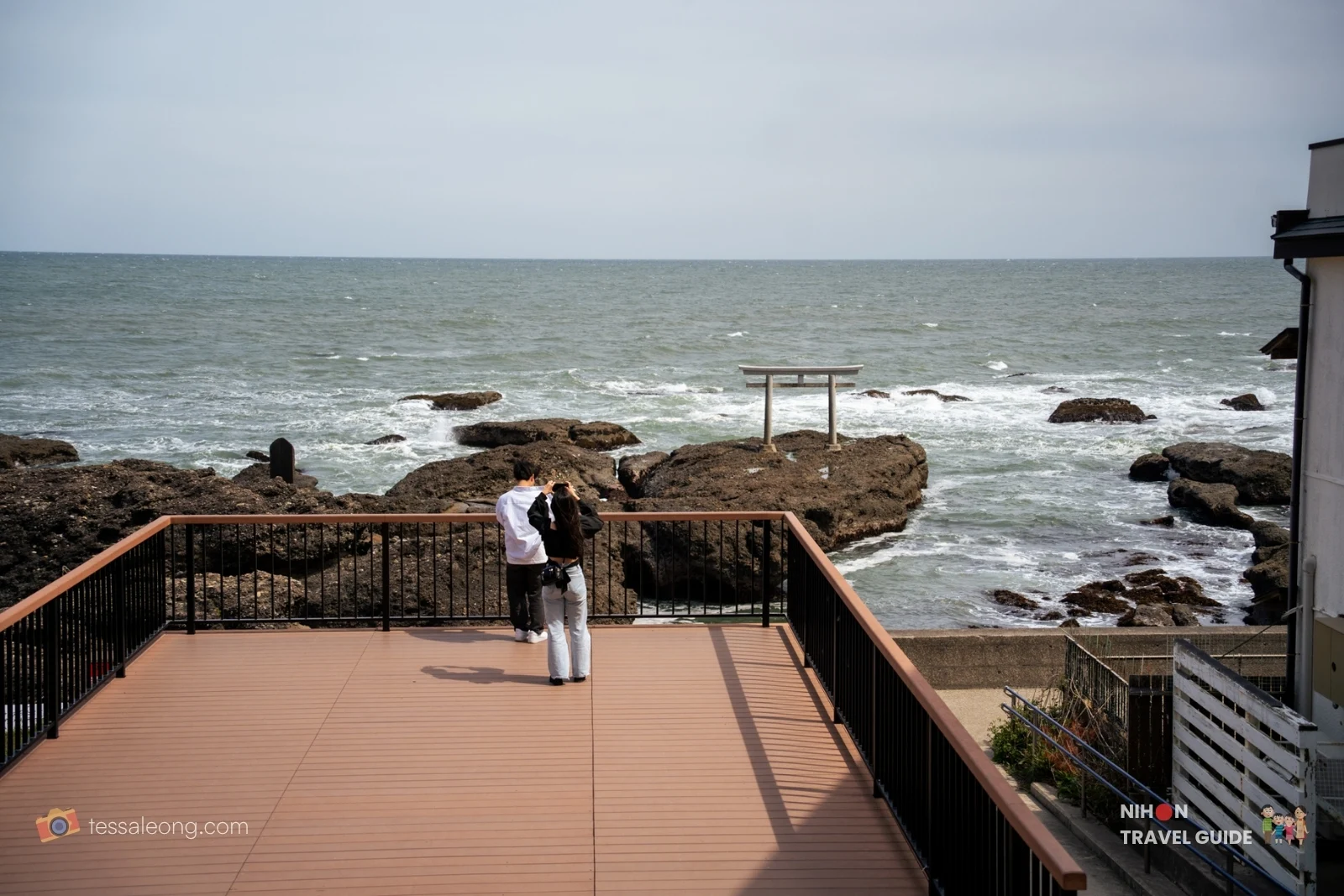
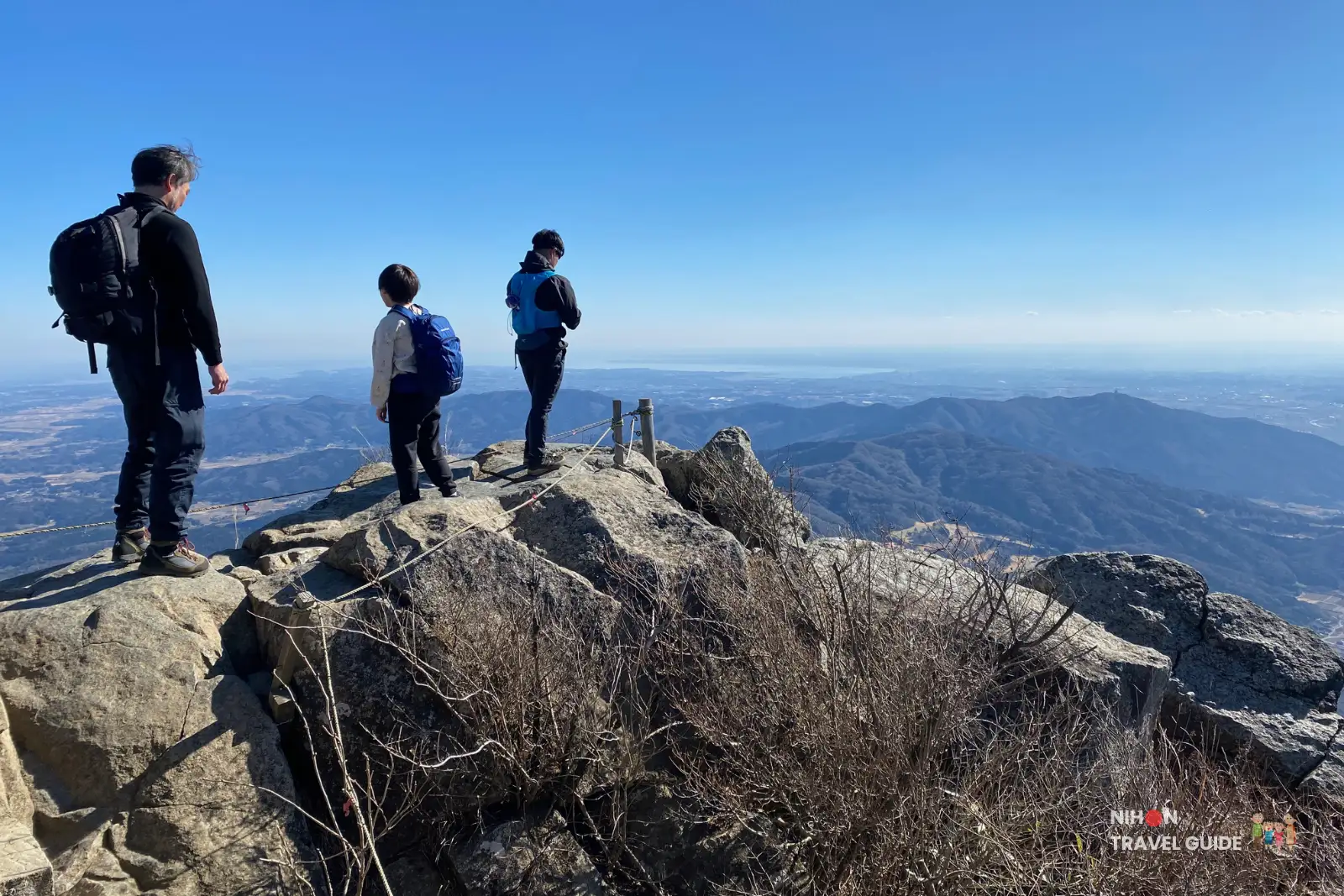
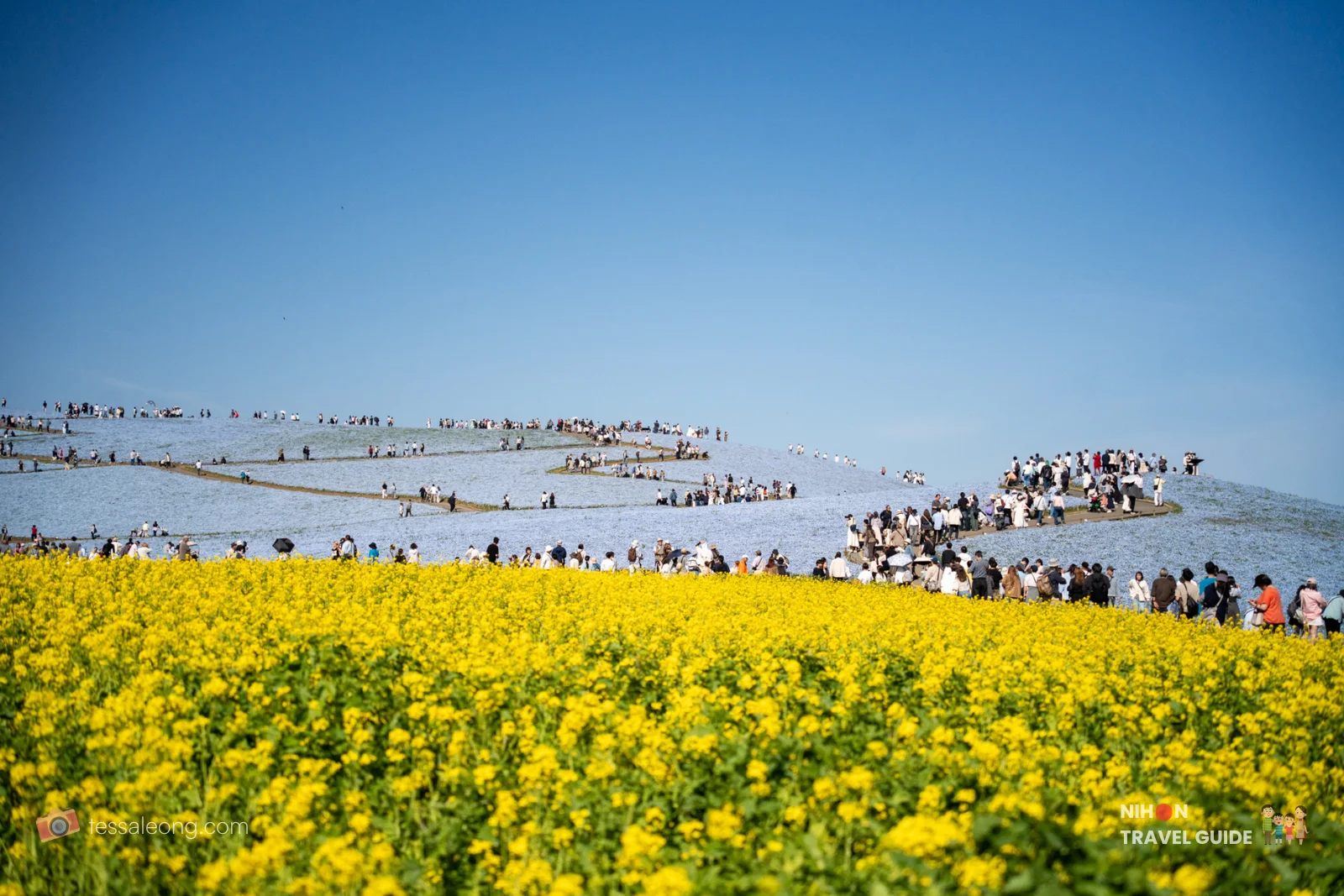
Catch the sunrise behind the torii gate on the rocks at Oarai Isosaki Shrine, hike up Mount Tsukuba for views across the Kanto Plain and if you are visiting in April, the nemophila flower fields at Hitachi Seaside Park are not to be missed.
Thank you to Hikari for taking the time to answer my questions. You can find her at Japanese with Hikari and on Instagram.

Written by
Timothy Leong
Timothy is a Singapore-born, Japan-based digital marketer turned hidden-gem hunter. After ditching spreadsheets for Google Maps, he now lives full-time in Japan, chasing quiet towns, real ramen, and off-grid train routes. Every photo and tip on Nihon Travel Guide is 100% his — no AI, no fluff, no Tokyo Tower.
More about Timothy →