Disclaimer: I am not sponsored by any of these locations in this post. Some links on this page are affiliate links, meaning I may earn a small commission if you book through them, at no extra cost to you.
All 22 places at a glance — click a name to read the full guide
| # | Place | Entry | Best Time to Go |
|---|---|---|---|
| 🏔️ Tsukuba | |||
| 1 | Mount Tsukuba | Free to hike | Autumn for foliage · winter for an easier climb |
| 2 | Tsukubasan Shrine | Free | Year-round · pair with Mount Tsukuba |
| 3 | JAXA Tsukuba Space Center | Free | Year-round |
| 4 | Tsukuba Expo Center | Paid | Year-round |
| 5 | Tsukuba Museum of Art | Free | Depends on current exhibitions |
| 6 | Tsukuba Geological Museum | Free | Year-round · pair with JAXA |
| 7 | Peony Garden Tokyo | Paid | Spring only (roughly April – May) |
| 8 | Doho Park | Free | Cherry blossoms in spring · autumn leaves |
| 9 | Tsuchiura Fish Market | Free entry | Saturday mornings · all-you-can-eat tuna |
| 🌹 Ishioka | |||
| 10 | Ishioka Ostrich Farm | Paid | Year-round · summer for blueberry picking |
| 11 | Ibaraki Flower Park | Paid | April – June for roses |
| 🌊 Oarai & Hitachinaka | |||
| 12 | Oarai Isosaki Shrine & Kamiiso no Torii | Free | Year-round · sunrise for the best photos |
| 13 | Oarai Marine Tower & Panzer Vor Cafe | Paid | Clear days for the best views |
| 14 | Oarai Seaside Station & Garupan Gallery | Free | Year-round · a must for Girls und Panzer fans |
| 15 | Aqua World Ibaraki Oarai Aquarium | Paid | Year-round · great on rainy days |
| 16 | Nakaminato Fish Market | Free entry | Morning to lunchtime |
| 17 | Mentai Park Oarai (guide coming soon) | Free entry | Year-round |
| 18 | Hitachi Seaside Park | Paid | Late April for nemophila |
| 🌸 Mito | |||
| 19 | Mito Kairakuen Garden & Koubuntei | Paid | February – March for plum blossoms |
| 20 | Lake Senba & Mito Kobun Terrace | Free | Year-round · plum festival in spring |
| 21 | Art Tower Mito | Paid | Weekends for the craft markets |
| 💧 Northern Ibaraki | |||
| 22 | Fukuroda Falls | Paid | Autumn foliage · winter for frozen falls |
A car is the easiest way to get between areas. See each full guide for ticket prices, opening hours and directions.
In 2026 I travelled to Ibaraki for the first time and it was a little bit like that Netflix show that came out years ago that you never heard of and now you can’t stop watching it. I have visited Tokyo so many times but have never heard of let alone visited Ibaraki that was just an hour out.
And in these trips I have found many interesting places, some of them are a must-go that sadly not many tourists seem to know about. Because I was the only tourist there most of the time.
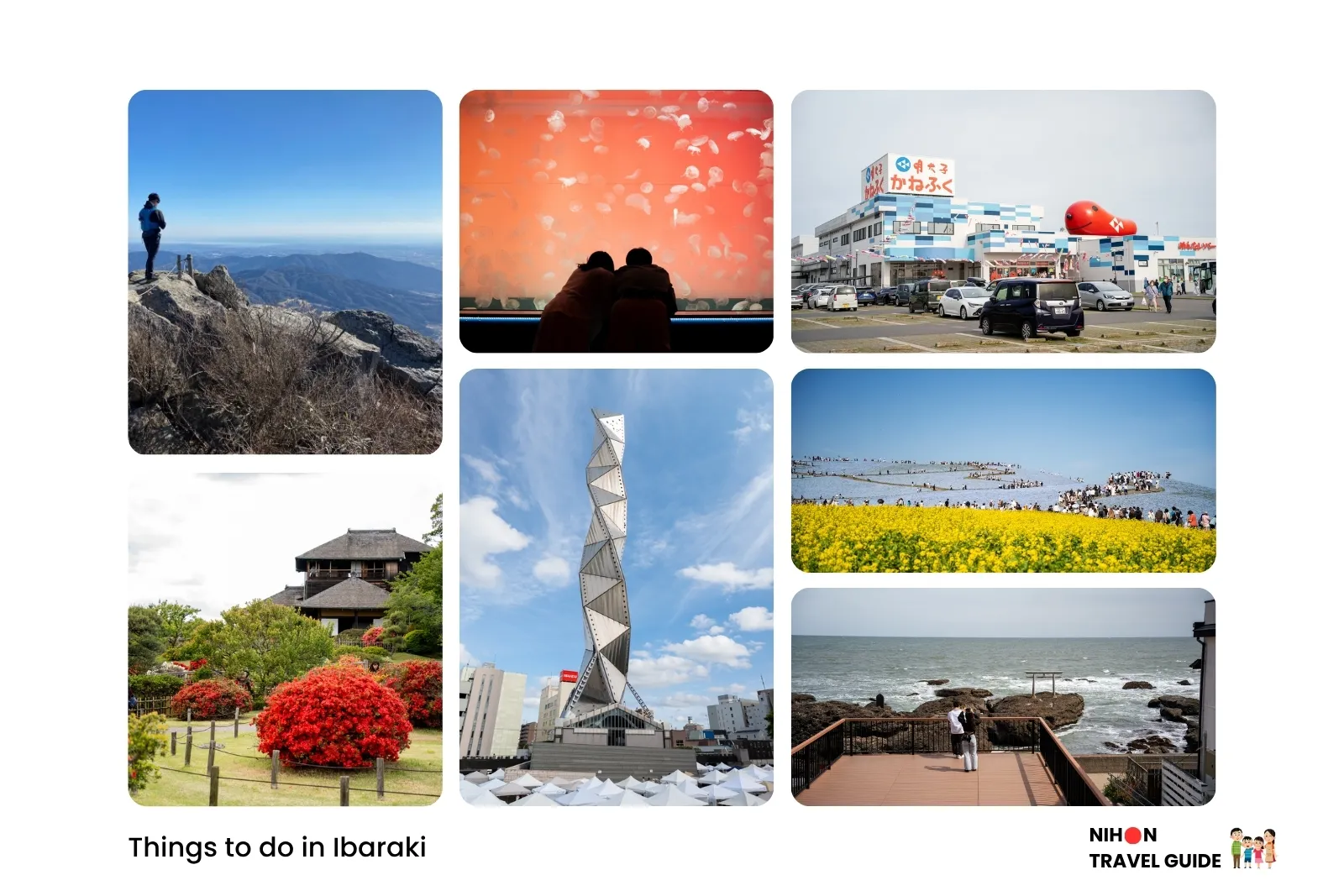
In this article we have over 20 places that might be worth visiting. I will let you know what my experience was like and why you should consider making the trip an hour out from Tokyo the next time you visit Japan.
Photos on this page are mine, shot on an iPhone 11 pro. Nicer photos were shot by Tessa Leong were shot with a Sony a7IV with Tamron 28-200mm lens.
How to Get to Ibaraki from Tokyo
There are a few train lines to get to Ibaraki from Tokyo:
Main public transport options to Ibaraki’s two main hubs, Mito and Tsukuba
| Mode | From | Time | Approx. Fare | Notes |
|---|---|---|---|---|
| 🌸 To Mito (for Mito, Oarai & Hitachinaka) | ||||
| JR Limited Express Hitachi / Tokiwa Fastest | Tokyo, Ueno or Shinagawa | 70–80 min | ~¥4,000 | Reserved seat recommended. Covered by the JR Pass. |
| JR Joban Line (local) | Tokyo, Ueno or Shinagawa | ~2 hours | ~¥2,420 | Cheaper, but many more stops. |
| Highway bus Cheapest | Tokyo Station (Yaesu), Shinjuku or Ueno | 2–2.5 hours | ¥2,000–2,300 | Also serves Tsuchiura and Hitachi. Traffic can add time. |
| 🏔️ To Tsukuba (for Tsukuba & Mount Tsukuba) | ||||
| Tsukuba Express Rapid Fastest | Akihabara | ~45 min | ¥1,200–1,300 | Frequent trains. Best option for Tsukuba and Mount Tsukuba. |
| Highway bus | Tokyo Station (Yaesu South Exit) | 60–70 min | ~¥1,260 | Direct to Tsukuba Center. |
Fares and journey times are approximate and subject to change.
However in my experience traveling by car is still the most convenient especially if you are traveling out of the city centers. Especially in Summer and Winter when its either too hot or cold, having a car makes traveling much more comfortable in these conditions.
If you’re planning to drive, you can compare rental car prices for your Ibaraki trip here picking up a car in Tokyo or at the airport makes it easy to combine several areas in one trip.
Things to Do in Tsukuba
Tsukuba is one of the largest cities in Ibaraki and is known for being a science city. The Japanese government planned to move a lot of research laboratories and universities out of Tokyo thus creating Tsukuba City. It currently is one of the most dense research and development areas in Japan.
But Tsukuba City is not all science though. Although the science museums are the main attractions, there are plenty of parks, gardens and nature in and around the city. And if you ask me is quite overlooked.
Mount Tsukuba
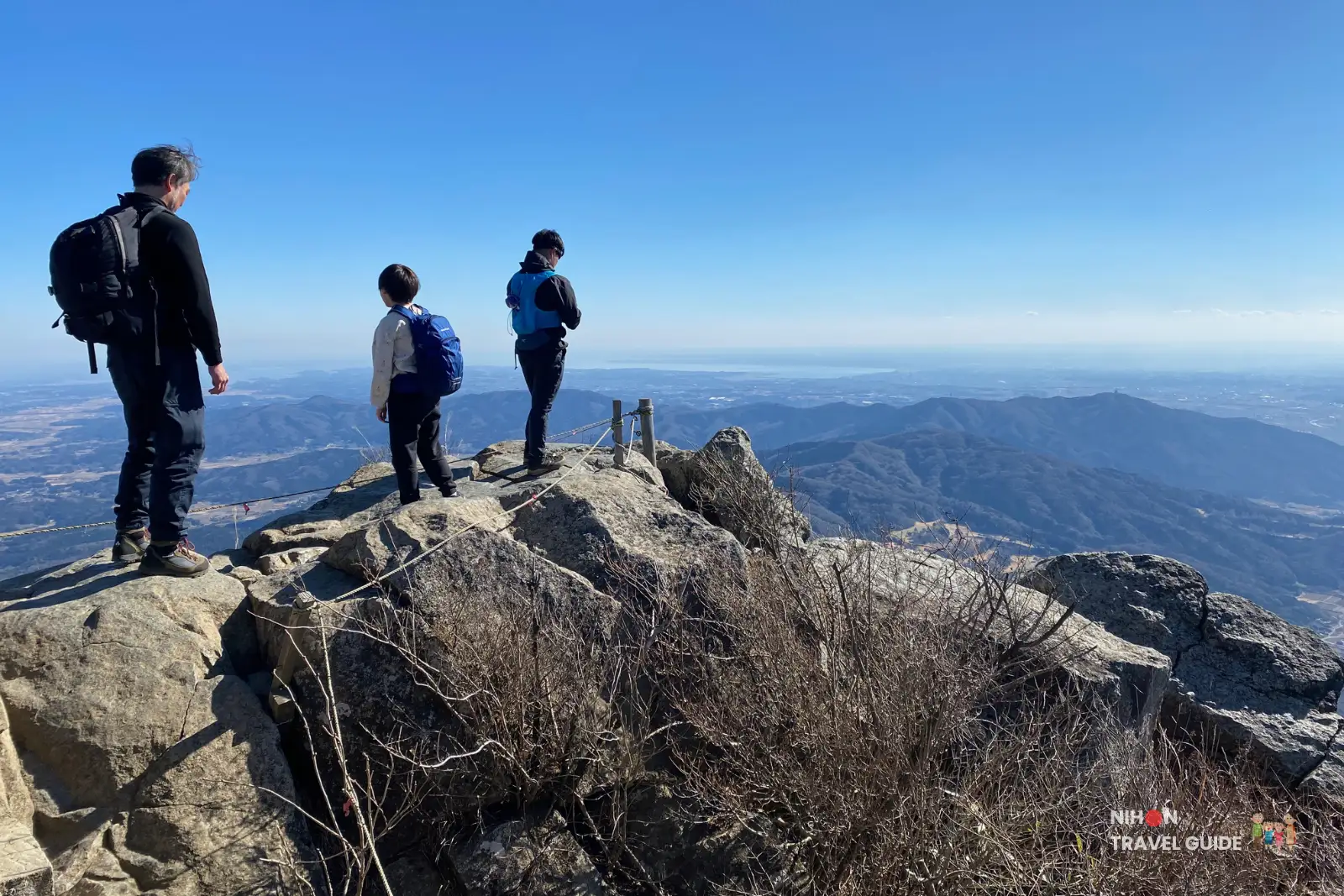
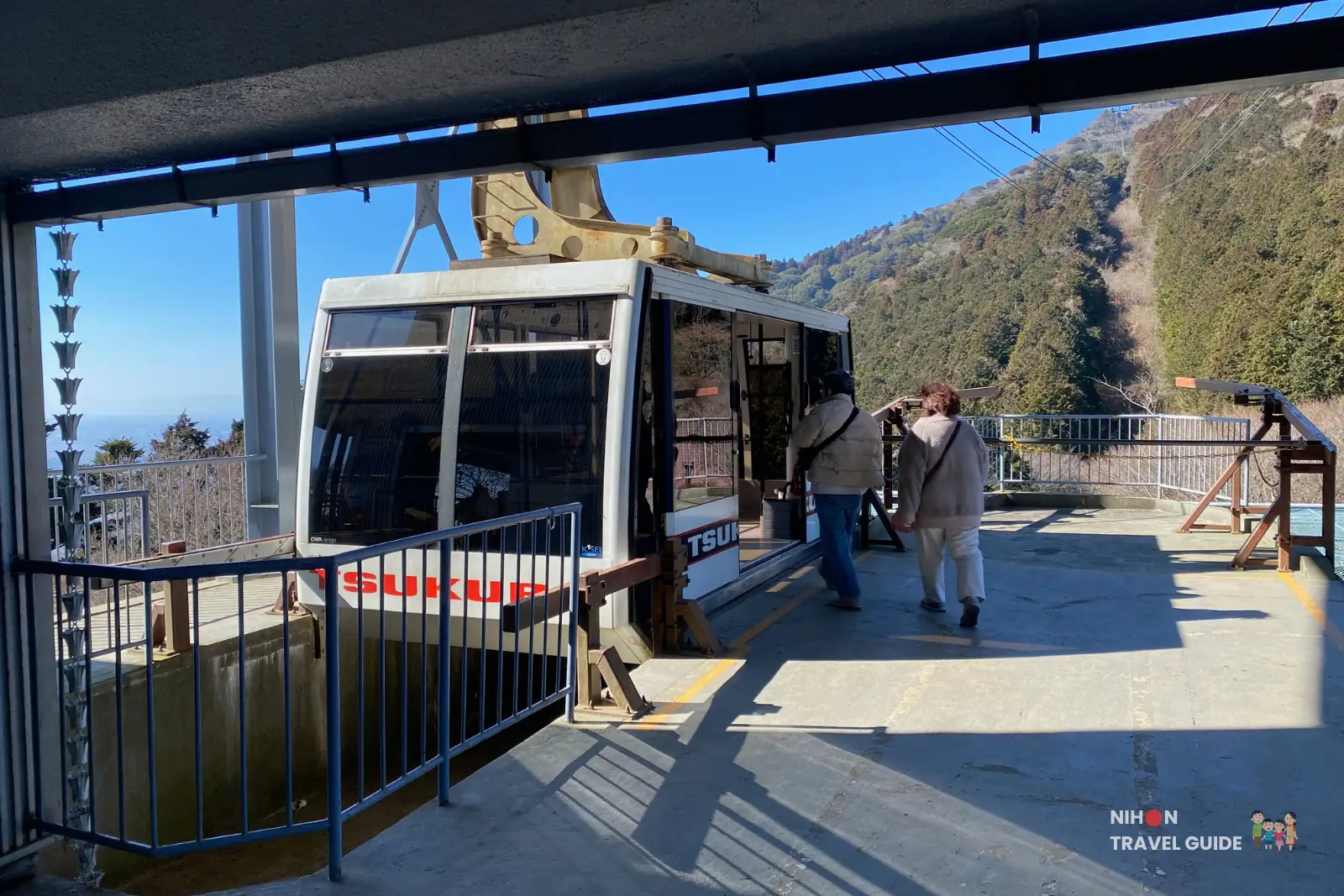
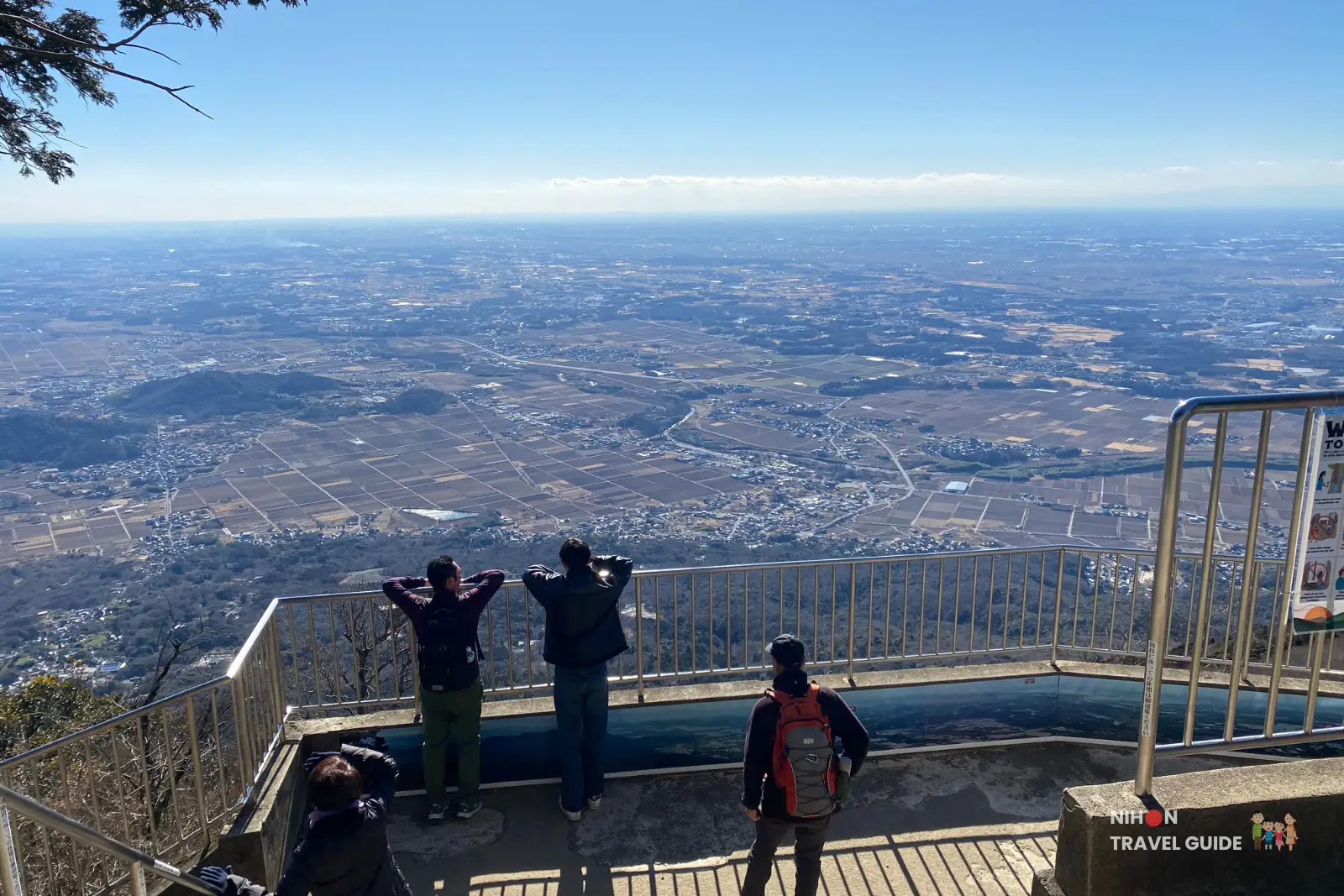
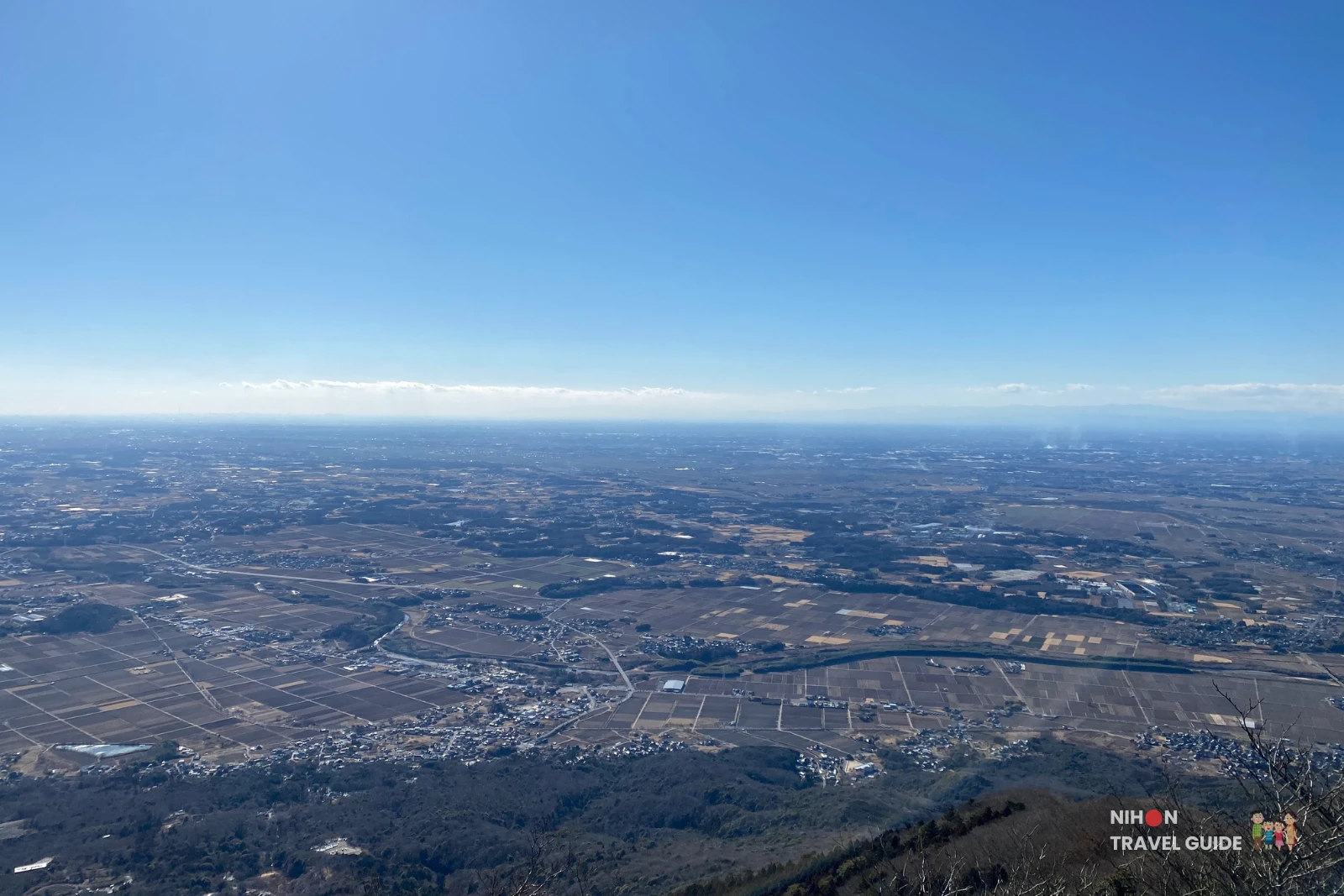
We start off with the sweatiest one of them all: Mount Tsukuba, a twin peaked mountain just north of Tsukuba City. The highest peak is Nyotai-san (女体山) at 877m and the other peak Nantai-san (男体山) is at 871m.
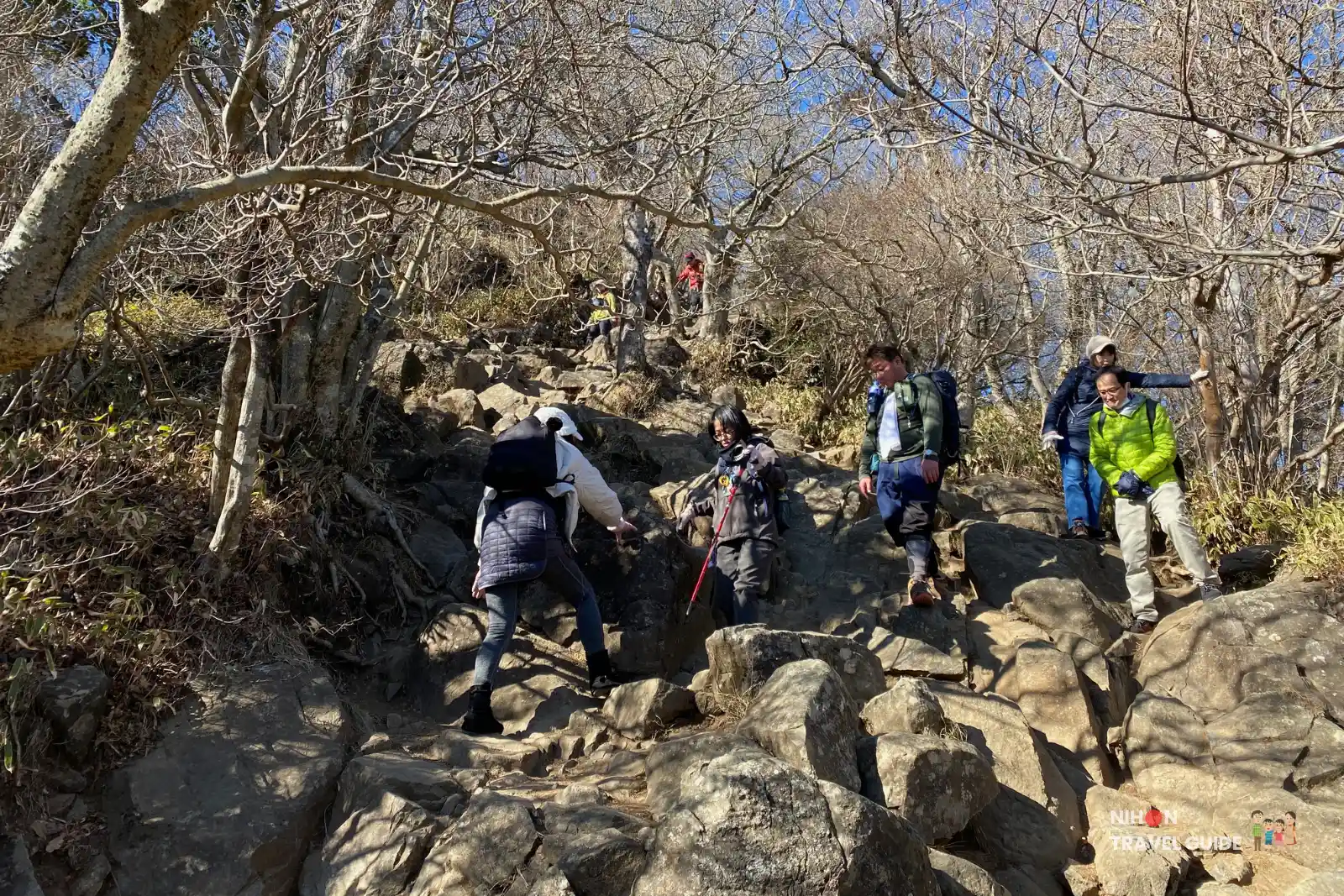
Be prepared to spend the afternoon (about 5 hours) as it is hard work to reach the peaks as it’s just rocks (as you can see from the pictures). But once you reach the top, the views are really stunning and worth it.
Going in Autumn (Sep to Nov) will provide the nicest foliage with the red leaves. But going in Winter (Dec to Feb) will make the climb easier. It’s like exercising in an air conditioned room basically.
Check out our guide for more details about visiting Mount Tsukuba, the cable car and ropeway times.
Tsukubasan Shrine
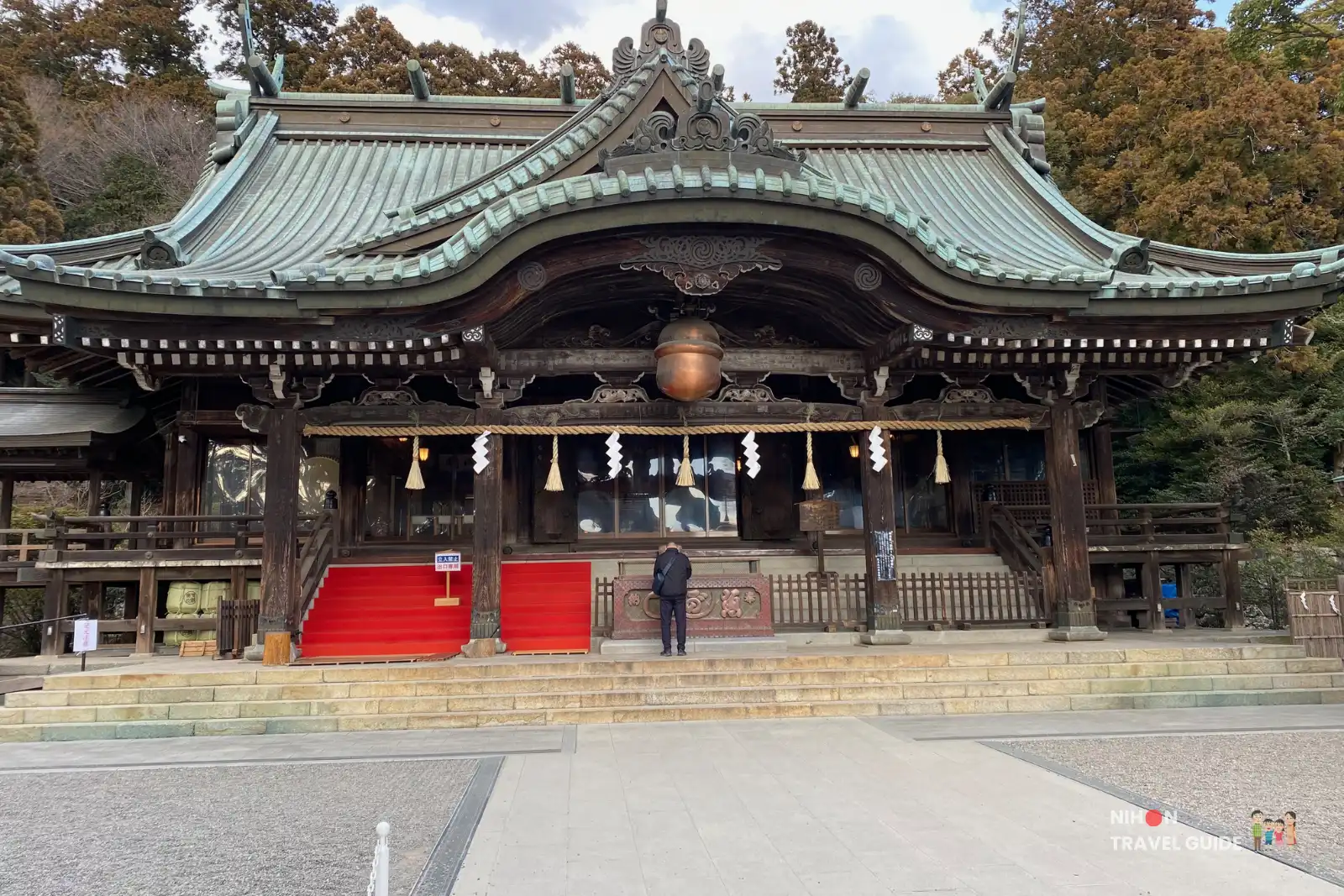
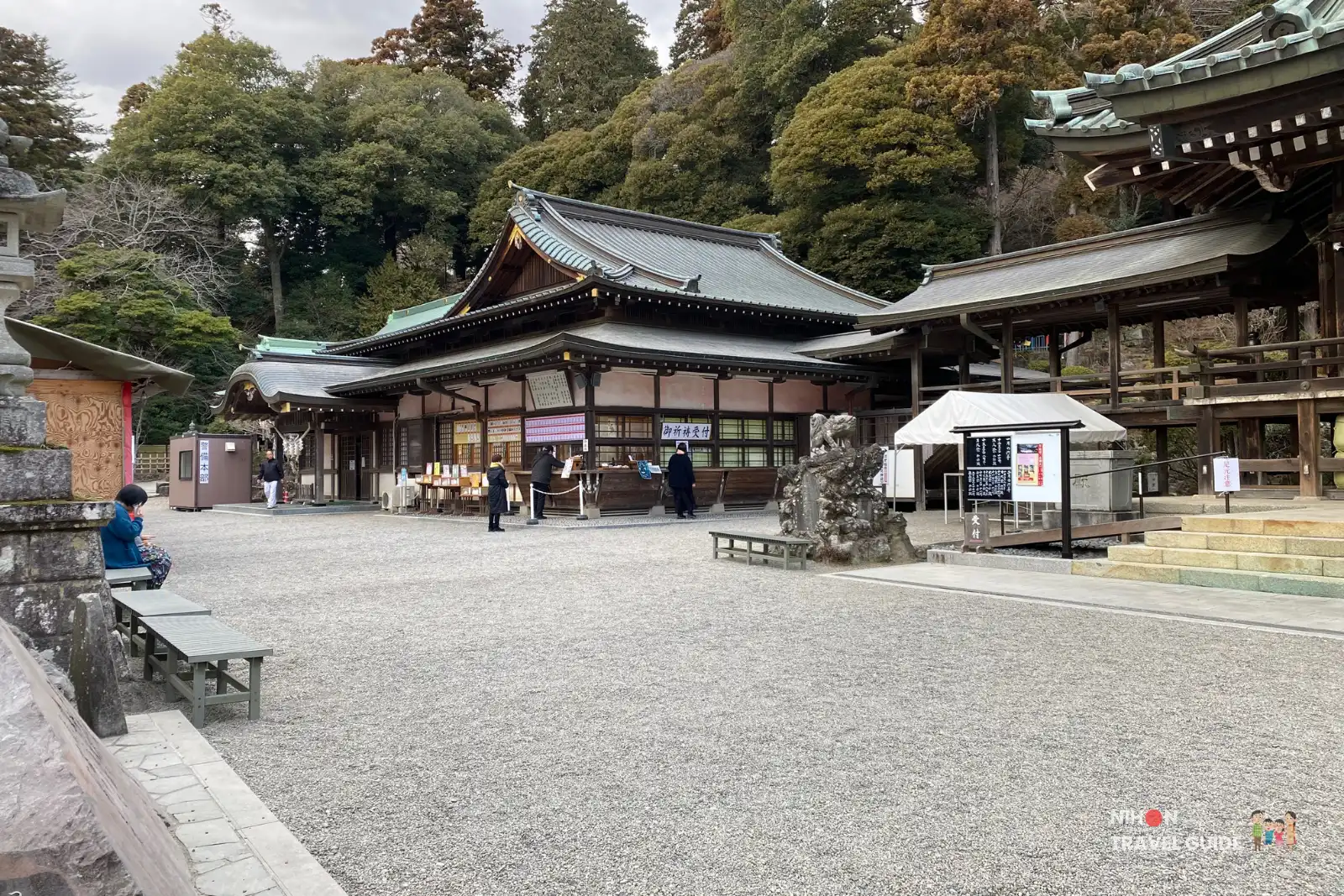
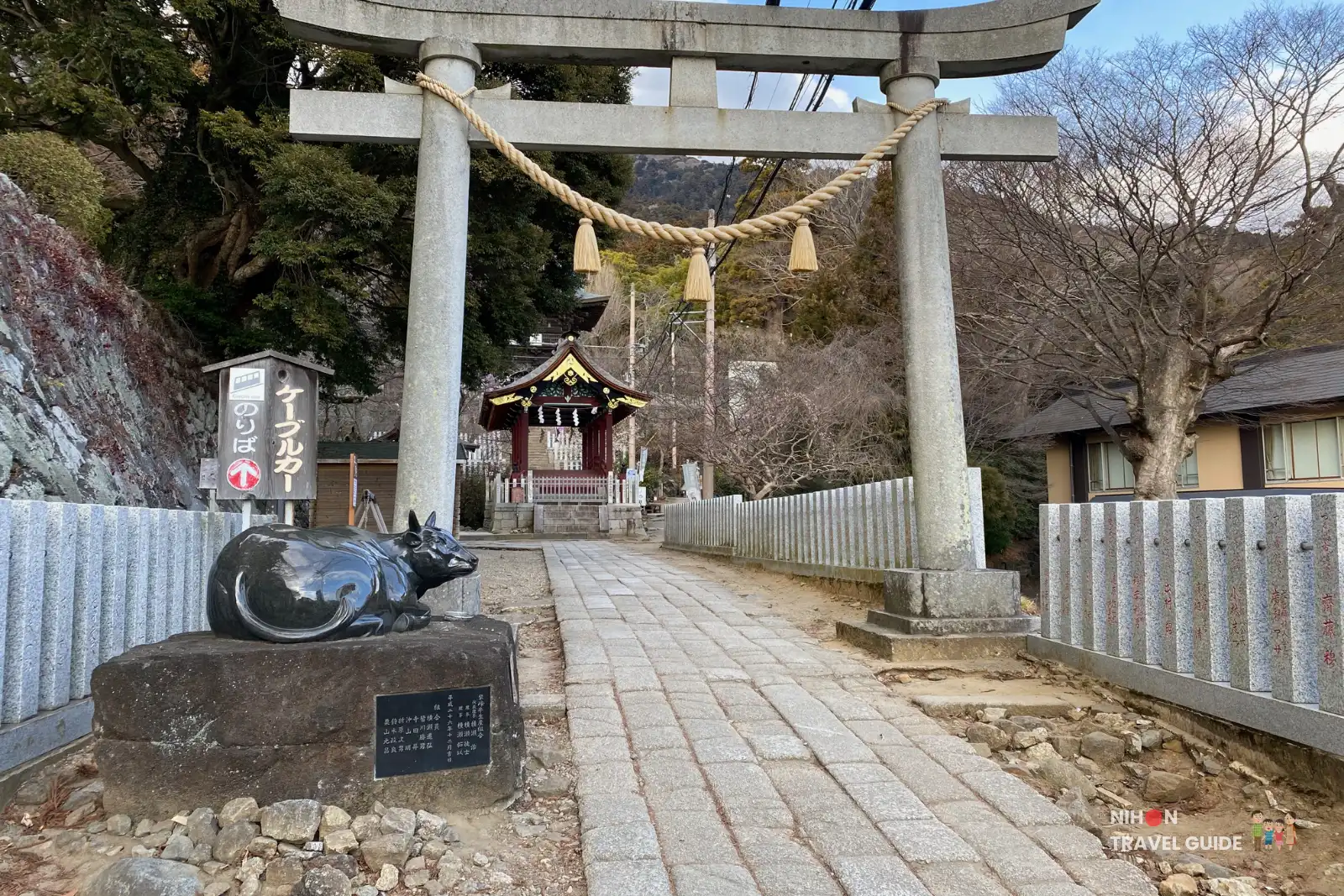
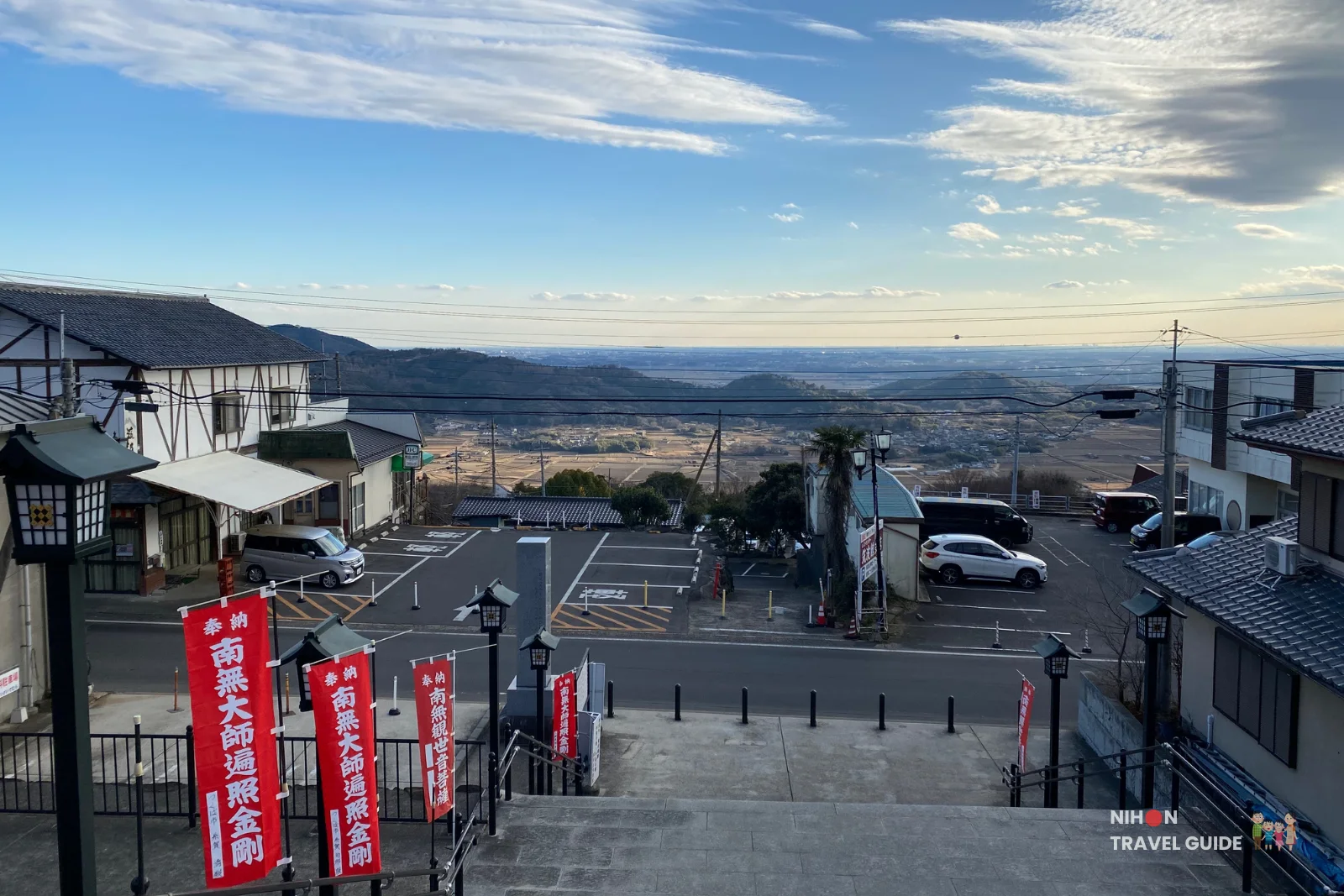
Tsukubasan Shrine is a shrine at the foot of Mount Tsukuba and is just next to the Miyawaki Cable Car Station. It is one of the most prominent and historically significant in Tsukuba and probably in Ibaraki. It is a Beppyo Shrine and ranks highly on the ancient shrine list in Japan. Many locals and visitors see it as a major “power spot” especially for matchmaking.
If you have the time, checking out Tsukubasan Shrine before taking the ropeway up Mount Tsukuba is a great combination.
Read our complete Tsukubasan Shrine visitor guide for parking tips, what to see and the best time to visit.
JAXA Tsukuba Space Center
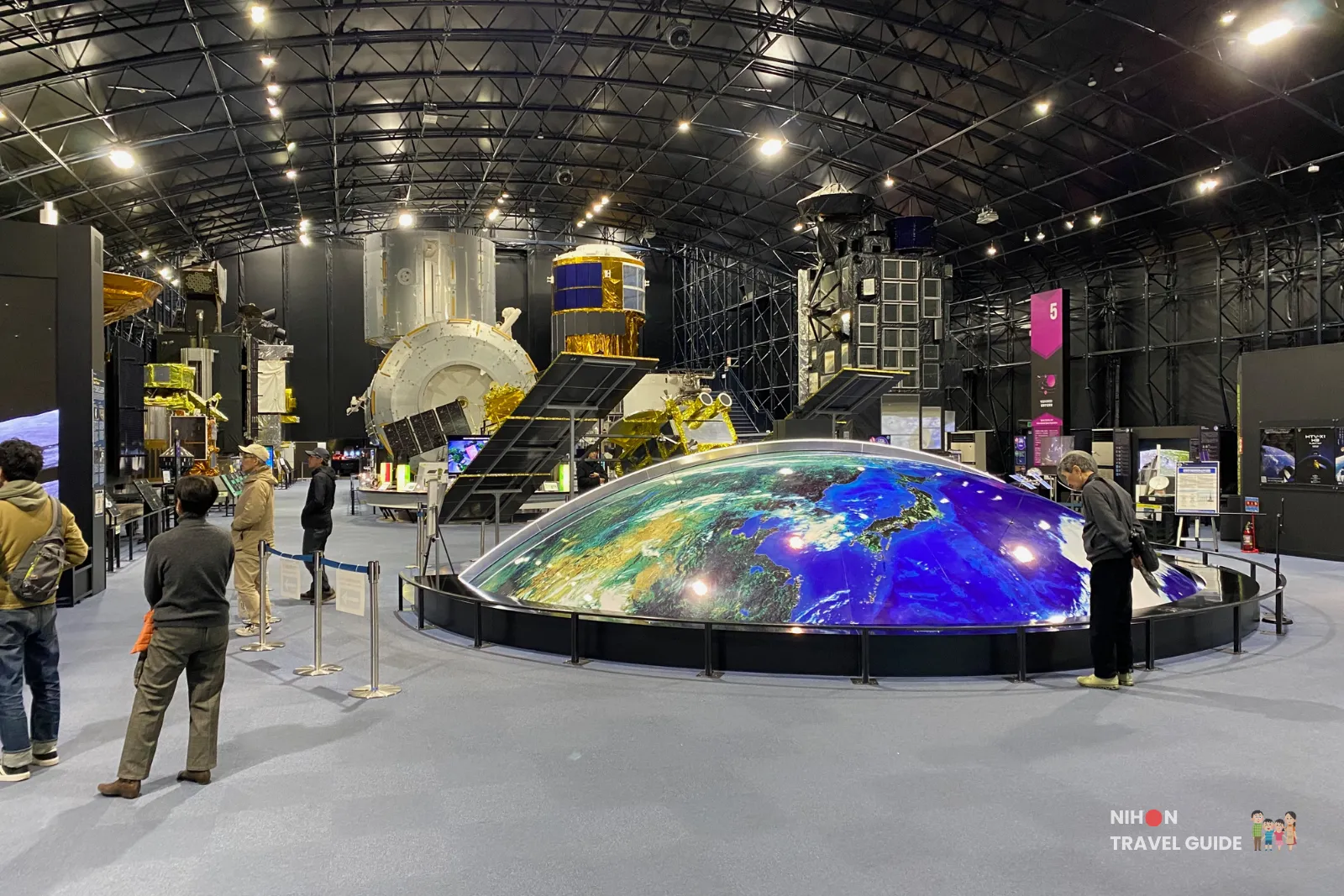
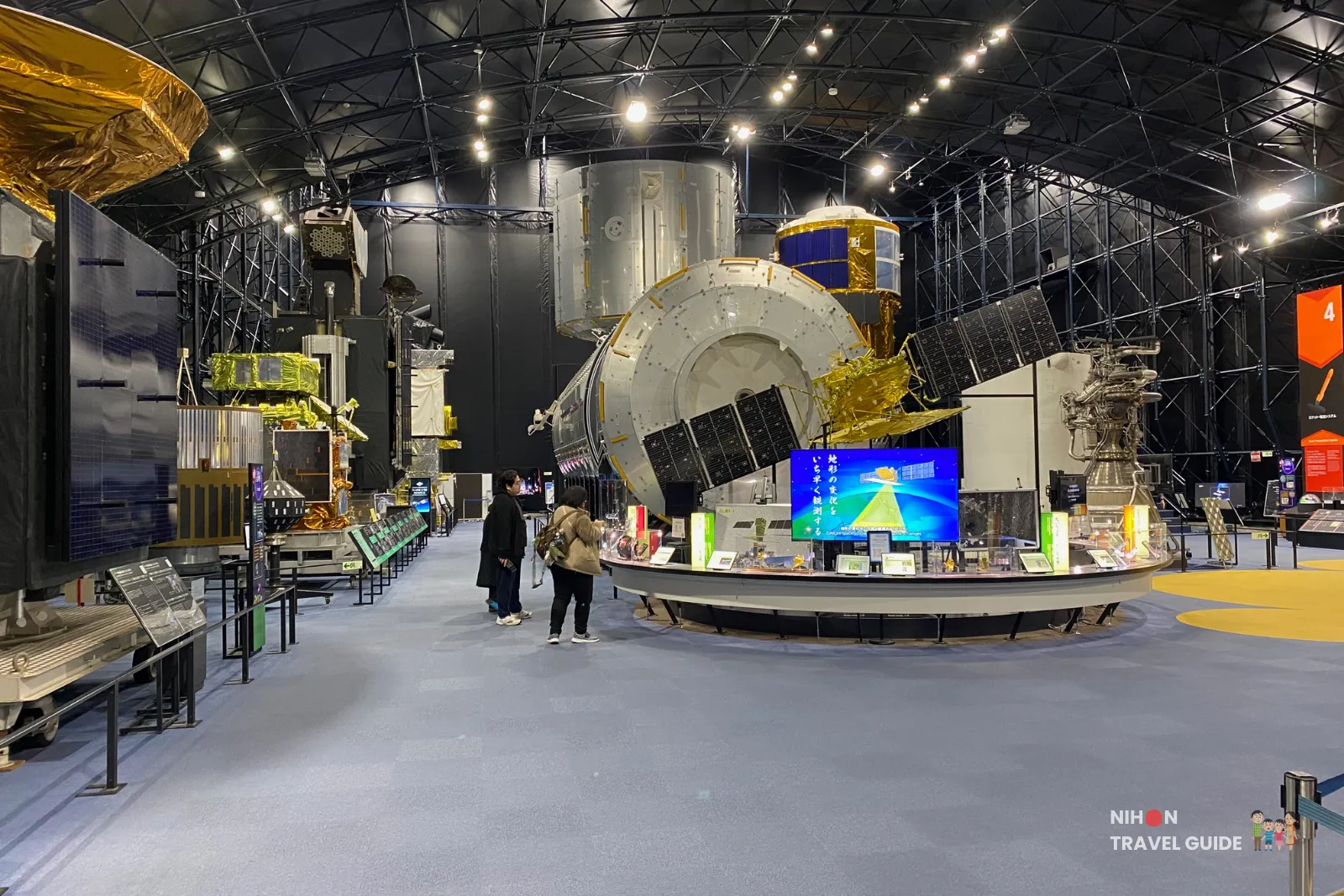
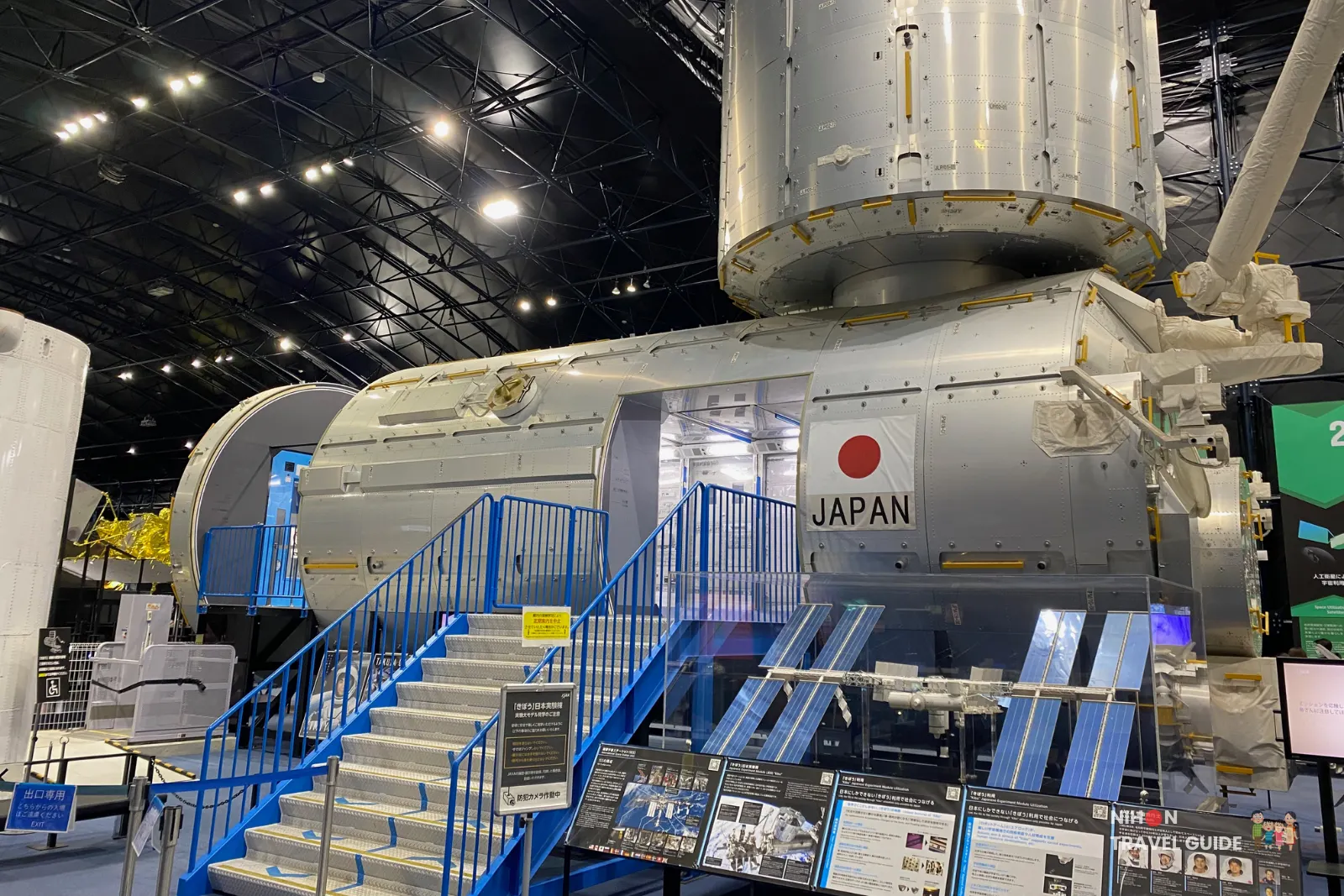
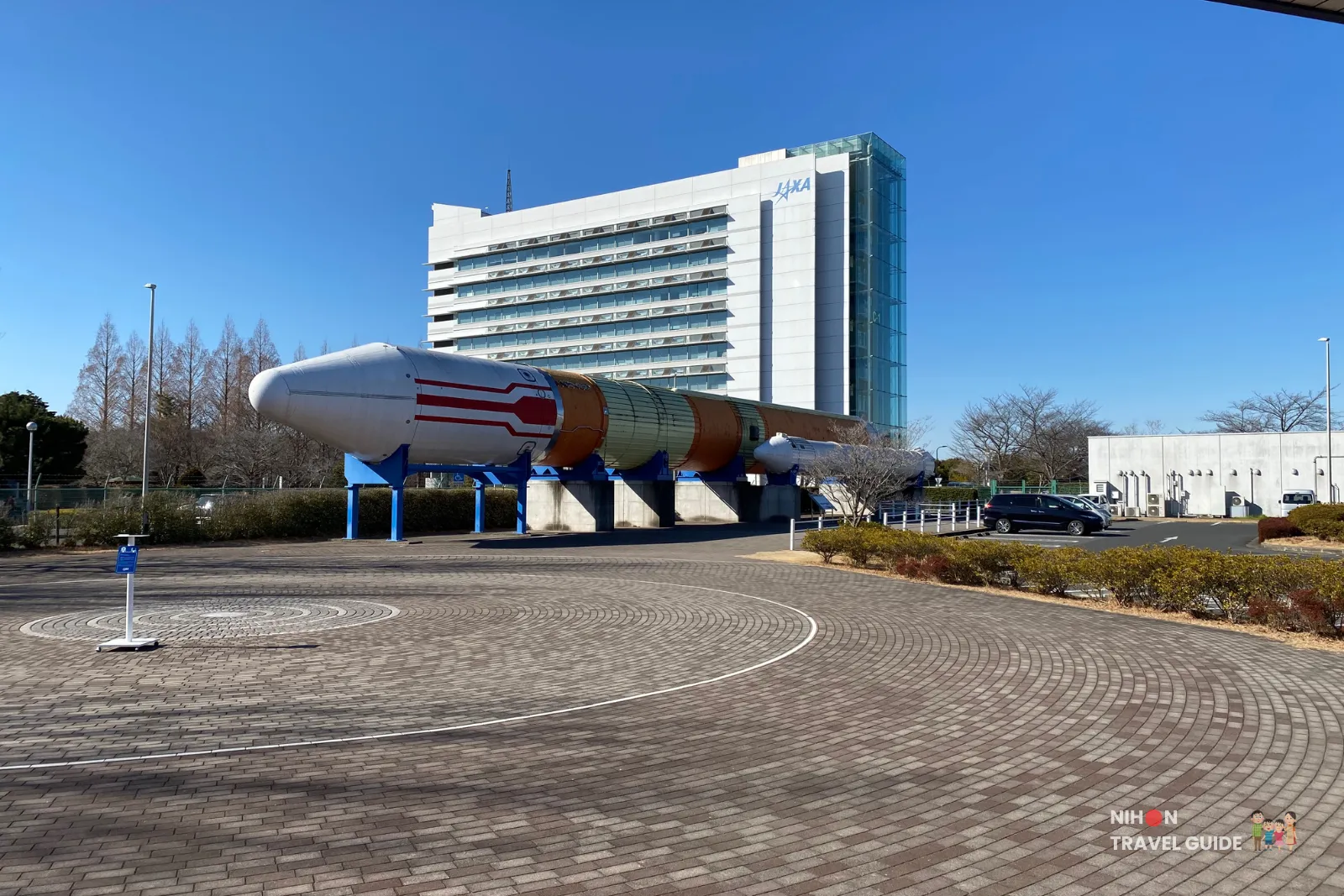
JAXA Tsukuba Space Center is probably the most iconic museum in Tsukuba. Not only is it free of charge, you get to see loads of satellites and space craft prototypes that were used in development.
Even though they did not make it to space, I felt like Elliot when he first met E.T. in his backyard when I was standing in front of these massive machines. There are also free guided tours of the Space Center where they will go into deeper detail on each display.
Check out our guide to find out more about what it’s like to visit JAXA Tsukuba Space Center.
Tsukuba Expo Center
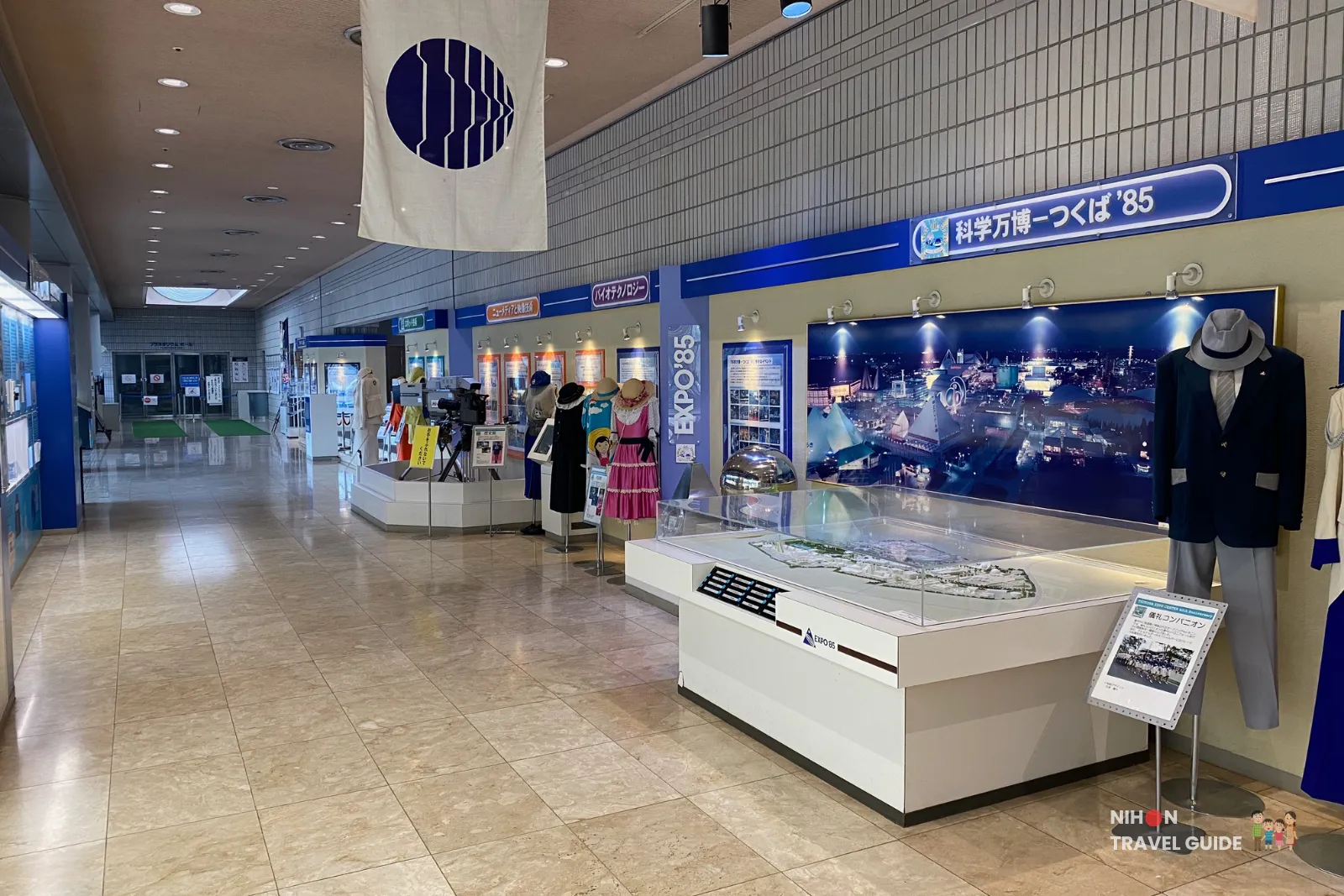
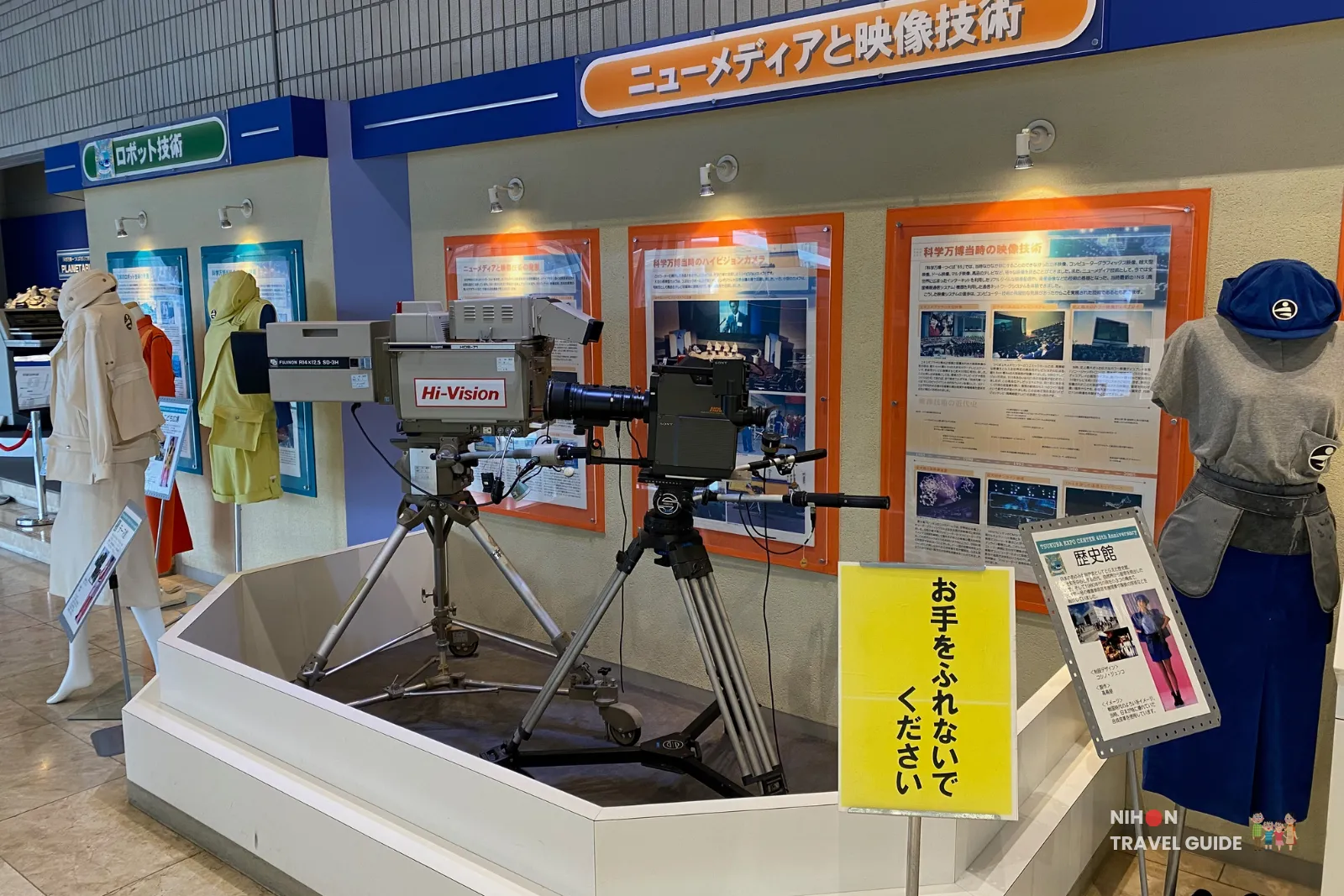
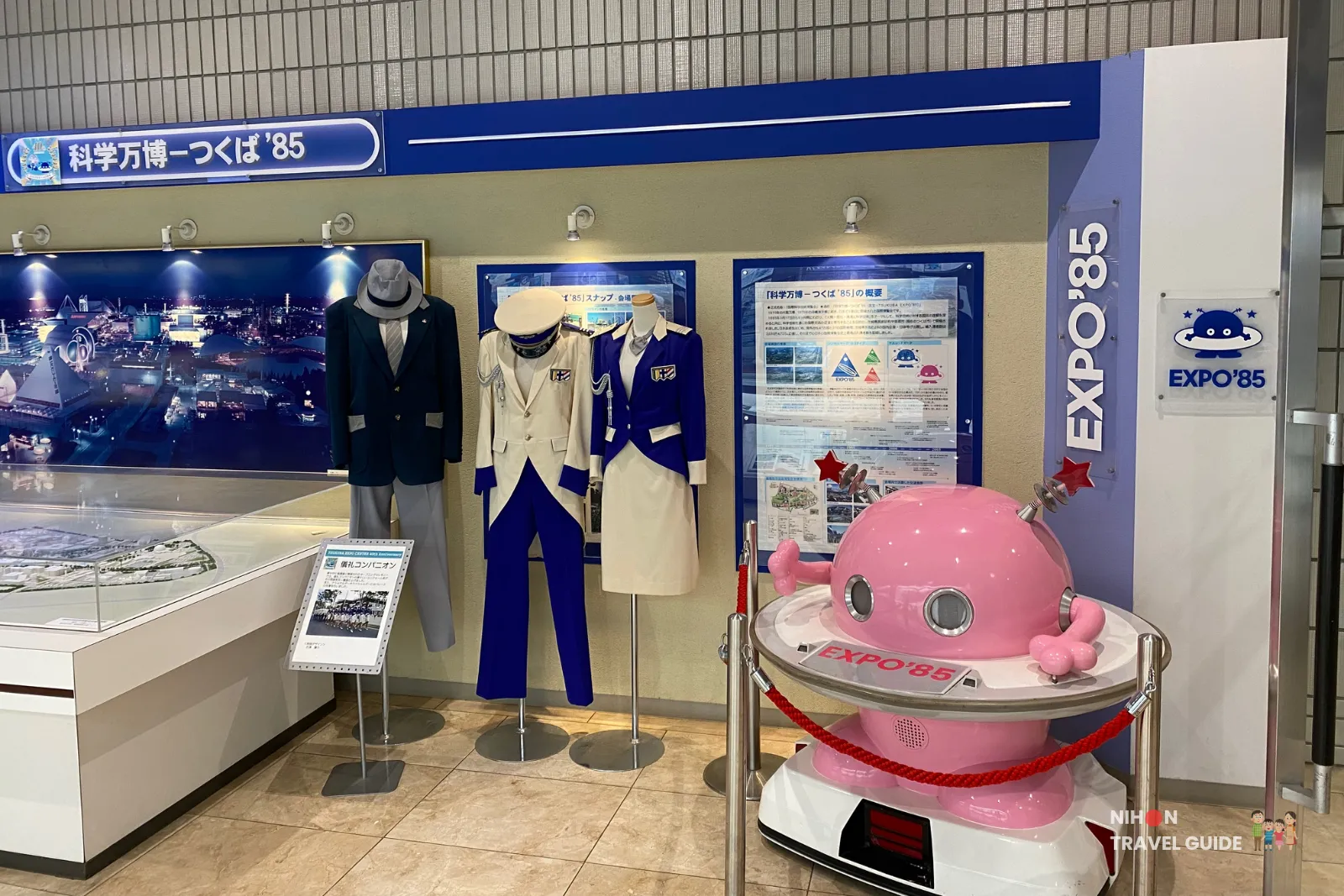
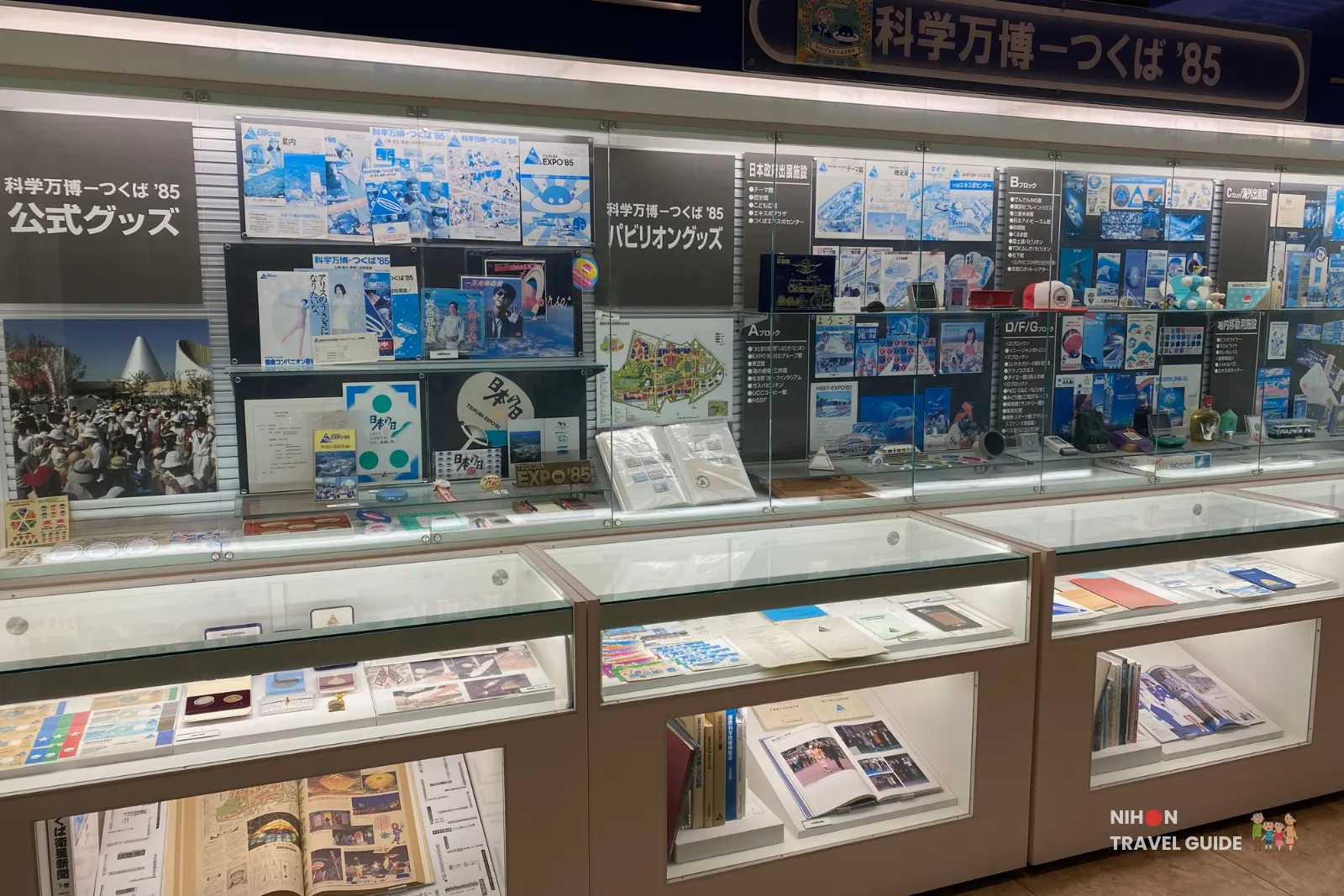
In 1985 Tsukuba was the host for the World Expo and the Tsukuba Expo Center is home to all the memorabilia, collectibles, equipment and history of that event.
The other highlight of Tsukuba Expo Center is the planetarium. It is a huge immersive dome like theater where you sit in reclining seats and look up at a curved screen on the ceiling. You get to experience simulated night skies, space and cosmic phenomena in a realistic way.
Check out our guide to find out more about what it’s like to visit Tsukuba Expo Center.
Tsukuba Museum of Art
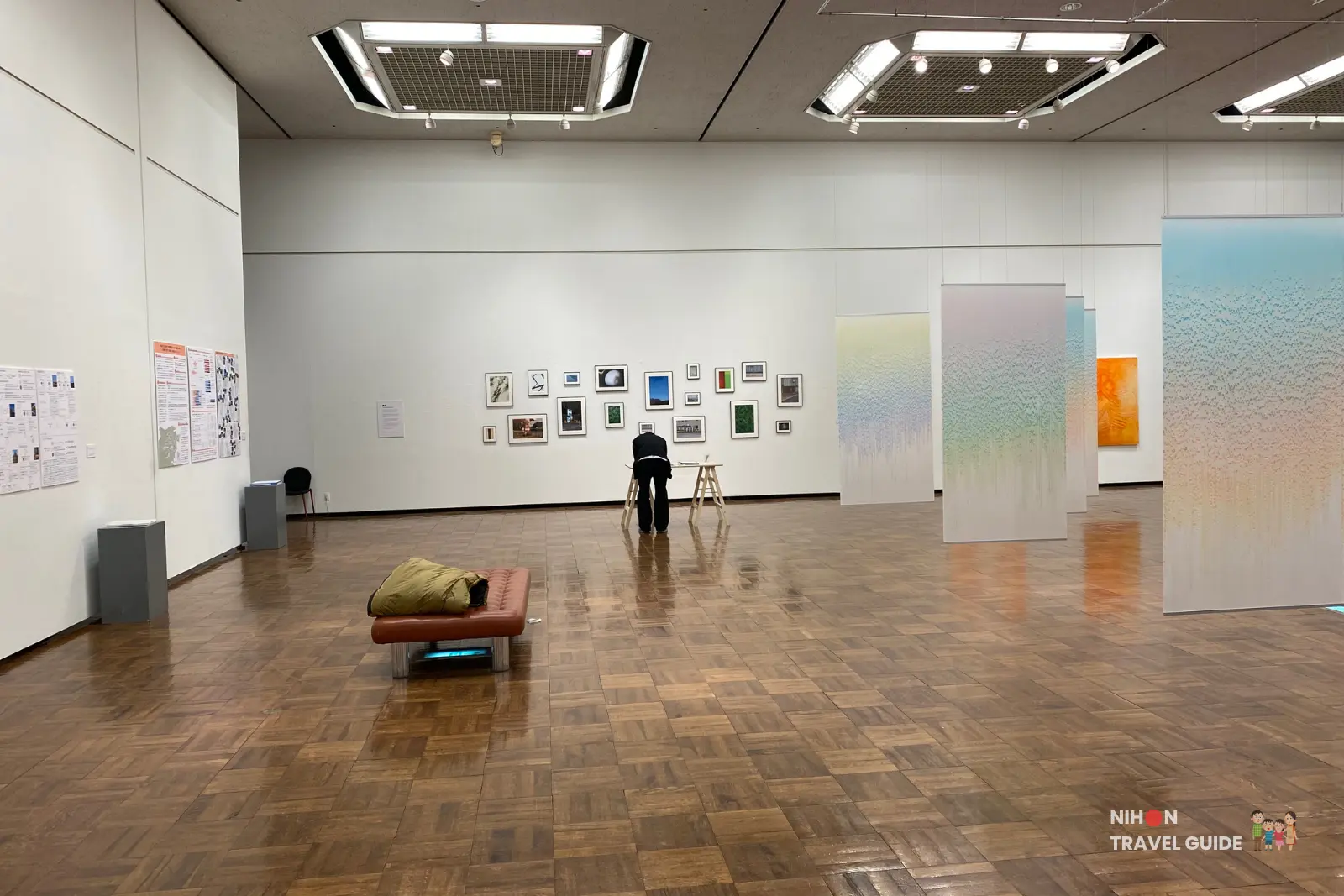
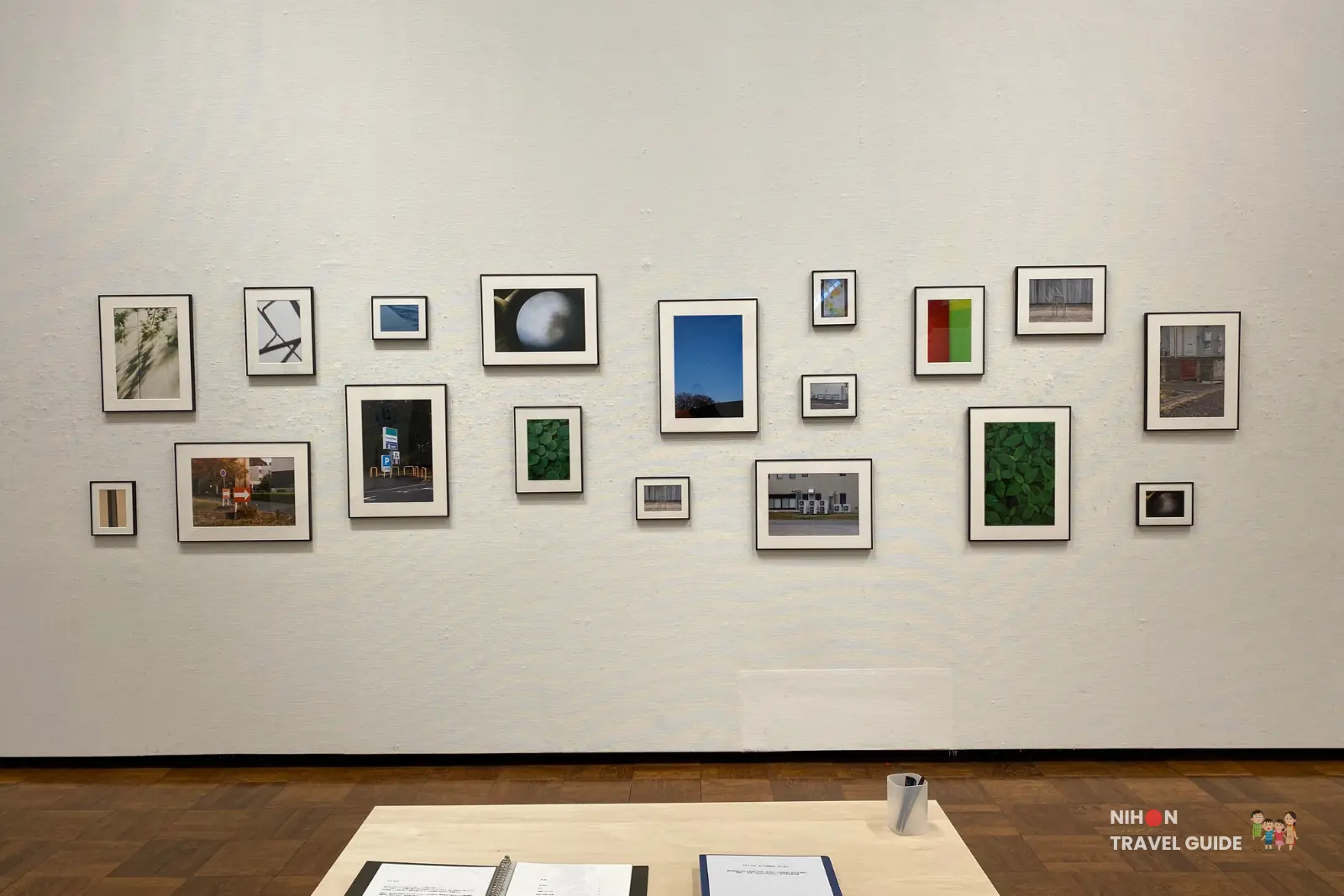
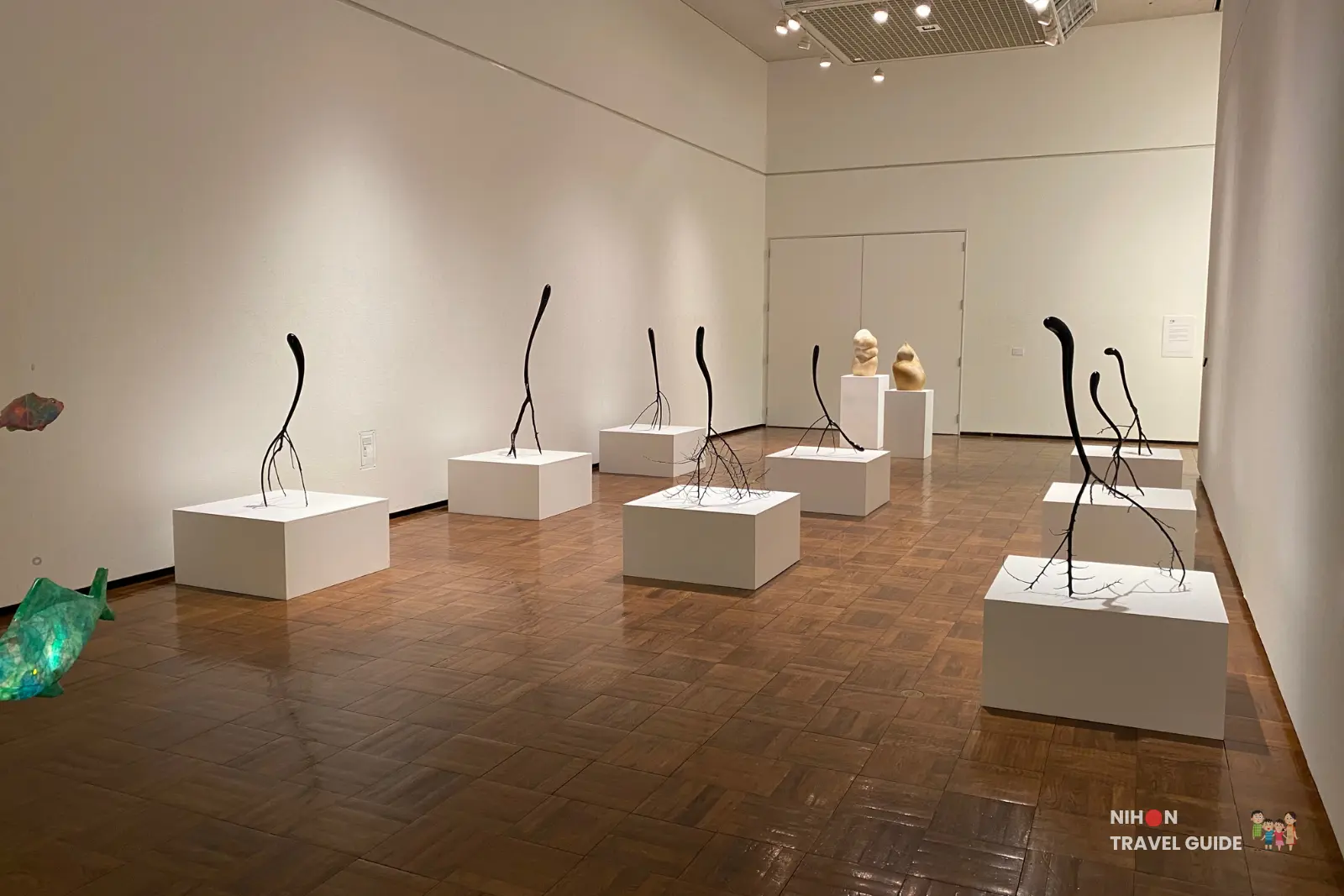
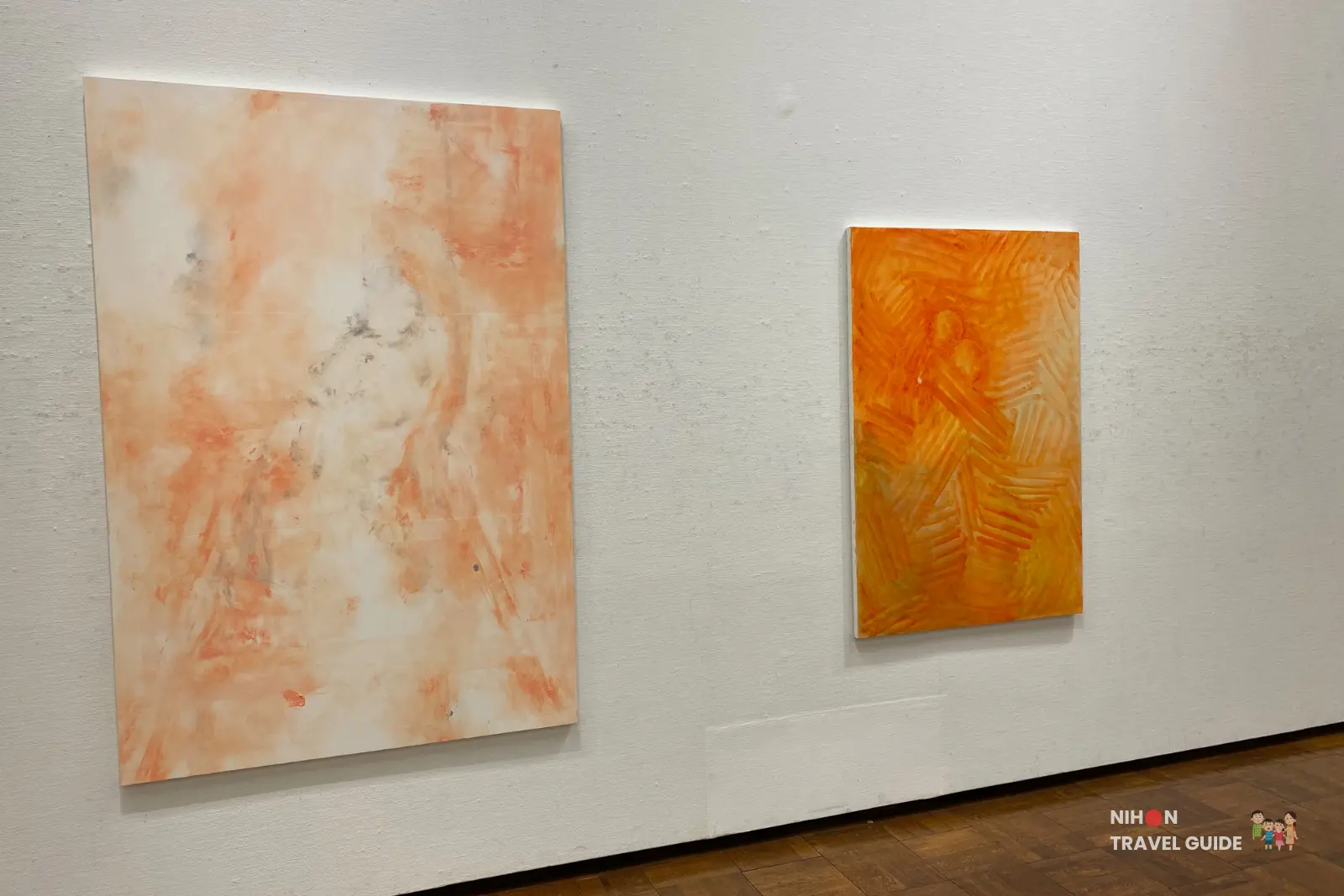
If you are into the local art scene, you can check out the Tsukuba Museum of Art Ibaraki. It is a rental style gallery in Tsukuba City Center for artists to showcase their works. Sort of like a local flea market but artists.
It is quite small however and it depends on what exhibits are going on at the moment. But if you are in the area and are interested then this might be for you.
Tsukuba Museum of Art Ibaraki is free of charge.
Read here for our experience on visiting Tsukuba Museum of Art Ibaraki.
Tsukuba Geological Museum
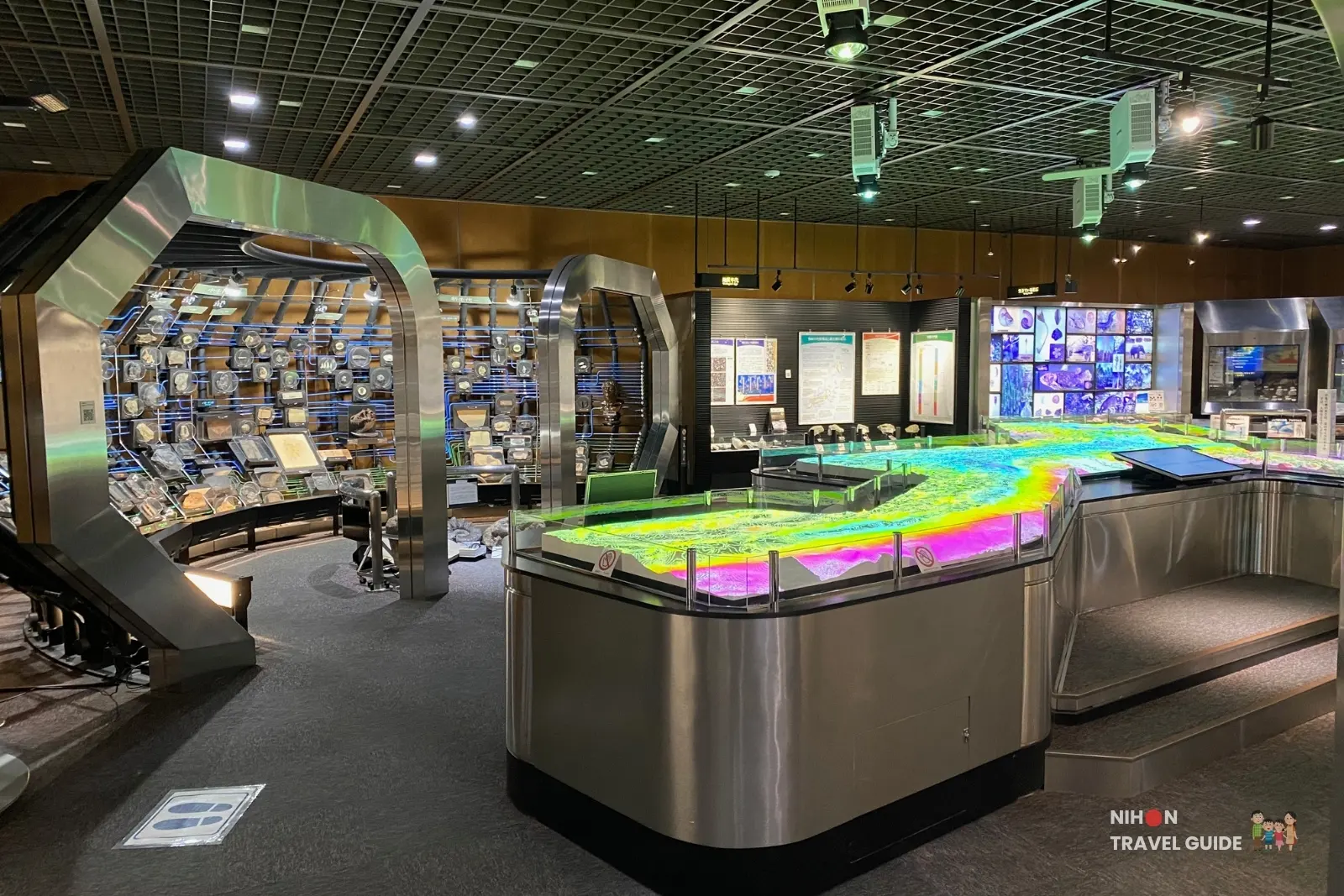
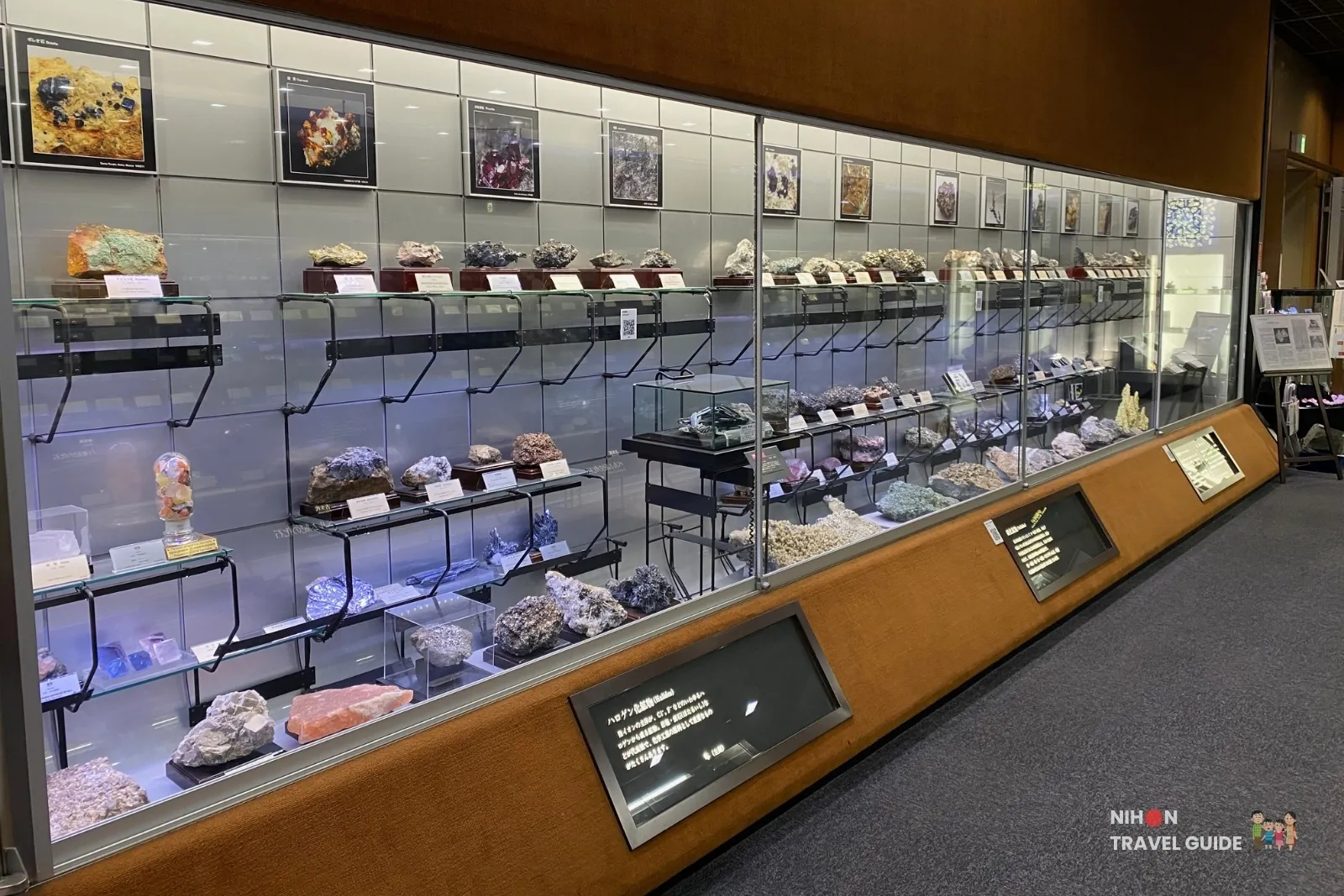
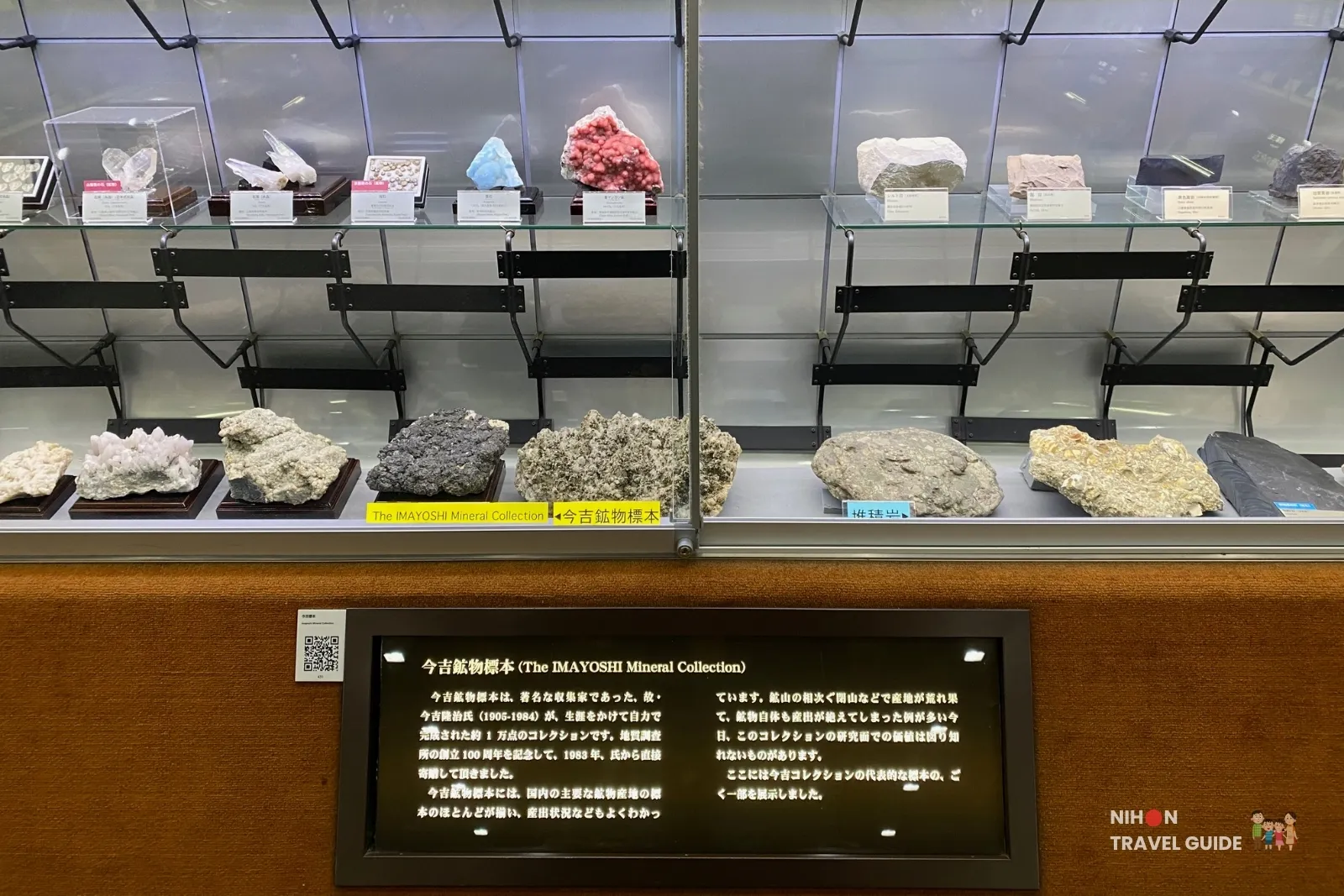
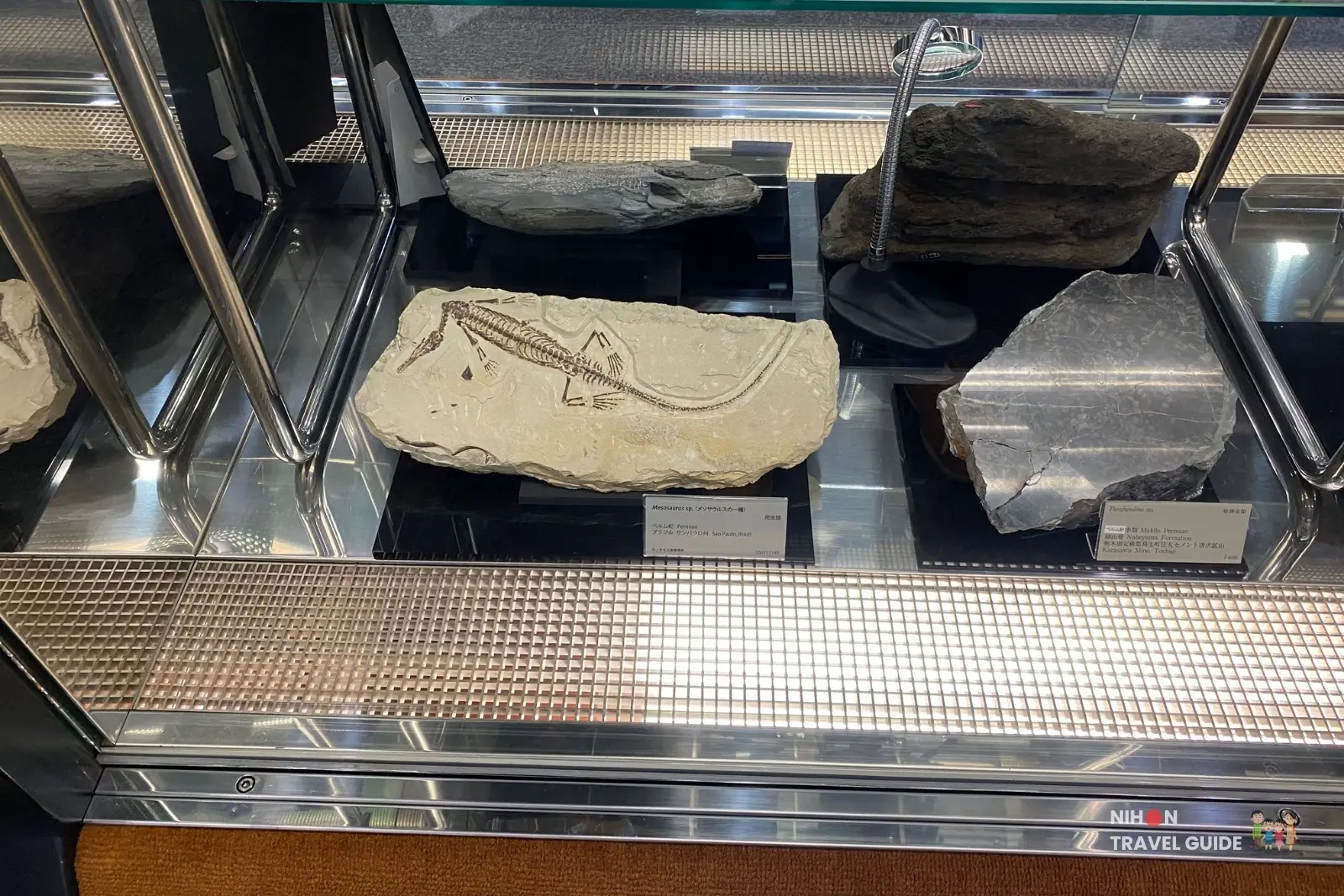
Next on the list is probably one of my favourites and it is literally a hidden gem as there are more than 170,000 registered specimens of rocks, minerals and fossils. You will probably be able to find every single rock and mineral in existence and I cannot believe that this collection is free of charge to visit.
I will say that it can be quite dry and information overload. But just looking at the sheer amount of minerals alone is quite an experience leaving you with a deeper appreciation for nature.
Read our full guide to Tsukuba Geological Museum including what’s inside all four exhibition rooms, opening hours, parking and whether it’s worth visiting.
Peony Garden Tokyo
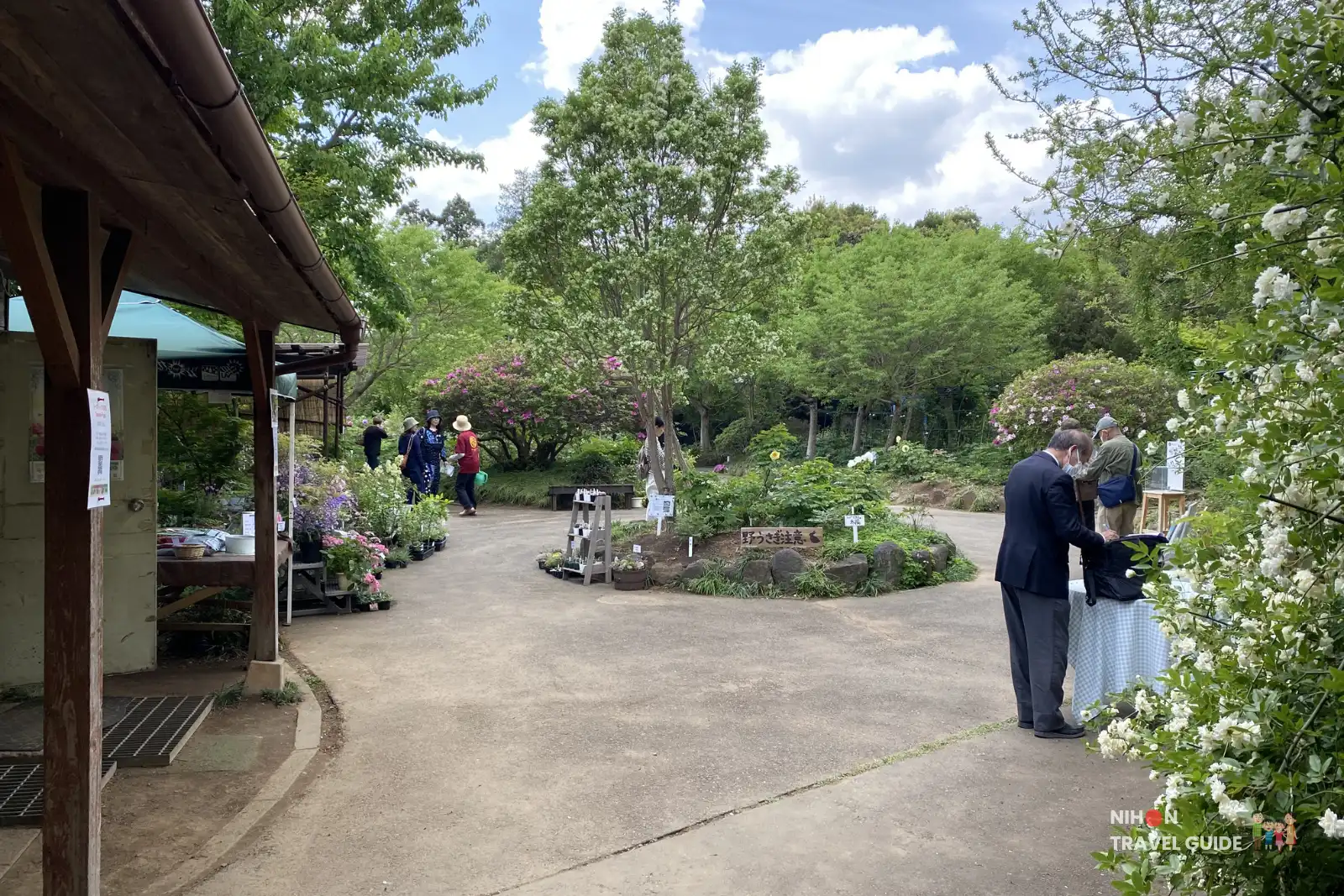
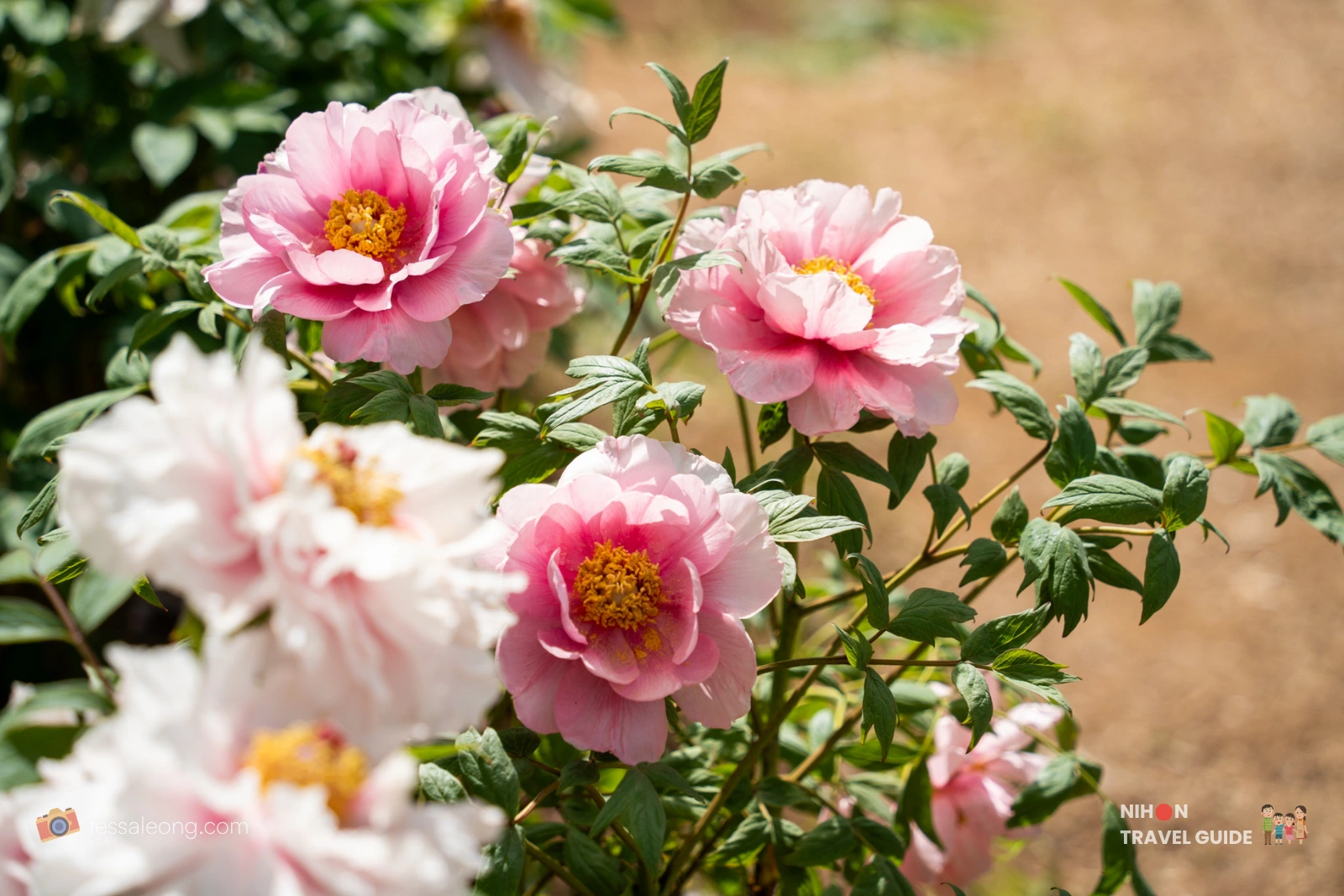
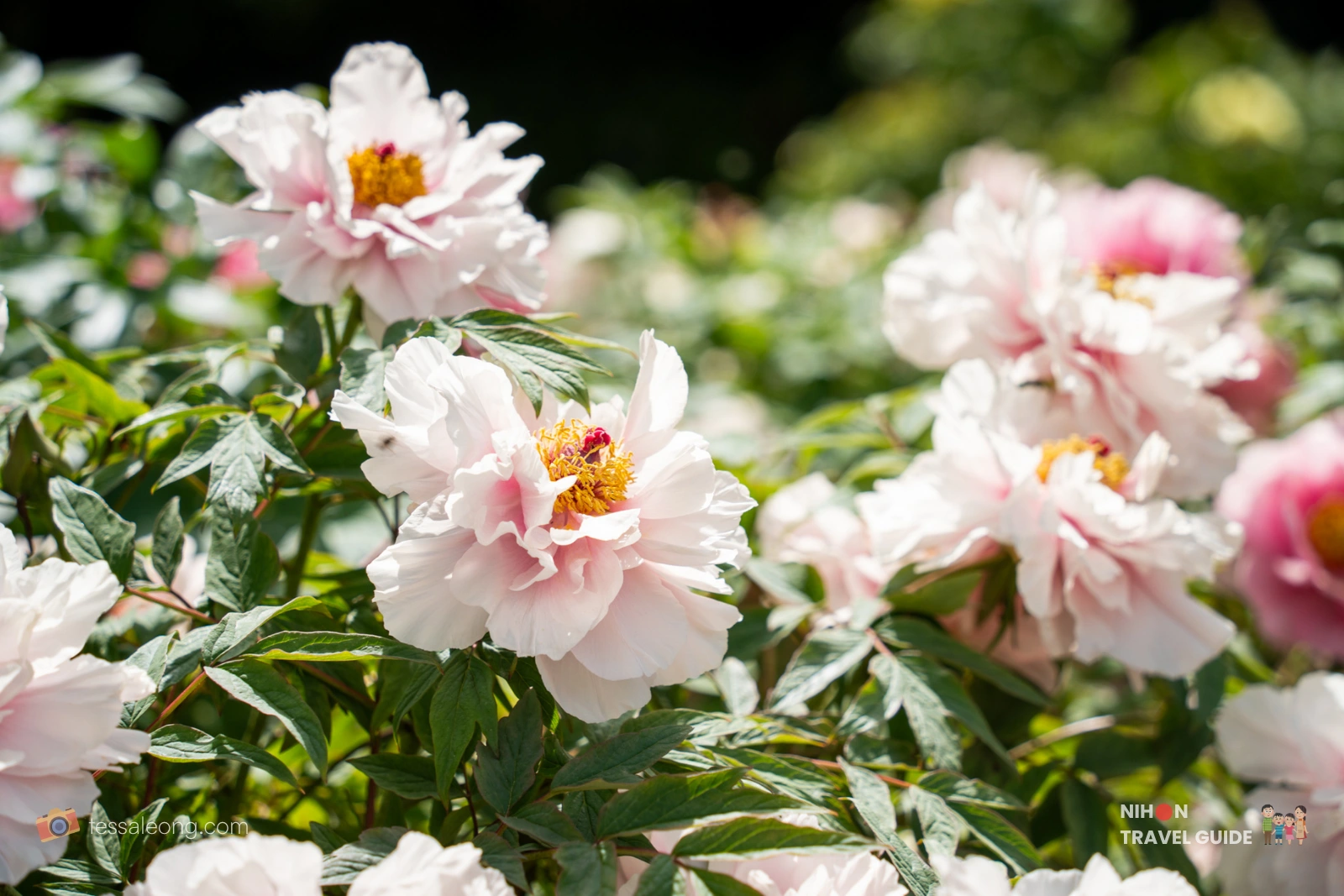
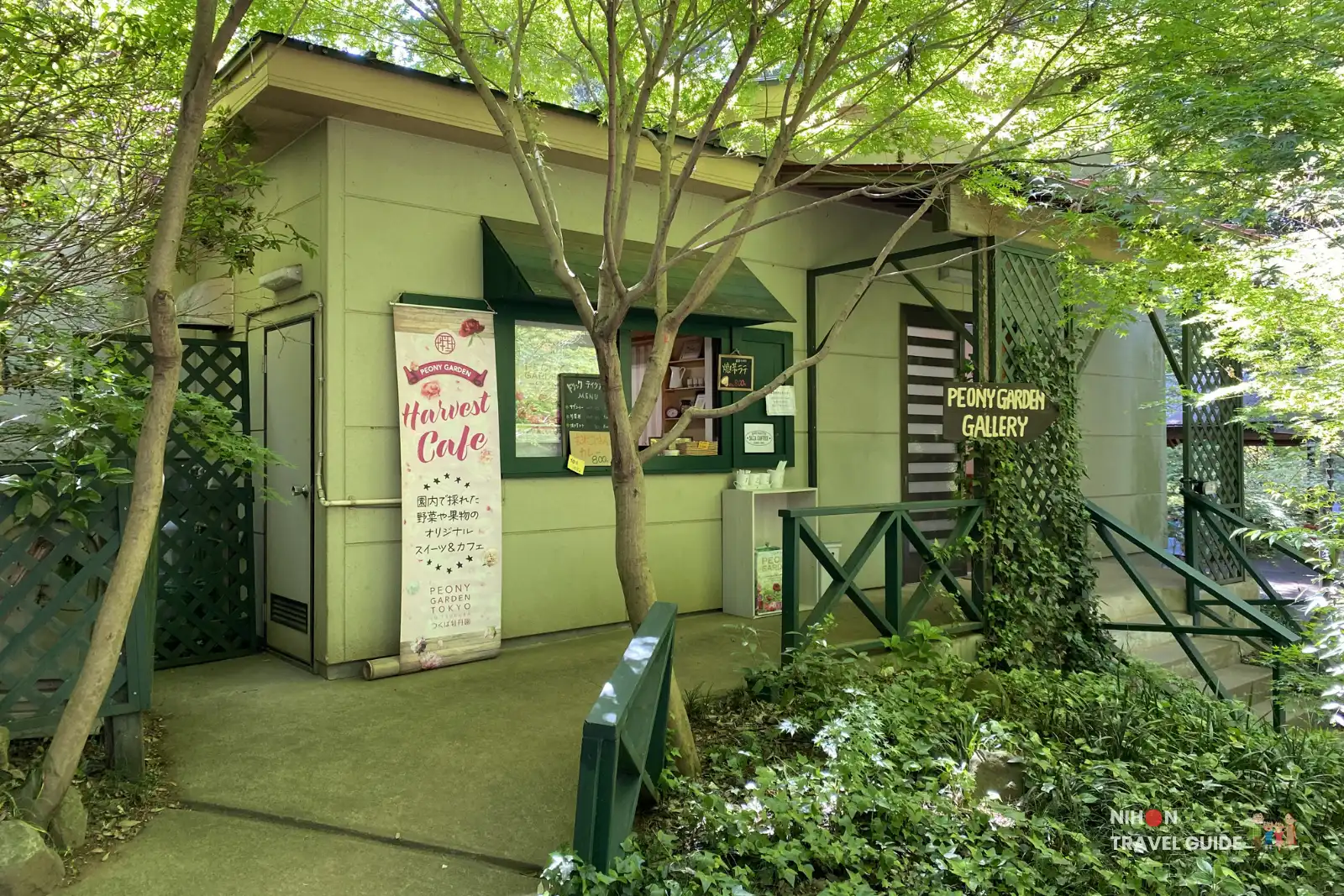
If you are traveling to Japan in Spring and are looking for flower gardens to visit just outside Tokyo, Peony Garden Tokyo is one place you should shortlist. It is the world’s largest peony garden with over 60,000 peony plants and 800 varieties.
It is about an hour plus out from Tokyo and in my opinion is really underrated among tourists visiting Japan.
They open only in specific dates in Spring (April to May 25th), so you can expect it to be open during those periods.
Read our Tsukuba Peony Garden visitor guide for everything you need to know before you visit.
Doho Park
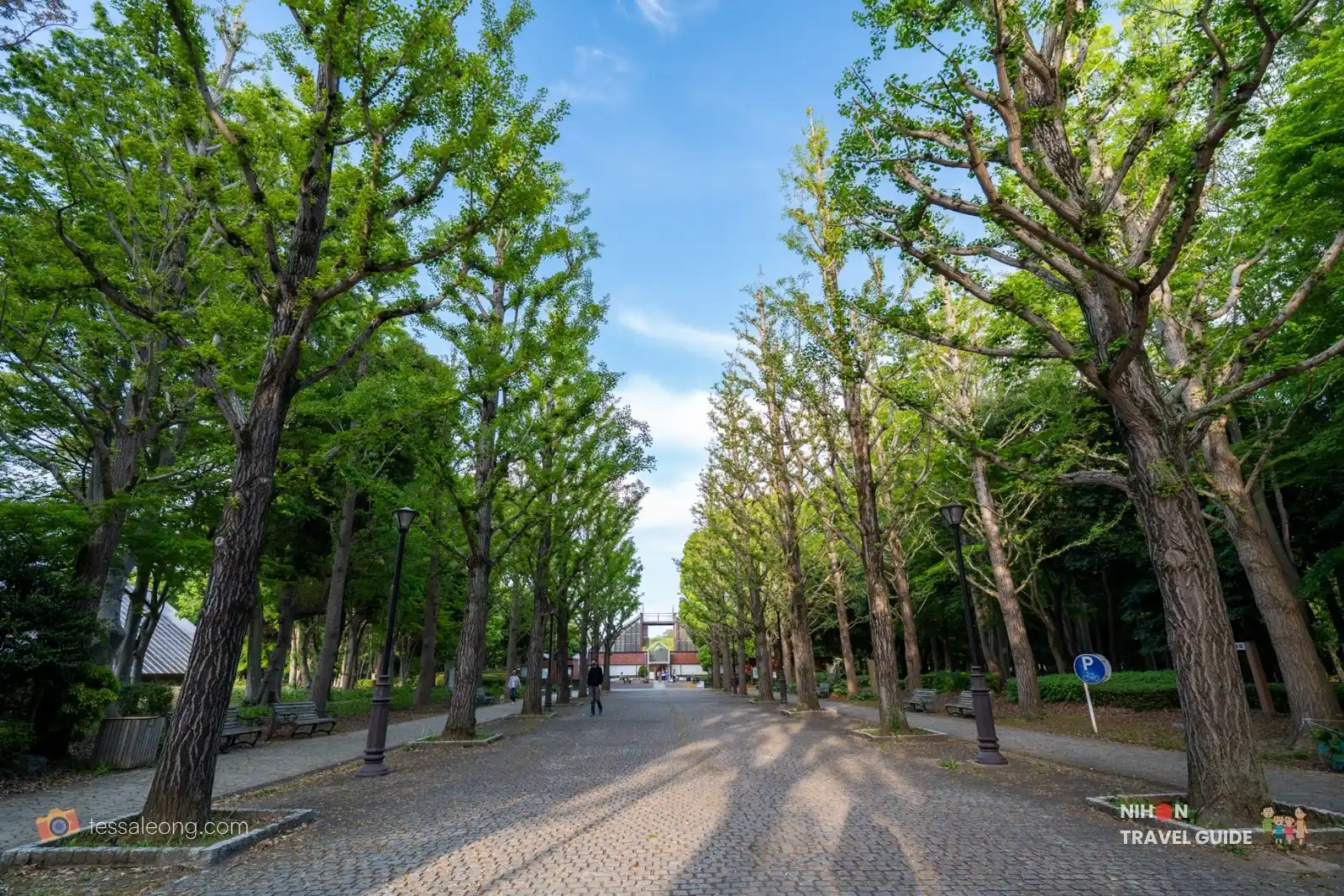
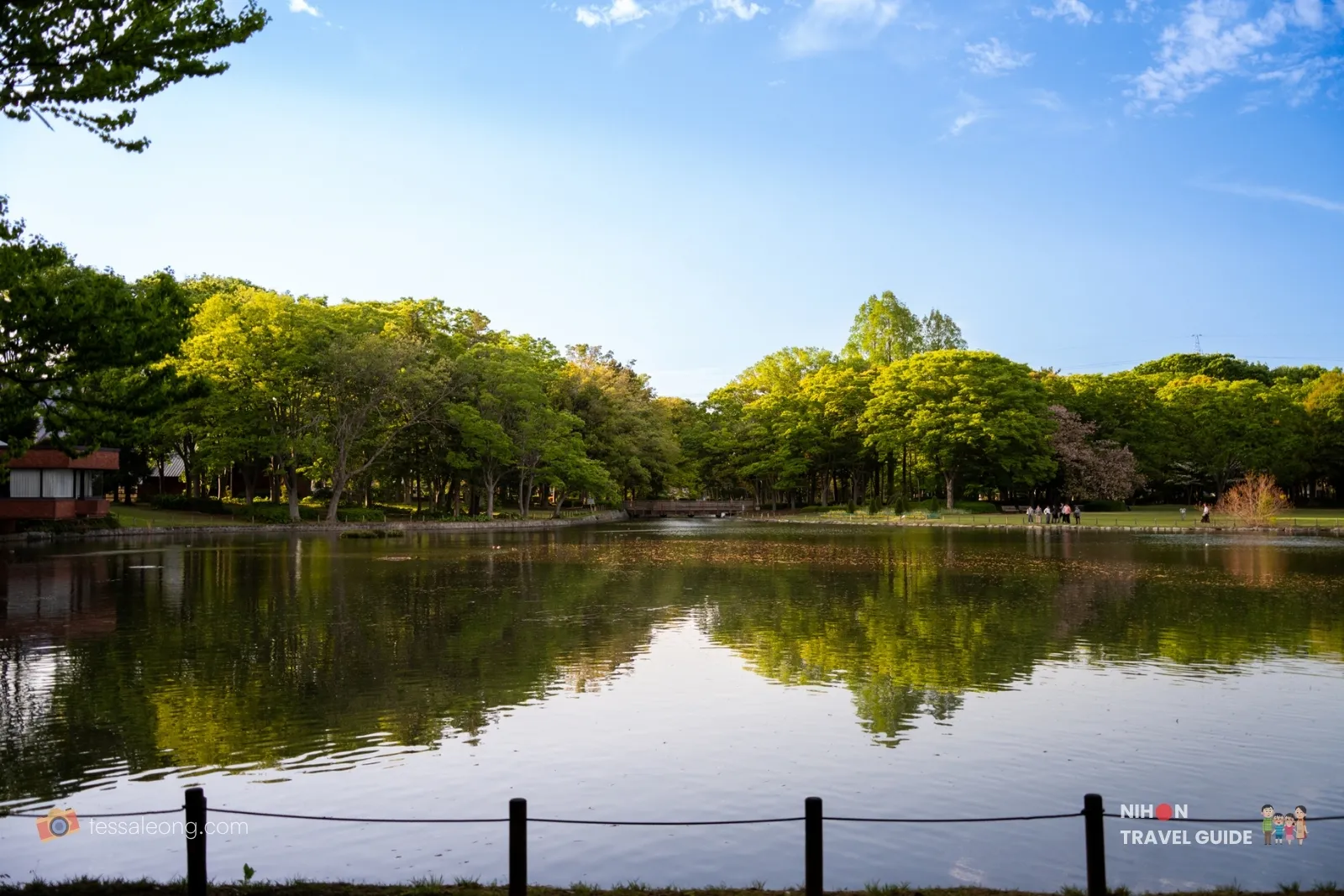
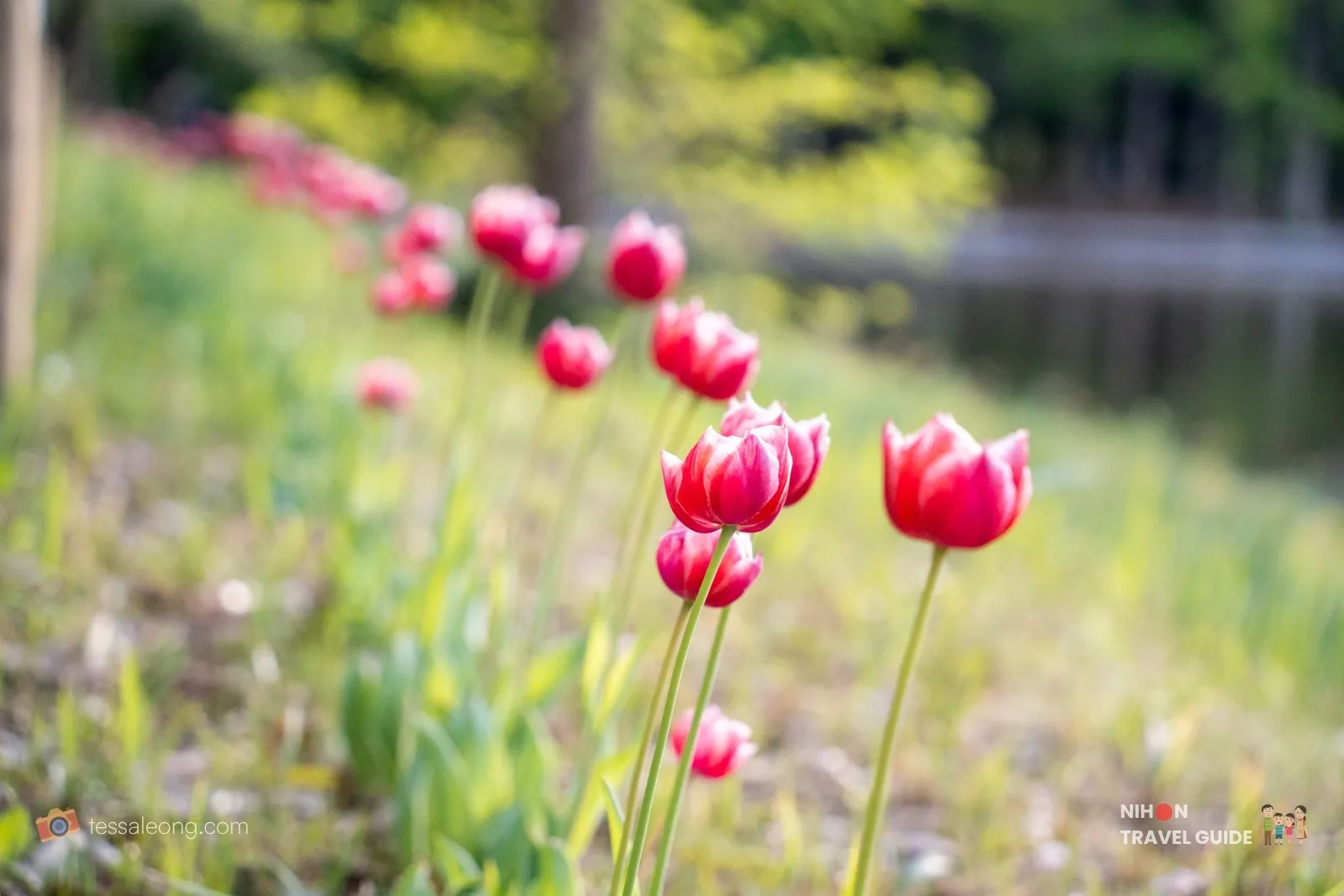
In the heart of Tsukuba City is Doho Park, a fairly large city park that locals go to exercise, play sports and spend family time. But during Spring and Autumn, they are quite underrated for seeing seasonal flowers such as Cherry Blossoms and the Autumn leaves.
Doho Park is opened 24 hours and is free of charge.
Check out our guide to Doho Park including when to visit for cherry blossoms and autumn leaves, how to get there and what to expect.
Tsuchiura Fish Market
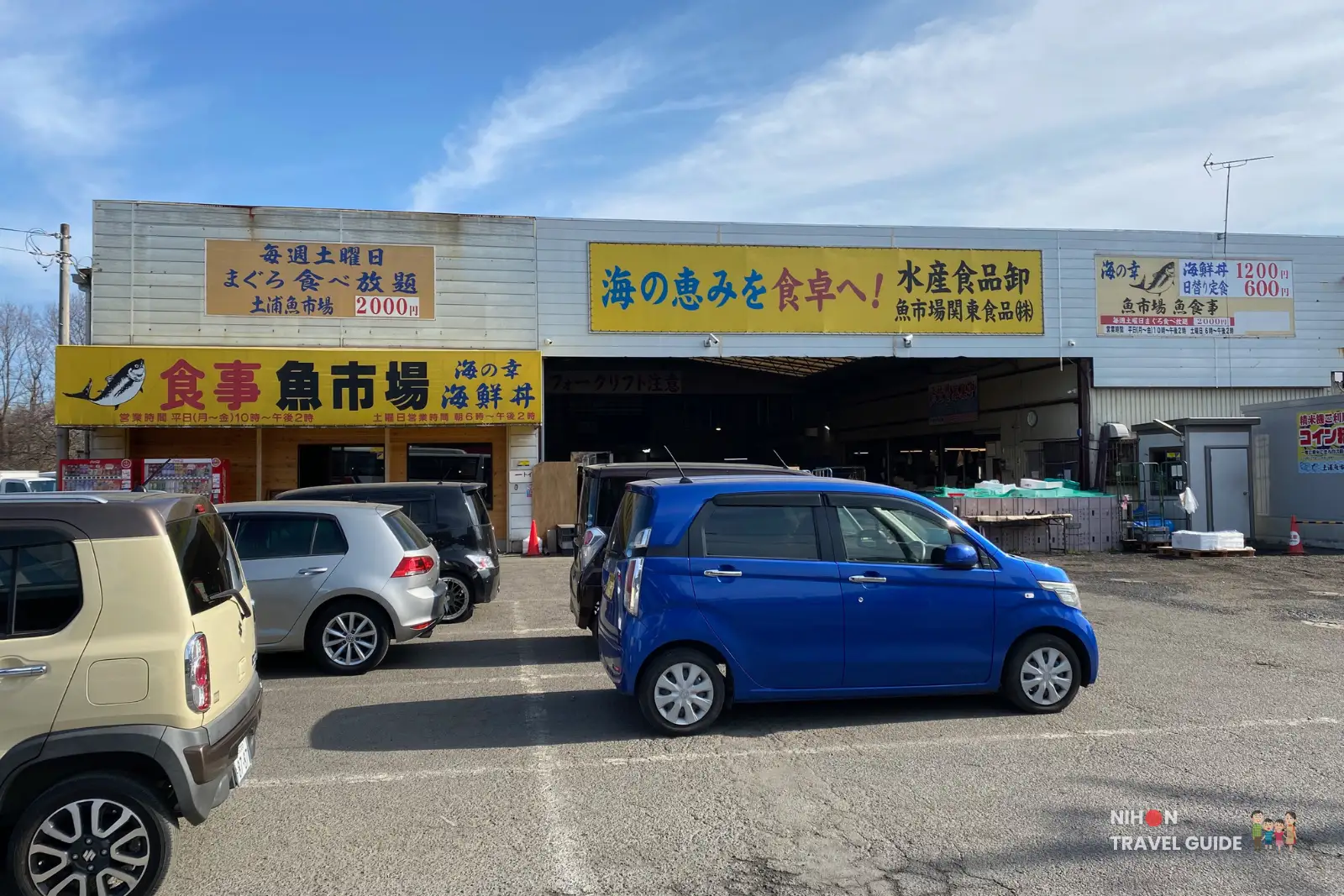
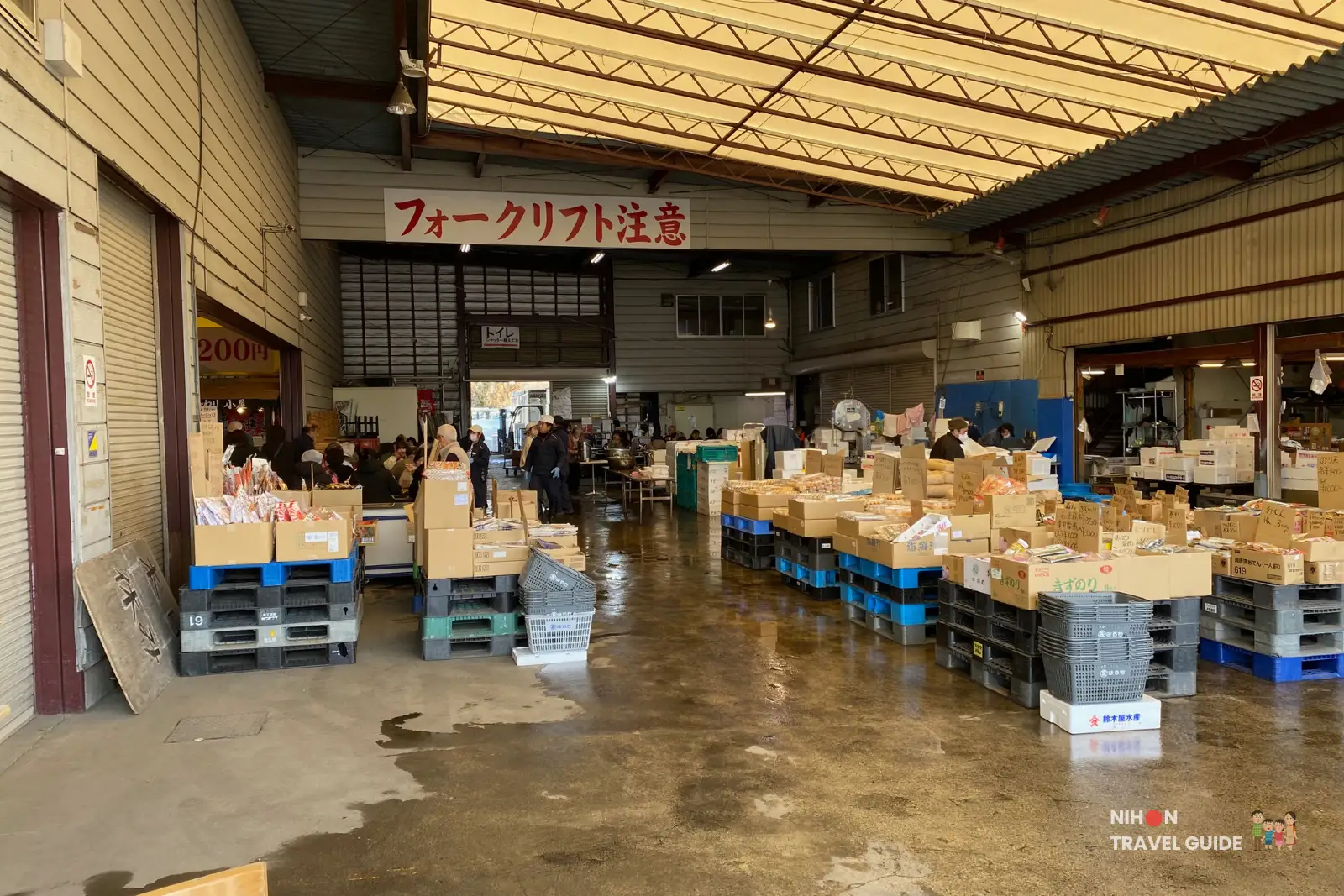
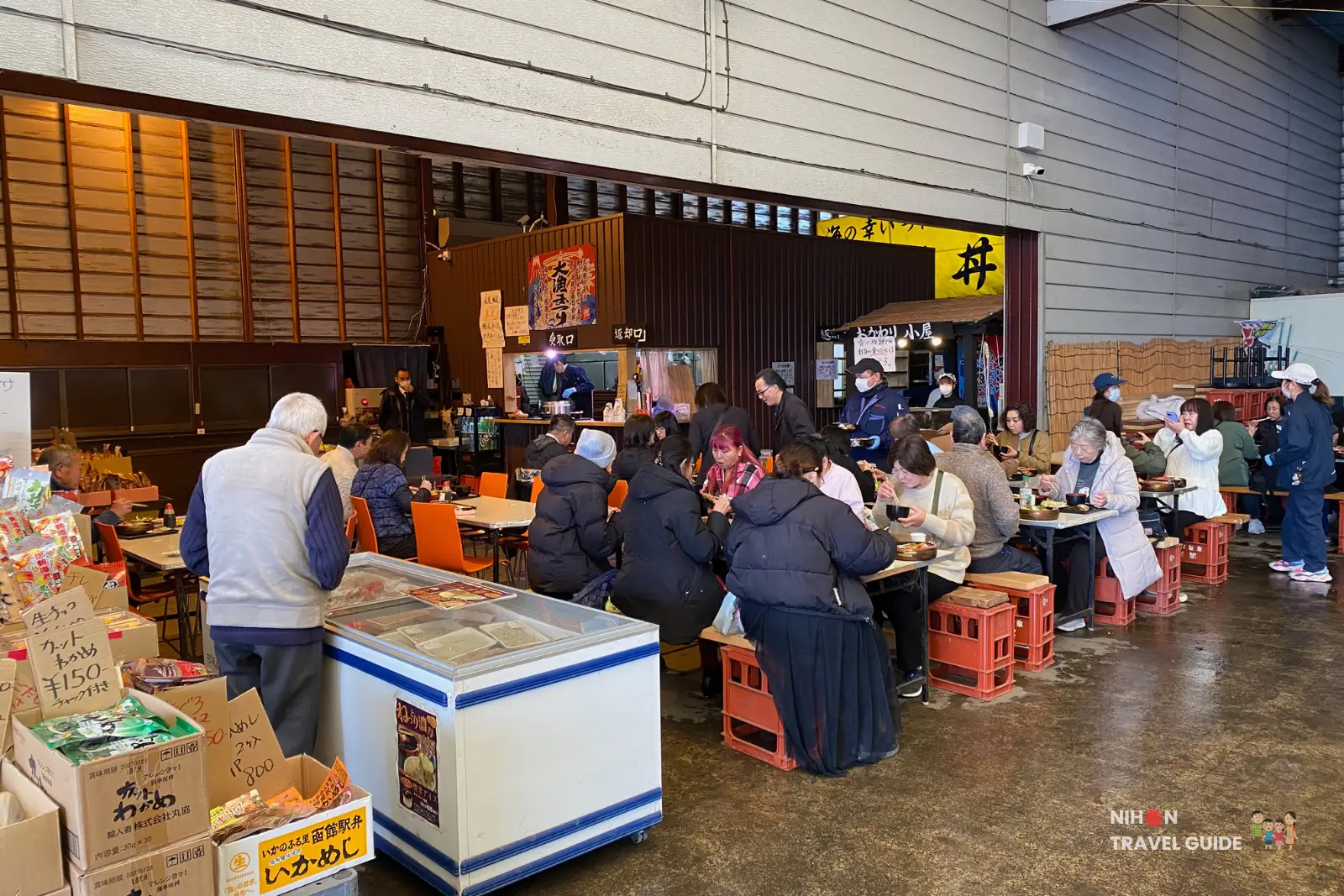
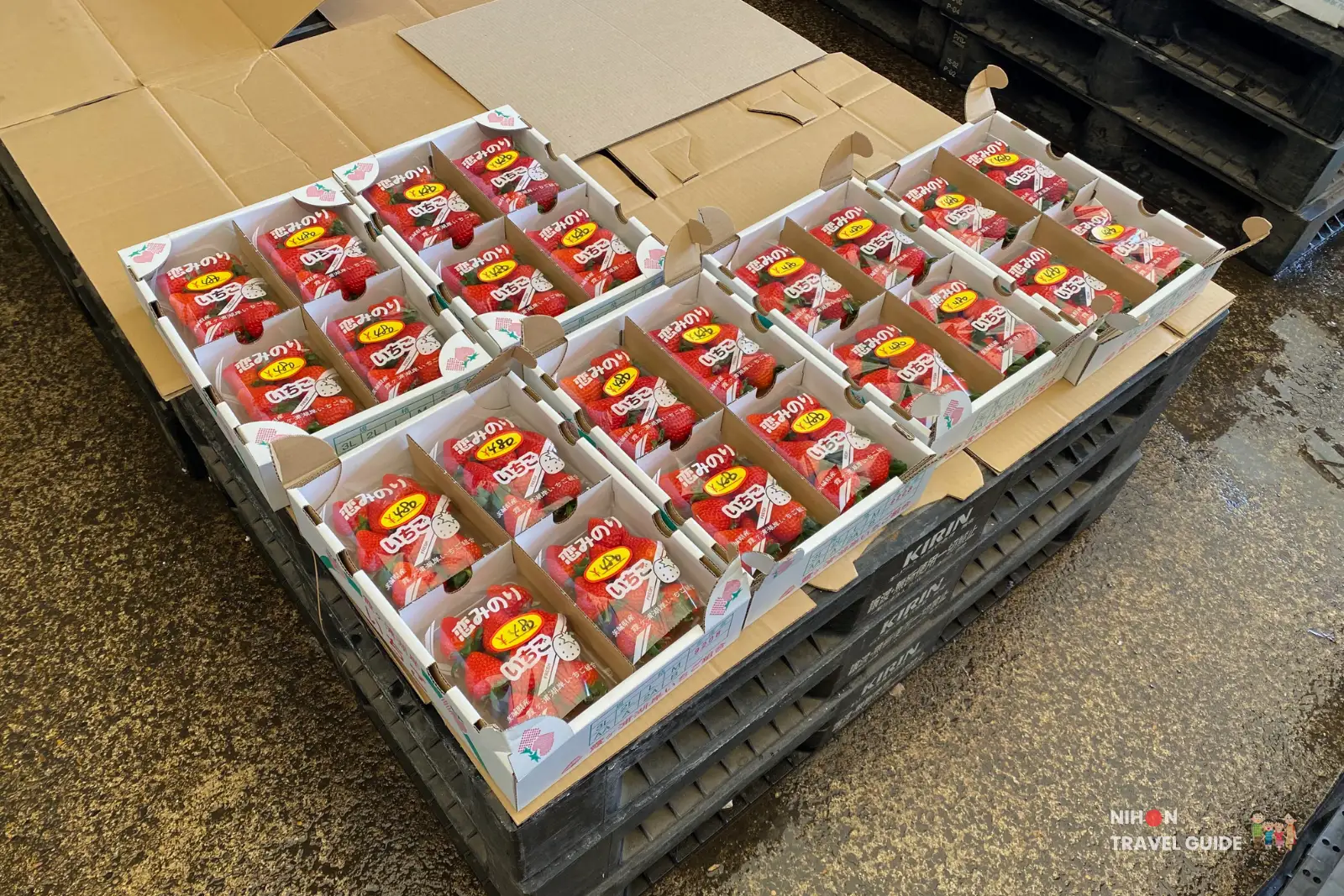
Tsuchiura Fish Market is a really small and rural fish market with all you can eat tuna every Saturday for ¥2,000. Because of that it is wildly popular with the locals and the dining hall is packed.
If you are curious as to what a smaller rural fish market is like, Tsuchiura Fish Market is a good place to visit. A lot of the stalls open at 6am so you will need to be there pretty early to catch what is going on. They tend to have finished selling their stock before lunchtime.
Read about our experience visiting Tsuchiura Fish Market, including the Saturday all-you-can-eat tuna, what time to arrive and how it compares to Nakaminato Fish Market.
Things to Do in Ishioka
Ishioka Ostrich Farm
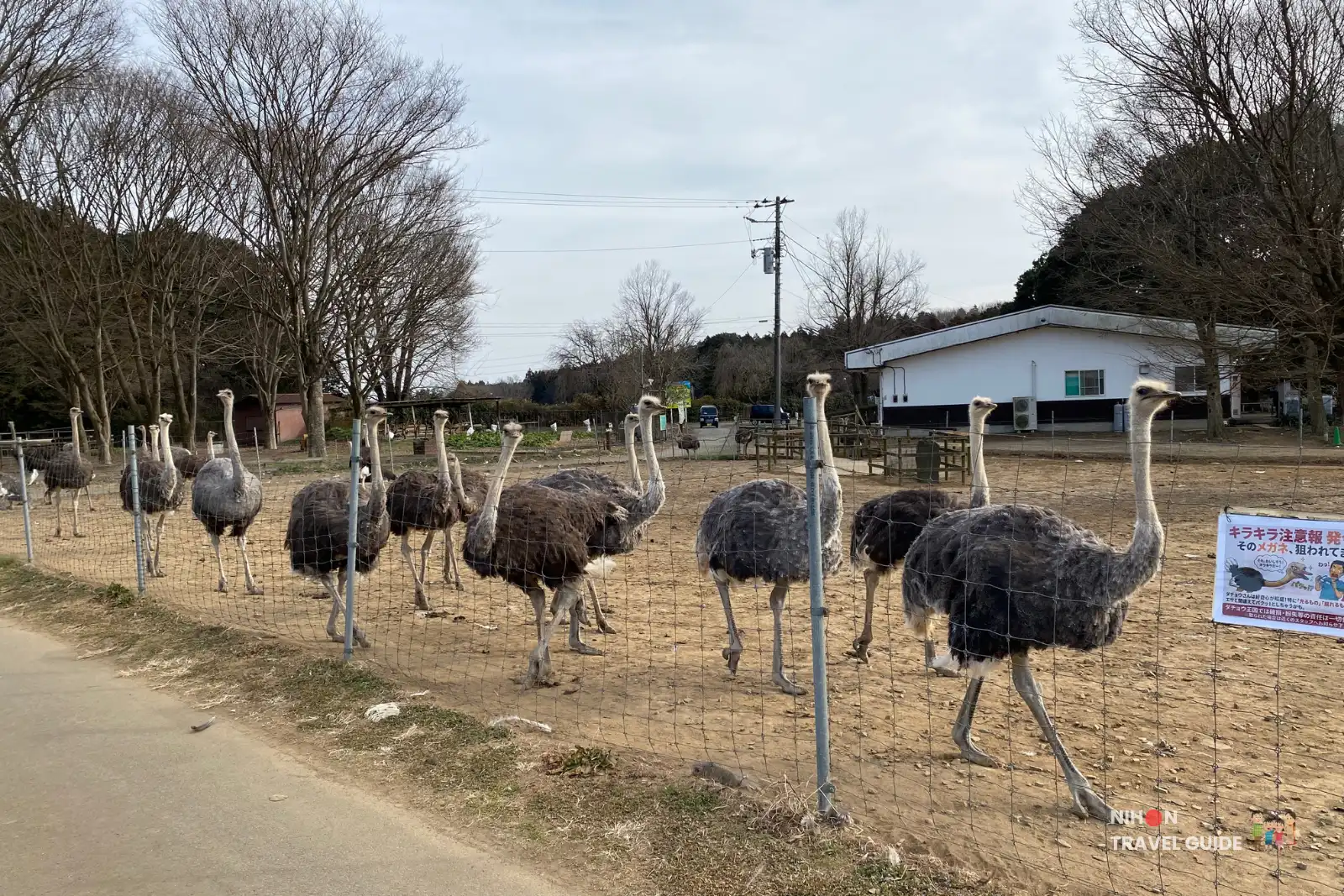
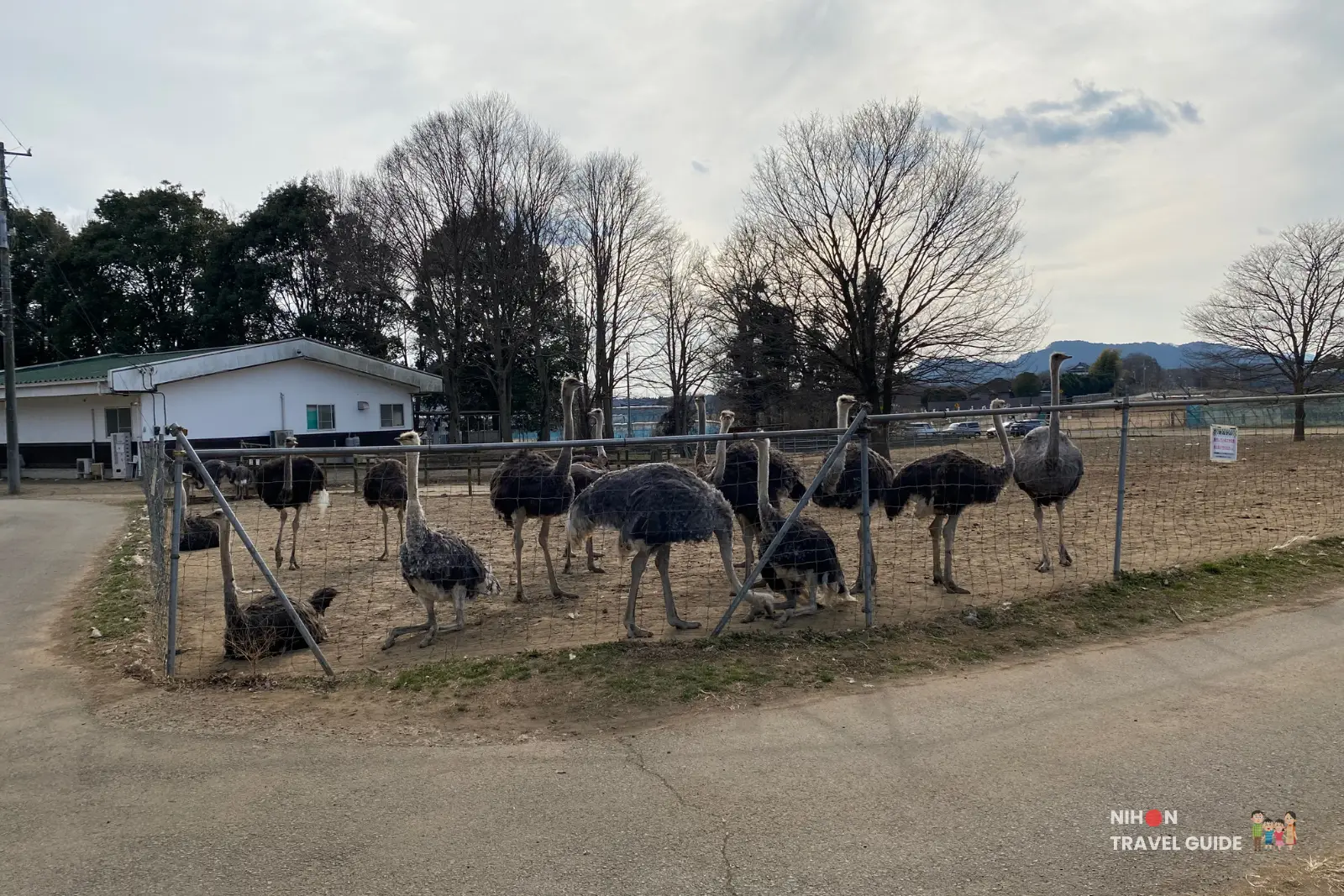
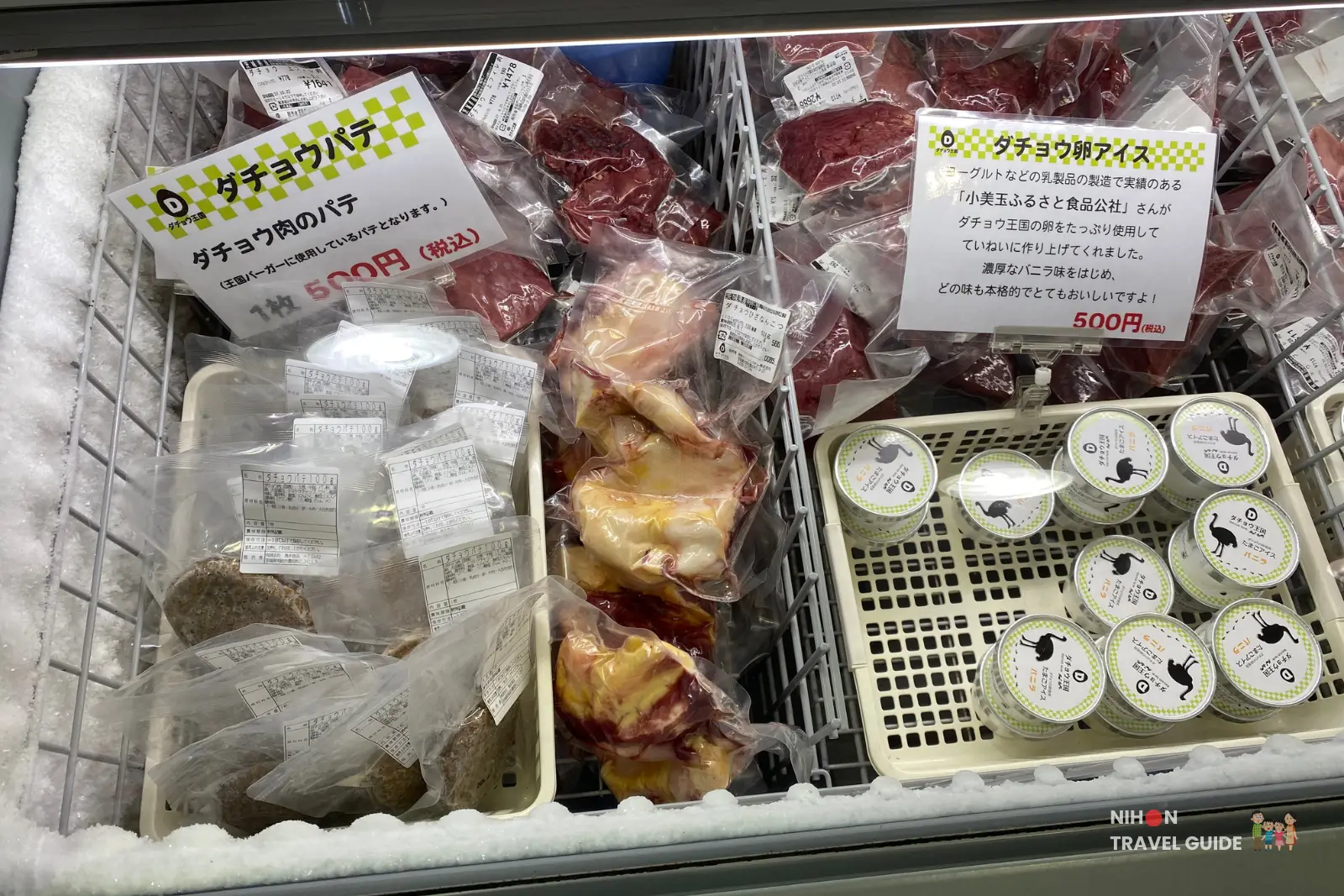
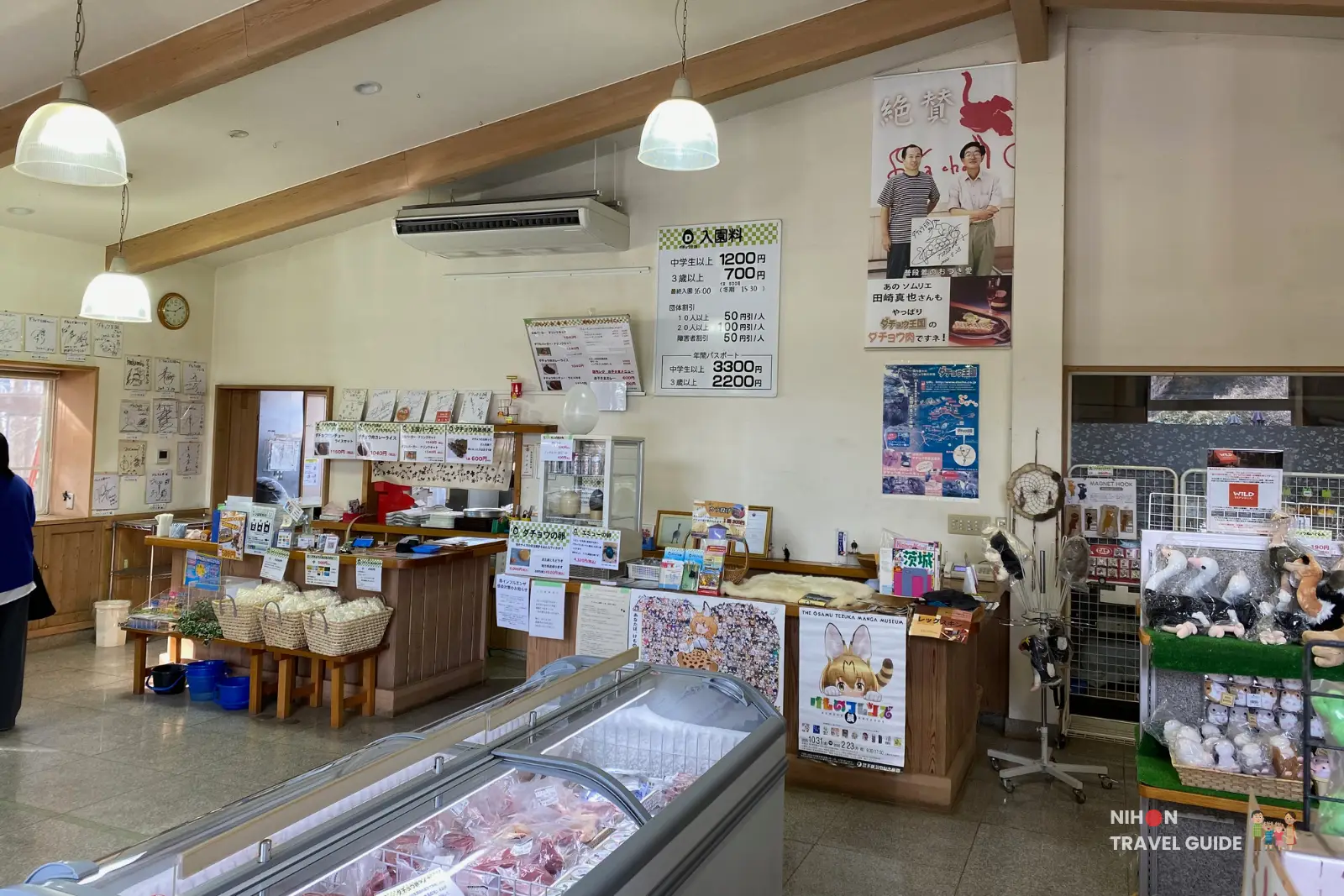
Ishioka Ostrich Farm is probably one of the more unique places that you can visit in Ibaraki. As the name suggests it has the biggest collection of ostriches in Japan (about 1300). You get to see them really up close, feed them and even eat them in the farm restaurant.
There are other animals too and there is a blueberry farm where you can pick blueberries in the right season.
For an afternoon of fun animals, ostriches and maybe even ostrich meat, check out our guide on Ishioka Ostrich Farm.
Ibaraki Flower Park
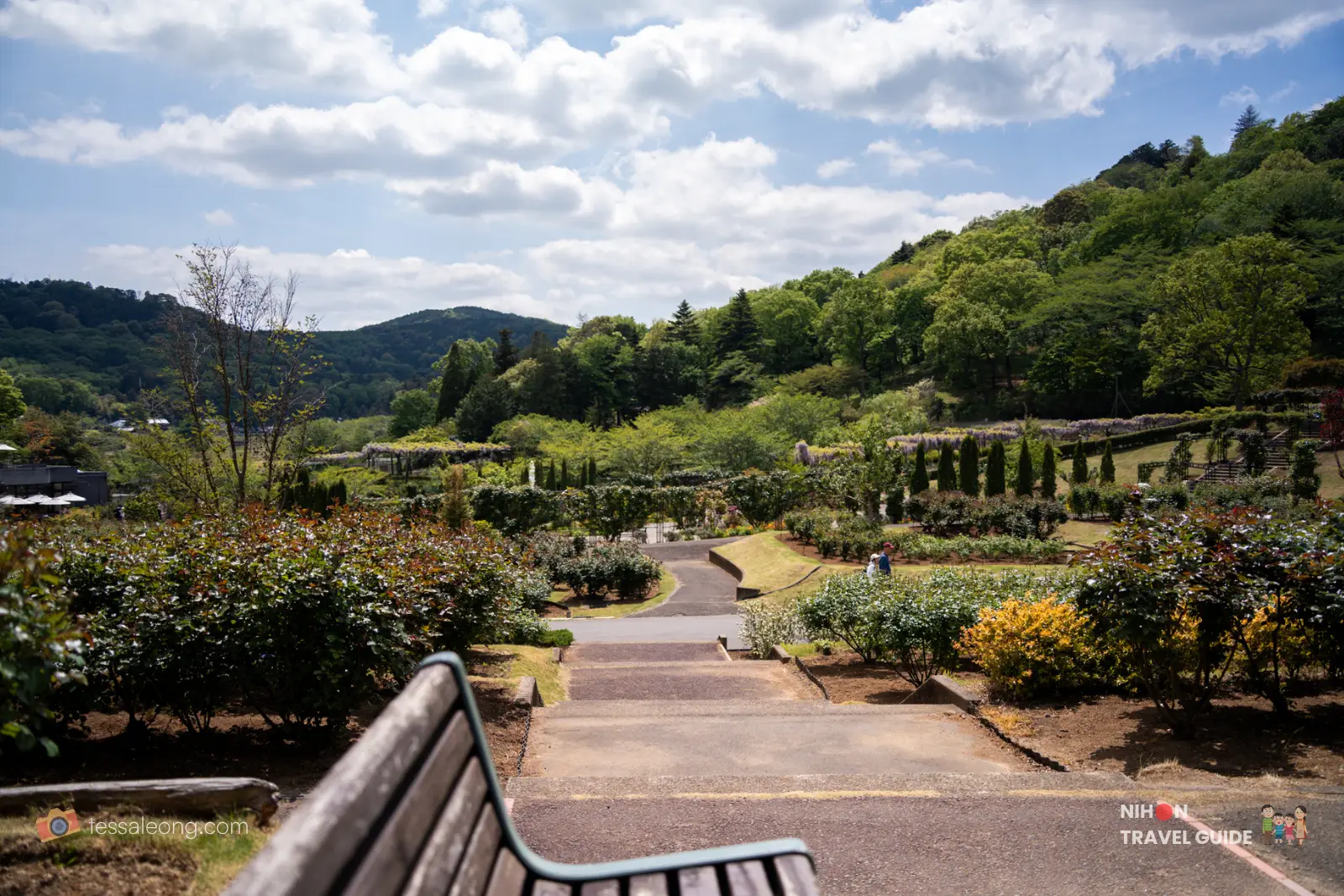
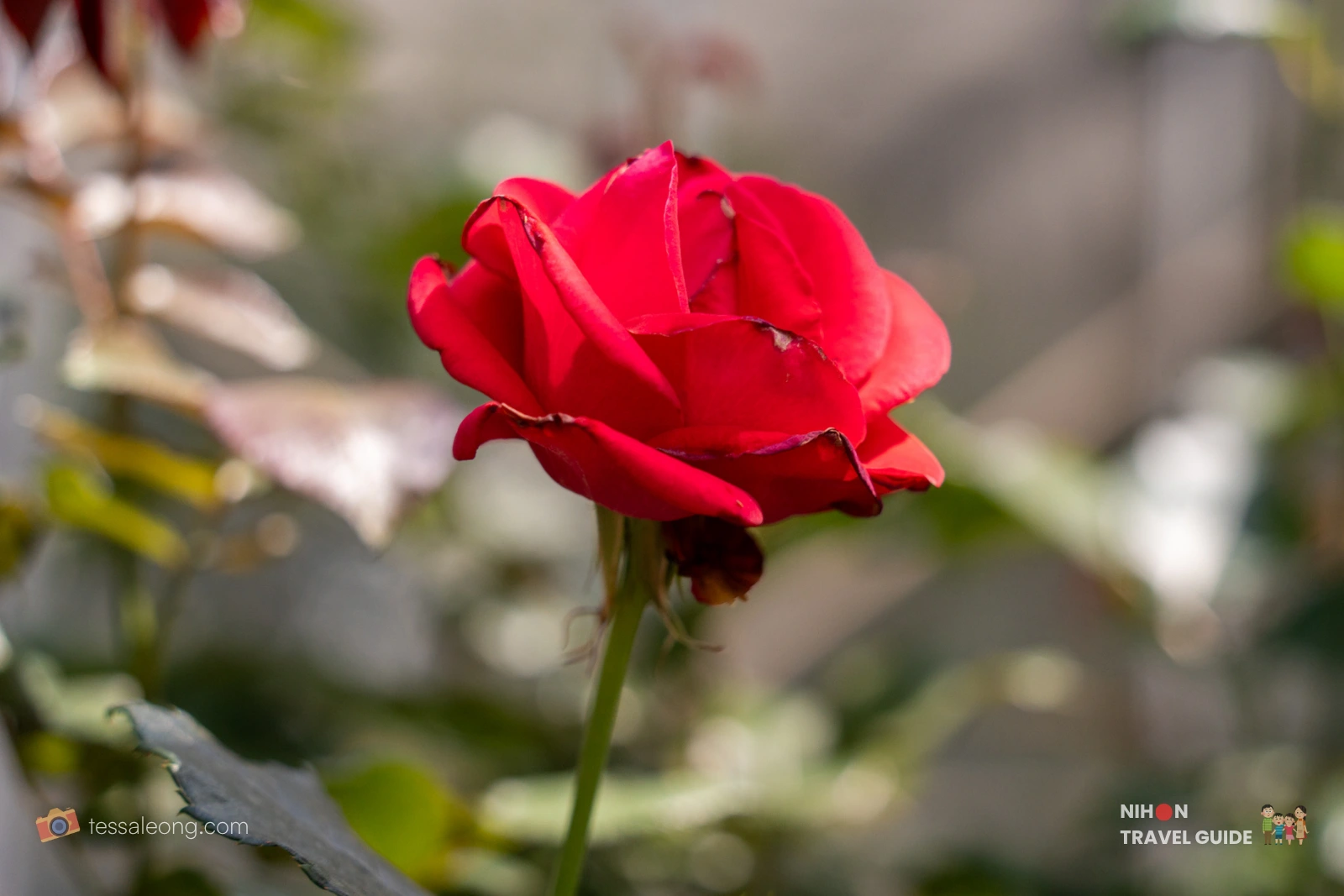
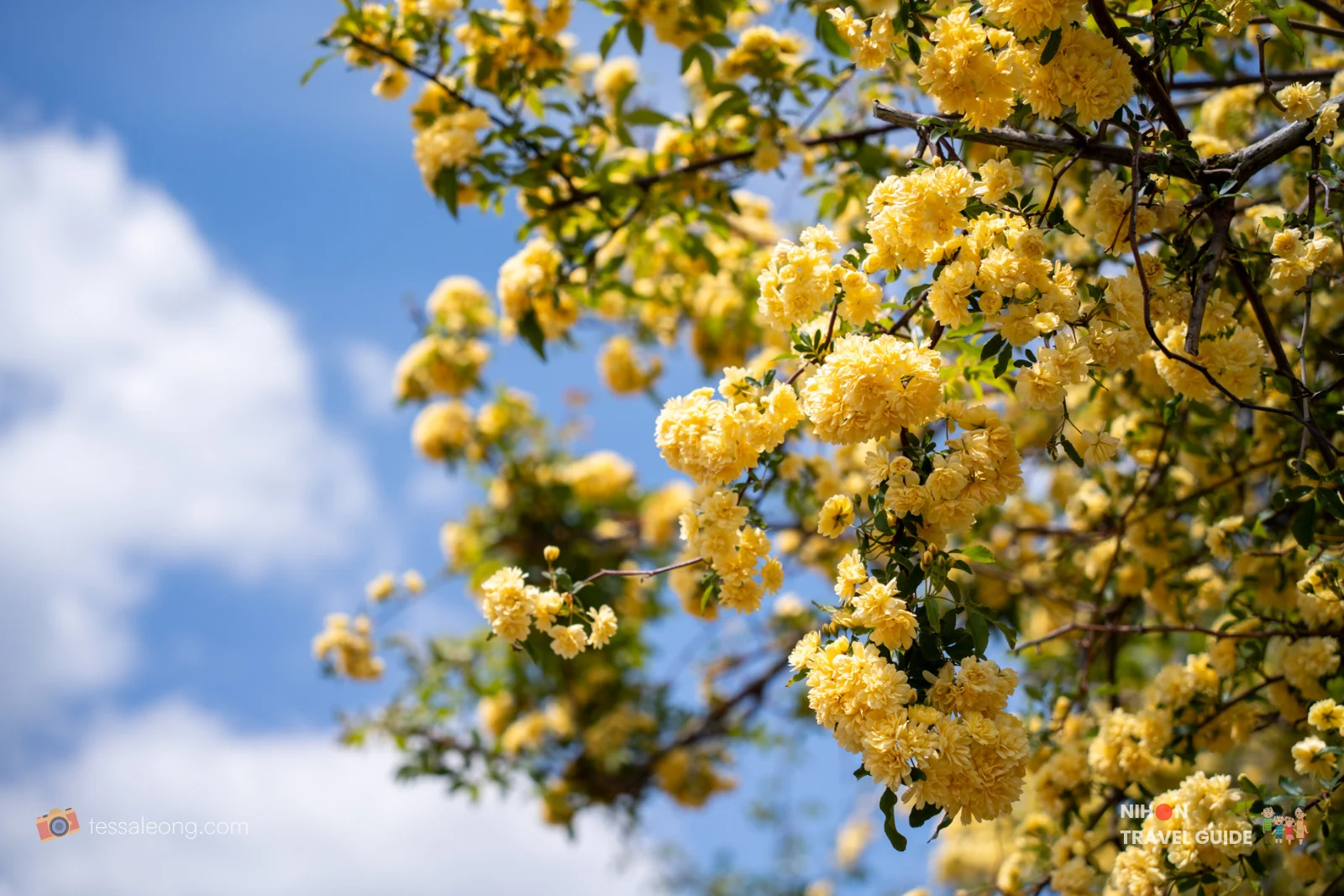
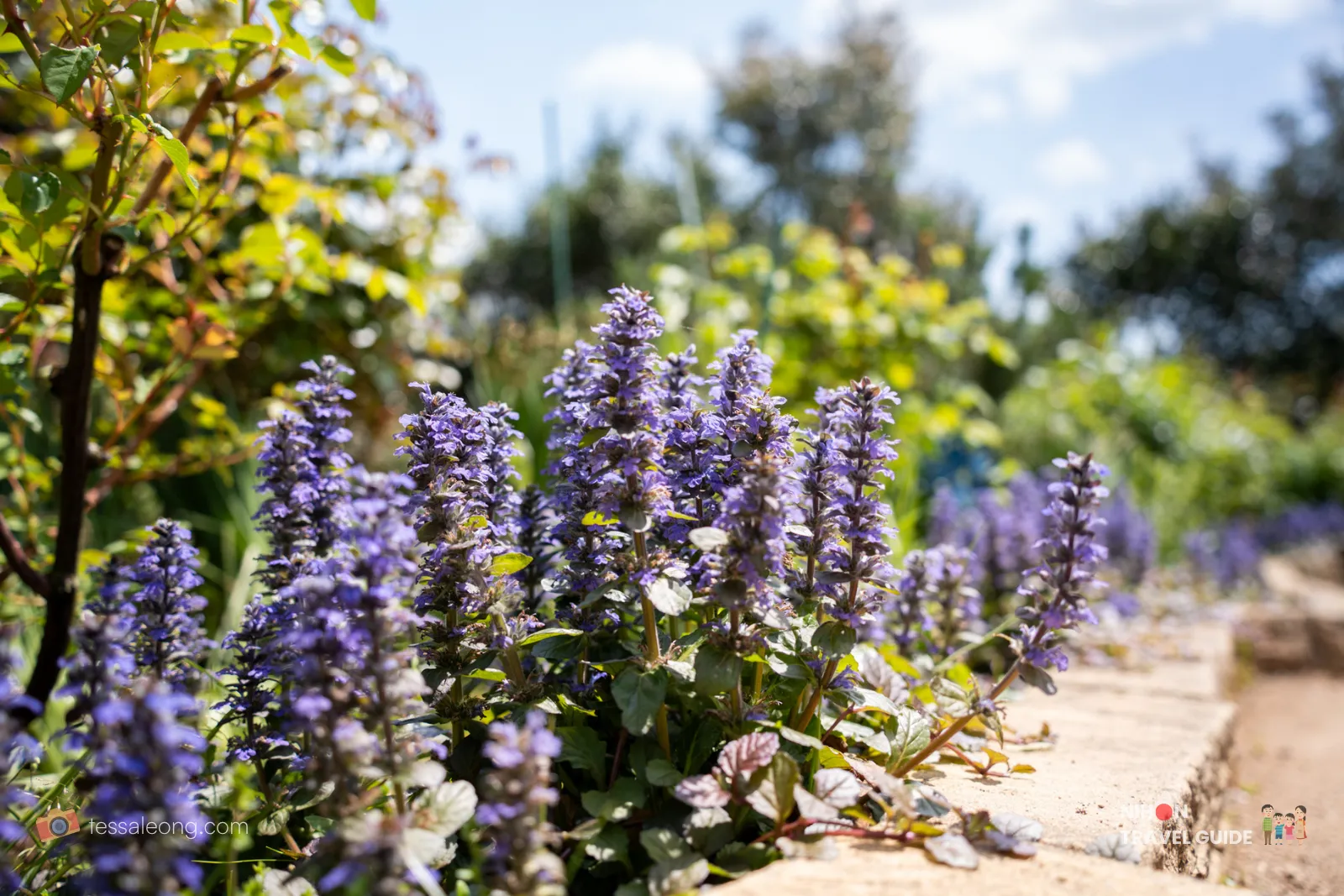
Ibaraki Flower Park has a large collection of flowers throughout the year such as cherry blossoms, peonies, marigolds and especially roses. They are famous for their rose collection that is available from April to June.
It is a really underrated flower viewing spot that many foreigners do not know about. If you are looking for spots outside Tokyo to view beautiful seasonal flowers Ibaraki Flower Park is also not to be missed.
For our experience visiting the park including ticket prices, seasonal bloom guide, camping options and tips for visiting, read our complete Ibaraki Flower Park visitor guide.
Things to Do in Oarai & Hitachinaka
Oarai is a small coastal town just beside the Pacific Ocean and about 1.5 to 2 hours out of Tokyo. At first glance it may seem like there is nothing much but a fishing town. However it was a bit like finding a curly fry among your other fries as I saw some interesting places that I didn’t expect:
⚠️ Safety Note: As Oarai is just beside the Pacific Ocean, please check for Tsunami warnings when visiting.
Oarai Isosaki Shrine & Kamiiso no Torii
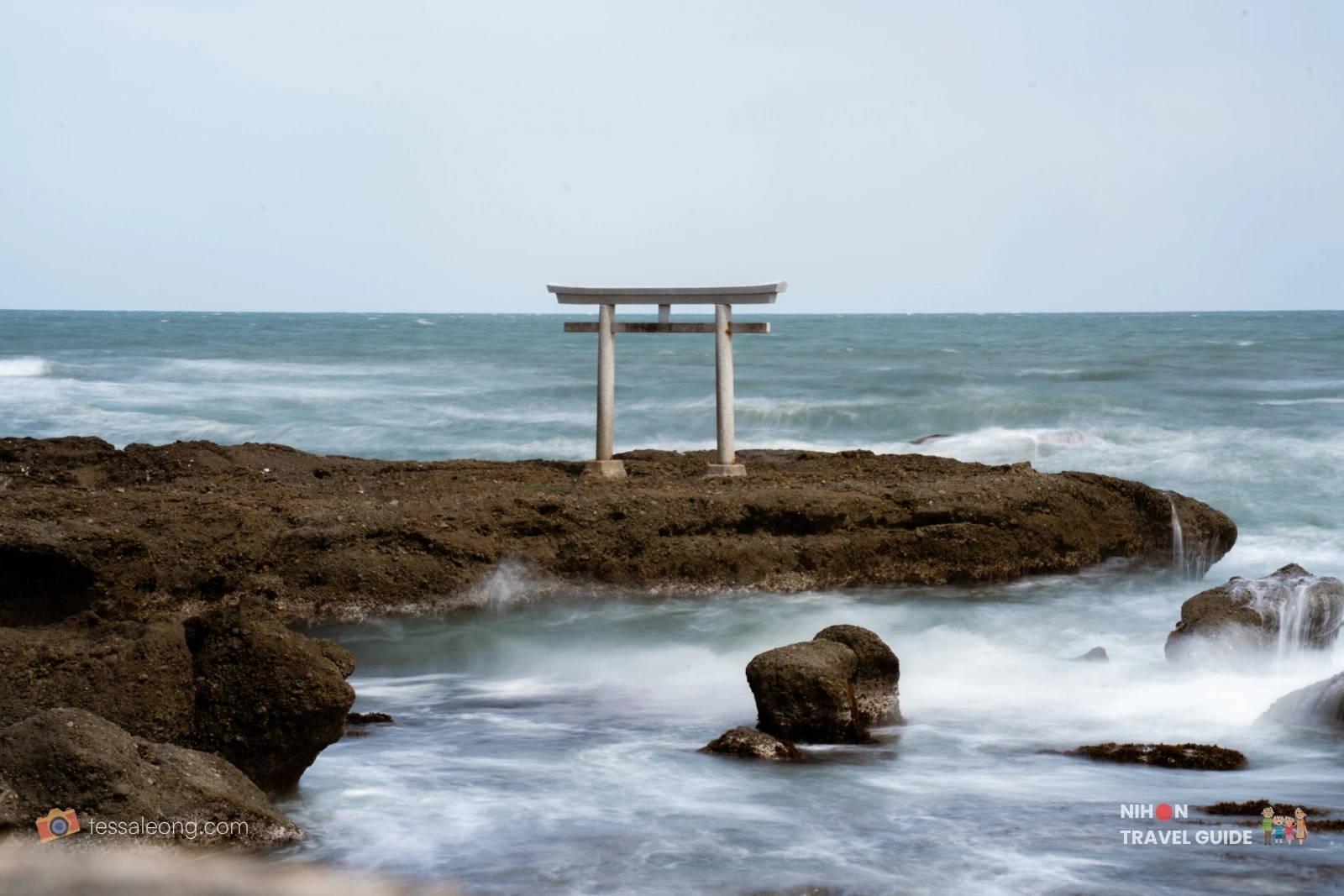
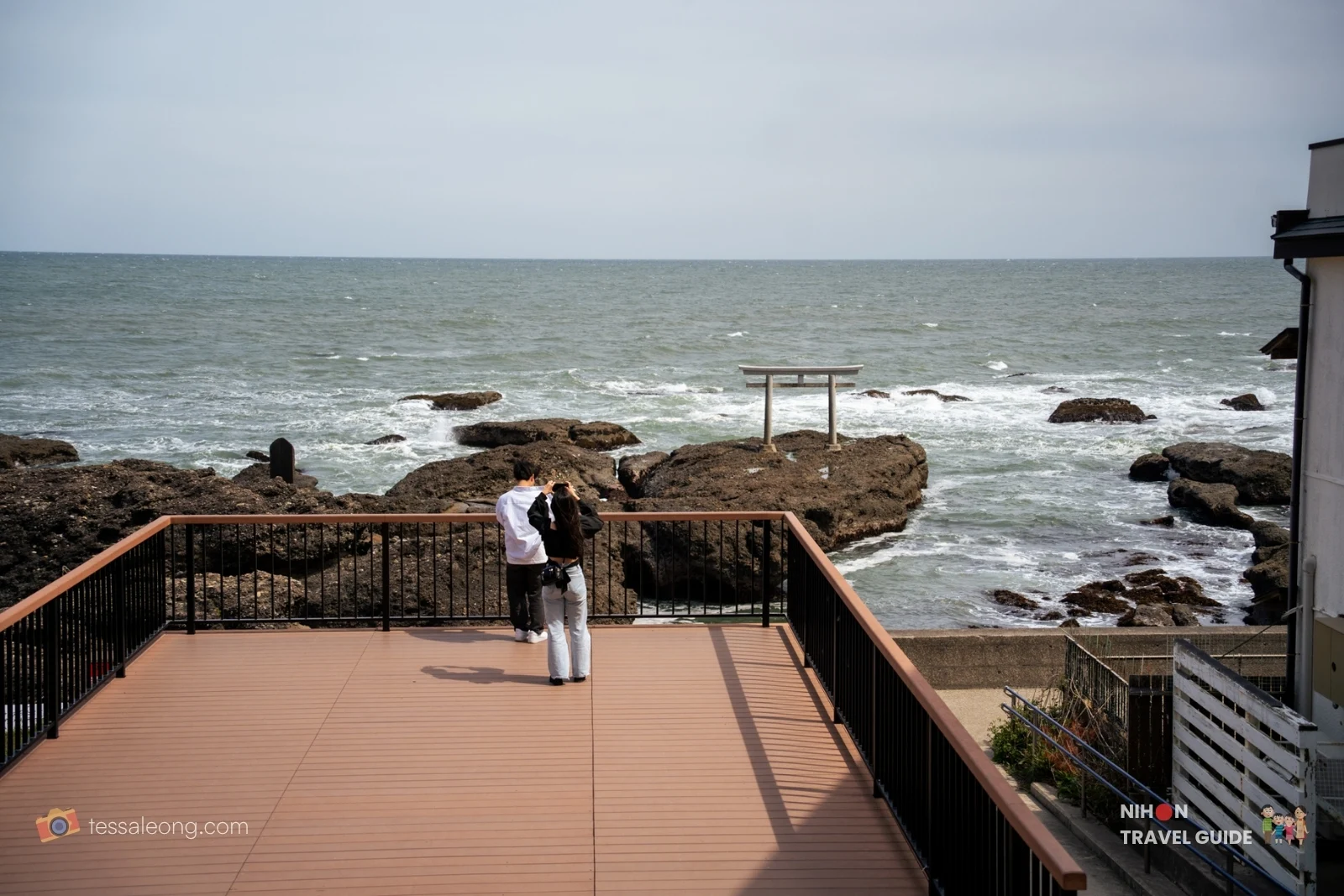
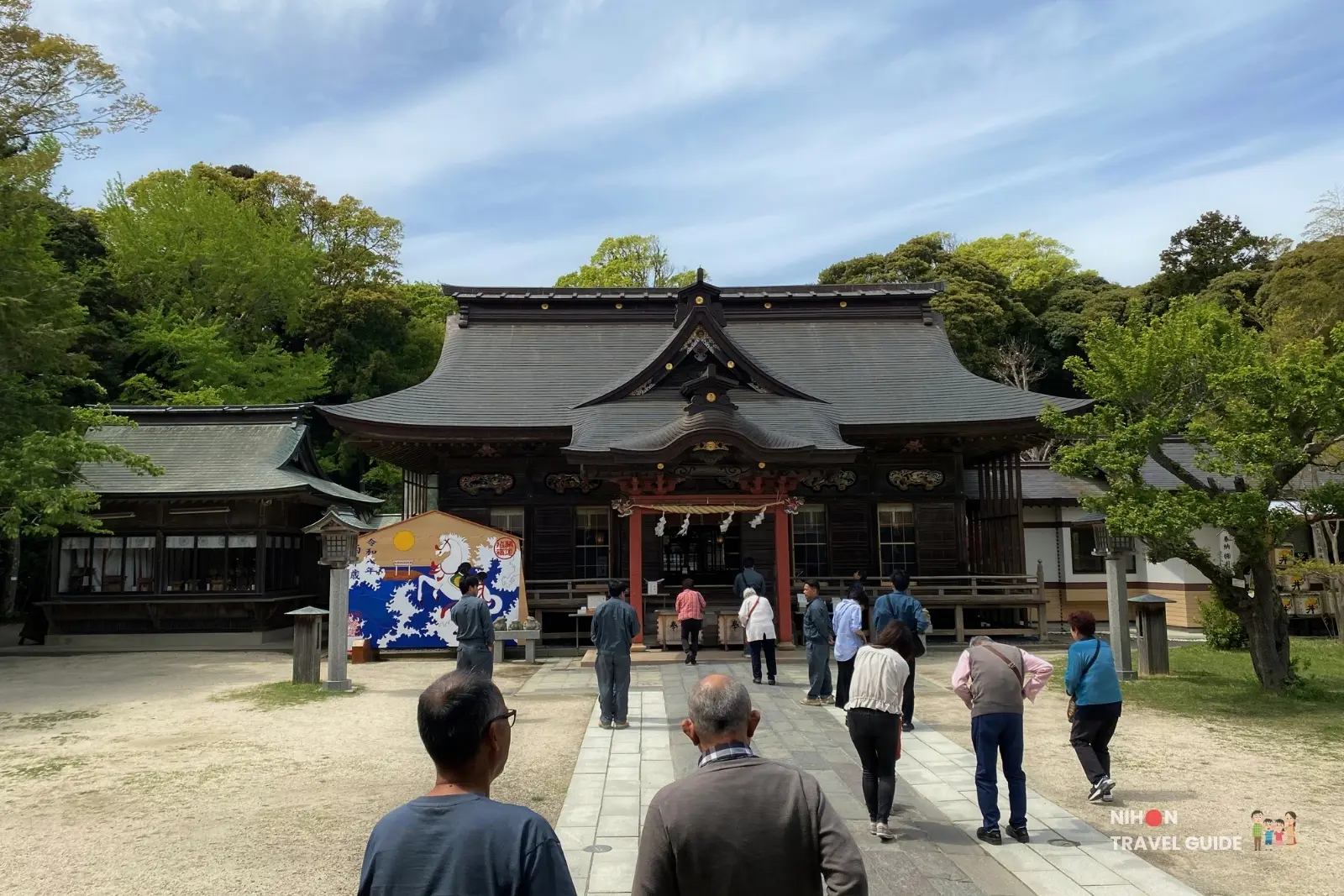
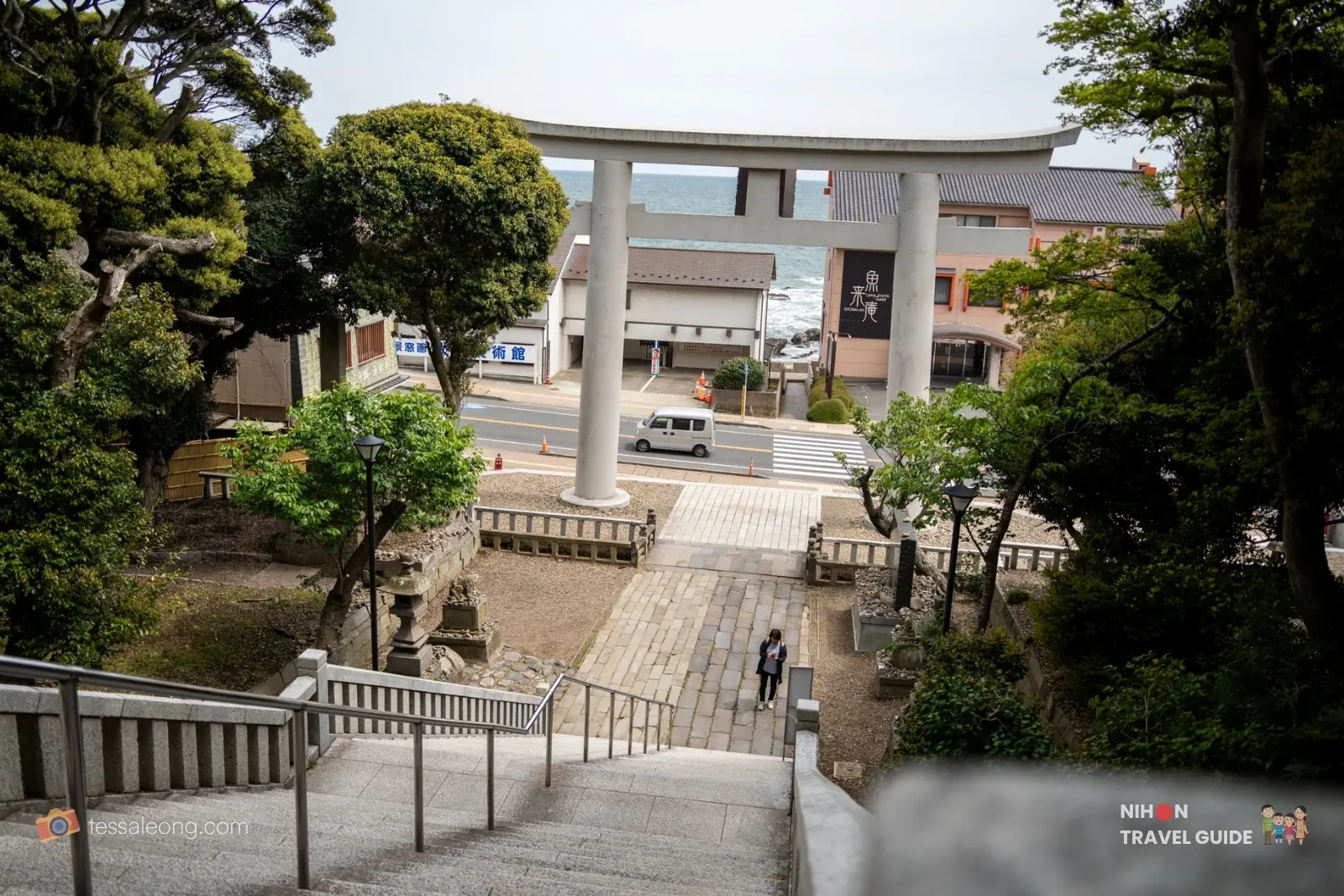
Probably one of the more iconic images you can see in Oarai is of the Kamiiso no Torii, a torii on the rocks. It is part of Oarai Isosaki Shrine and is known as the “gate at the beach of the gods” or the place where the deities are said to have descended to earth.
It’s quite a unique sight to see the waves crashing on the rocks where the torii is standing on, my brain honestly has no words to describe it. The most epic photo you can take is if you wake up really early and catch the sun rising in between the torii gates.
Oarai Isosaki Shrine is open 24 hours and is free of charge to enter.
Read our full guide to visiting Oarai Isosaki Shrine & the Kamiiso no Torii including the best photo spots, sunrise tips, opening hours and how to get there.
Oarai Marine Tower & Panzer Vor Cafe
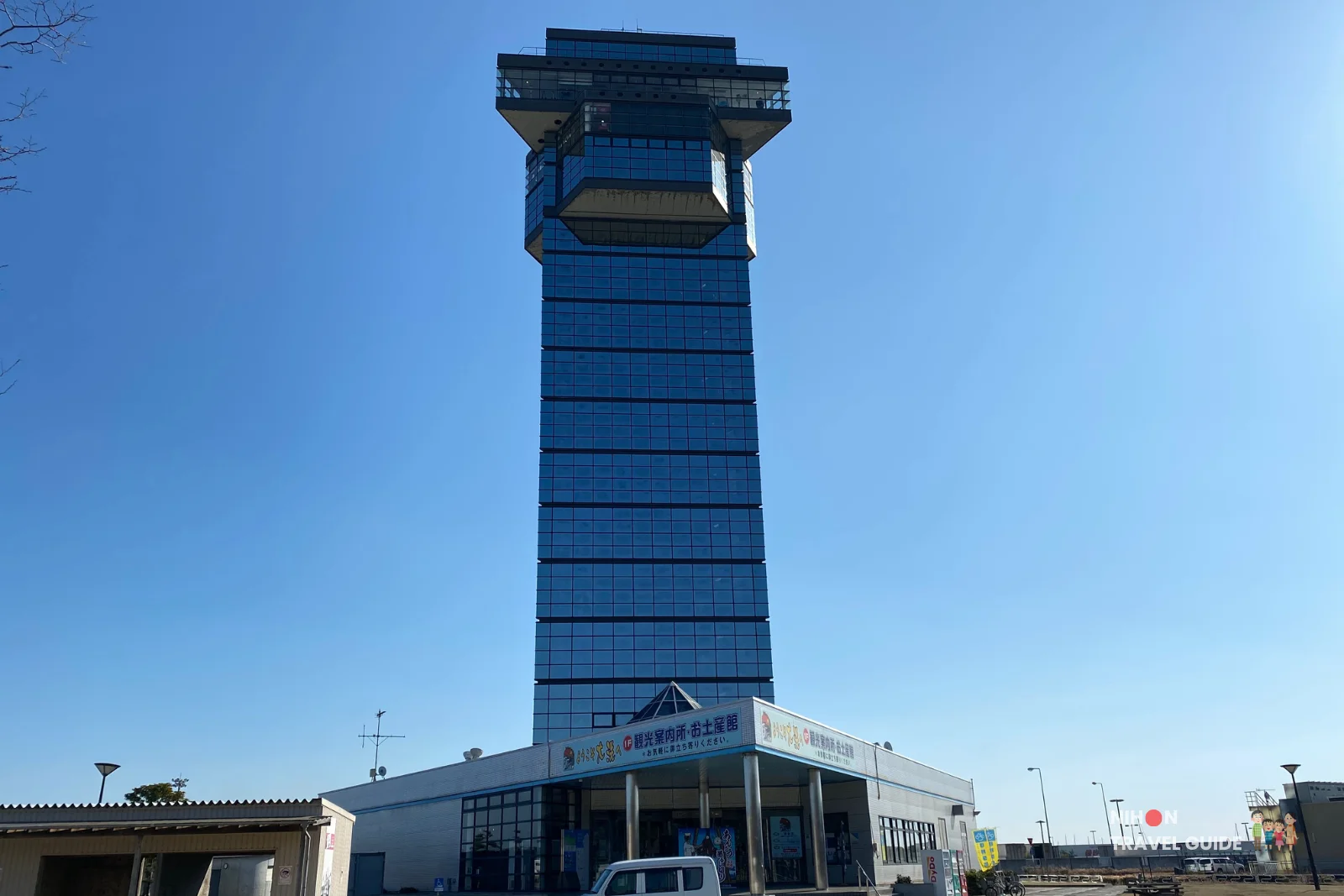
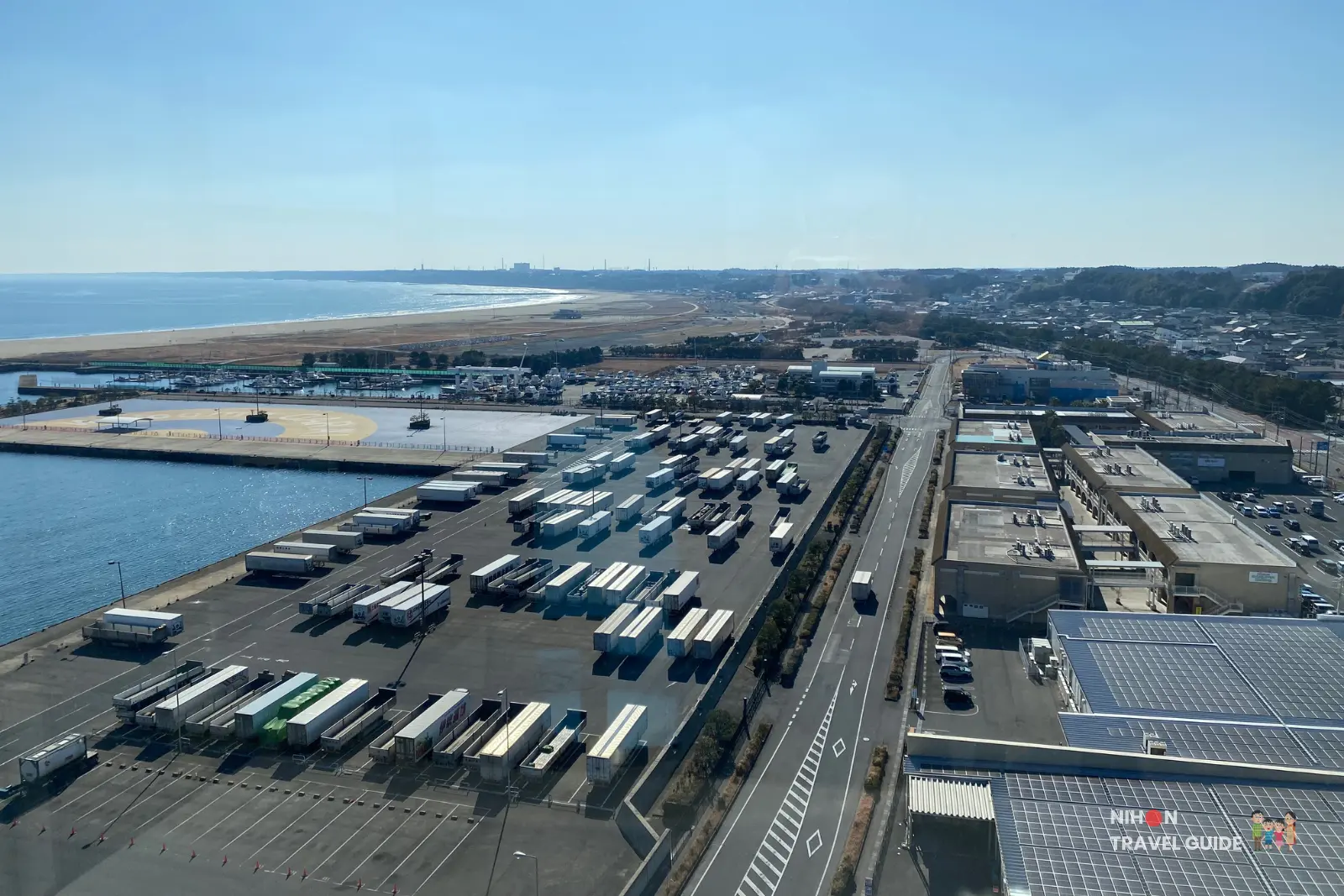
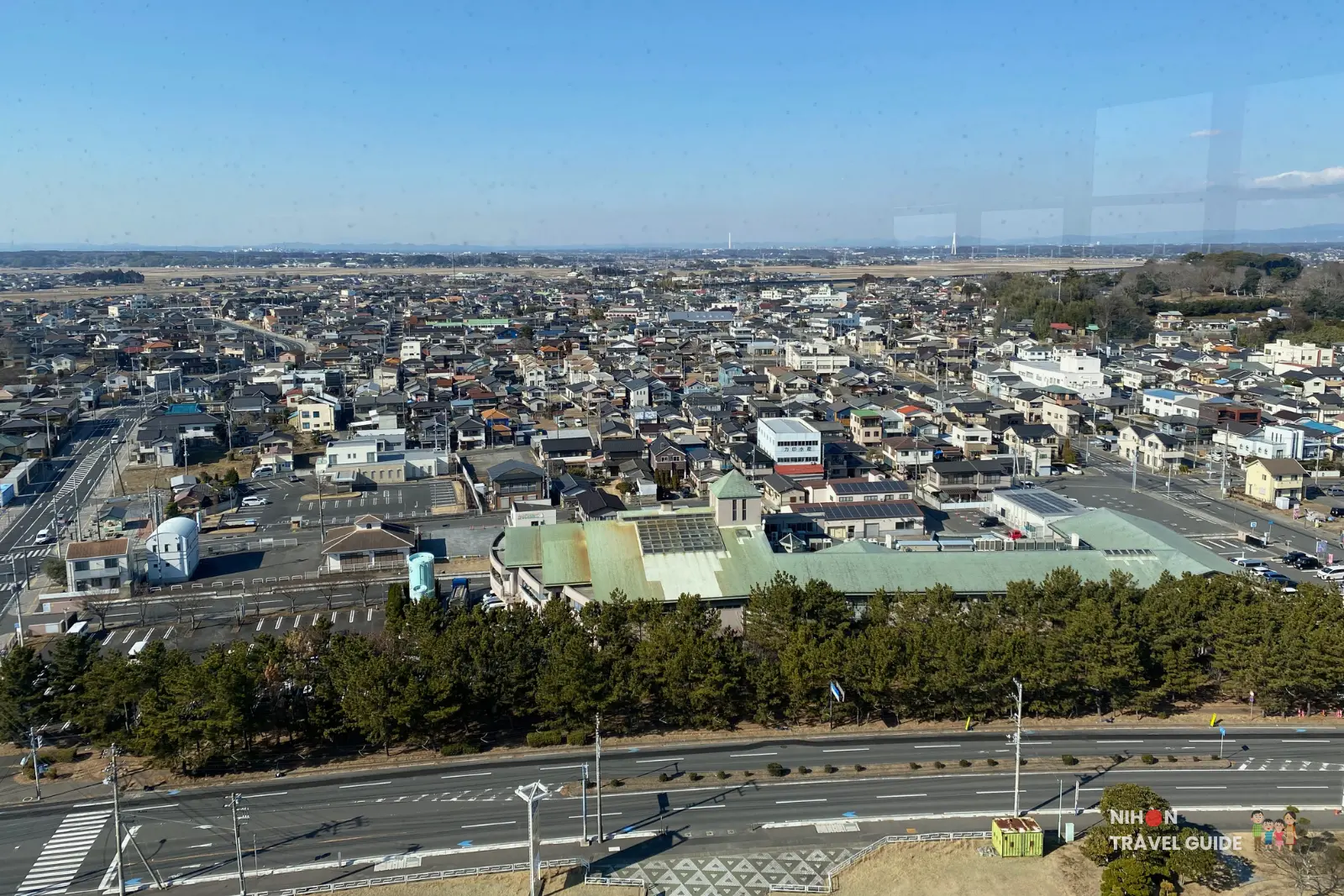
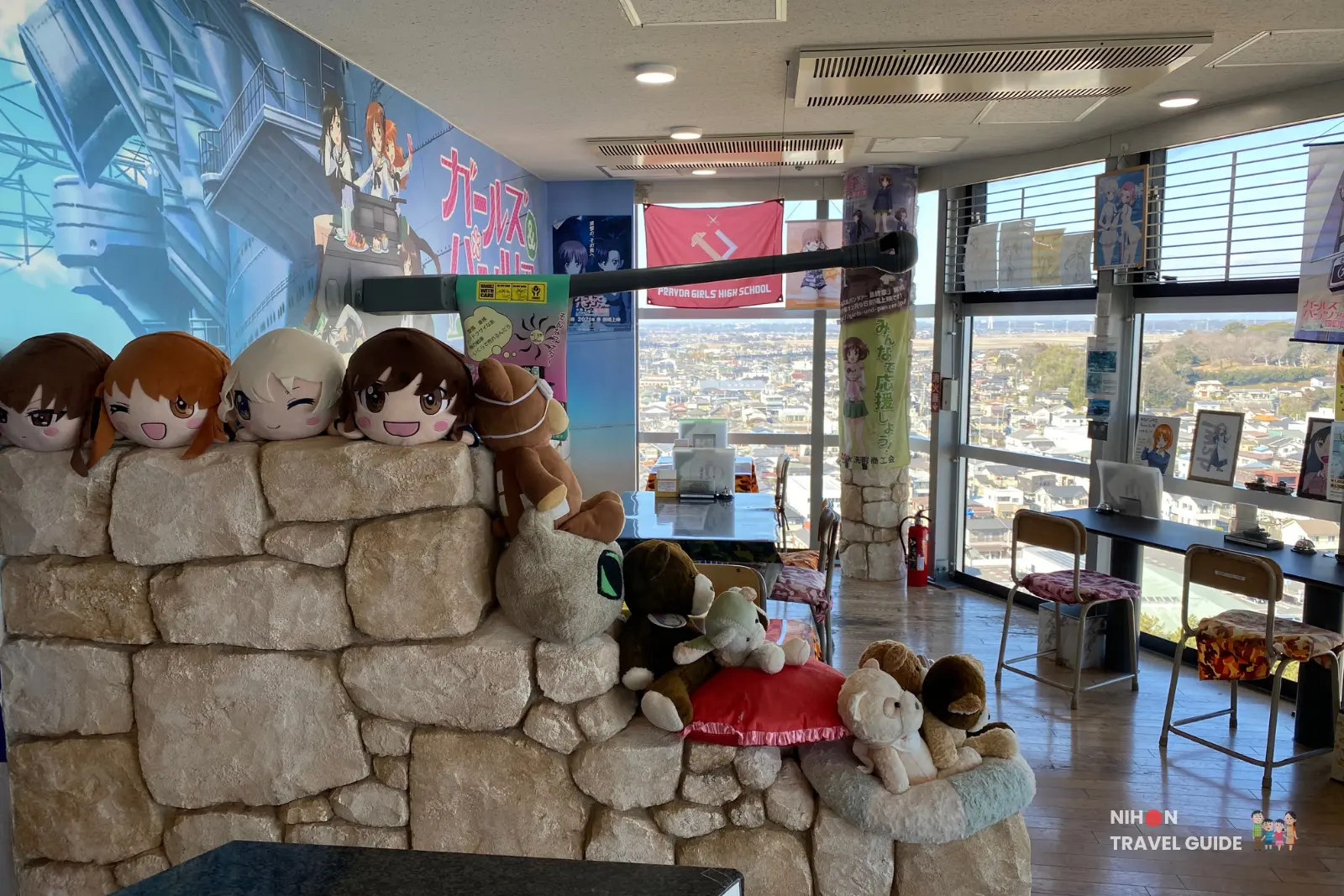
Oarai Marine Tower is a 60 meter seaside observation tower in Oarai City. It is one of the town’s landmark structures and you can see 360 degree views of Oarai City and the Pacific Ocean. On very clear days you can also (allegedly) see Mount Fuji.
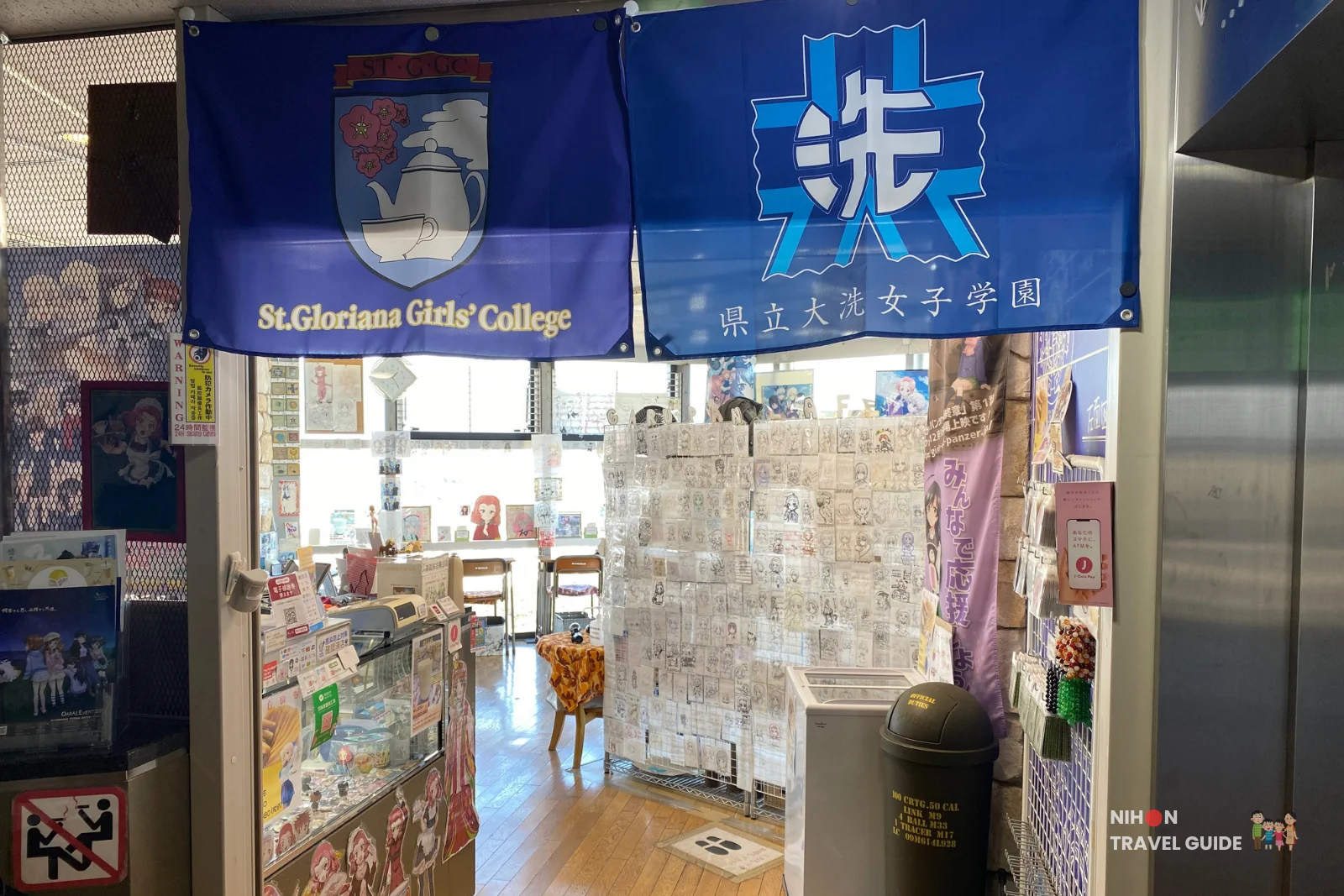
But inside the tower there is another surprise. There is an anime cafe, Panzer Vor Cafe, based on the Girls und Panzer Anime. It is an anime that is set in Oarai and you can find many landmarks in the anime itself. In this cafe you can find many themed food and drinks. A must go for fans of the anime.
Read about our experience visiting Oarai Marine Tower including ticket prices, the best viewpoints, what you can see on a clear day and Panzer Vor Cafe.
Oarai Seaside Station & Garupan Gallery
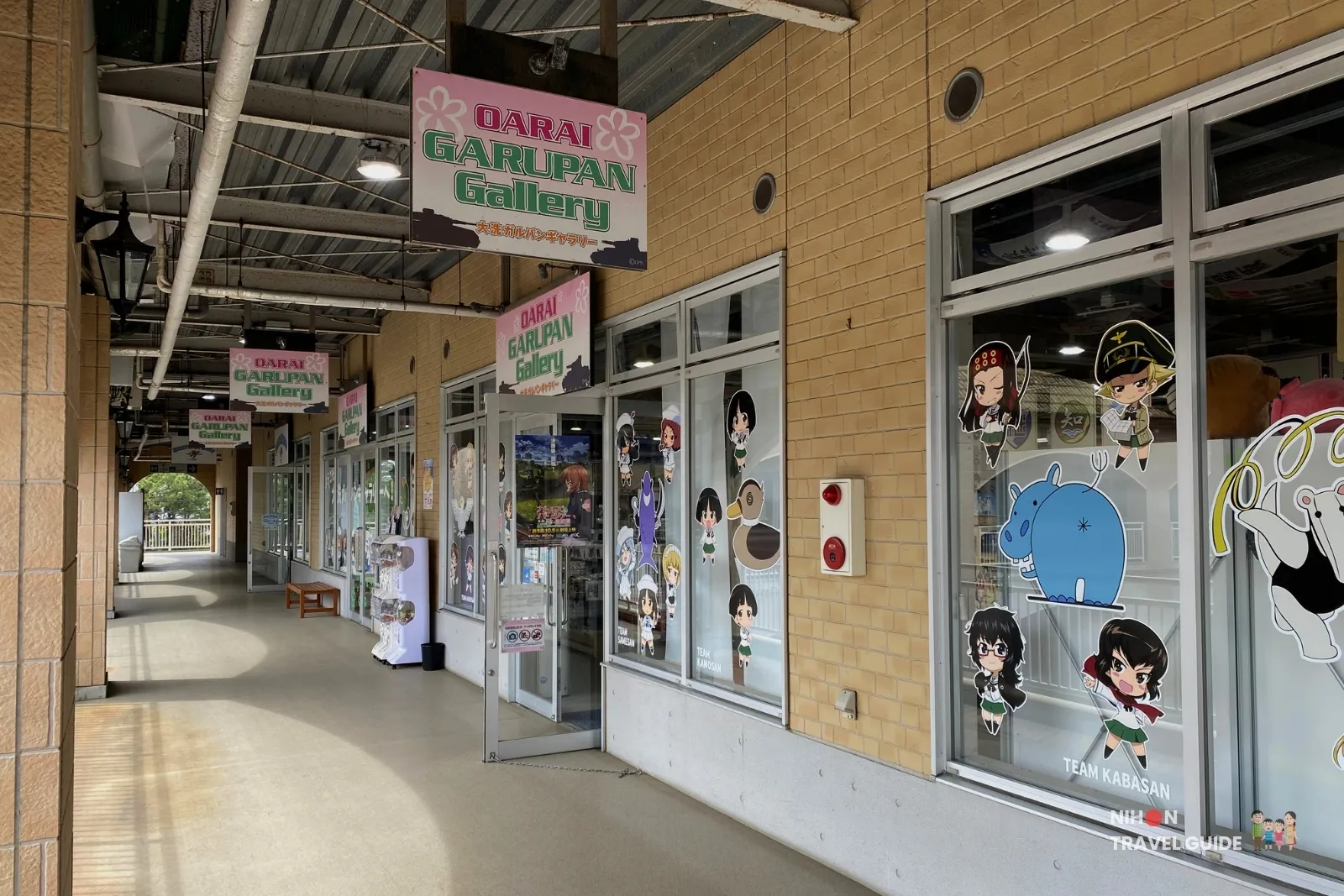
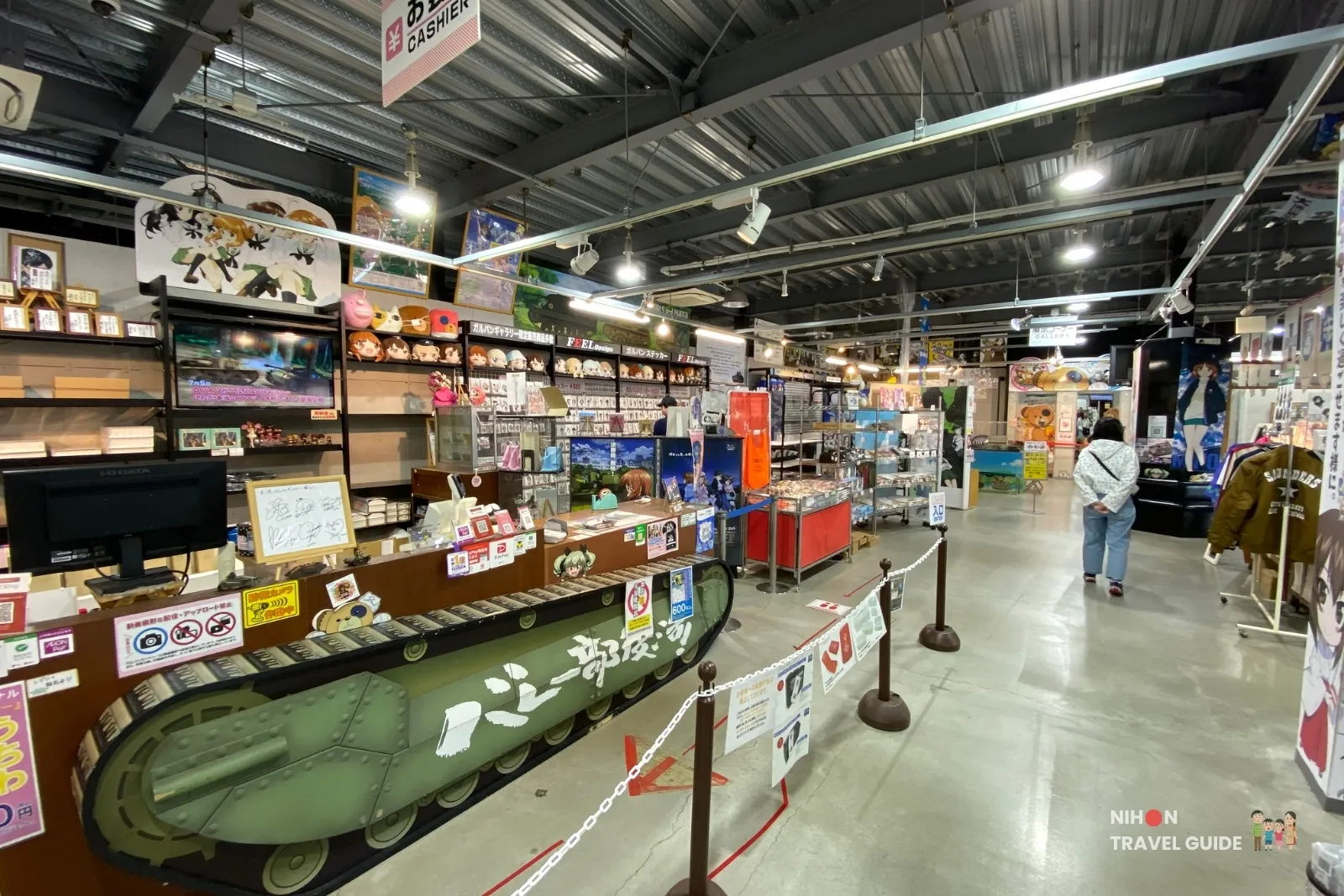
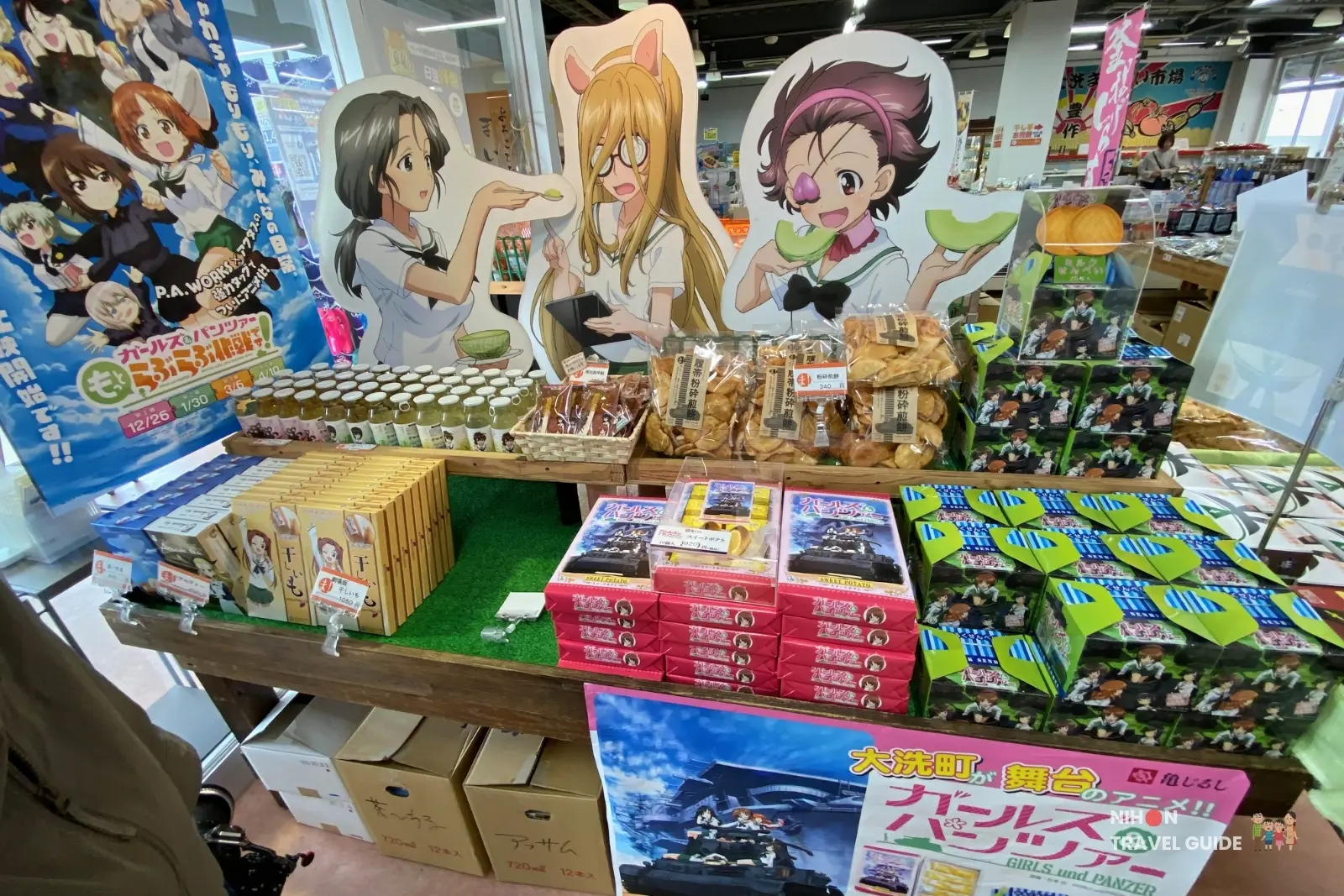
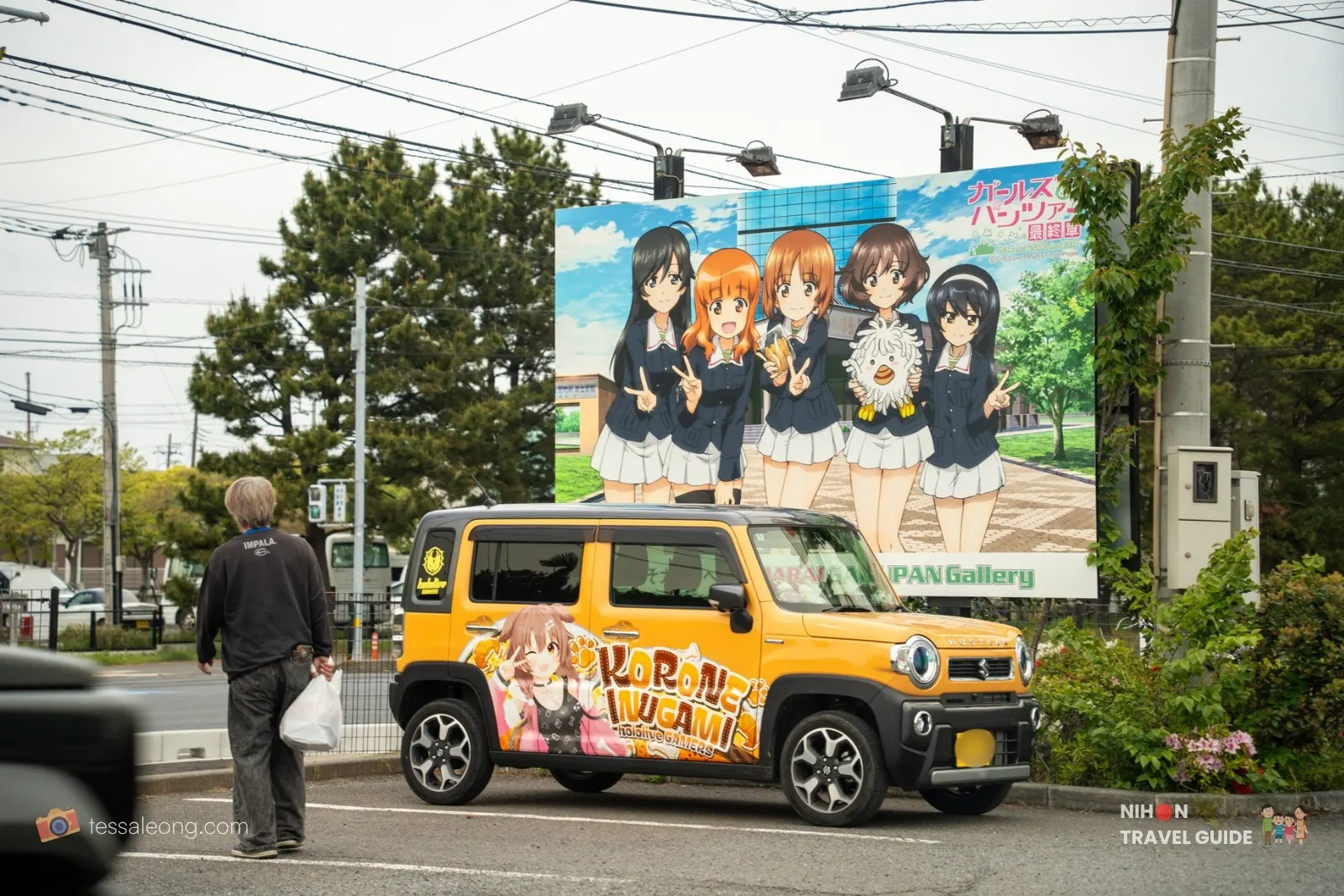
Oarai Seaside Station is a shopping complex but as of 2026 it has sadly become a ghost town. The main stores left are supermarkets, some specialty stores, restaurants, cafes and an ABC Mart.
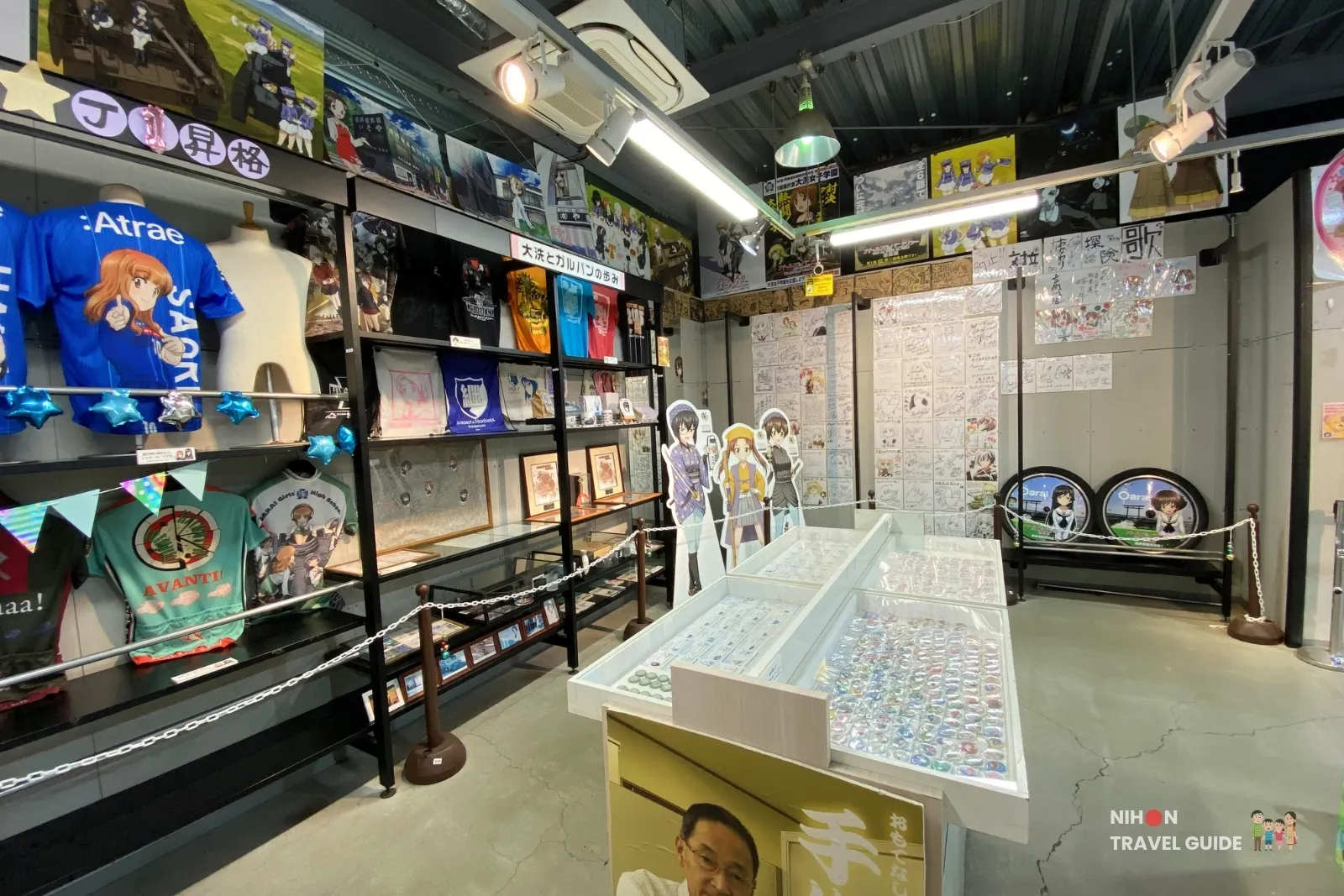
However, the main attraction here is Garupan Gallery, the official anime merchandise store for the Girls und Panzer anime. They sell all sorts of merchandise and collectibles imaginable and I don’t think I’ve seen many anime fan stores with such a wide collection before.
It also has a mini museum with fan art and memorabilia from the anime and voice actors. It is free of charge to enter and is a must go for fans of the anime.
Read our full guide to Oarai Seaside Station & Garupan Gallery including what’s inside the gallery, the current shop situation and tips for fans and non-fans alike.
Aqua World Ibaraki Oarai Aquarium
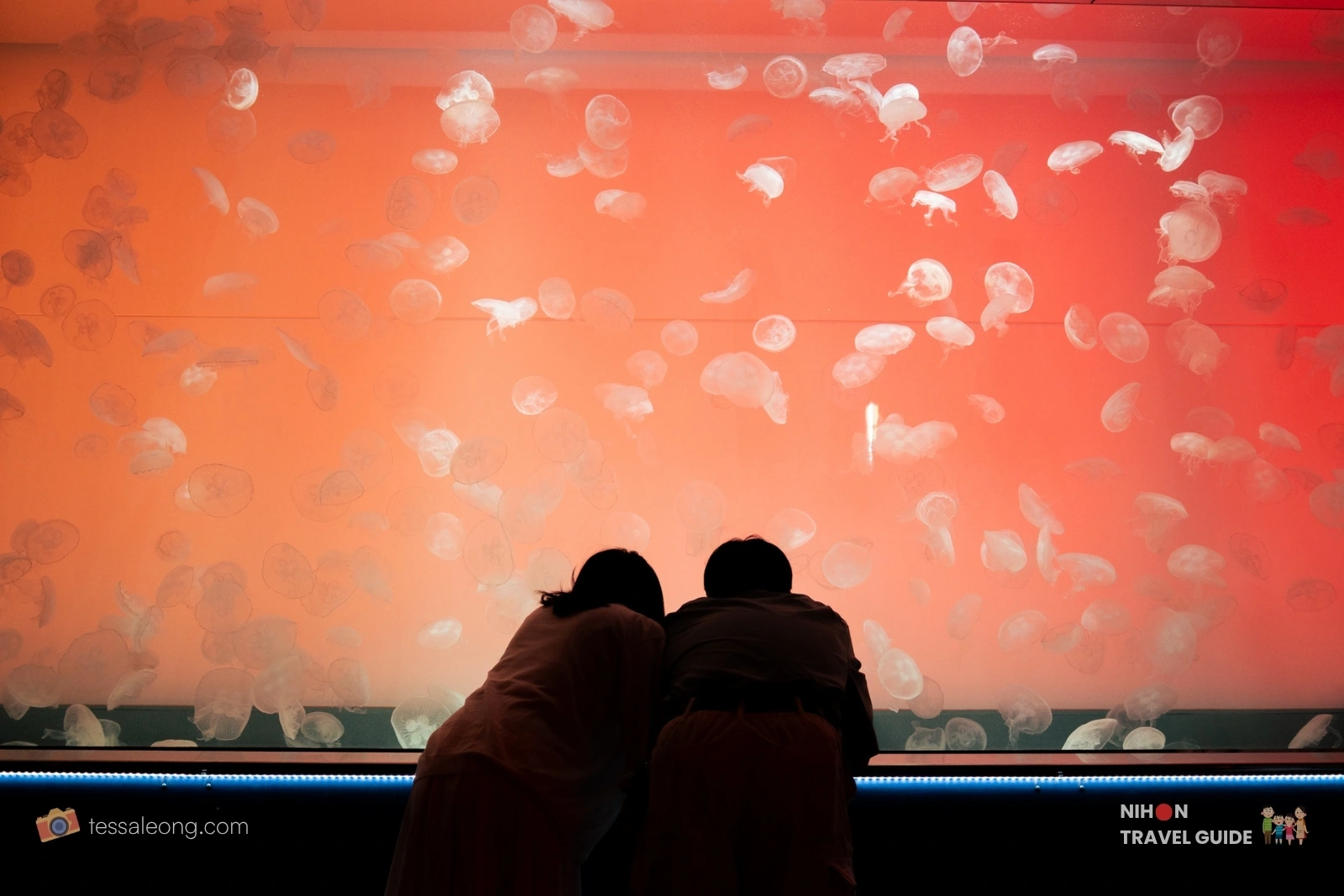
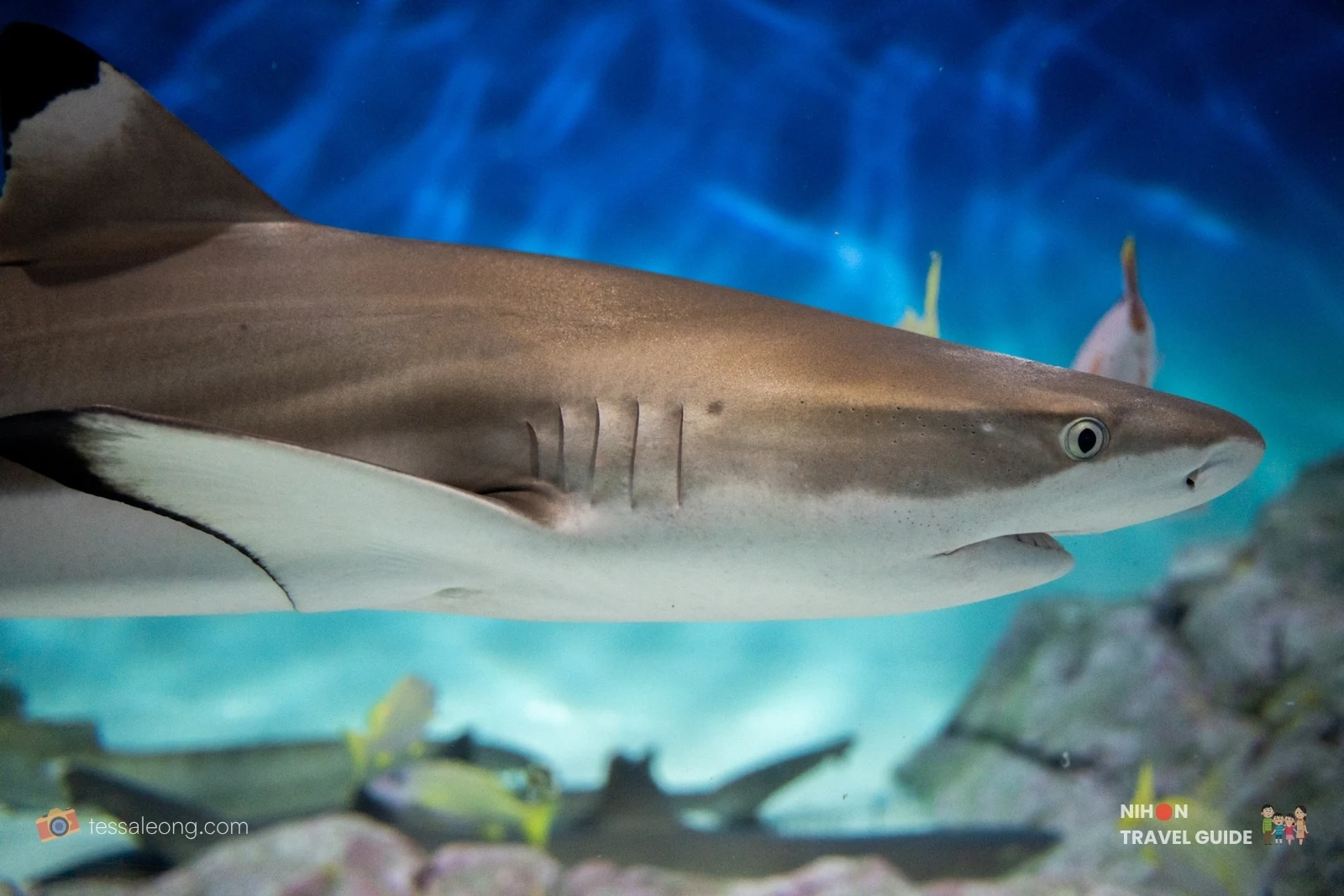
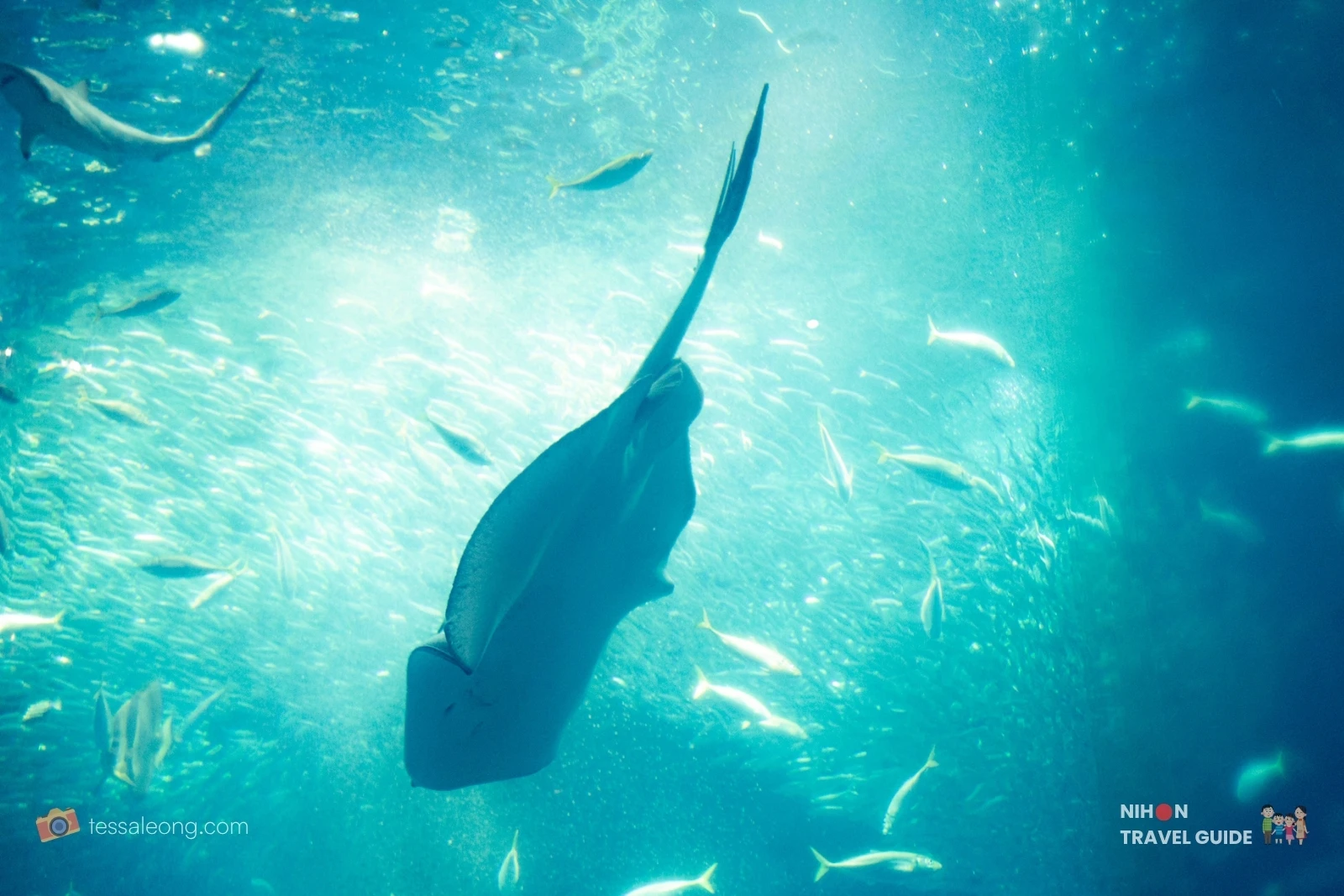
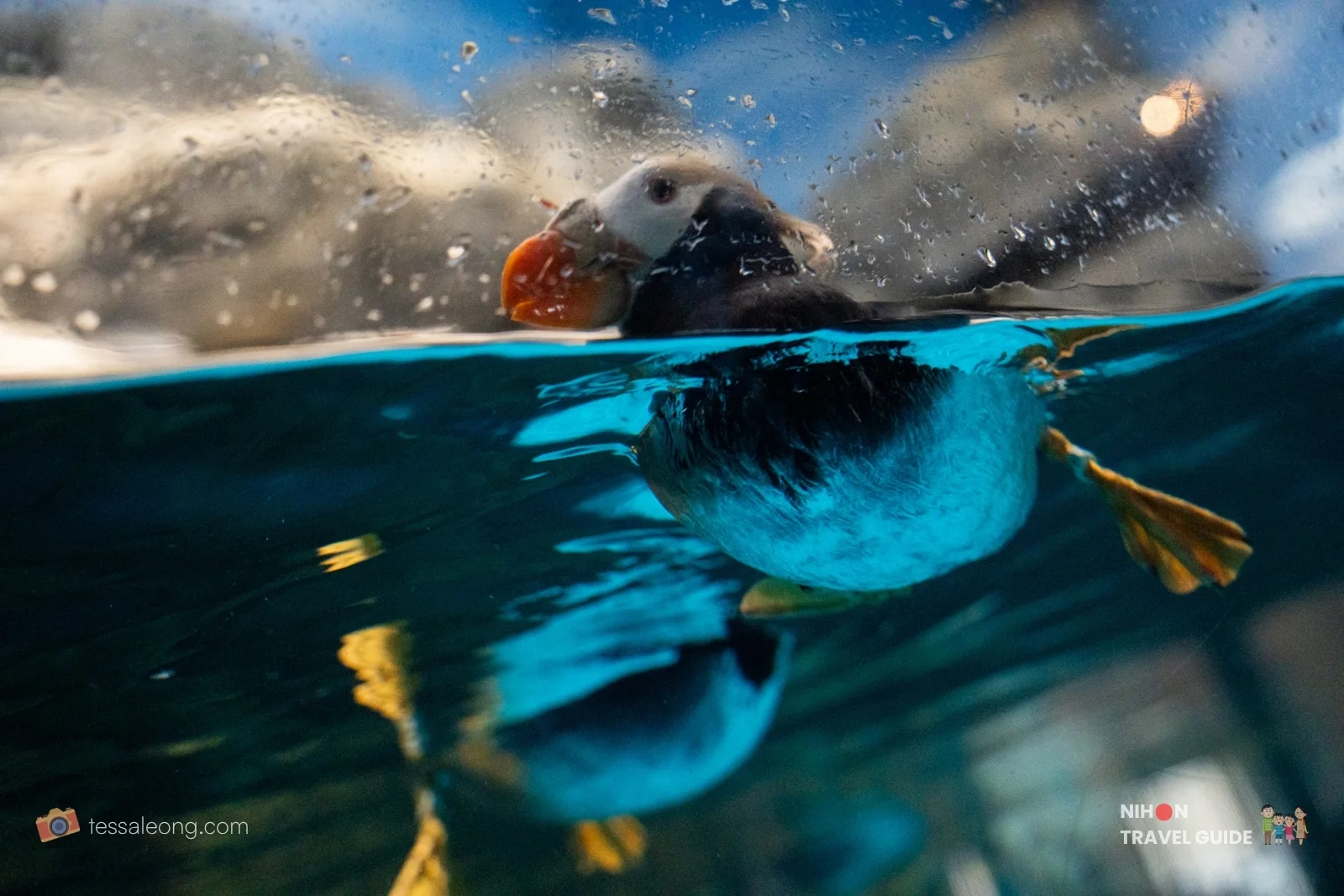
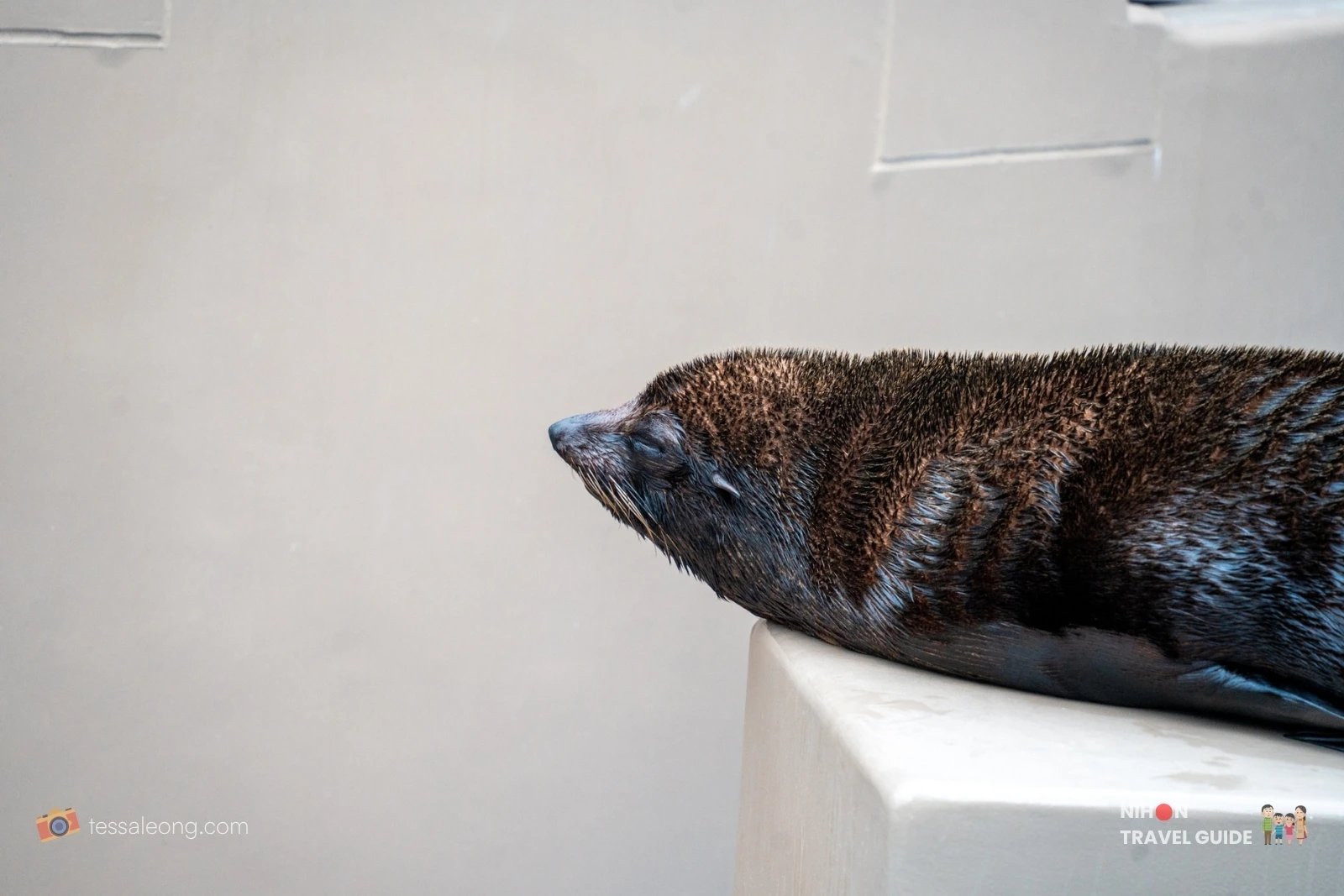
Aqua World Oarai is an aquarium in Oarai that has about 580 species, 68000 individual sea creatures housed in 60 aquarium tanks in a massive seven storey complex. It is also home to the biggest shark collection in Japan with about 50-60 species of sharks.
If you haven’t been to an aquarium in Japan before or have young children, Aqua World Oarai is a great place to visit and spend your afternoons there.
Check out our experience visiting Aqua World Ibaraki Oarai Aquarium including what’s inside all 60 tanks, the shark collection, ticket prices and tips for making the most of your visit.
Nakaminato Fish Market
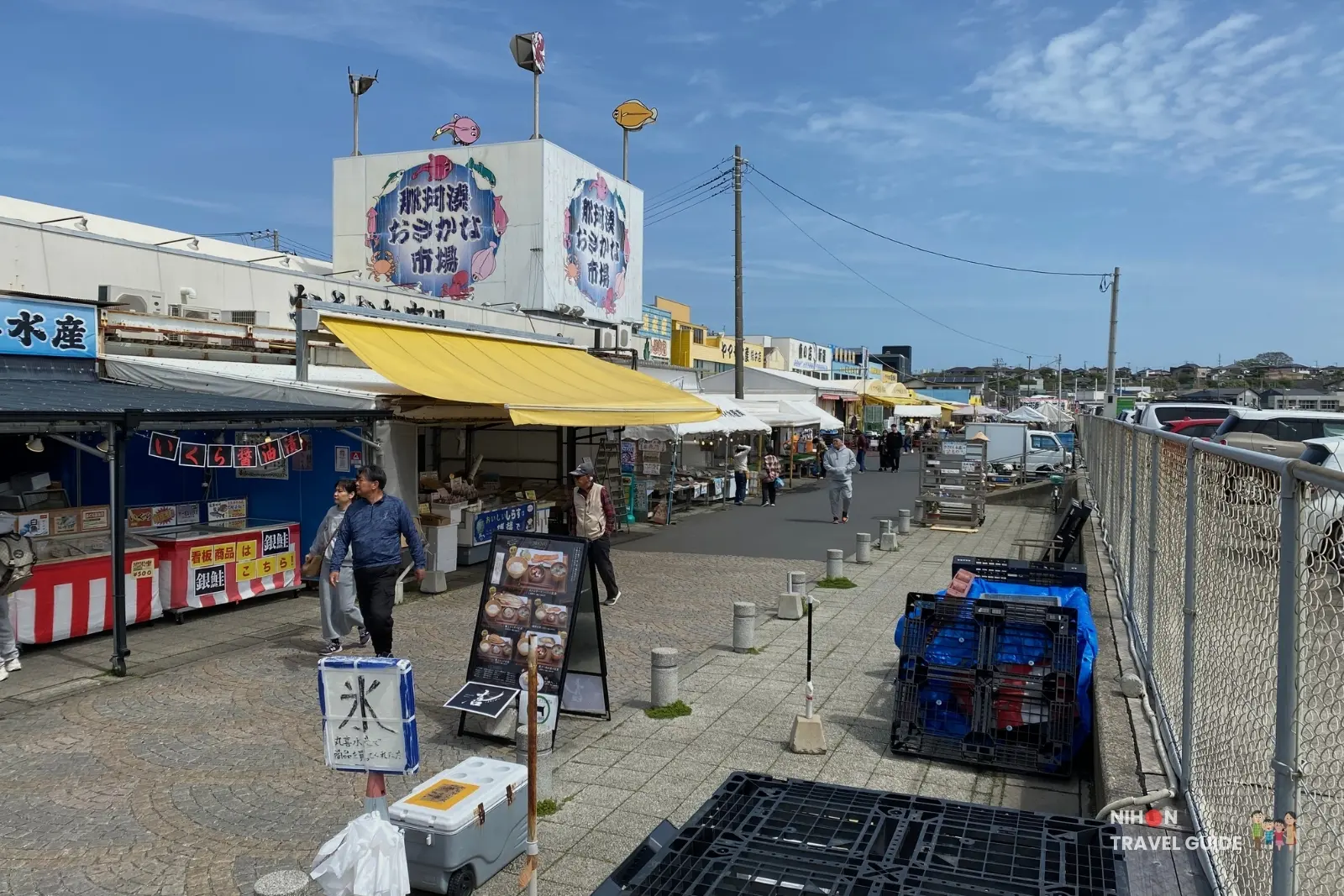
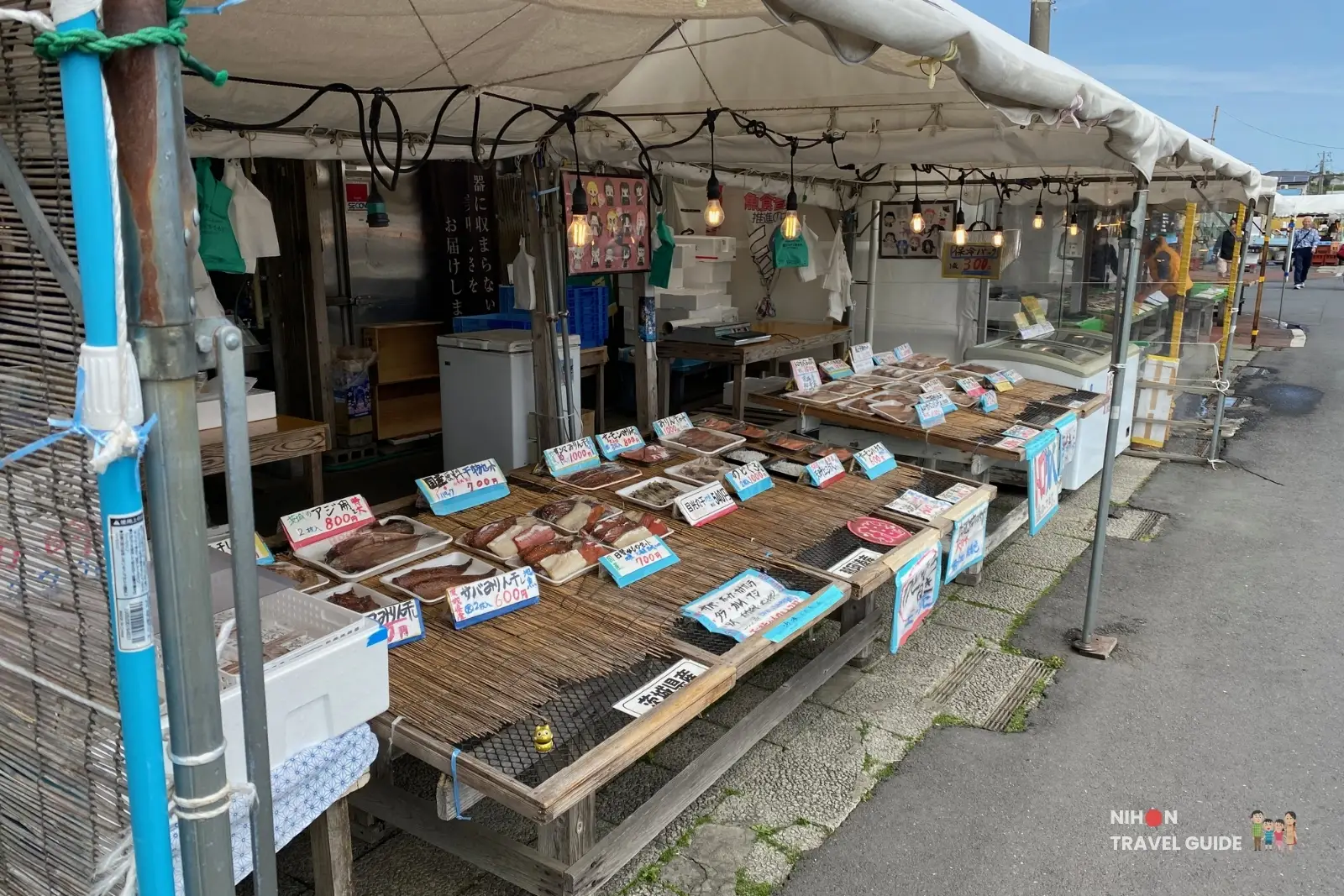
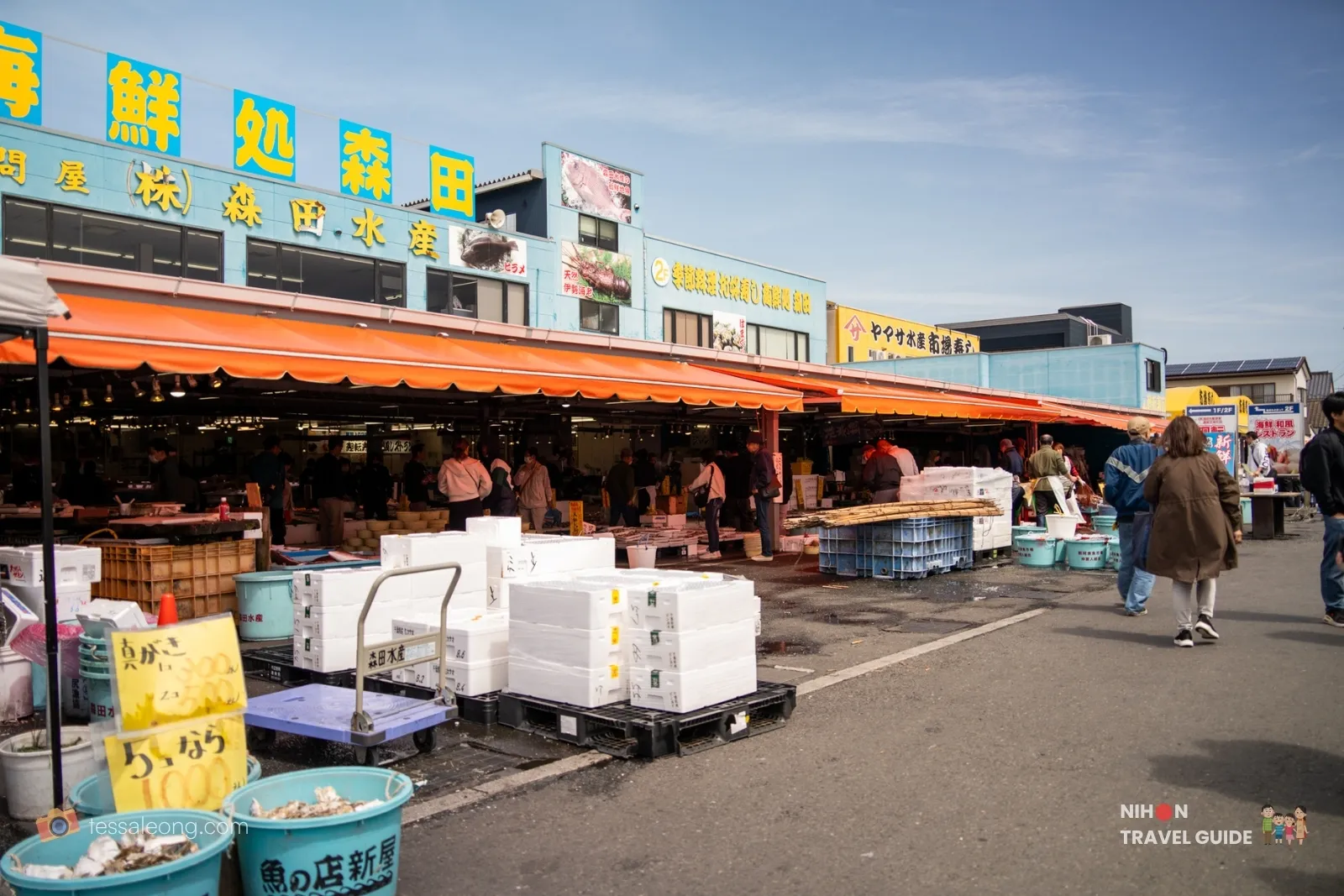
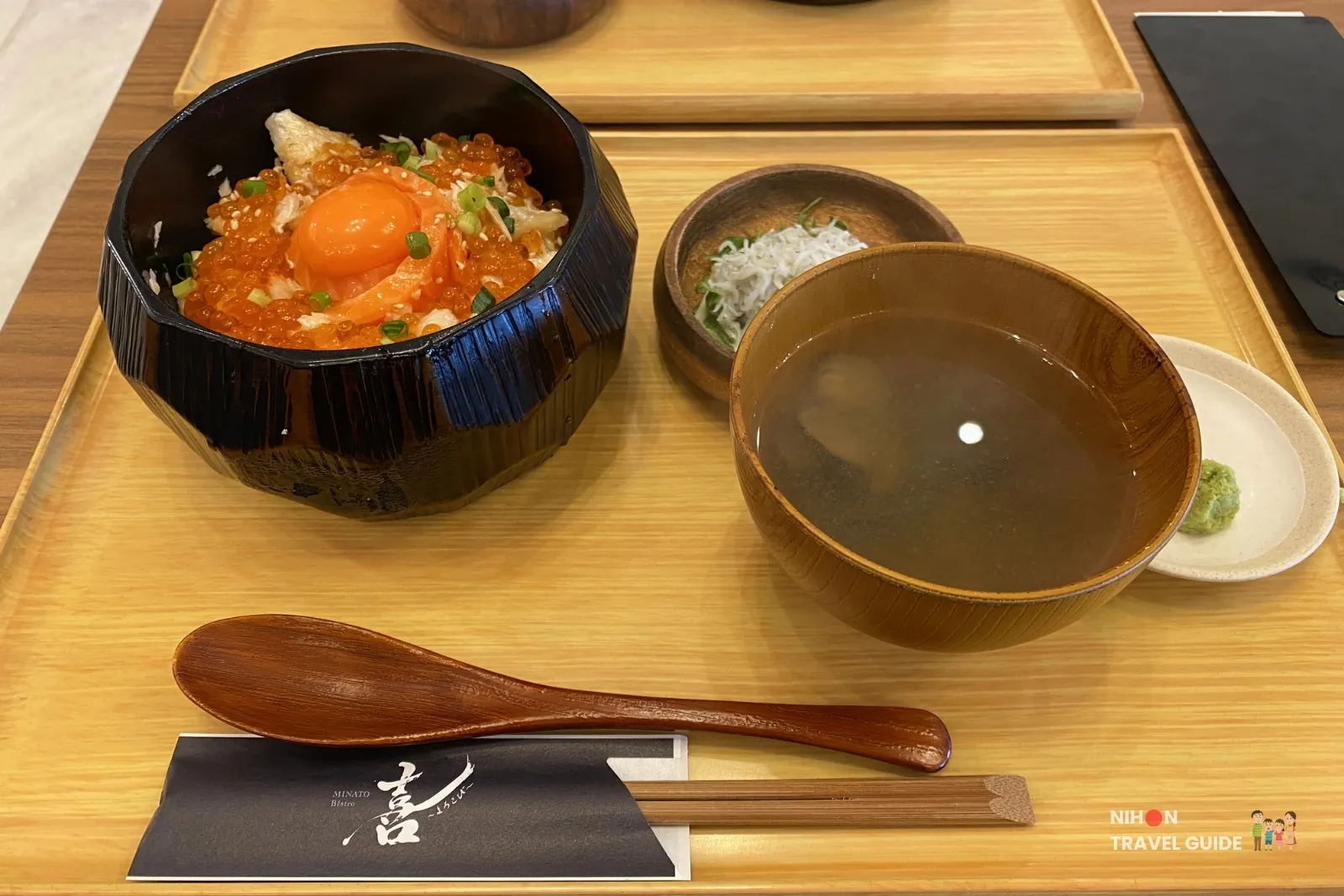
If you want to see what a local rural fish market is like in Japan, you should check out Nakaminato Fish Market. They sell locally caught seafood and unlike Tsukiji Market, you don’t have to arrive at 6am as the stalls and restaurants are open throughout the day.
Expect to see things like sushi, sashimi, grilled fish, shellfish and more. They are known for their kaisen-don and we even got to try some on our visit.
Read about our experience visiting Nakaminato Fish Market including what weate, parking tips, opening hours.
Mentai Park Oarai
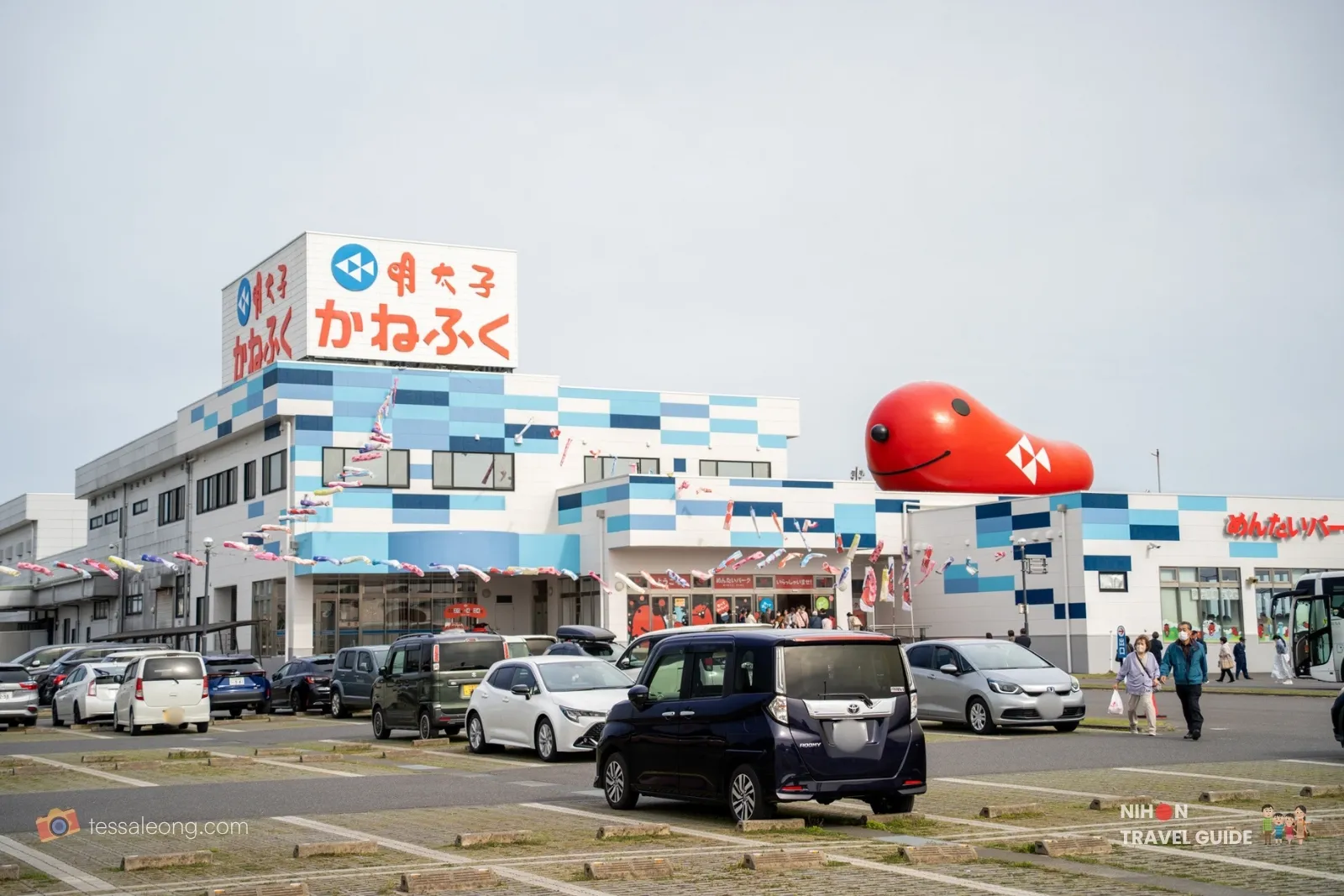
Mentai Park Oarai is a theme park/factory dedicated to mentaiko, a spicy seasoned cod roe that I think most of us might be familiar with. Inside there is a working factory where they also give tours, a shop that sells mentaiko and related omiyage, galleries, exhibits and a food court.
I didn’t get to visit it this time but it must be really popular as I counted about seven tour buses parked outside the building. Definitely on my list the next time I come back to Oarai.
Hitachi Seaside Park
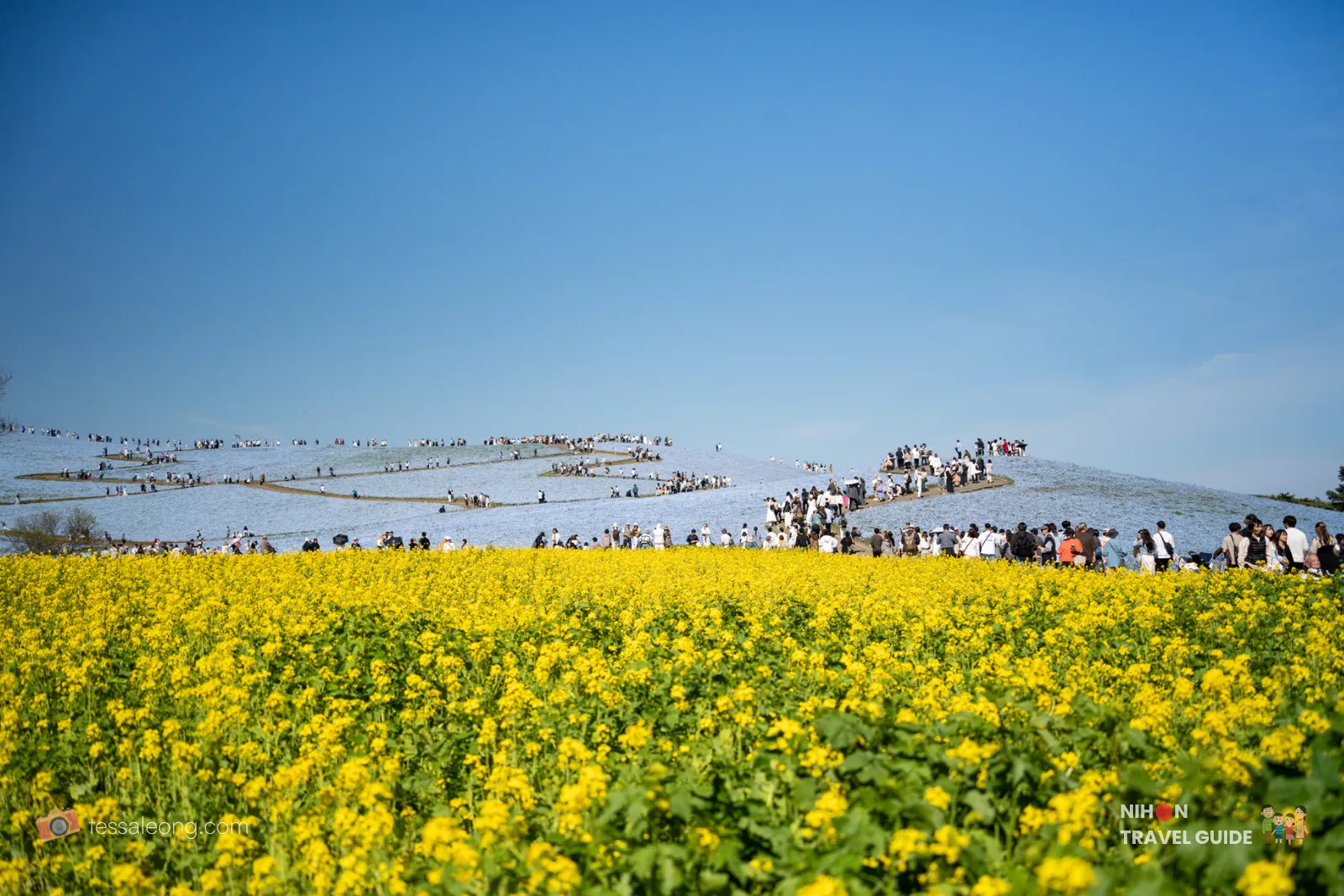
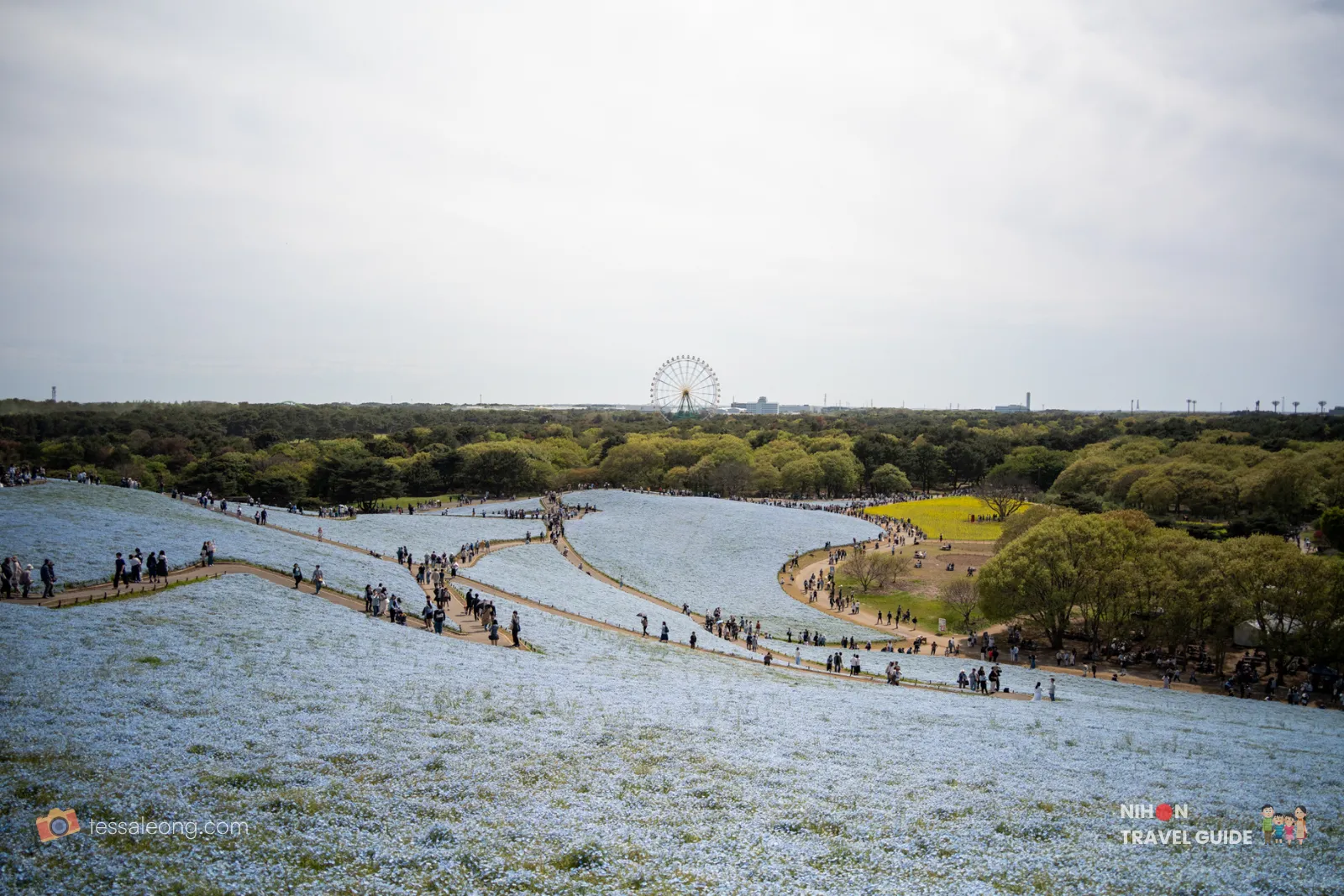
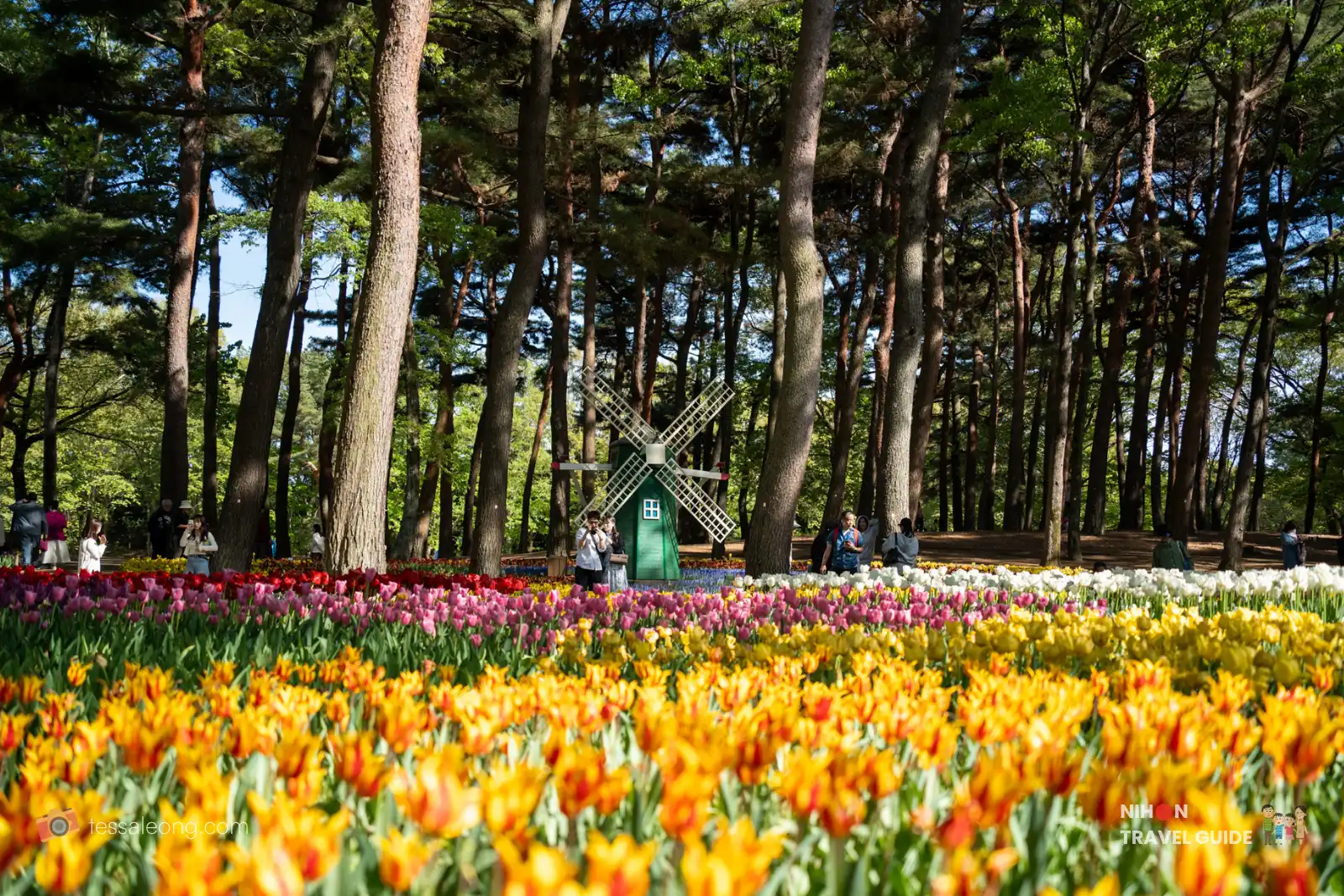
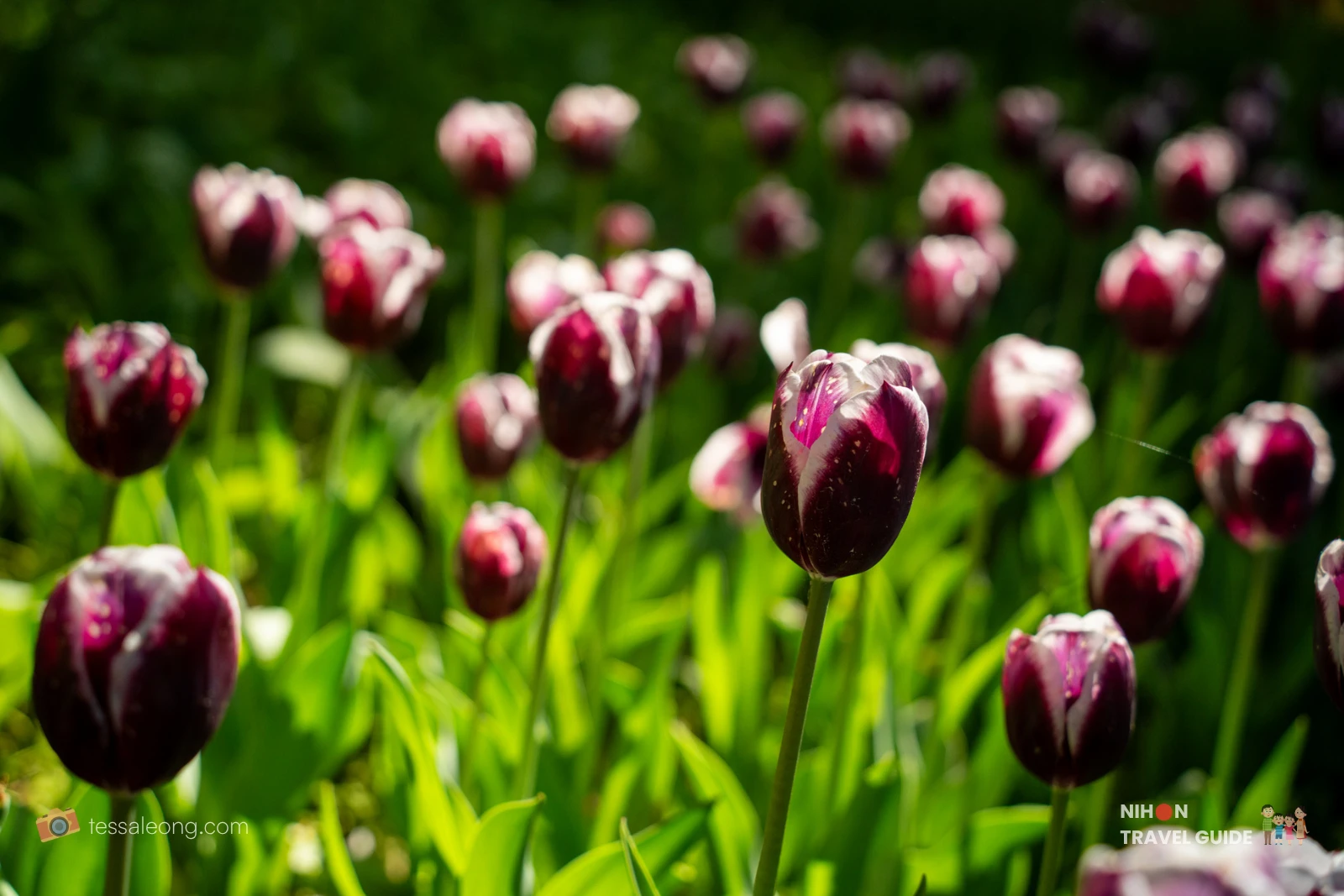
Just 20 minutes drive north of Oarai is Hitachi Seaside Park, a flower/amusement park that is well known for its hill full of nemophila flowers. It is one of the most beautiful sights I have seen in Ibaraki so far and is one of the few places where what you see with your own eyes is way better than the marketing material.
The nemophilas bloom in April but there are many other seasonal flowers throughout the year.
For the full first-hand guide including ticket prices, parking tips, best photo spots and flower calendar, read our complete Hitachi Seaside Park visitor guide.
Things to Do in Mito
Mito City is the capital of Ibaraki and is about an hour plus northeast of Tokyo via the Joban Line. It is known for its plum festival, natto, and Kairakuen. One of the three greatest gardens in Japan.
Mito Kairakuen Garden & Koubuntei
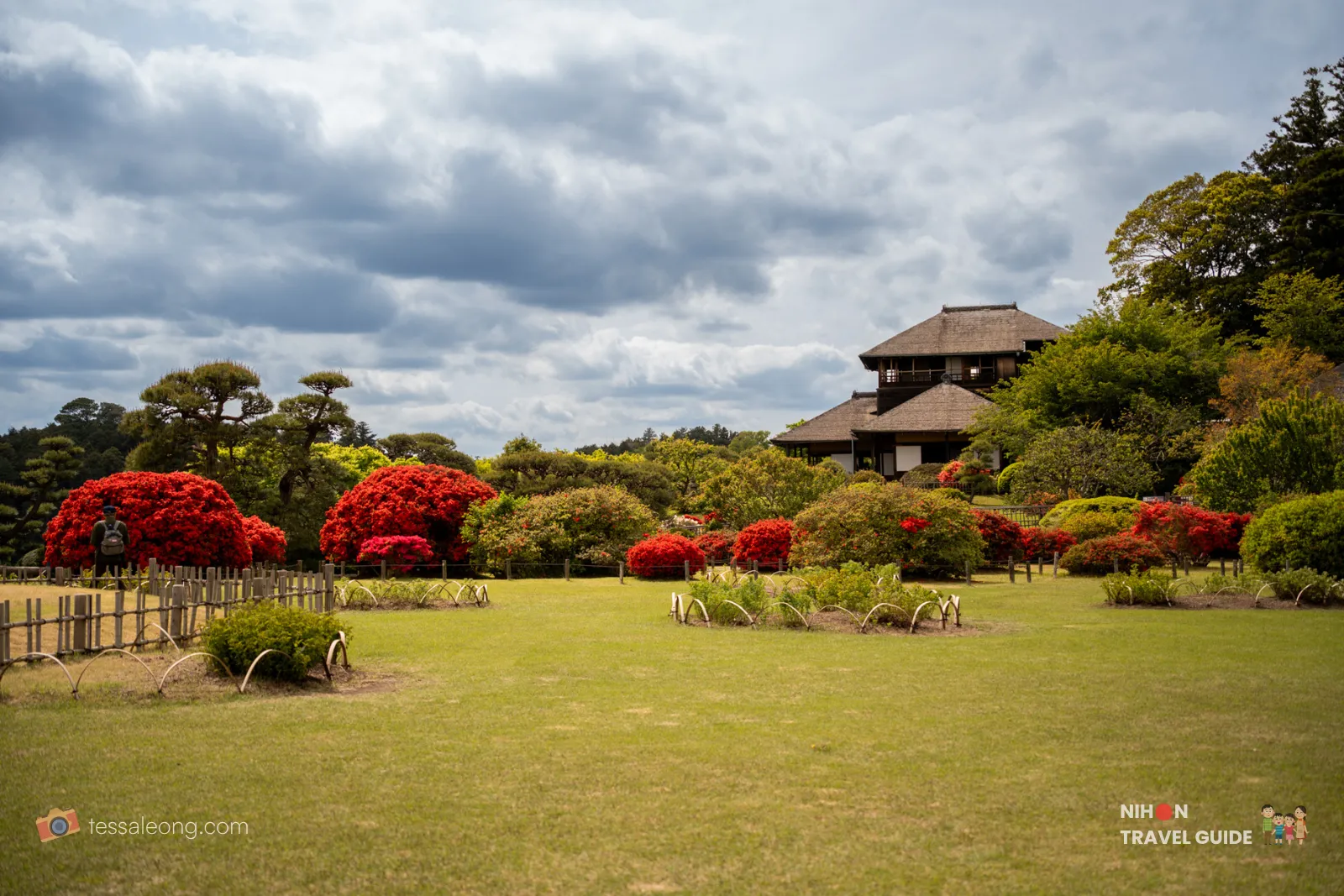
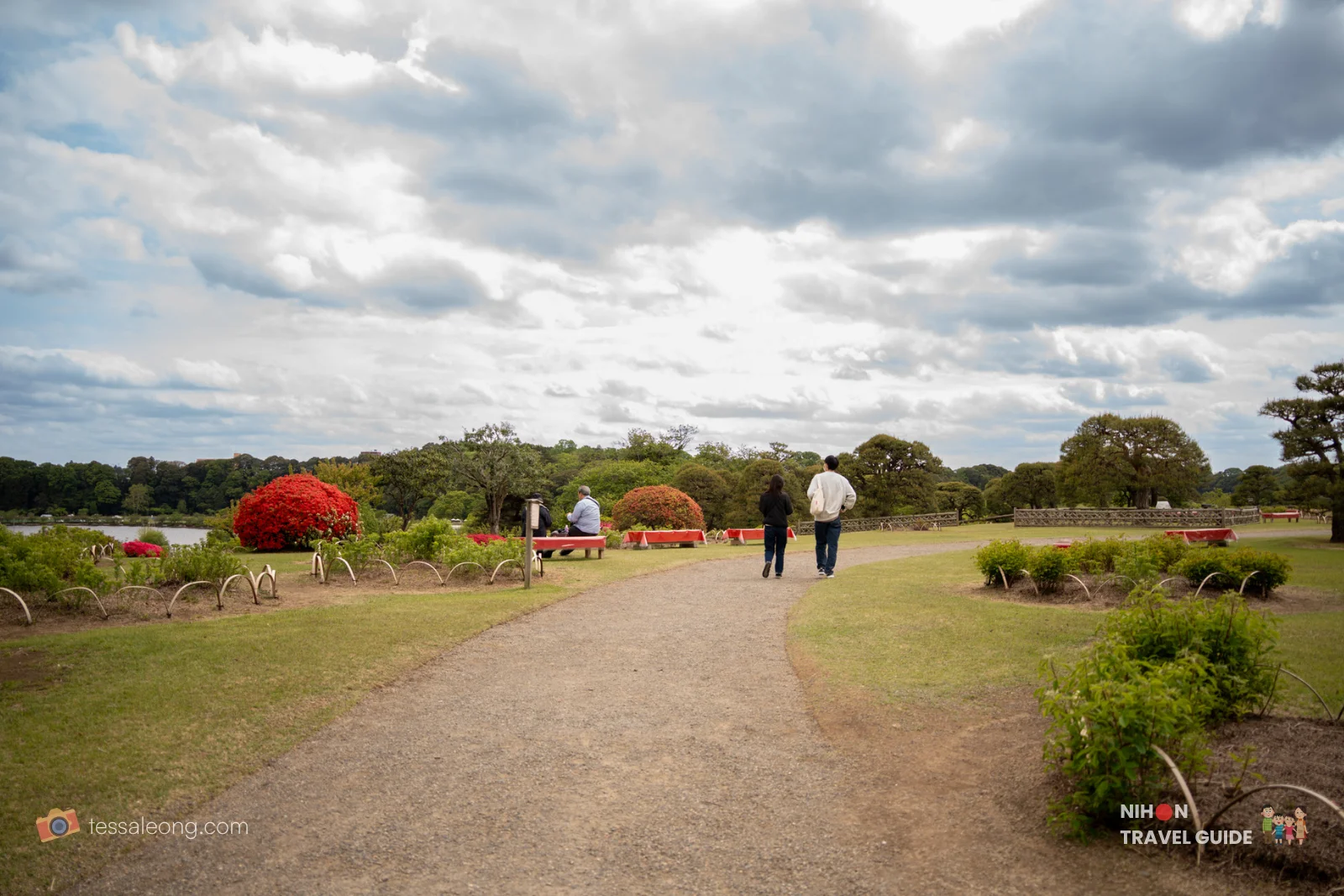
Like we mentioned earlier, Kairakuen is one of the three greatest gardens in Japan. It has an annual plum blossom festival (usually mid Feb to late Mar) with around 3000 plum trees and there will be food stalls and various activities that can be done.
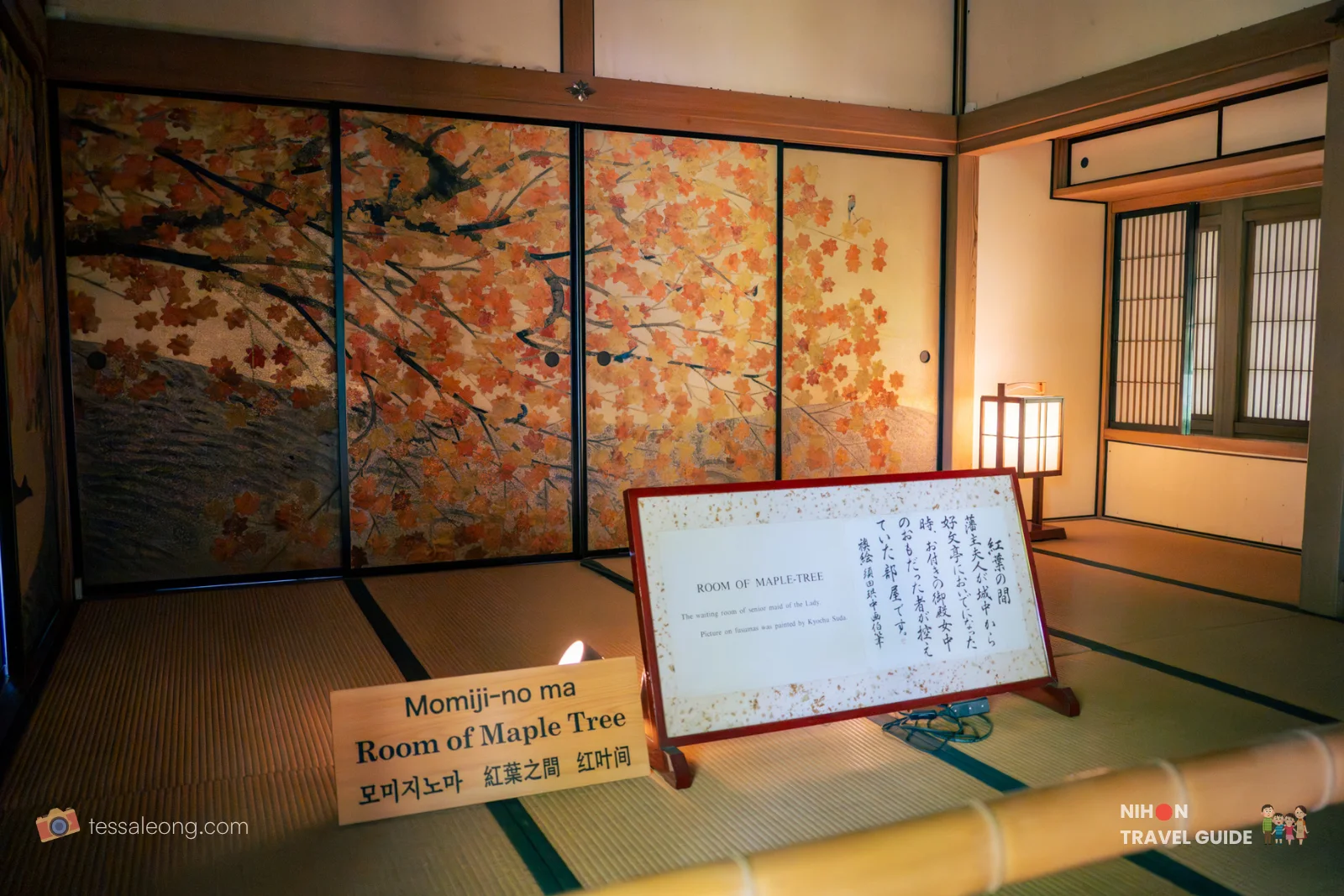
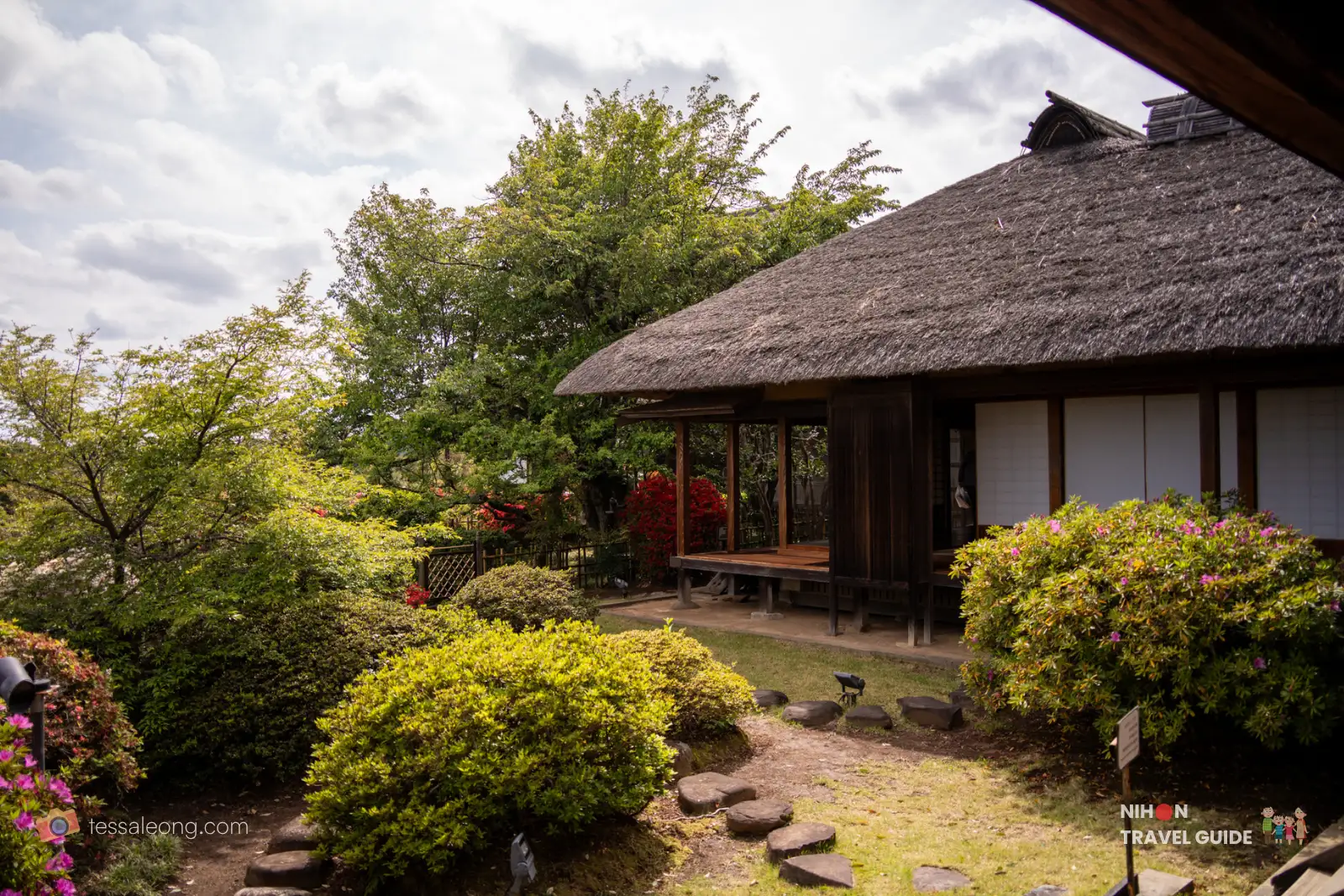
It is also home to Koubuntei, a unique traditional Japanese building that was designed by a feudal lord of Mito City in the 1800s. It is a bit like stepping back in time as you get a feel on how Japanese used to live back then.
Read our Mito Kairakuen Garden & Koubuntei visitor guide including ticket prices, opening hours, the seasonal event calendar and tips for combining with other Mito City attractions.
Lake Senba & Mito Kobun Terrace
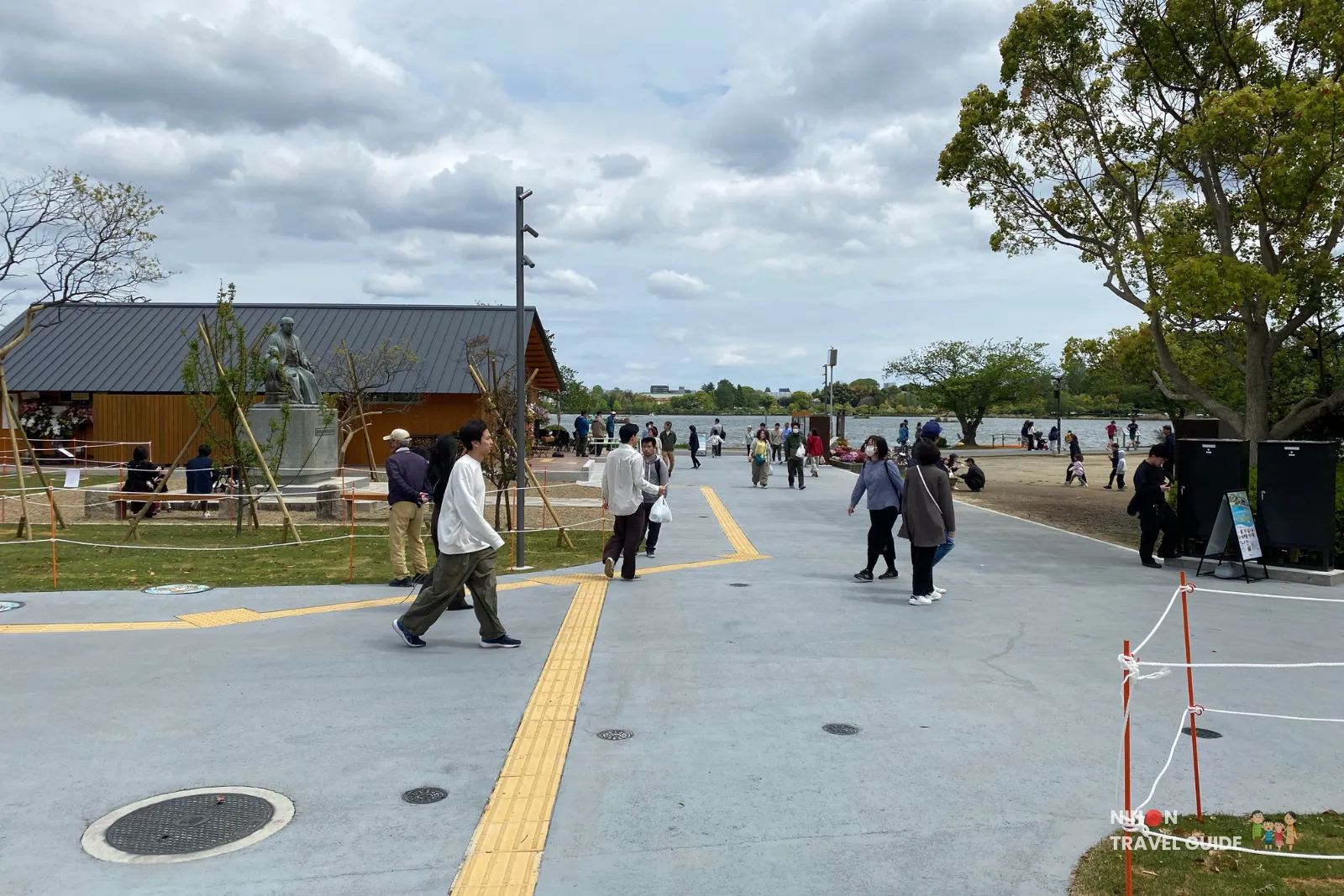
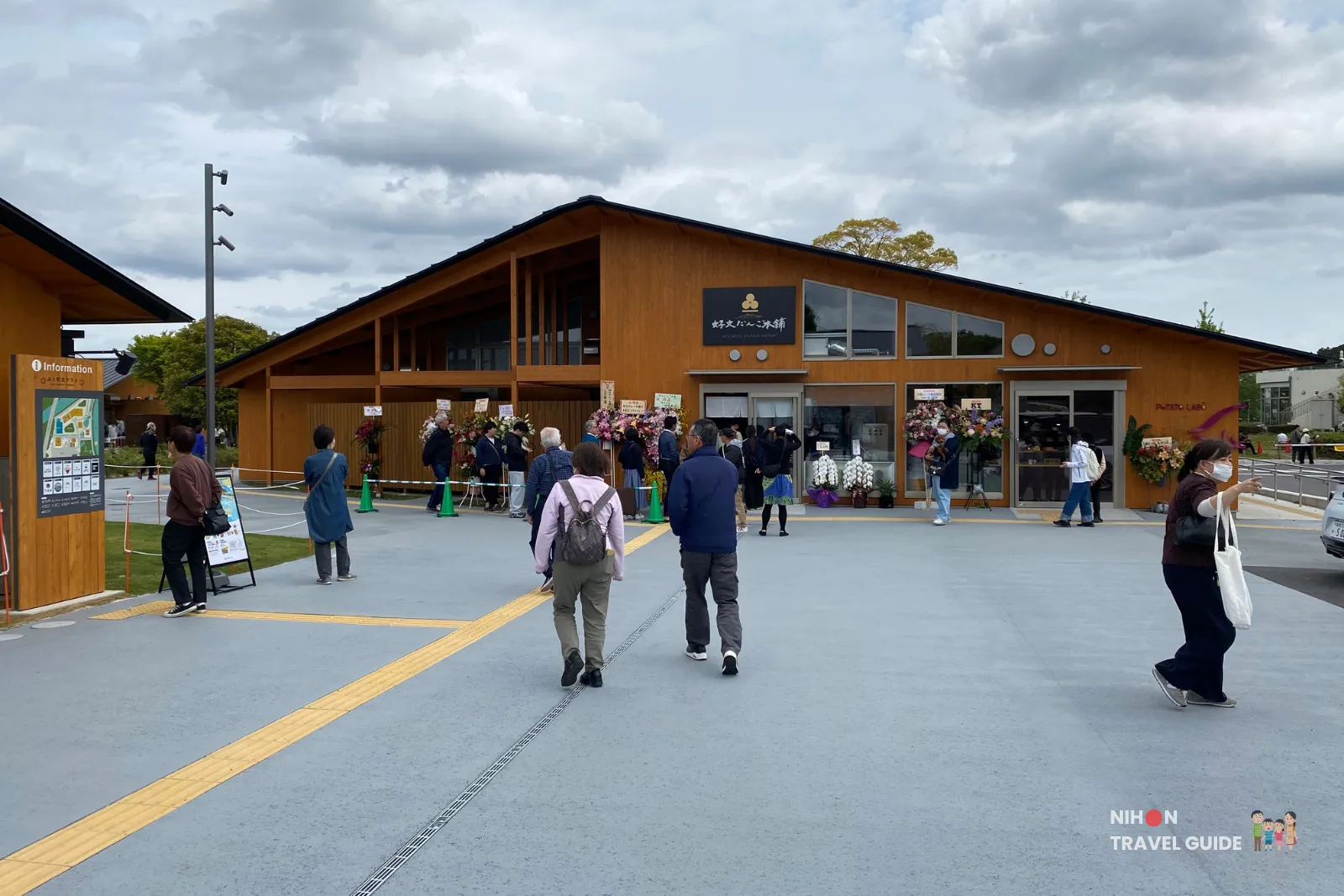
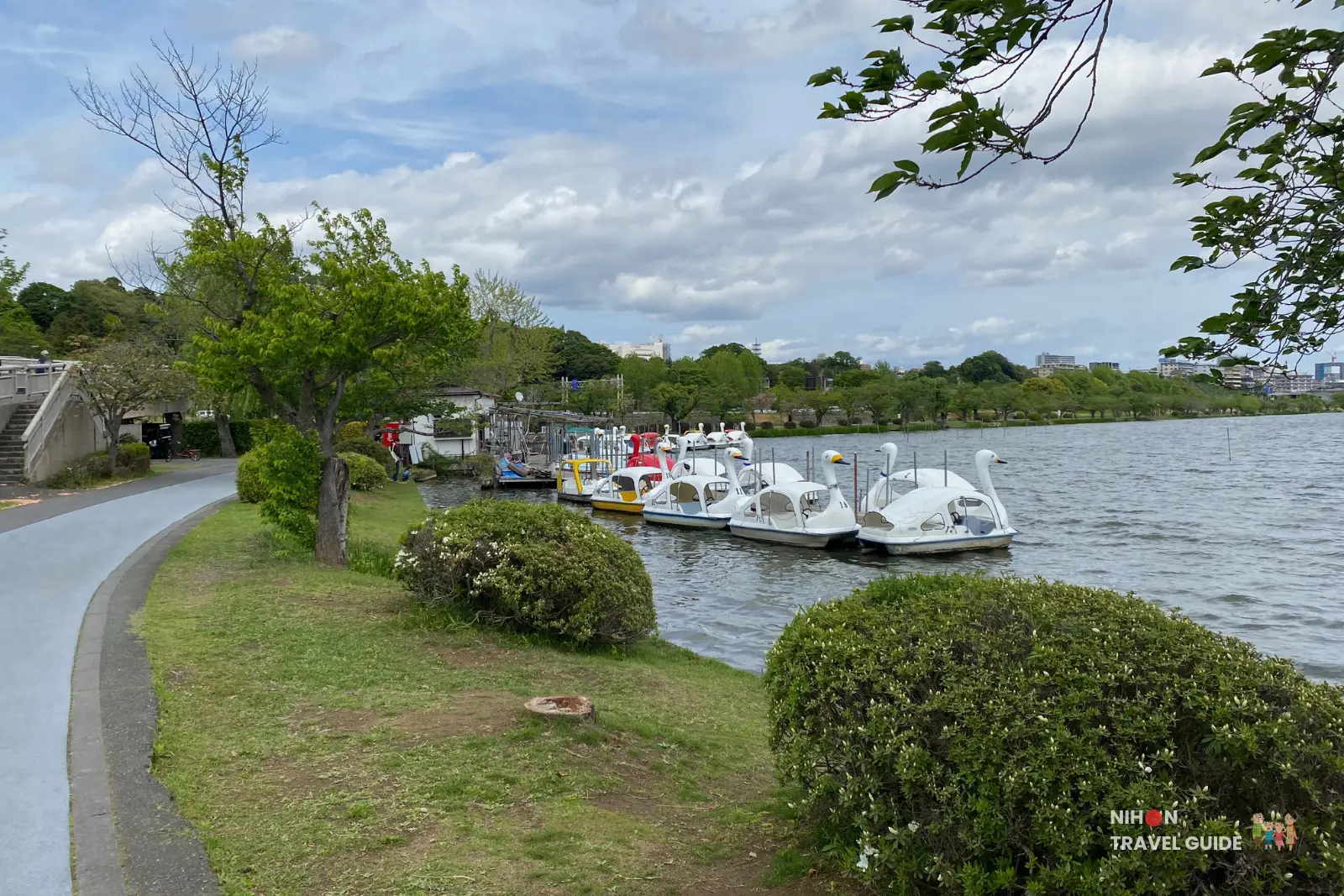
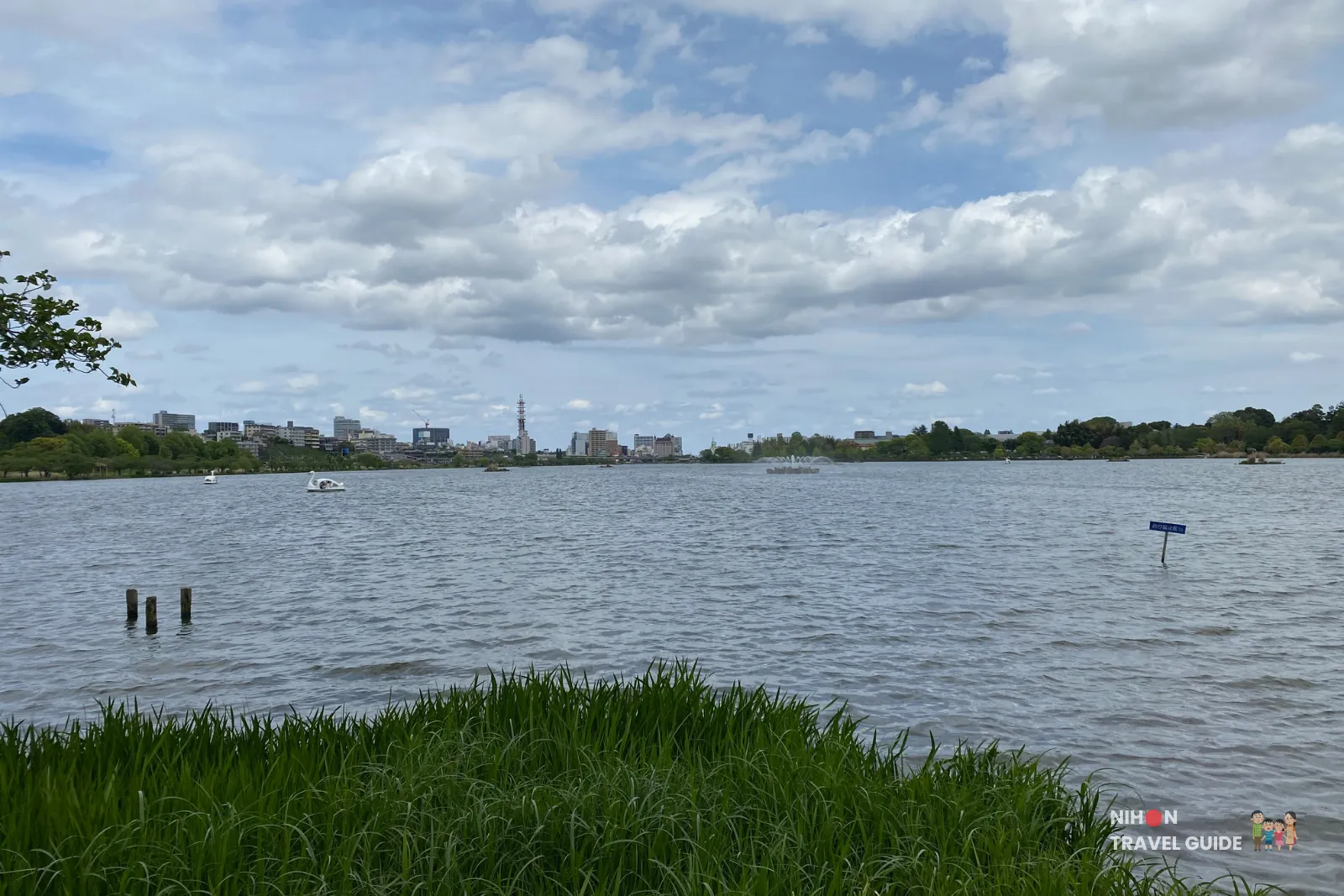
Just across the road from Mito Kairakuen is Lake Senba & Mito Kobun Terrace. Lake Senba is a big lake mostly where the locals go to exercise, relax, ride swan boats and relax with their family. The annual plum blossom festival is also held there.
New for 2026 is Mito Kobun Terrace, a shopping complex with cafes, restaurants and shops. It has certainly breathed new life into the area as there is generally more to do at the lake.
For a more in-depth look at Lake Senba, Mito Kobun Terrace, and the surrounding attractions, check out our full guide: Lake Senba & Mito Kobun Terrace Complete Visitor Guide.
Art Tower Mito
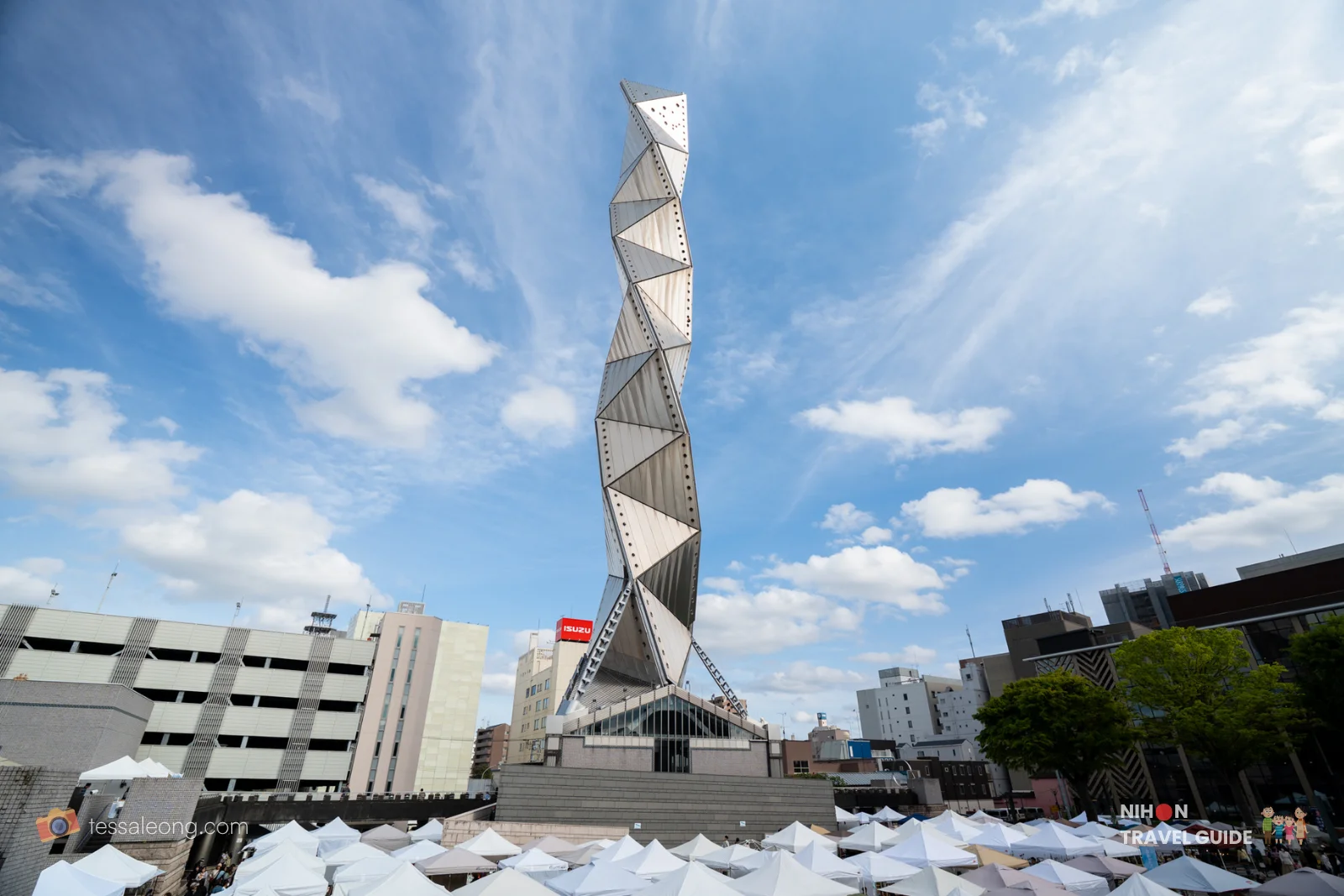
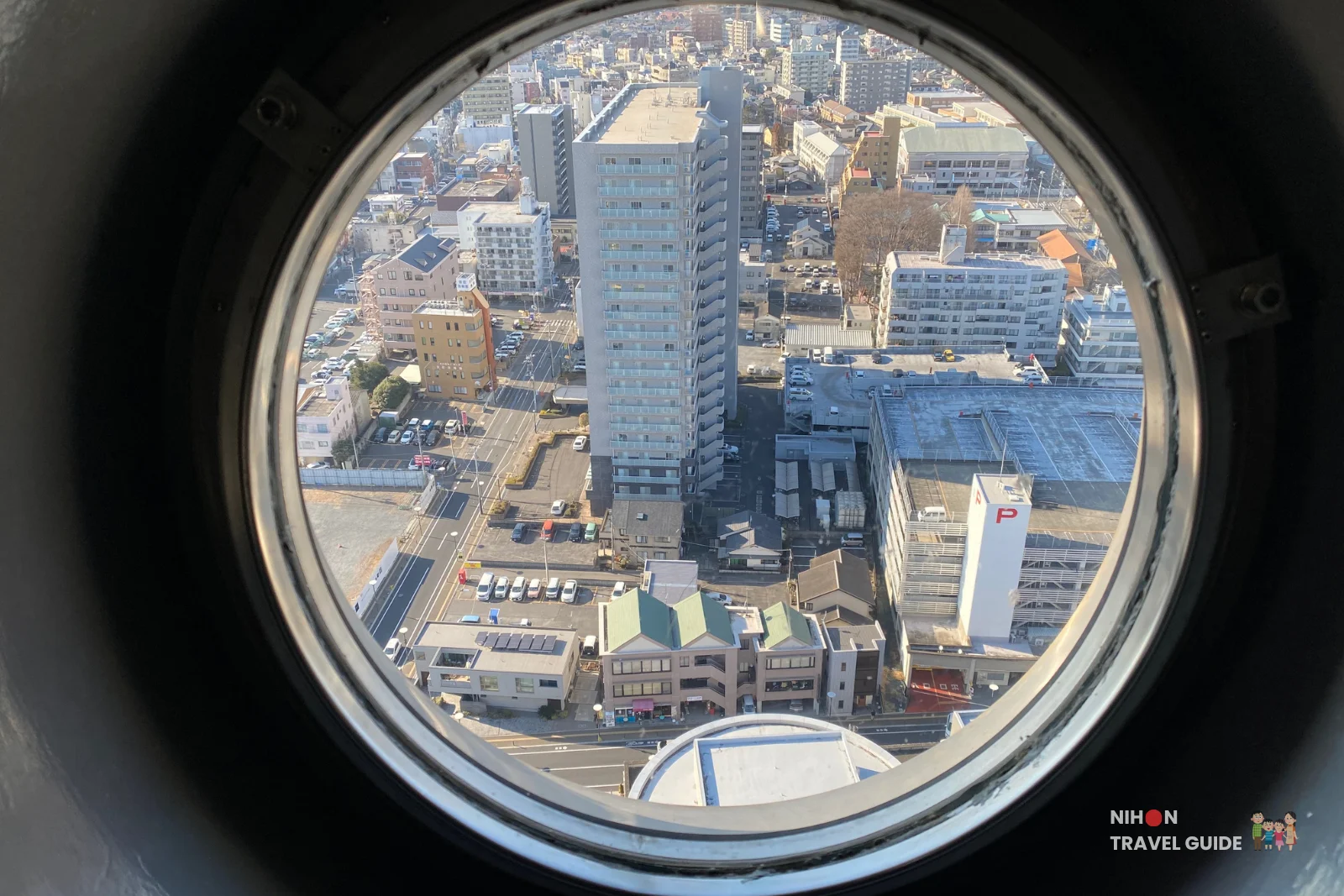
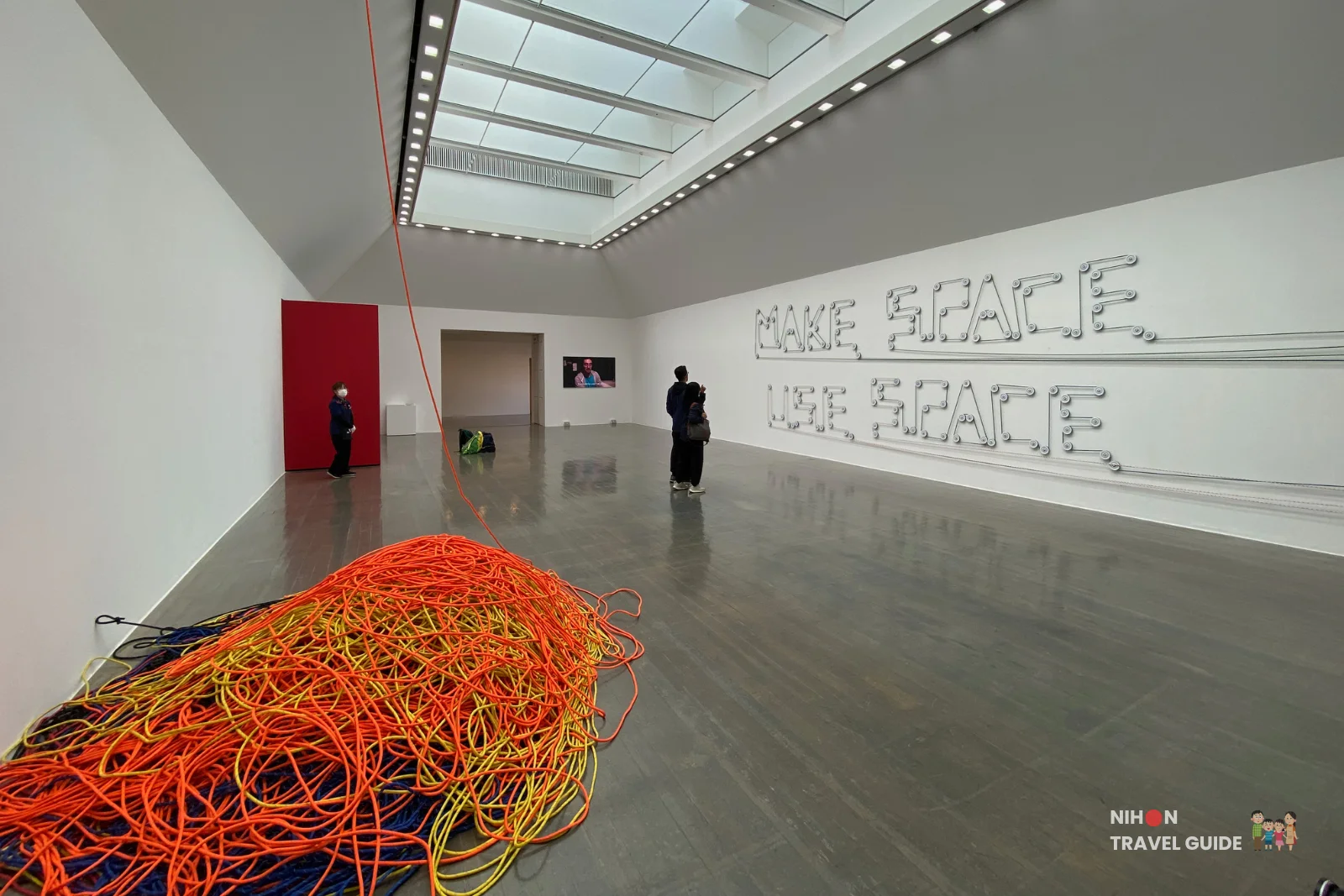
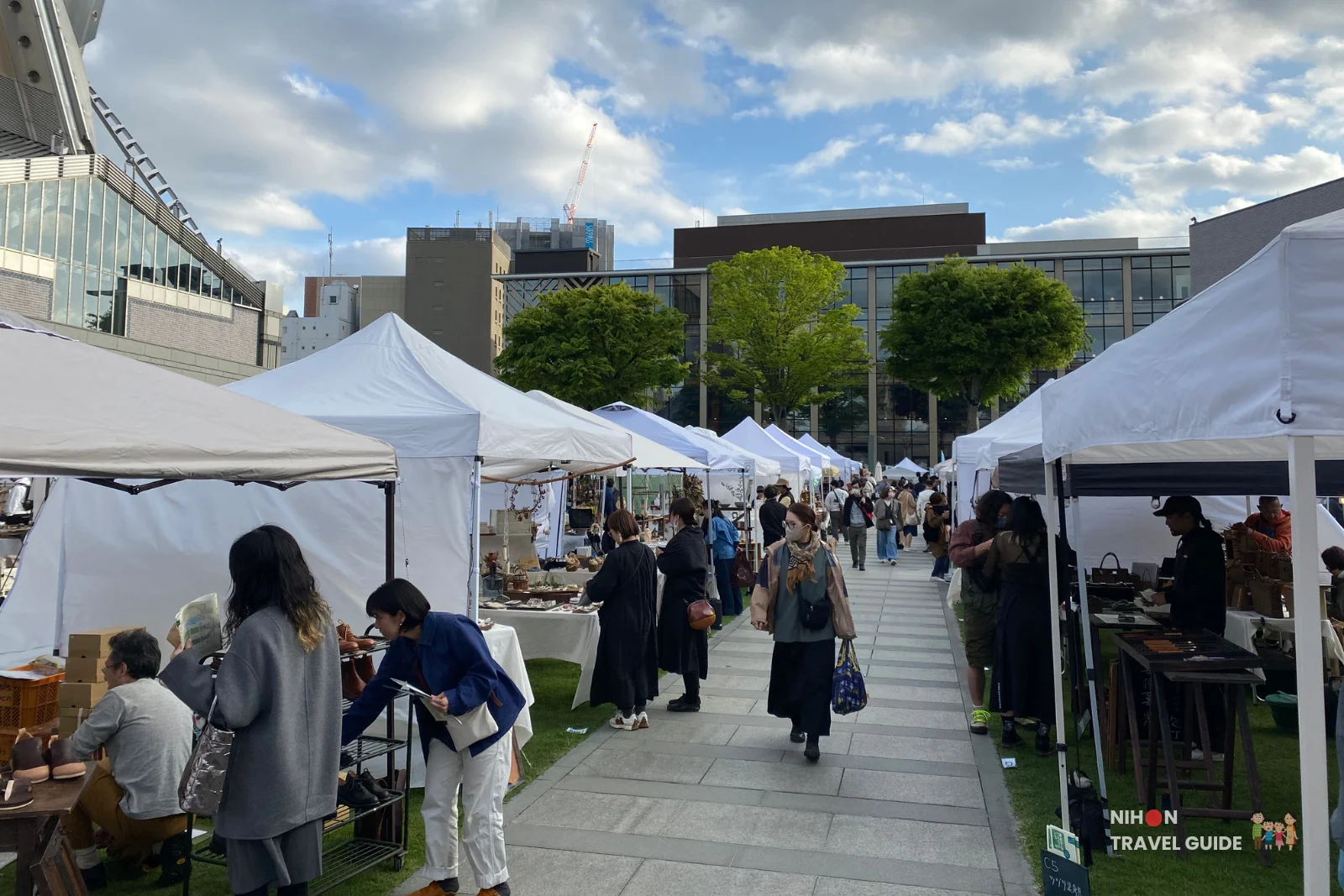
If you are travelling in the area you would probably have seen this striking tower in the middle of Mito City. That is Art Tower Mito, and it’s basically an observation deck with an artistic twist to it.
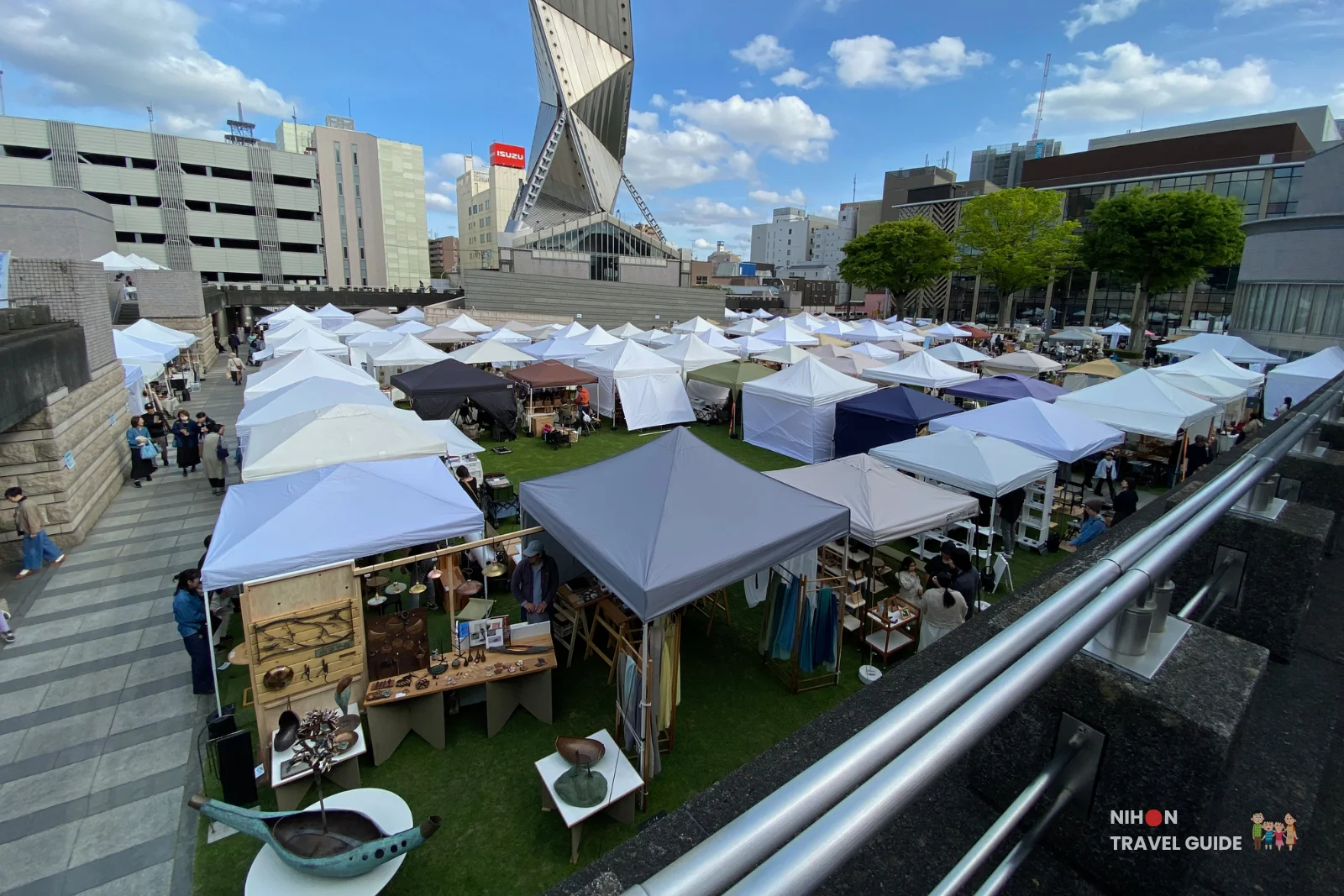
Beside it is an art gallery that features works from local artists. And on some weekends they hold crafts markets in the main lawn where local artists sell their crafts. There is live music, food and drinks and is the ideal way to experience Japan outside of the main cities.
Check out our visit to Art Tower Mito, the art museum and the arts and craft stalls.
Things to Do in Northern Ibaraki
Fukuroda Falls
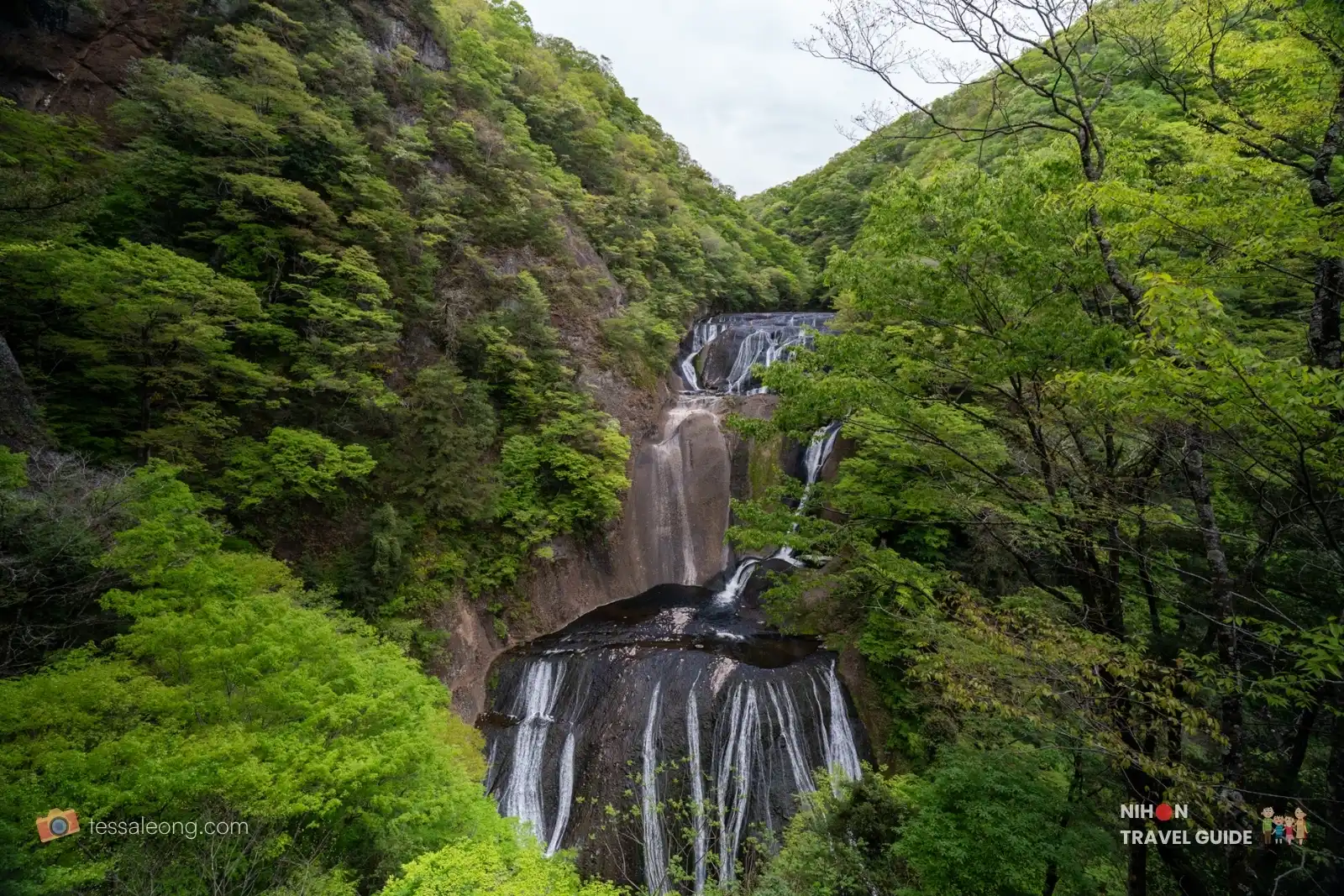
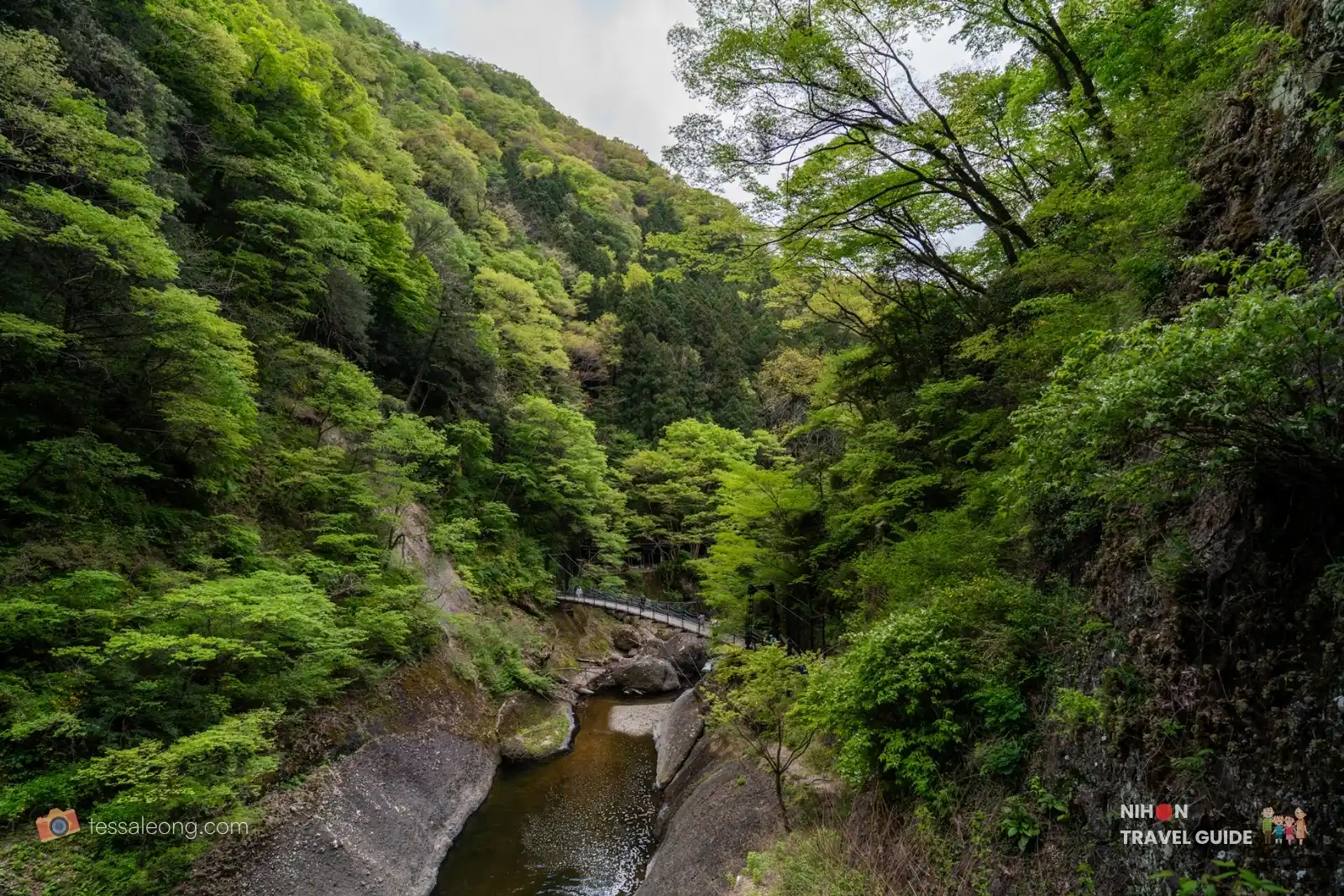
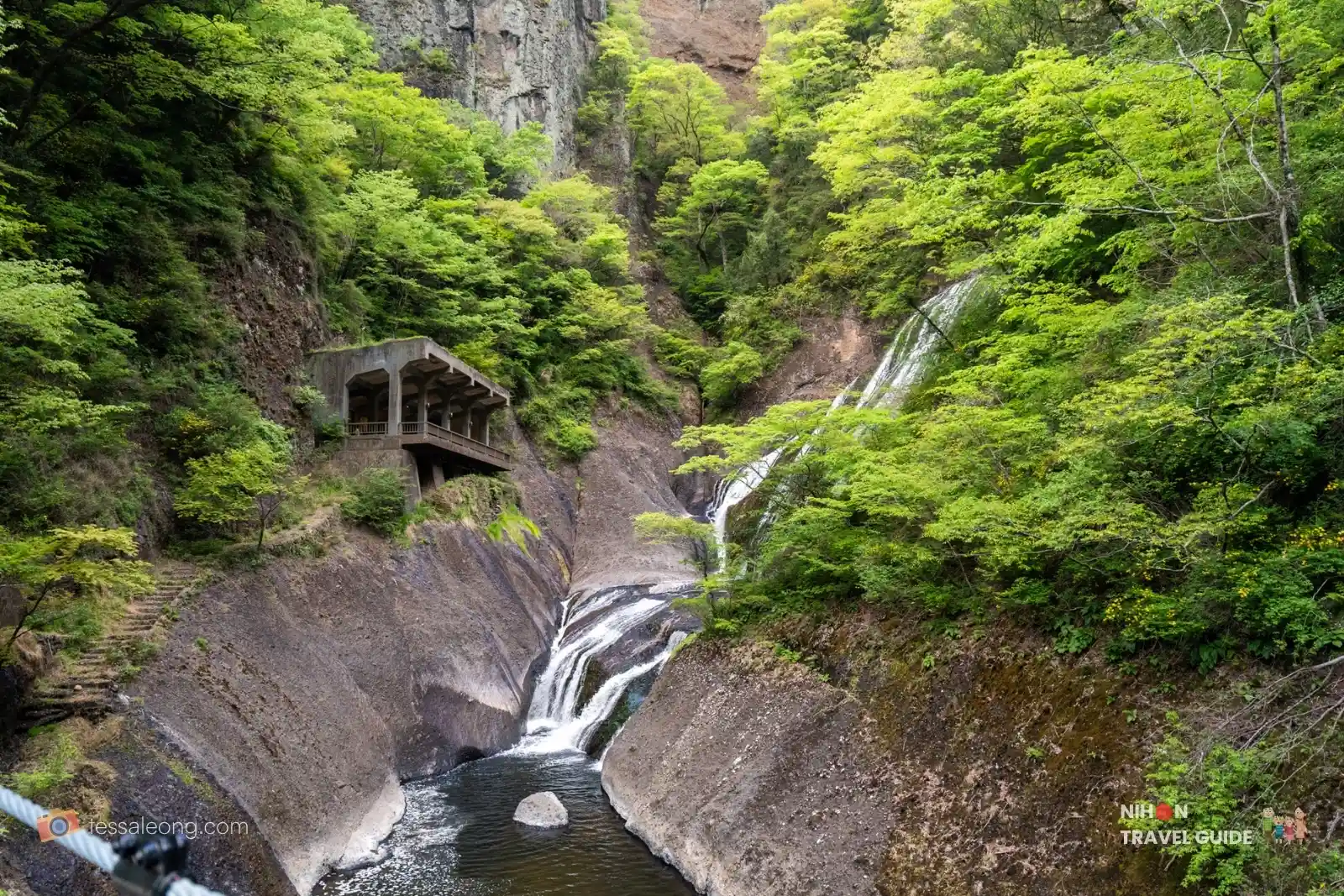
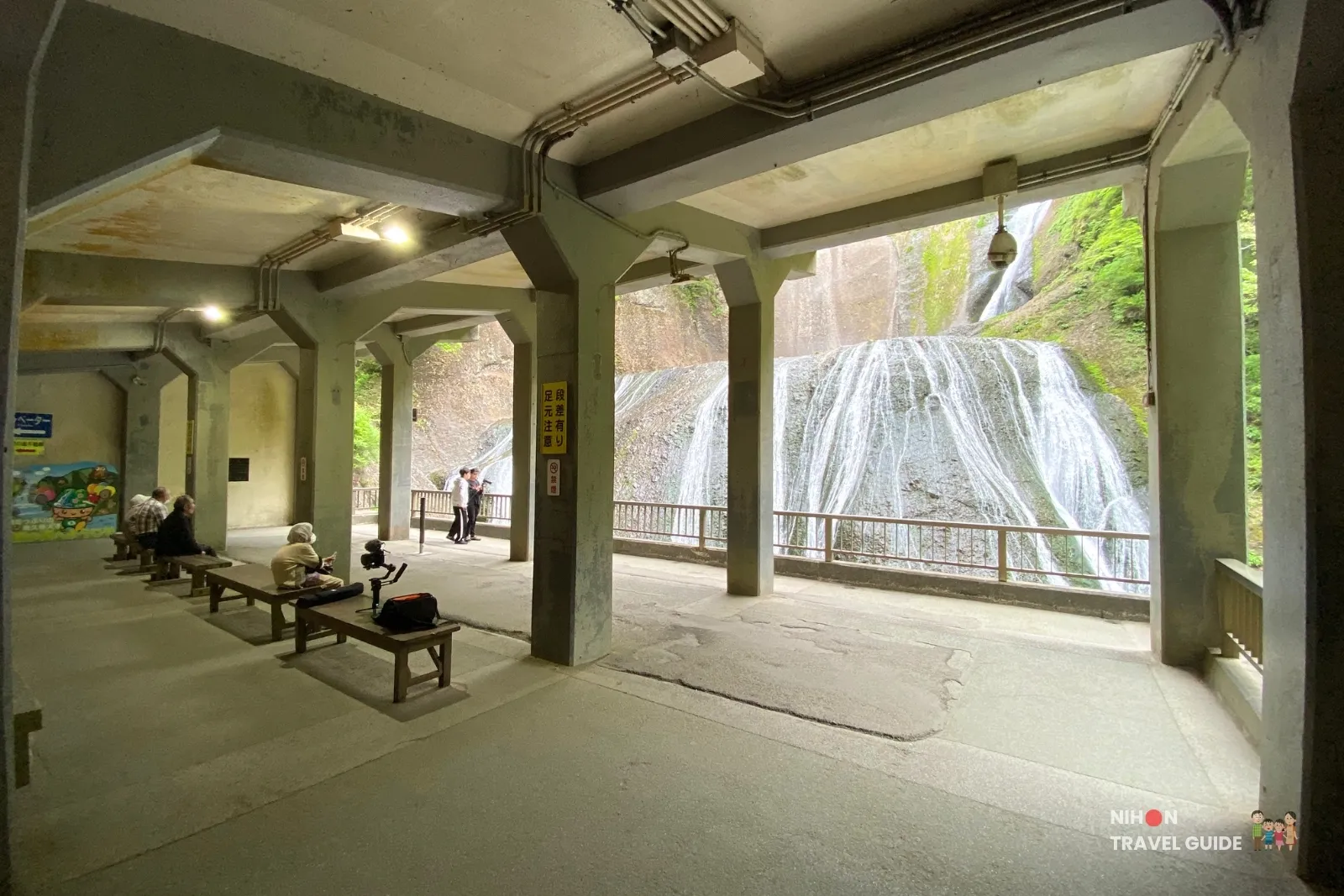
Fukuroda Falls is one of the three greatest waterfalls in Japan and it’s one of those places where the photos don’t do it justice. The waterfall is split into different levels and there are observation decks for those areas.
Visiting in Autumn gives you the beautiful Autumn foliage with the waterfall, and visiting in Winter gives a really unique experience where the waterfalls are icy and frozen in place.
Check out our experience visiting Fukuroda Falls, the different observation decks, and the best places to take photographs.
Where to Stay in Ibaraki
R9 The Yard Tsukuba & Hitachinaka
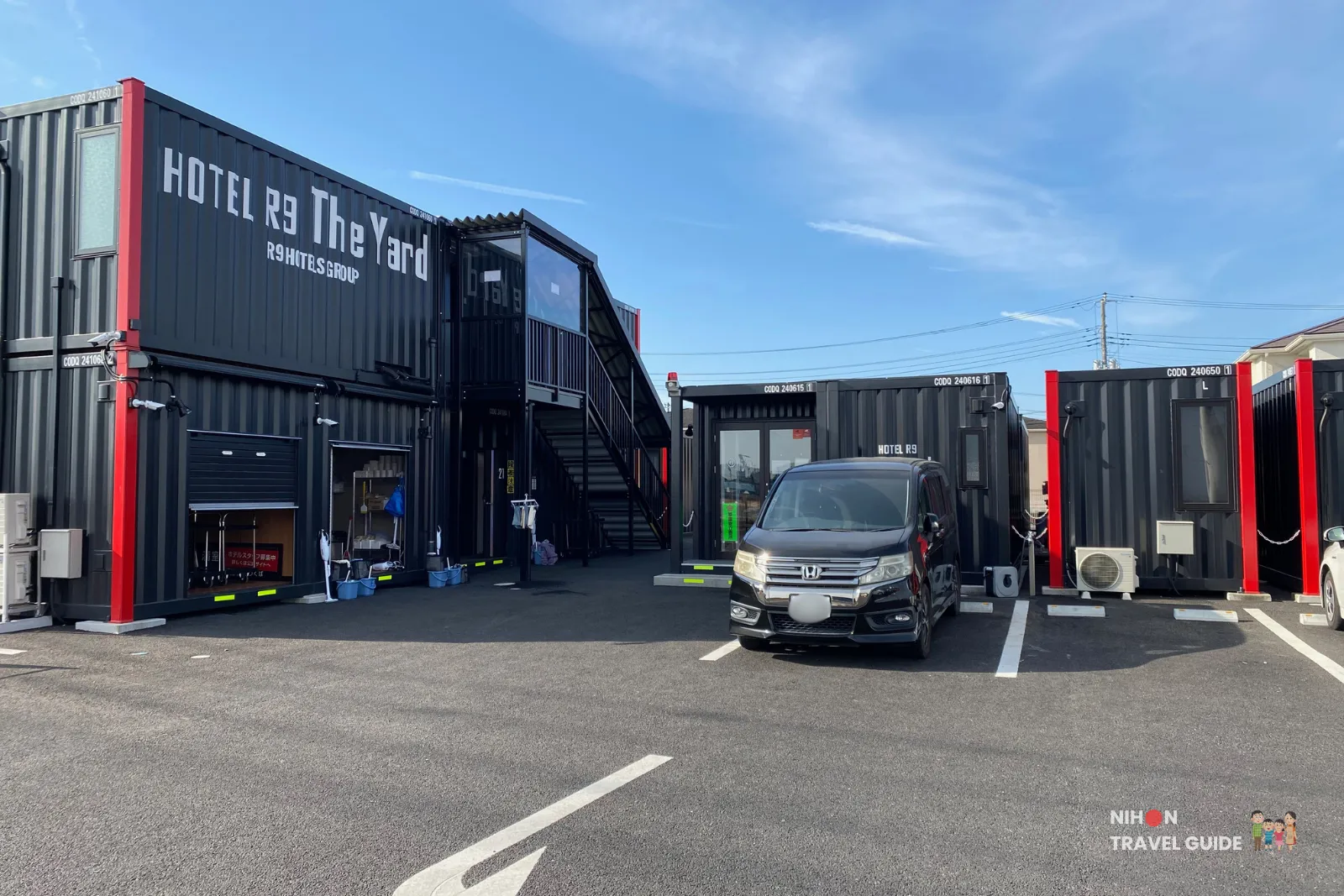
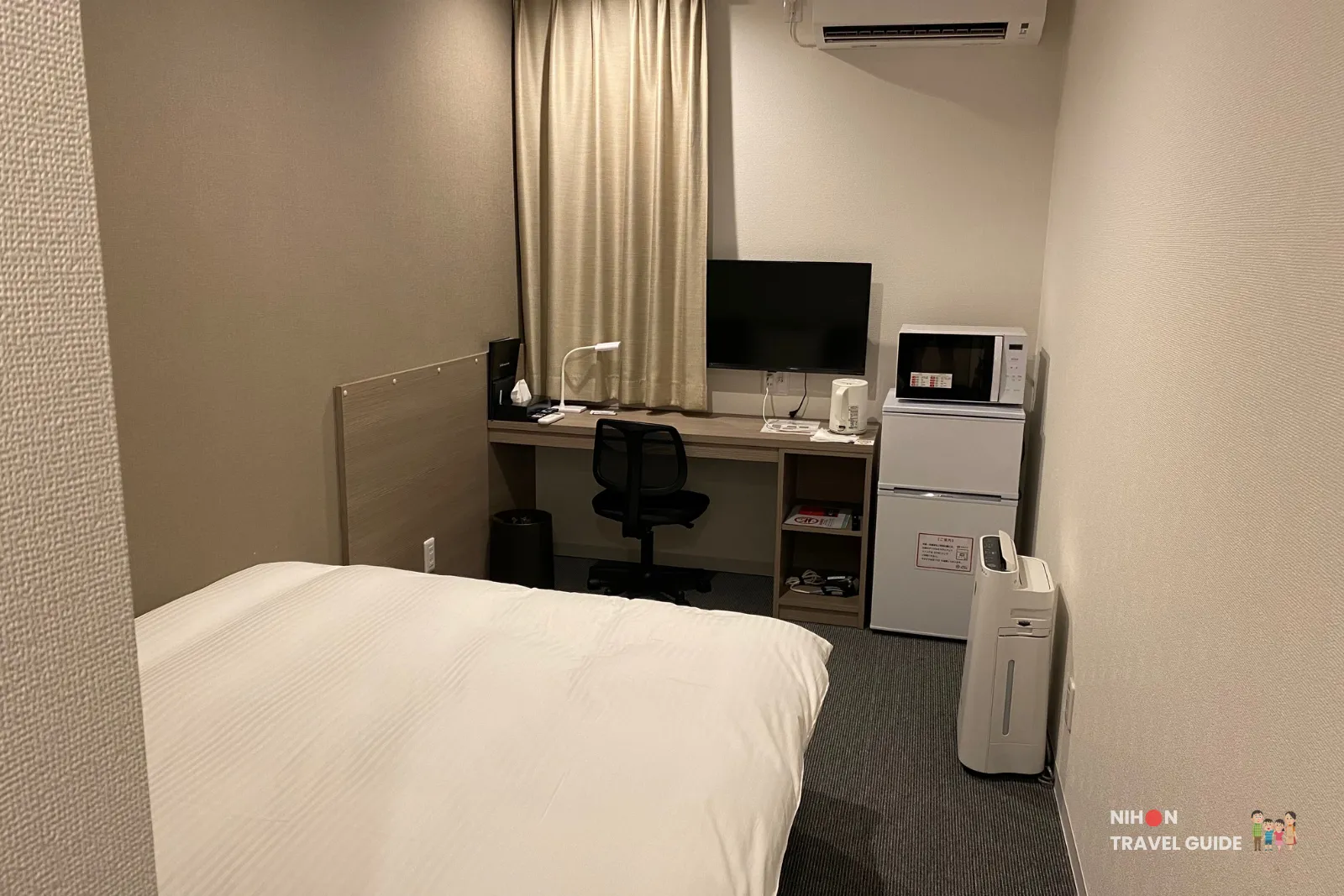
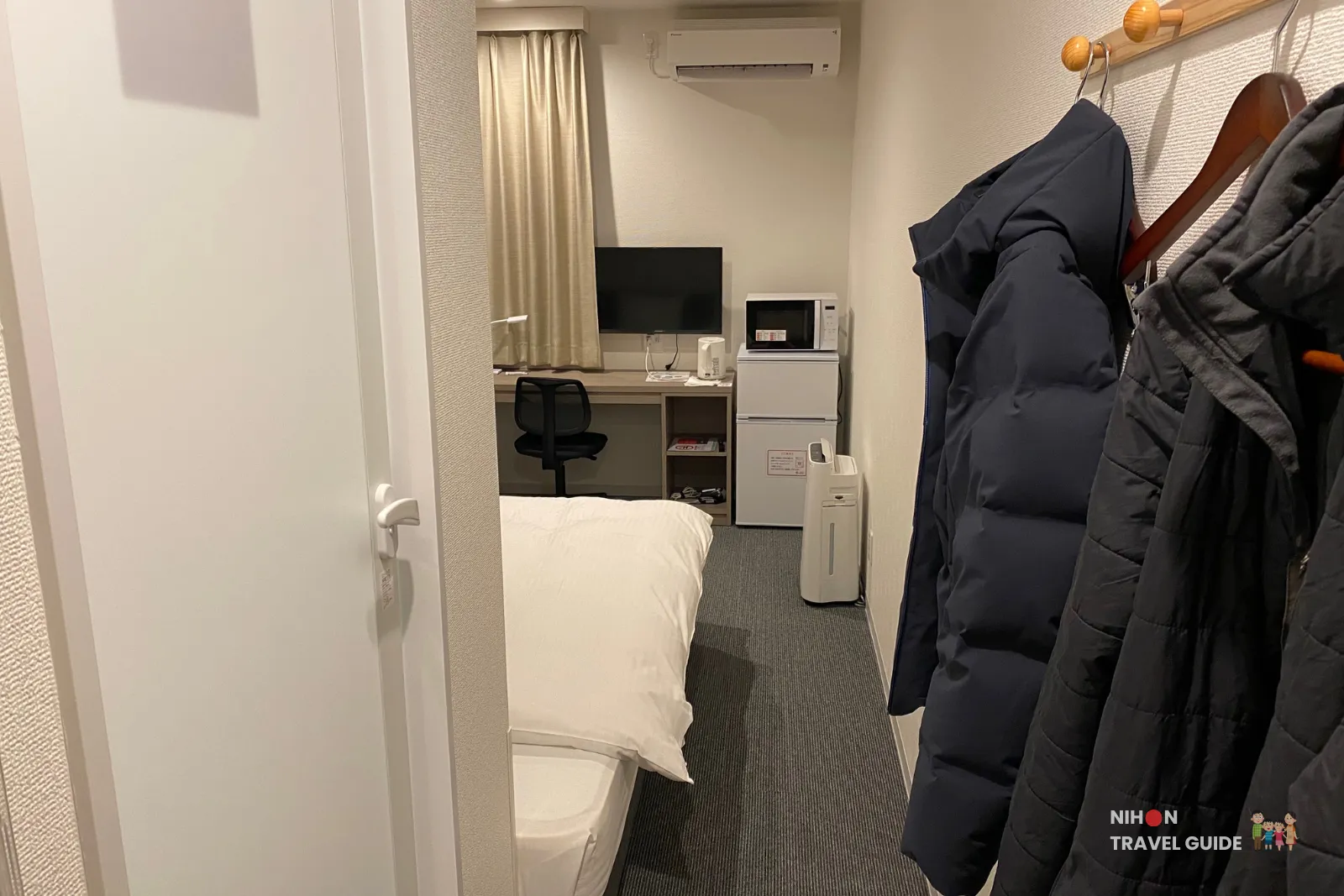
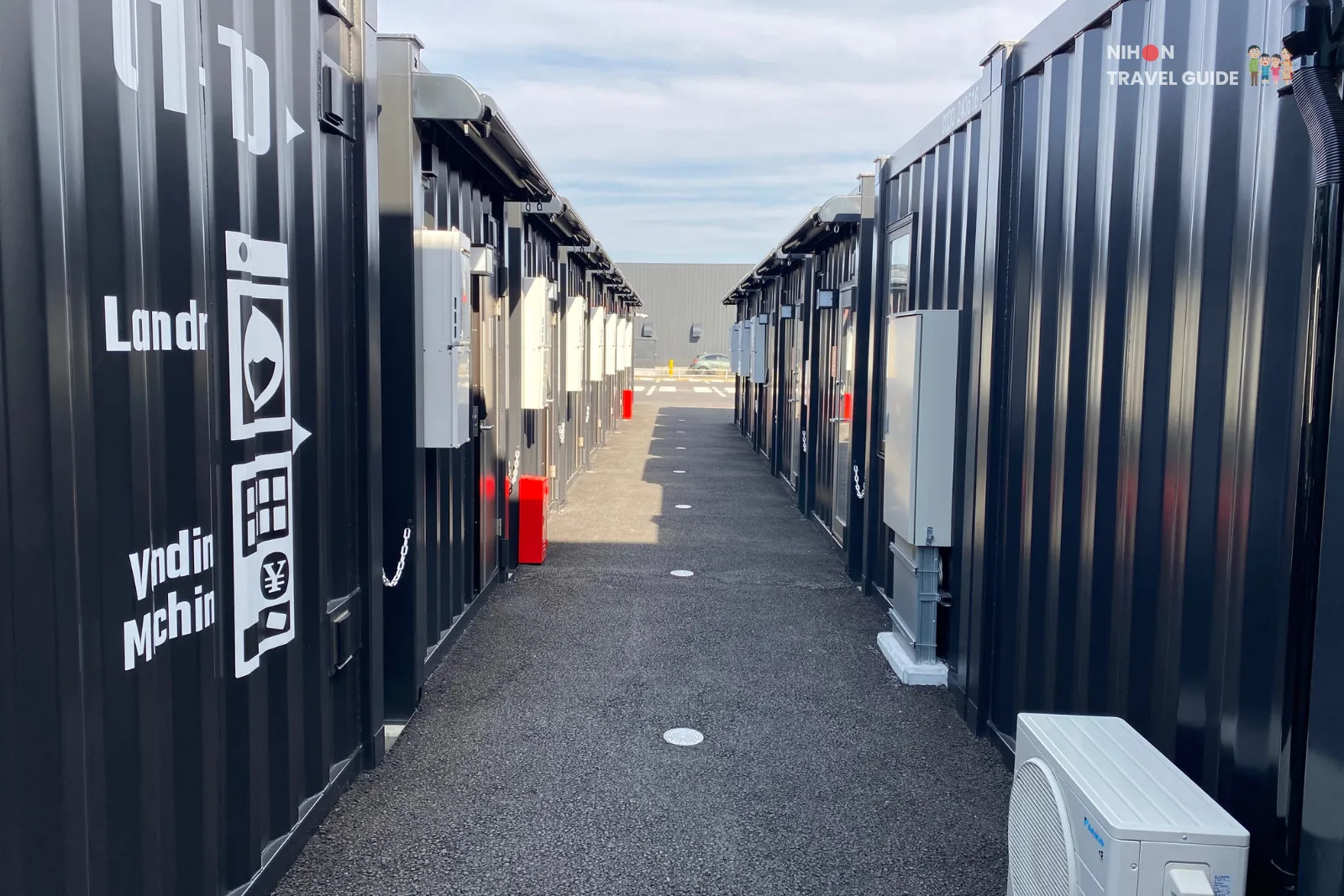
There are plenty of hotels you can stay at in Ibaraki, you can expect to find mostly 3 star-ish hotels that are slightly aged. 4 star hotels are really rare so don’t be expecting the Grand Hyatt in every city.
For me I tried staying at R9 The Yard Hotels, they are a container like hotel chain in Japan that has shipping containers as hotel rooms. I tried it as a novelty but soon realised that it is a really affordable, utilitarian business hotel. They are also newer than the average hotel you can find in Ibaraki, and for that price it makes it worth it for me.
However they tend to be slightly further from city centers so you will need a car to access them.
Check out our experience staying at R9 The Yard Tsukuba & Hitachinaka, including room pricing, details and tips.
Is Ibaraki Worth Visiting?
Ibaraki is not the most flashy or not always the most Instagram worthy location in Japan. But there are lots of really interesting and some outright beautiful places that you would miss if you don’t look this way.
If it’s your first trip to Japan, Ibaraki may not be for you just yet as you would want to see all the touristy mainstream bits of Japan. If you have been to Japan many times, want to look for something different and want to see where the locals go, then Ibaraki is definitely for you.

Written by
Timothy Leong
Timothy is a Singapore-born, Japan-based digital marketer turned hidden-gem hunter. After ditching spreadsheets for Google Maps, he now lives full-time in Japan, chasing quiet towns, real ramen, and off-grid train routes. Every photo and tip on Nihon Travel Guide is 100% his — no AI, no fluff, no Tokyo Tower.
More about Timothy →