A trip down memory lane, hands-on science exhibits, great for kids and families.
TL;DR – Tsukuba Expo Center is worth it if you visit JAXA Space Museum too.
- ¥600 for adults and takes about 1.5 to 2 hours to explore — add 50 minutes if you catch a Planetarium show.
- Three exhibition halls covering interactive science, 1985 World Expo memorabilia and future technologies.
- The Planetarium has English earpiece narration available.
- Best visited as part of a Tsukuba science day combined with JAXA Tsukuba Space Center — not worth a standalone day trip from Tokyo.
Disclaimer: I am not sponsored for this post. I decided to visit Tsukuba Expo Center because it looked interesting.
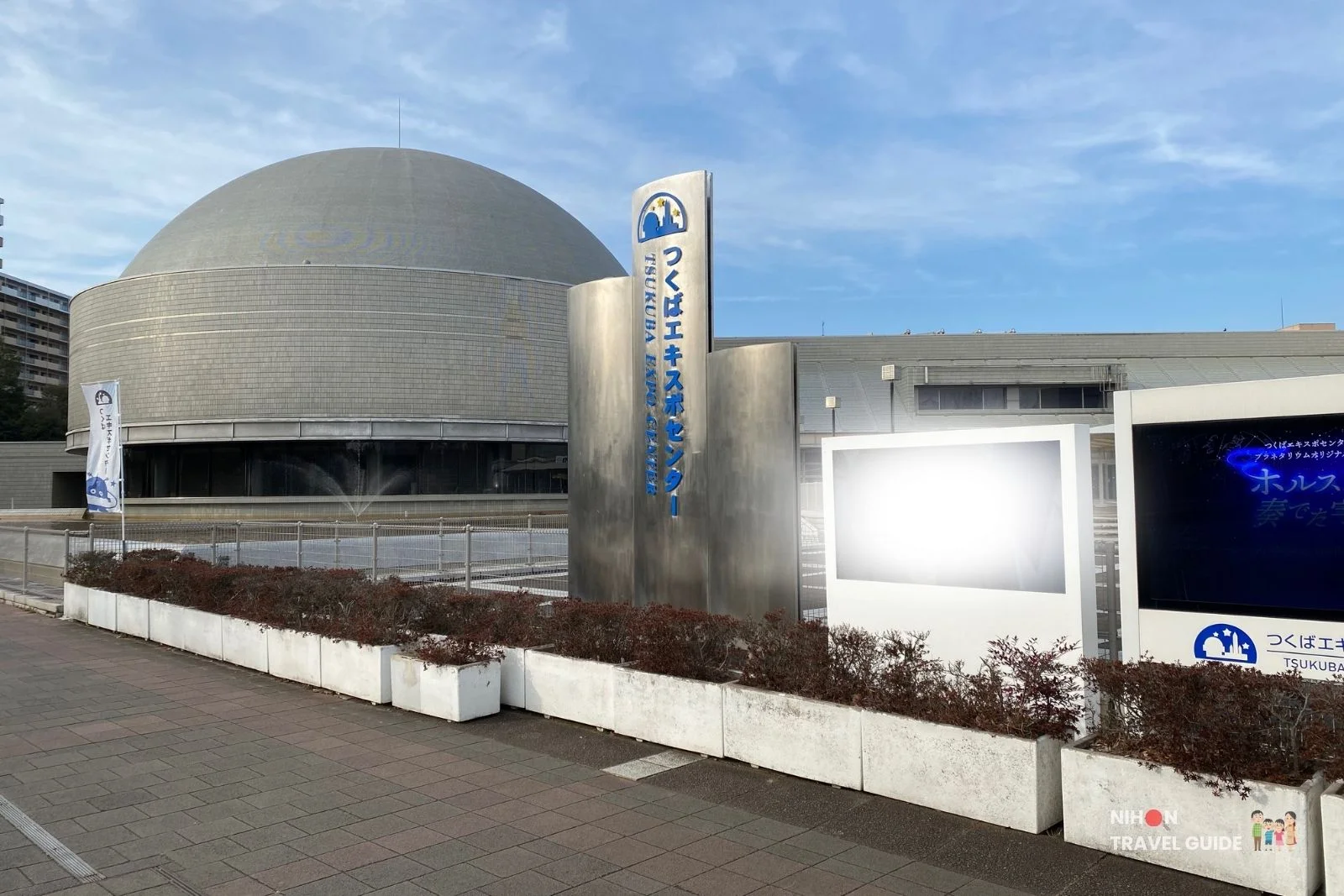
In Feb 26 I visited the Tsukuba Expo Center and it’s a little bit like entering a time machine back to 1985 because it was full of exhibits and memorabilia that were carefully preserved from the World Expo back in 1985.
Back in 1985, the Tsukuba Expo Center held the World Expo with the theme of “Dwellings and Surroundings – Science and Technology for Man at Home”. Exploring how science and technology could improve everyday life.
In the present day, Tsukuba Expo Center is a hands on science museum that focuses on making science and technology fun and accessible through interactive exhibits. Visitors can “see, touch and enjoy” topics like universe, deep sea, energy and future technologies.
Anyway, I will let you know what my experience was like visiting Tsukuba Expo Center, how it compares to JAXA Space Museum, and why you might want to consider visiting it.
- How to Get to Tsukuba Expo Center
- Tsukuba Expo Center Tickets
- Tsukuba Expo Center Opening Hours
- Fun Science Zone Exhibition Hall
- 1985 Tsukuba Expo Exhibits
- Exhibition Hall Second Level
- The Planetarium
- Outdoor Exhibits
- Science Museum Gift Shop
- H-II Rocket Exhibit
- Sakura Minka-En
- Some Tips
- Is Tsukuba Expo Center Worth Visiting?
- Tsukuba Expo Center vs JAXA — Which Should You Visit?
- Combining with Other Tsukuba Attractions
- Tsukuba Expo Center + JAXA Space Center Itinerary
- Where to Stay Nearby
All photos on this page are mine, shot on an iPhone 11 pro.
How to Get to Tsukuba Expo Center
So there are two main ways to get to Tsukuba Expo Center:
Tsukuba Express
The first way is to take the Tsukuba Express from Akihabara Station to Tsukuba Station. It will take about 1 hour 6 mins and cost you ¥1280. From Tsukuba Station it’s about a 5 minute walk to Tsukuba Expo Center.
Highway Bus つくば号 (Tsukuba-gō)
The other method is to take the Highway Bus つくば号 (Tsukuba-gō) from Tokyo Station (Yaesu South Exit) to Tsukuba Center. It will then be a short 5 minute walk to the Expo Center. It will take about 1hour 10 mins and cost you ¥1260. You don’t need advanced reservations and IC cards like Suica/PASMO are accepted.
Tsukuba Expo Center Parking
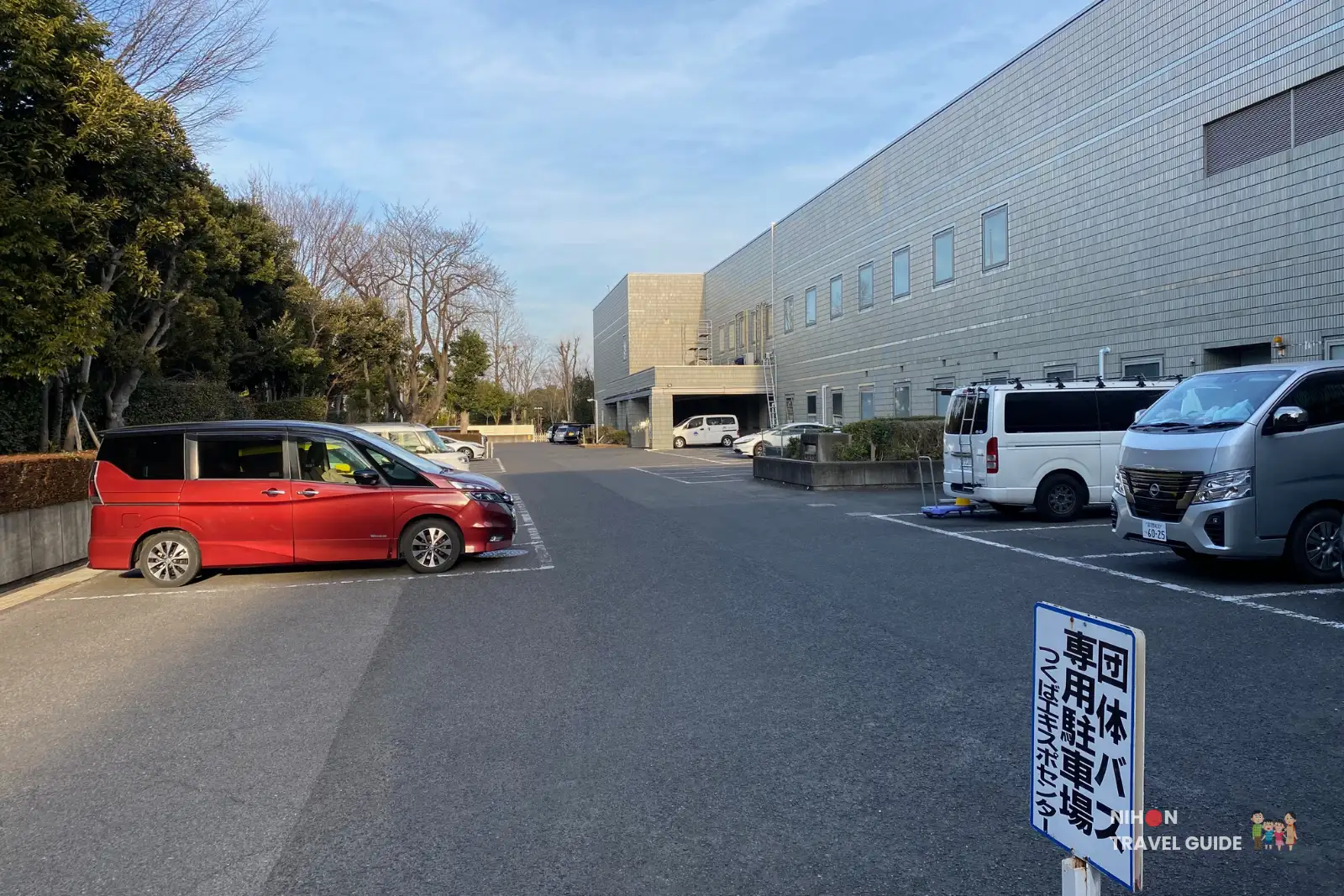
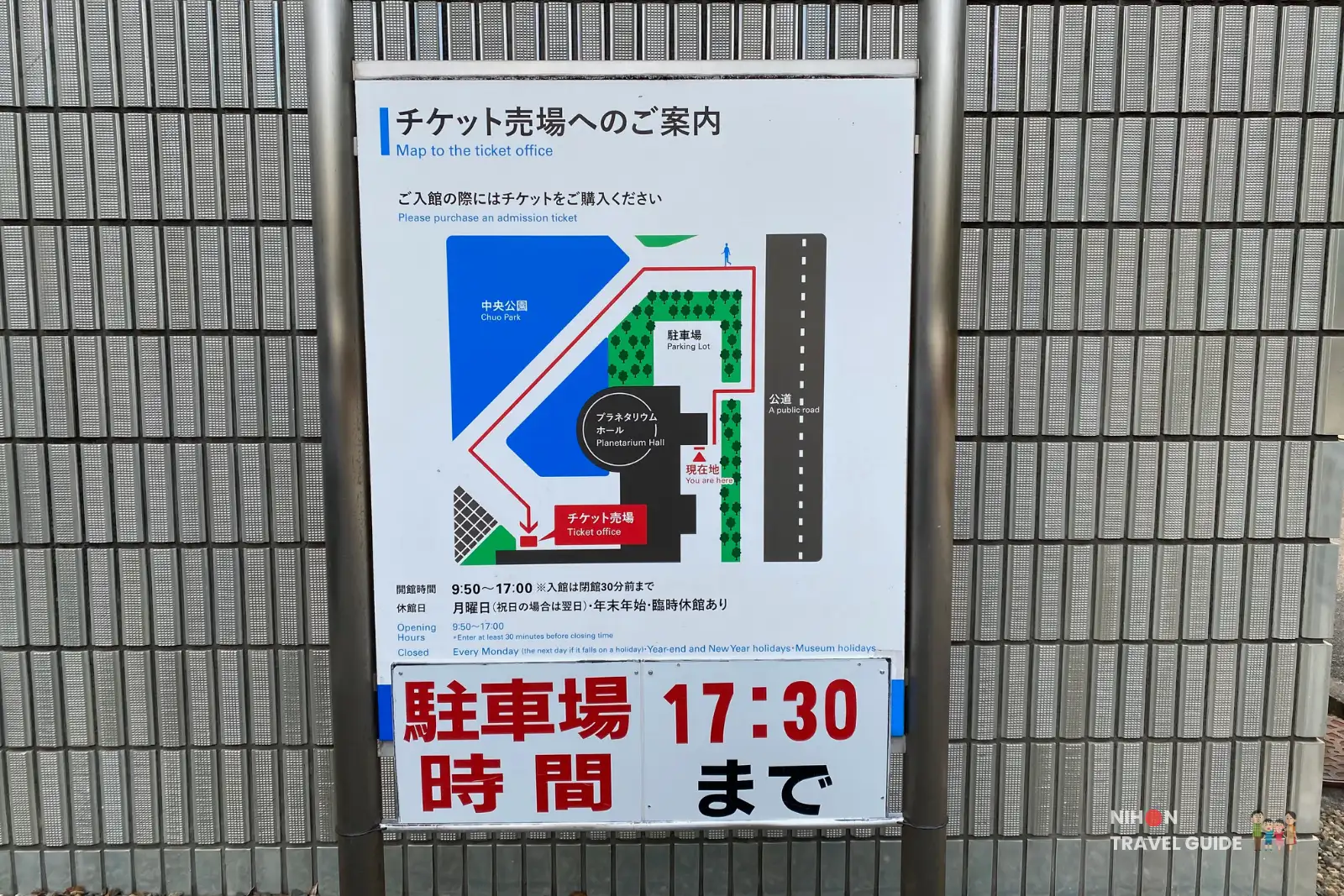
There is some parking at Tsukuba Expo Center that is free of charge. But it is at the back of the Expo Center and you will have to walk about 5 minutes to get to the entrance. There are signs that would guide you along the way.
Tsukuba Expo Center Tickets
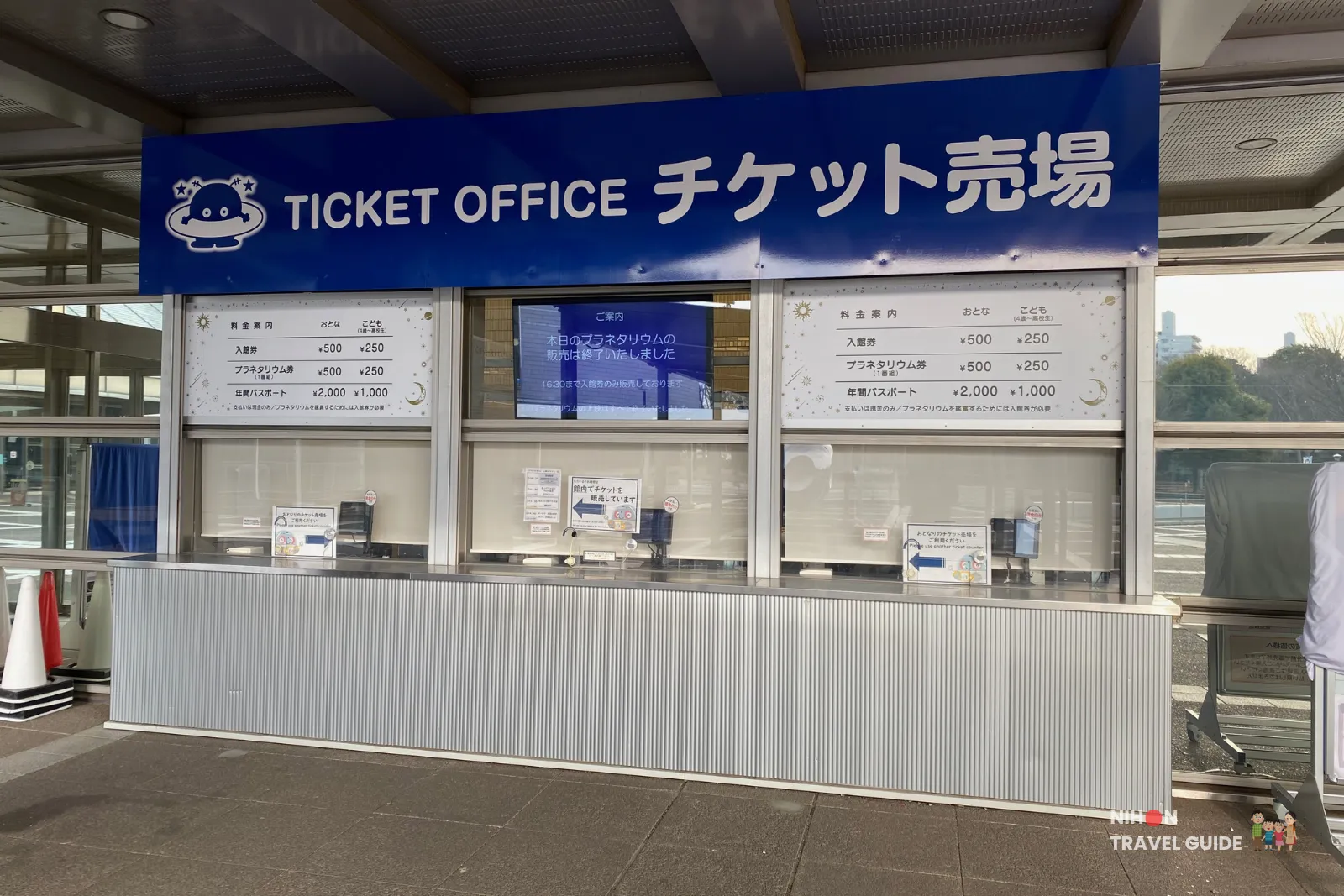
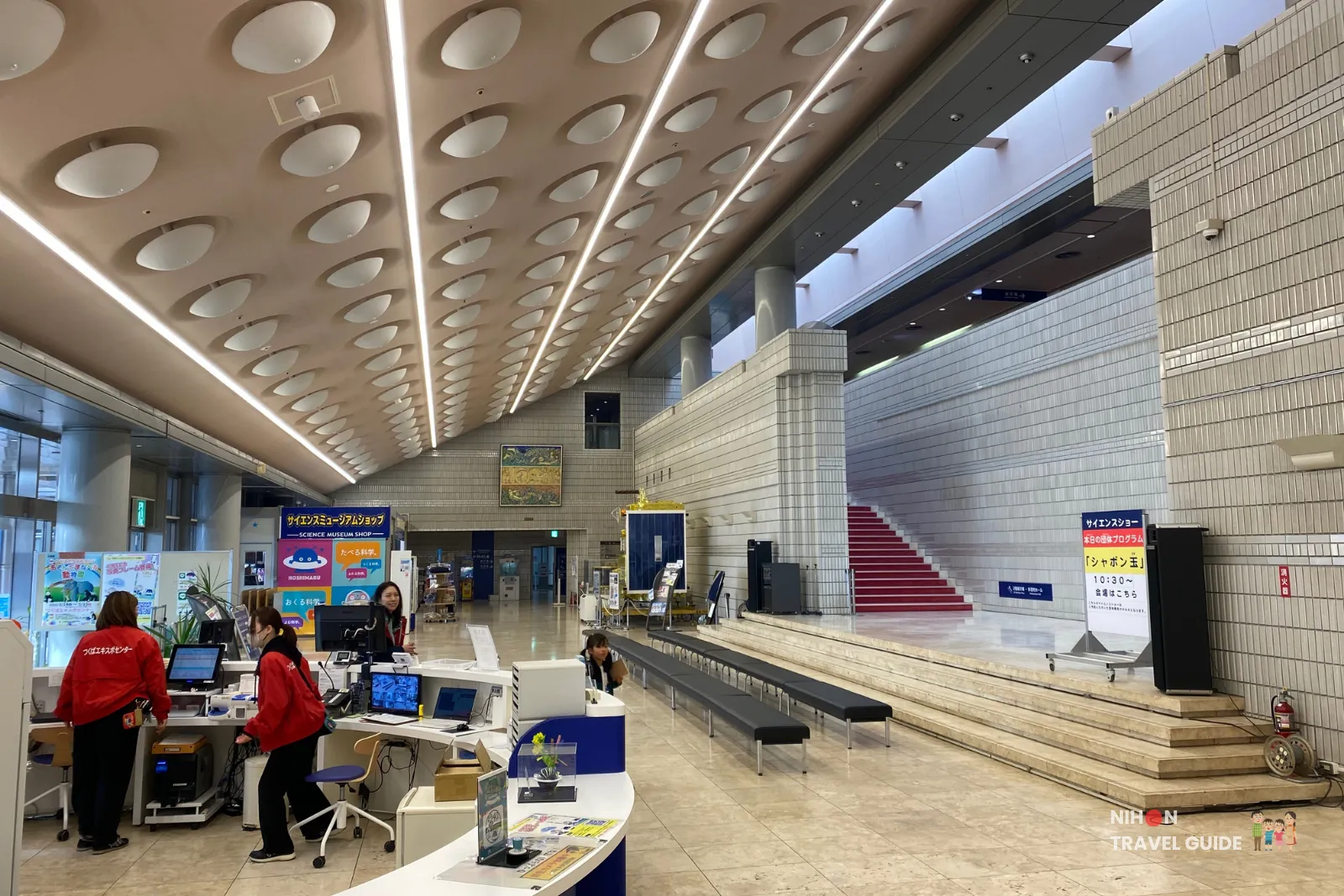
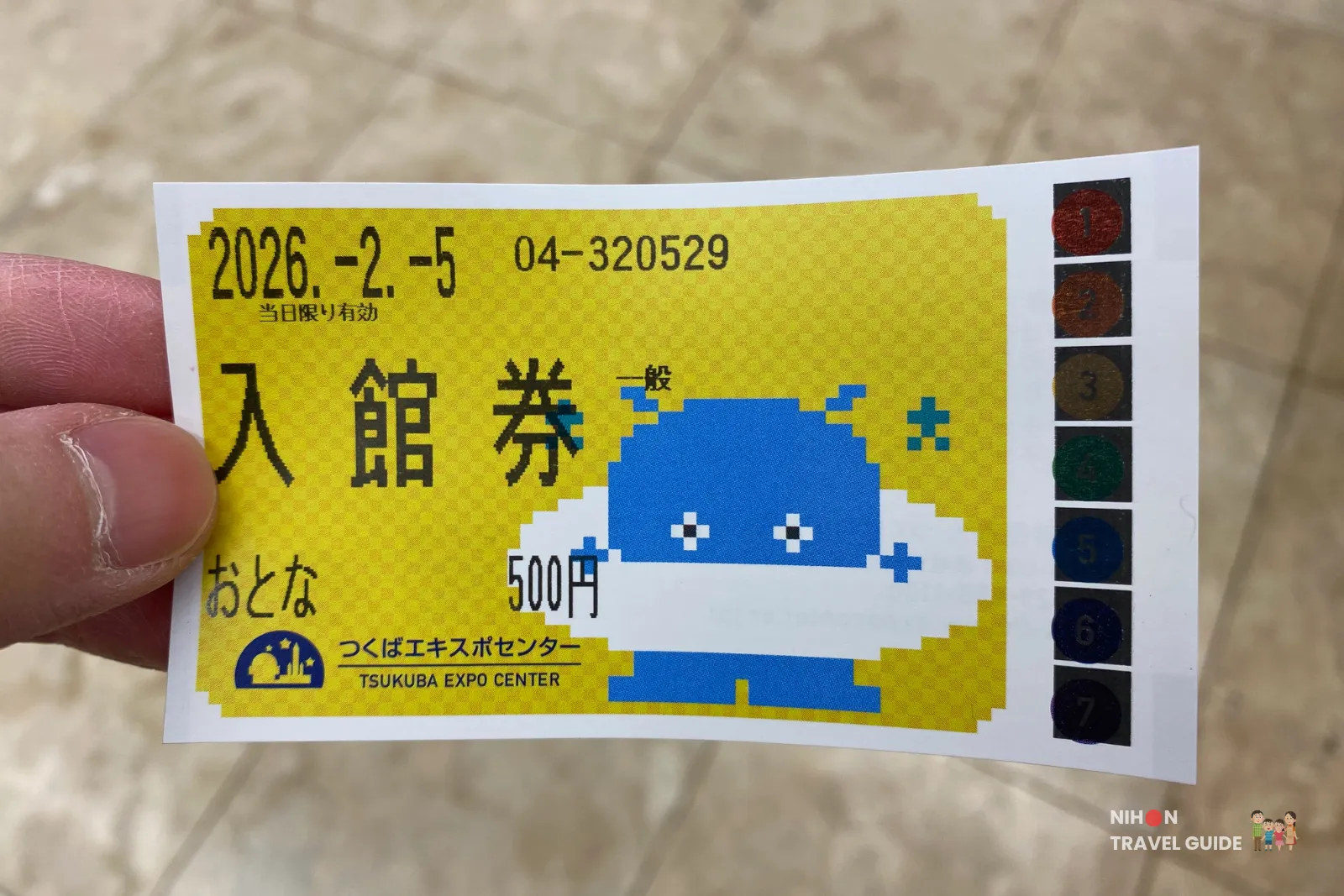
As of May 2026, tickets to the Tsukuba Expo Center & Planetarium have increased from ¥500 to ¥600. Take note as my pictures are slightly inaccurate as they increased it after I visited it.
Tickets to the Planetarium are separate, so you would need to buy both the General Admission Ticket and the Planetarium ticket if you would like to see the show.
Children under 4 years old don’t need a ticket.
You may re-enter the museum on the same day if you show them your admission ticket.
Tsukuba Expo Center Opening Hours
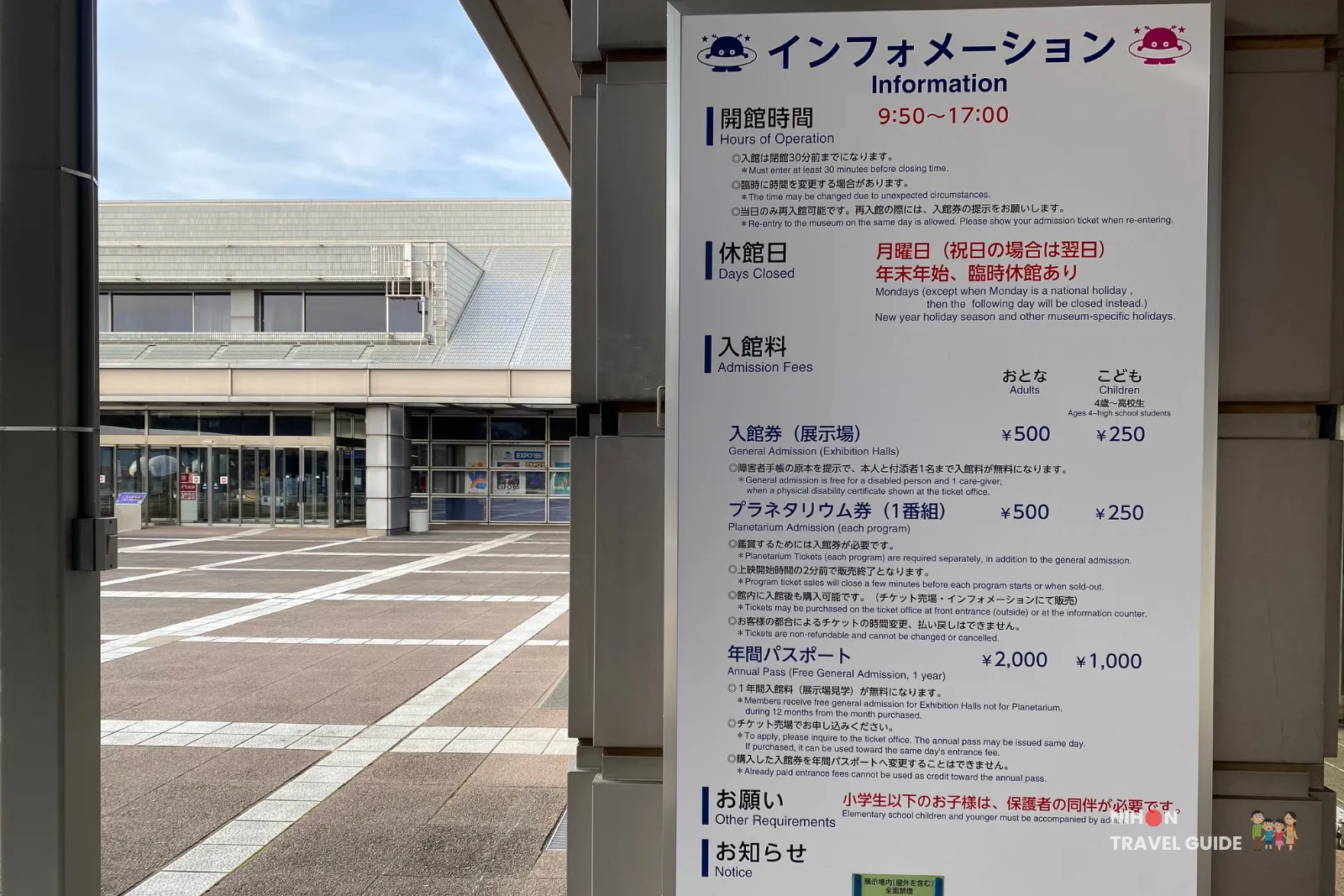
Tsukuba Expo Center is opened everyday from 9:50am to 5:00pm, with the last entry being 4:30pm. It is closed on Mondays, the following day if Monday is a national holiday, and other holidays.
Fun Science Zone Exhibition Hall
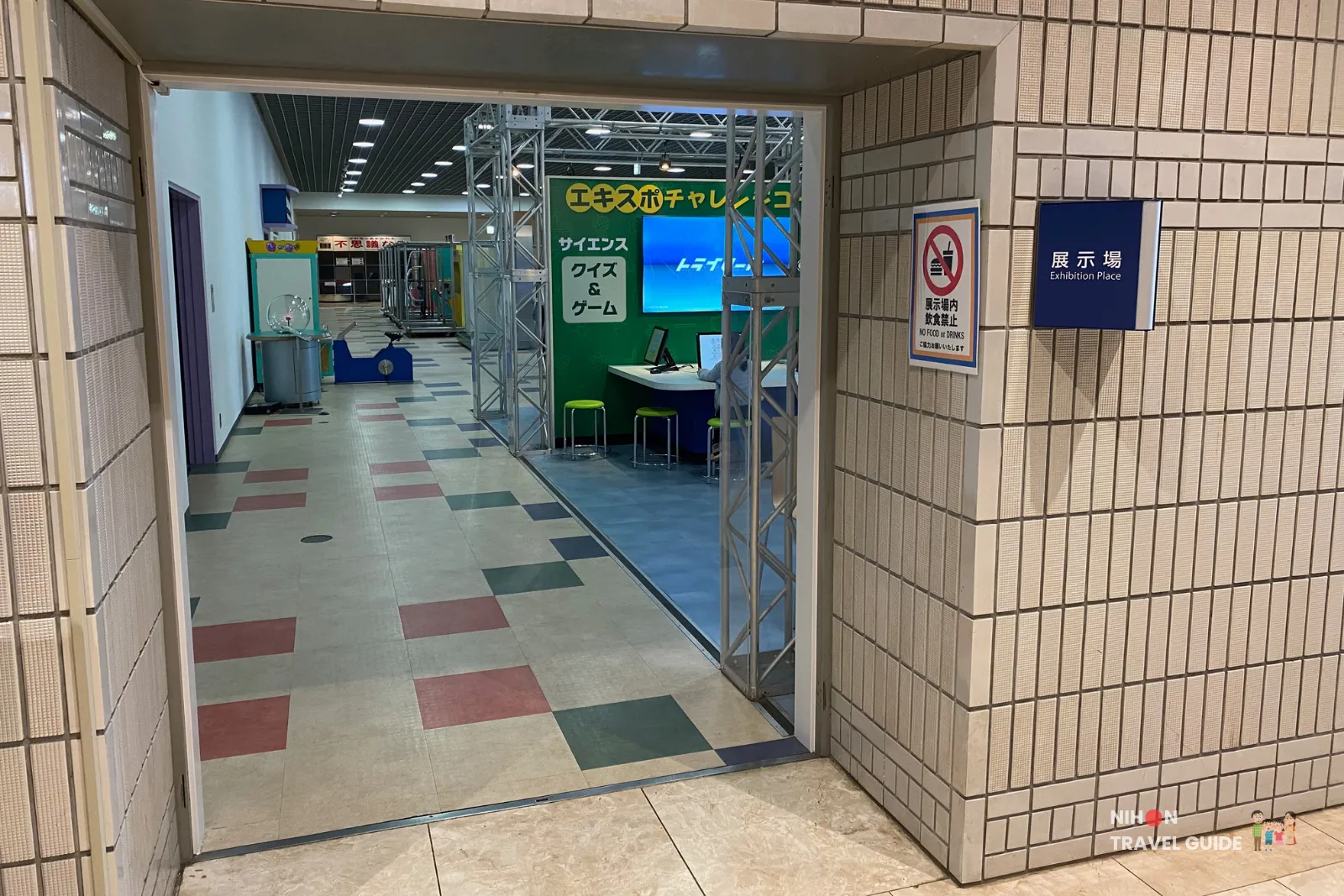
There are three main exhibition halls, the first one is on the first floor. This hall is the Fun Science Zone where a lot of the exhibits are interactive and I think are meant more for children and families to learn about science. There are things like melody pipes, quizzes on computers and a tornado maker.
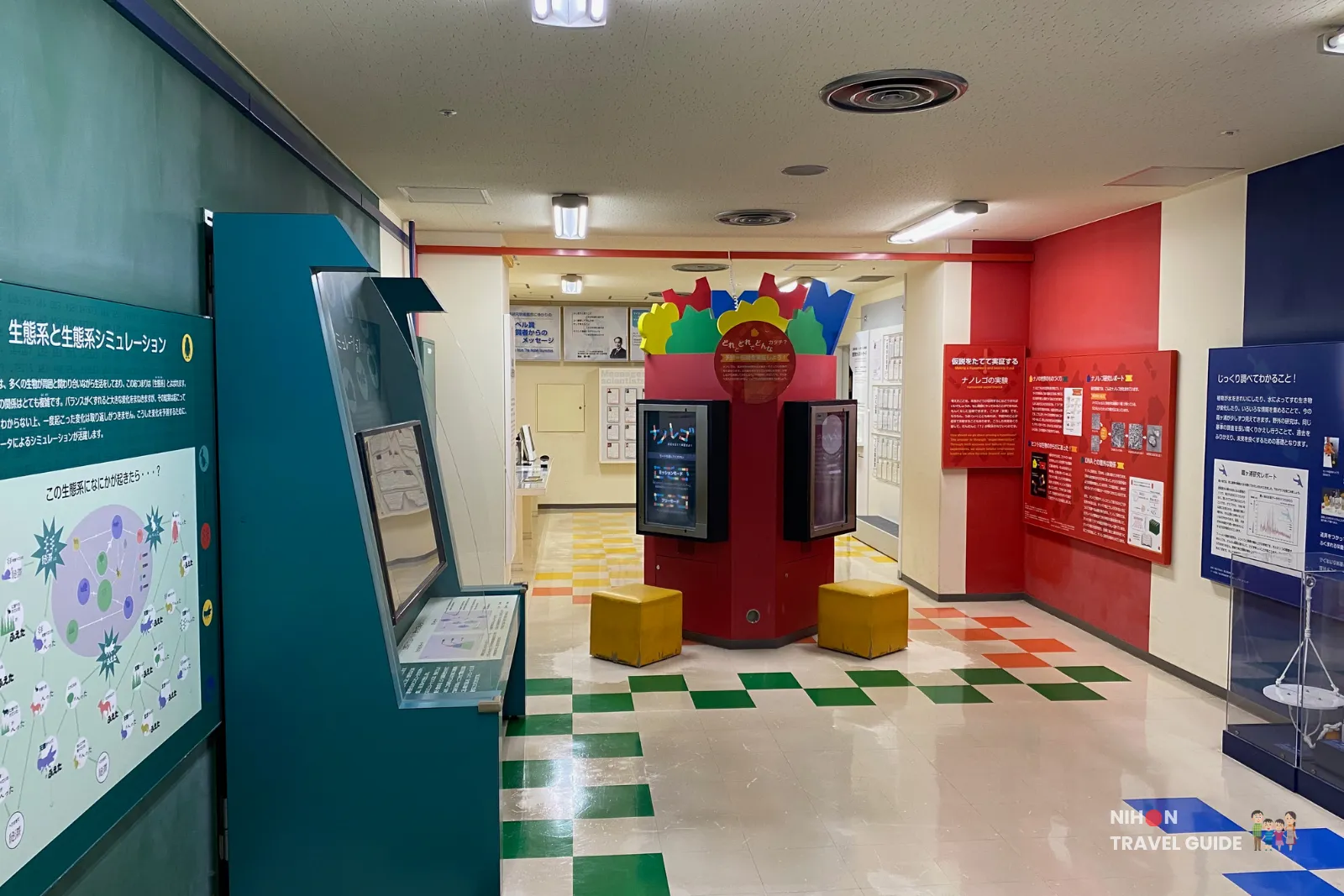
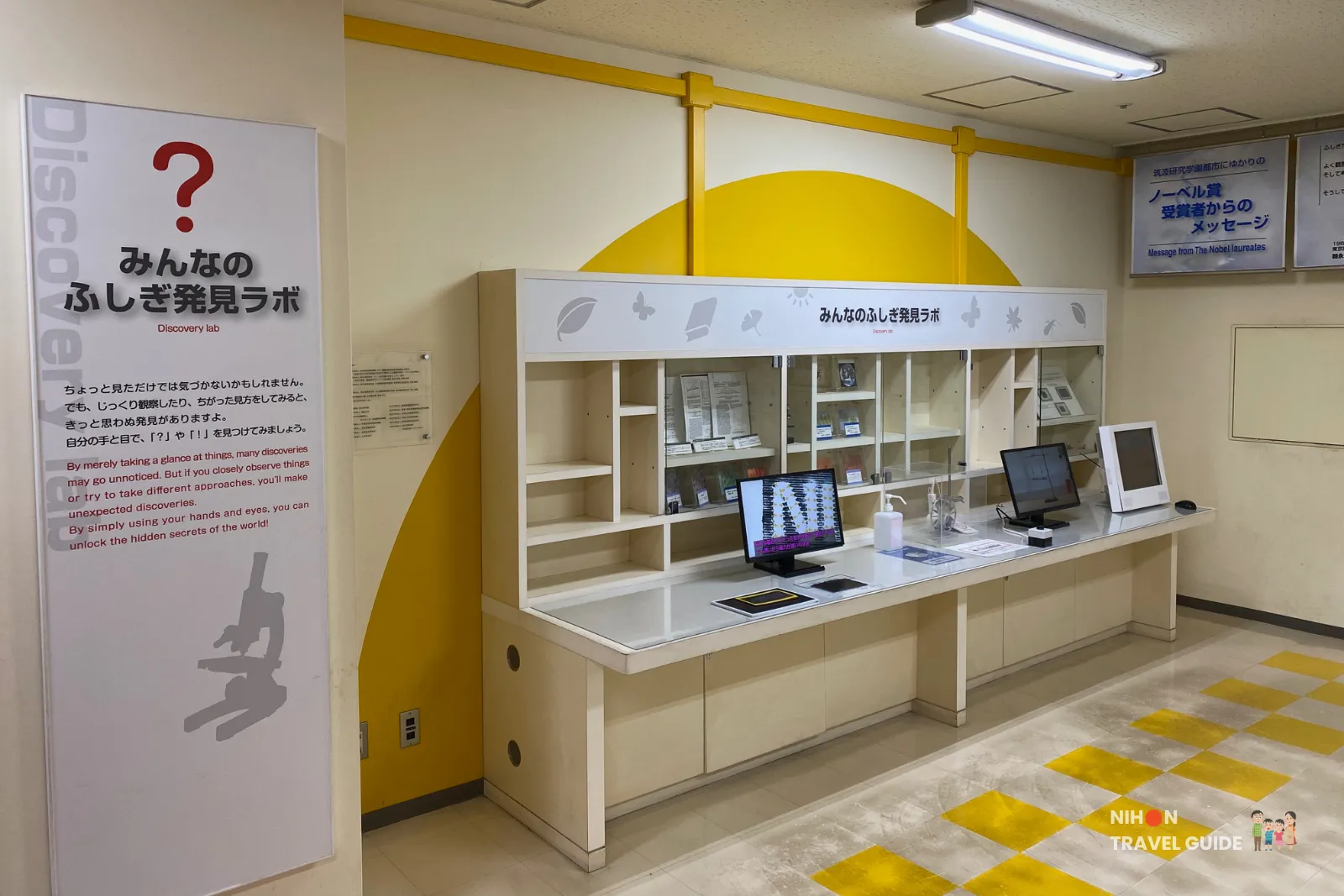
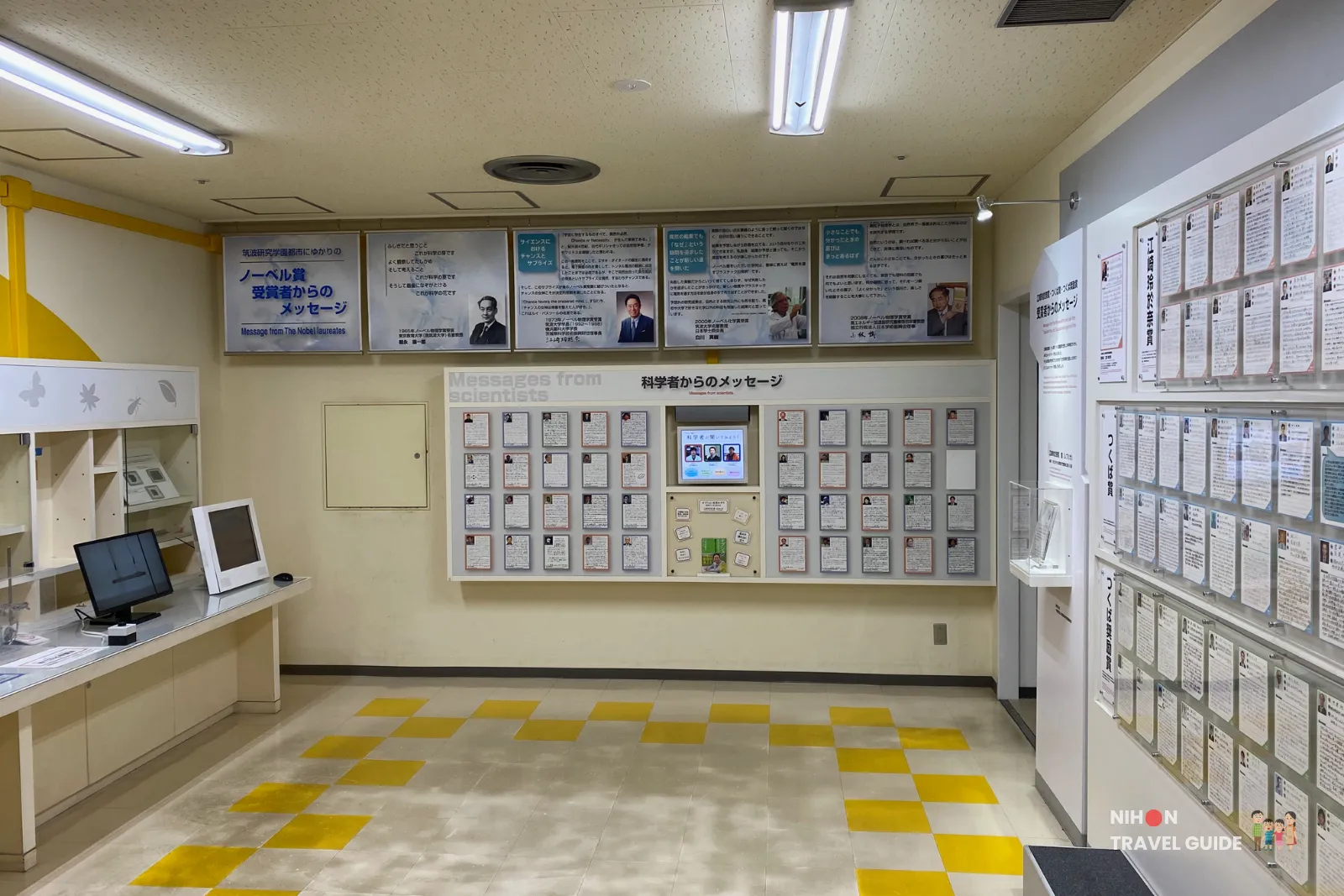
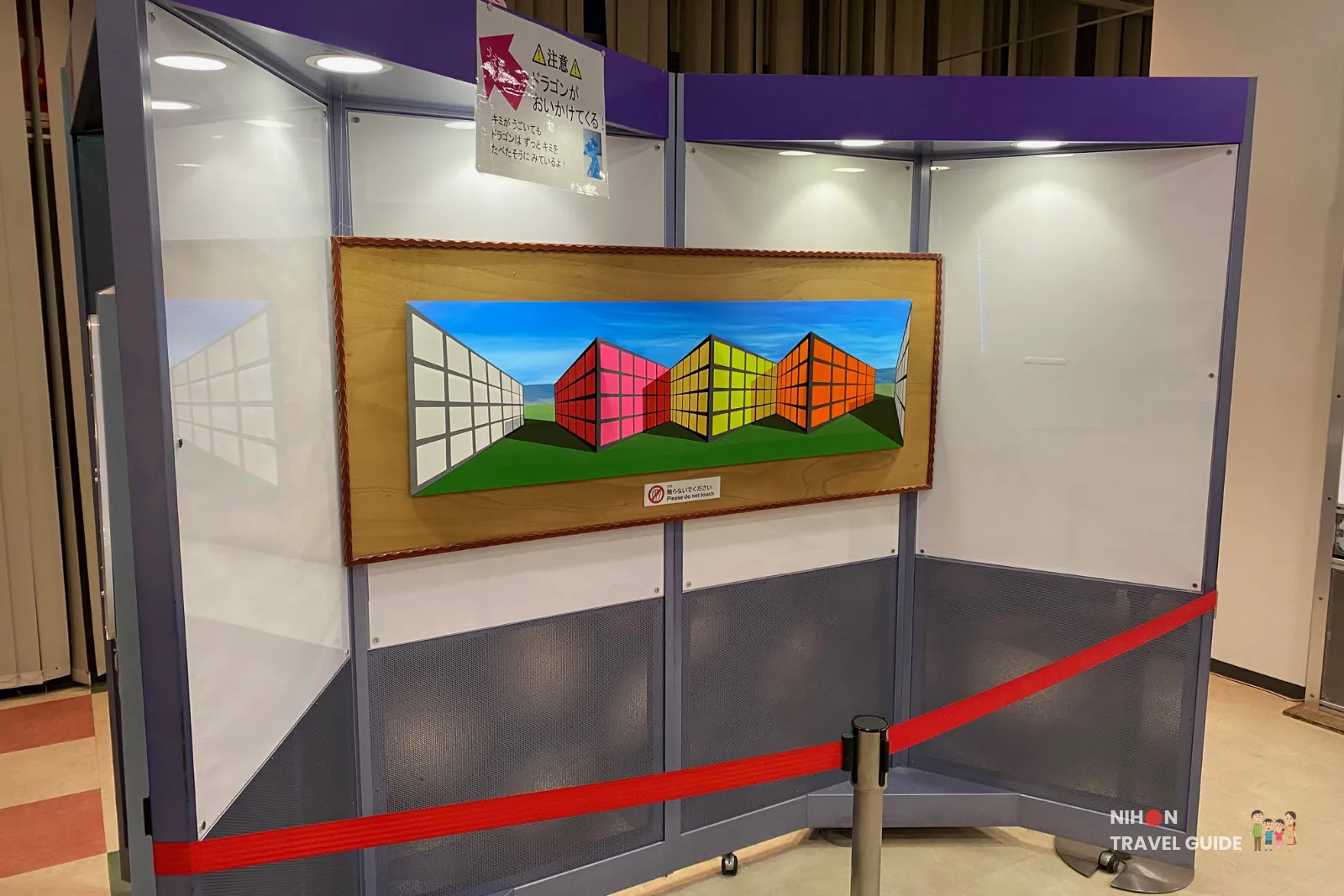
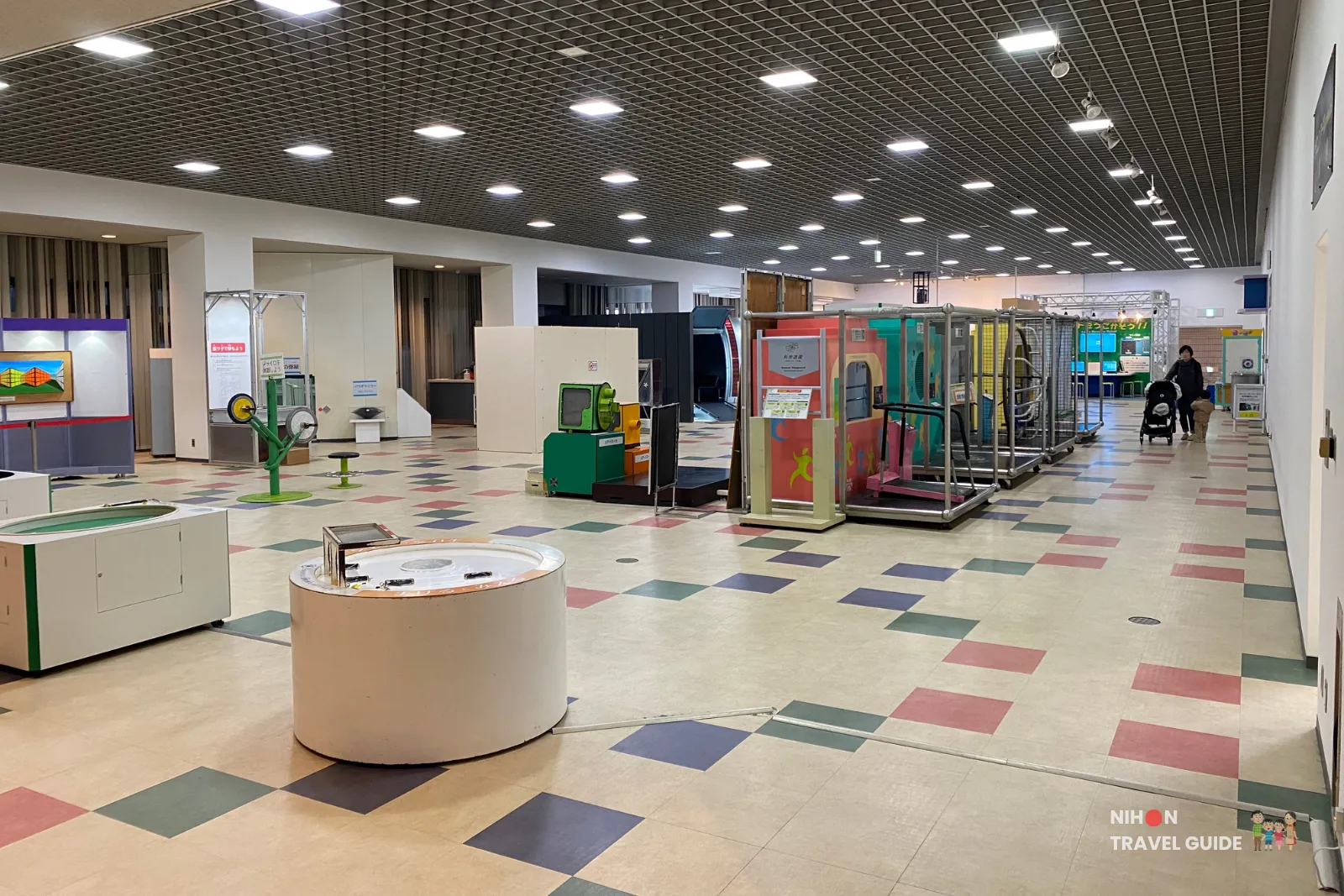
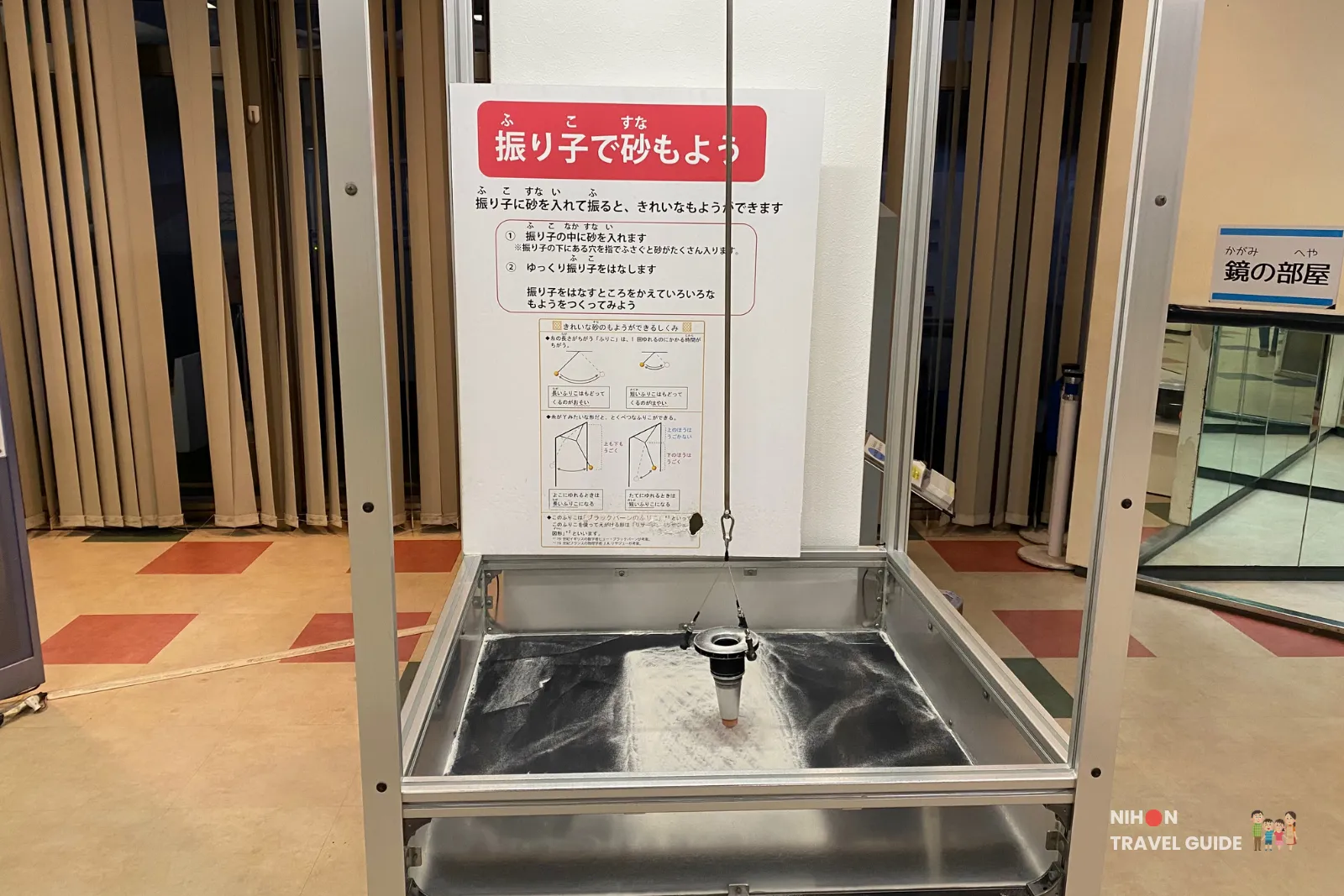
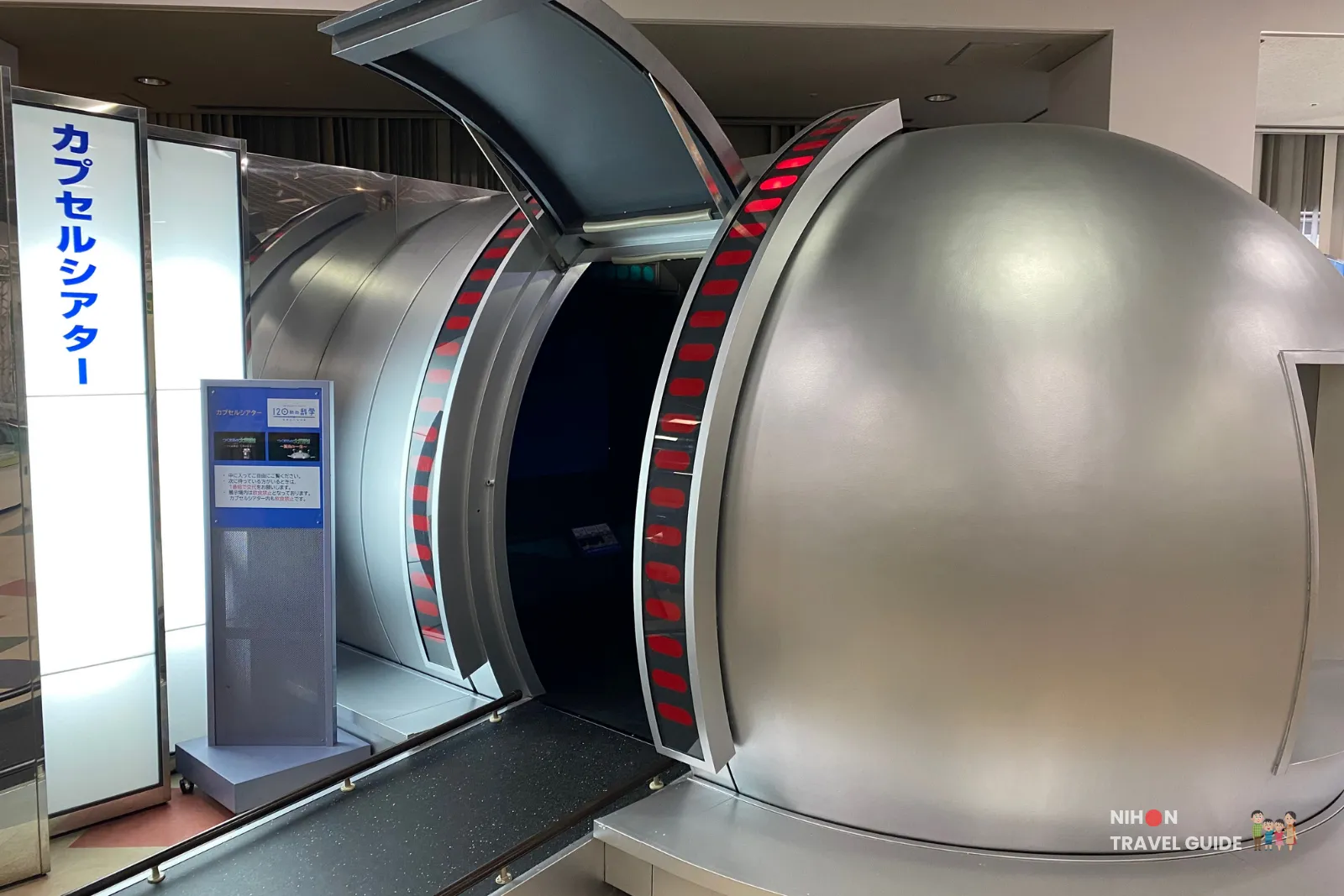
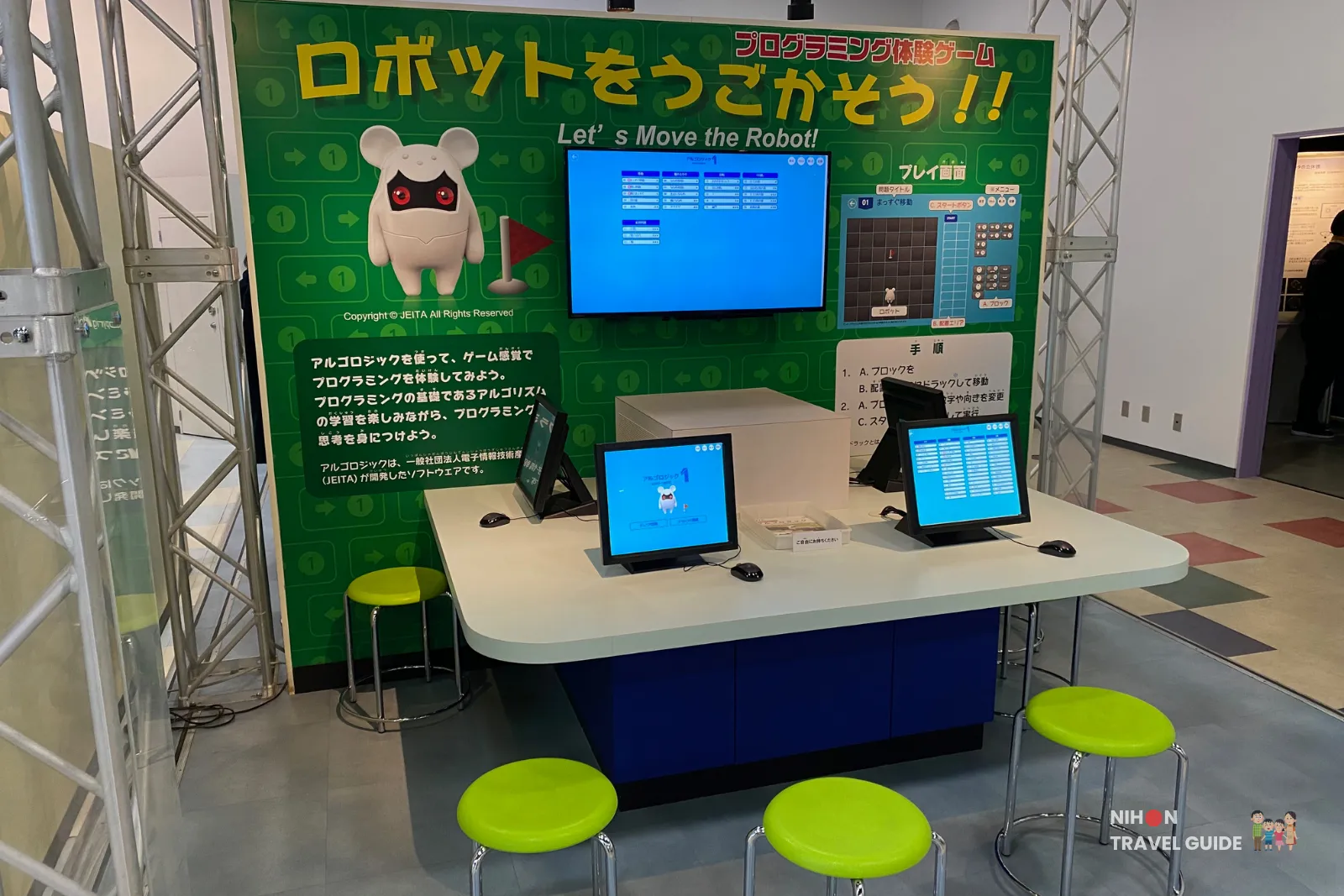
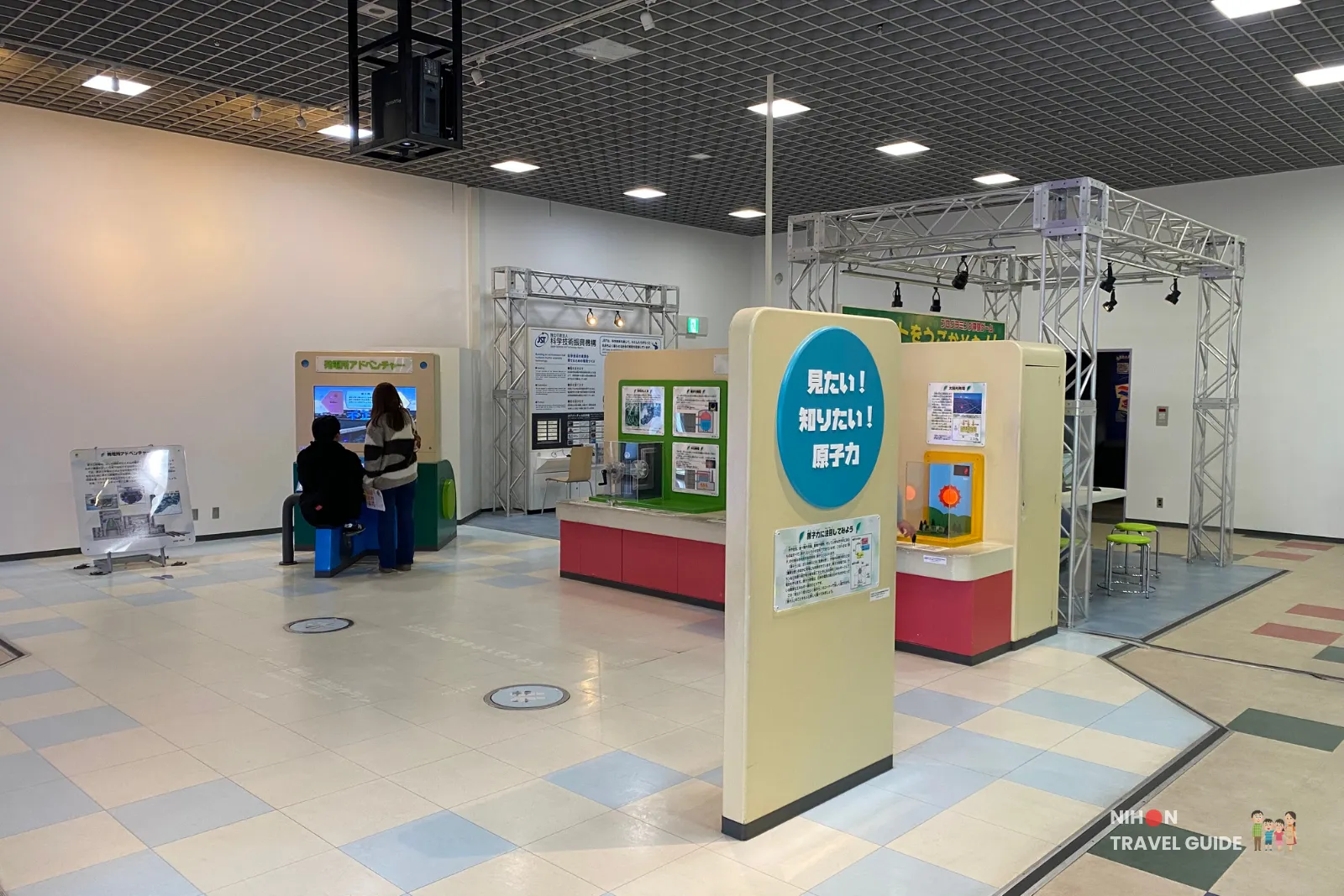
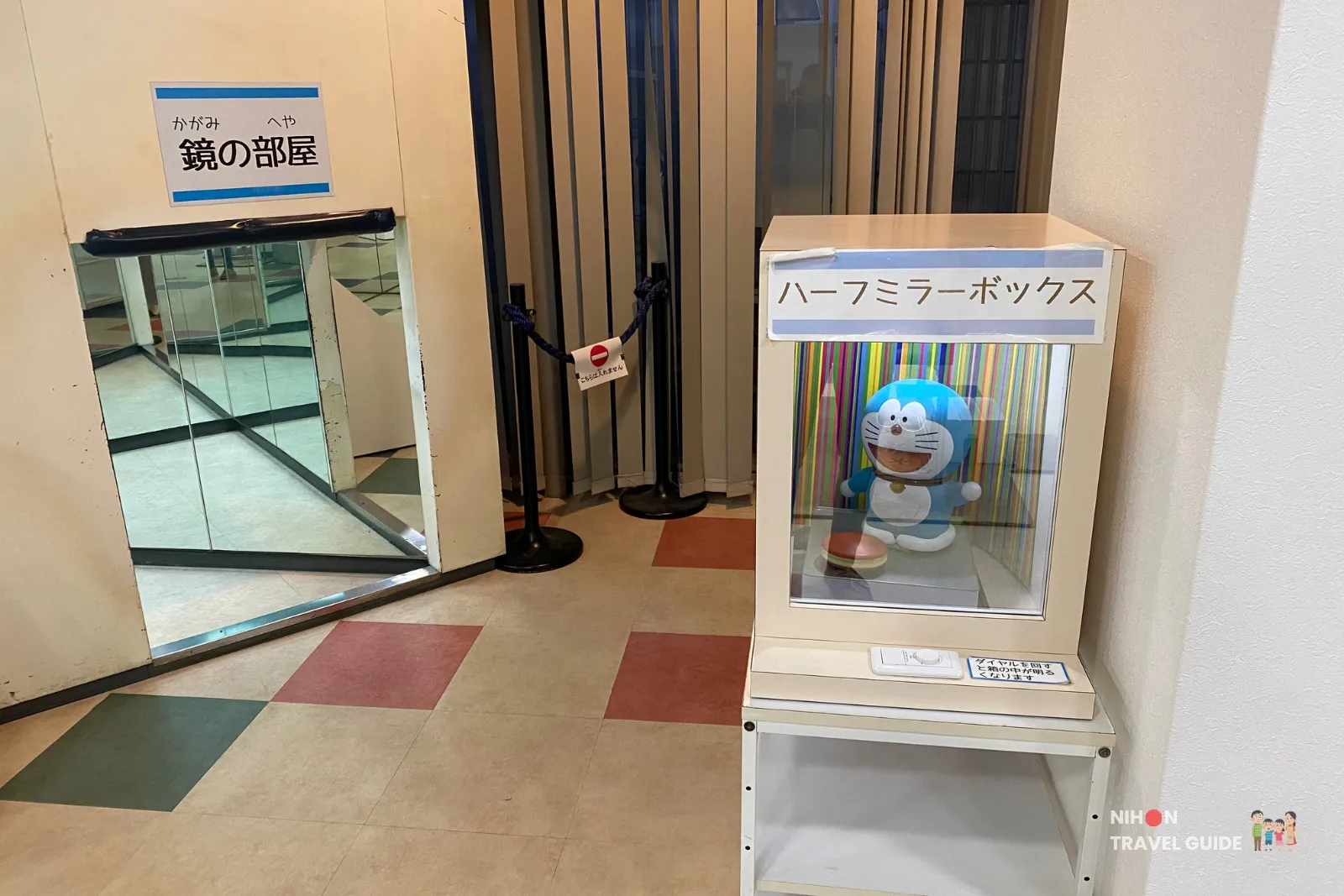
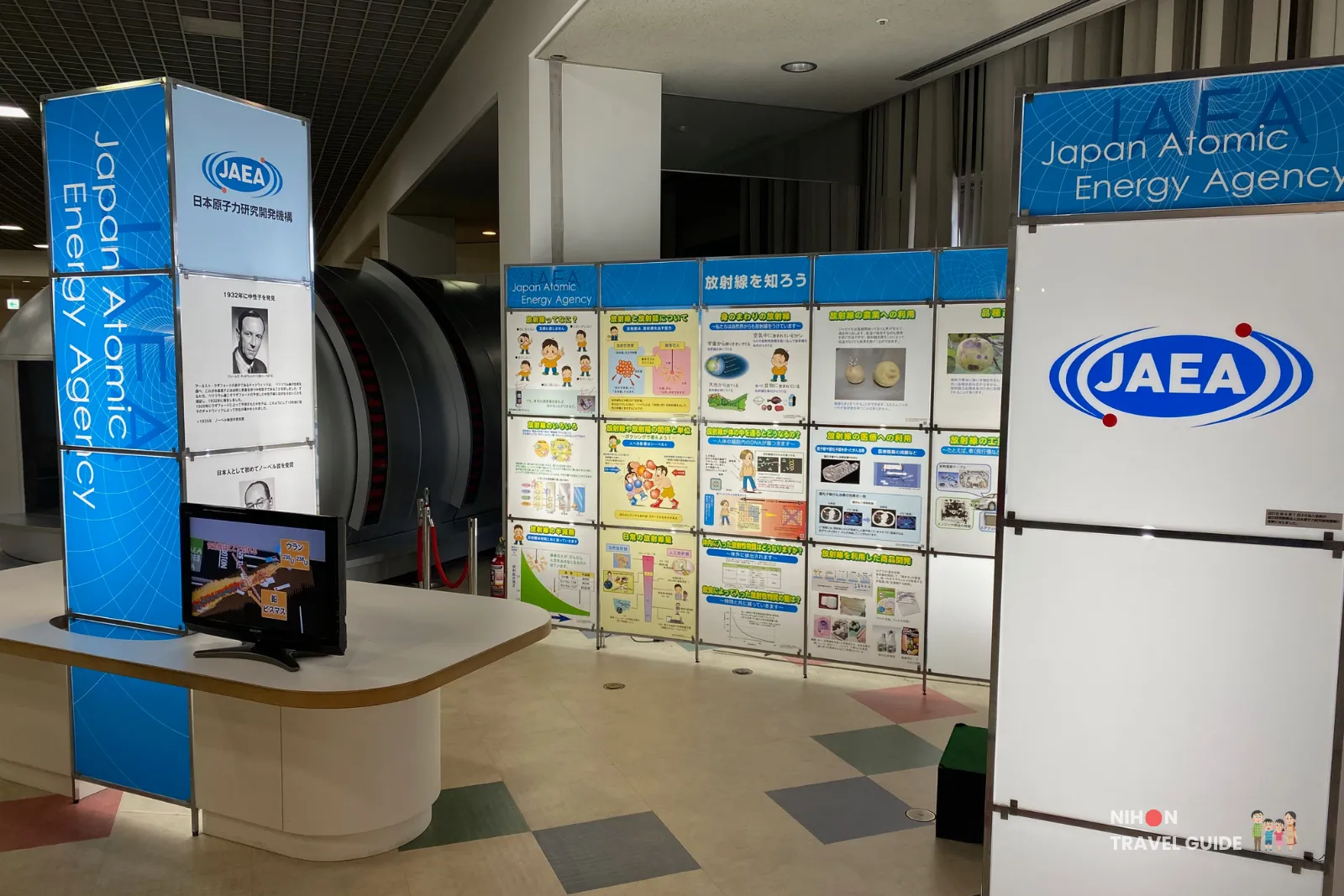
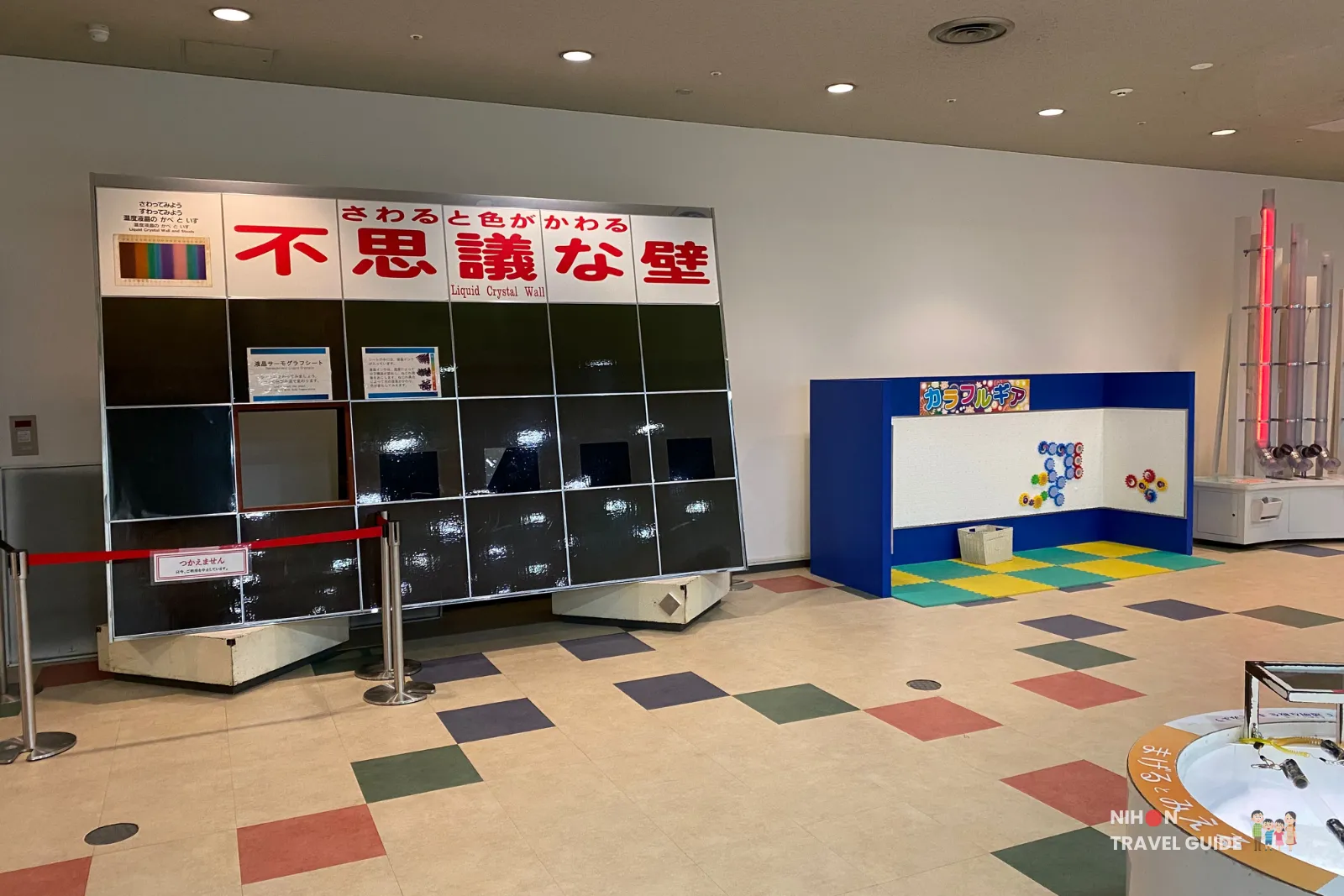
I think most of the exhibits and information boards in this hall are in Japanese. You could take photos and ask AI to translate them but I think that would take too long. You might want to visit this hall with a Japanese friend who can translate them quicker.
Personally this was my least favourite hall as it was too “science-y” for me. And having to try to read and understand it in Japanese was too much for my brain. But I also think that kids are the main target audience for this section so they would probably enjoy it more than I did.
1985 Tsukuba Expo Exhibits
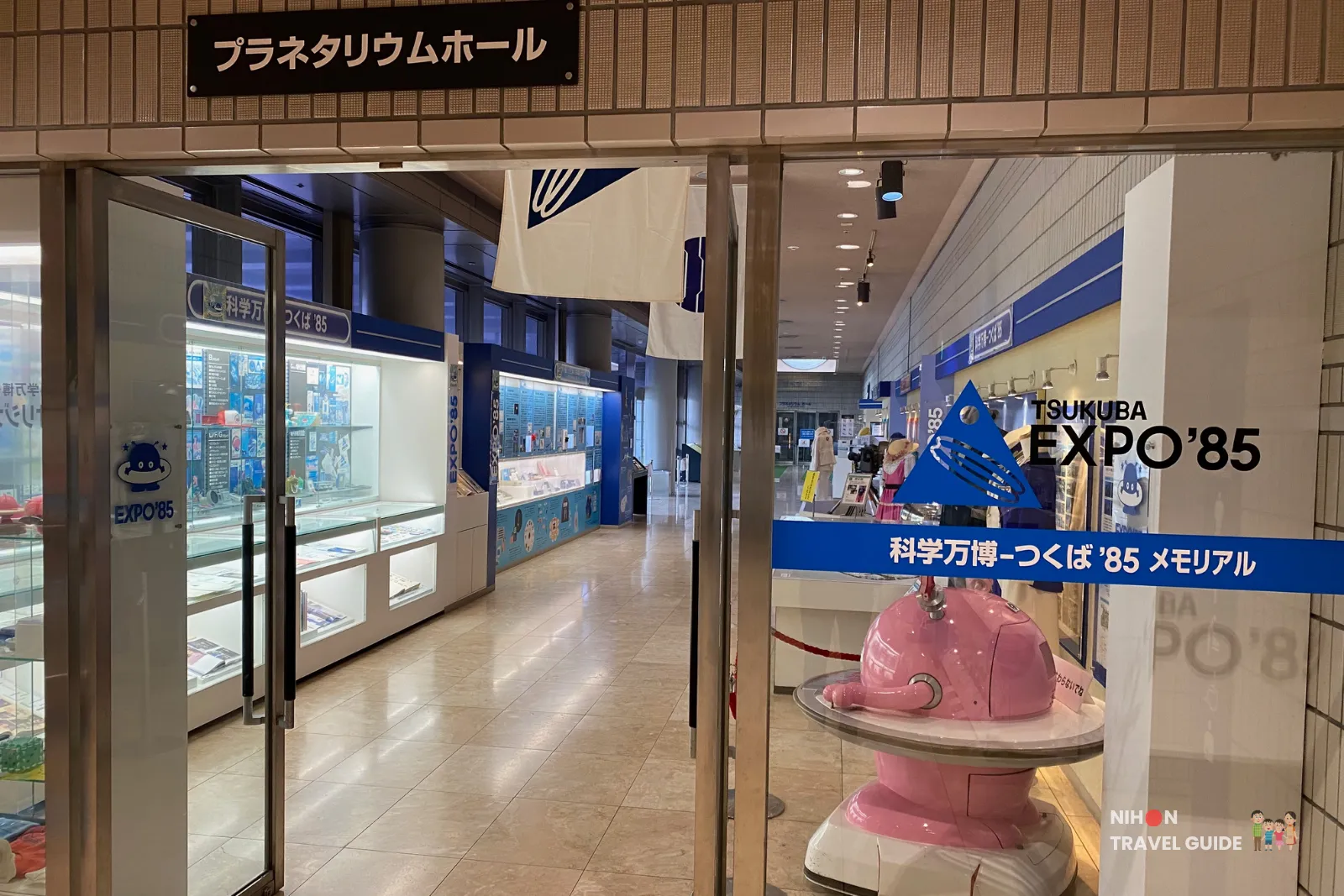
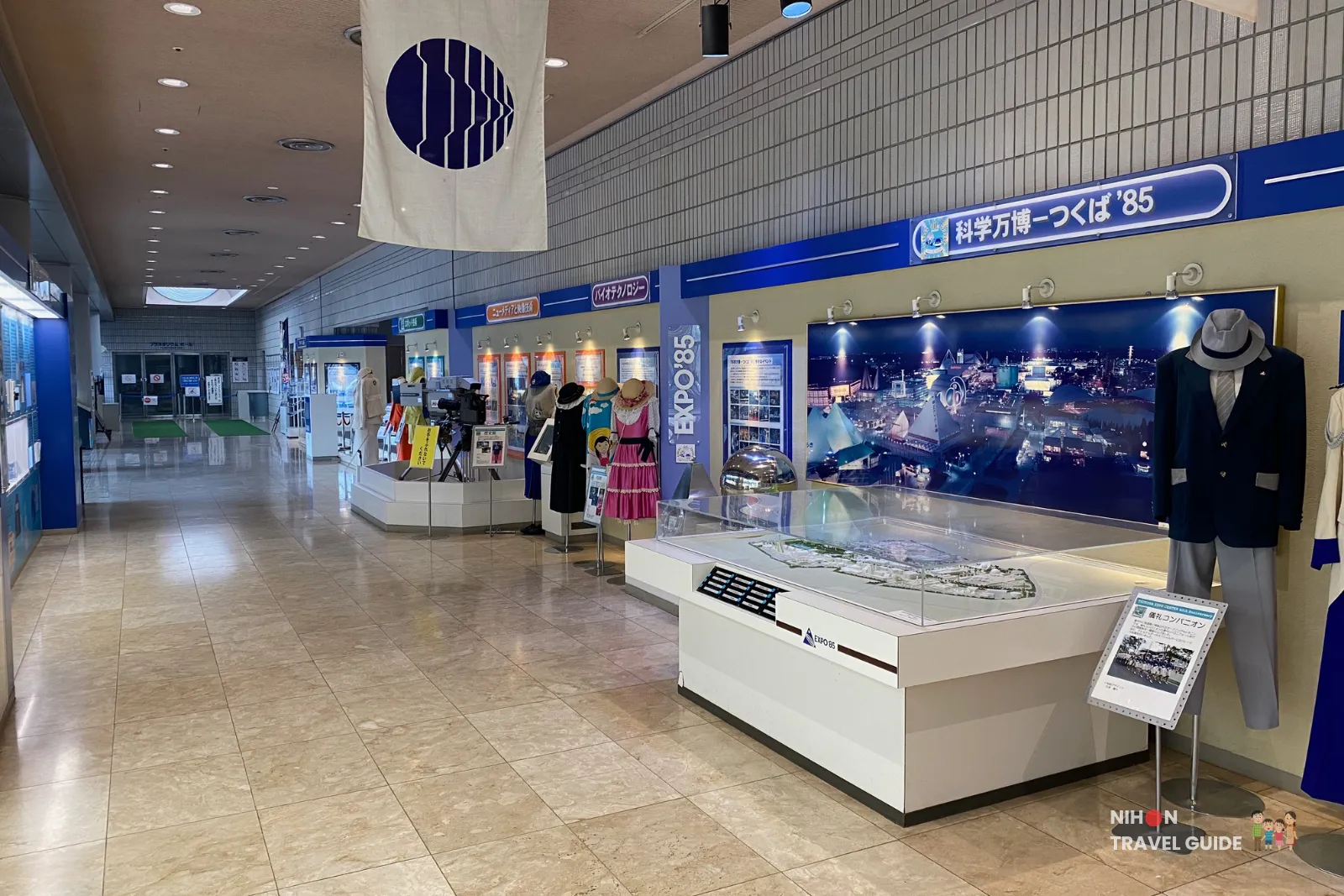
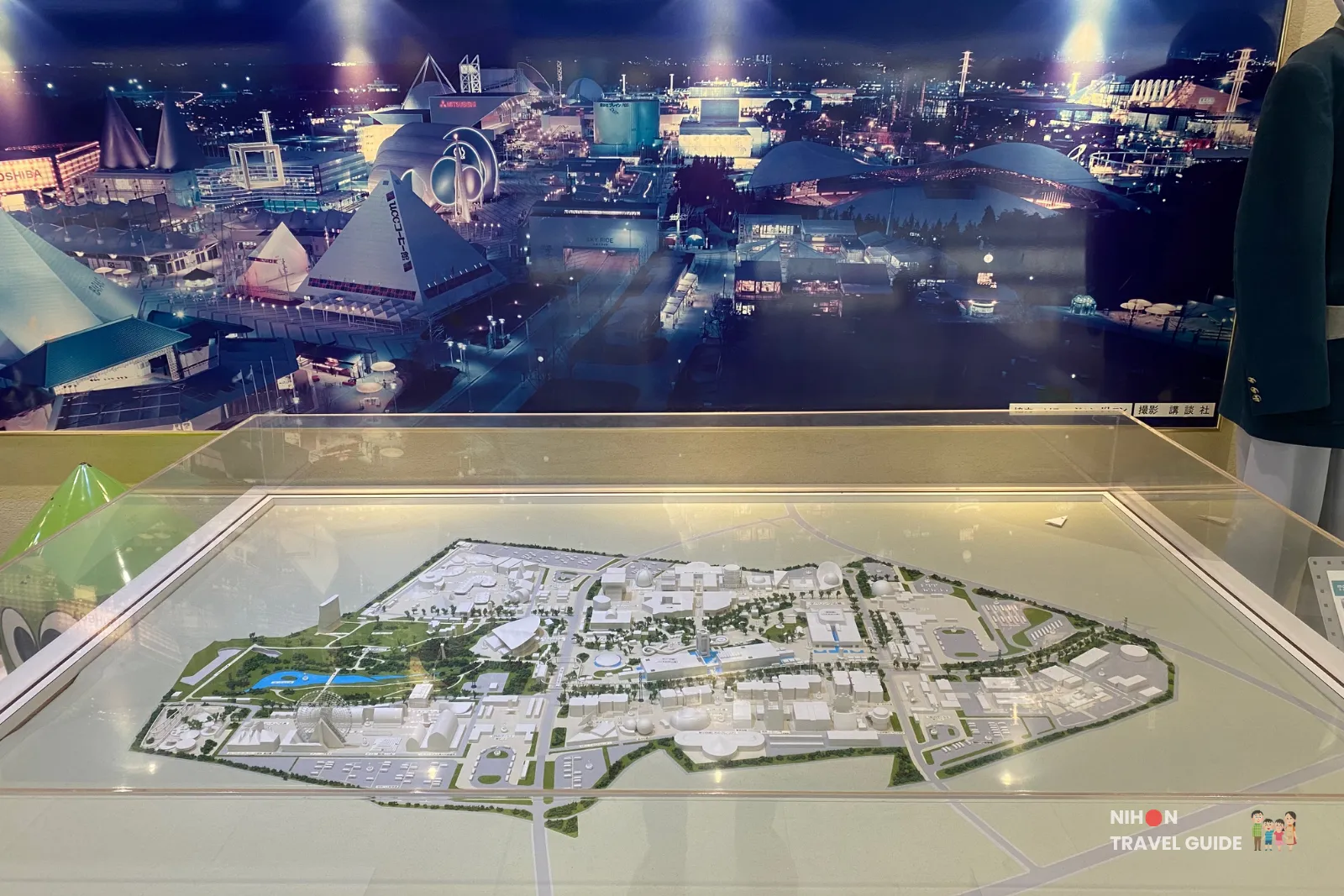
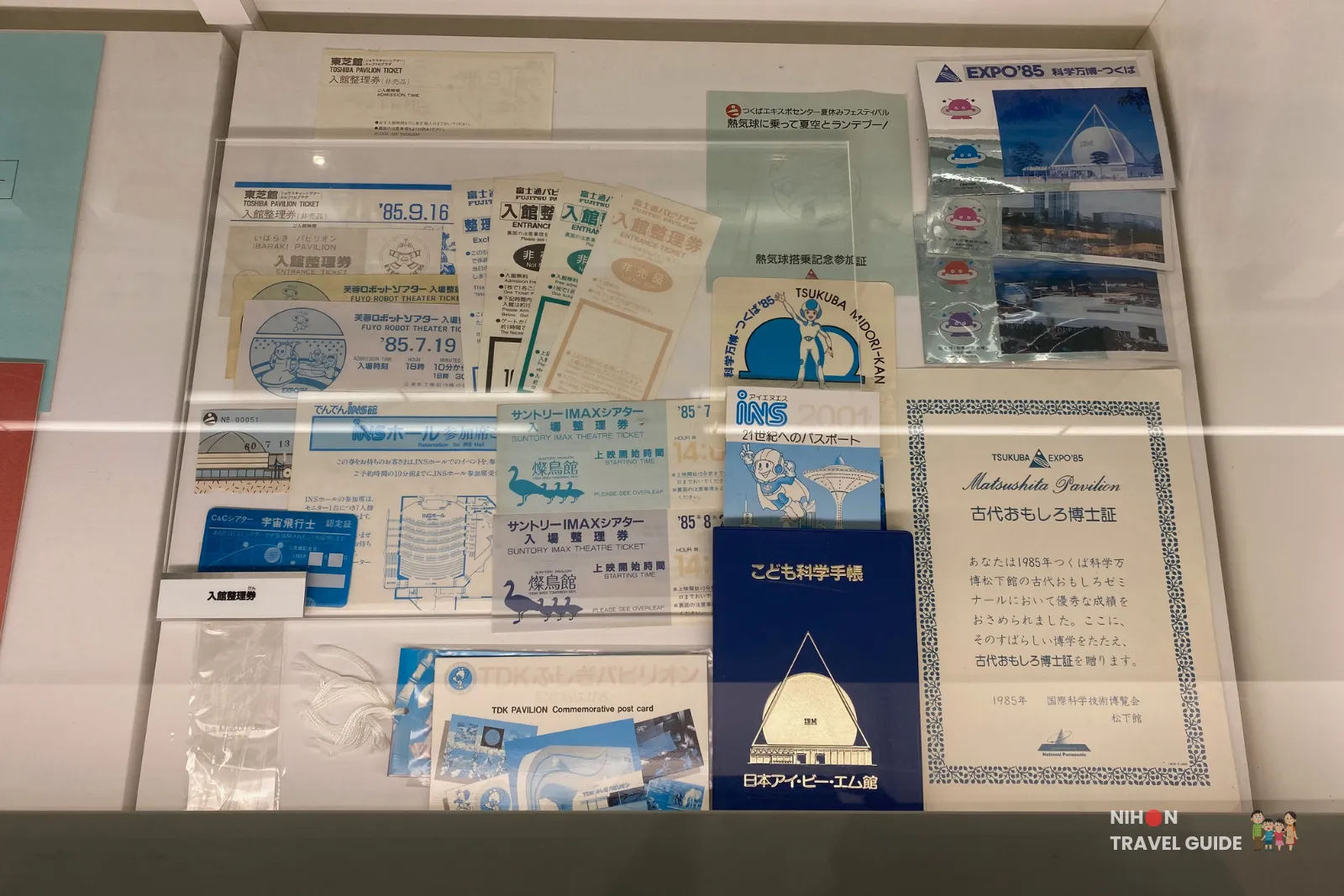
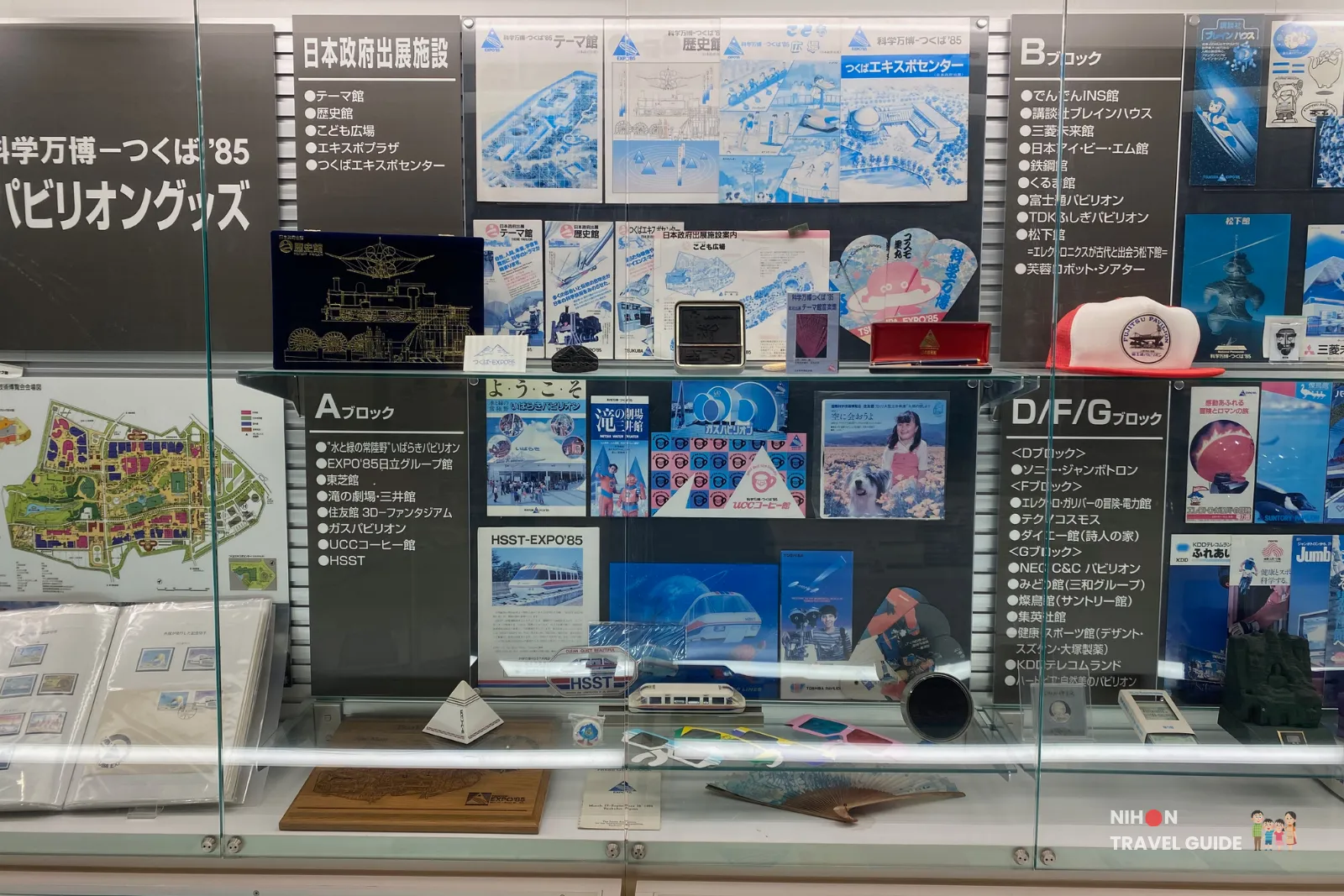
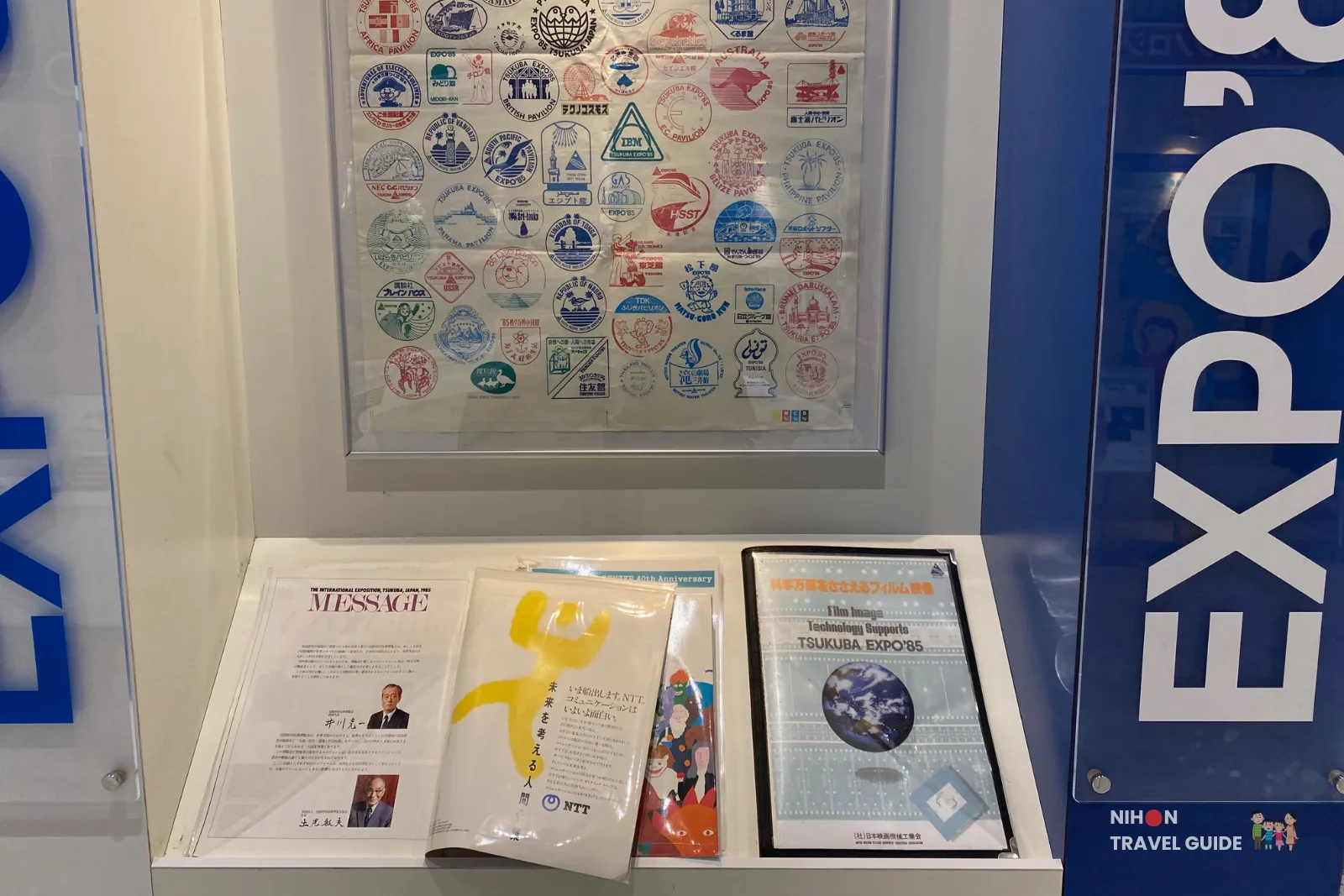
This next section is full of memorabilia and stuff that was from the 1985 World Expo in Tsukuba. There are over 200 types of items: official souvenirs, badges, tickets, uniforms, posters, merchandise, commemorative coins, stamps, souvenir pins, stamps etc. It’s crazy to me that these things are 40 over years old and are still in really good condition.
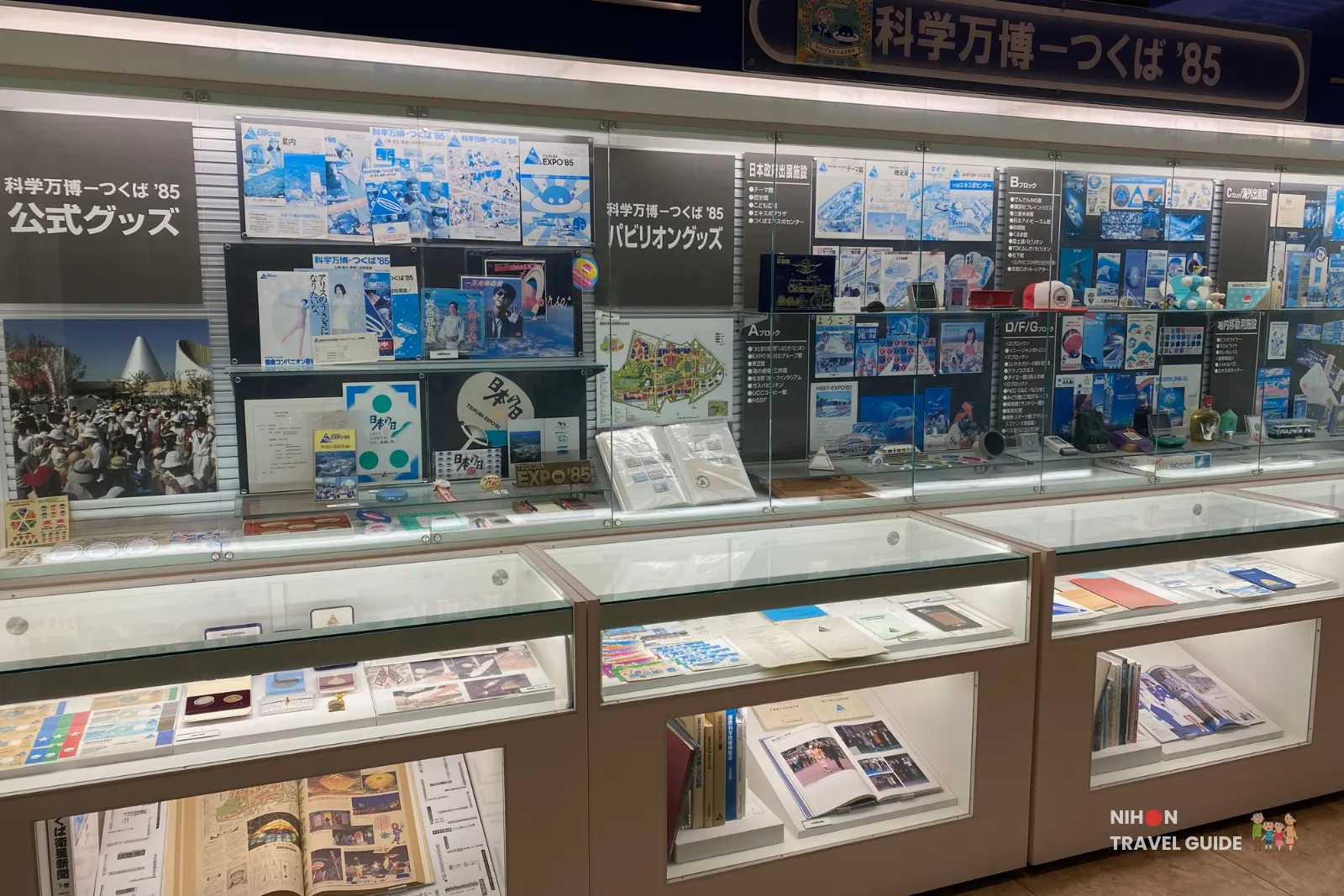
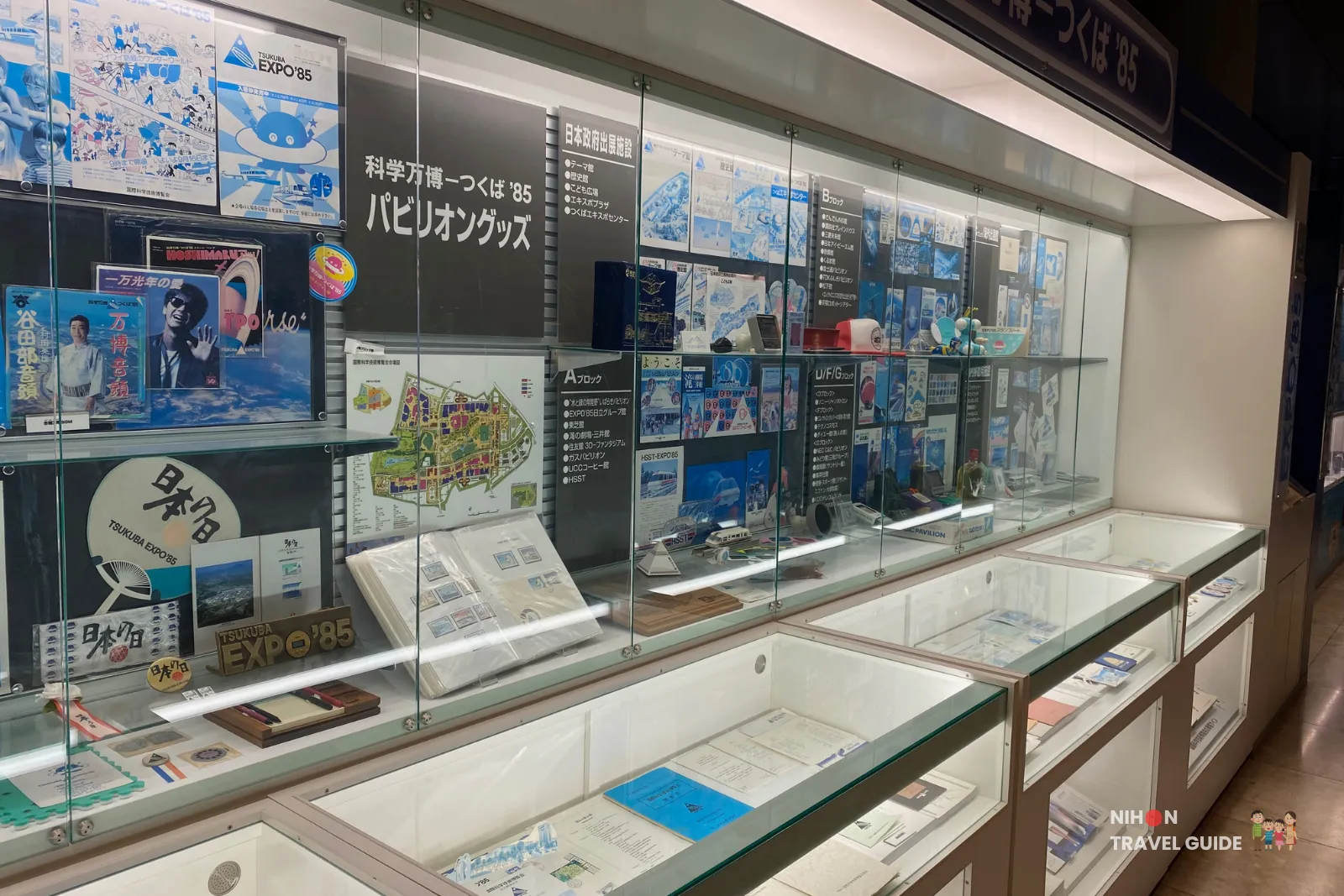
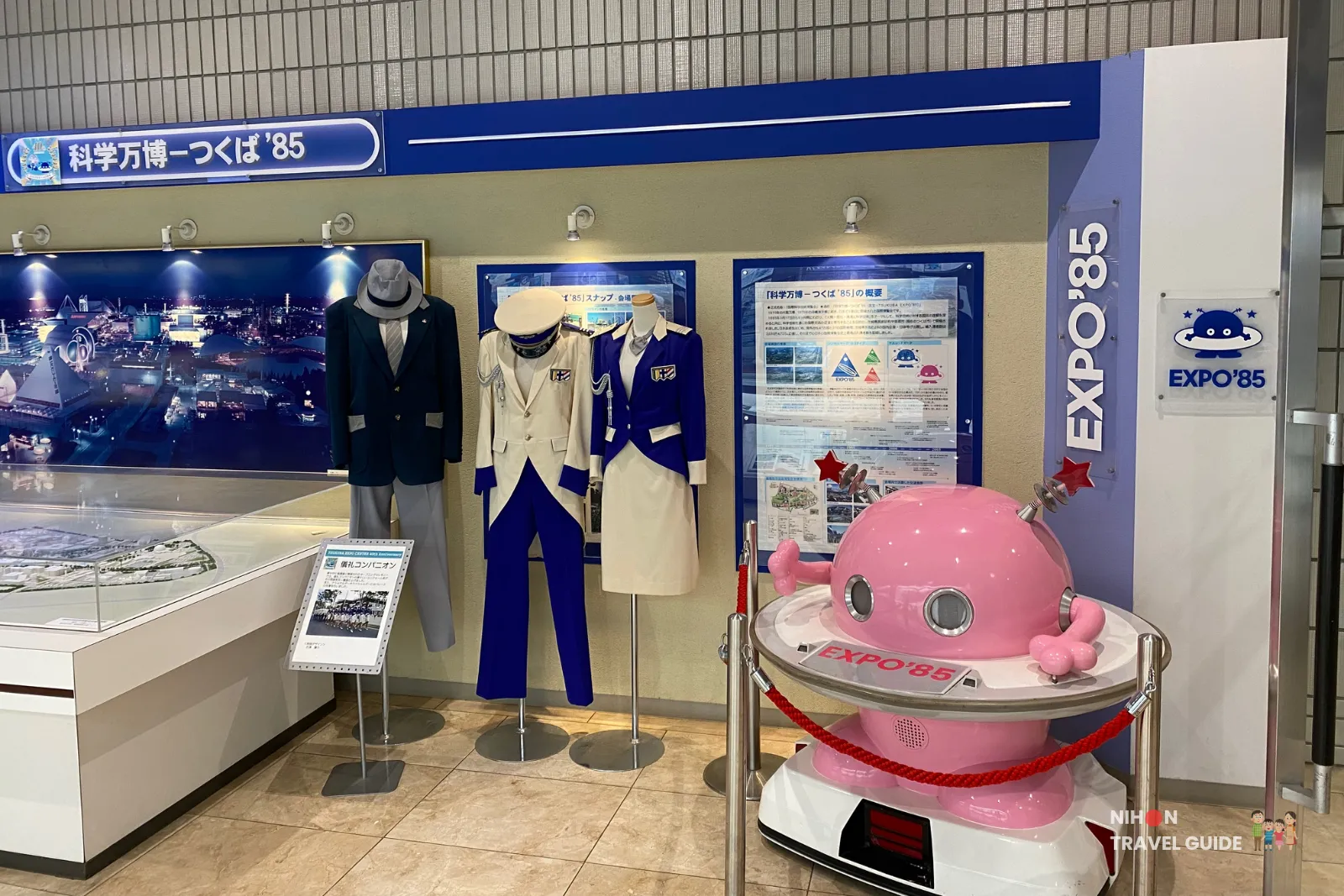
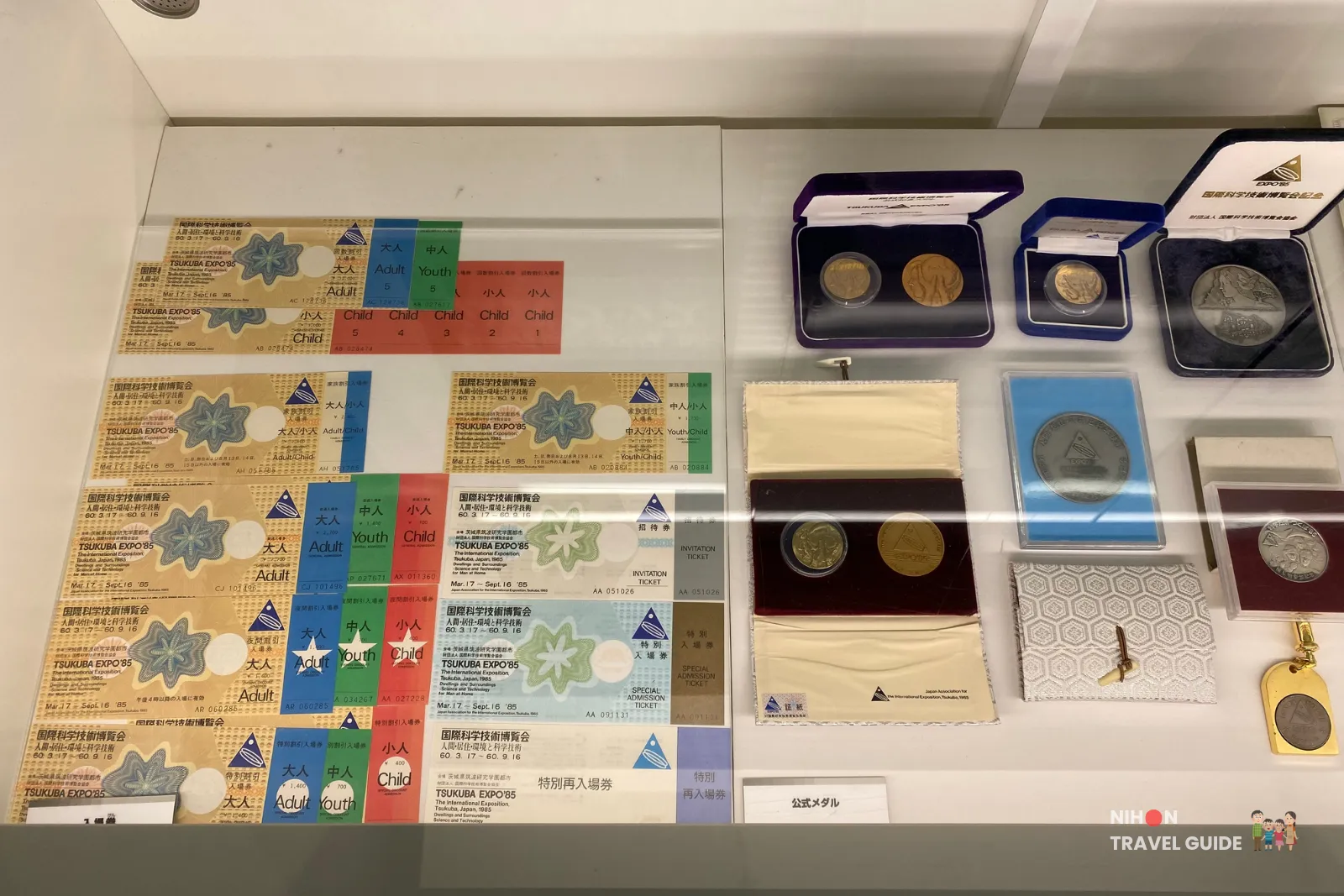
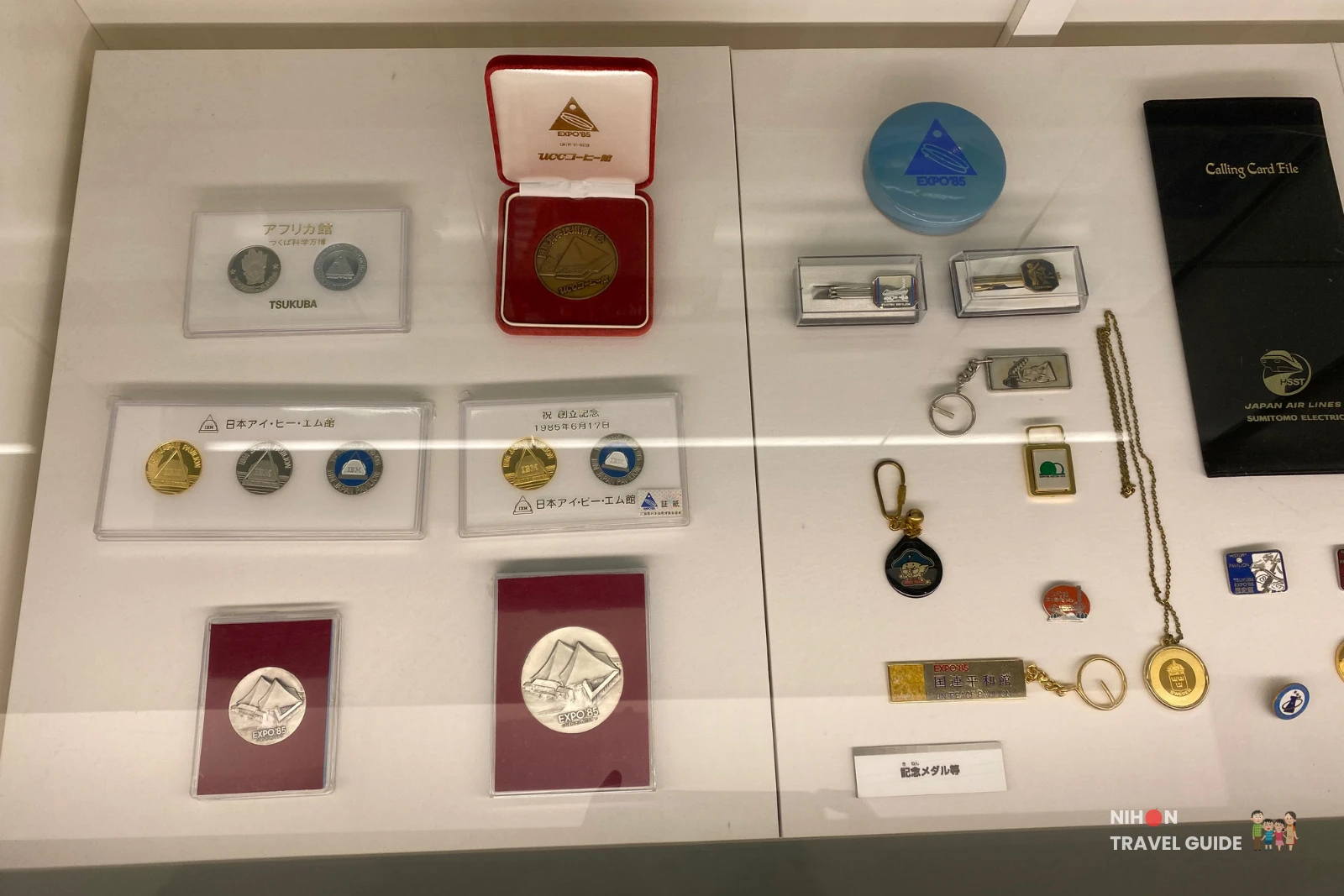
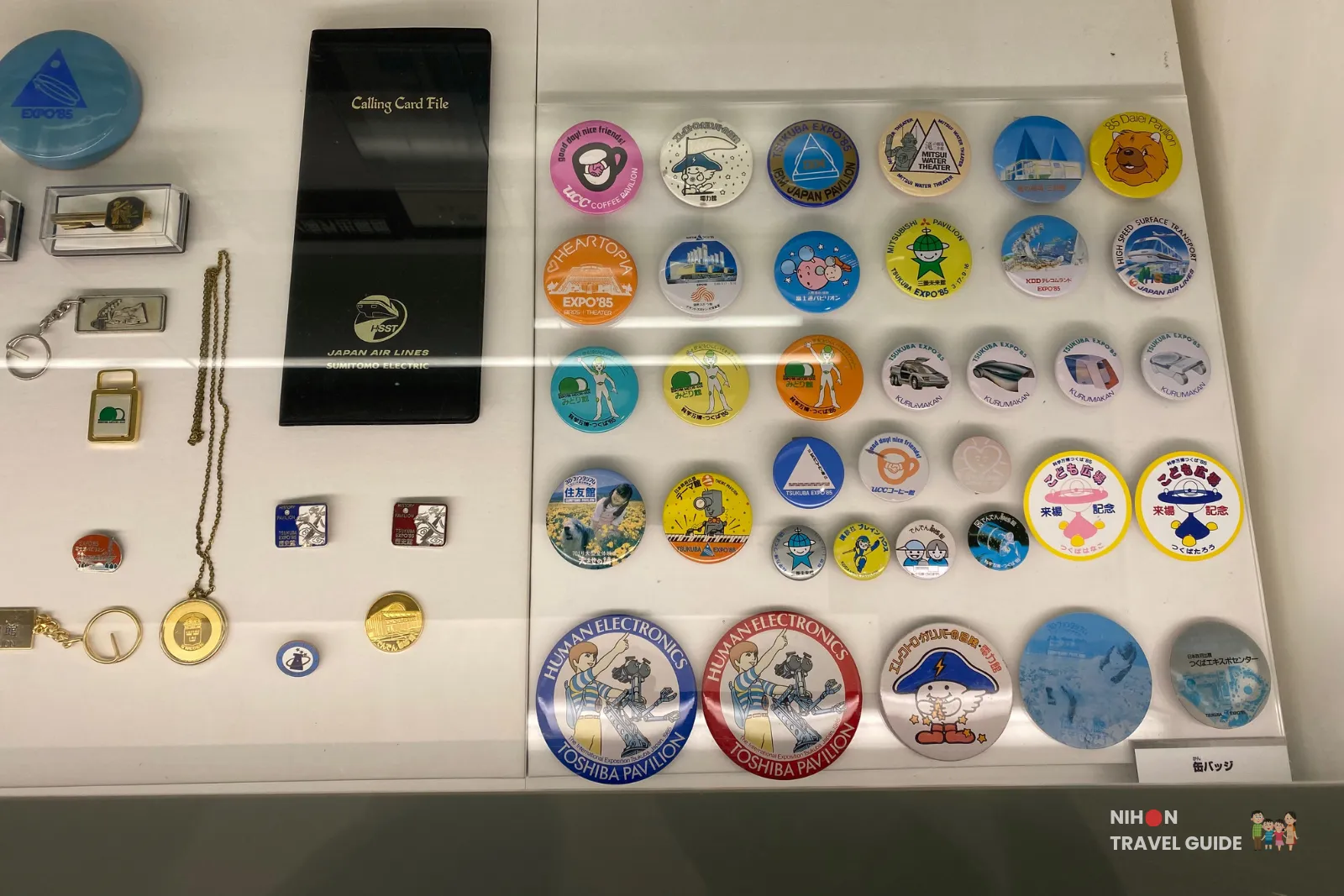
There are also several robots in this hall. There is a pink mascot robot Cosmo Hoshimaru (コスモ星丸) that has a Saturn-like ring around it that was designed by a junior high school student. There’s also another robot WABOT-2 that was made by Wadeda University to play the piano. It apparently performed during the Expo. There are actually videos of it on Youtube if you search for it.
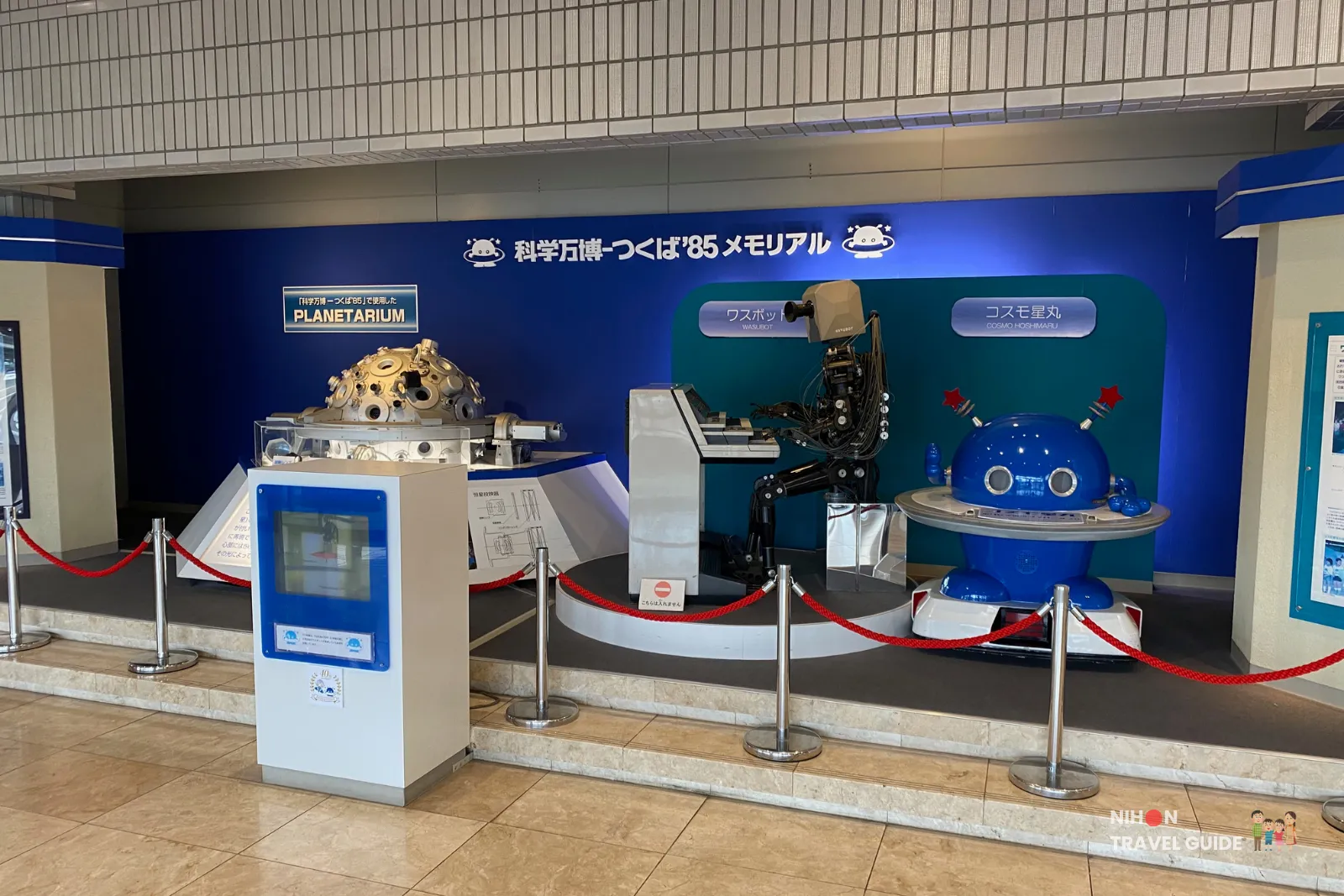
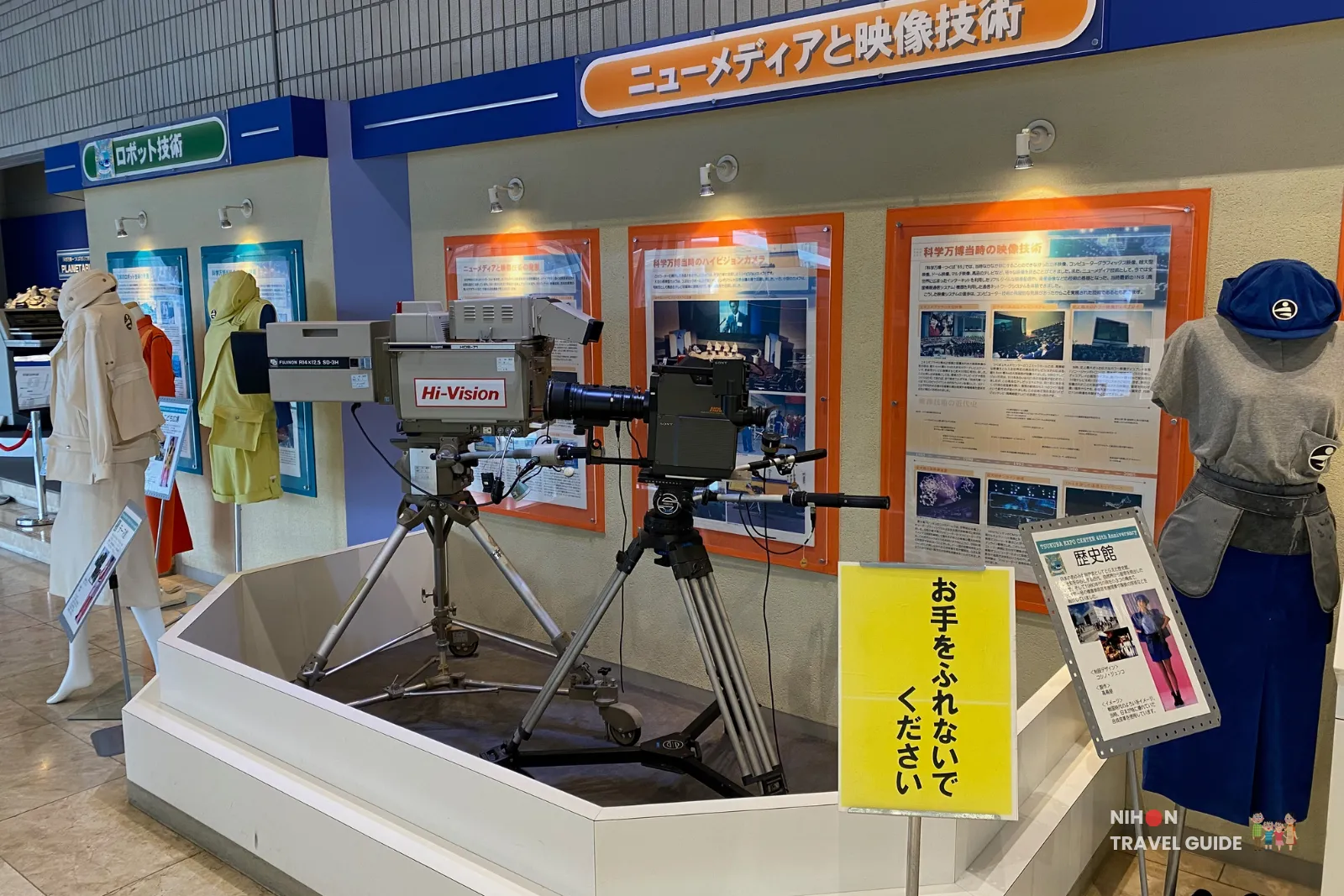
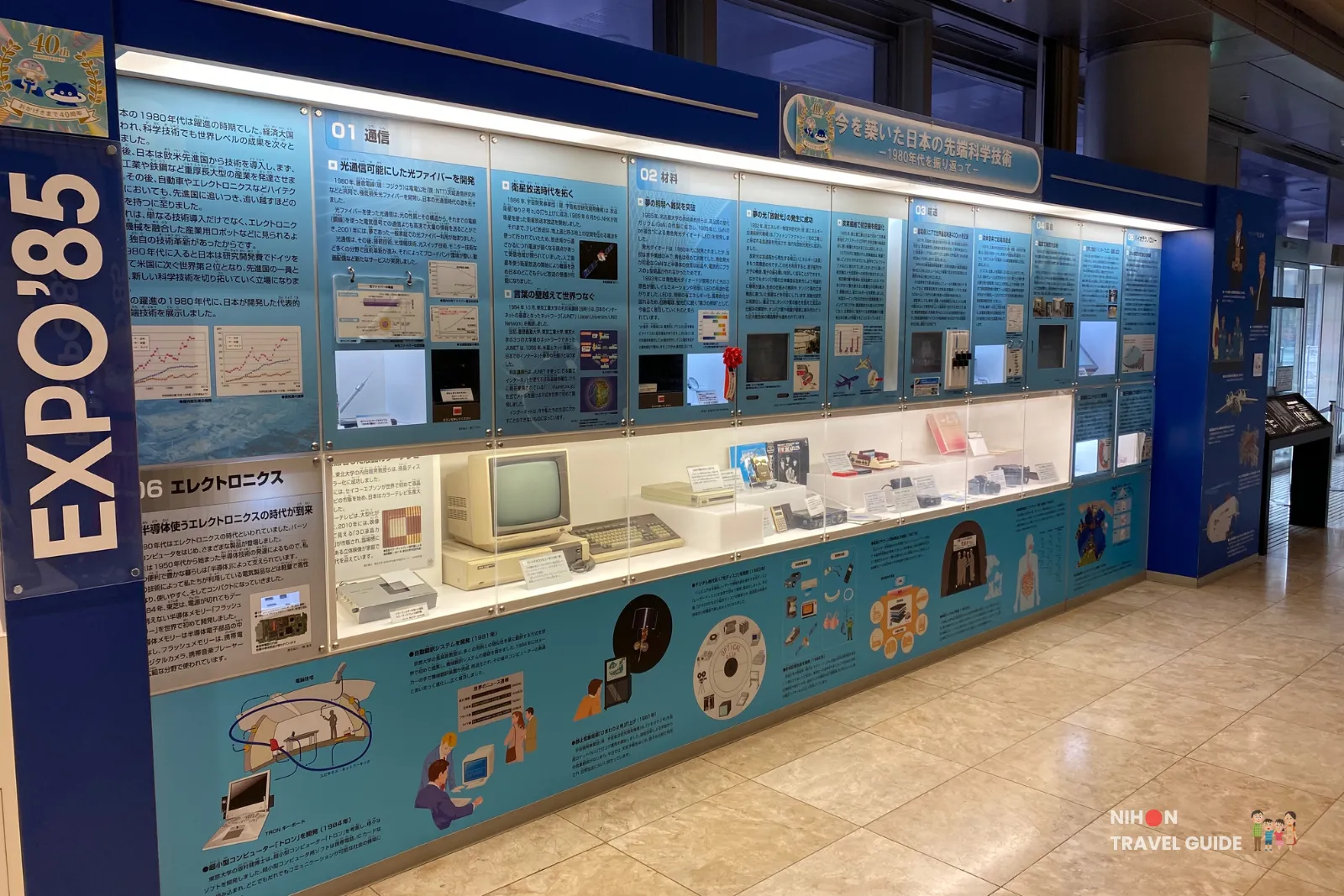
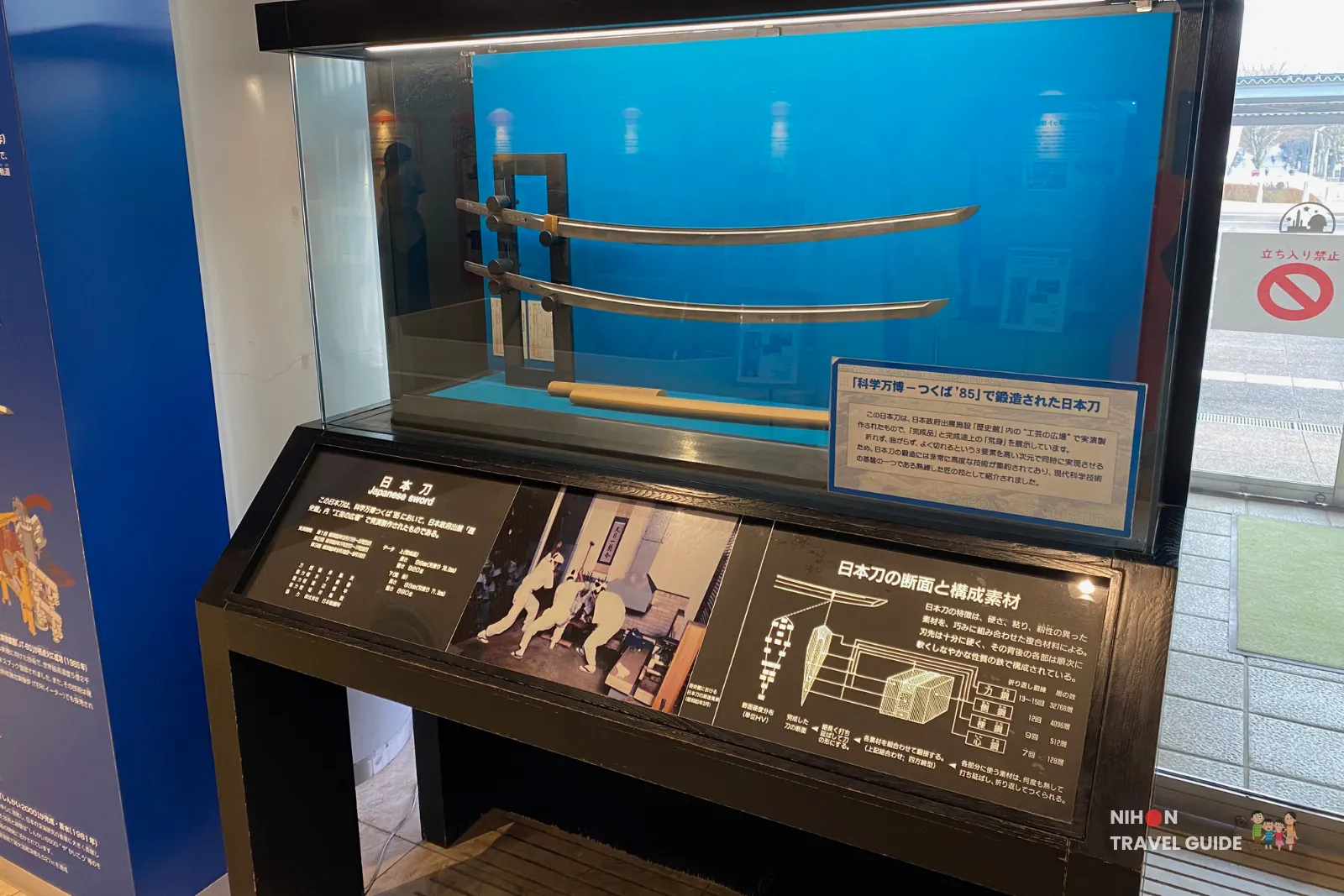
This was my favourite section as it literally was like going back in time 40 years ago. I sort of grew up with some of this technology so it was really interesting to see them again, and also see what humanity’s vision of the future was 40 years ago.
Exhibition Hall Second Level
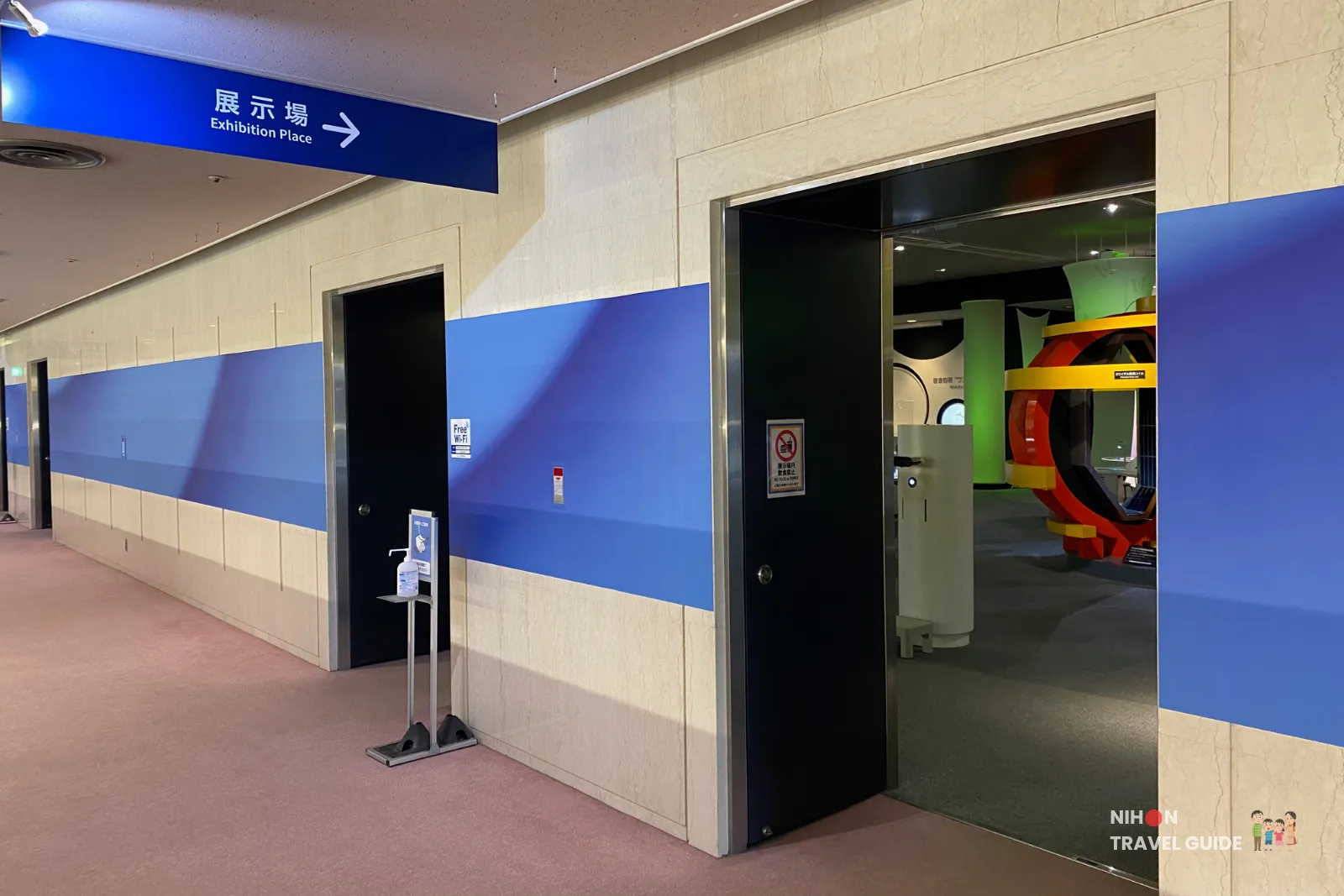
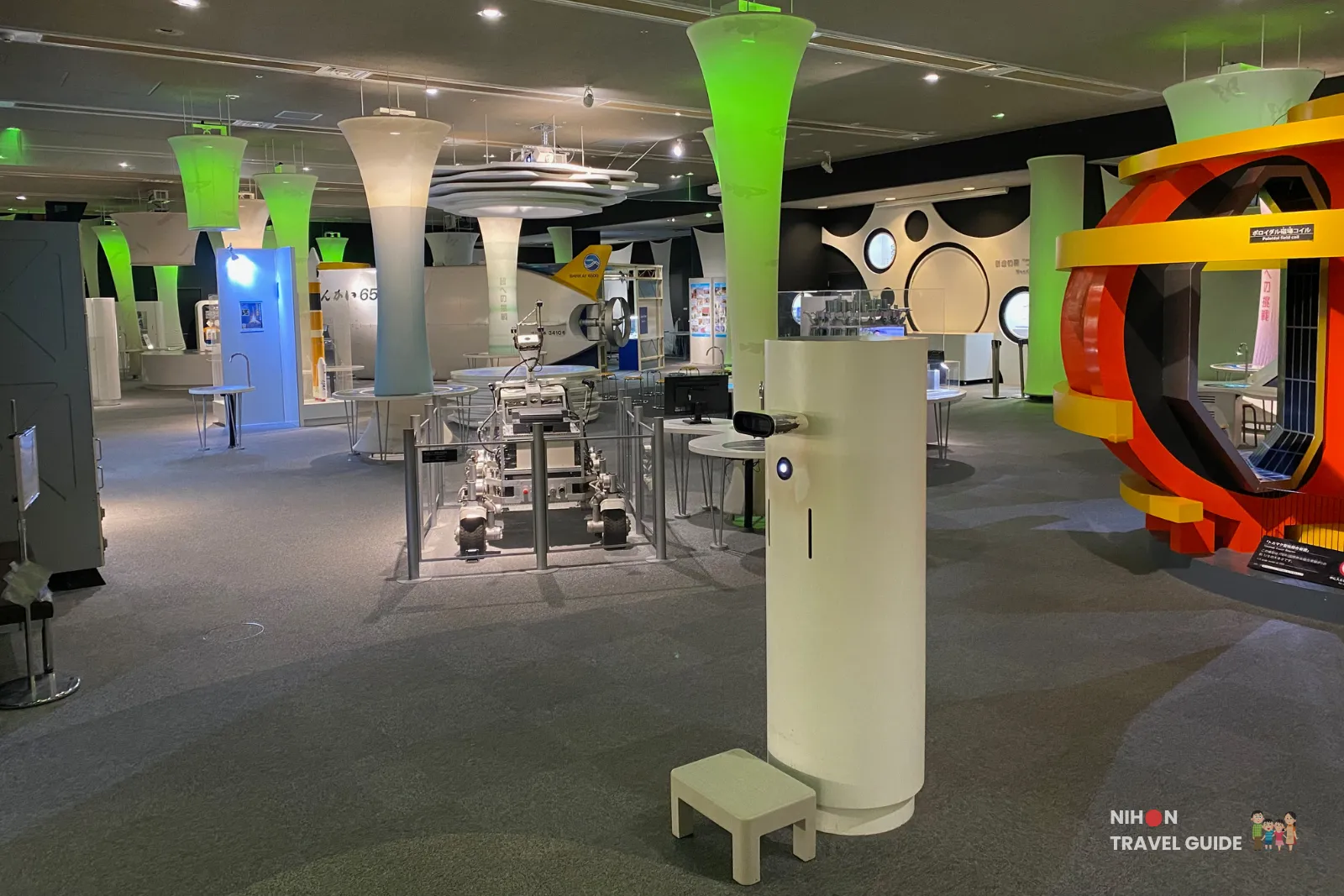
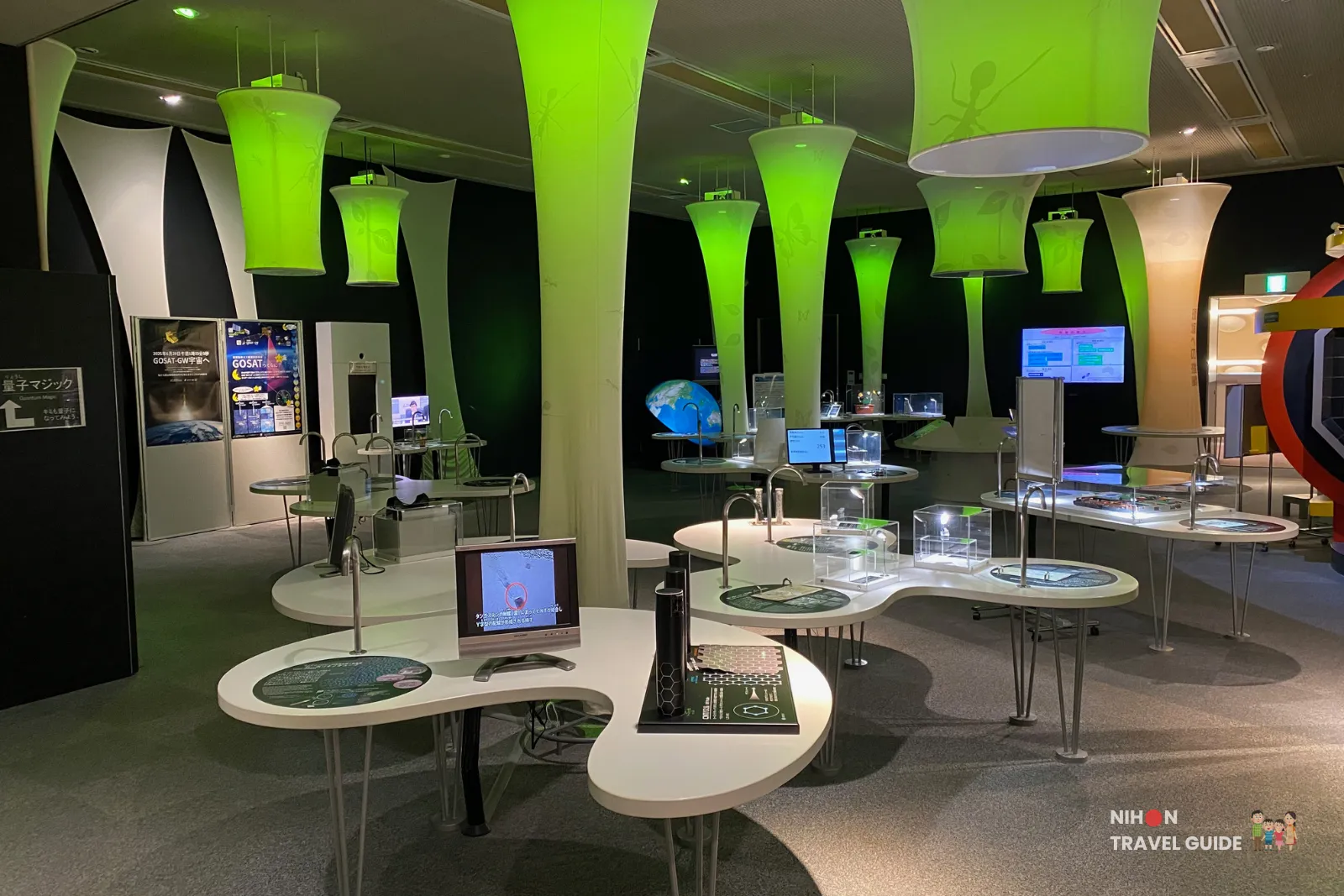
On this level, the exhibits in this hall are more about the future science. There are exhibits about Space, Deep Sea Exploration, Nanotechnology, Global Environment, Life Sciences and more.
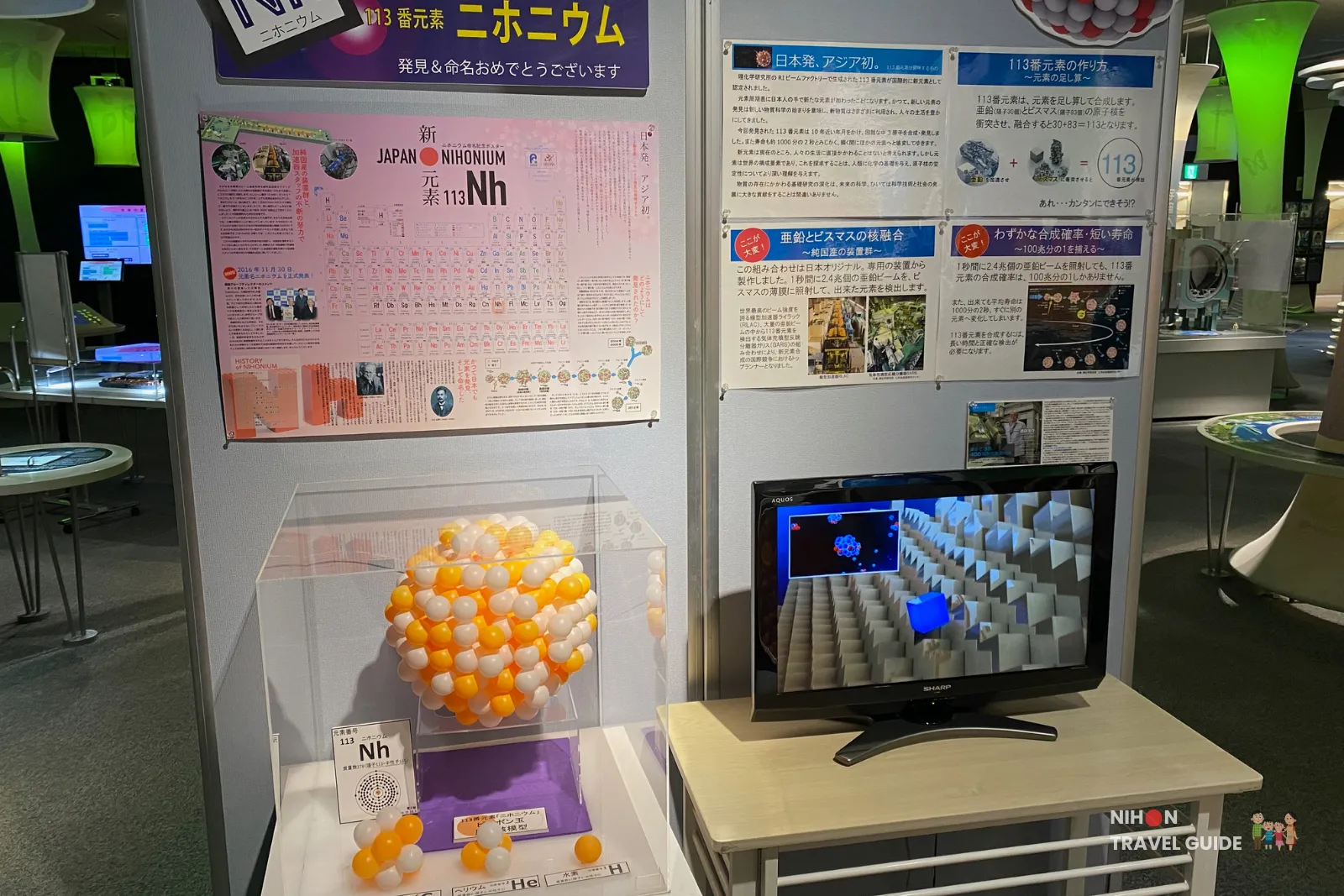
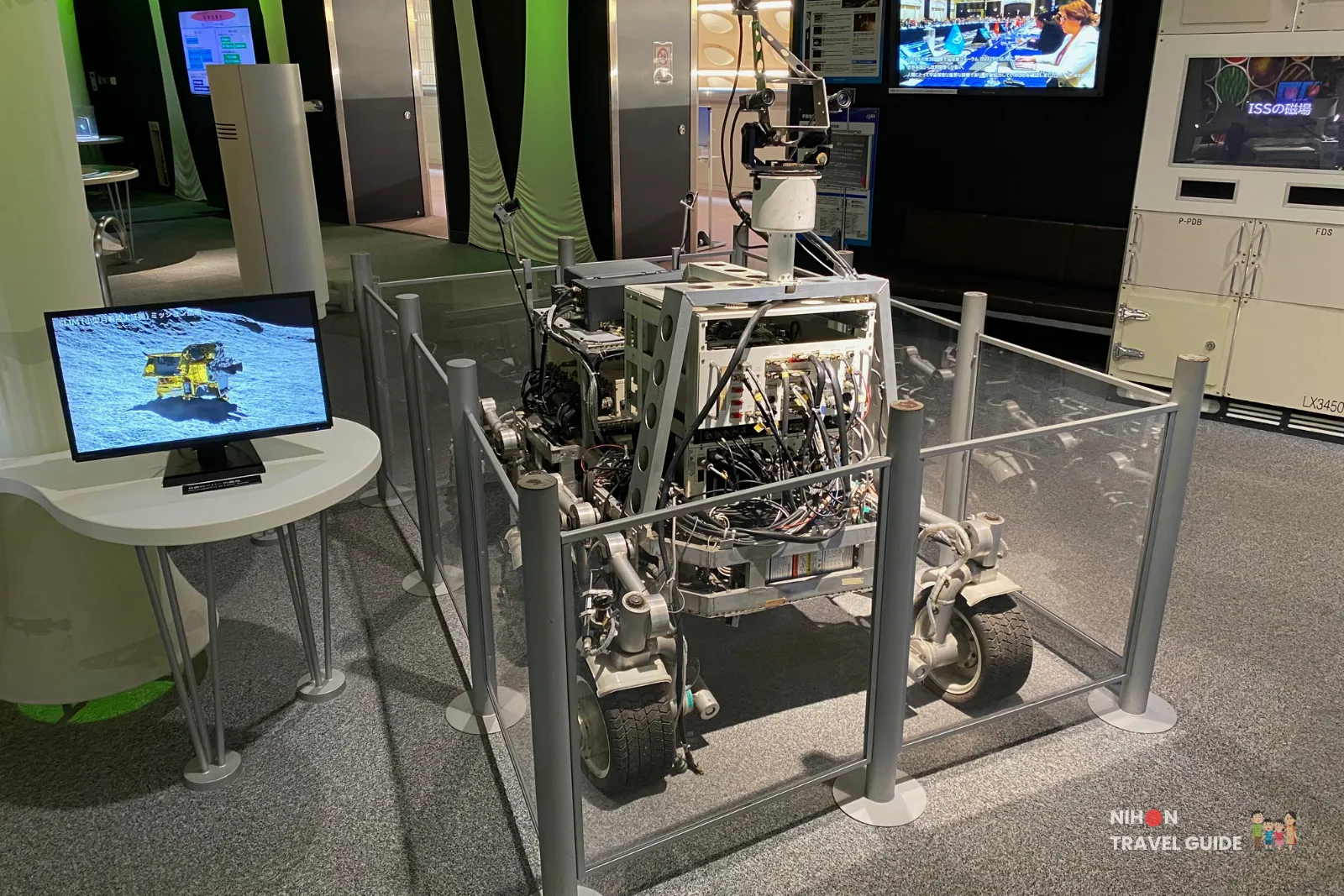
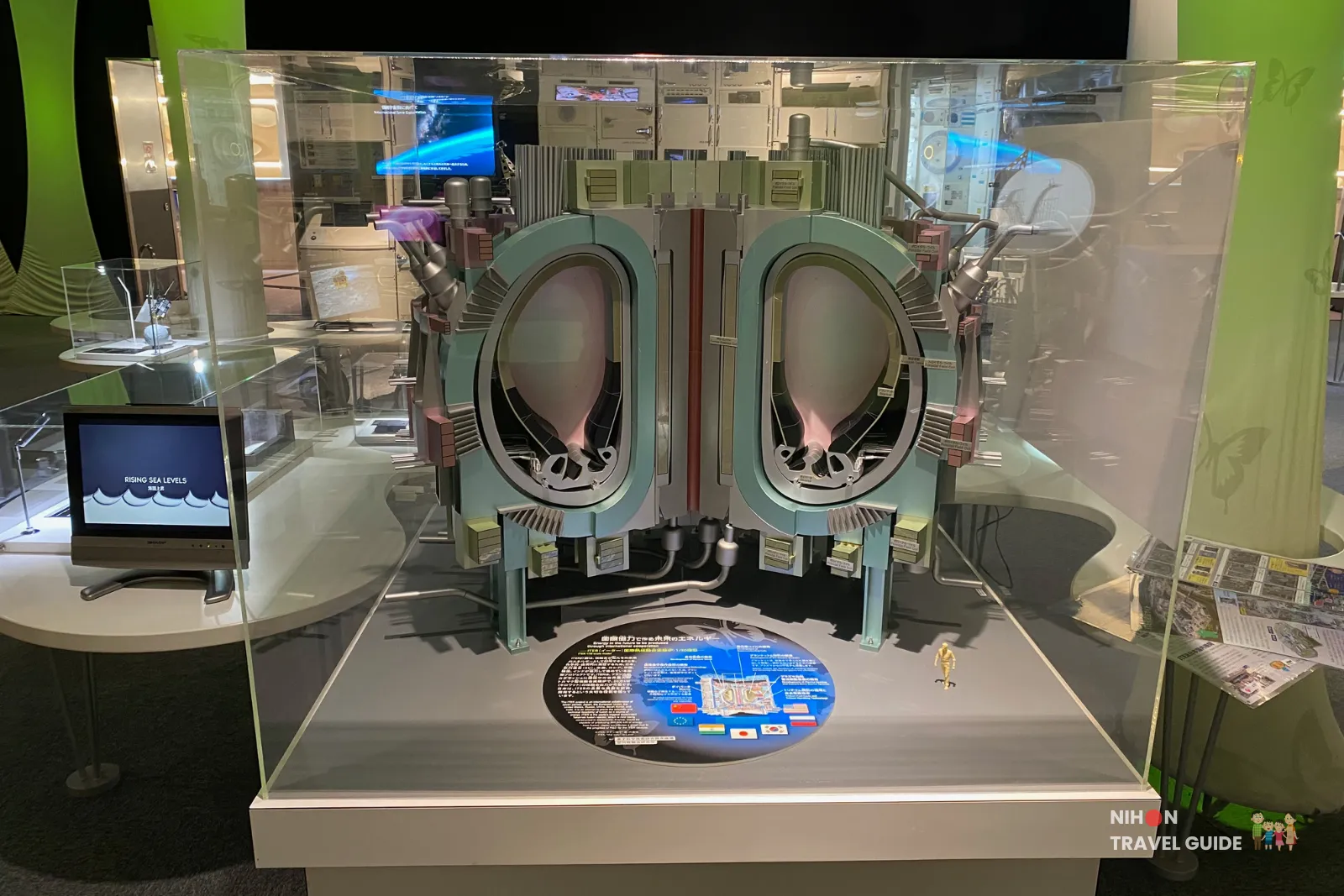
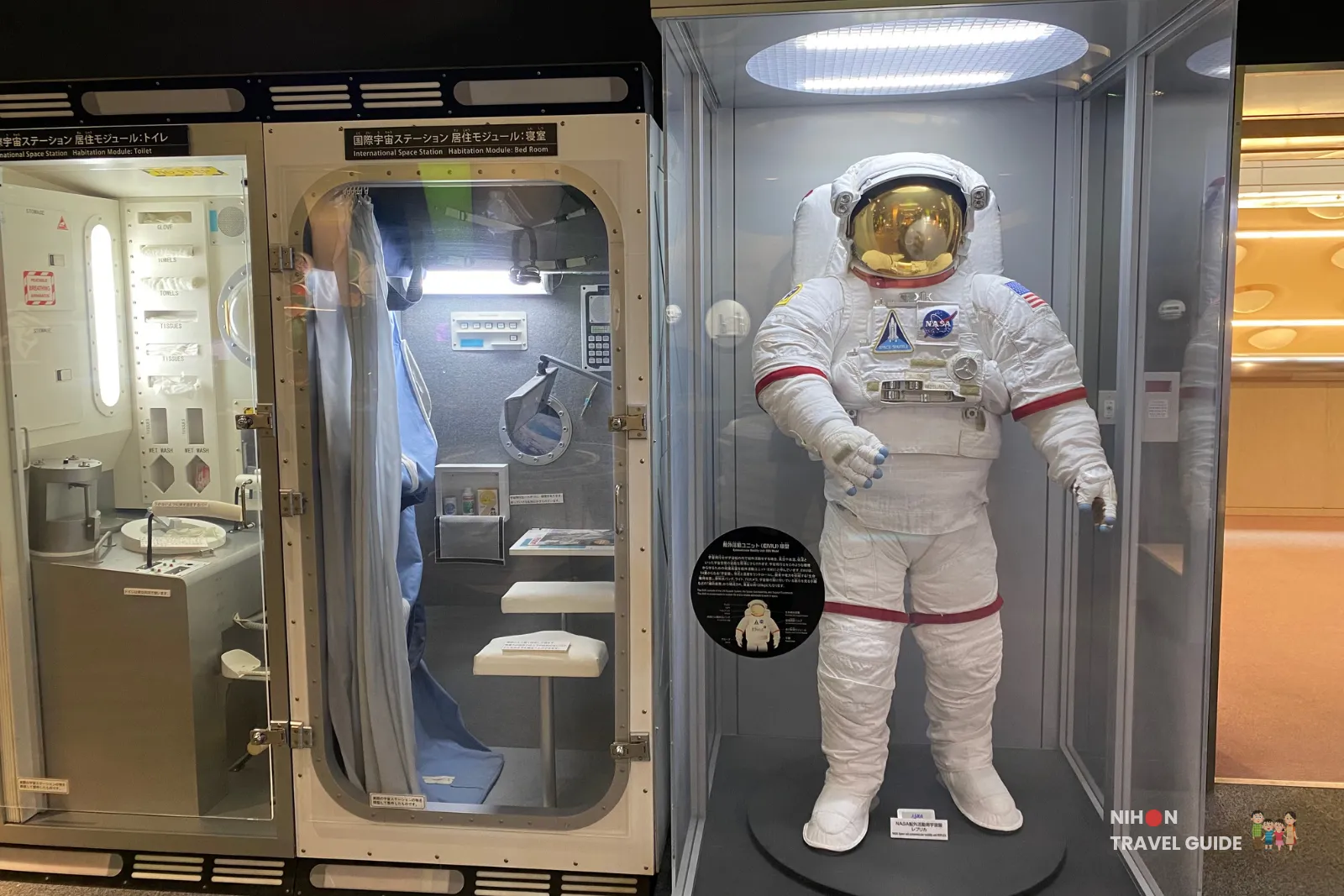
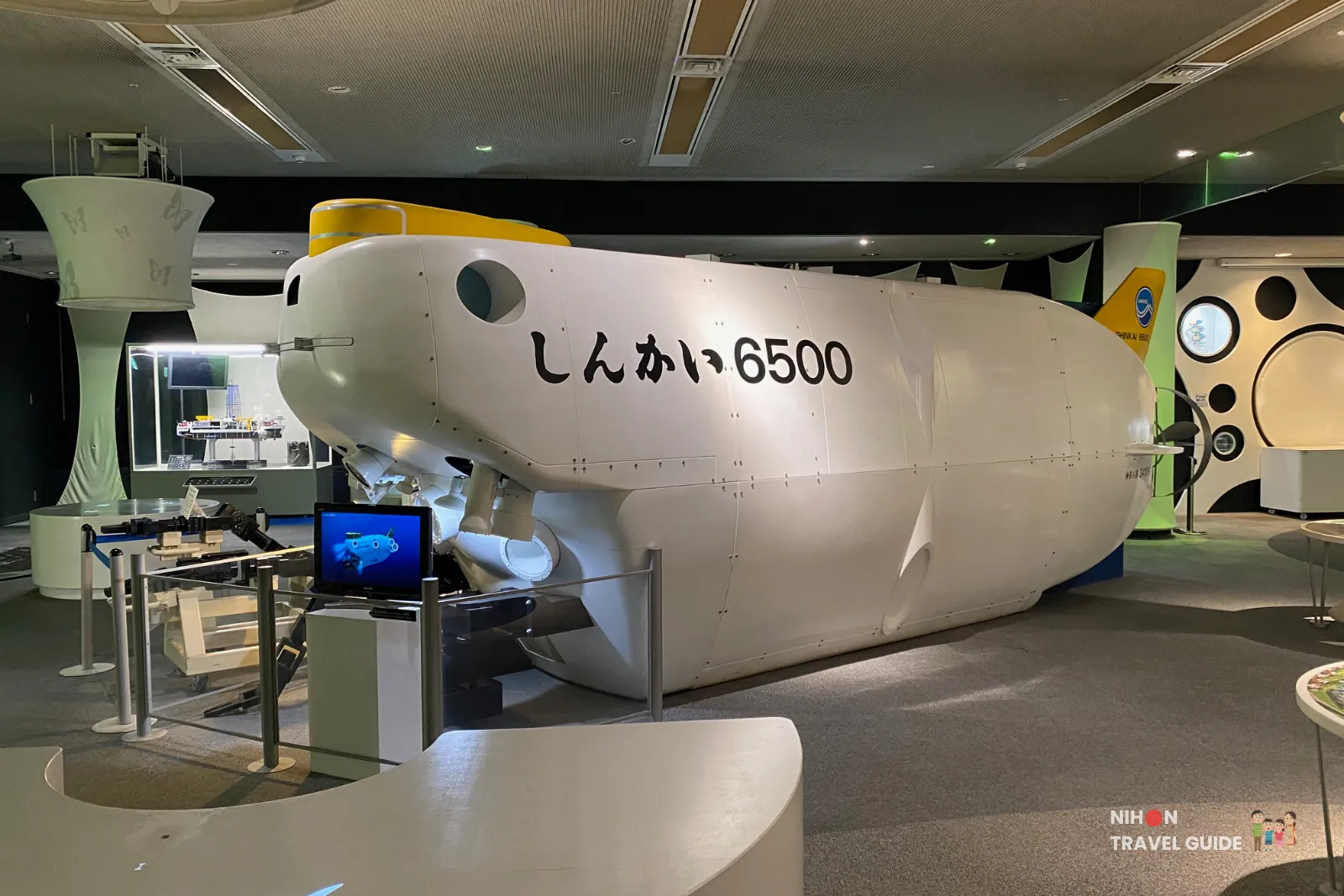
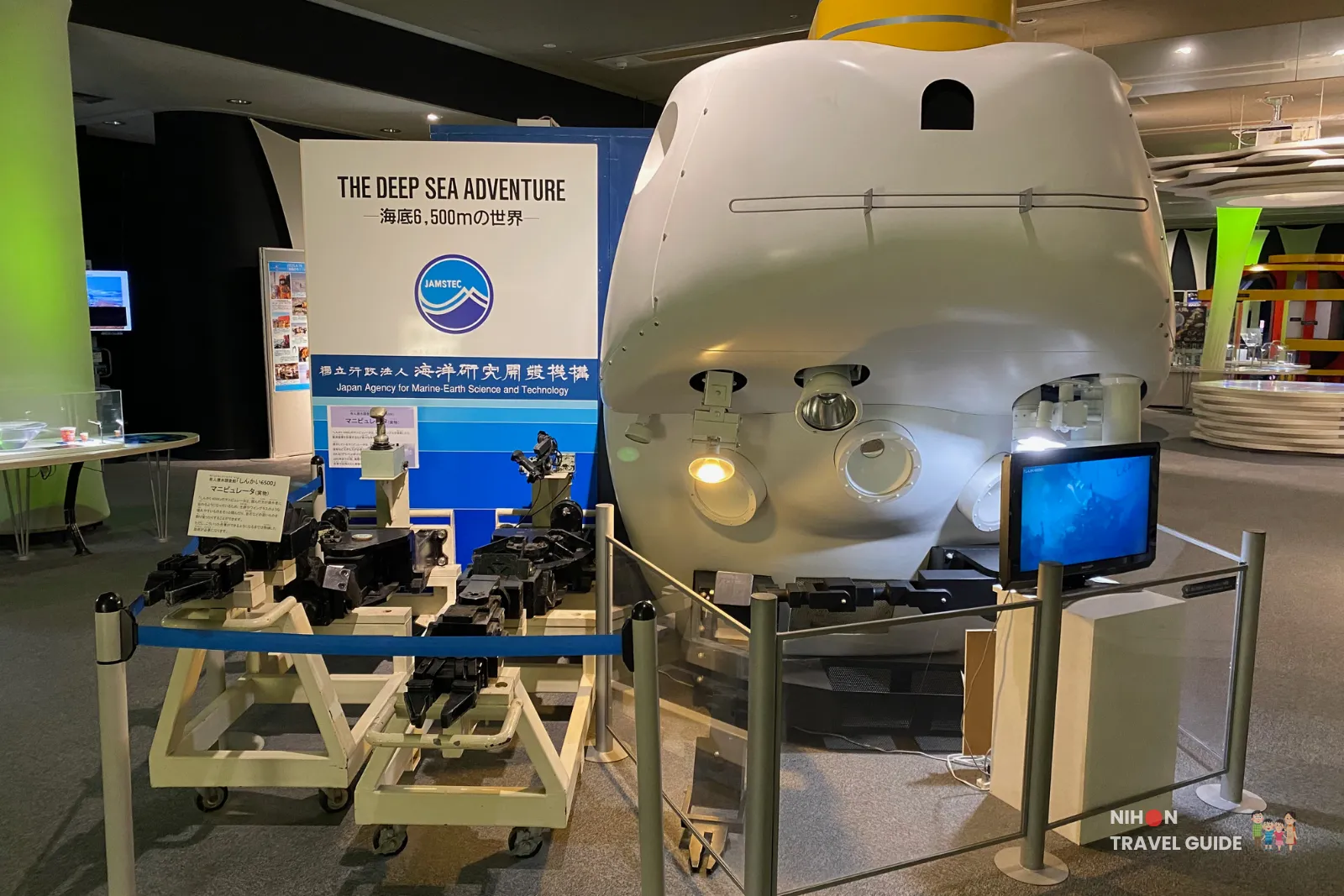
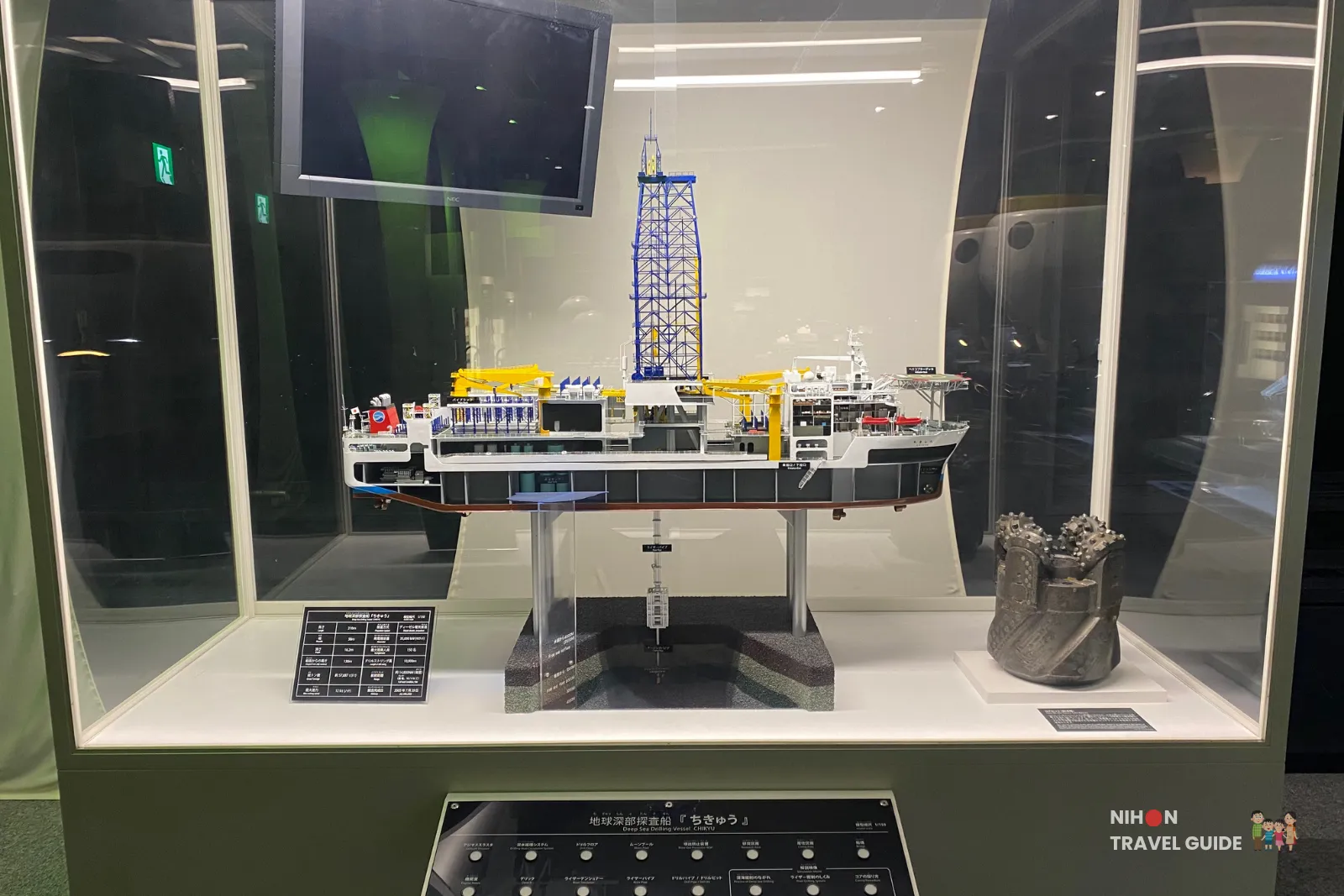
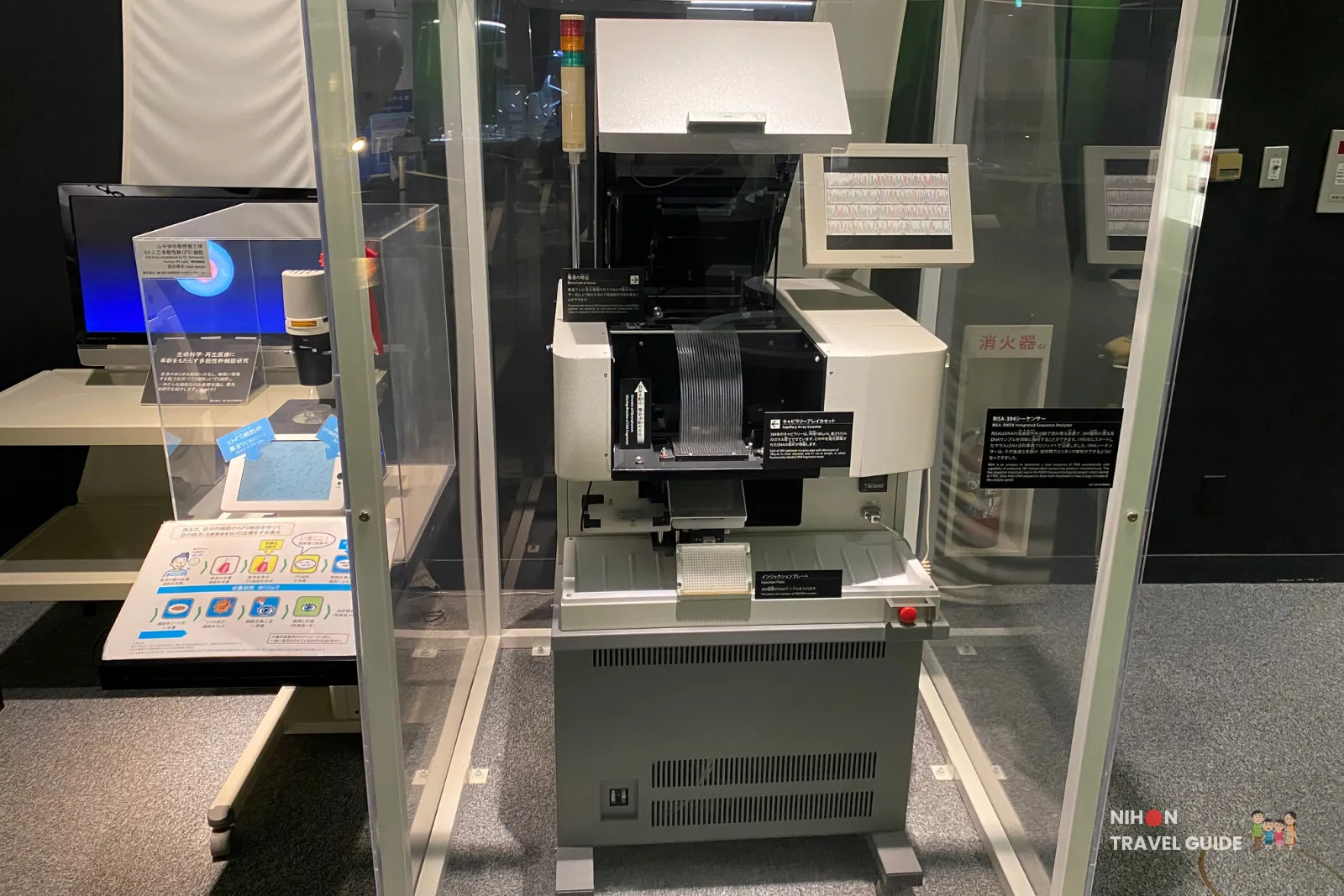
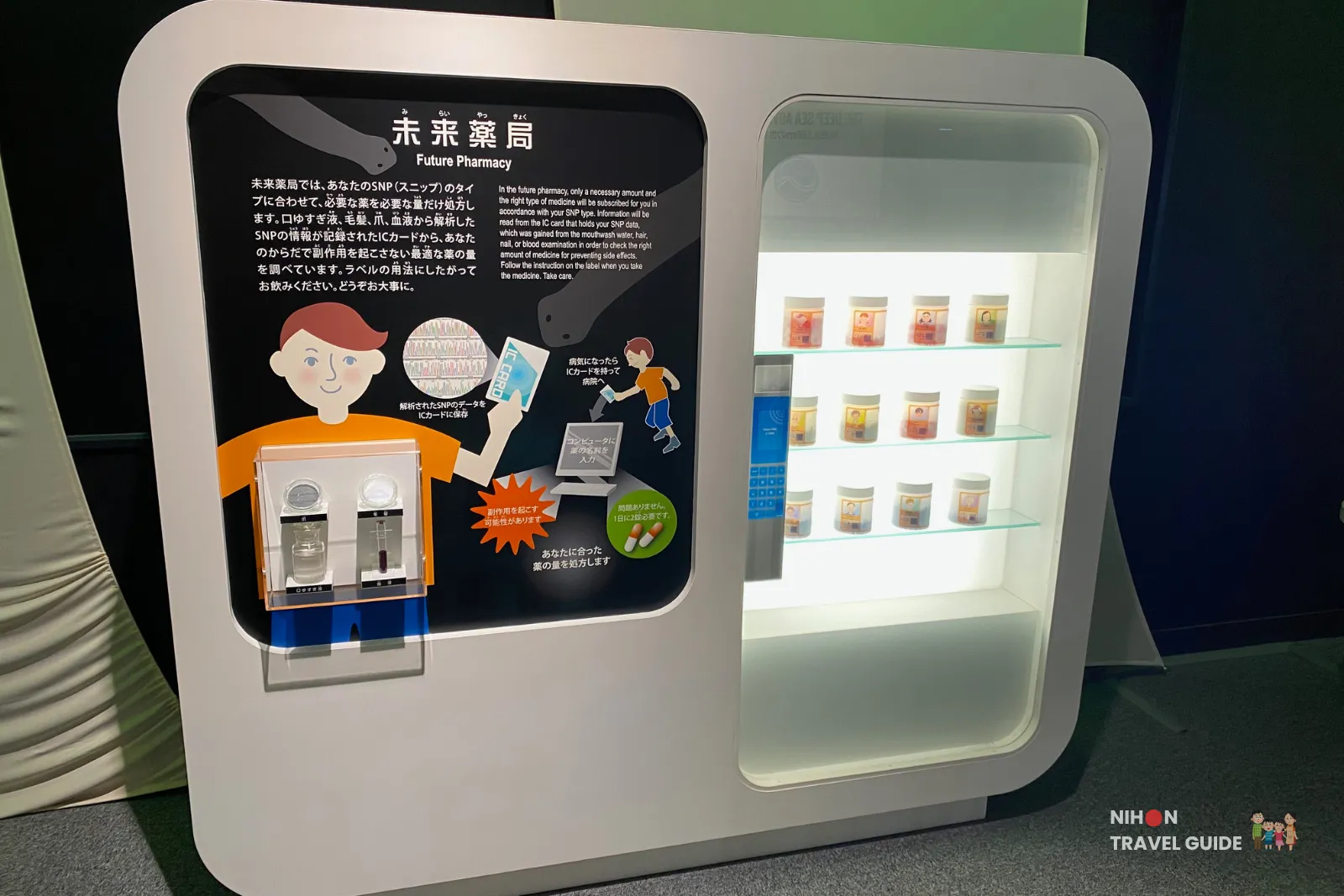
Probably the thing that caught my eye was the Shinkai 6500 (しんかい), Japan’s deep sea research submersible. It can dive to depths of 6500 meters and has completed over 1850 dives across the Pacific, Atlantic and Indian Oceans. I don’t see a lot marine technology very often so I thought this was really interesting.
A lot of exhibits and information boards in this hall are also in Japanese as well. So it might be a bit challenging if you can’t read Japanese.
The Planetarium
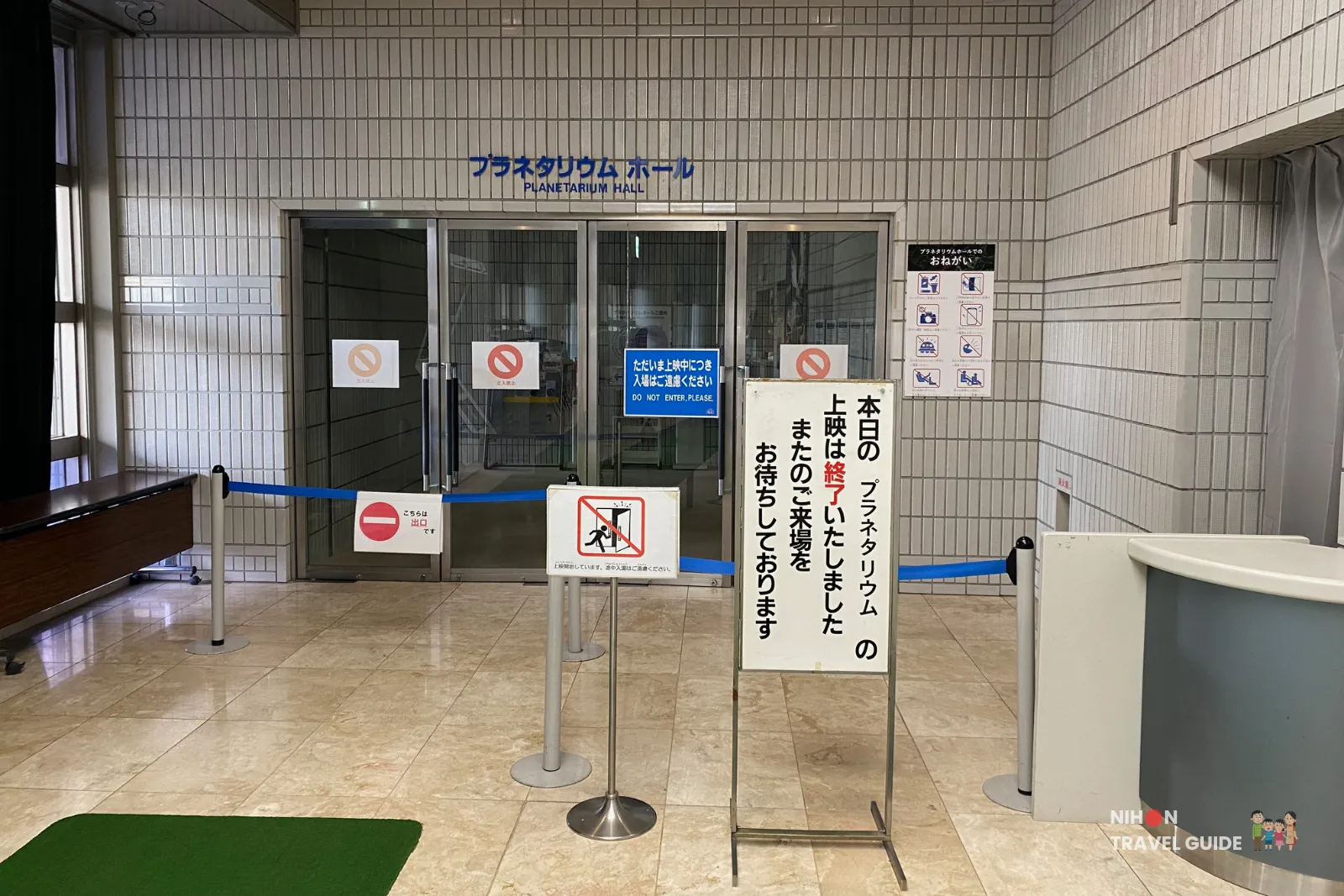
The Planetarium is a massive immersive dome theatre that lets you experience the night sky, space, and cosmic phenomena in a highly realistic and dramatic way. You sit back in reclining seats and look up at a curved screen that covers almost your entire field of view.
Each show is about 40-50 minutes and you would see realistic recreations of the current night sky, seasonal constellations, educational and entertaining stories about the universe and deep space. It is a mix of videos and live narration by the staff.
The shows are in Japanese but you can borrow earpieces at the entrance for English narration.
Unfortunately I didn’t get to watch the Planetarium Show. I will definitely want to check it out again the next time I am there.
Outdoor Exhibits
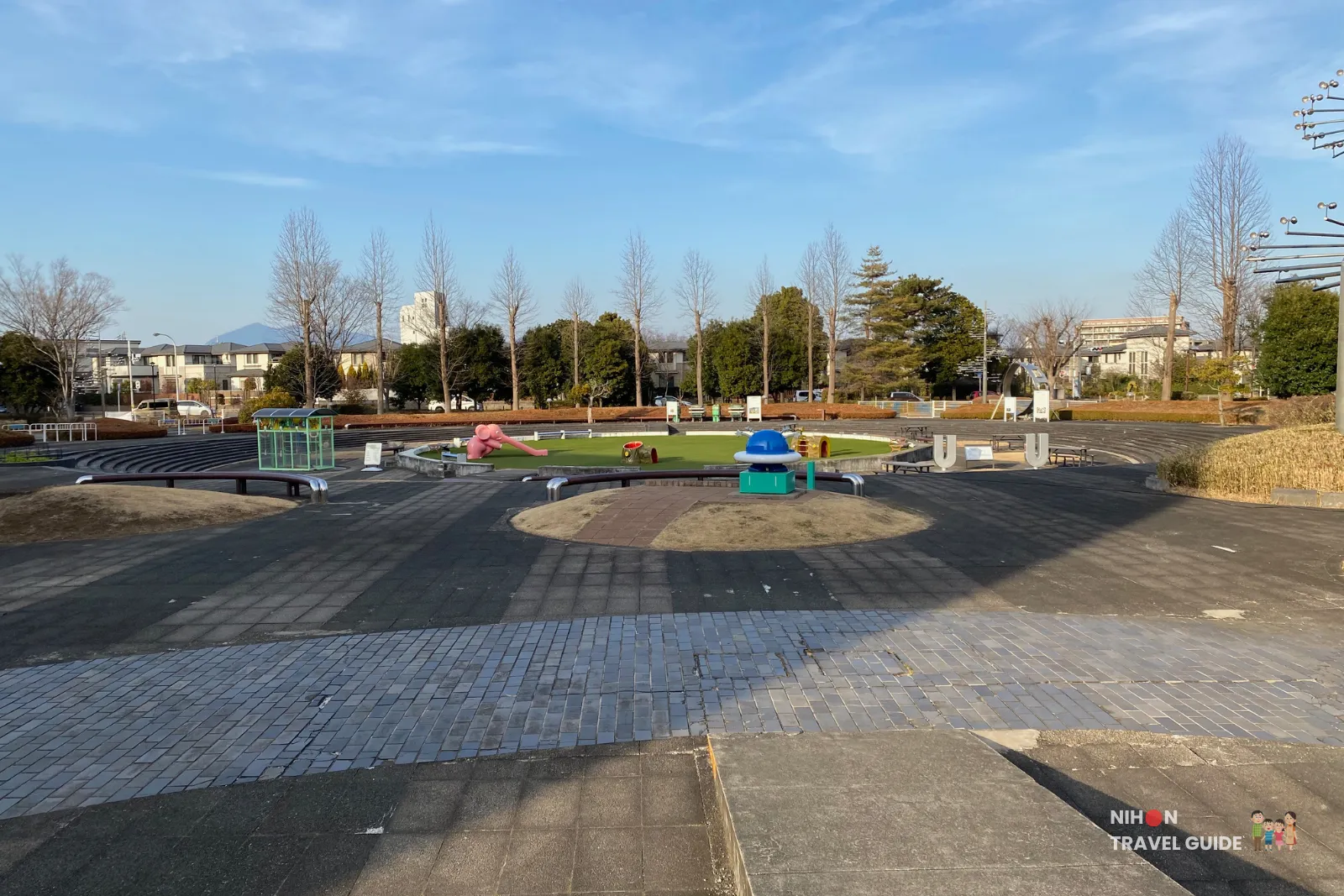
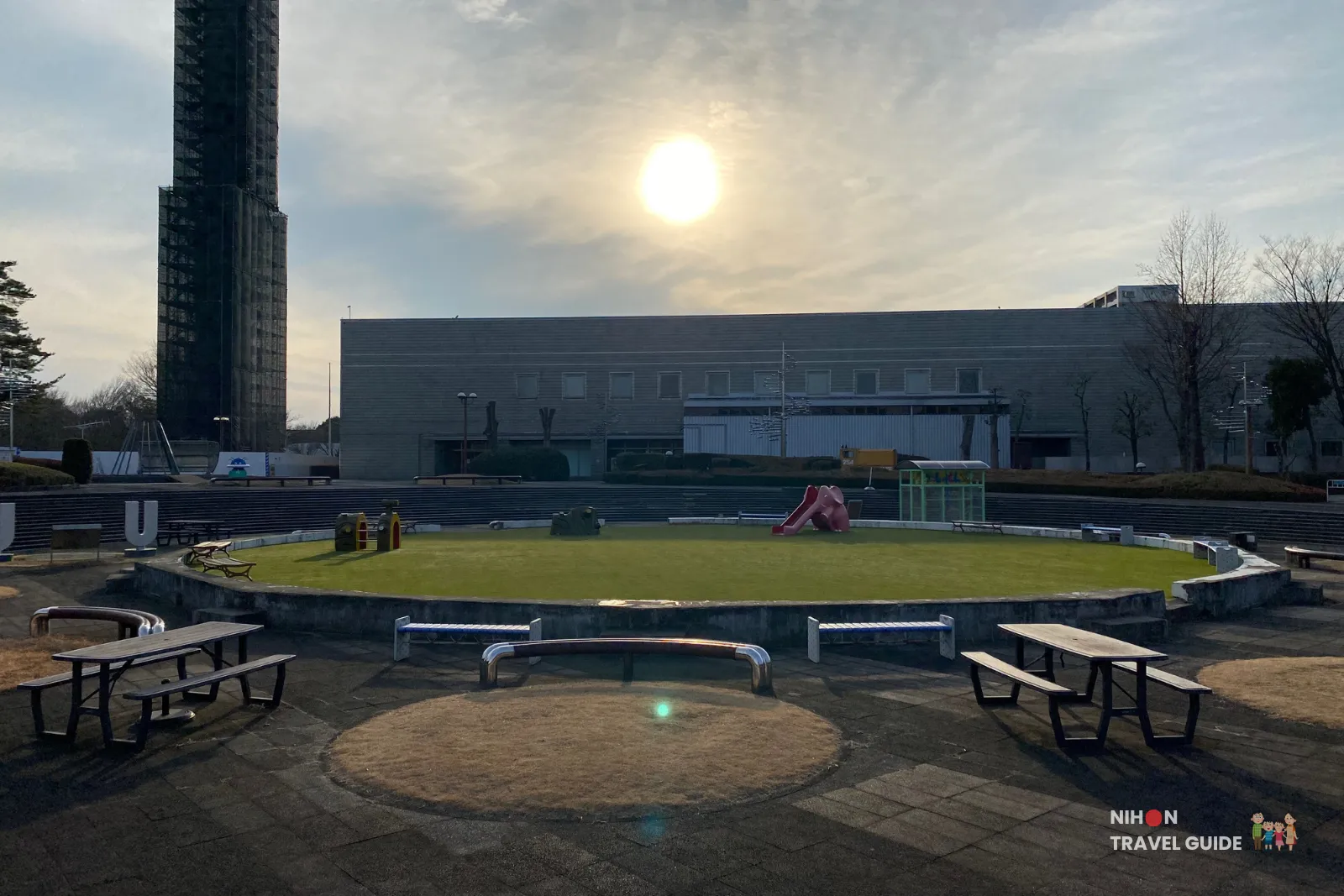
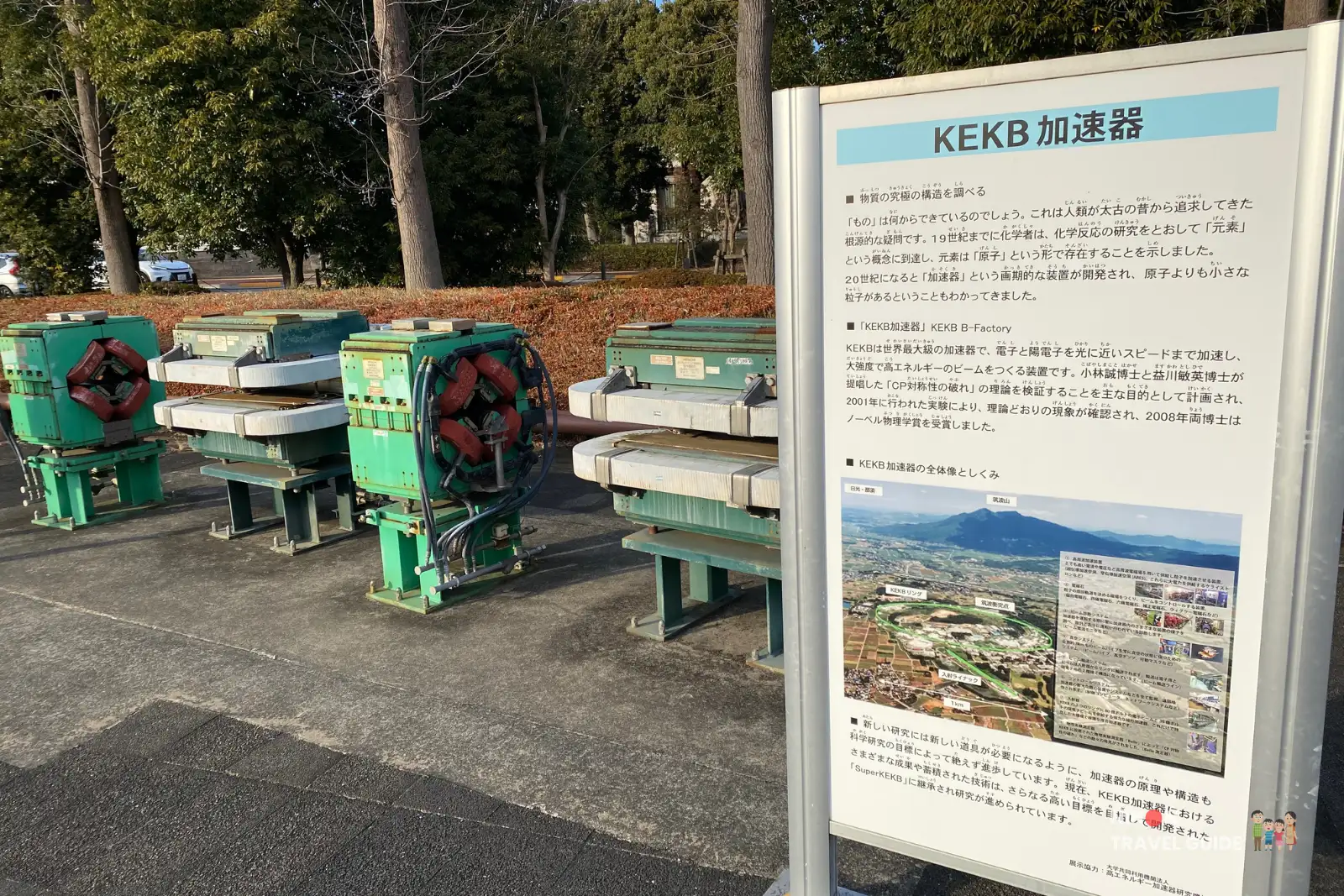
There are also various outdoor exhibits at the back of the Expo Center. This includes the JT-60 Fusion Reactor, the SM25S snow vehicle and parts of the KERB particle accelerator. These were actually used in real life missions or experiments.
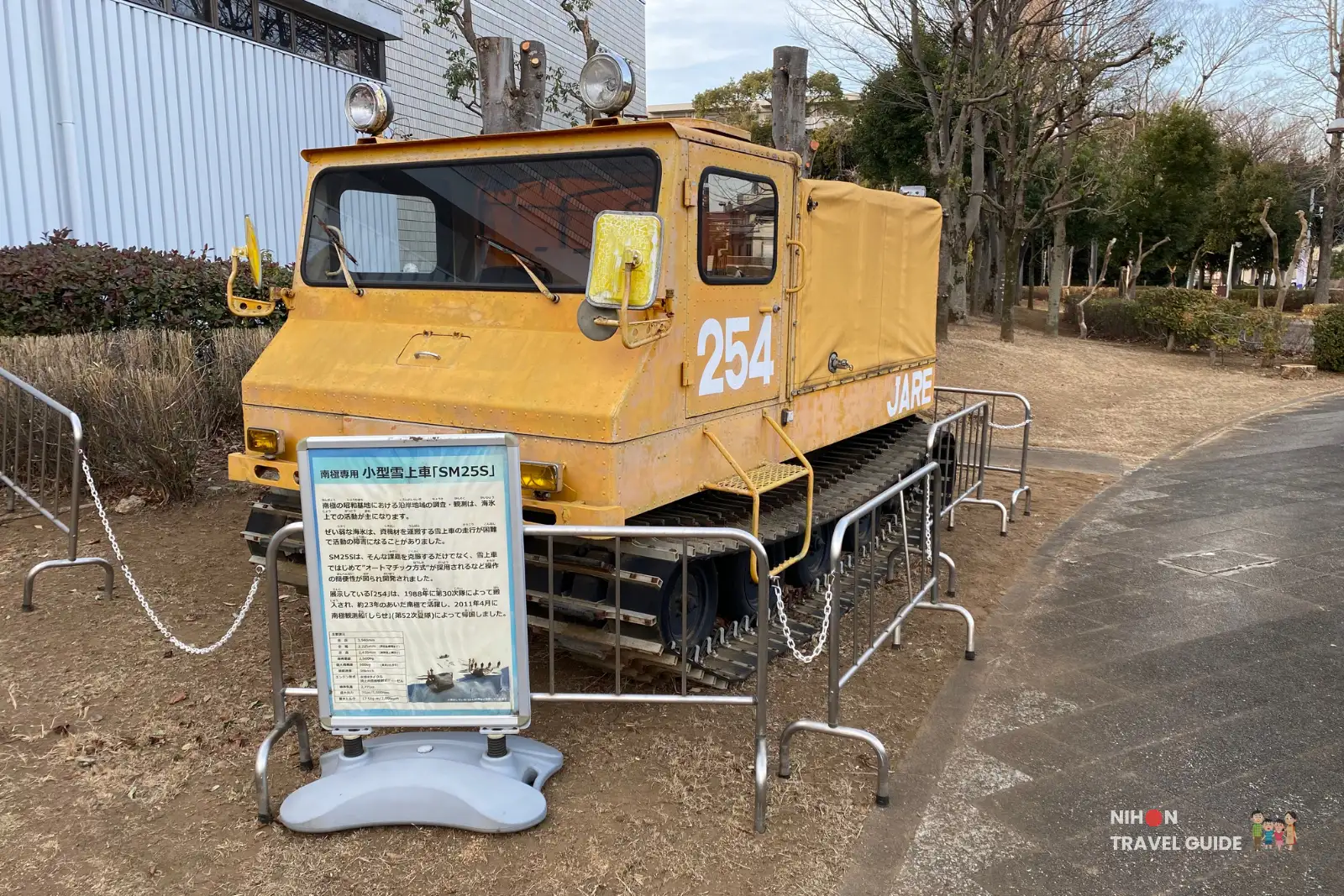
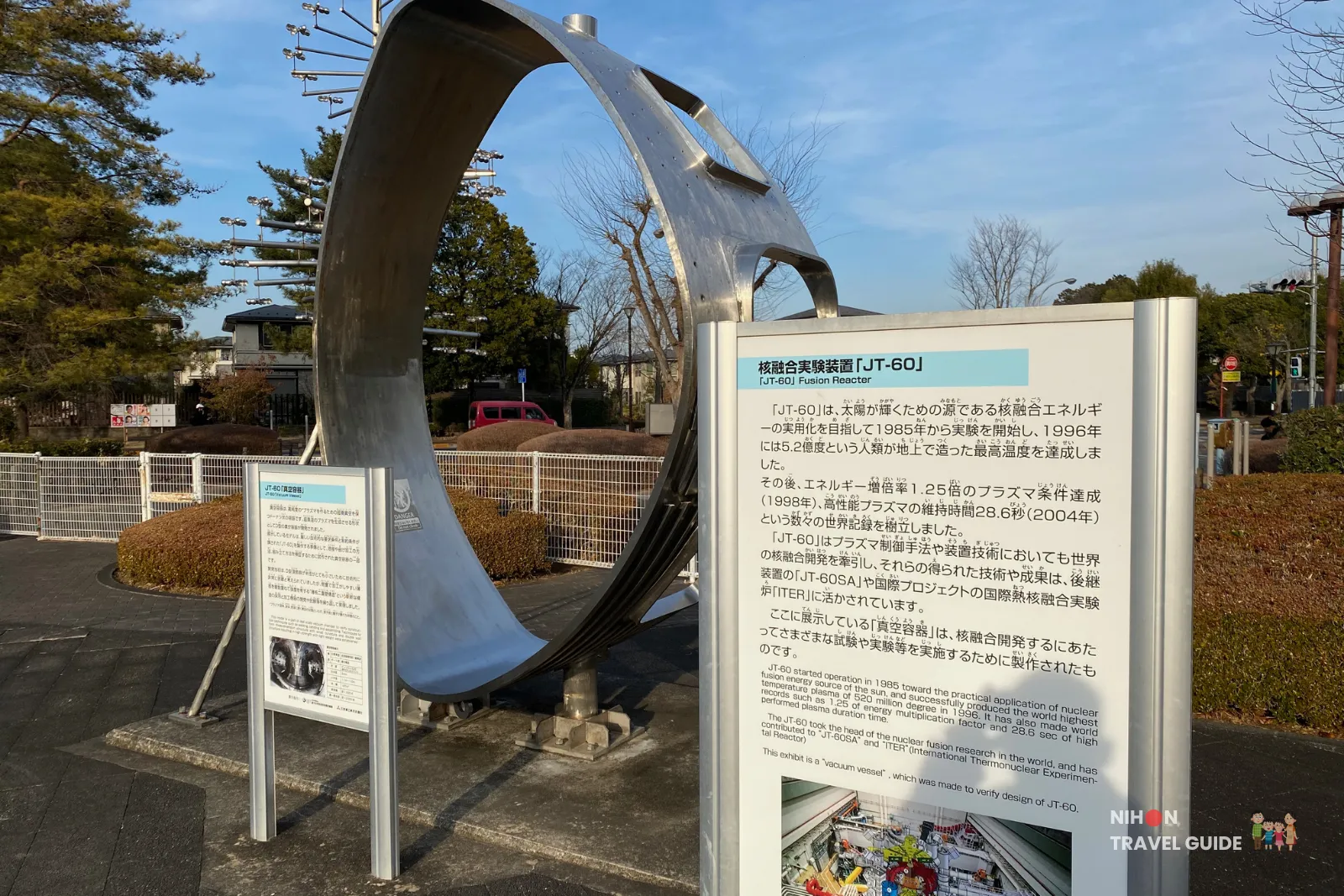
The SM25S probably stood out to me most as a vehicle and it was actually deployed to Showa Station (昭和基地) in Antarctica from 1988 to around 2011.
The outdoor exhibit area also had a playground for children and a picnic area in the middle for families.
Science Museum Gift Shop
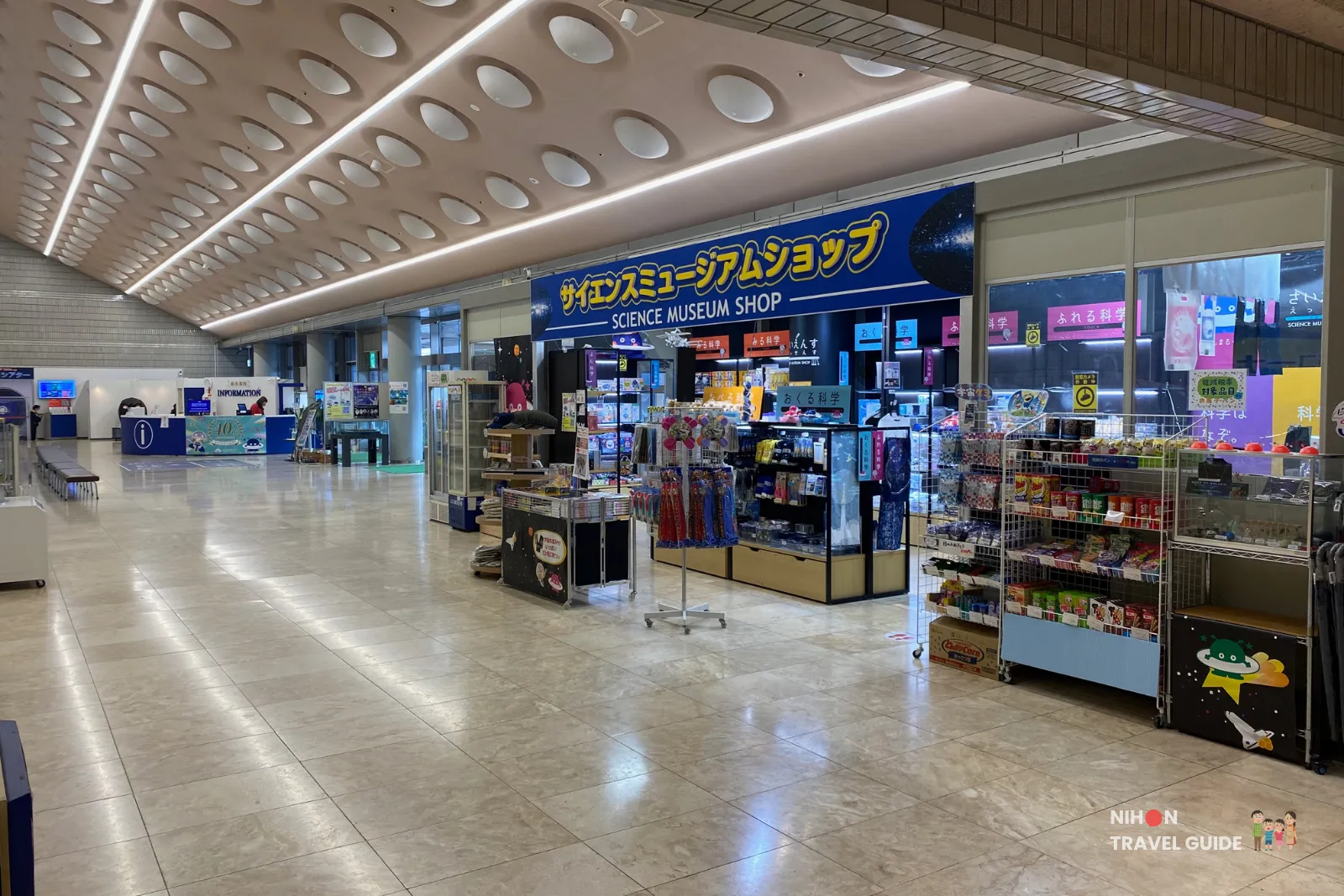
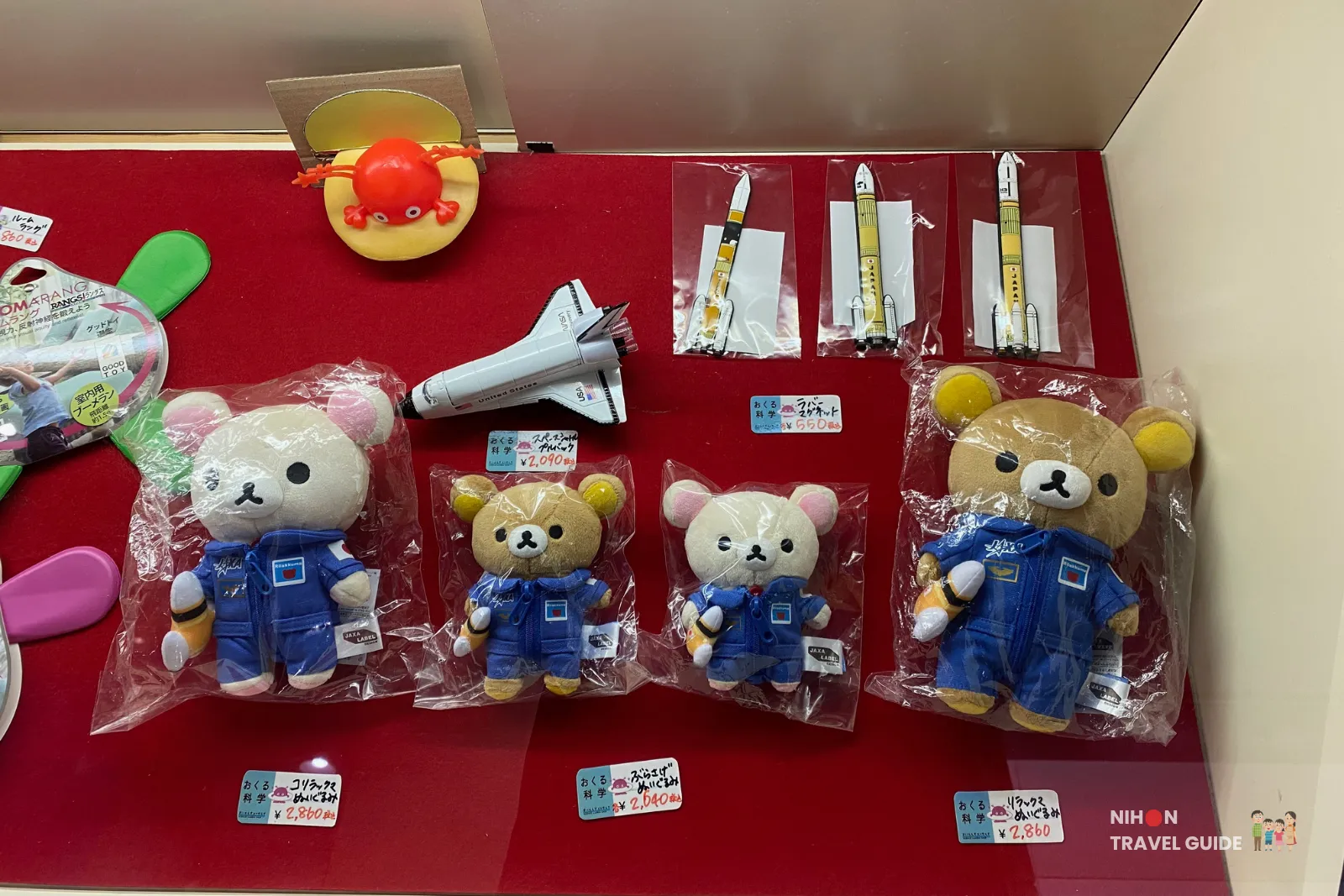
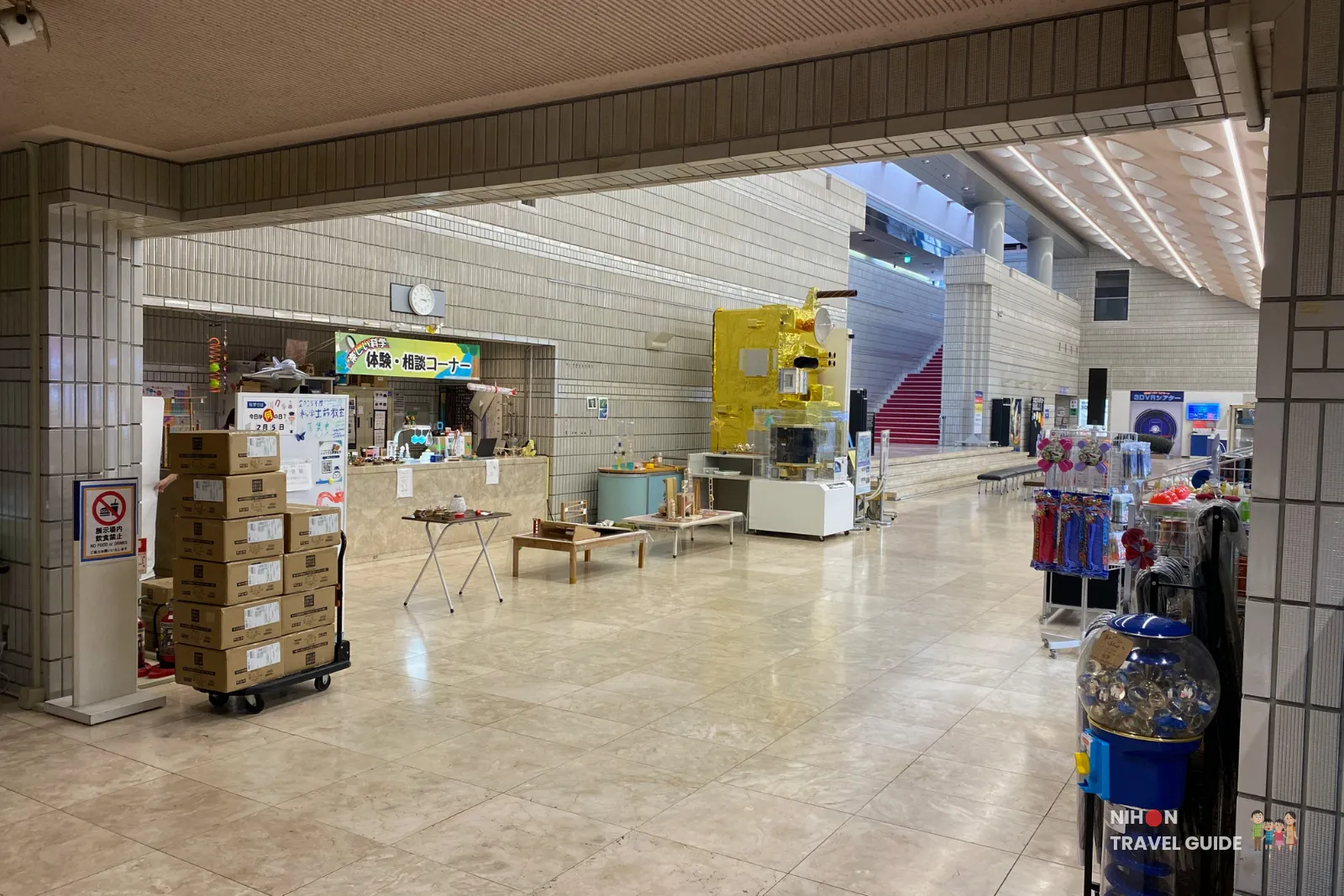
There is a Science Museum Gift shop that sells various science and space themed souvenirs and some food. They also sell a lot of science toys, experiments and educational games for kids to play with.
The cutest thing I saw was probably the Rilakkuma toy wearing a JAXA Spacesuit. I think it’s a limited edition collaboration with JAXA and it’s only sold at the Tsukuba Expo Center and JAXA Space Museum. If you are fans of Rilakkuma you might want to check this out.
H-II Rocket Exhibit
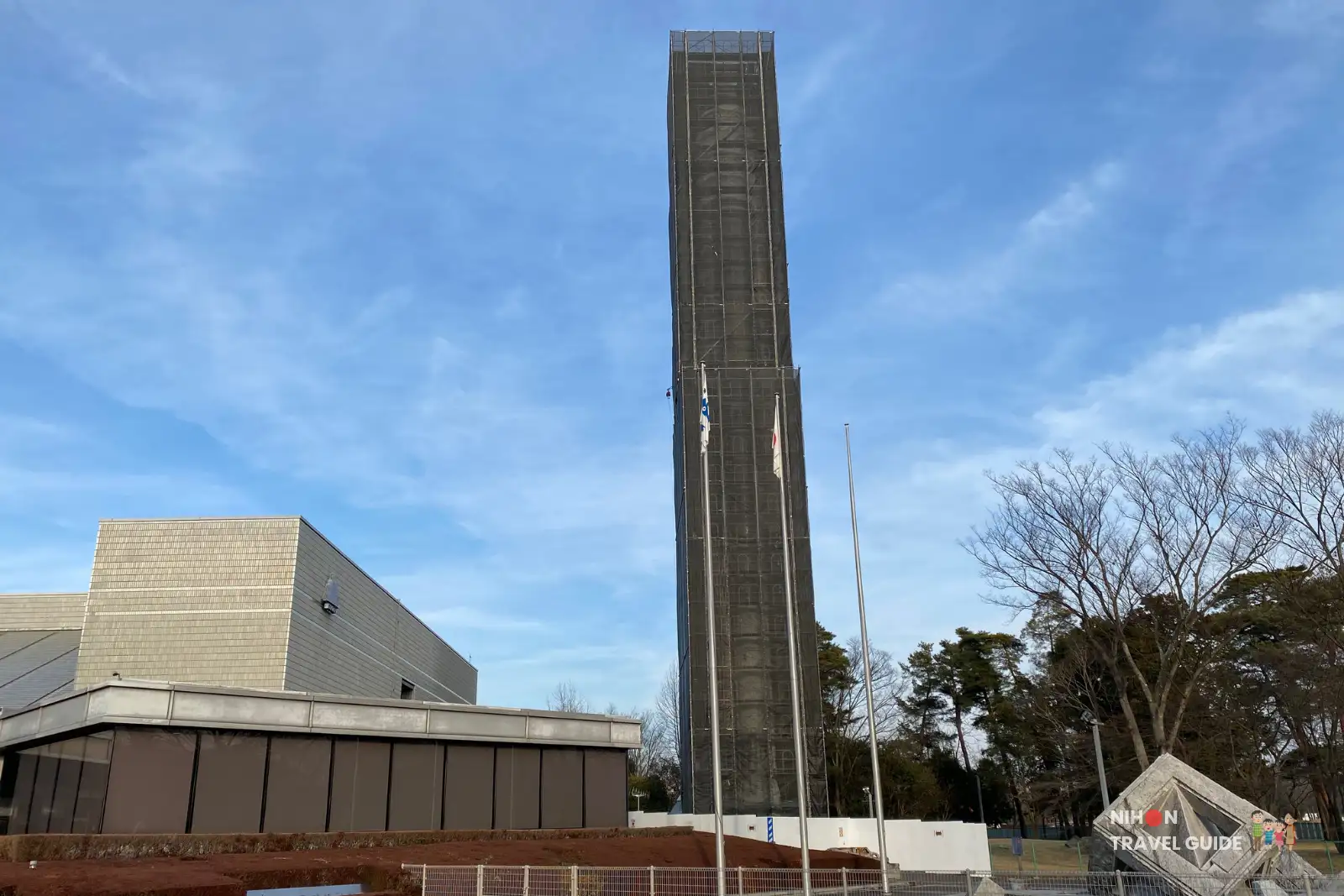
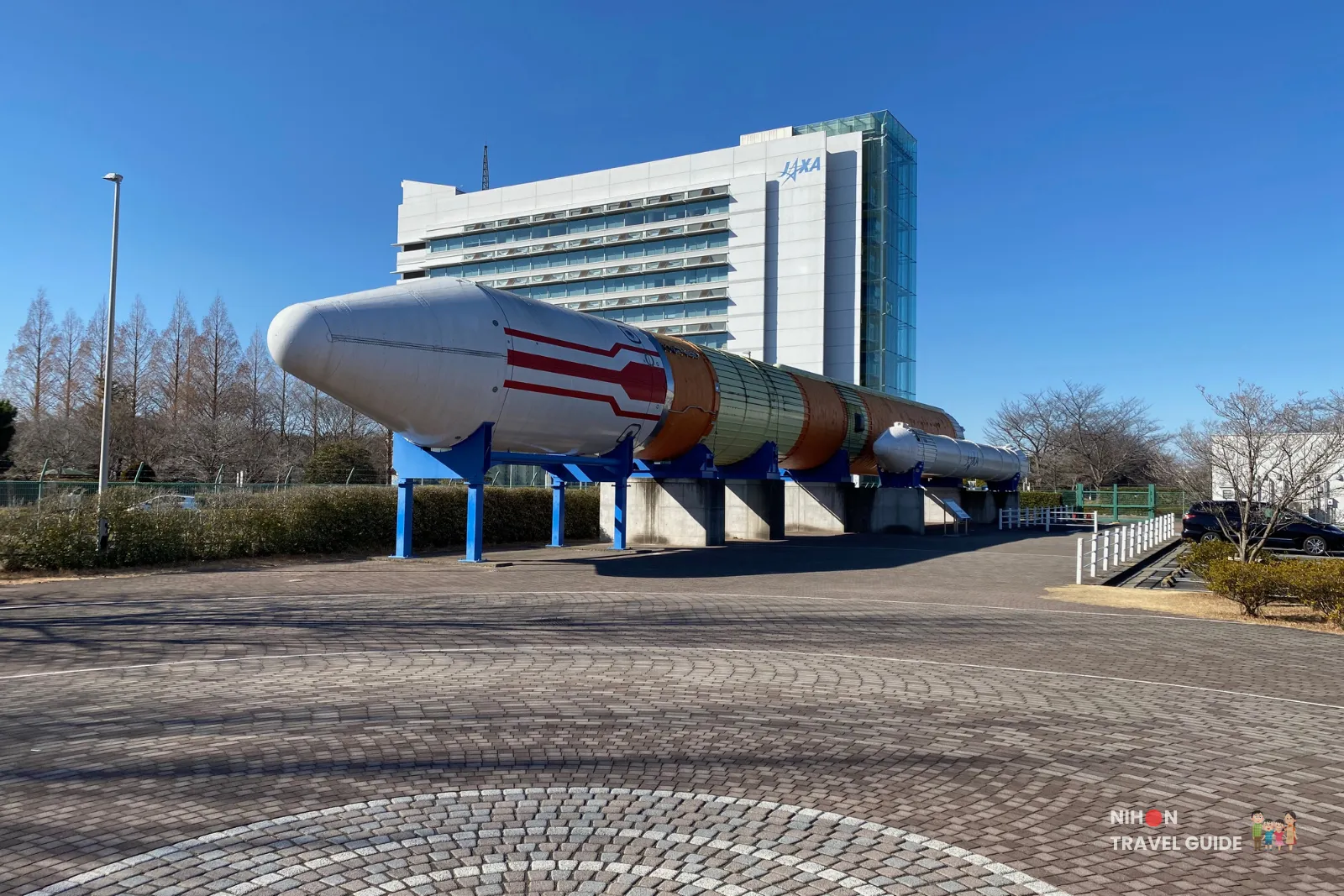
Outside the Tsukuba Expo Center there is a full size model of the H-II Rocket that has been there since 1990. Standing at 50m tall, the H-II Rocket was used in missions from 1994 to 1999. It was Japan’s first fully domestically developed large orbital launch vehicle.
This exhibit was a full scale model built for the 1989 Yokohama Expo and later moved to Tsukuba.
Unfortunately when I was there they were doing maintenance works, hence the scaffolding.
Sakura Minka-En
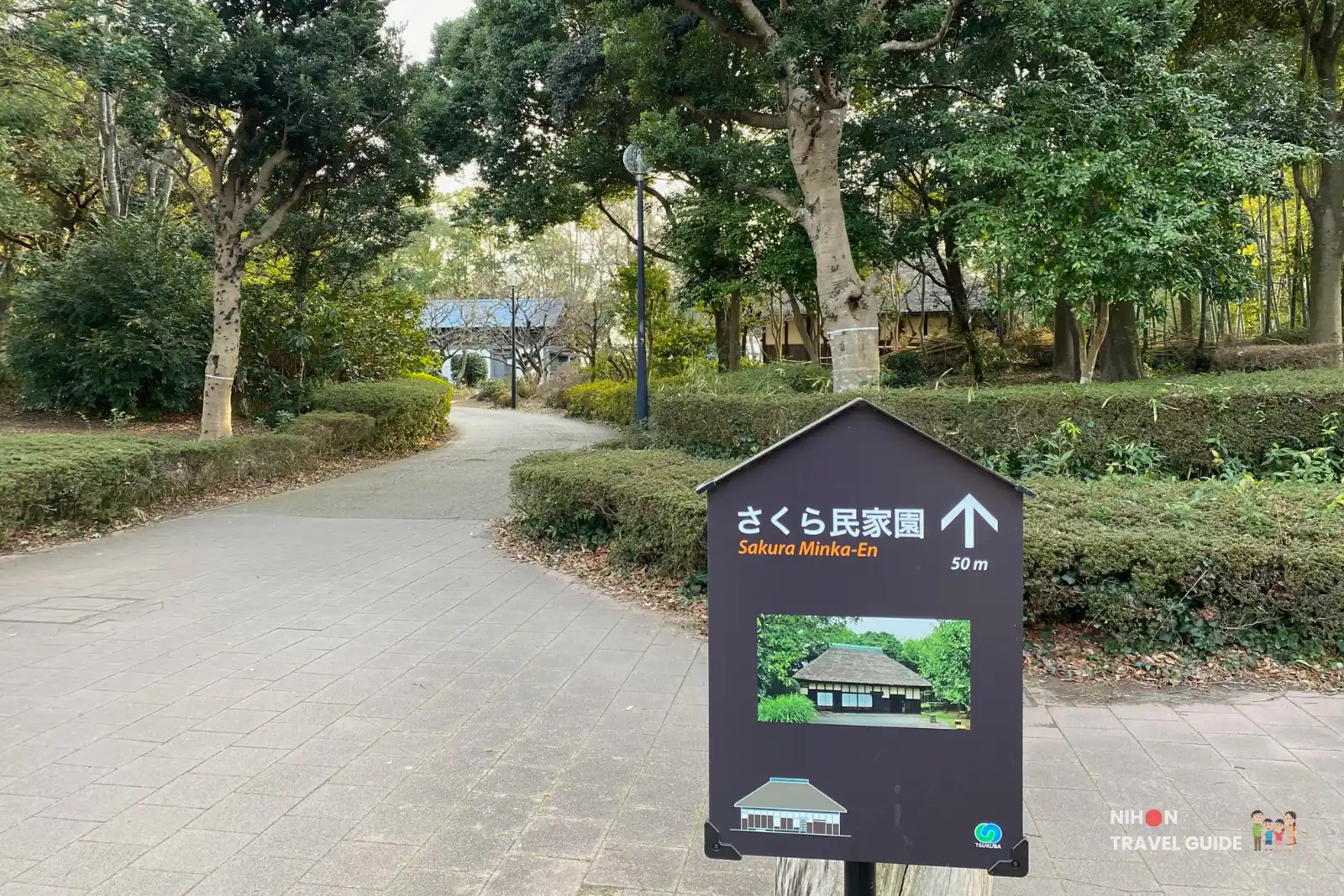
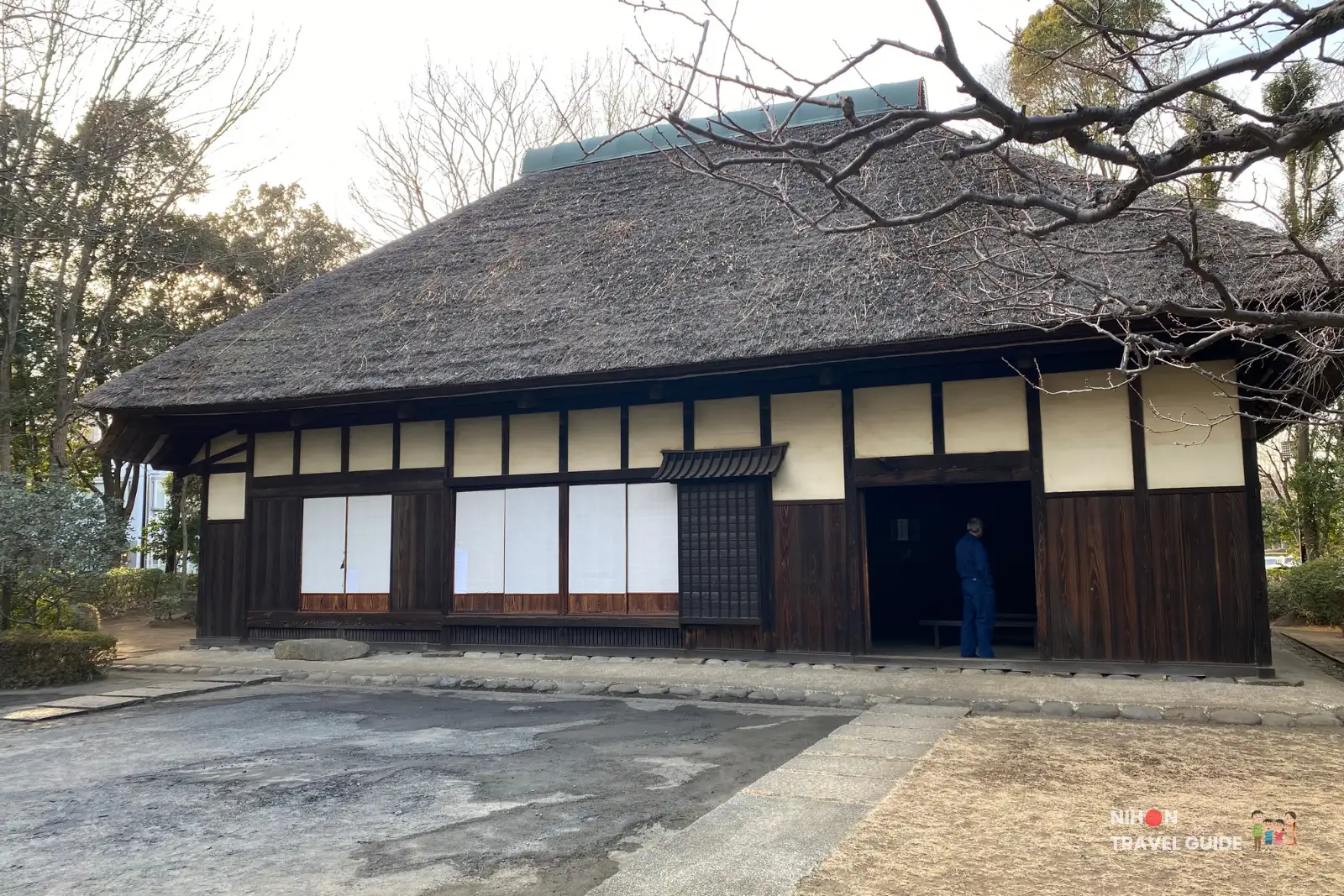
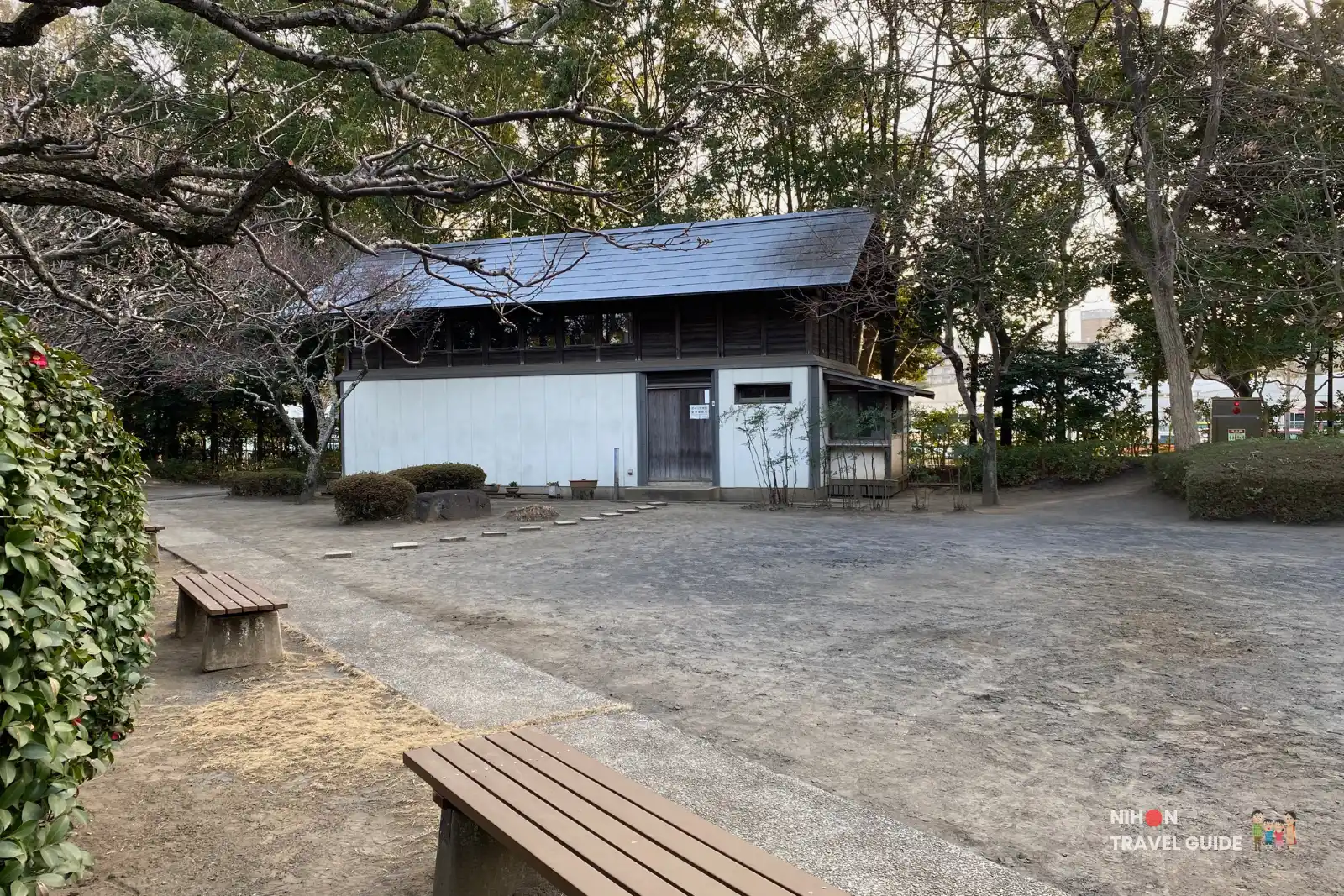
While walking back to the Expo Center car park, I happened to see a sign about Sakura Minka-En with a picture of a traditional Japanese house and decided to go take a look.
The Sakura Minka-En is a traditional Japanese folk house (minka) from the late Edo period and is the former Yokota family residence (旧横田家住宅). It originally was from the old Sakura Village now part of Tsukuba.
It was relocated and restored as a symbol of harmony between modern science and traditional rural life around the time of the 1985 Tsukuba Expo. Today it serves as a small open-air folk museum where visitors can freely walk around the exterior and enter to see how people used to live. Entry is free of charge.
Unfortunately I didn’t know all this at the time and I was afraid that I was actually trespassing someone’s home, so I just took a quick photo of the outside. Now that I know all this I might try to come back another time.
Some Tips
– Try not to go during the Winter off-peak periods as it seems like they do maintenance during that period.
– Try to visit on a day when the Planetarium show is showing to get the most experience.
– A lot of the exhibits and information boards are in Japanese. If you don’t know Japanese consider going with a friend who does. You can use AI to translate but because there are so many a friend might be faster.
Is Tsukuba Expo Center Worth Visiting?
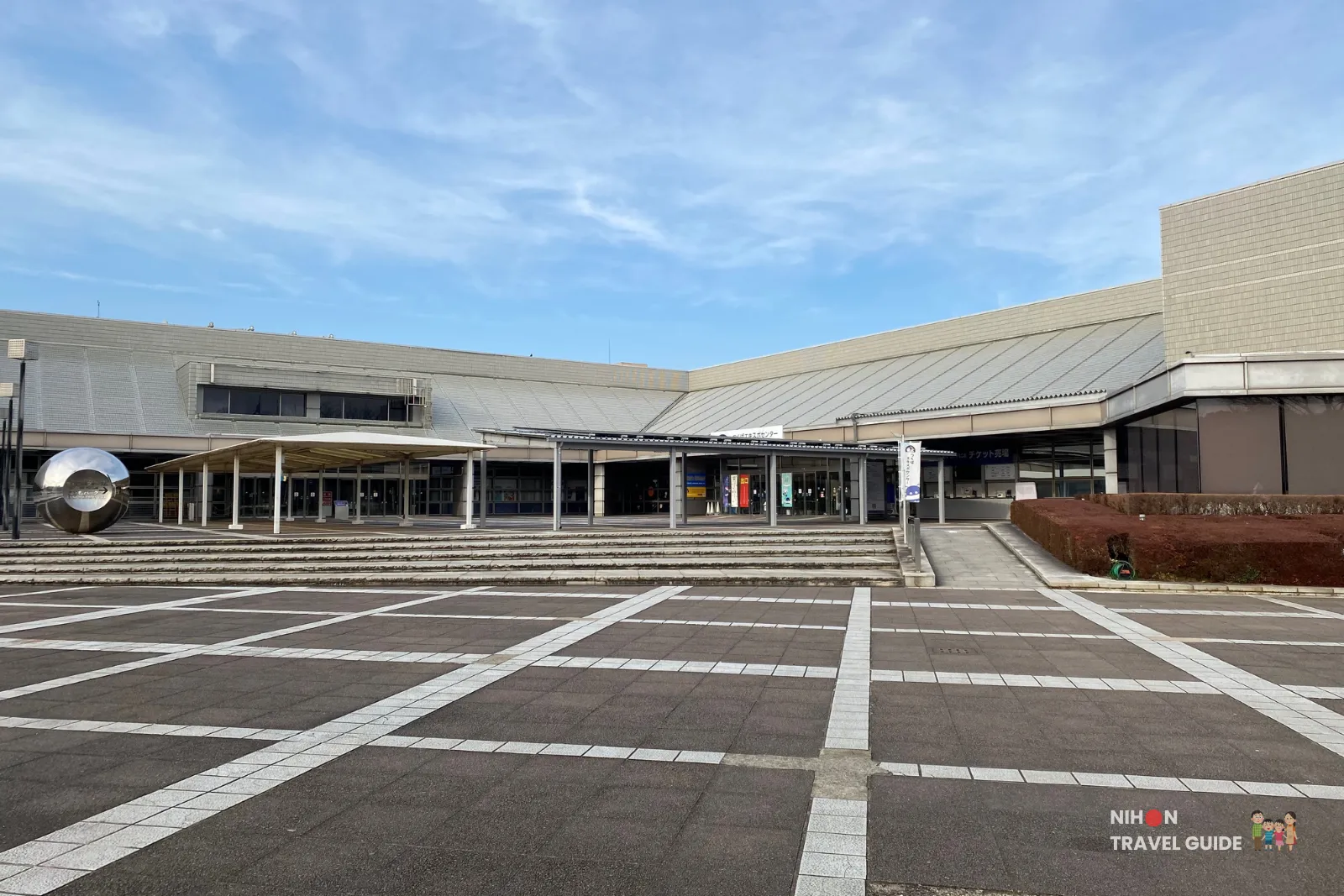
I do recommend visiting Tsukuba Expo Center if:
1) You are visiting other attractions around Tsukuba (or Ibaraki) and
2) Are planning to watch the Planetarium.
I won’t recommend taking a day trip to visit Tsukuba Expo Center on it’s own.
I did enjoy my time visiting and seeing the various exhibits although too much science stuff is a bit too “dry” for me. I must also say that it is slightly crazy seeing items and objects that were around before I was born.
I do recommend visiting with a friend who speaks/understands Japanese as a lot of the exhibits and information boards are in Japanese and there aren’t any guided tours (especially in English). You could use AI to translate everything but a friend might be faster since there are so many exhibits.
My Rating: 3.8 / 5
A trip down memory lane, hands-on science exhibits, great for kids and families.
How long to spend at Tsukuba Expo Center?
There is quite a lot to see at Tsukuba Expo Center and it took me between 1hr 30mins and 2 hours to go through everything. If you really read every exhibit in detail I think you would end up spending more than 2 hours.
The Planetarium Show lasts about 50 mins so if you attend everything you can be prepared to spend a whole afternoon there.
When is the best time to visit Tsukuba Expo Center?
The best time to visit Tsukuba Expo Center is the non-winter off-peak periods. So going from March to November (Spring, Summer & Autumn) would be good.
Based on my experience, it seems like during the winter season they don’t get as many visitors and they use this period to do maintenance.
Tsukuba Expo Center vs JAXA — Which Should You Visit?
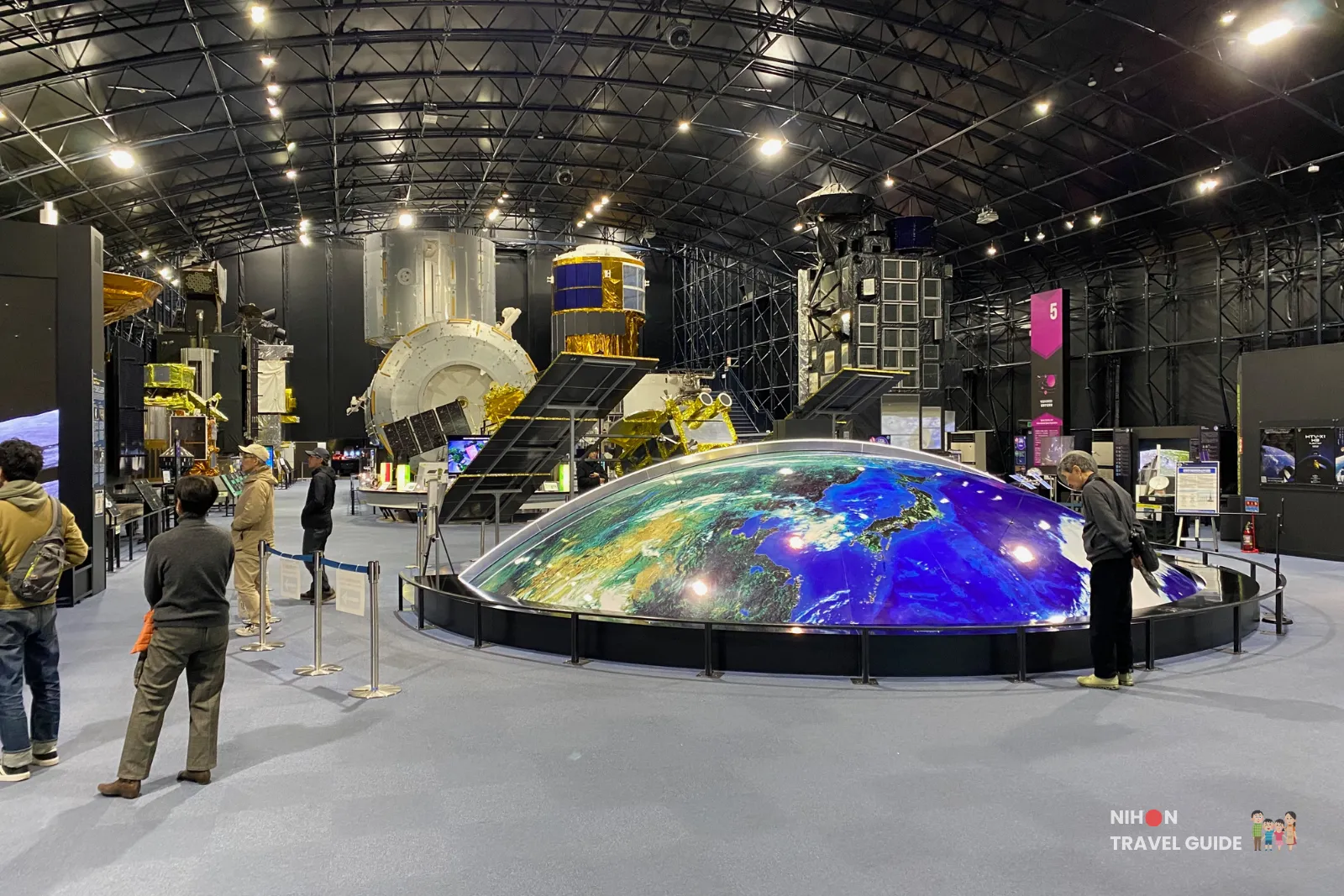
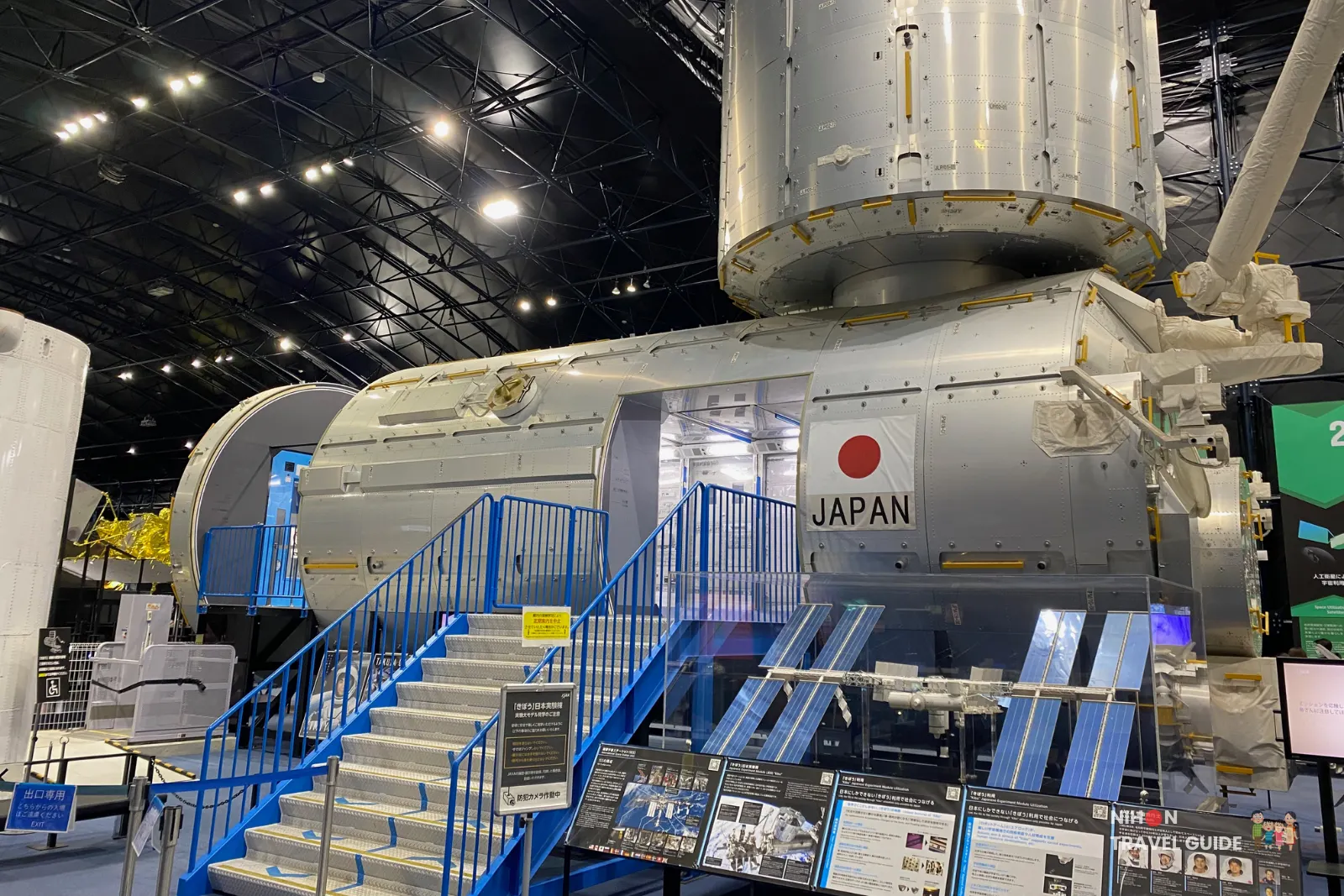
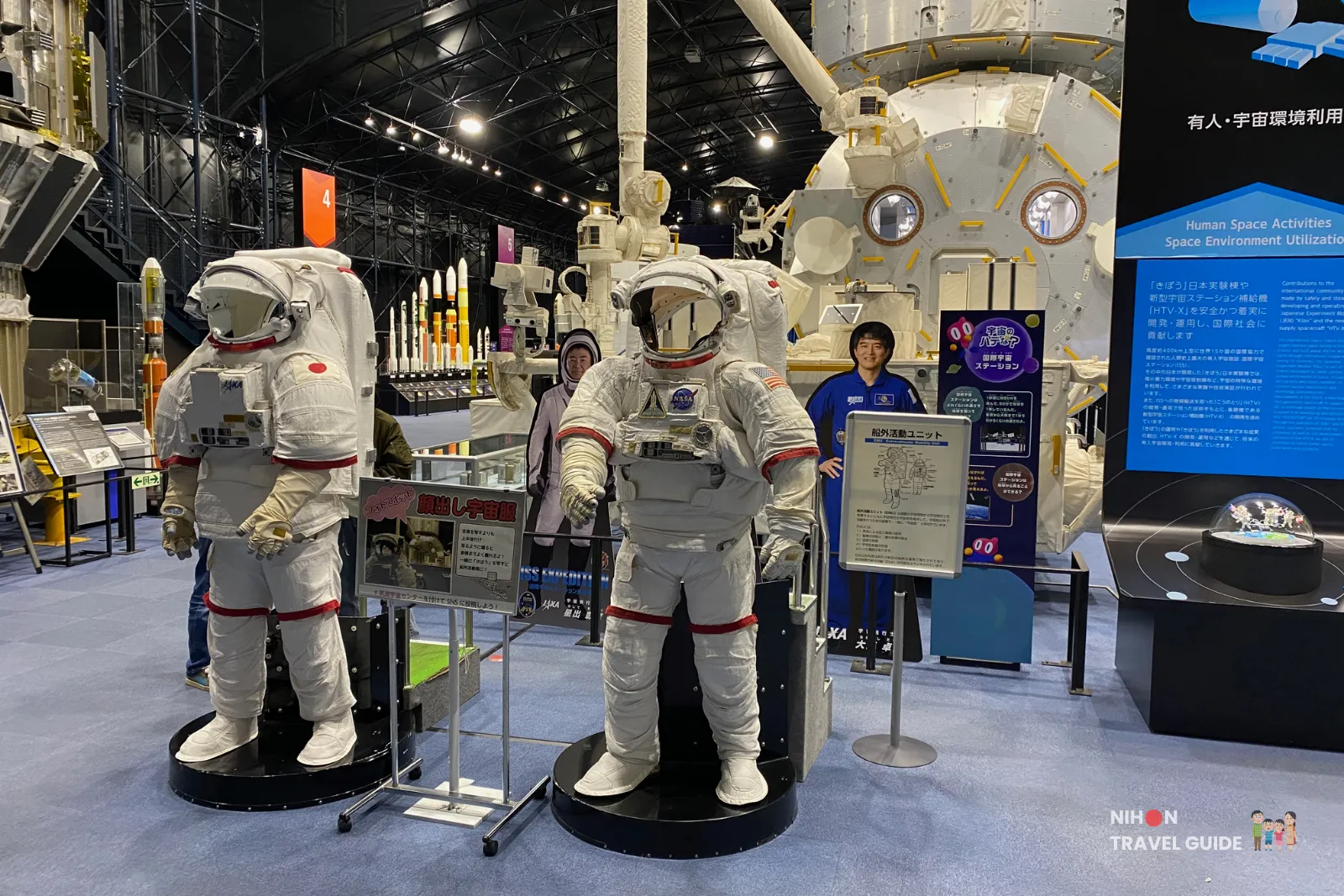
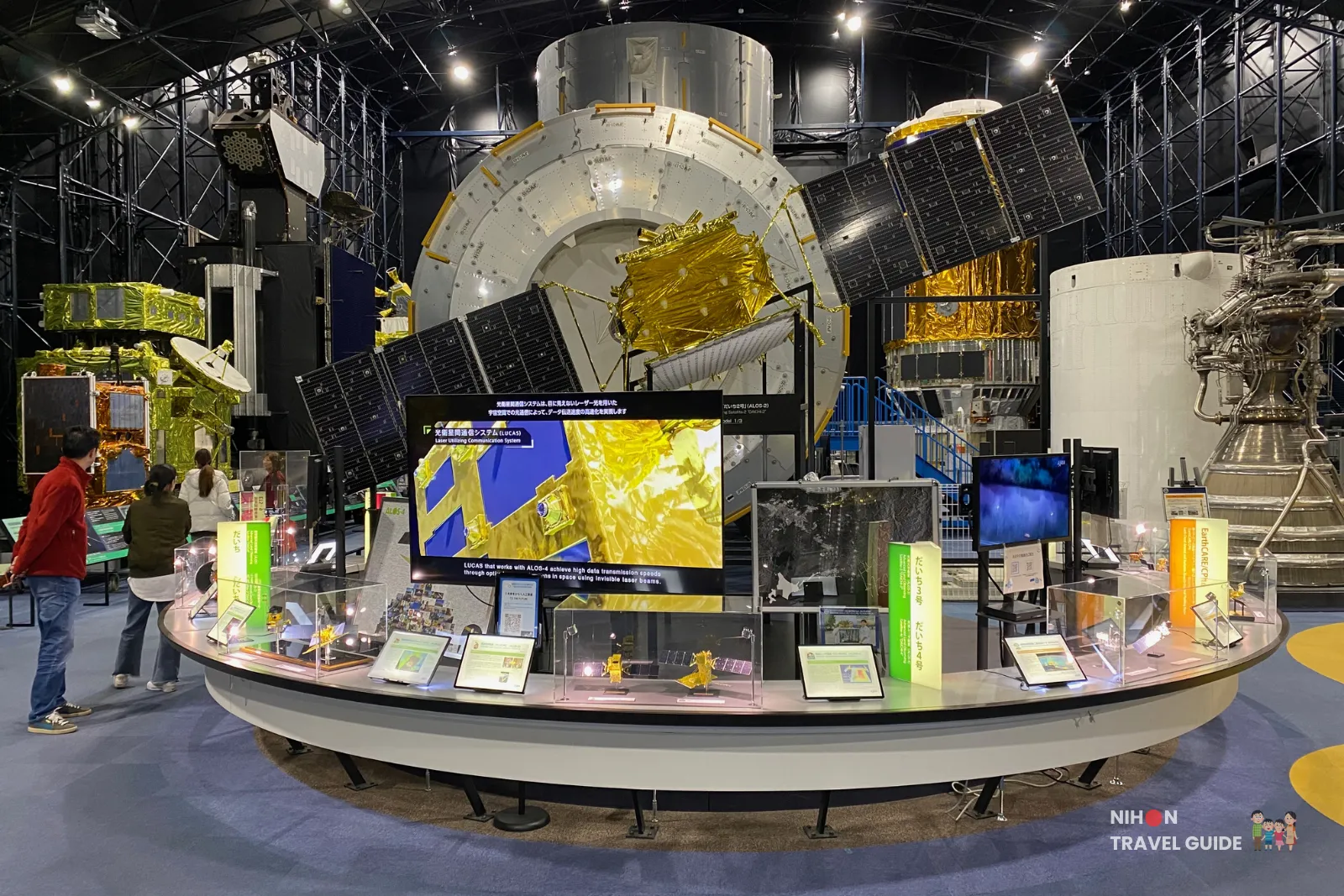
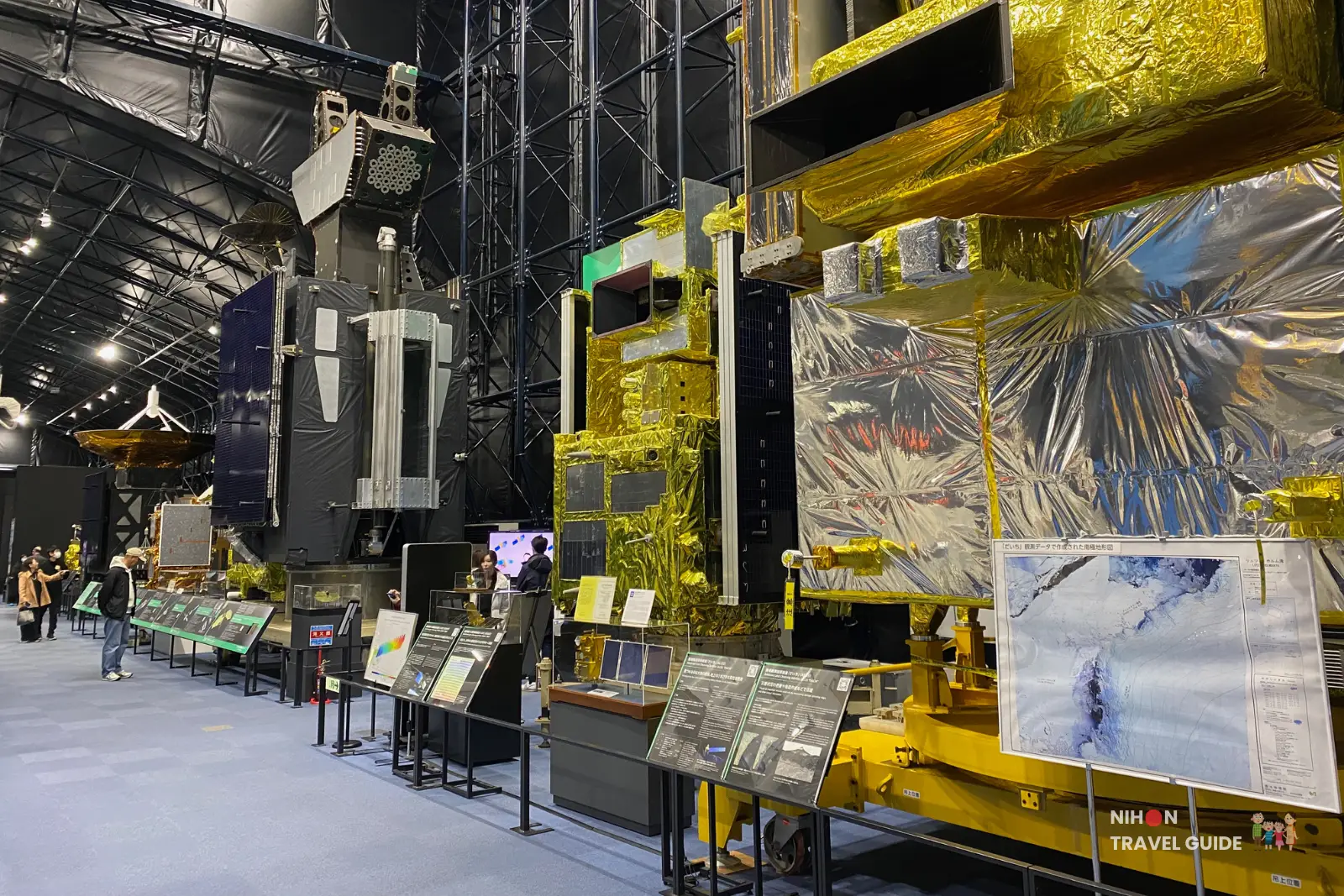
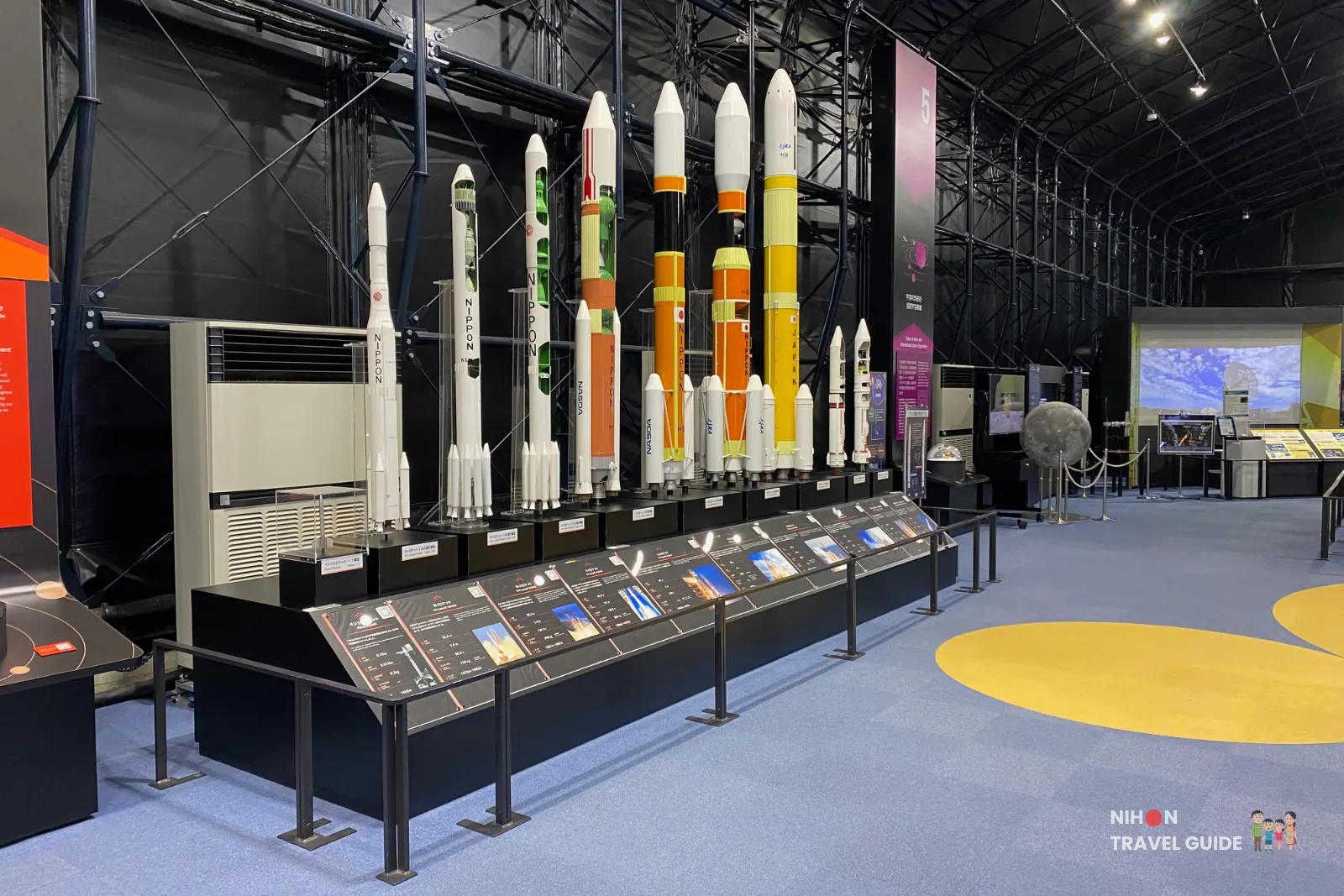
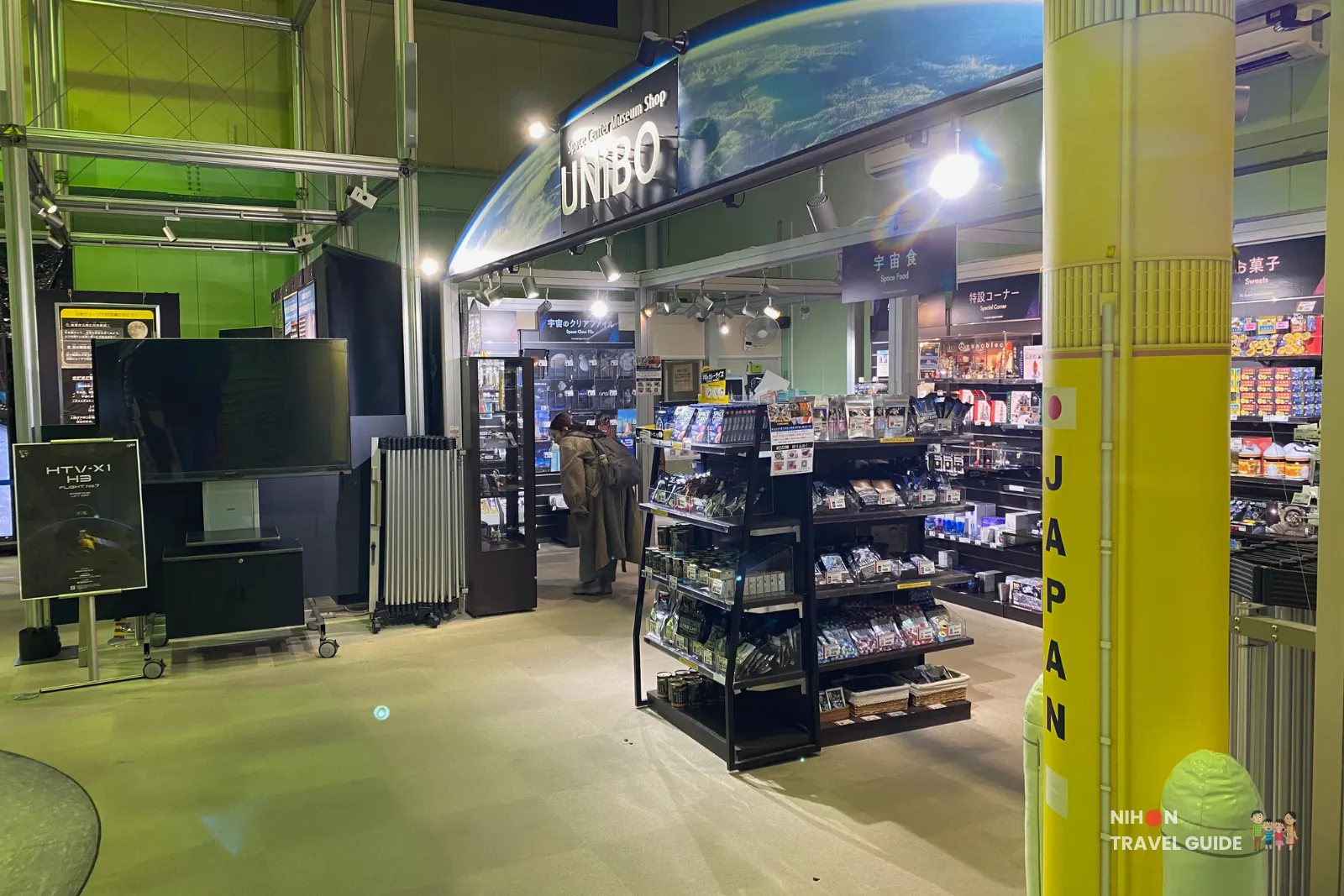
If you absolutely had to choose one, I would say go to the JAXA Space Museum. Tsukuba Expo Center is interesting but to me I found that the Space Museum was a lot more interesting and exciting.
Partly because they had more life sized model space craft and satellites for you to see. It is quite an interesting experience seeing these strange objects up close and some of them have even been used in real missions.
But as part of my recommendation, I would advise visiting both as it would make the best use of your travel time out to Tsukuba.
For everything you need to know before visiting, read our complete JAXA Tsukuba Space Center visitor guide including what to see, guided tour details and tips for making the most of your visit.
Combining with Other Tsukuba Attractions
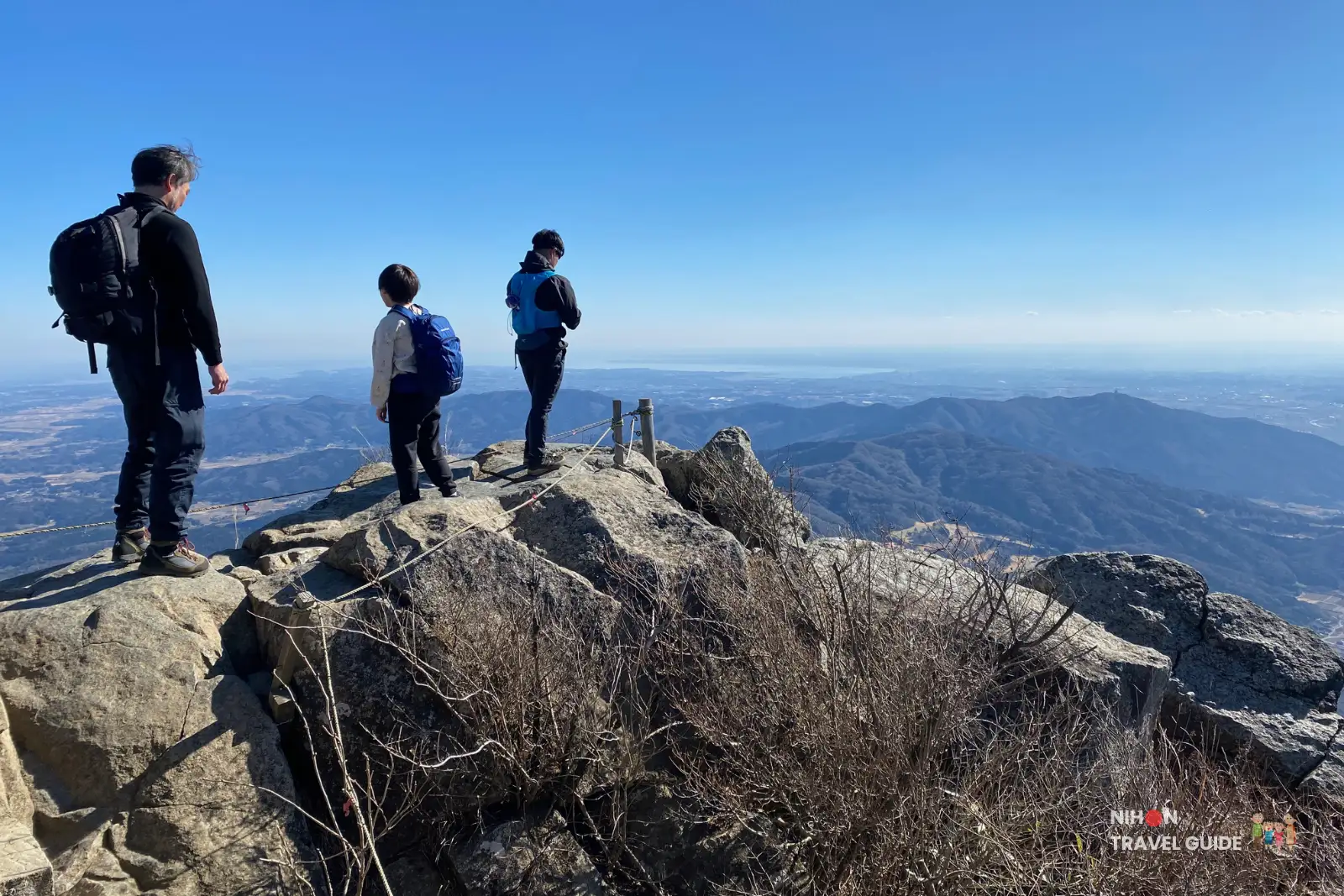
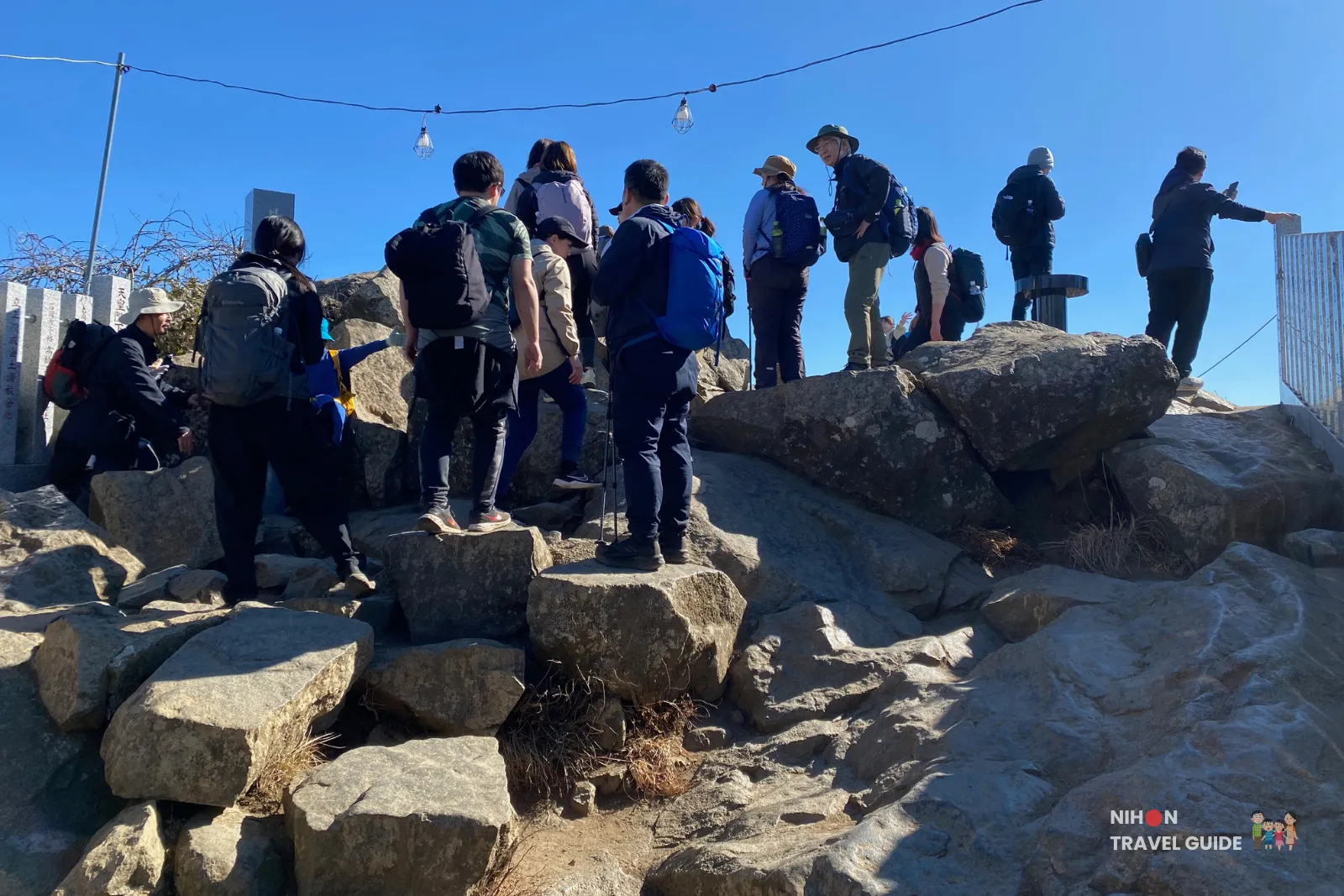
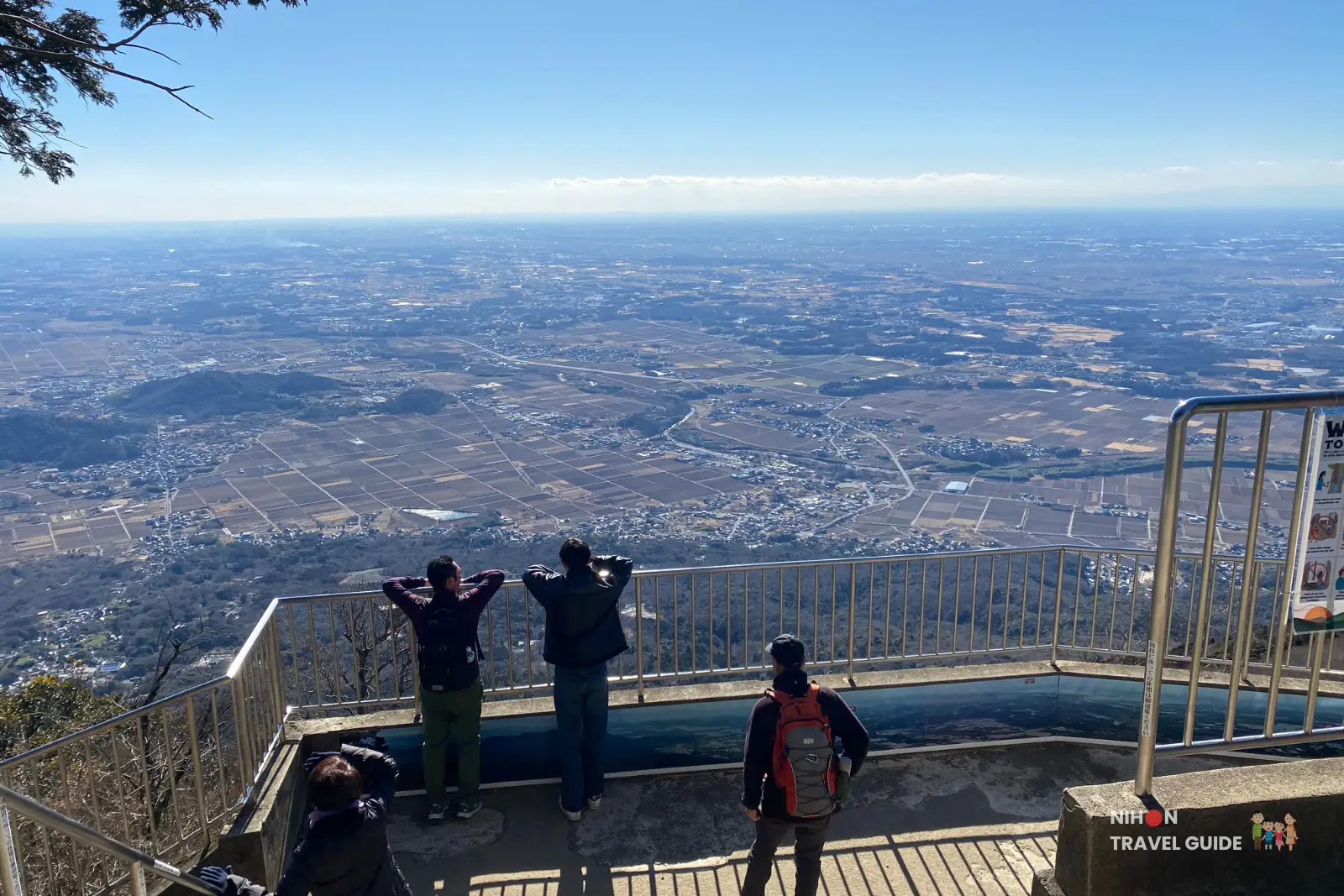
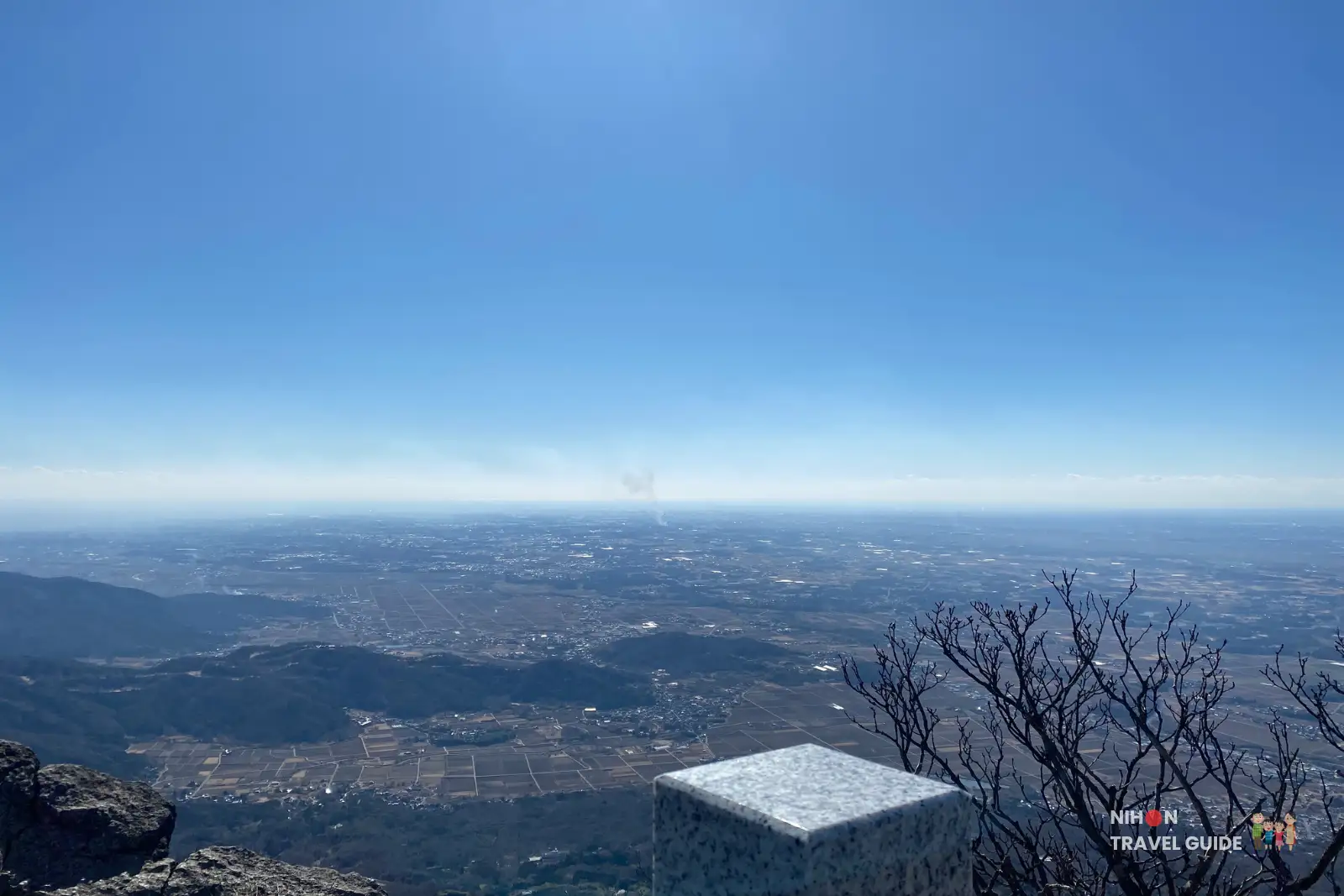
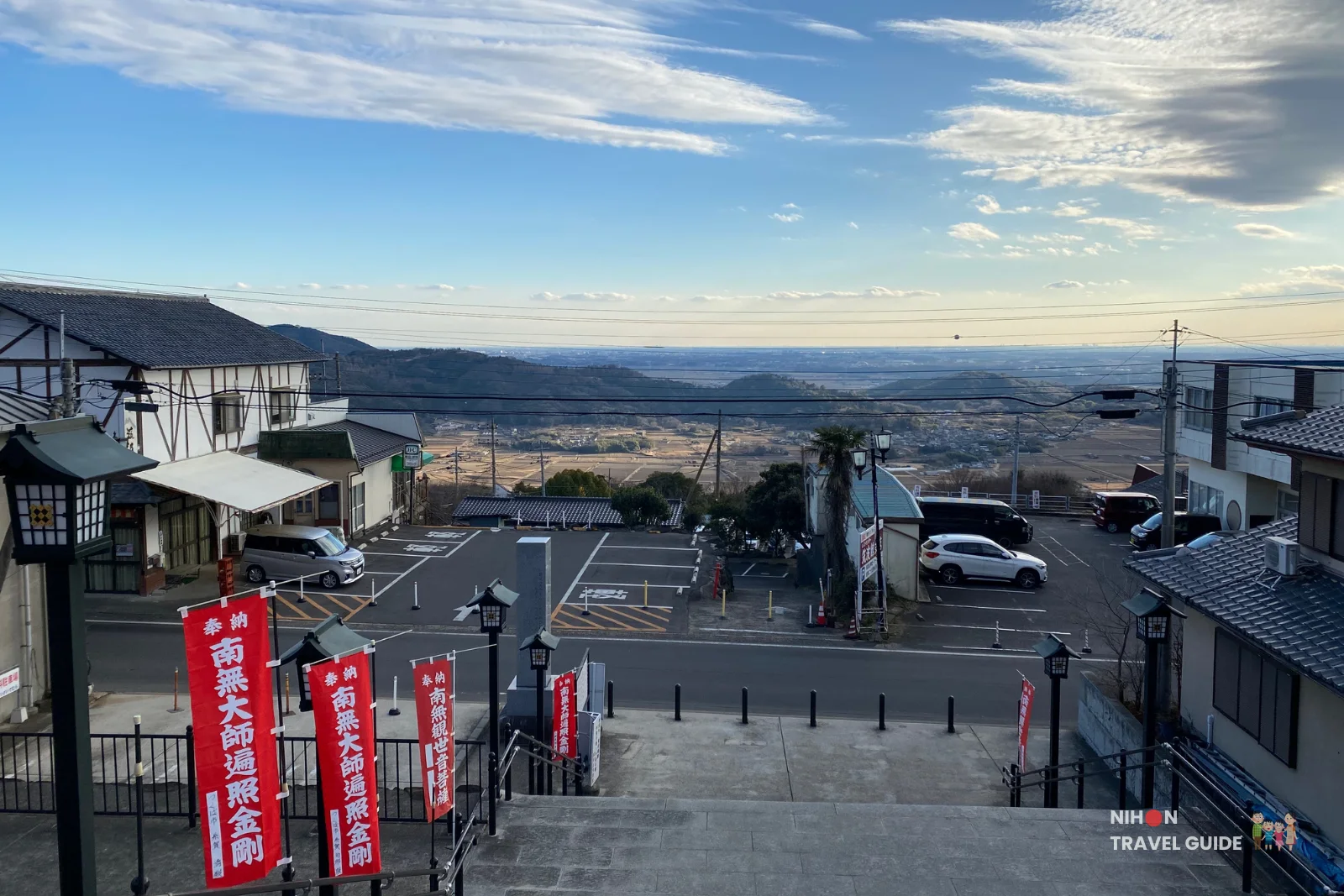
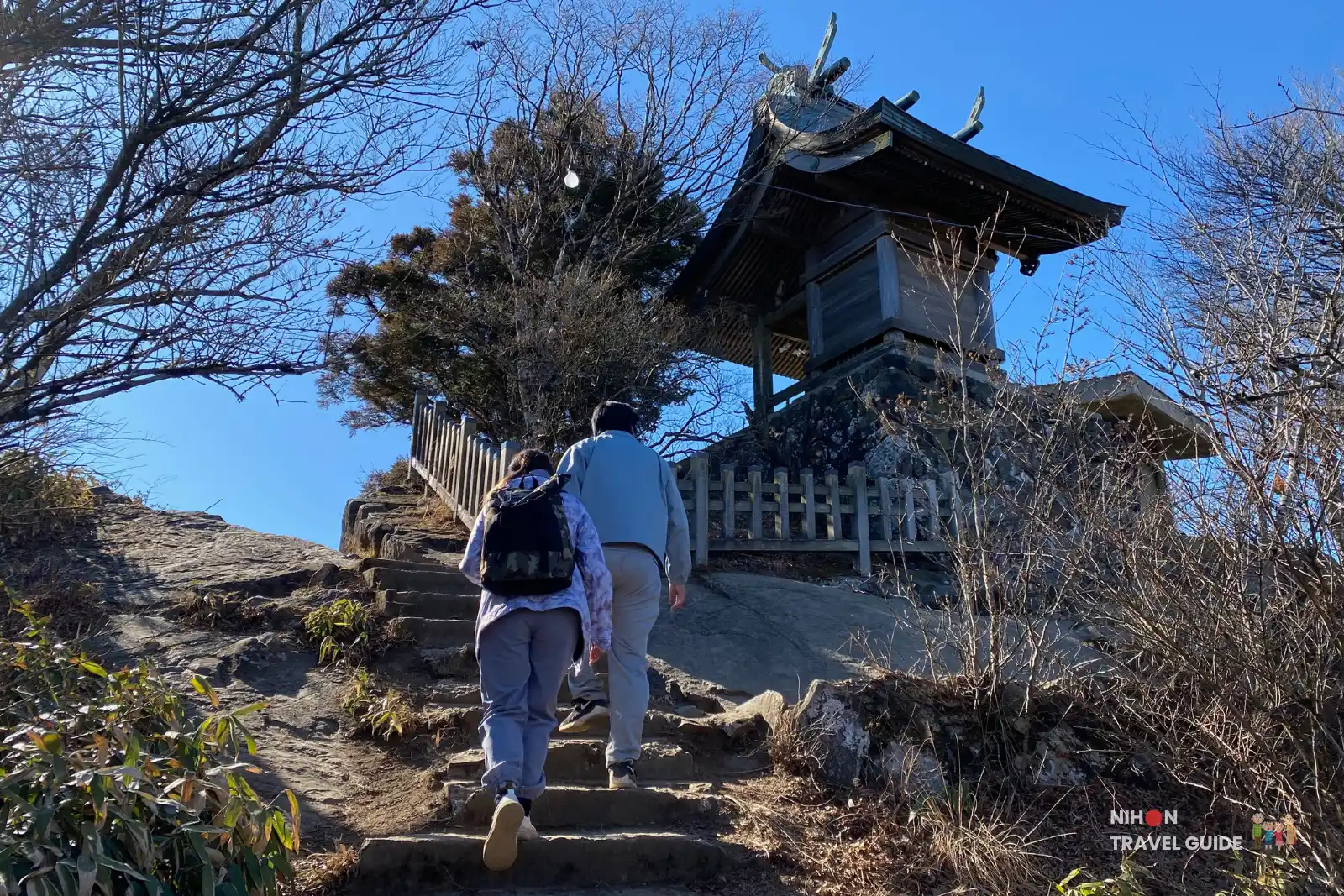
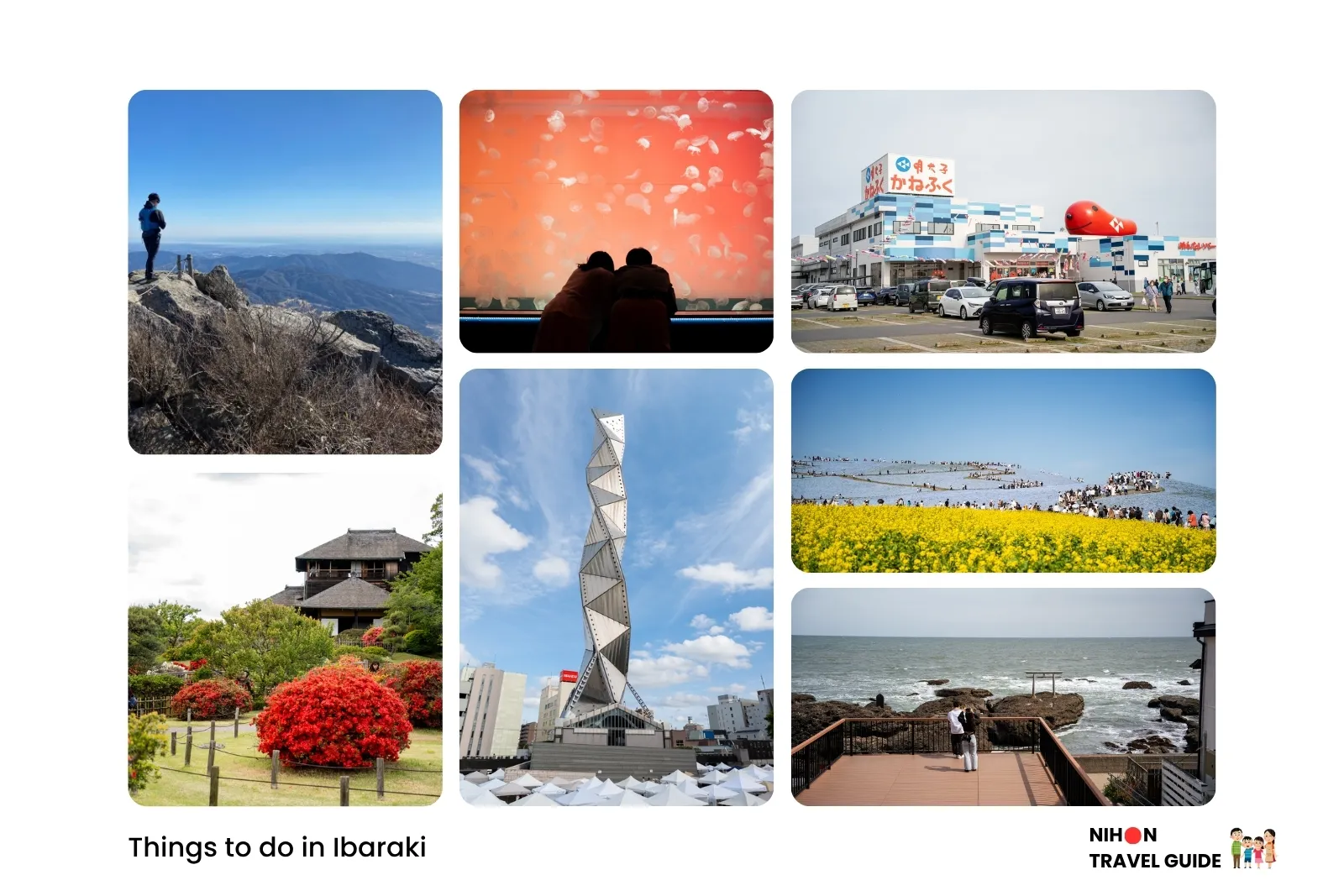
I feel that no trip to Tsukuba is complete without visiting Mount Tsukuba. It might be quite a sweaty experience, but you get rewarded with really stunning views of the Ibaraki region. On a clear day you can even see Tokyo City and maybe even Mount Fuji.
If you are keen to climbing Mount Tsukuba as well, check out our detailed Mount Tsukuba guide with ropeway info, hiking pointers and a day trip itinerary from Tokyo.
It’s not all science in Tsukuba Science City. Check out our complete Tsukuba visitor guide for nature parks, flower gardens and more.
Tsukuba Expo Center + JAXA Space Center Itinerary
Tsukuba Science Day
Where to Stay Nearby
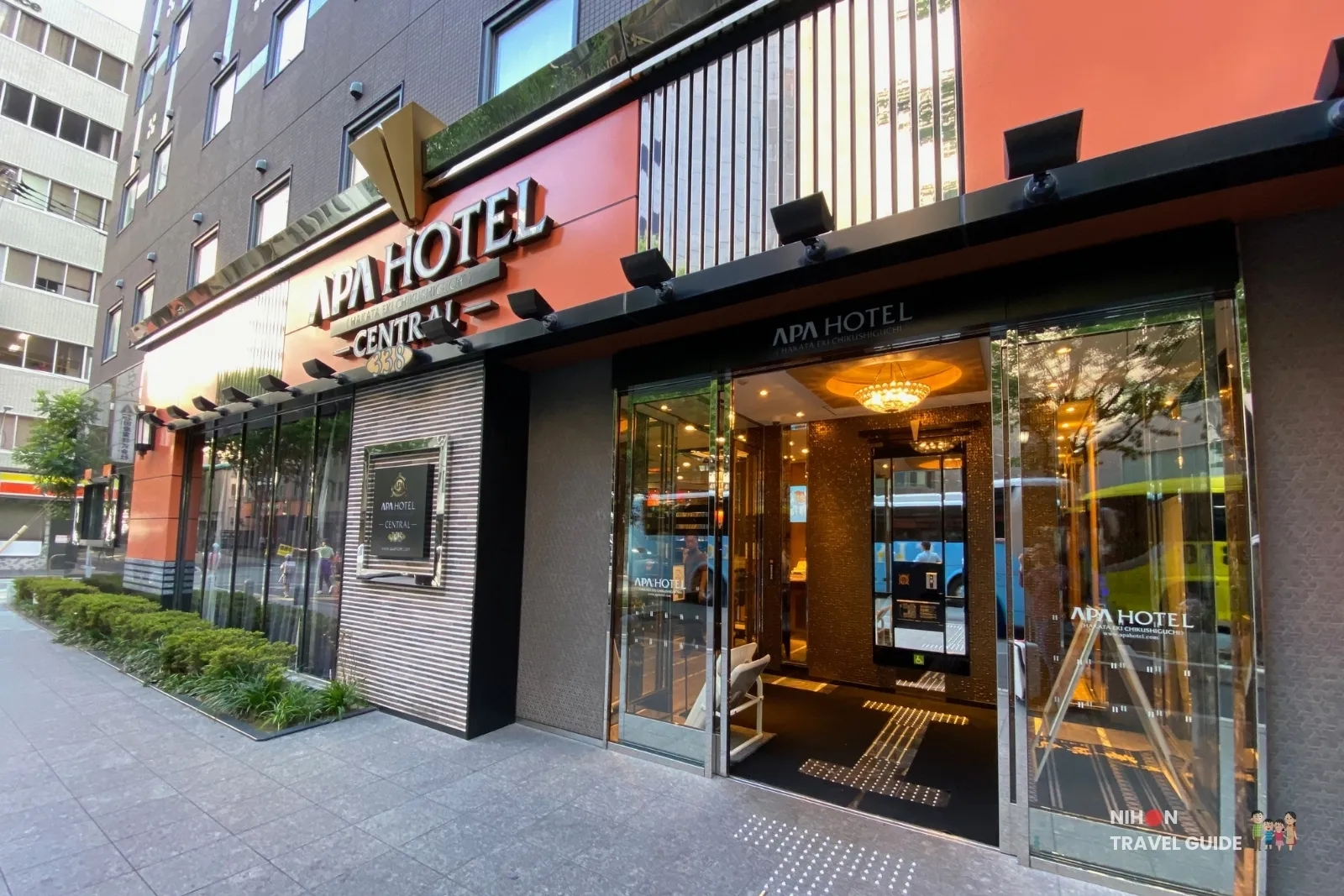
You can consider staying in Tsukuba to cut down the travel time (from Tokyo) and also visit other attractions nearby. Staying at hotels such as the Daiwa Roynet Hotel Tsukuba are a good idea as it is right next to Tsukuba Station and it’s a short walk to the Tsukuba Expo Center. It’s also just beside the Tsukuba Station so you have easy access to transport.
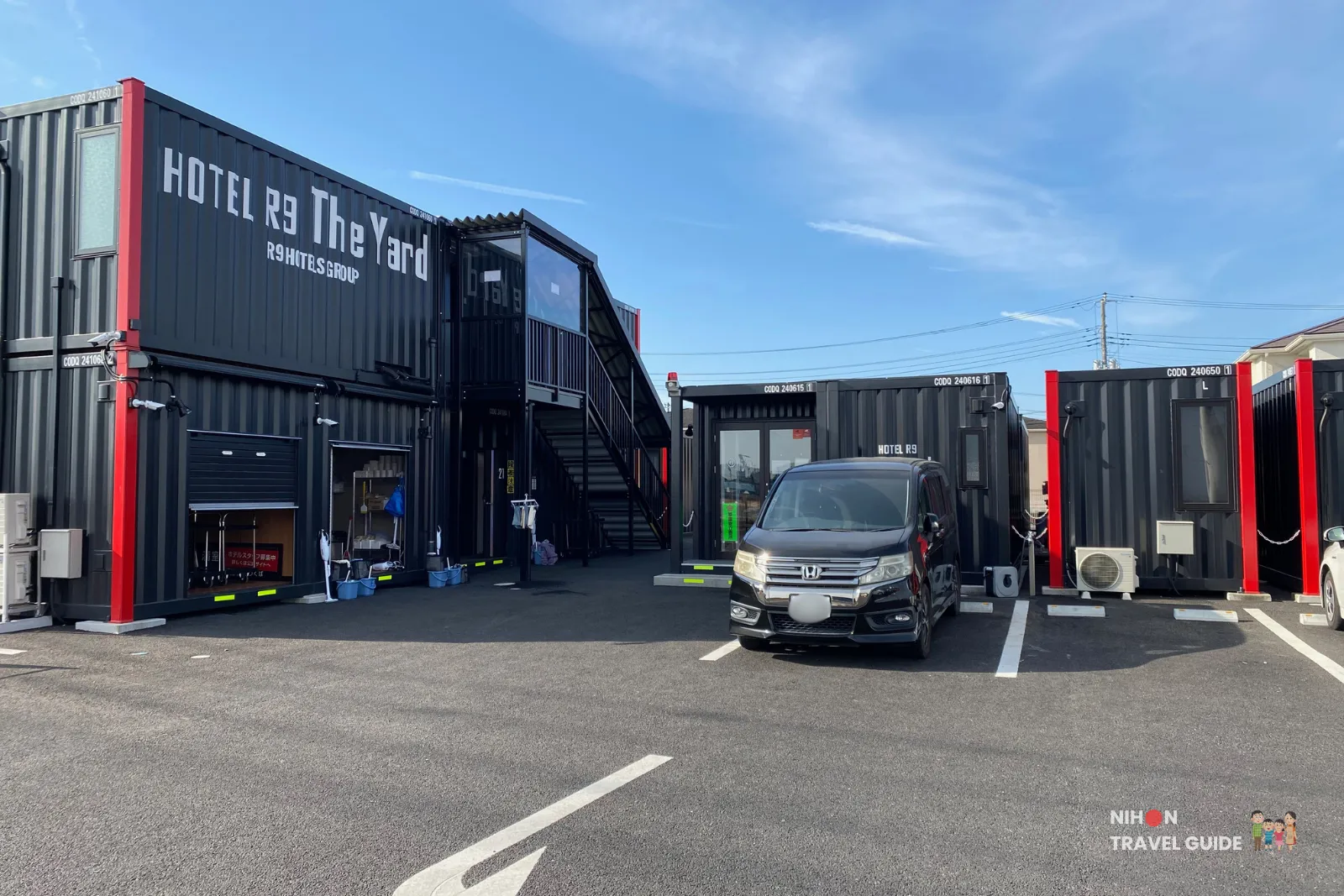
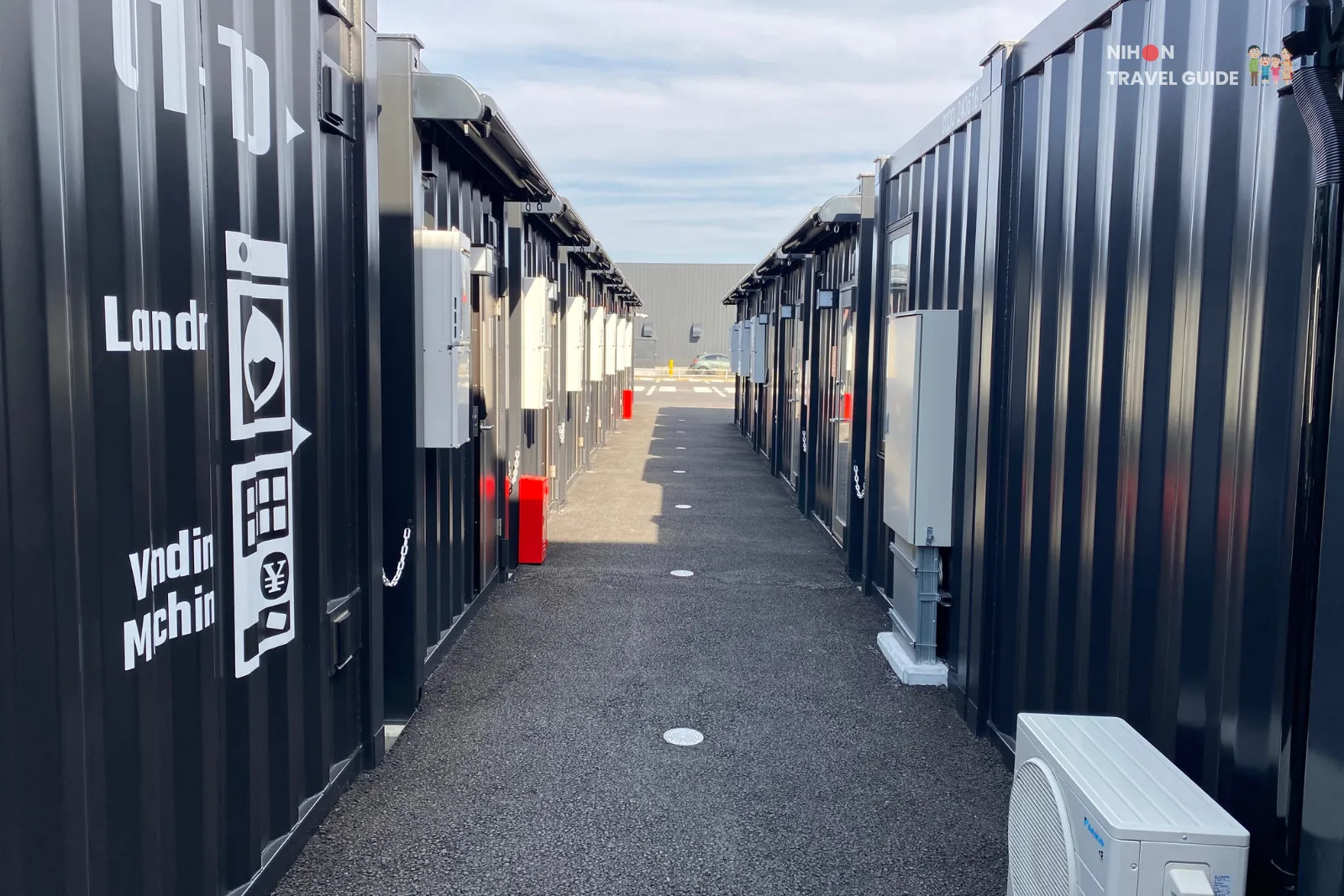
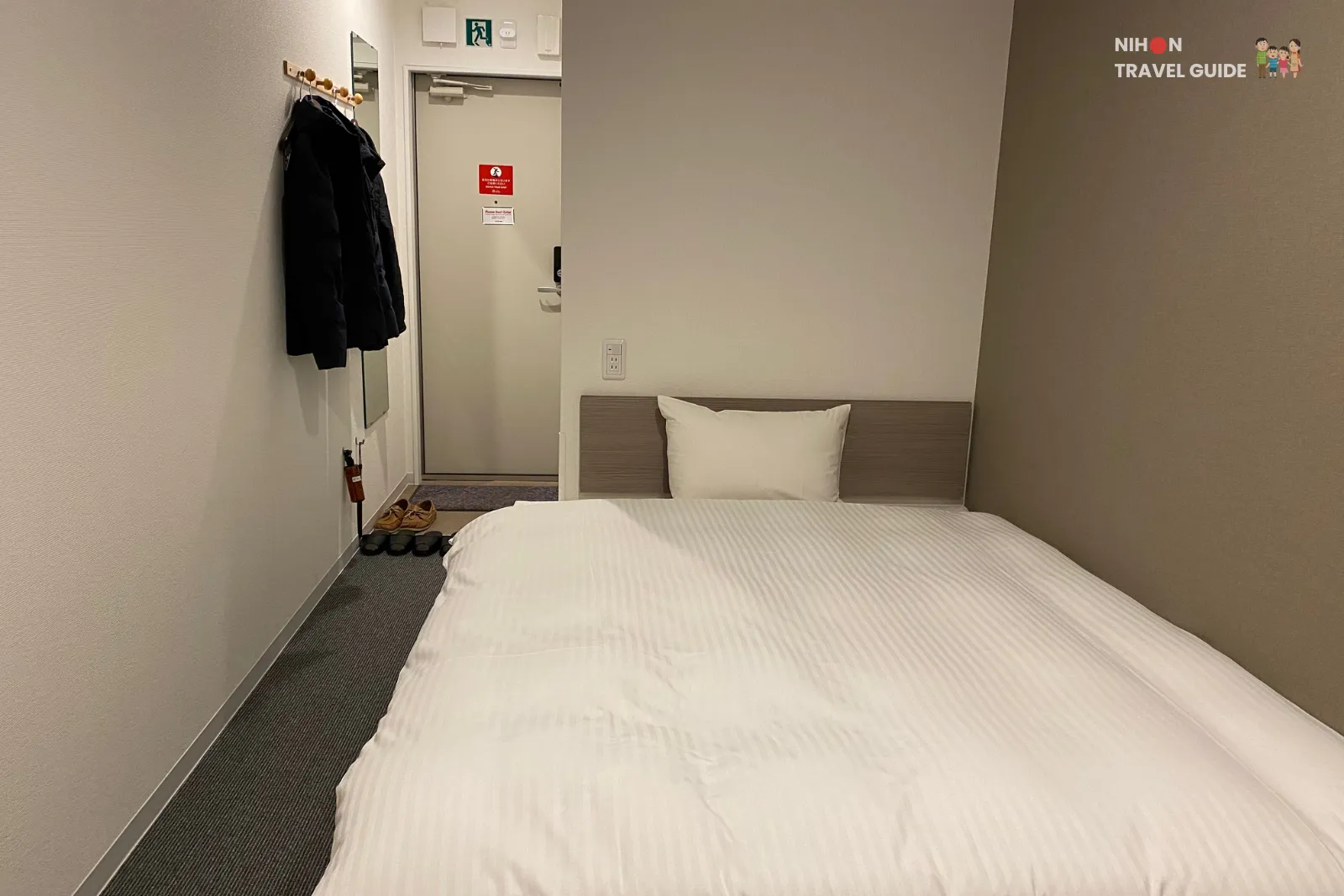
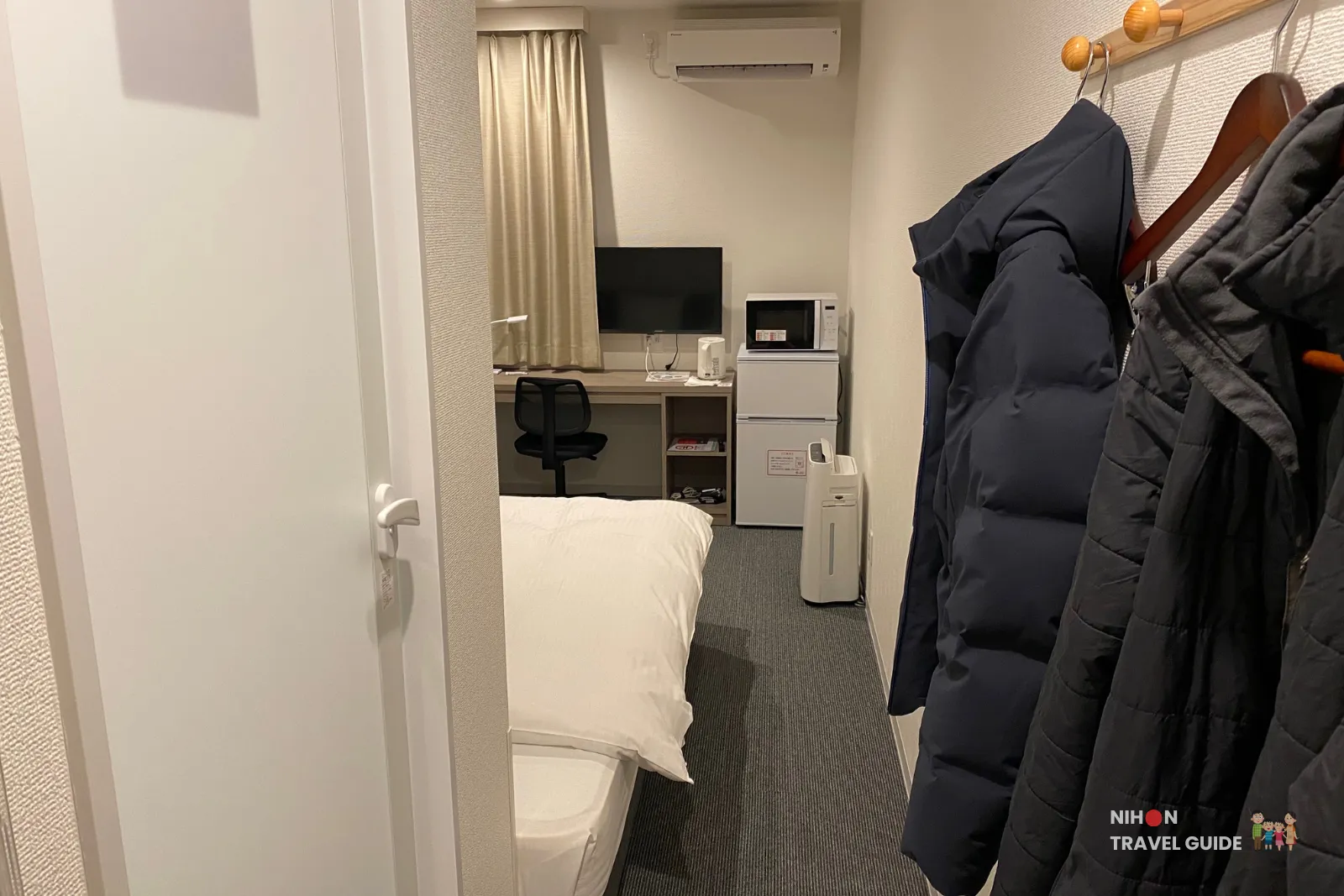
If you are on a driving holiday however, you can consider staying at the R9 The Yard Hotel Tsukuba. They are really functional, no-frills container like hotel rooms that are really affordable. They are usually further out from the city centre, but R9 The Yard Hotel Tsukuba is only about 15 minute drive from Tsukuba Expo Center.
Read about our experience staying at R9 The Yard Hotel Tsukuba. Including room details, pricing and tips for a 7 night stay.
FAQ – Tsukuba Expo Center
1) Is Tsukuba Expo Center free?
No. General admission is ¥600 for adults and ¥300 for children (ages 4 to high school). Children under 4 are free. Planetarium tickets are an additional fee (usually around ¥600 for adults and ¥300 for children per show). An annual pass is available for ¥2,000 for adults.
2) How do I get to Tsukuba Expo Center from Tokyo?
Two main options — take the Tsukuba Express from Akihabara Station to Tsukuba Station (about 1 hour 6 minutes, ¥1,280) then walk 5 minutes. Or take the Highway Bus Tsukuba-go from Tokyo Station Yaesu South Exit to Tsukuba Center (about 1 hour 10 minutes, ¥1,260) then walk 5 minutes. IC cards like Suica and PASMO are accepted.
3) How long does Tsukuba Expo Center take?
Allow about 1.5 to 2 hours to go through all exhibition halls and the outdoor exhibits. Add approximately 50 minutes if you plan to watch a Planetarium show. Detailed visits can easily take over 2 hours.
4) Is there a Planetarium at Tsukuba Expo Center?
Yes. It features a large 25.6-meter dome with reclining seats offering realistic views of the night sky, constellations, and deep space. Shows last about 40–50 minutes. English narration is available via earphones for some shows. Planetarium tickets are extra.
5) Is Tsukuba Expo Center suitable for children?
Yes — the Fun Science Zone on the first floor is designed for kids with interactive exhibits like melody pipes, giant soap bubbles, tornado makers, and more. The outdoor area has a playground and picnic space. Most signage is in Japanese.
6) Is there parking at Tsukuba Expo Center?
Yes, there is parking available (free on weekdays in many cases, may be charged on weekends/holidays). It is about a 5-minute walk to the entrance with clear signs.
7) Can I combine Tsukuba Expo Center with JAXA in one day?
Yes — this is highly recommended. JAXA Tsukuba Space Center takes about 2 hours and Tsukuba Expo Center takes 1.5–2 hours. Visiting JAXA in the morning and the Expo Center in the afternoon works very well.
8) Which is better — Tsukuba Expo Center or JAXA?
If you can only choose one, JAXA is generally considered stronger for space enthusiasts. However, Tsukuba Expo Center offers broader science topics plus the unique 1985 World Expo memorial section. Ideally, visit both as they complement each other nicely.
9) What are the opening hours for Tsukuba Expo Center?
Open from 9:50am to 5:00pm (last entry 4:30pm). Closed on Mondays (or the following day if Monday is a holiday), the last Tuesday of each month, and during the New Year period. Always check the official website for the latest schedule.
10) Is there a gift shop at Tsukuba Expo Center?
Yes. The gift shop sells science-themed souvenirs, educational toys, space goods, and limited collaboration items such as Rilakkuma in a JAXA spacesuit.

Written by
Timothy Leong
Timothy is a Singapore-born, Japan-based digital marketer turned hidden-gem hunter. After ditching spreadsheets for Google Maps, he now lives full-time in Japan, chasing quiet towns, real ramen, and off-grid train routes. Every photo and tip on Nihon Travel Guide is 100% his — no AI, no fluff, no Tokyo Tower.
More about Timothy →