Free entry, real spacecraft/satellites/replicas up close, guided tours, an hour out from Tokyo.
TL;DR – Yes, JAXA Tsukuba Space Center is really interesting and is 100% worth it.
- Free of Charge and about an hour from Tokyo.
- Real spacecraft, satellites & replicas that have been used in missions/testing. (Hayabusa2, ISS Kibō module etc.)
- Free guided tour of the Space Dome Exhibition Hall
- A paid guided tour (¥500) to see the astronaut training area and Kibō Operations Control Room — cash only, check in 1.5 hours before.
Disclaimer: I am not sponsored for this post. I just decided to visit JAXA Tsukuba Space Center
because it looked interesting. Some links on this page are affiliate links, meaning I may earn a small commission if you book through them, at no extra cost to you.
In Feb 26 I visited JAXA Tsukuba Space Center and it’s a little bit like when Elliot first met E.T. in his backyard. Because you just end up standing there looking at these gigantic machines that were built to orbit space and your mind (or mine at least) just can’t comprehend the magnitude of what is going on.
JAXA Tsukuba Space Center is the main operations base and one of the headquarter facilities for Japan’s space agency, JAXA. It normally is where engineers and scientists design build and test satellites, rockets and other space related technology.
Beside their main facilities is a space museum that is not only open to the public but free of charge. This was probably the second most interesting place I visited on my trip to Ibaraki.
I’m not a space expert by any means but I will let you know what my experience was, what you can expect, and why you should consider visiting JAXA Tsukuba Space Center on your next trip to Japan.
- How to Get JAXA Tsukuba Space Center
- What is JAXA Tsukuba Space Center?
- The Exhibition Hall (Space Dome)
- Outdoor Exhibits (Rocket Square)
- JAXA Tsukuba Space Center Guided Tours
- Food Options
- Some Tips
- Is JAXA Tsukuba Space Center Worth Visiting?
- Combining with Other Tsukuba Attractions
- JAXA Space Center + Tsukuba Expo Center Itinerary
- Where to Stay Nearby
All photos on this page are mine, shot on an iPhone 11 pro.
How to Get JAXA Tsukuba Space Center
JAXA Tsukuba Space Center is about 1 hour from Tokyo City making it a great day trip idea. You can take the Tsukuba Express (つくば号) from Tokyo Station (Yaesu South Exit) to Tsukuba Center. This journey would take about 1 hour and would cost you ¥1260. You can buy the bus tickets online from their website here.
You can also take the Tsukuba Express Train towards Tsukuba Station. But it’s about a 12 minute walk from Tsukuba Station to the Tsukuba Space Center. And you would need to get to a station that has the Tsukuba Express Train. So depending on where you come from the travel time could be closer to 1hr 20mins.
Parking at JAXA Tsukuba Space Center
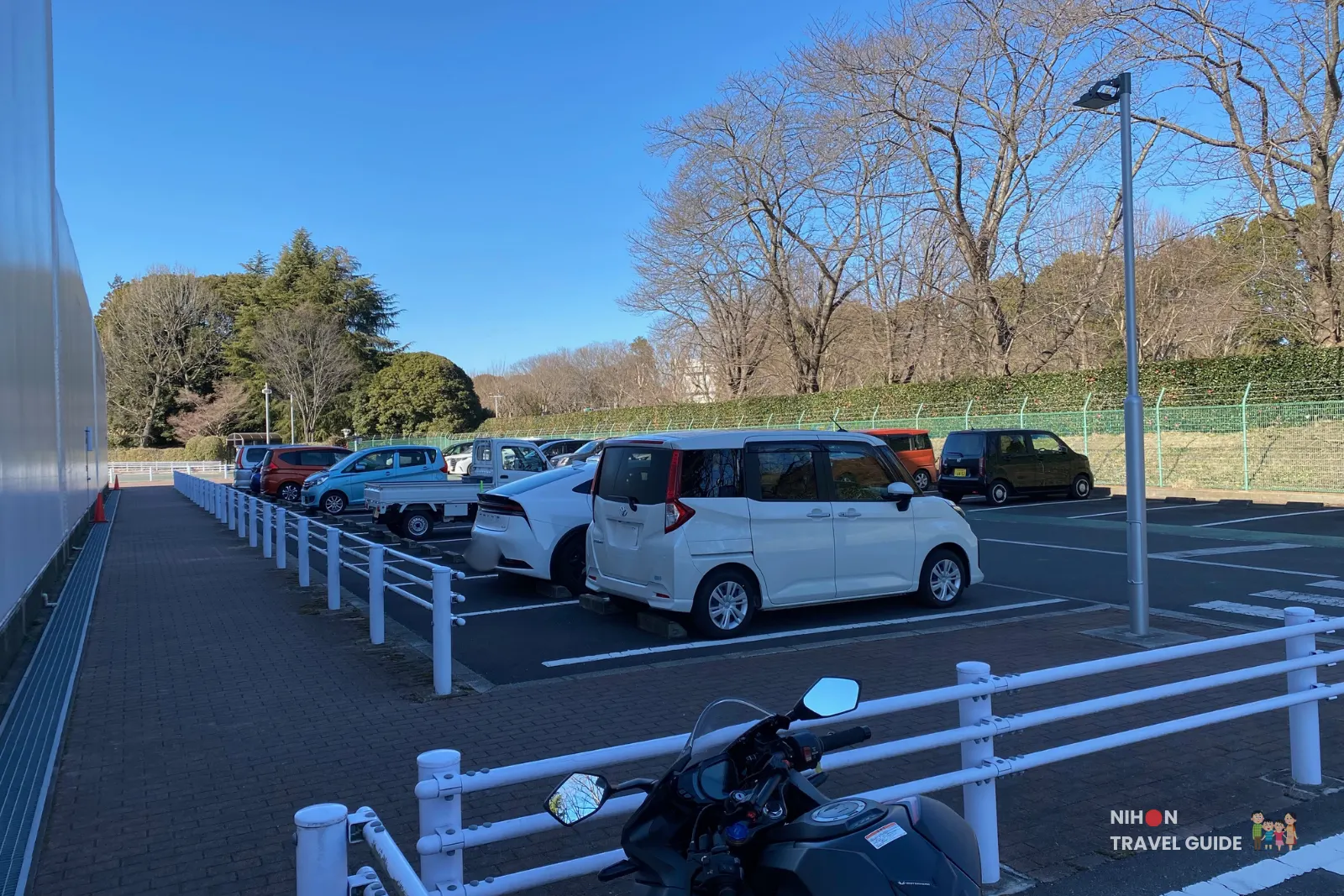
If you drove, there is plenty of parking at JAXA Tsukuba Space Center and it’s free of charge. I myself drove here and it was fairly easy to navigate and find parking.
Ticket Prices & Opening Hours
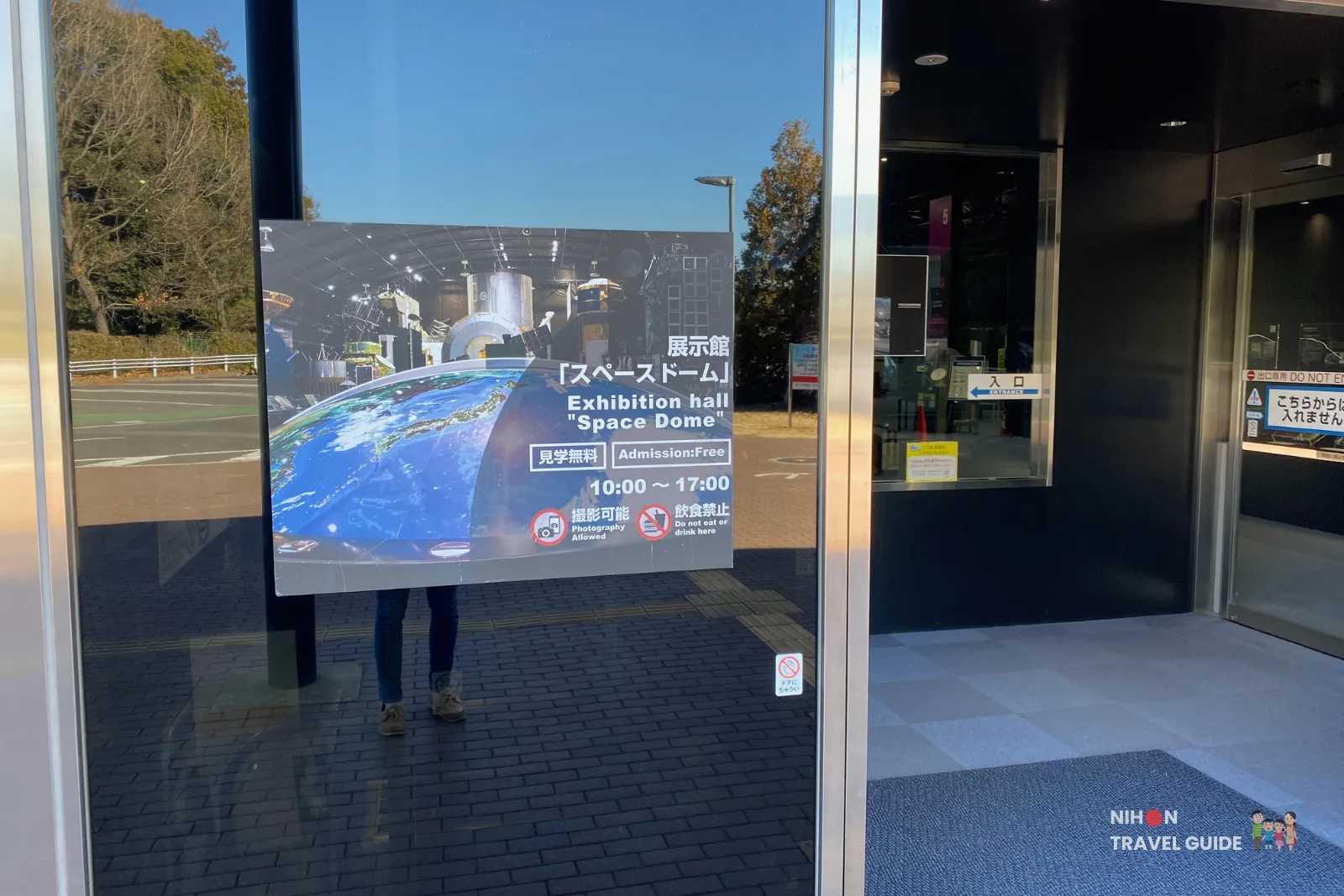
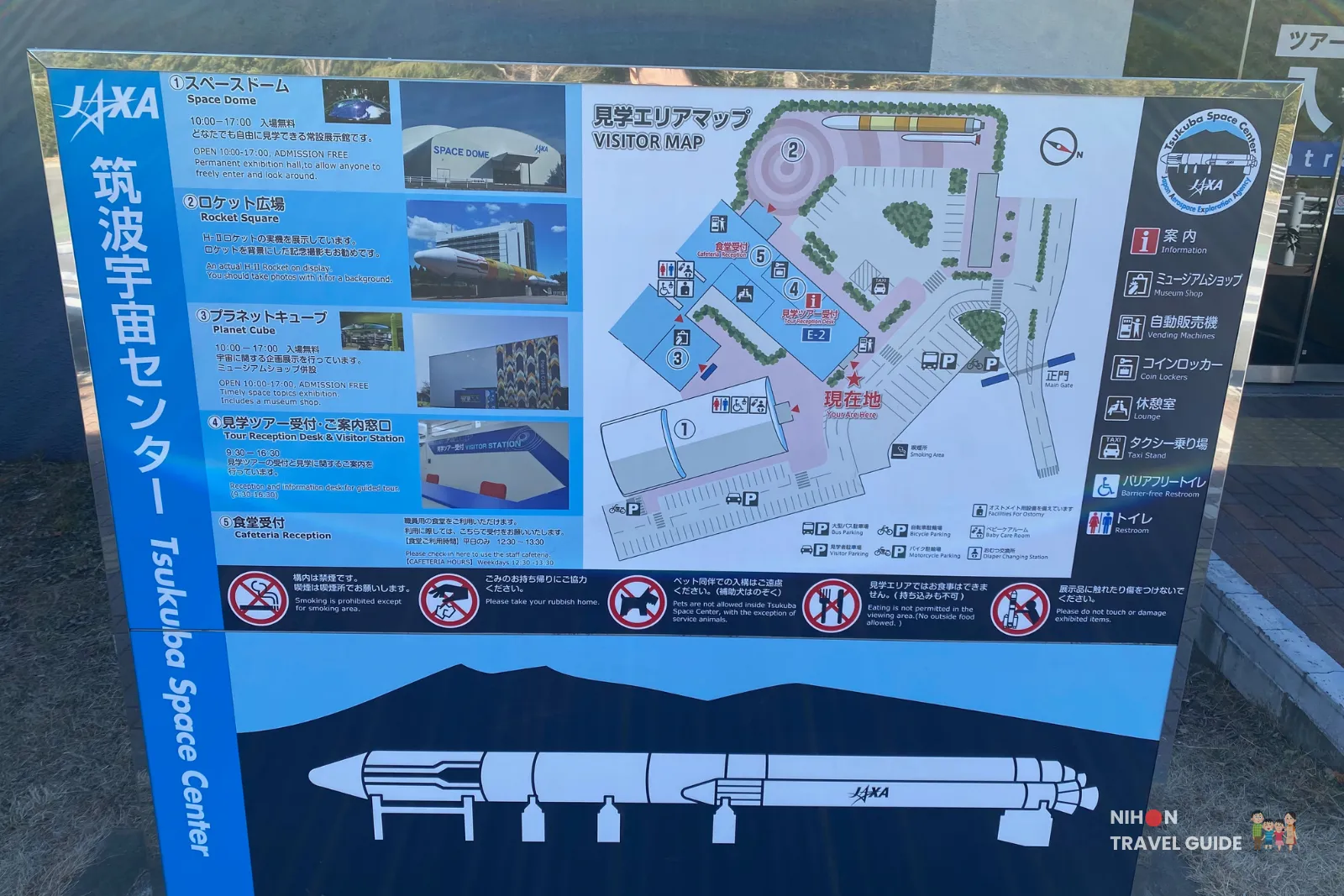
The JAXA Tsukuba Space Center is completely free of charge and does not require any tickets.
The JAXA Tsukuba Space Center is open everyday from 10am – 5pm except for public holidays. Please check their website calendar for more updated information.
What is JAXA Tsukuba Space Center?
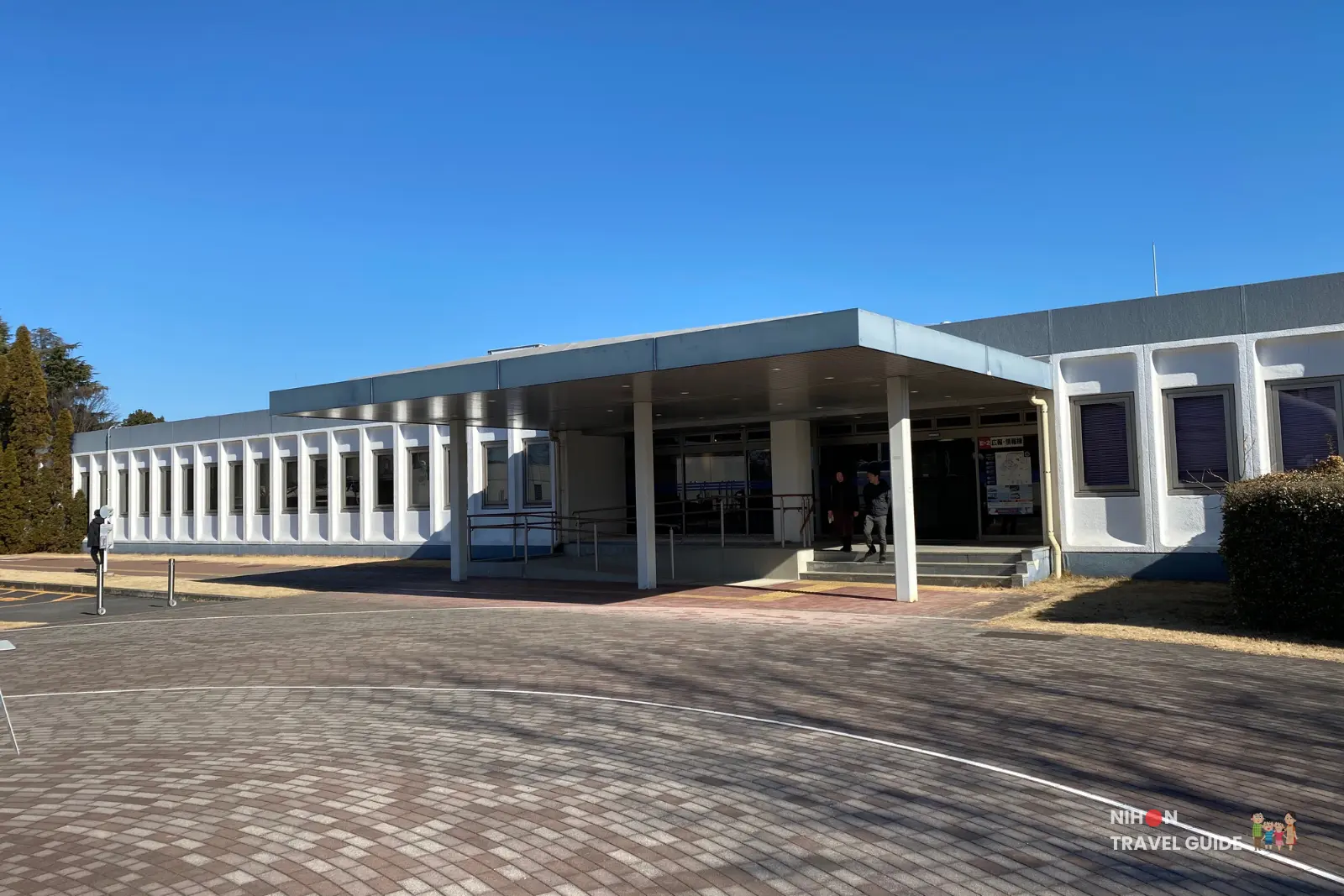
Opened in 1972, JAXA Tsukuba Space Center is Japan’s largest space research complex and is used by JAXA to plan, control and support Japan’s space missions. Similar to what NASA is doing for the United States.
While they have not sent any astronauts to the moon yet, they have sent unmanned spacecraft with it’s SLIM (Smart Lander for investigating Moon) in January 2024 making it the 5thcountry to soft-land on the lunar surface. It seems from what I saw at the exhibits that they are focusing more on sending robots and carrying out robotic missions on the moon instead of sending astronauts.
The Tsukuba Space Center also has test facilities like large thermal-vacuum chambers, vibration test buildings, and radio-wave test ranges to simulate launch and space conditions for spacecraft. We can’t see those things though but we can visit the Space Dome which is the main exhibition hall.
The Exhibition Hall (Space Dome)
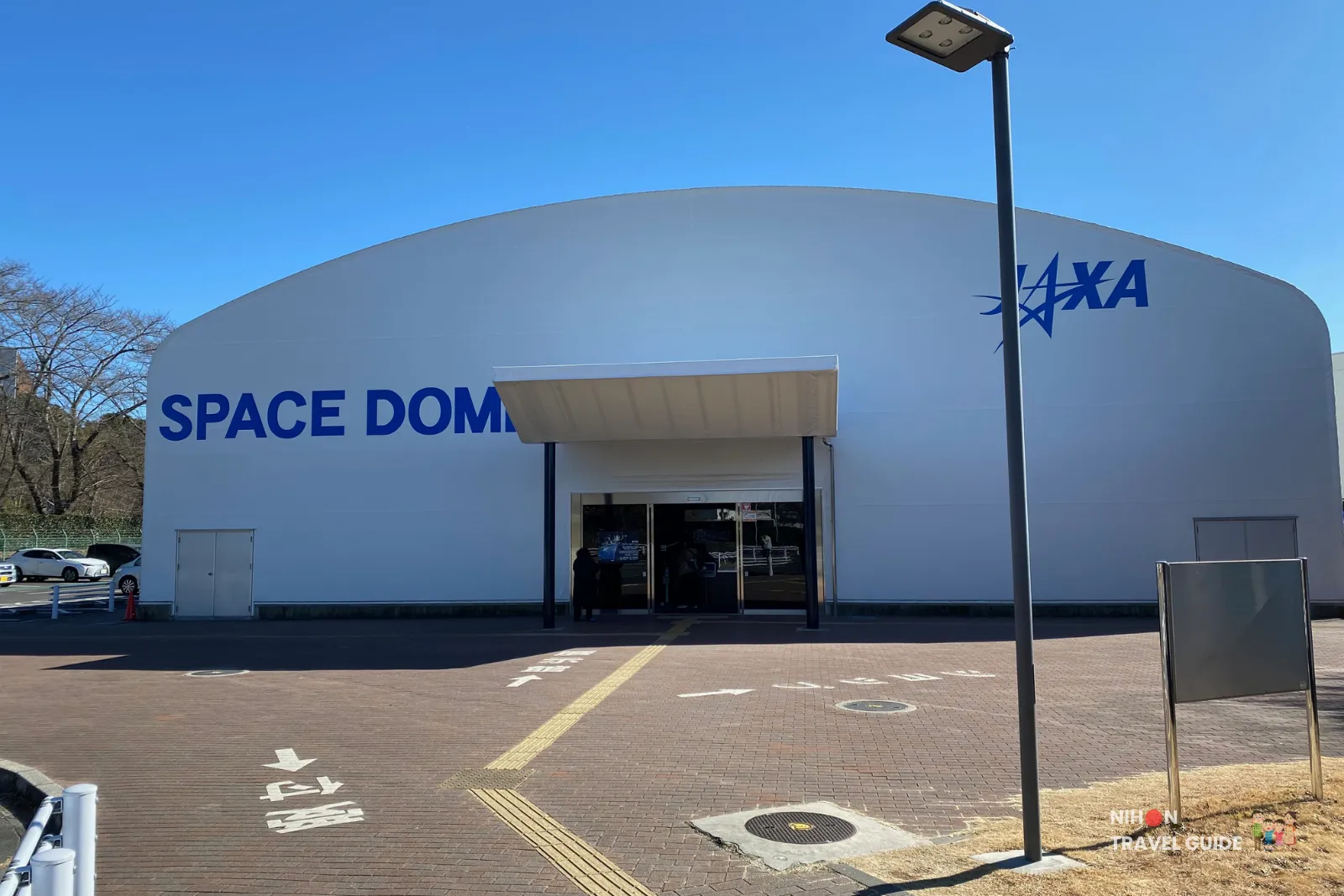
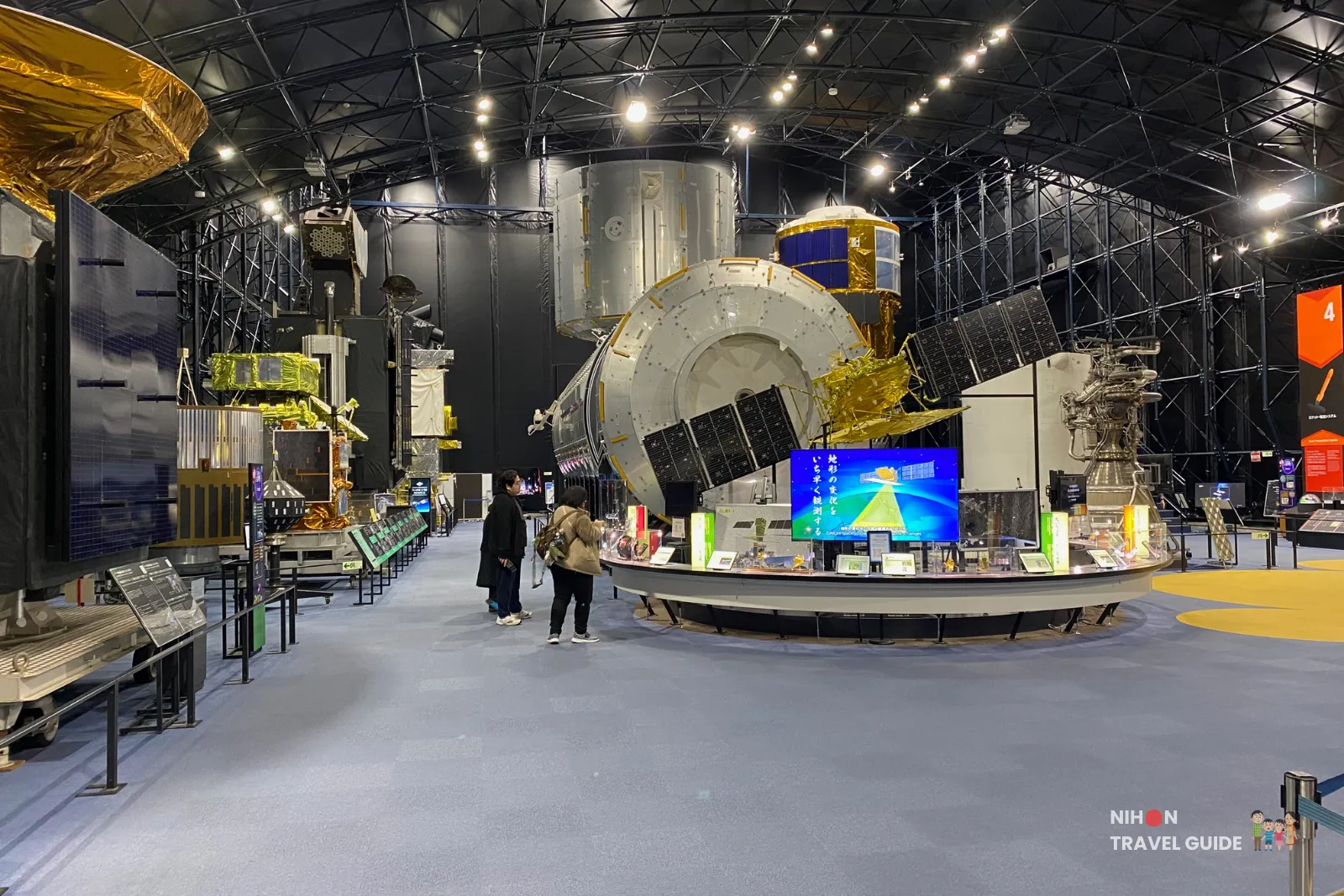
The exhibition hall (Space Dome) is just next to the car park and is the main hall where all the exhibits are. Take note that food and drinks are not allowed in the exhibition hall and I didn’t see any rubbish bins either so you would have to throw your trash somewhere else.
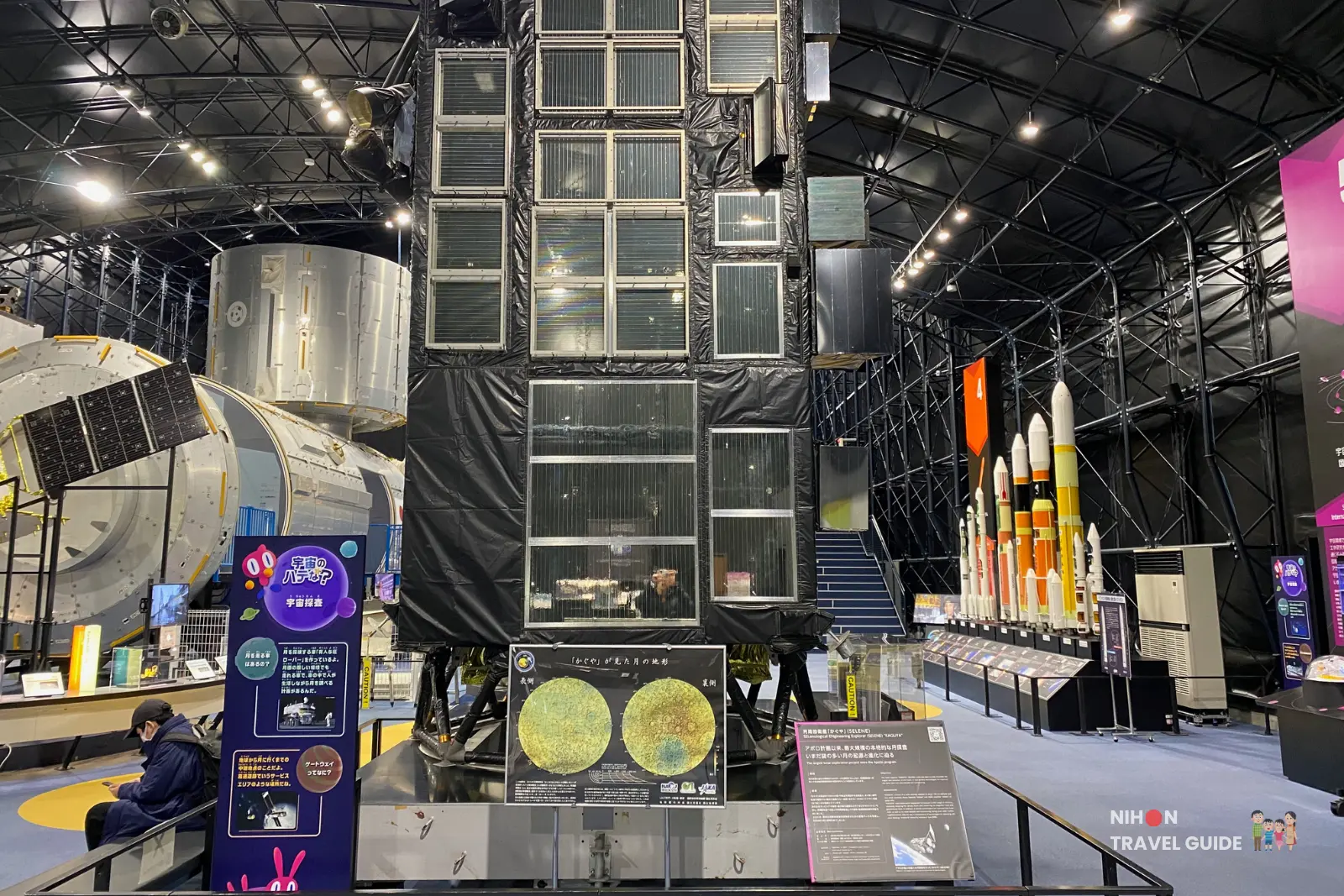
Here are some highlights that you can expect to see in the Exhibition Hall (Space Dome):
Space Dome Guided Tours
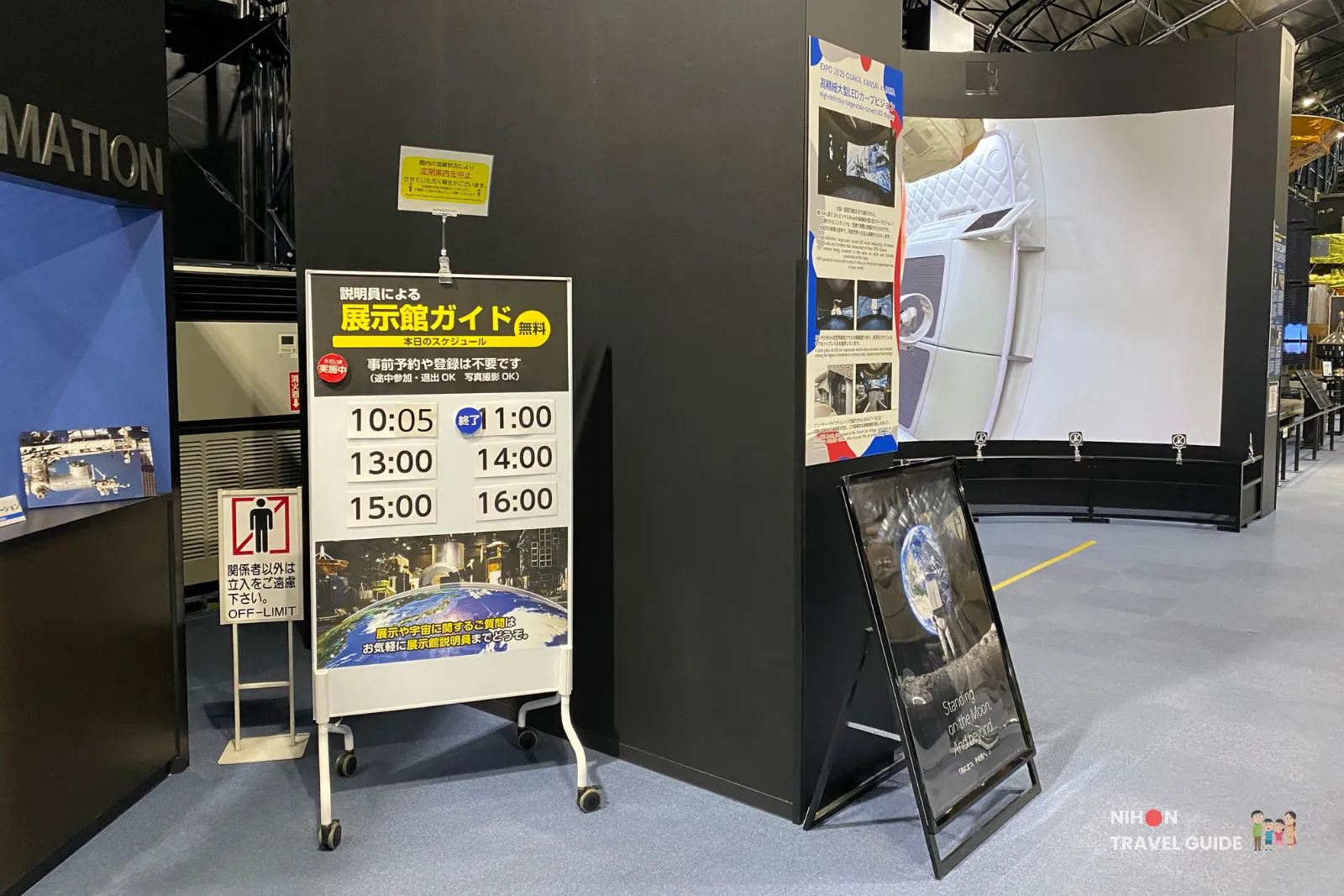
Once you enter the Space Dome, on the left there is a waiting area for the free guided tour of the exhibits. You don’t need advanced reservations, just need to wait at the spot at the listed times (on the board). I’m not sure if they have these free guided tours in English, because the tour that was going around when I was there was conducted in Japanese.
Most of the exhibits have information in English so you can still appreciate the exhibits without a guided tour. If you understand Japanese of course the tour guides will provide a lot more information.
Large LCD Screen
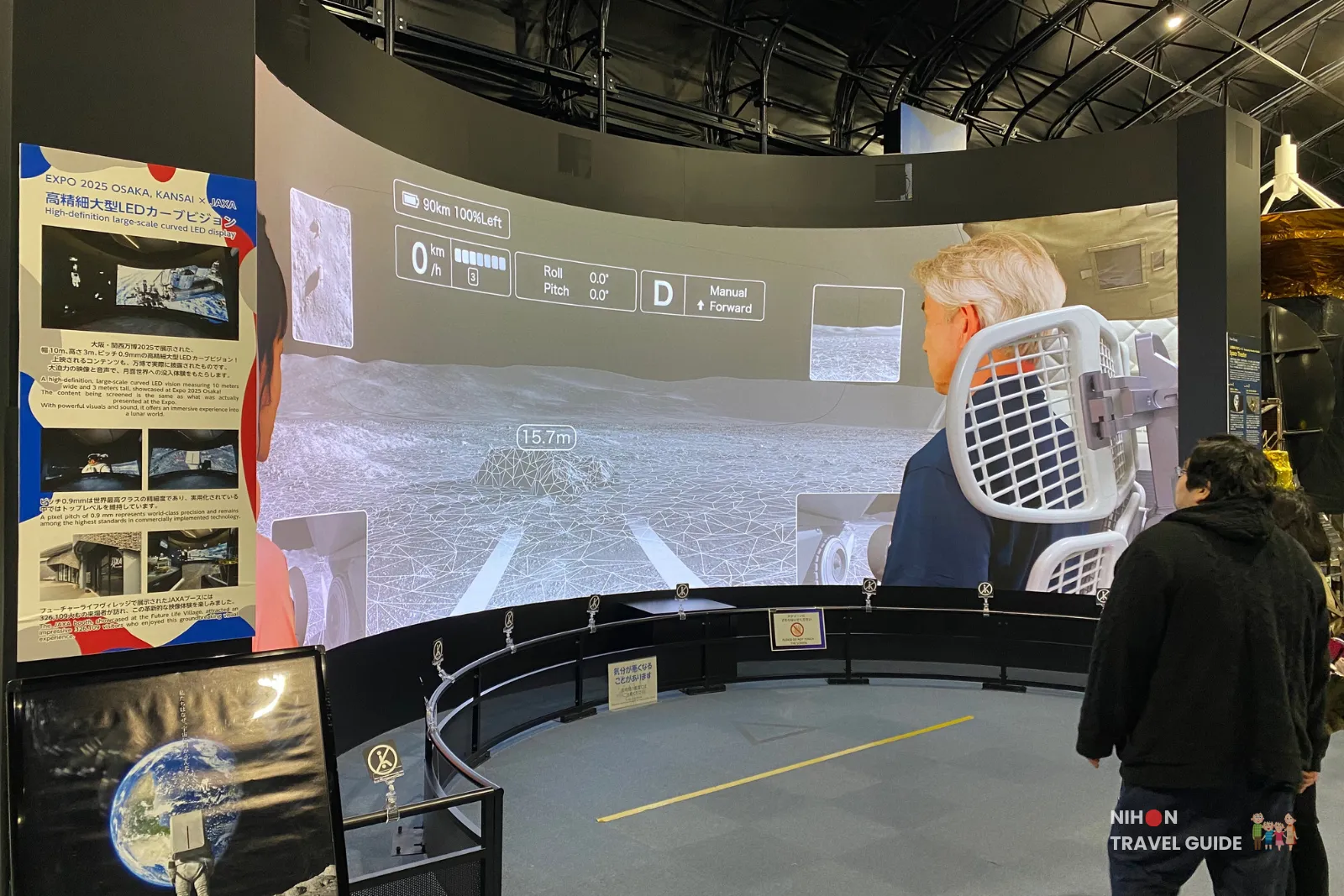
Just before seeing the rest of the exhibits is a large LCD screen playing videos showcasing some of JAXA’s technology. The videos were in Japanese (but with English subtitles) and it was mainly showcasing the JAXA Lunar Cruiser and one of the unmanned satellites that is used to drill for samples on the moon before flying back to Earth.
The screen was first set up at a JAXA booth at the Expo 2025 in Osaka and was later moved here to the JAXA Tsukuba Space Center. The videos last about 10 minutes and there isn’t any seating, but it is quite an interesting start to the exhibition area. If you are wondering, the actor in this video is Shinoda Saburō (篠田三郎).
JAXA’s 1:1,000,000 scale Earth model “Dream Port”
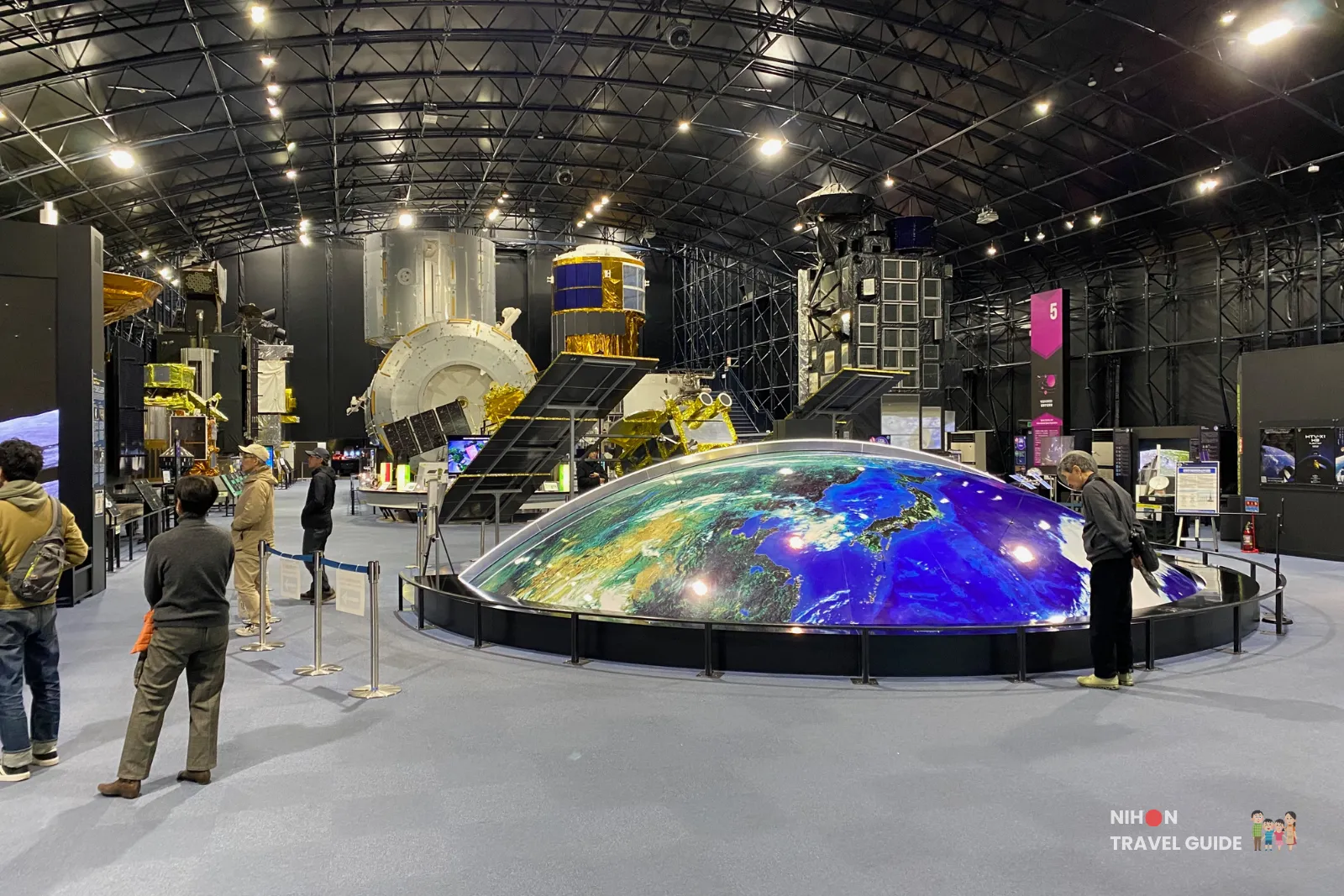
In the middle of the Space Dome before you proceed is the “Dream Port”, JAXA’s 1:1,000,000 scale of the Earth. It is a hemispherical display that shows satellite-based images, Earth observation data and explains how Japanese satellites are used to monitor weather, oceans, and land from space.
JAXA Hayabusa2
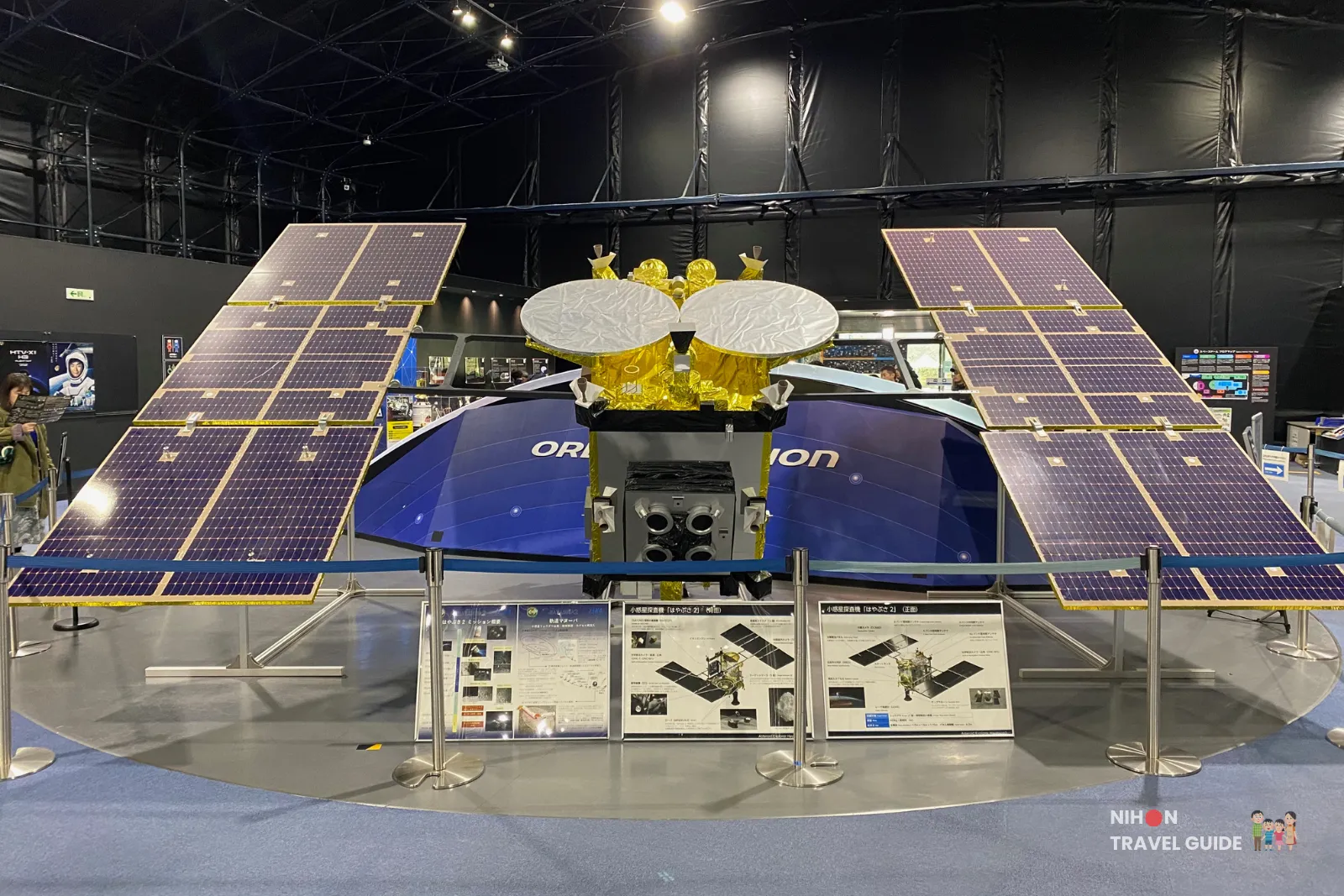
The JAXA Hayabusa2 is an asteroid sample-return spacecraft that brought back samples from an asteroid Ryugu to Earth for further study. It was launched in 2014 from Tanegashima Space Center on a H‑IIA rocket (similar to the one outside the Space Dom), and returned in 2020 with some samples of previous materials for further study.
It deployed smaller rovers like the MINERVA‑II and MASCOT to explore the asteroid’s surface up close. While this is a replica of the real thing, I still found it fascinating that I was standing in front of a vehicle that was developed to travel deep into space and spend years there (and come back even).
JAXA Kibō
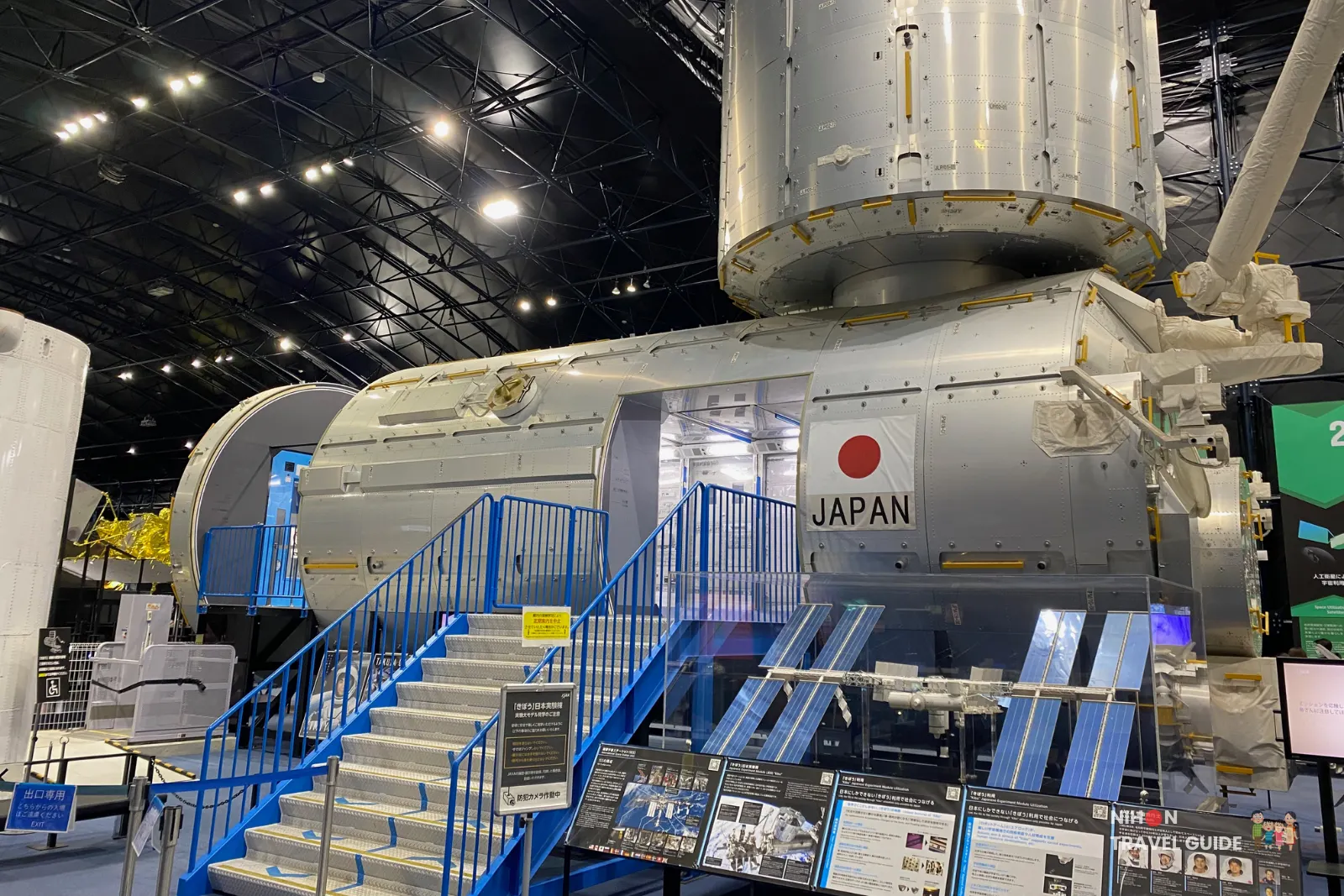
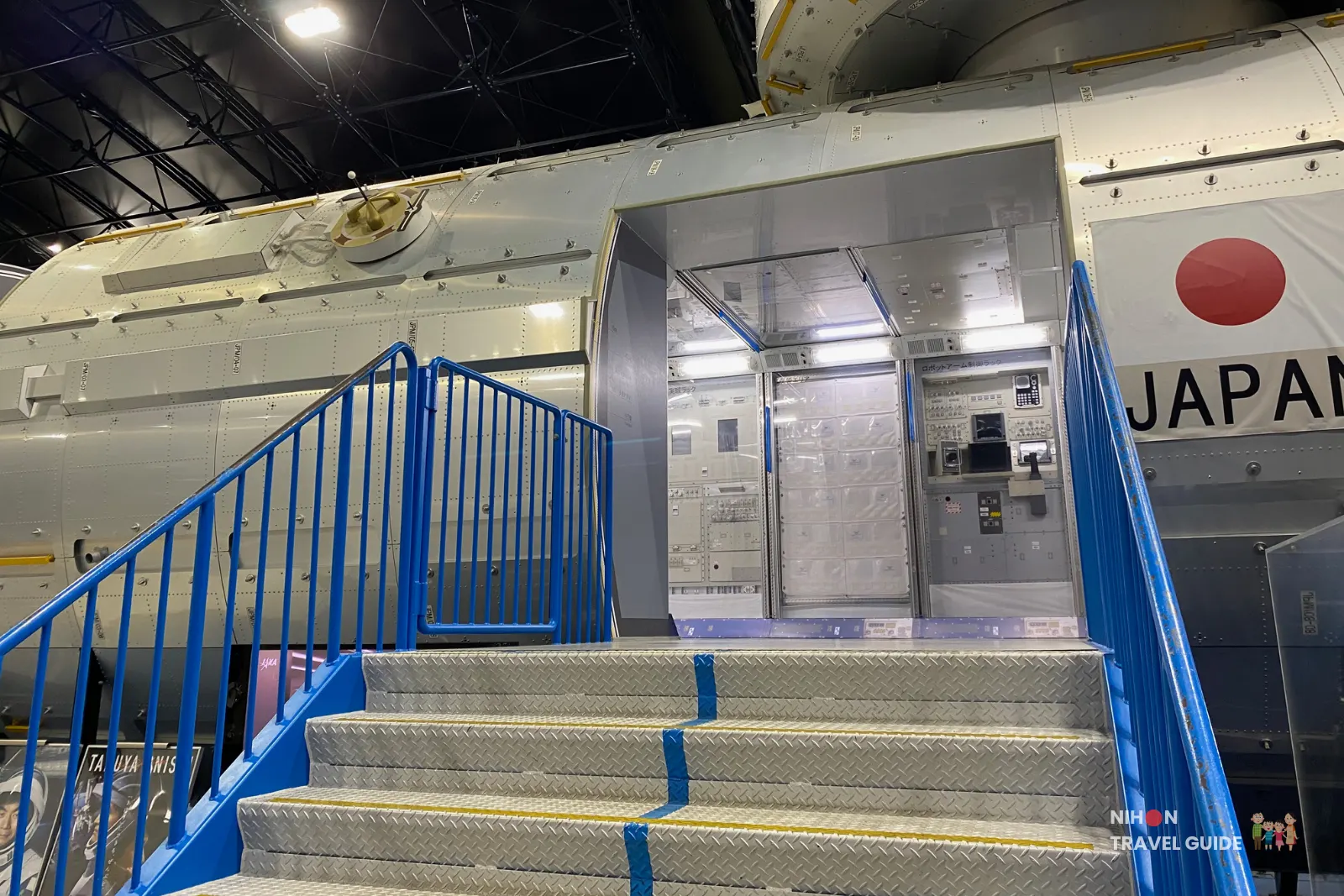
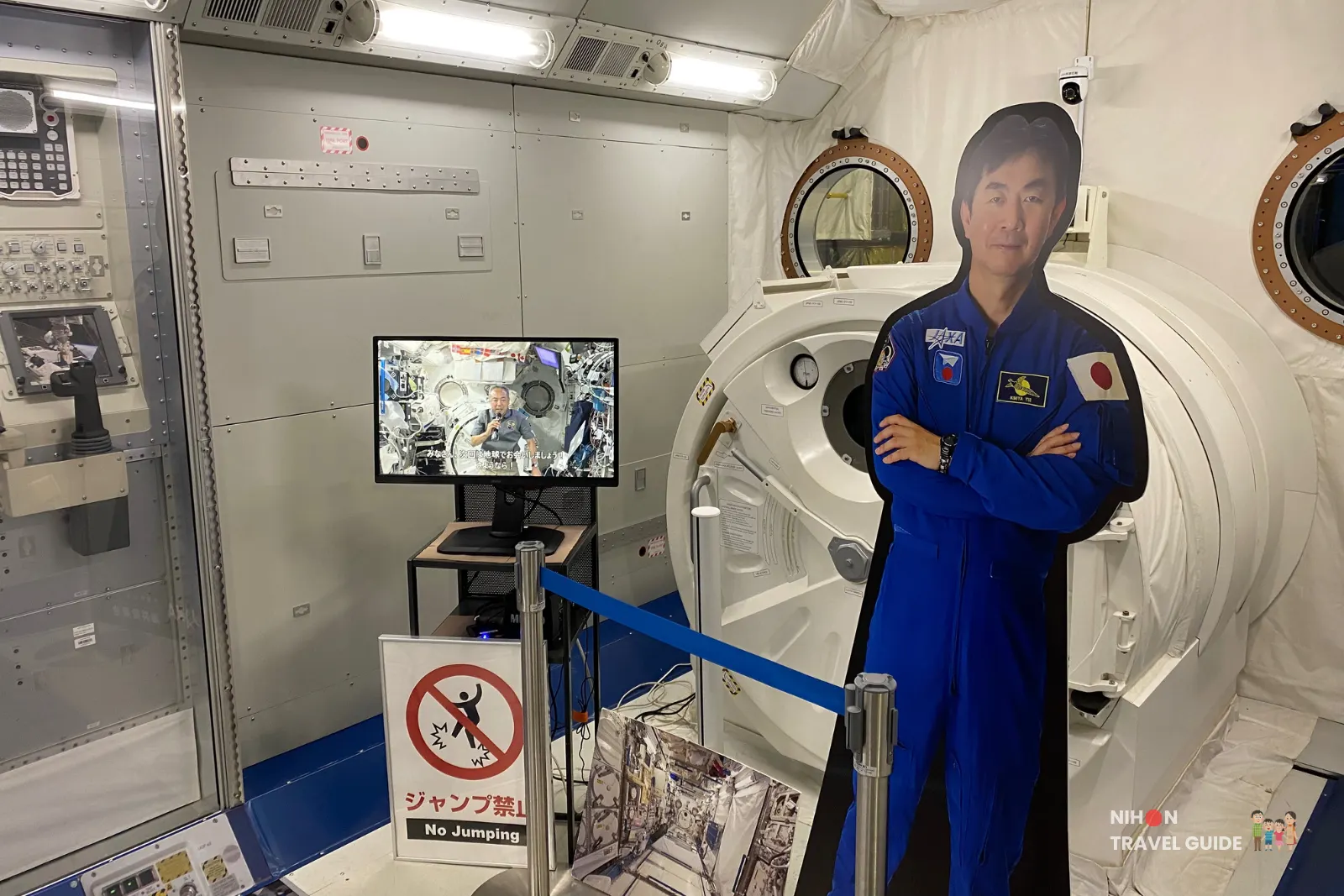
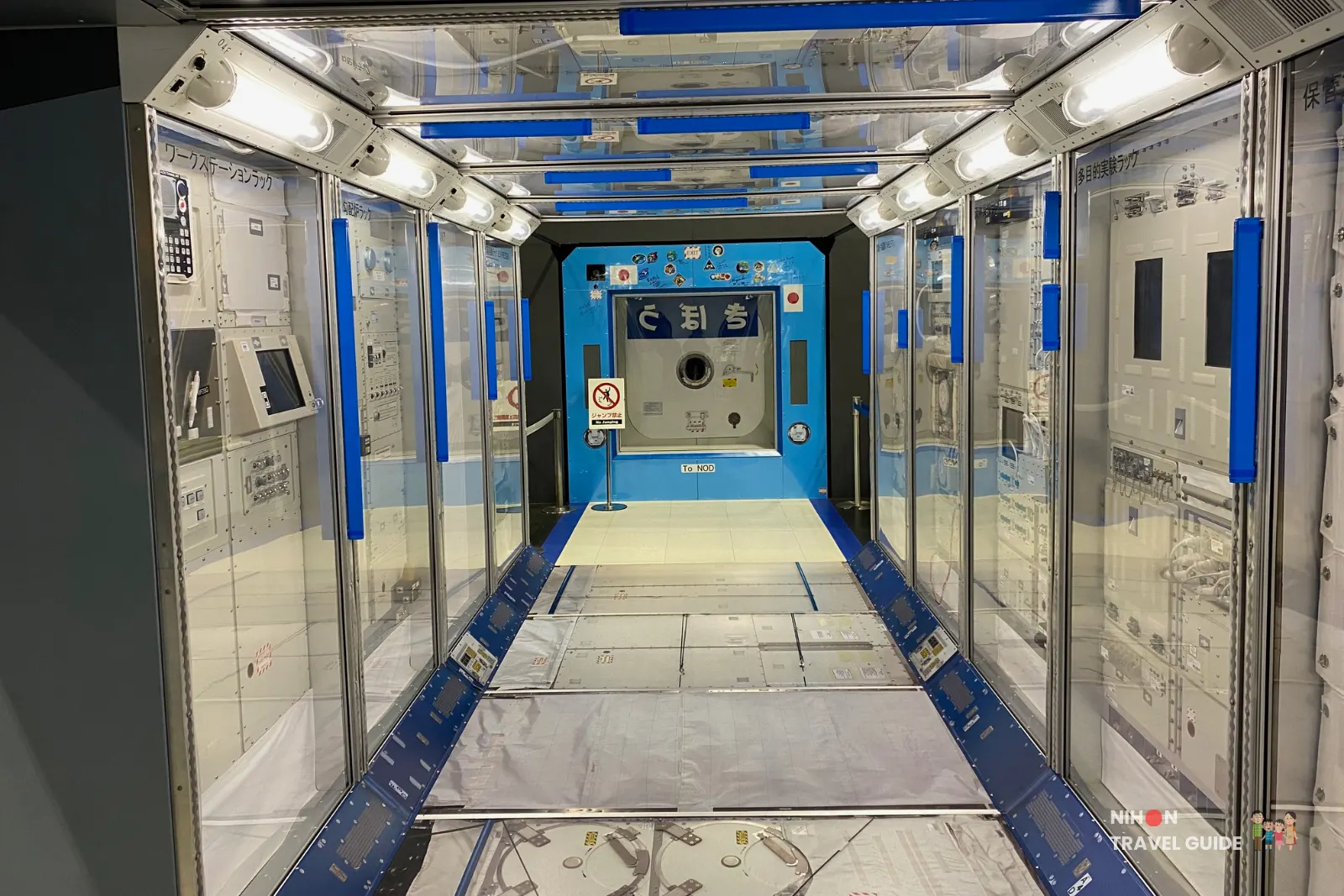
In the middle of the exhibition hall is the JAXA Kibō, a large scale model of one of the modules on the International Space Station (ISS). It is the largest module on the ISS and is used by astronauts for experiments.
You can actually go inside it and while it does not have the actual machines and workstations etc, it has mock ups of the machines that are inside the JAXA Kibō to give you a sense of what is it’s like inside it. There is a small screen playing a video of an astronaut inside the real JAXA Kibō module in space.
Space Dome Photos
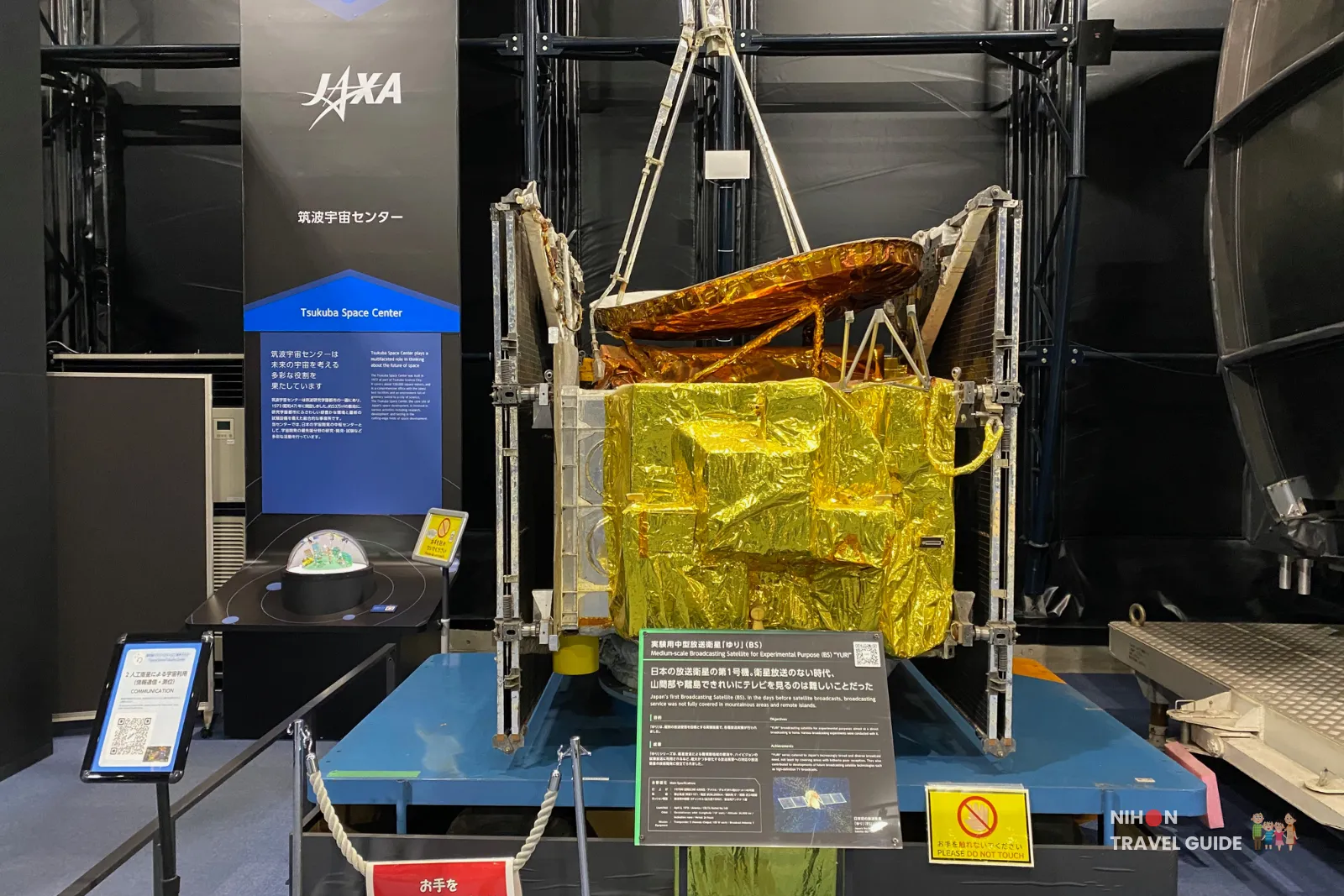
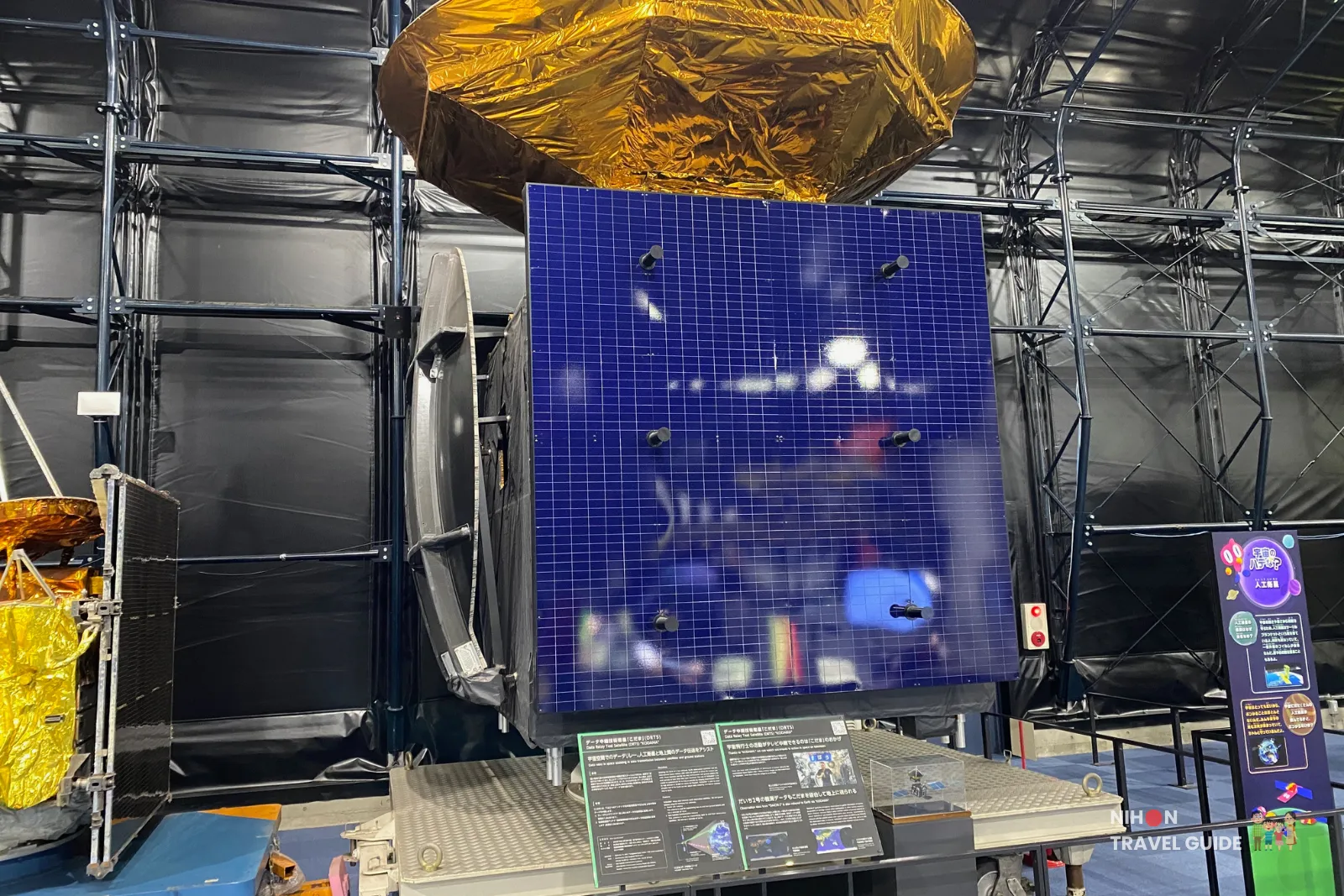
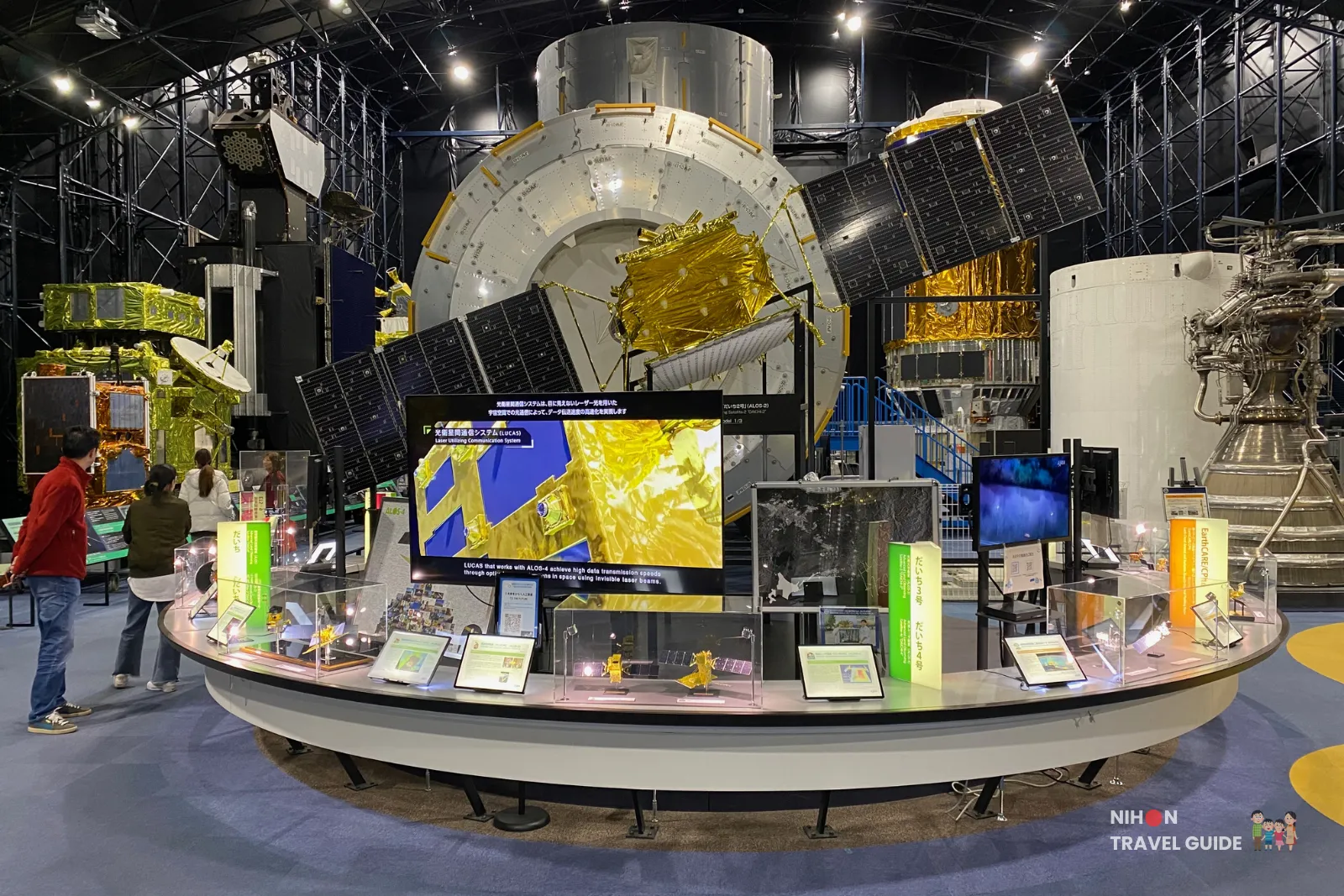
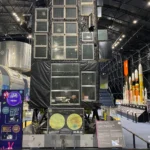
Here are some quick photos of the other stuff you can expect to see in the The Exhibition Hall (Space Dome):
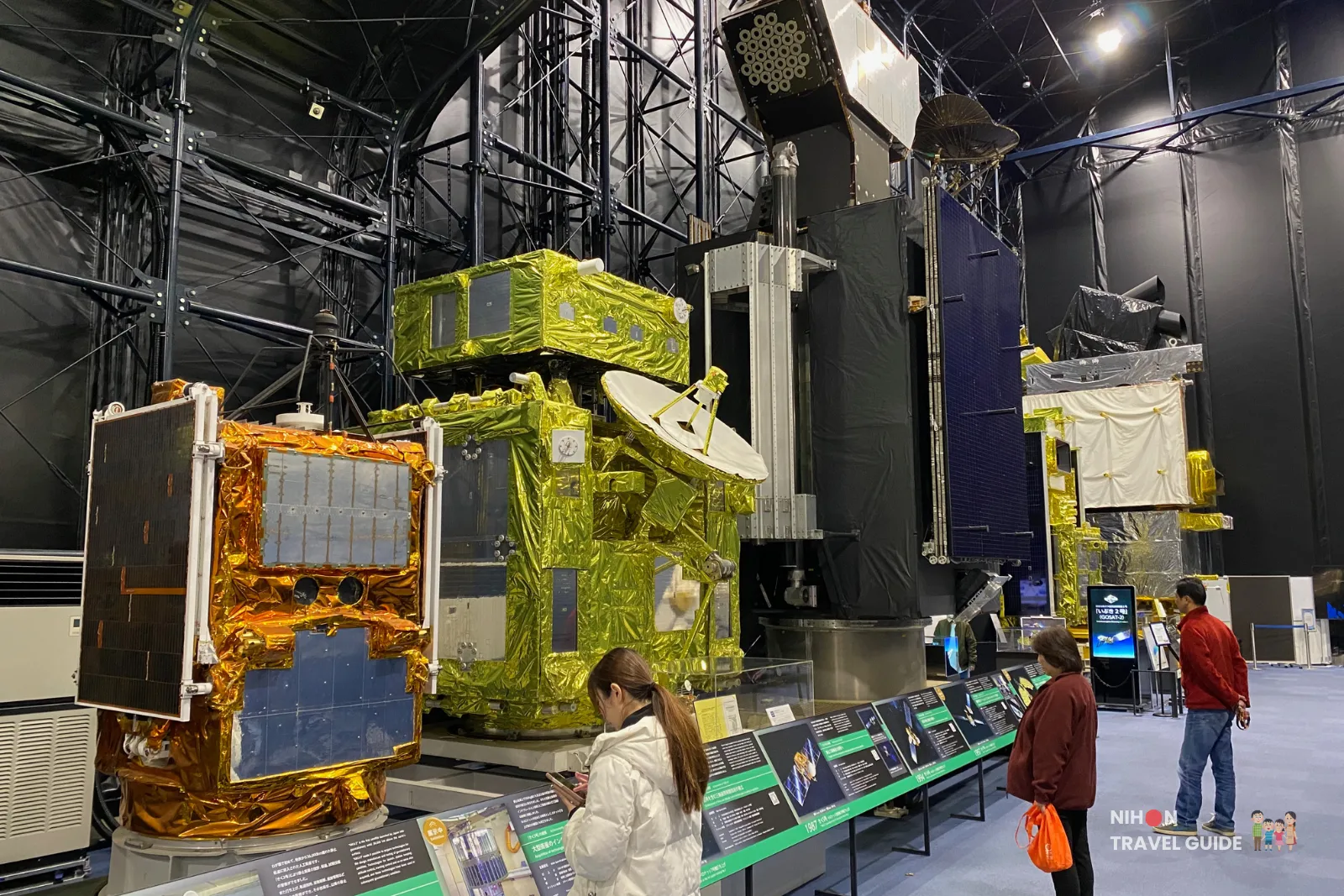
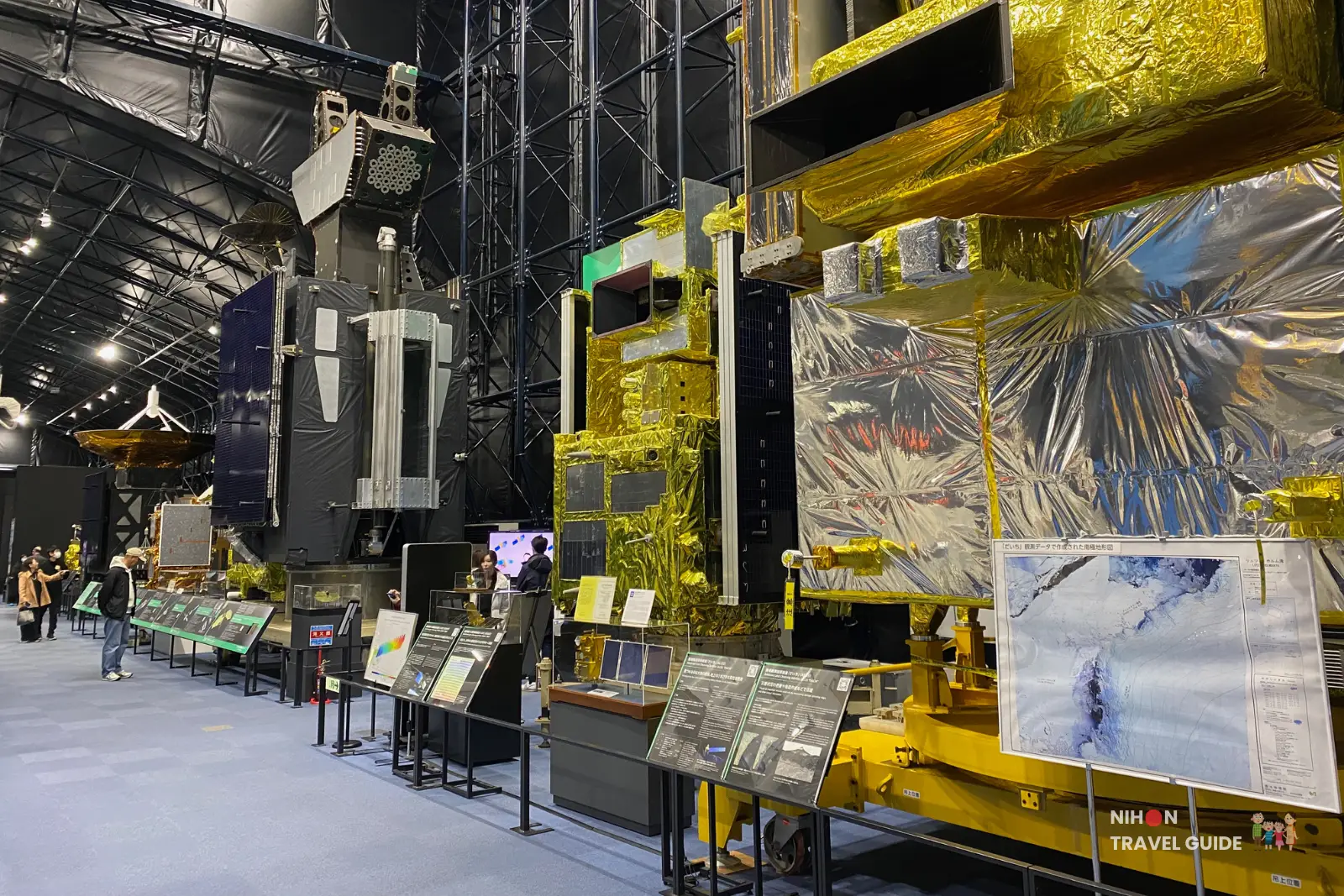
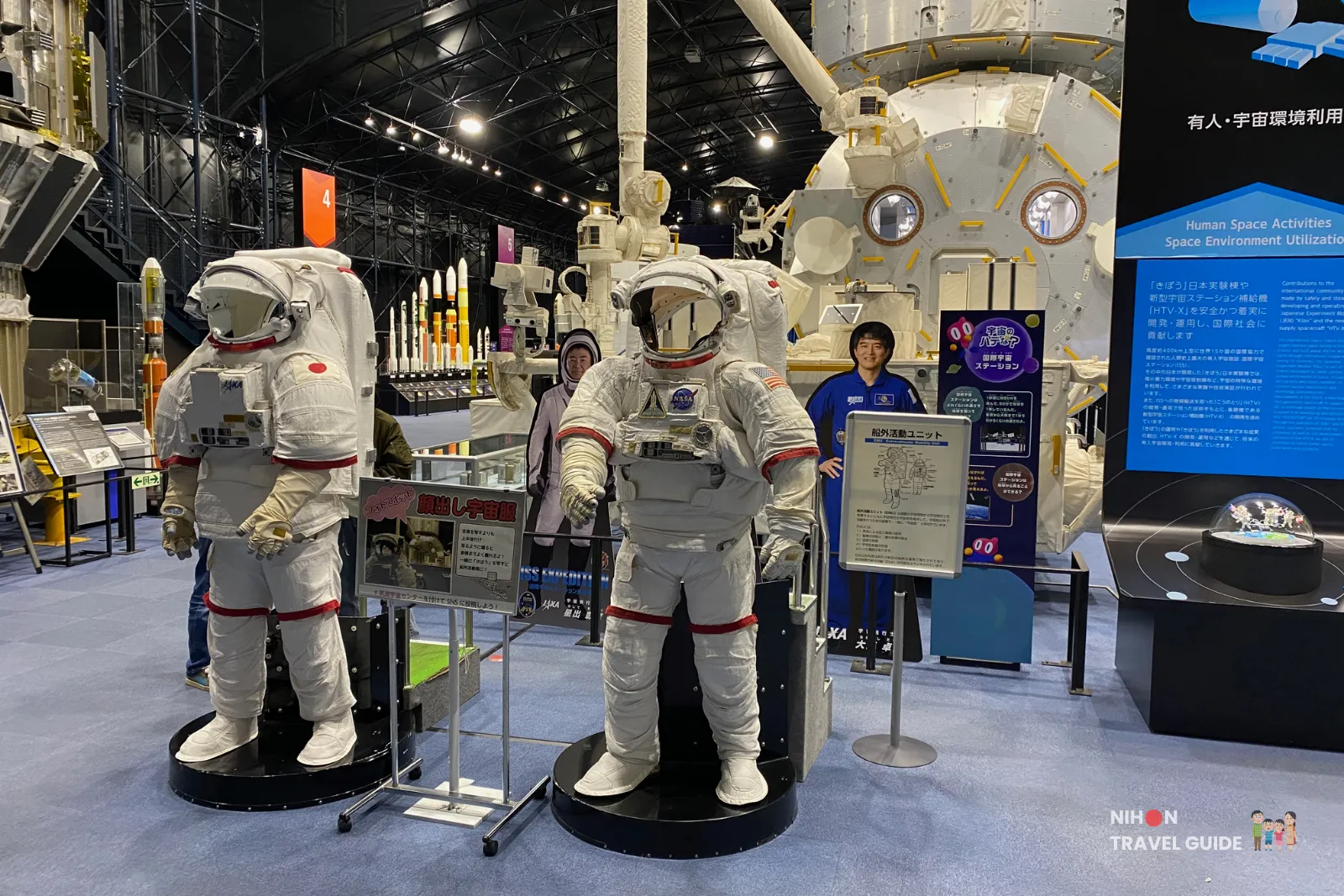
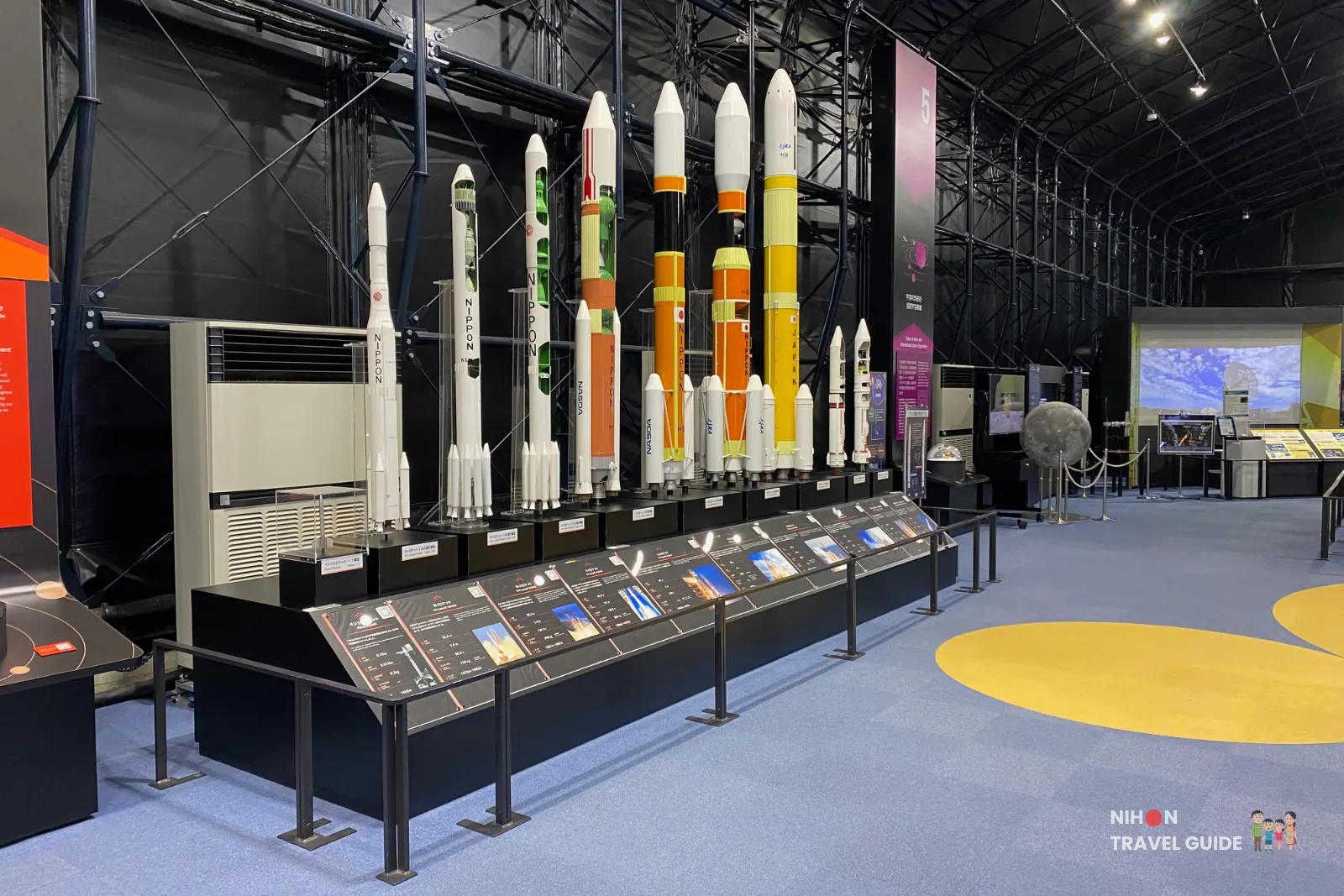
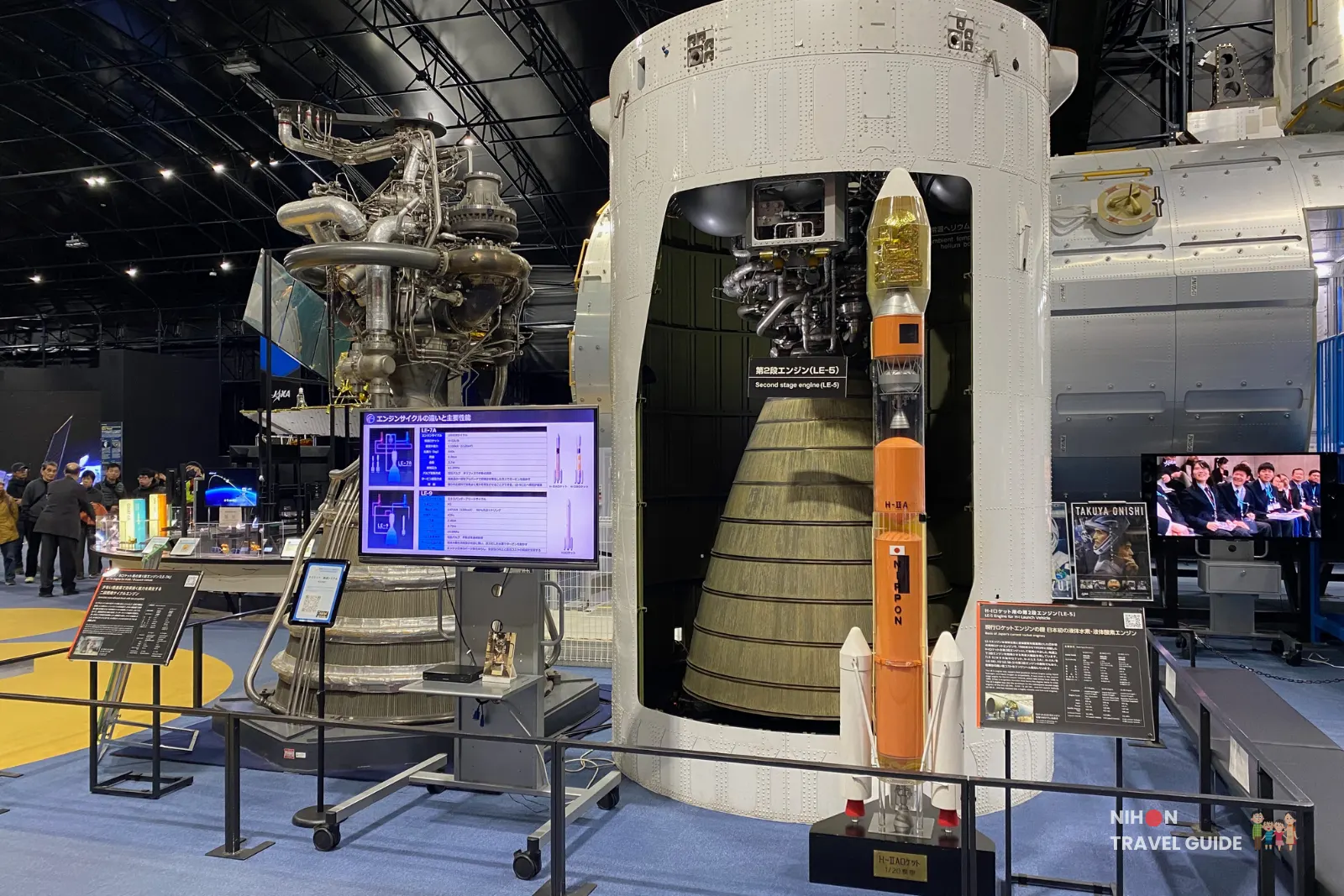
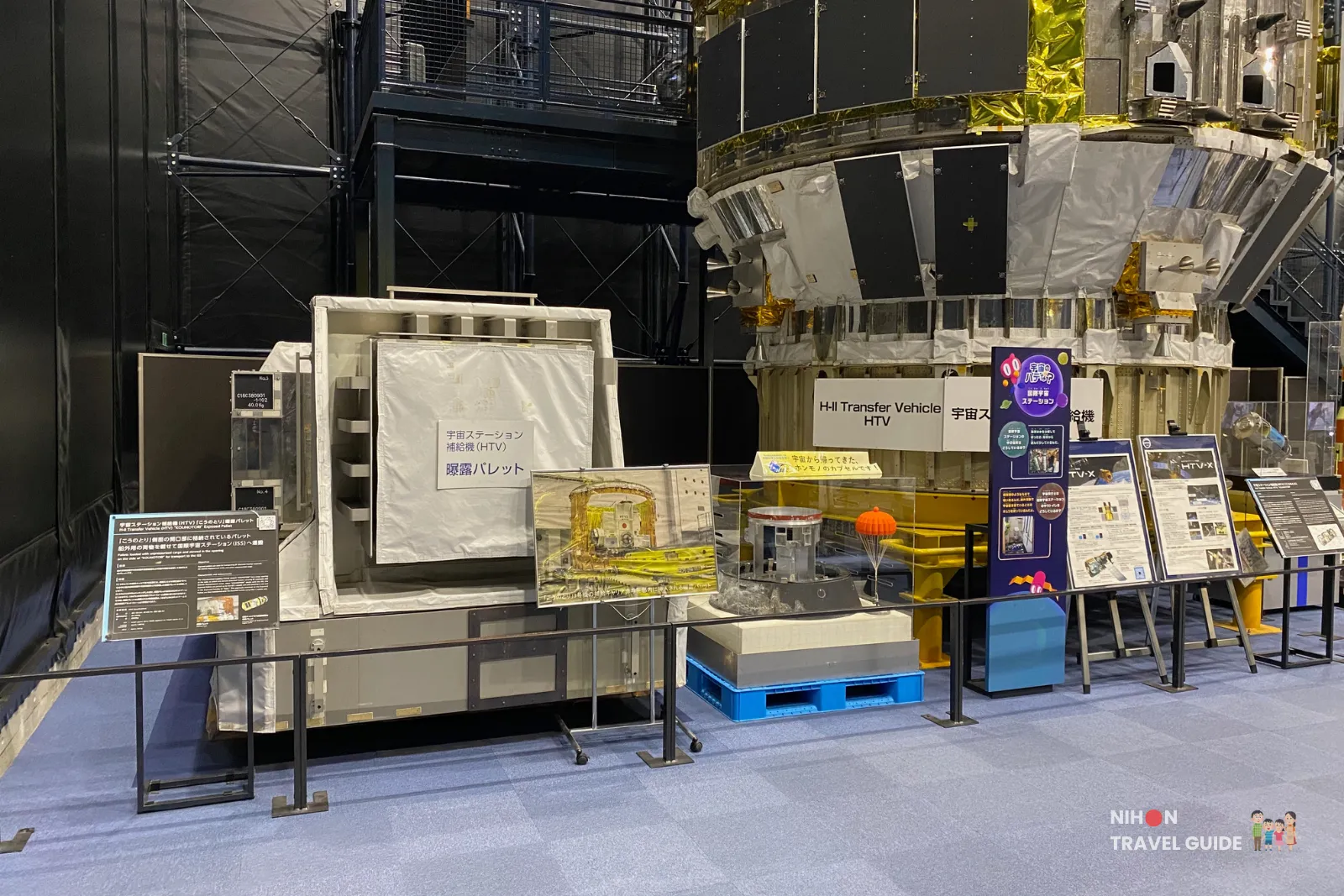
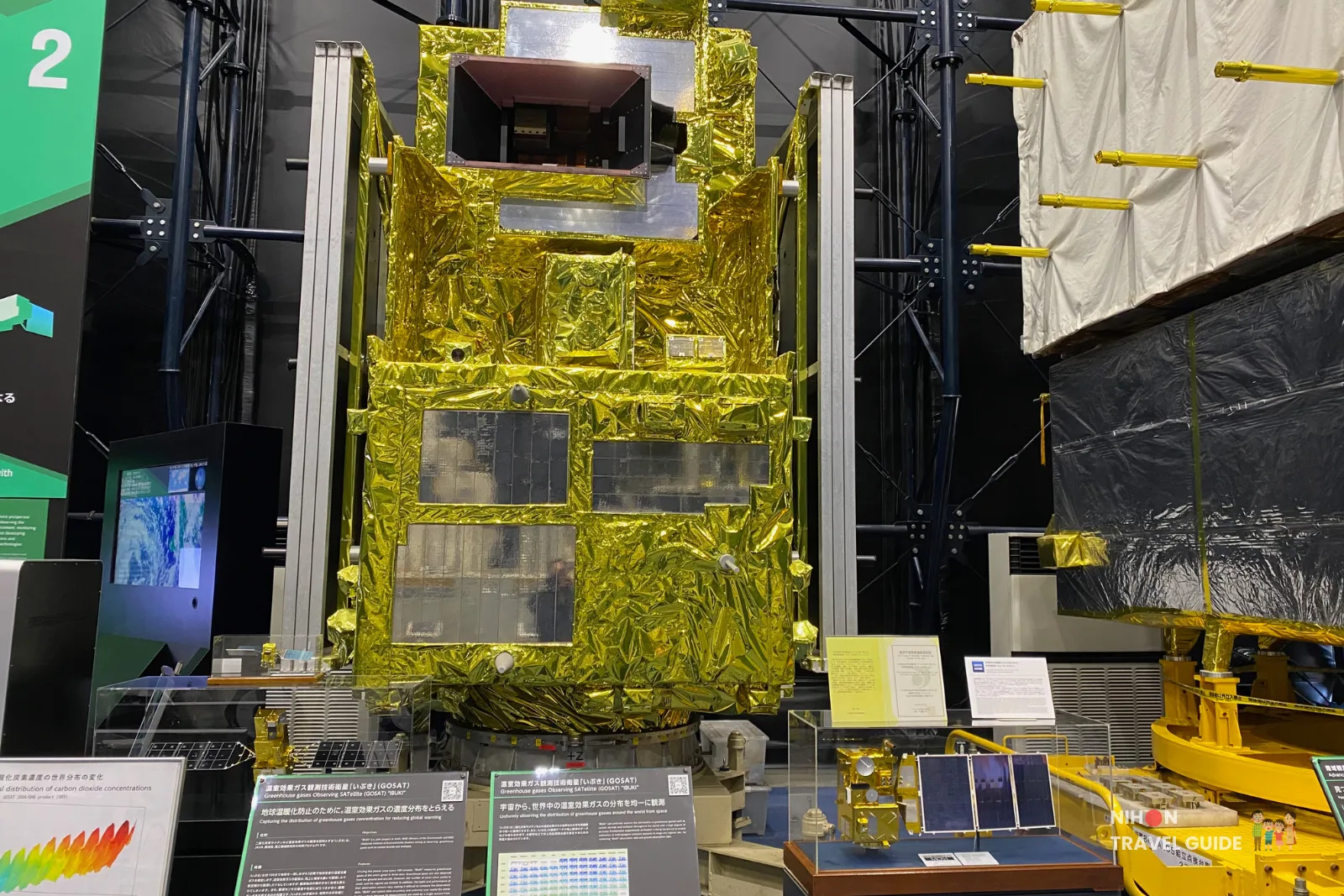
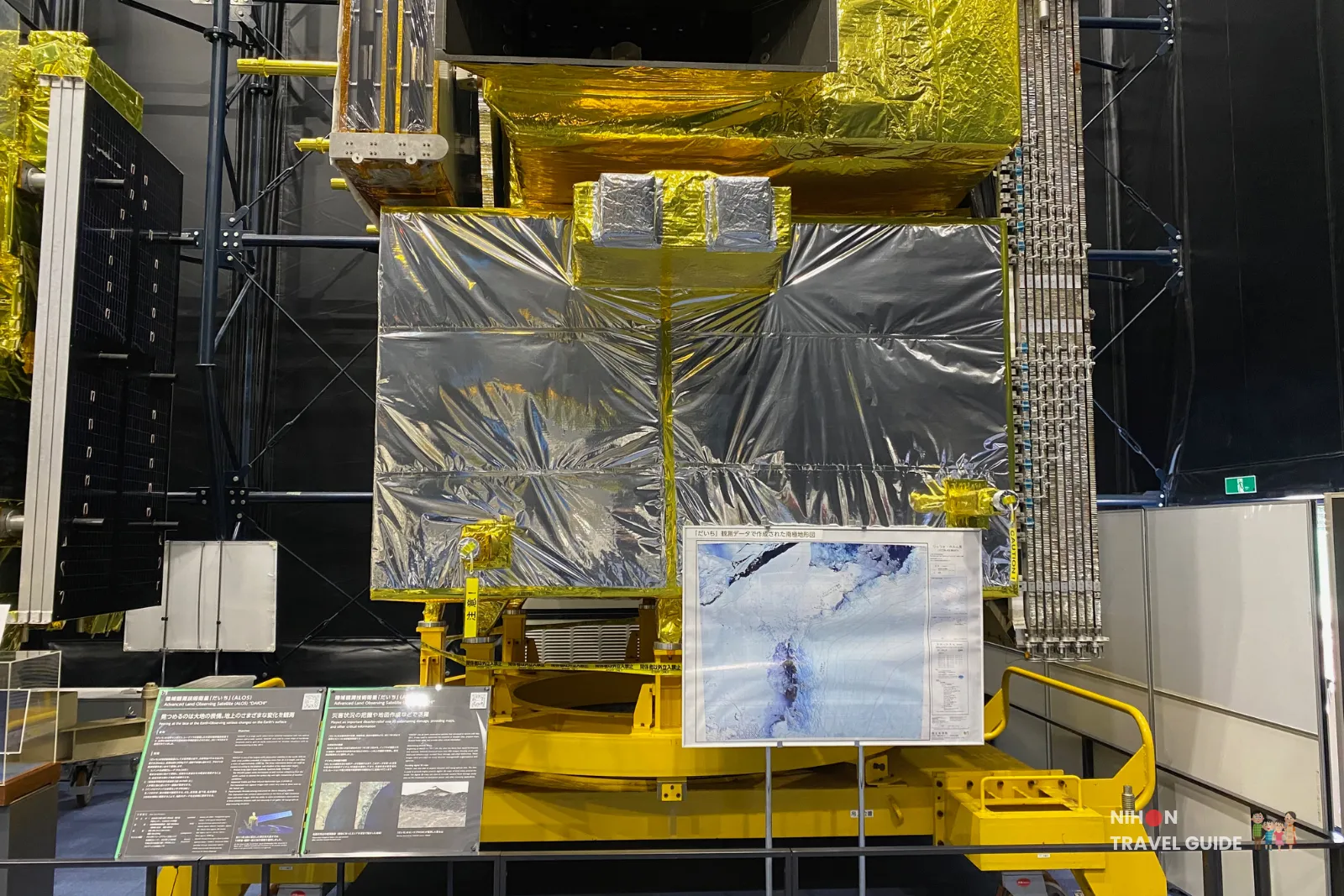
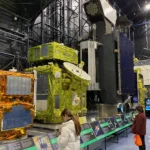
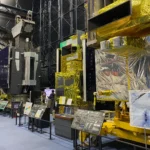
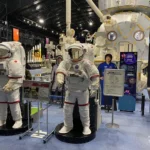
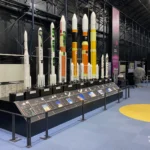
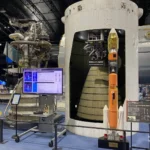
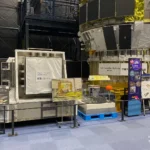
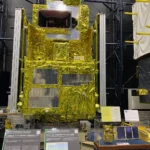
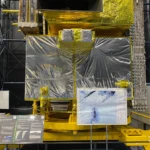
Outdoor Exhibits (Rocket Square)
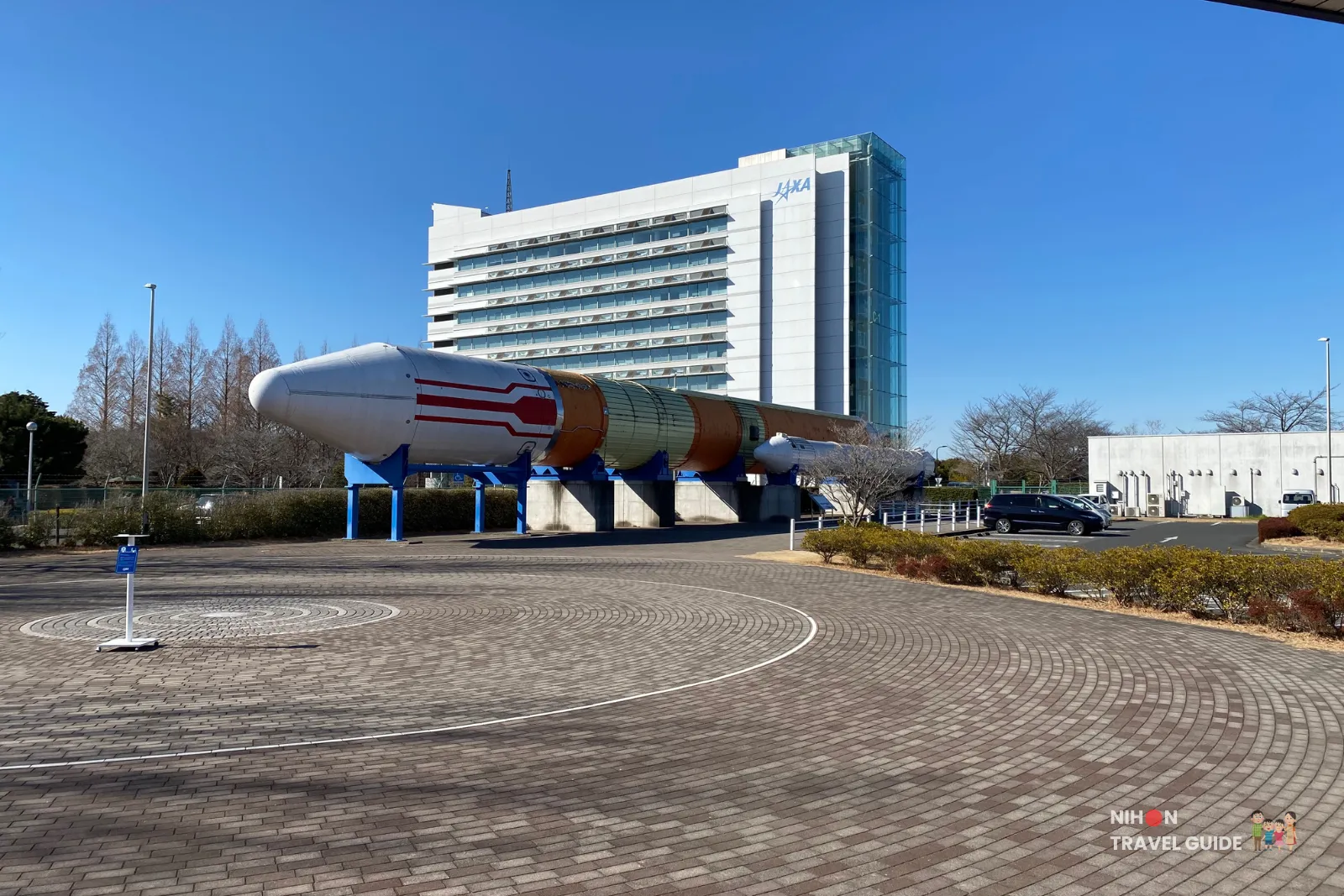
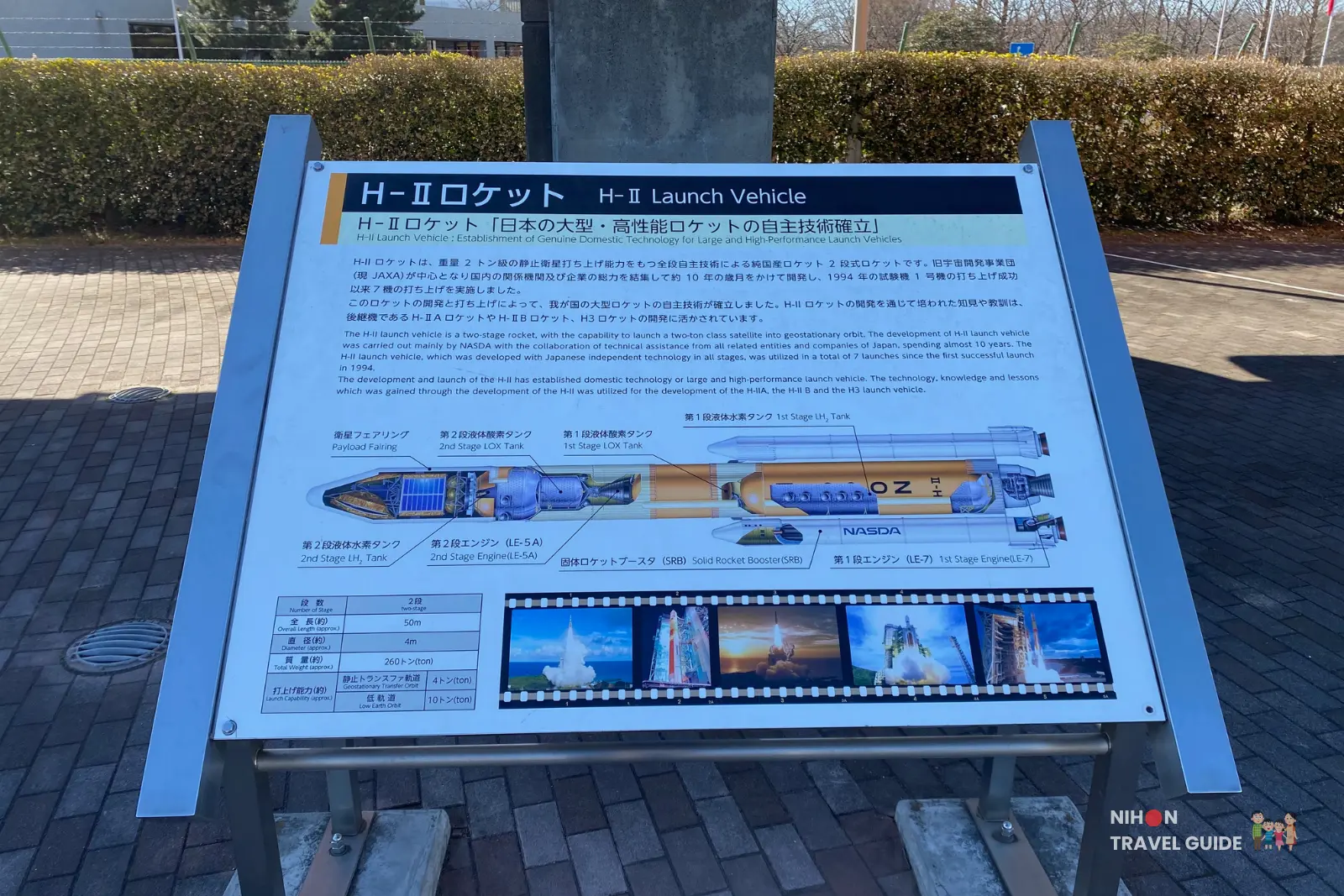
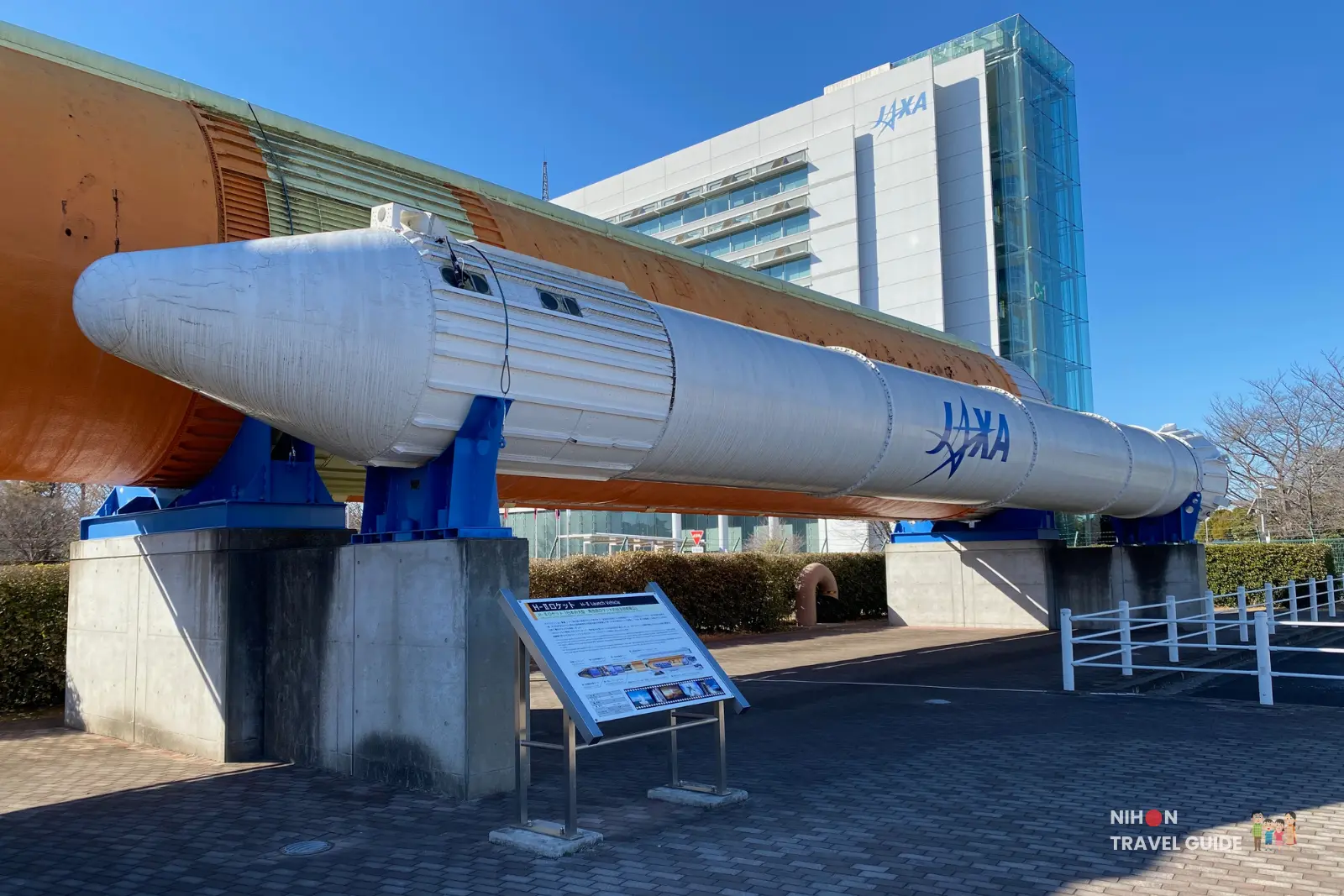
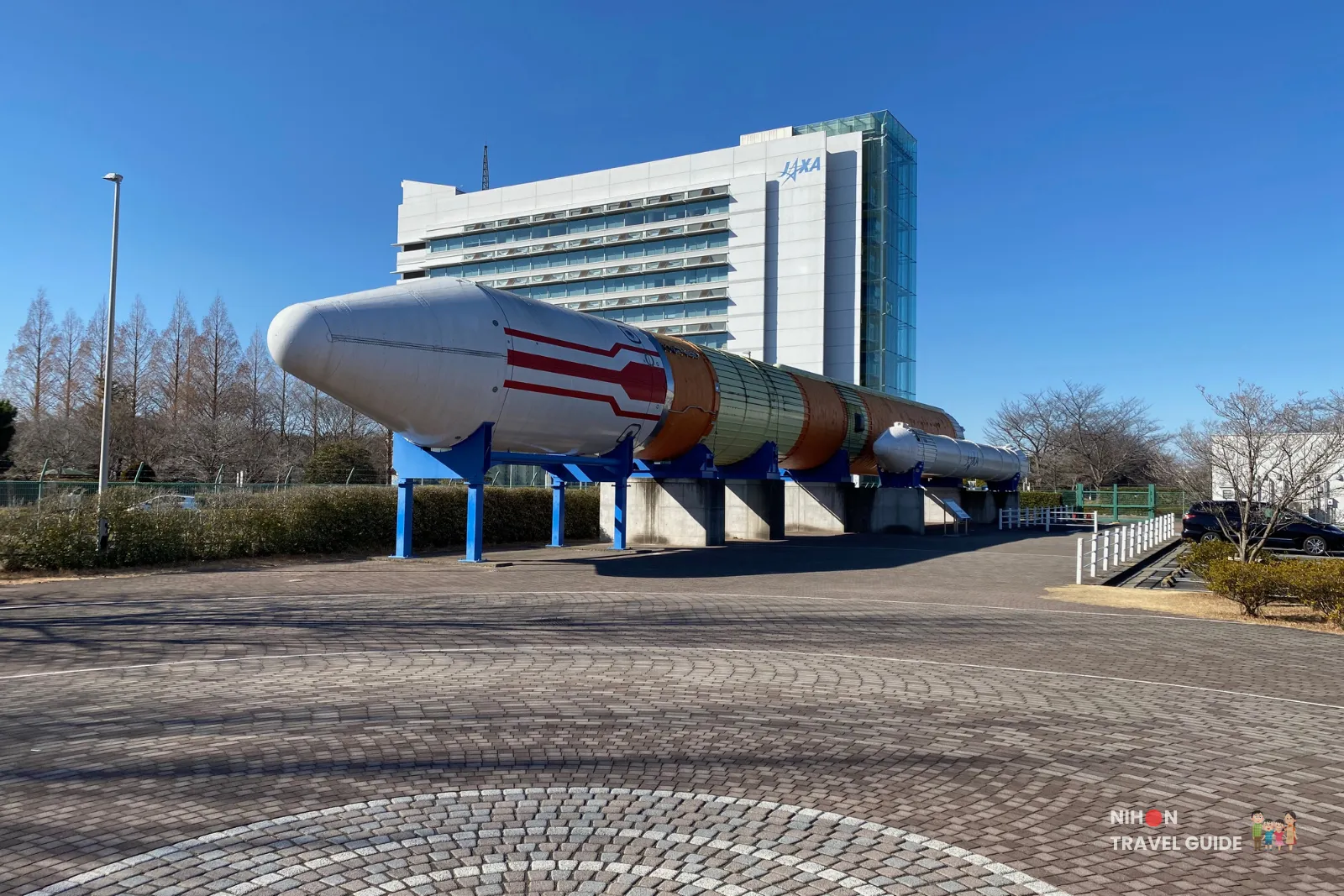
There is only one outdoor exhibit at the Tsukuba Space Center, that is the full sized H-II Launch Vehicle. While it’s not the actual one that was used, this one was used in development trials and is not a replica.
That was Japan’s first domestic large liquid-fuel rocket that is capable of launching a two-ton class satellite into orbit. It was used in 7 launches since 1994 and is about 50m in length. The technology from this rocket was used in later rockets such as the H-IIA, H-IIB and current H3 launch vehicles.
The H-II rocket is really massive and is a great photo taking opportunity at the Tsukuba Space Center as the JAXA building is in the background. There are even markings on the floor and a stand where you can place your phone to get the optimal angle to take the best photo.
JAXA Tsukuba Space Center Guided Tours
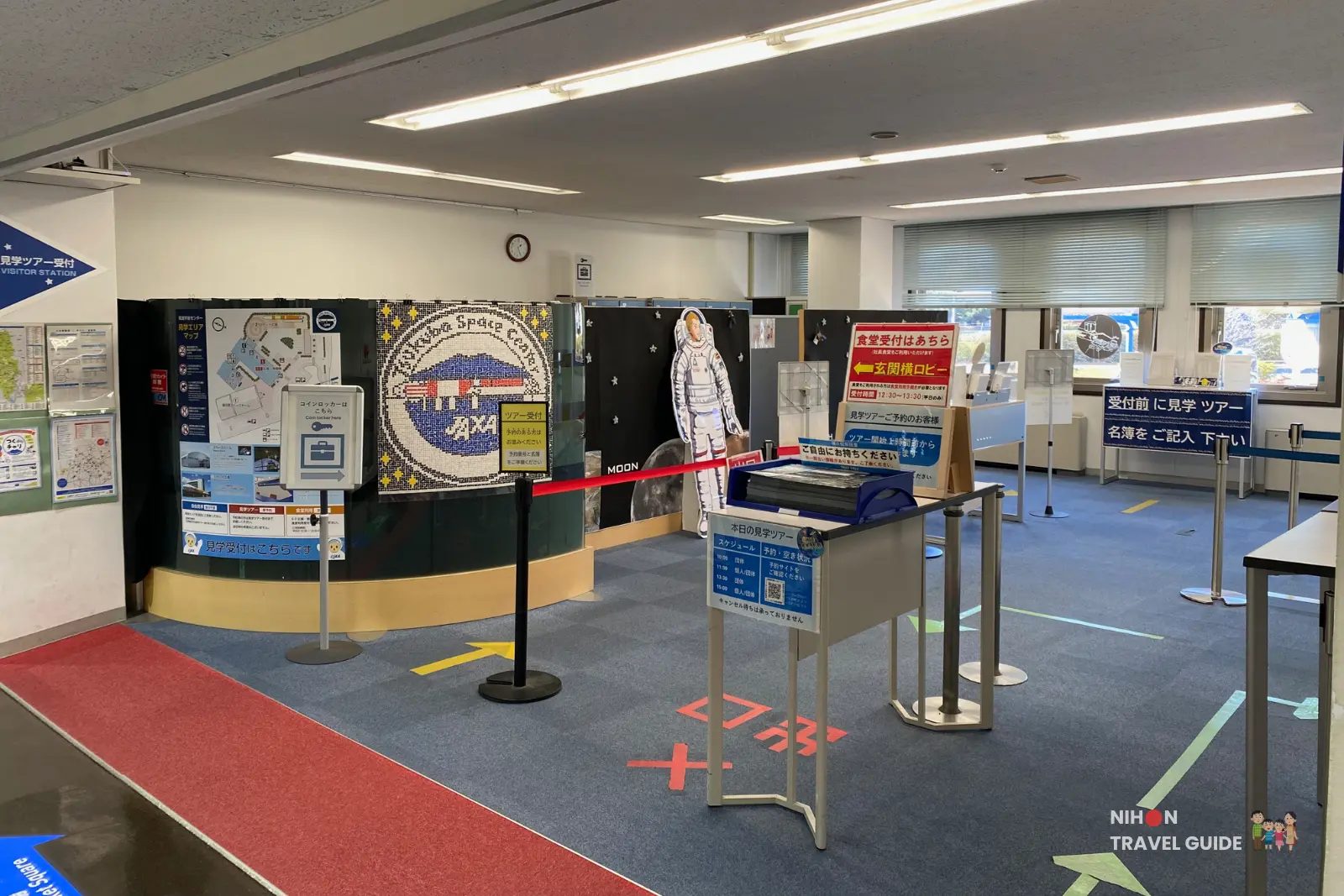
JAXA Tsukuba Space Center also offers paid guided tours that allows you to see the JAXA development facility beyond the Space Dome. It will take about 1 hour and 10 minutes. The tour will include a tour of the astronaut training area and the “Kibo” Operations Control Room.
The guided tour is ¥500 for 18 years and older but it’s free for high school students (or younger) and teachers who are supervening the children. It is also free of charge if you are disabled (so as the person accompanying you). Payment is done at the reception and is cash only.
Take note that each person may only participate once per day probably so that others may have a chance.
If you are doing a group reservation, the maximum participants is 40 and minimum is 20. If your group number falls below 20 participants you would be asked to pay the price difference in price.
You also need to check in 1 hour and 30 mins before the tour starts at the Visitor Reception Counter.
Most tours are conducted in Japanese. However the Thursday 11:30 tour is specifically an English-guided tour so you should book that one if you can’t speak Japanese.
The Gift Shop (Planet Cube)
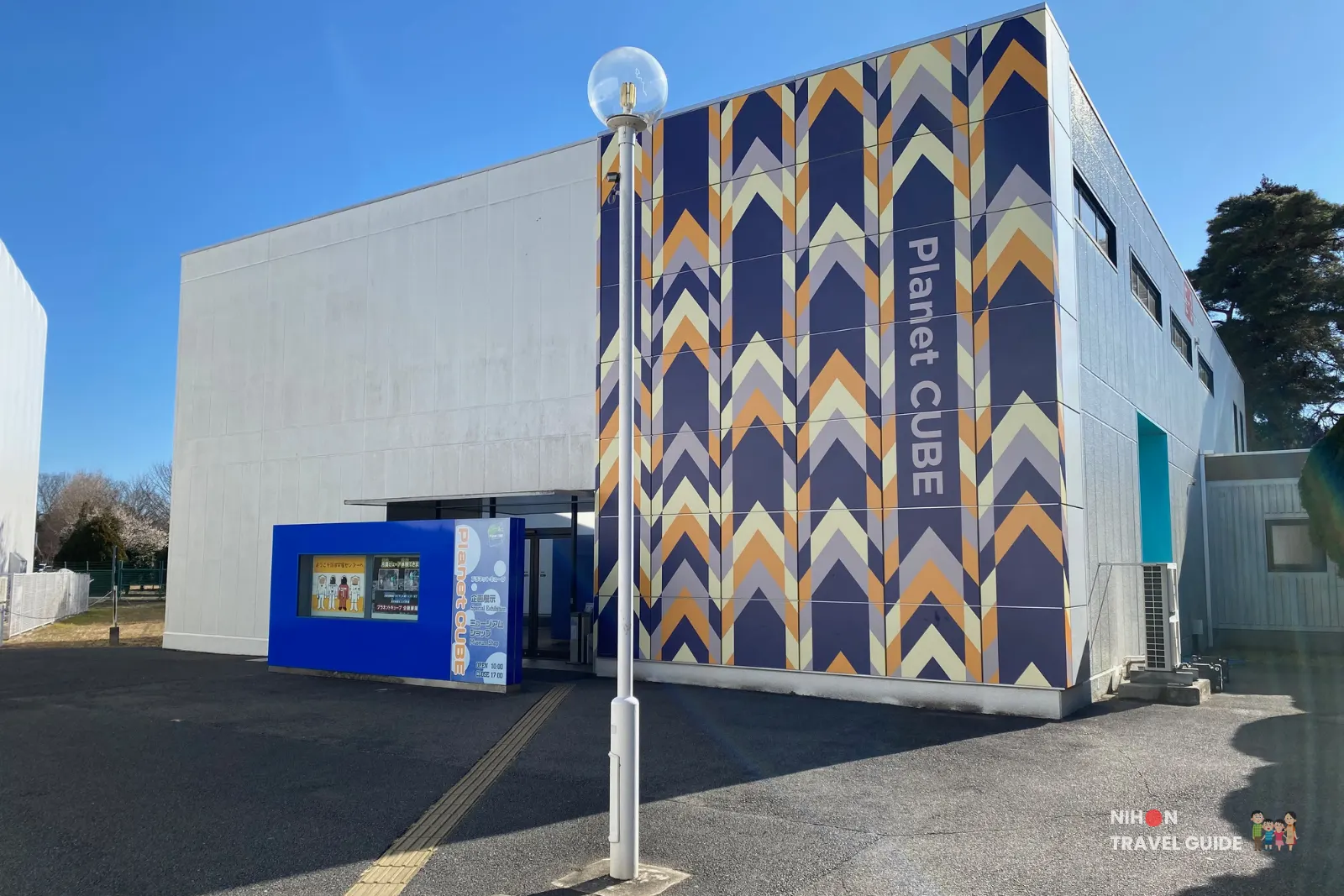
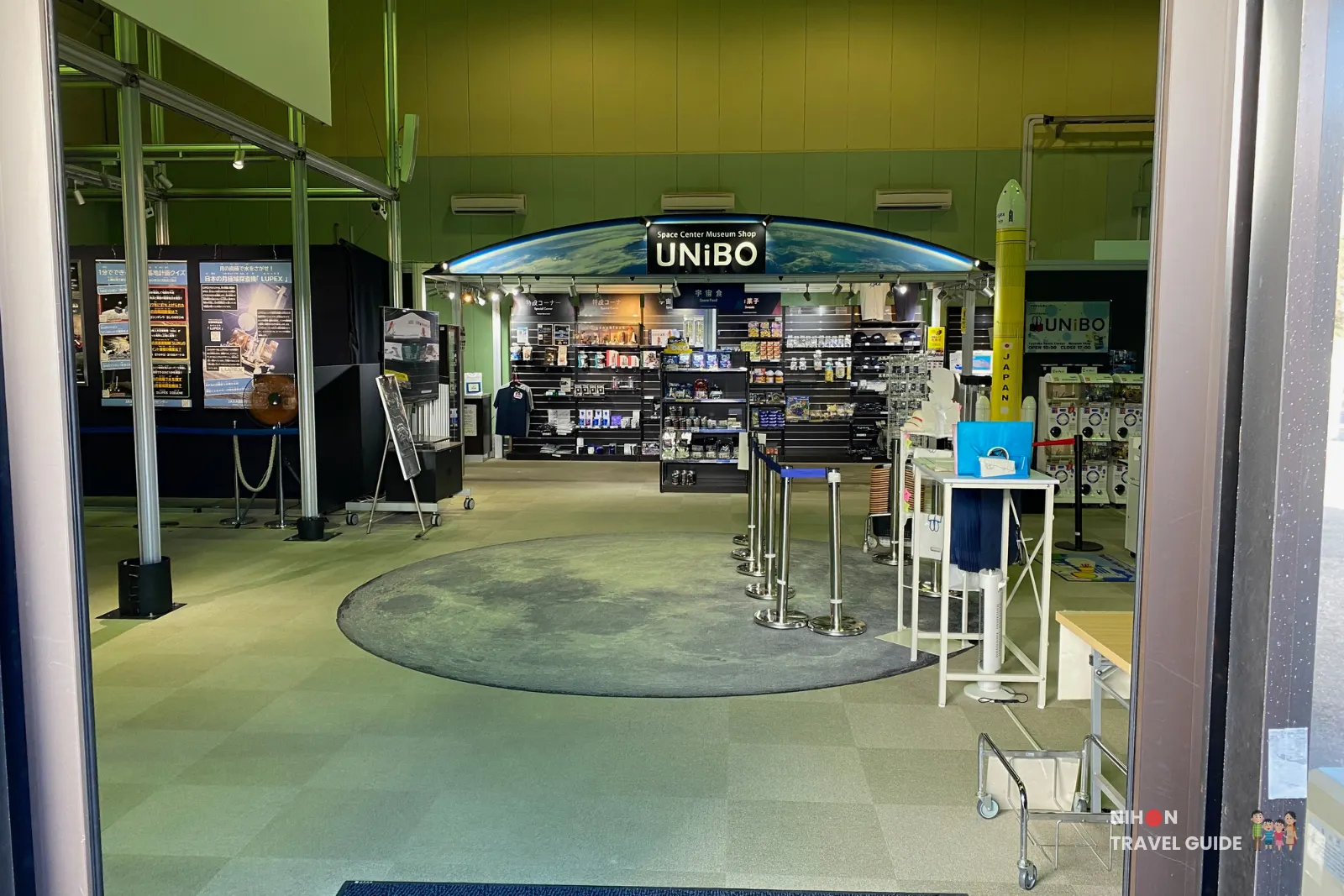
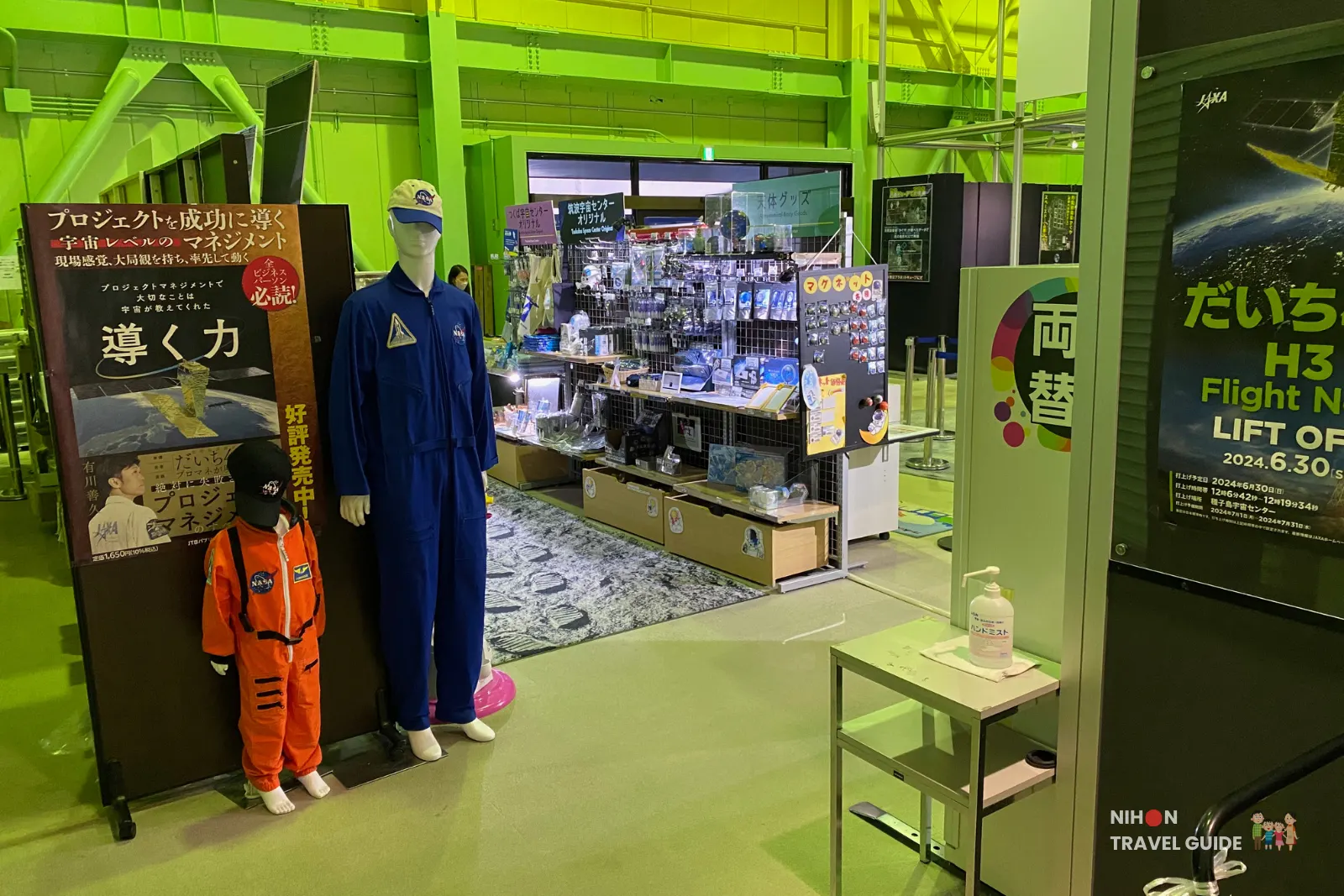

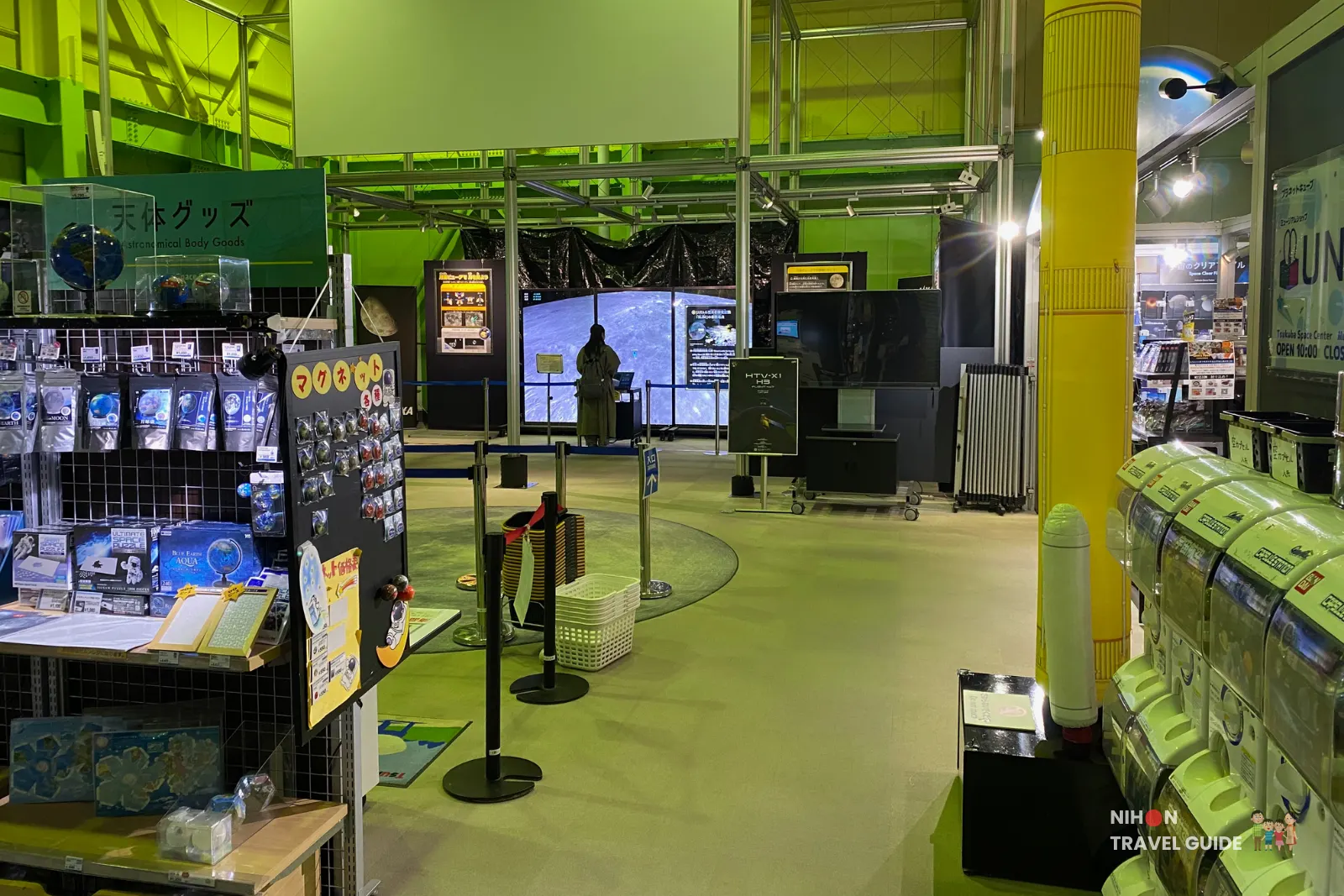
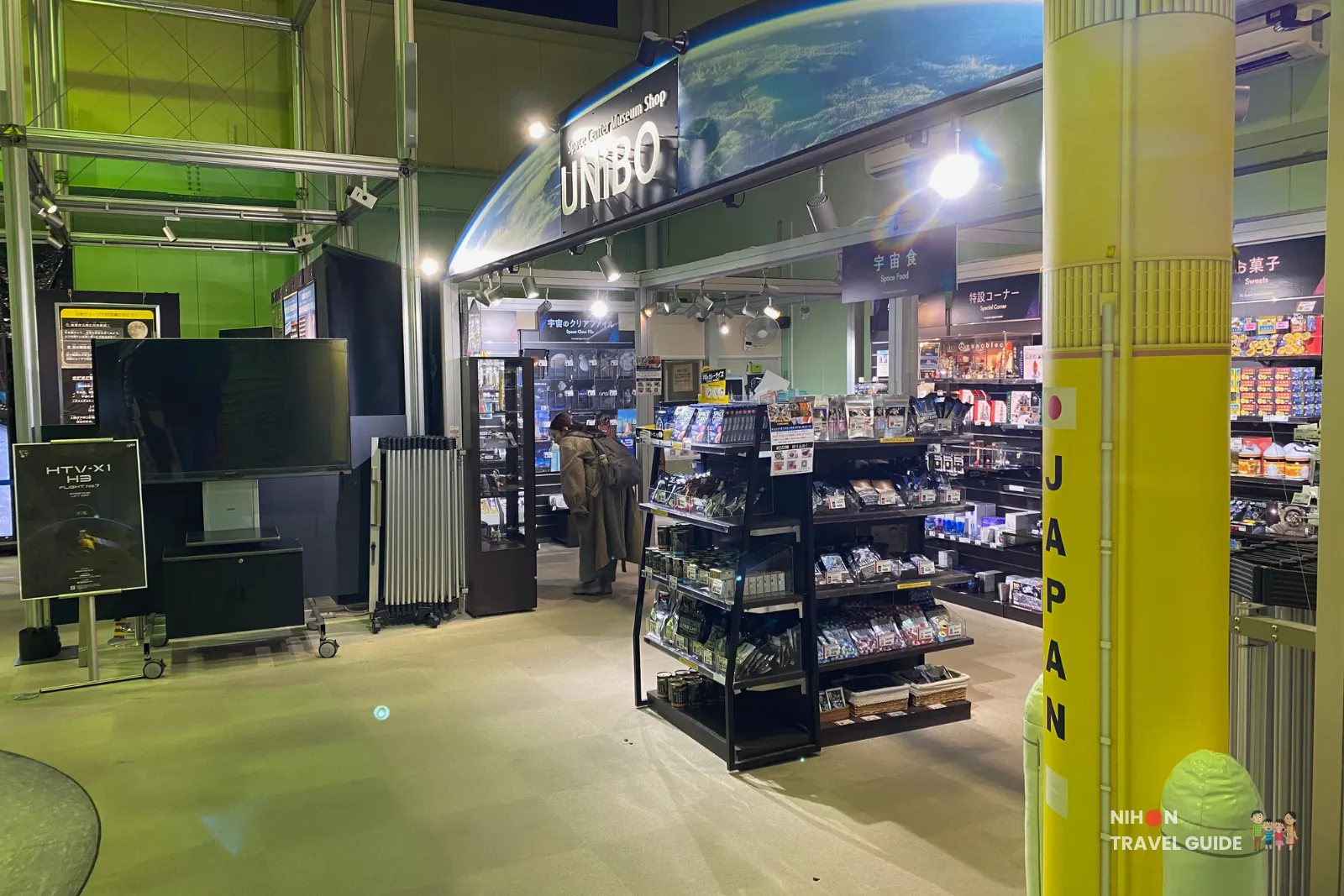
Inside the Planet Cube is the gift shop for JAXA Tsukuba Space Center. It’s a pretty standard gift shop with a lot of space related memorabilia. Souvenirs like key chains, stickers, soft toys, T-shirts, hats etc.
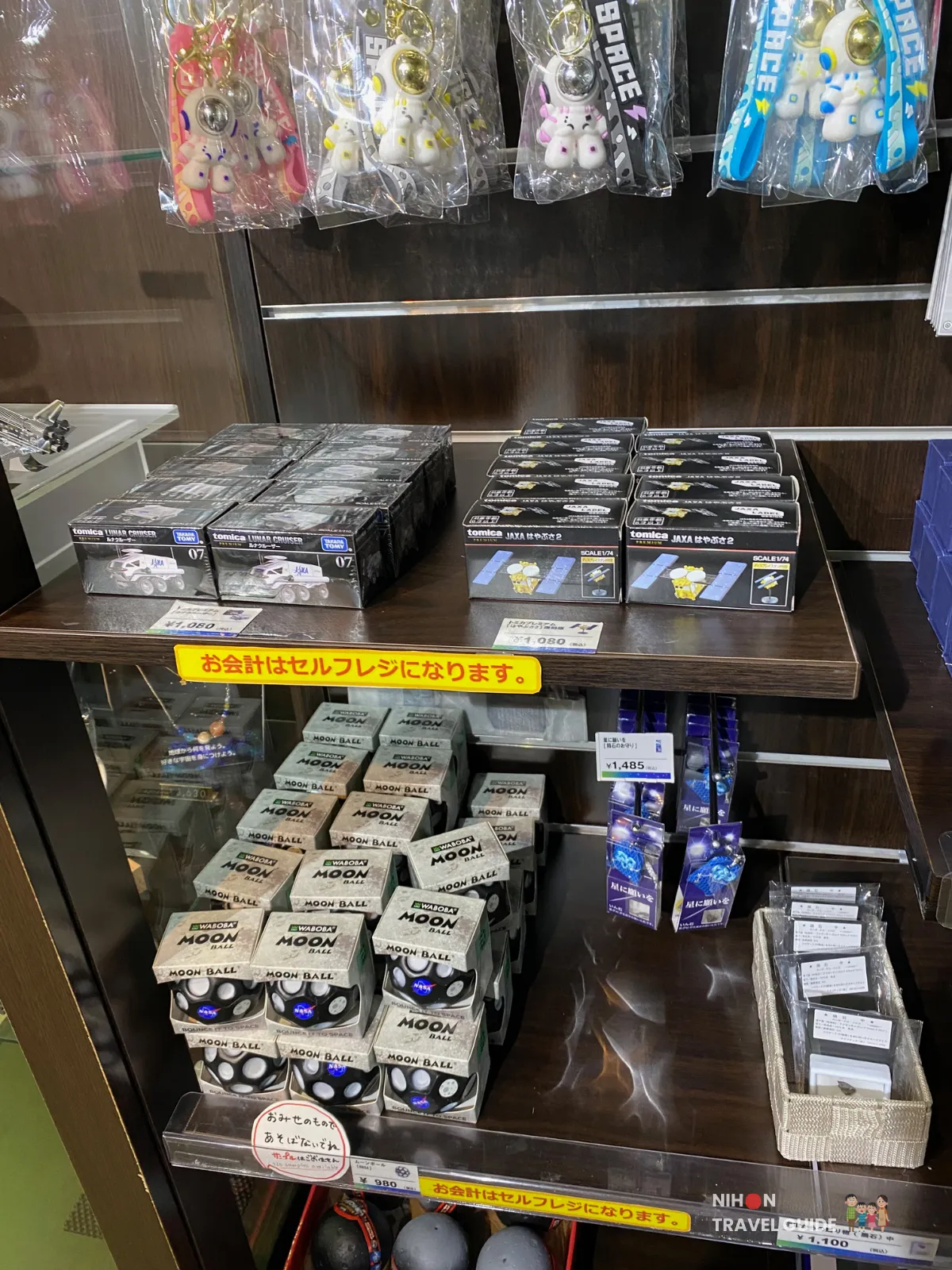
The thing that caught my eye the most was the Tomica Lunar Cruiser and Jaxa Satellite. I didn’t know Tomica sold space vehicles so this might be a special edition for the JAXA Tsukuba Space Center.
There were space chocolates as well in space food packaging that looked quite interesting. For the Rilakkuma fans there is a Rilakkuma wearing a JAXA space suit. In general I was actually quite impressed with the quality of this souvenir shop. Probably had some of the nicest souvenirs in my visit to Tsukuba City so far.
Food Options
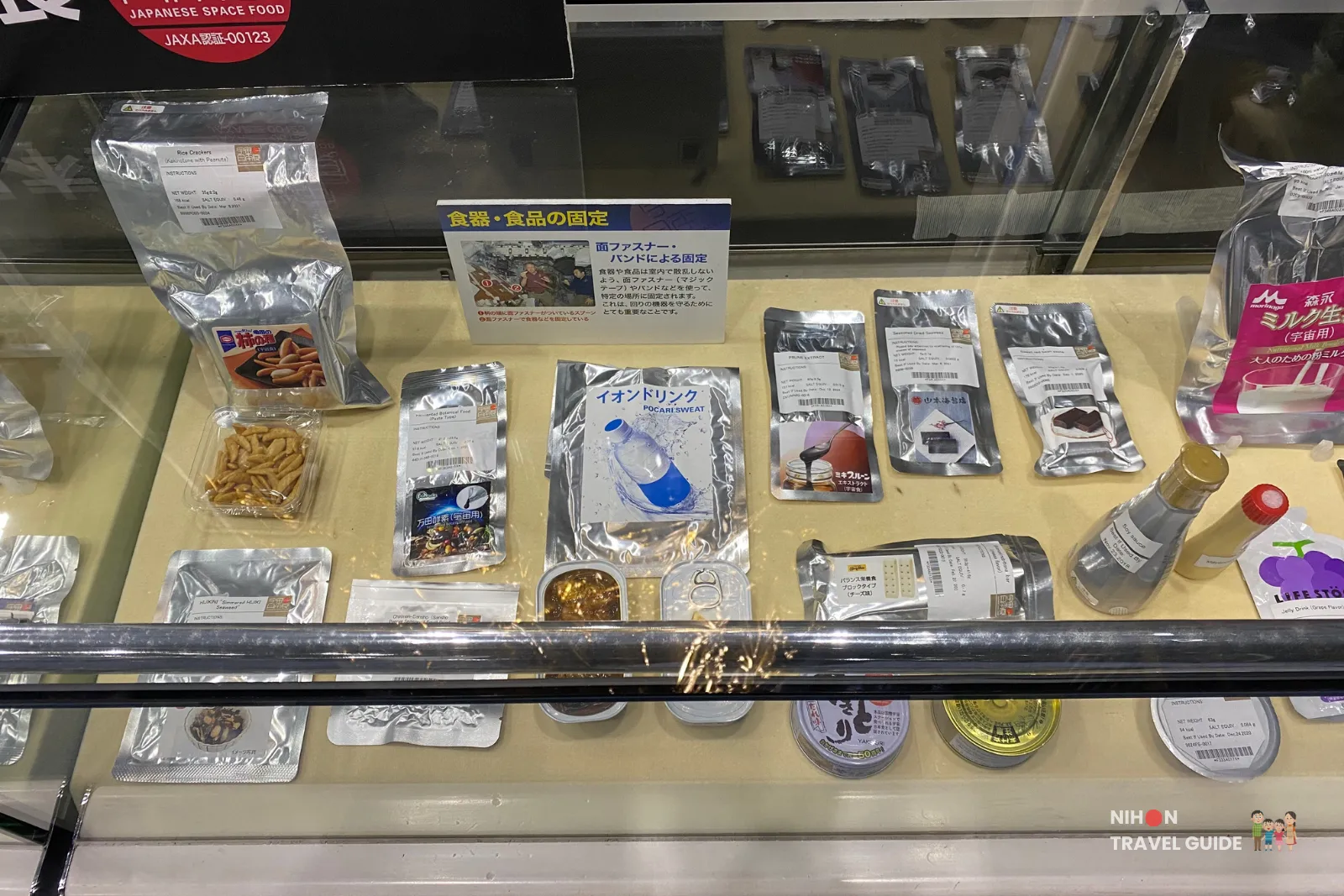
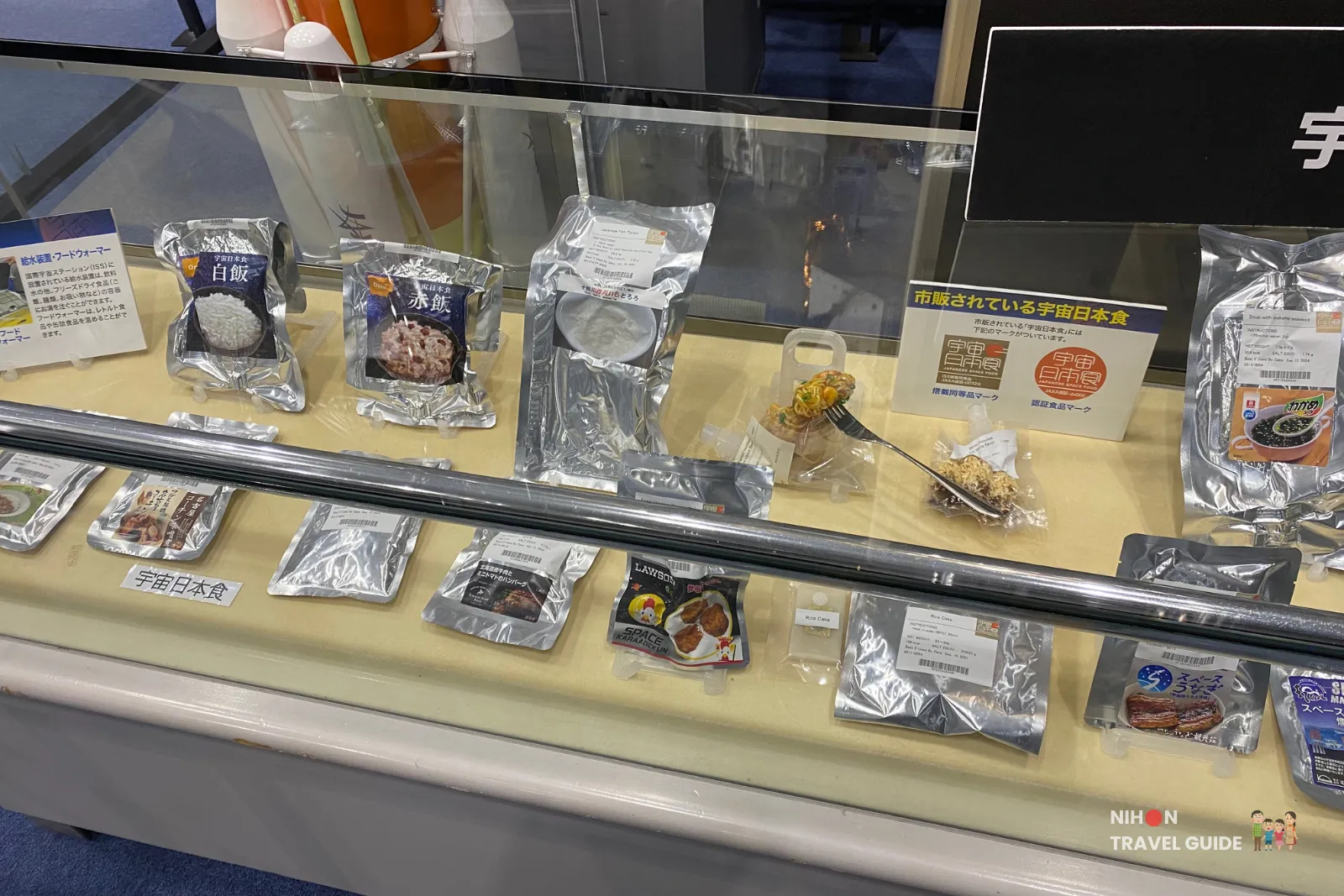
I didn’t see it at the time but there is an internal staff cafeteria at JAXA Tsukuba Space Center that is meant for the staff, but you can actually eat there as well. It’s located in the Tsukuba Space Center campus not at the Space Dome exhibition area. You have to tell the staff at the visitor reception and they would give you directions to the cafeteria.
It’s only open from 12:30 to 13:30 for an hour and the food are standard set meals like curry and noodles between ¥700 – ¥900.
It sounds like a standard cafe so it might be better to eat somewhere else. It will certainly have more flexible opening hours.
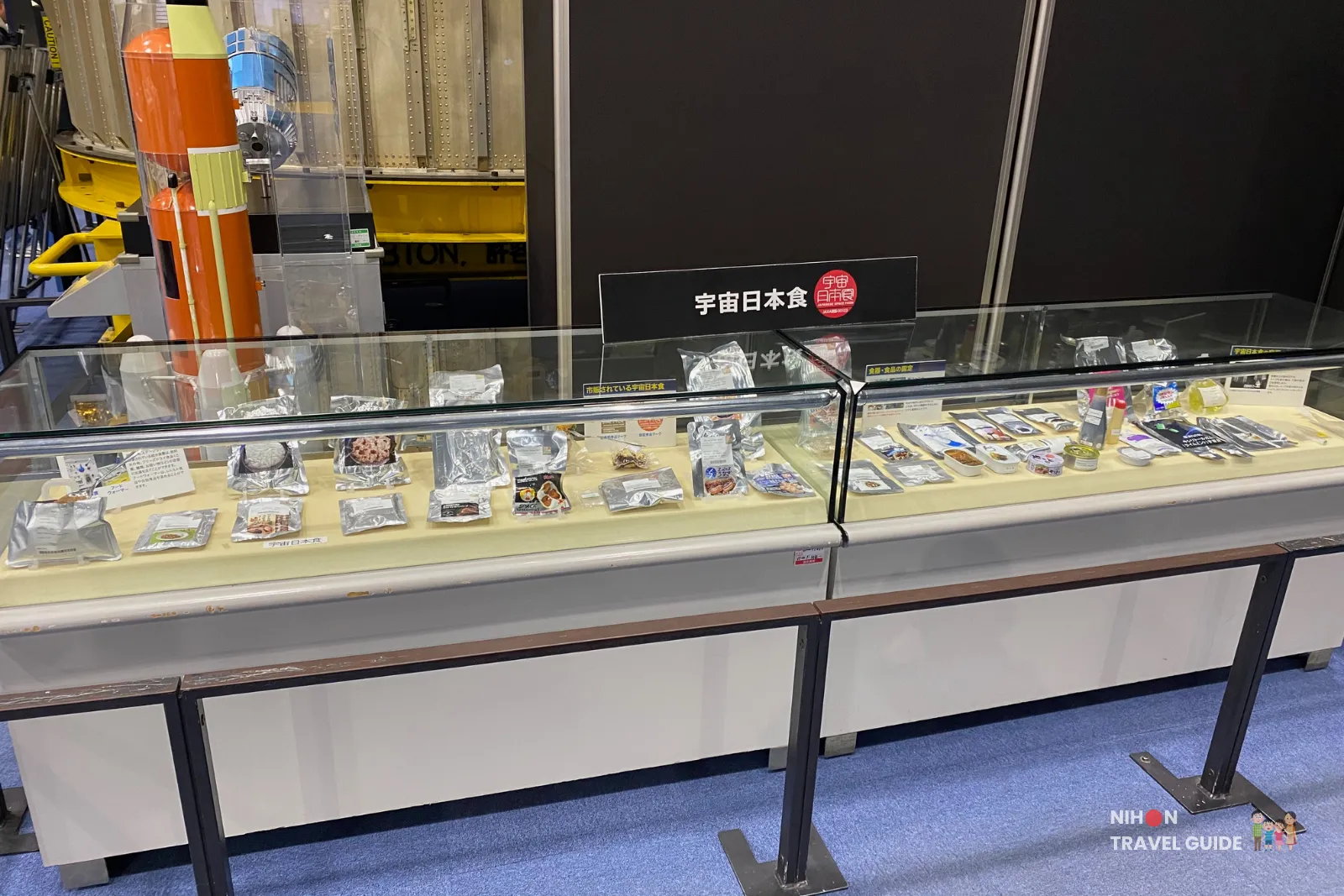
By the way check out what Japanese food the astronauts eat in space…
Some Tips
– Photography is allowed in the Tsukuba Space Center but food and drinks are not allowed.
– There are no rubbish bins in the Space Dome (didn’t see any in Tsukuba Space Center in general) so you need to throw your trash somewhere else.
– Plan your visit on a Thursday as the 11.30am guided tour is in English.
Is JAXA Tsukuba Space Center Worth Visiting?
Yes I do recommend visiting JAXA Tsukuba Space Center as it’s one of the more unique attractions you would be able to see, it’s only about an hour out from Tokyo and is free of charge.
Even standing next to full scale replicas of spacecraft that were designed to travel deep into space is a humbling experience. It really puts into perspective the scale of what JAXA’s engineers are actually building here on this very campus.
I did feel that it was a little small, like I was expecting more exhibits but I guess it does depend on the size of their space program and what they could actually put on public display.
My Rating: 4.2 / 5
Free entry, real spacecraft/satellites/replicas up close, guided tours, an hour out from Tokyo.
How long to spend at Tsukuba Space Center?
I spent about 2 hours at JAXA Tsukuba Space Center, so that was the Space Dome + Planet Cube + Rocket Square without the guided tours. So you can safely plan about 2 hours at the Tsukuba Space Center. If you take the guided tour it’s about an extra 1 hour plus itself so you would need to spend about 3 hours in total.
Combining with Other Tsukuba Attractions
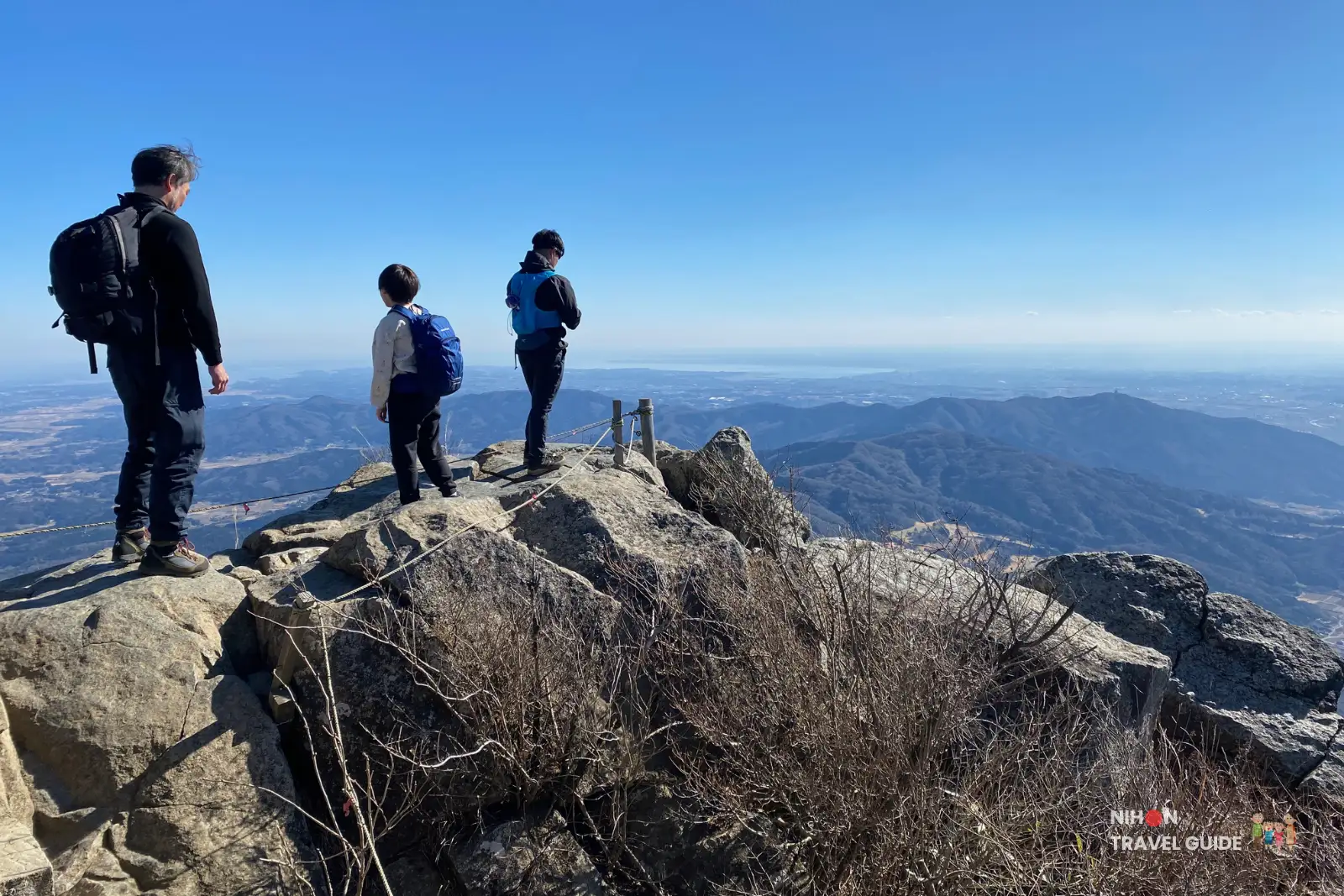
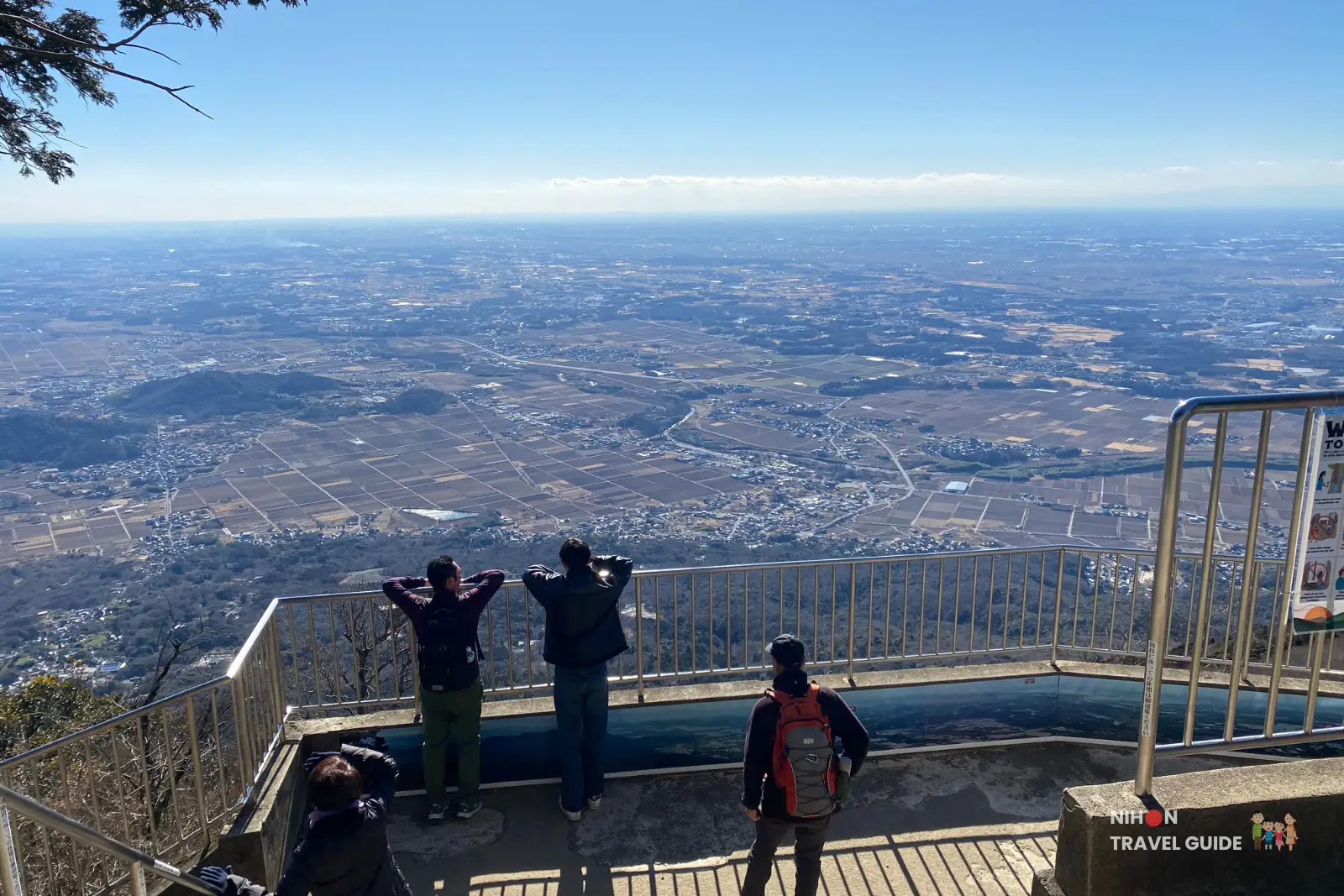
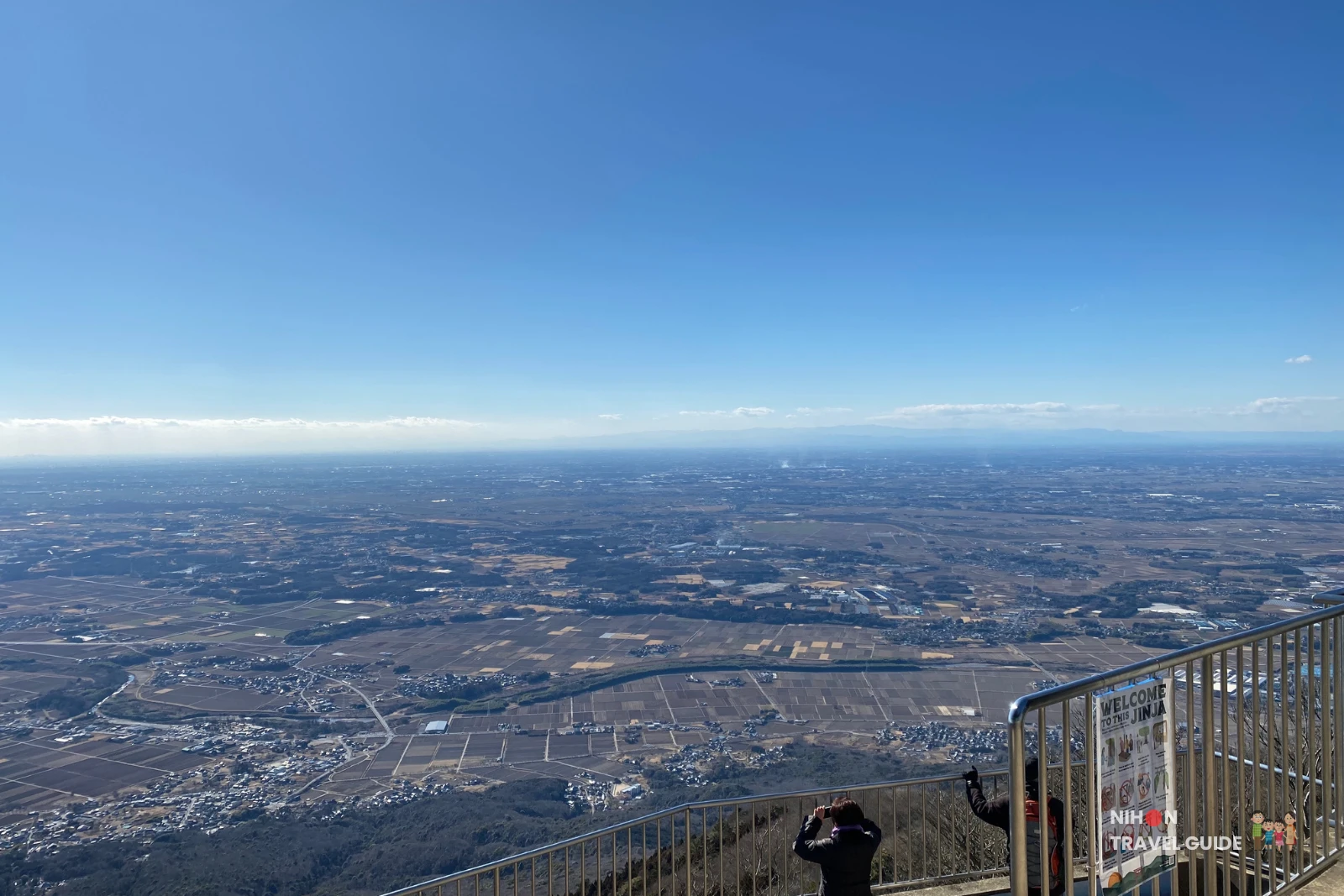
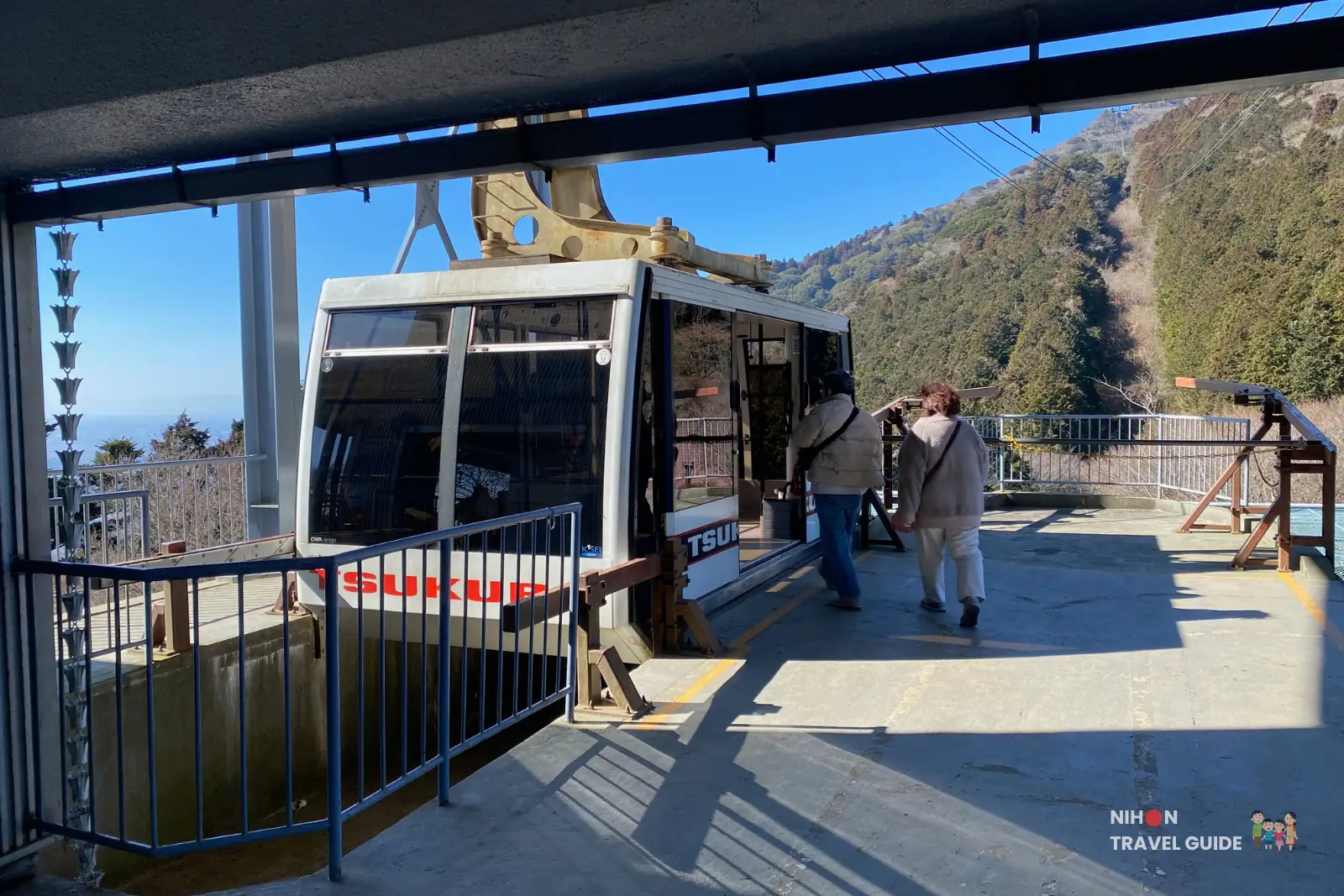
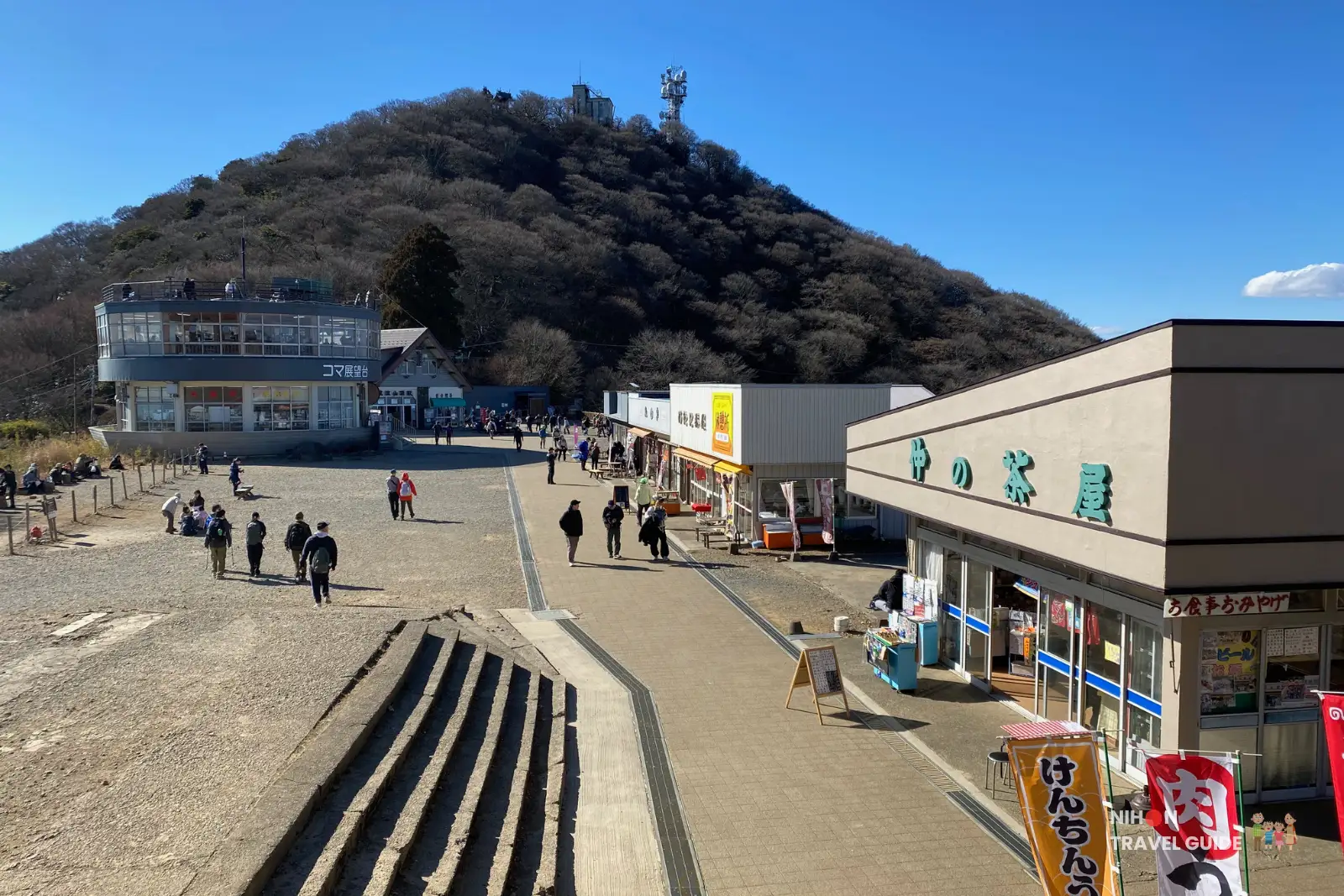
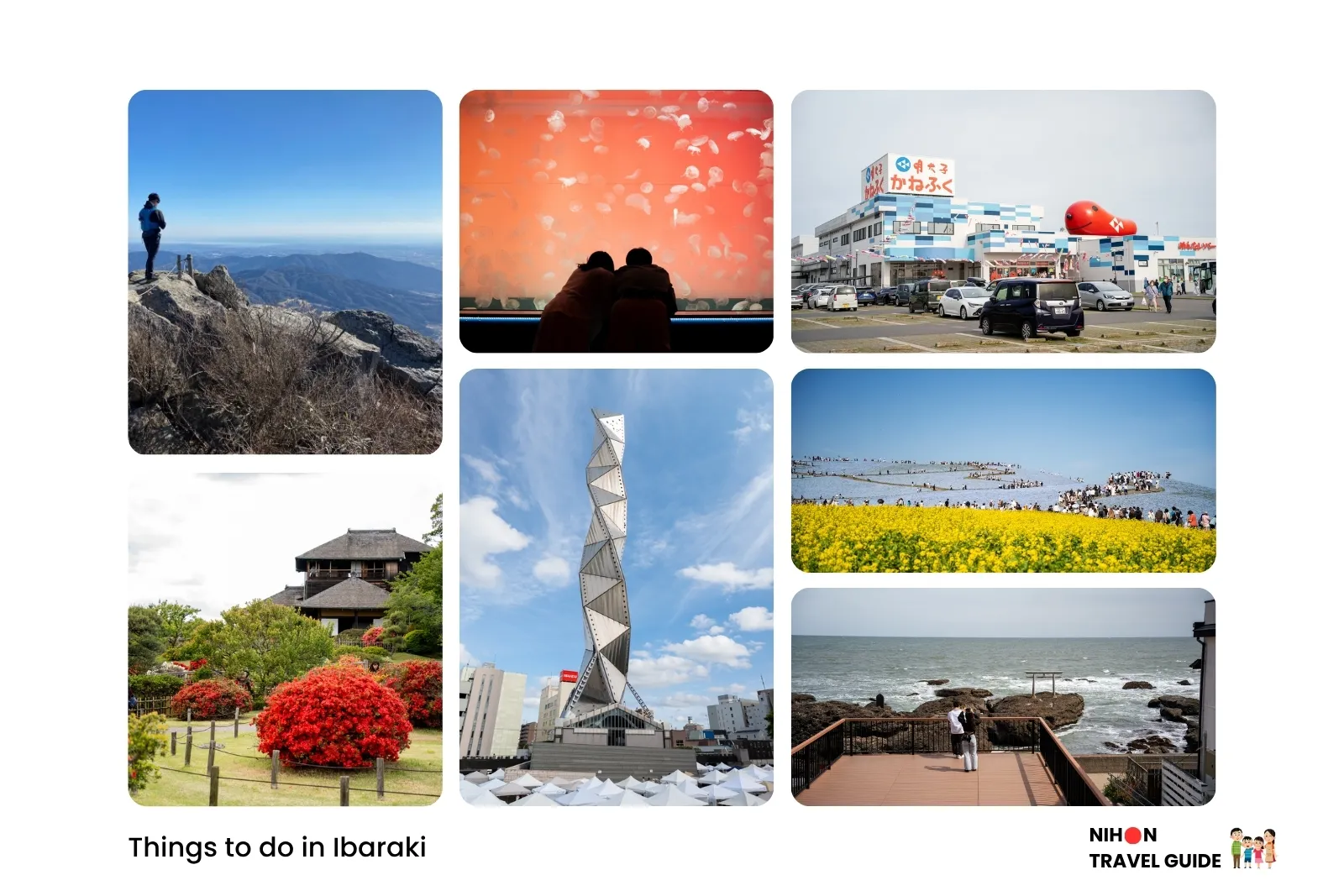
If you’re looking for other things to do in Ibaraki, I’d definitely put Mount Tsukuba on the list. The hike up is a bit of a sweaty experience, but once you hit the twin peaks you’re rewarded with seriously stunning views. On a clear day you can even spot Tokyo’s skyline and Mount Fuji in the distance.
Are you keen to climbing Mount Tsukuba as well? Check out our detailed Mount Tsukuba guide with ropeway info, hiking pointers and a day trip itinerary from Tokyo.
JAXA Space Center + Tsukuba Expo Center Itinerary
Tsukuba Science Day
Tsukuba Science City is not all science though. Check out our complete Tsukuba visitor guide for nature parks, flower gardens and more.
Where to Stay Nearby
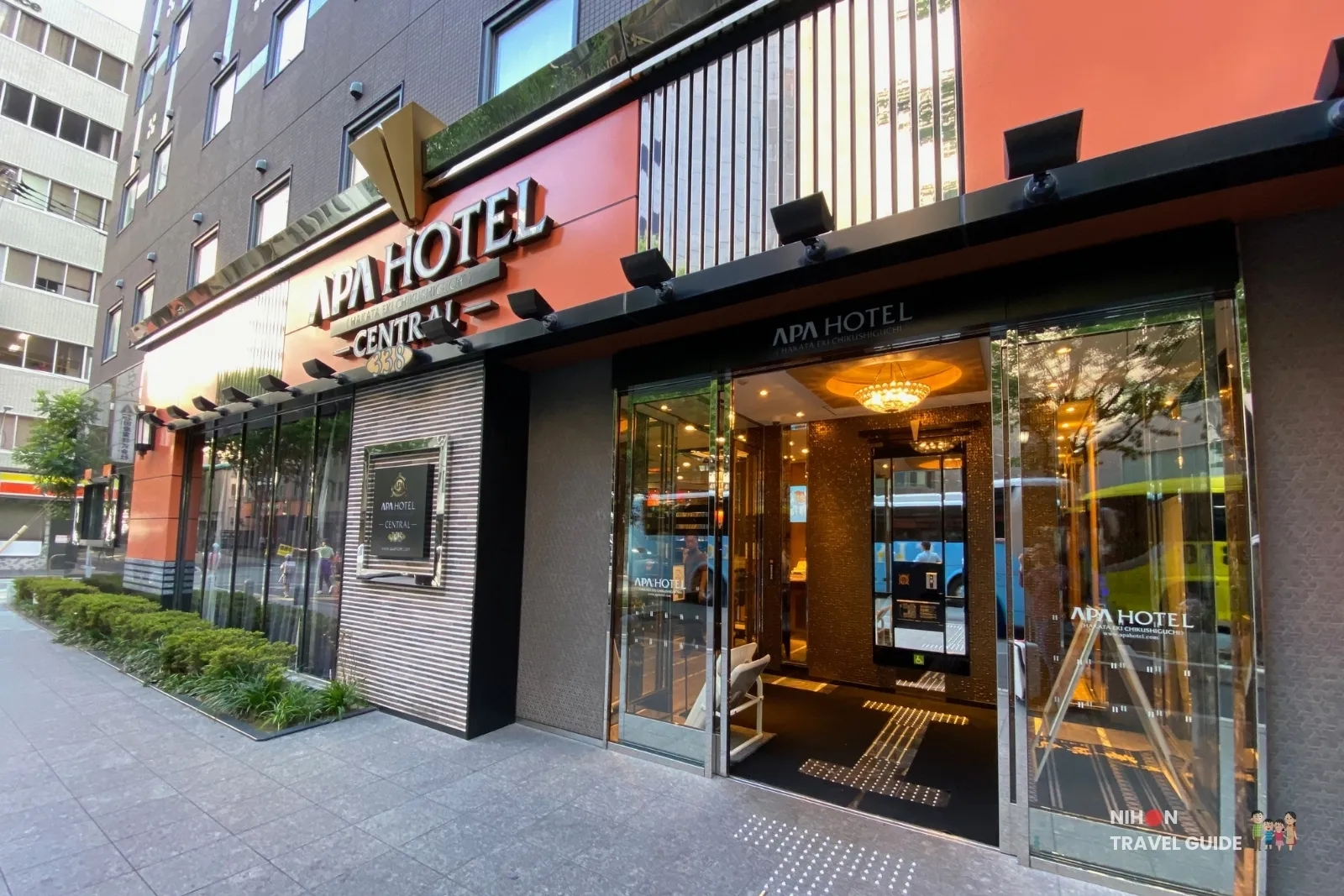
If you are not taking a day trip from Tokyo, you can consider staying in Tsukuba to cut down the travel time and also visit other attractions nearby. Staying at hotels such as the Daiwa Roynet Hotel Tsukuba are a good idea as it is next to Tsukuba Station and you have easy access to the Tsukuba Express Line.
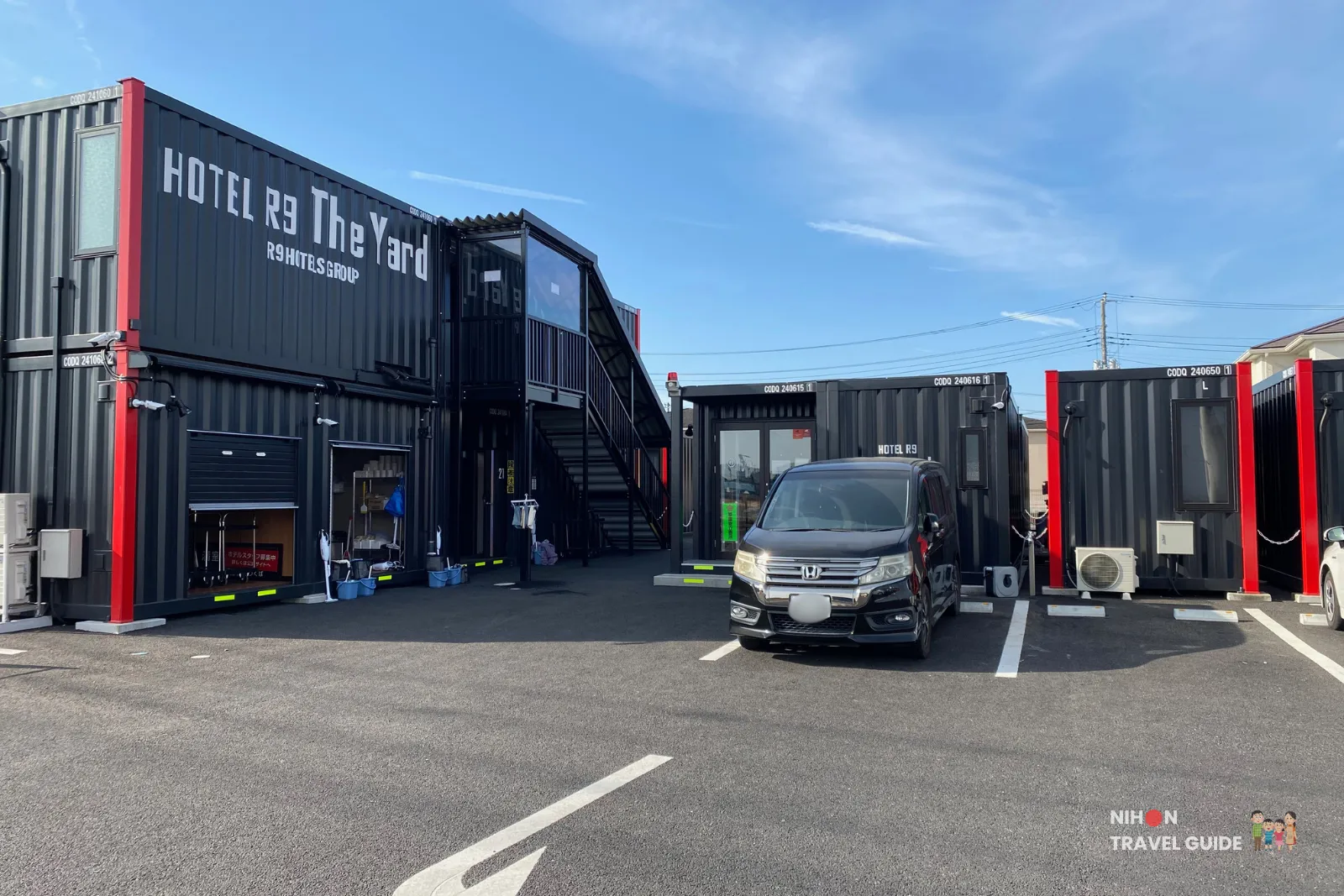
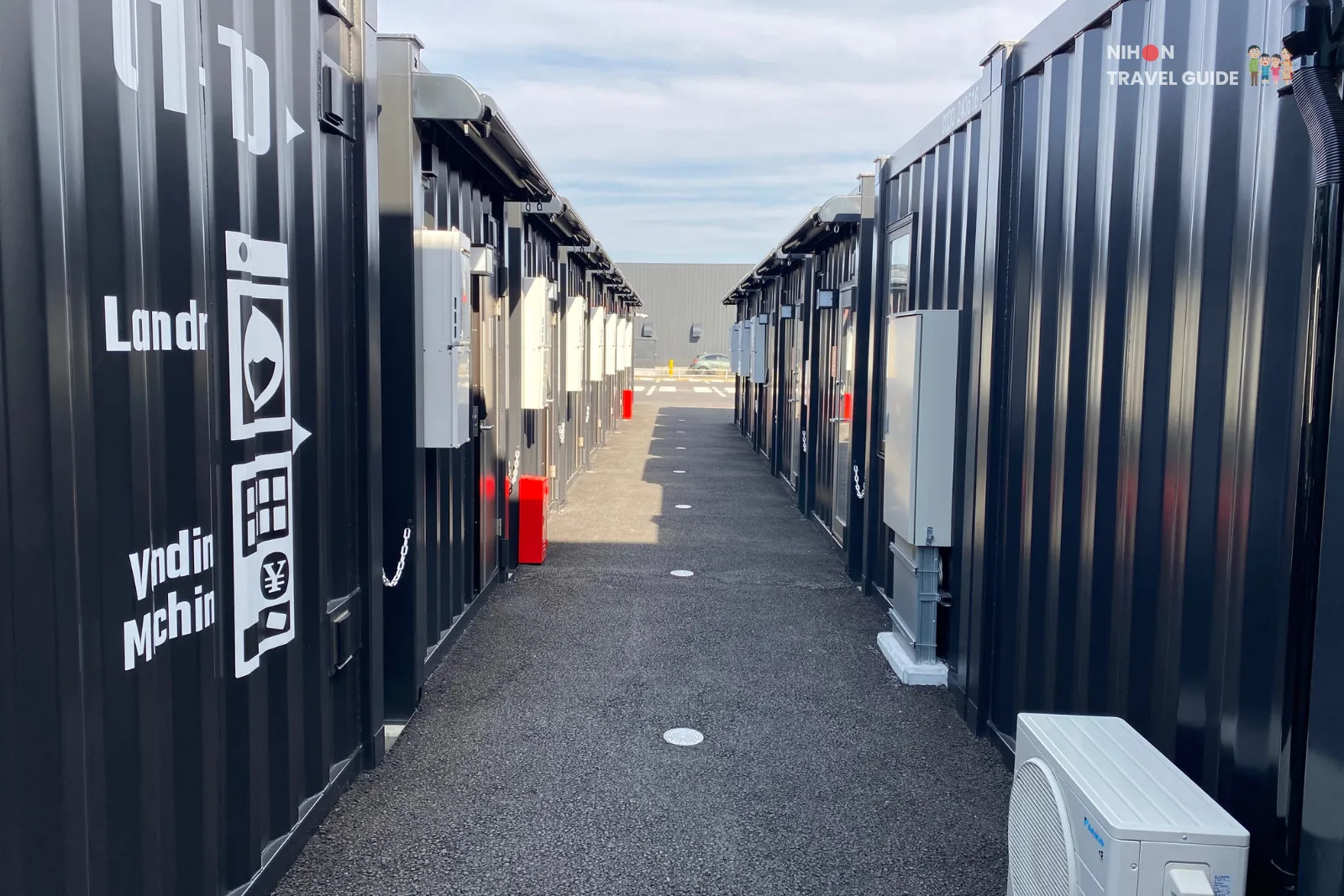
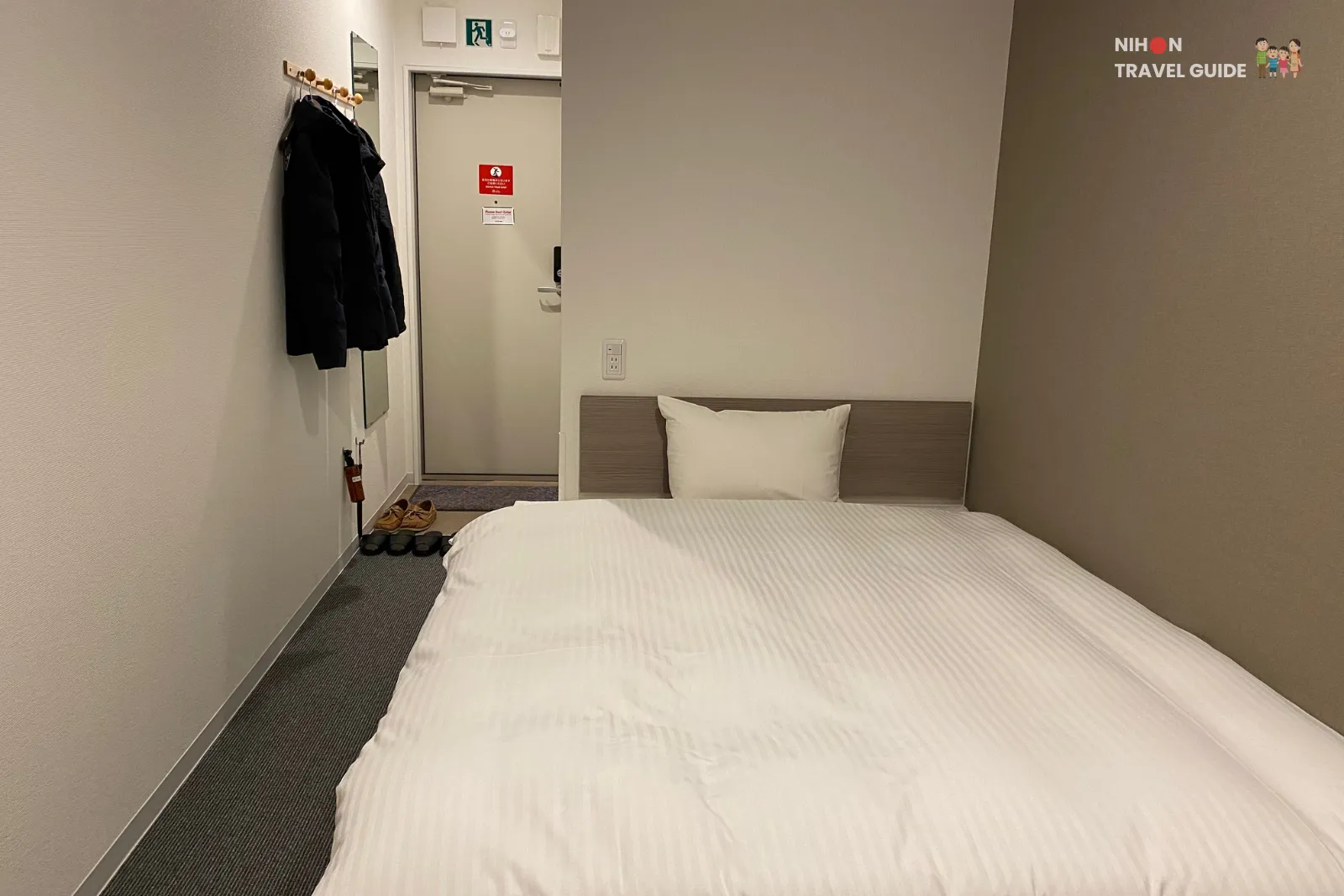
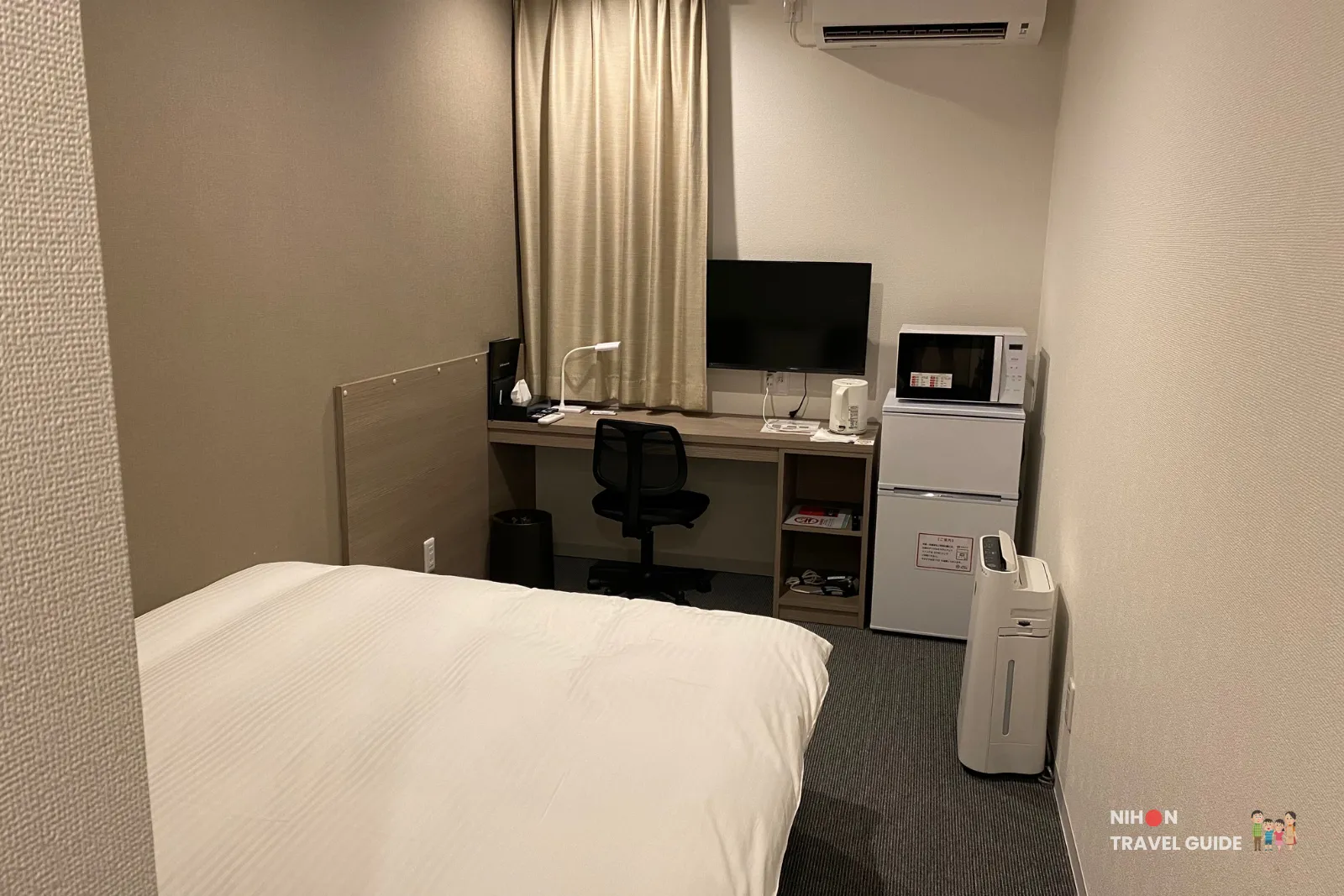
If you are on a driving holiday however, you can consider staying at the R9 The Yard Hotel Tsukuba. They are really functional, no-frills container like hotel rooms that are really affordable. They are generally further out from the city centre, but R9 The Yard Hotel Tsukuba is only about 15 minute drive from JAXA Tsukuba Space Center.
Read about our experience staying at R9 The Yard Hotel Tsukuba. Including room details, pricing and tips for a 7 night stay.
FAQ – JAXA Tsukuba Space Center
1) Is JAXA Tsukuba Space Center free?
Yes, entry to JAXA Tsukuba Space Center and the Space Dome exhibition hall is completely free of charge. There is however a paid guided tour of the development facilities for ¥500 per adult. High school students and younger, teachers supervising children, and visitors with disabilities and their companions can join the paid tour for free.
2) Do I need to book in advance for JAXA Tsukuba Space Center?
No advance booking is needed for general entry or the free Space Dome guided tour — just show up and check the board for the next available tour time. For the paid guided facility tour, you need to check in at the Visitor Reception Counter at least 1 hour and 30 minutes before the tour starts. Group reservations for the paid tour require a minimum of 20 participants.
3) Is there an English guided tour at JAXA Tsukuba Space Center?
Yes — the Thursday 11:30am tour of the Space Dome is specifically conducted in English. Most other tours are in Japanese. Most exhibit information boards throughout the Space Dome are available in English, so you can still appreciate the exhibits independently without a guided tour.
4) How long does JAXA Tsukuba Space Center take?
Allow about 2 hours for the Space Dome exhibition, Rocket Square outdoor exhibit and the gift shop without any guided tours. If you take the paid guided facility tour (approximately 1 hour 10 minutes), budget around 3 hours in total.
5) Is JAXA Tsukuba Space Center suitable for children?
Yes — the Space Dome has interactive exhibits and the scale of the spacecraft and rockets is genuinely impressive for children and adults alike. The paid guided facility tour is free for high school students and younger. Note that food and drinks are not allowed inside the exhibition hall.
6) Can I see real spacecraft at JAXA Tsukuba Space Center?
Yes. Highlights include the Hayabusa2 asteroid sample-return spacecraft, a full-scale model of the ISS Kibō module that you can walk inside, and the full-sized H-II Launch Vehicle on outdoor display which stands about 50 metres tall.
7) Is there parking at JAXA Tsukuba Space Center?
Yes, there is free parking available on site. It is fairly easy to navigate and find a space even during busier periods.
8) How do I get to JAXA Tsukuba Space Center from Tokyo?
Take the Tsukuba-go Highway Bus from Tokyo Station (Yaesu South Exit) to Tsukuba Center, which takes about 1 hour and costs ¥1,260. Alternatively, take the Tsukuba Express Train to Tsukuba Station, which is about a 12 minute walk from the Space Center. Total journey time from Tokyo is approximately 1 hour to 1 hour 20 minutes depending on your starting point.
9) Is there food at JAXA Tsukuba Space Center?
There is an internal staff cafeteria on the Space Center campus that is also open to visitors, serving simple set meals like curry and noodles for around ¥700–¥900. It is only open from 12:30 to 13:30 and you need to ask staff at the visitor reception for directions. Given the limited hours it is worth eating before your visit or finding food nearby.
10) What is the gift shop like at JAXA Tsukuba Space Center?
The gift shop (Planet Cube) is inside the Space Dome and stocks a good range of JAXA merchandise including keychains, T-shirts, stickers, soft toys and space food snacks. Standout items include a Tomica Lunar Cruiser and JAXA satellite model and a Rilakkuma in a JAXA spacesuit.

Written by
Timothy Leong
Timothy is a Singapore-born, Japan-based digital marketer turned hidden-gem hunter. After ditching spreadsheets for Google Maps, he now lives full-time in Japan, chasing quiet towns, real ramen, and off-grid train routes. Every photo and tip on Nihon Travel Guide is 100% his — no AI, no fluff, no Tokyo Tower.
More about Timothy →