Last updated May 2026 — more attractions will be added as I continue exploring Tsukuba and writing.
Japan’s Science City with stunning mountain views, unique space attractions and hidden flower parks that most tourists have never heard of.
TL;DR – Yes, Tsukuba is worth visiting especially for it’s exhibitions, flower parks and nature.
- Tsukuba is Japan’s Science City with over 150 research institutes — but it also has stunning nature parks, flower gardens and unique attractions.
- Top picks: Mount Tsukuba for panoramic views & JAXA Space Center for free space exhibits.
- Best time to visit: Spring (March–May) for flowers and cherry blossoms, Autumn (September–November) for clear views and foliage.
- About 1 hour from Tokyo by Tsukuba Express or Highway Bus — easy day trip or overnight stay.
- Car recommended for flexibility — some attractions are spread out across the city.
In 2026 February and April I spent some time traveling in Tsukuba Science City, and it’s a little bit like Silicon Valley but in Japan as there are over 150 research institutes with around 20,000 researches working and living there.
While known as a Science City with it’s numerous science institutions, research centers and universities, it’s not all academic as there are also lots of beautiful nature parks and flower gardens in Tsukuba.
In this guide, I will be showing you places to visit in Tsukuba, what my experience was like and why you should consider visiting on your next visit to Japan.
Who is this guide for?
I do love traveling to places (sometimes weird) that most tourists have not heard about to search for hidden gems. If you are looking for something like that this guide of things to do in Tsukuba might interest you.
- TL;DR – Yes, Tsukuba is worth visiting especially for it's exhibitions, flower parks and nature.
- How to Get to Tsukuba from Tokyo
- When is the Best Time to visit Tsukuba?
- #1 Mount Tsukuba
- #2 Tsukubasan Shrine
- #3 JAXA Tsukuba Space Center
- #4 Tsukuba Expo Center
- #5 Tsukuba Peony Garden
- #6 Ibaraki Flower Park
- #7 Doho Park
- #8 Ishioka Ostrich Farm
- #9 Tsukuba Museum of Art
- #10 Tsukuba Geological Museum
- #11 Tsukuba Kasumigaura Ring Ring Road
- #12 Matsumi Park
- Much more to come…
- Where to Stay – R9 The Yard Hotel Tsukuba
- Shopping in Tsukuba
- How to Get Around Tsukuba
- Tsukuba Itineraries
- The Complete Tsukuba Experience
- FAQ – Things to do in Tsukuba
Photos on this page are mine, shot on an iPhone 11 pro. Nicer photos were shot by Tessa Leong on a Sony A7 IV.
How to Get to Tsukuba from Tokyo
There are two main ways to get to the Tsukuba:
Tsukuba Express Line
The first way is to take the Tsukuba Express Line from Akihabara Station to Tsukuba Station. It will take about 1 hour 6 mins and cost you ¥1280. From Tsukuba Station it’s about a 5 minute walk to most of the attractions around the Tsukuba City Center.
Highway Bus つくば号 (Tsukuba-gō)
The other method is to take the Highway Bus つくば号 (Tsukuba-gō) from Tokyo Station (Yaesu South Exit) to Tsukuba Center. It will then be a short 5 minute walk to Tsukuba City Center. It will take about 1hour 10 mins and cost you ¥1260. You don’t need advanced reservations and IC cards like Suica/PASMO are accepted.
When is the Best Time to visit Tsukuba?
Spring (March – May): Cherry Blossoms and good weather
If you are keen on seeing cherry blossoms at some of the flower parks, Spring is a good time to visit. The weather is around 10–20°C so it’s still great. A lot of the flower parks in this region are really unknown compared to spots in Tokyo, so the crowds would be a lot lesser. You will be able to have more photo taking and selfie opportunities.
Autumn (September – November): Autumn scenery and Clear views
If you are looking for Autumn leaves scenery in Japan, this would be a great time to visit. The scenery is especially stunning at Mount Tsukuba as there are red leaves everywhere. The skies are also generally clearer so it’s great if you are visiting mountains or observation decks. You might even be able to see Mount Fuji…
Winter (December – February): Natural Air Conditioning
If you are thinking of doing more intensive outdoor activities like climbing Mount Tsukuba, if might be a good idea to visit during Winter as it would make it more bearable. It’s like climbing a mountain with the air conditioning on.
It’s also an off peak period travel-wise in this area so a lot of the attractions are rather empty. If you want to visit without the crowds Winter would be a good time for that.
#1 Mount Tsukuba
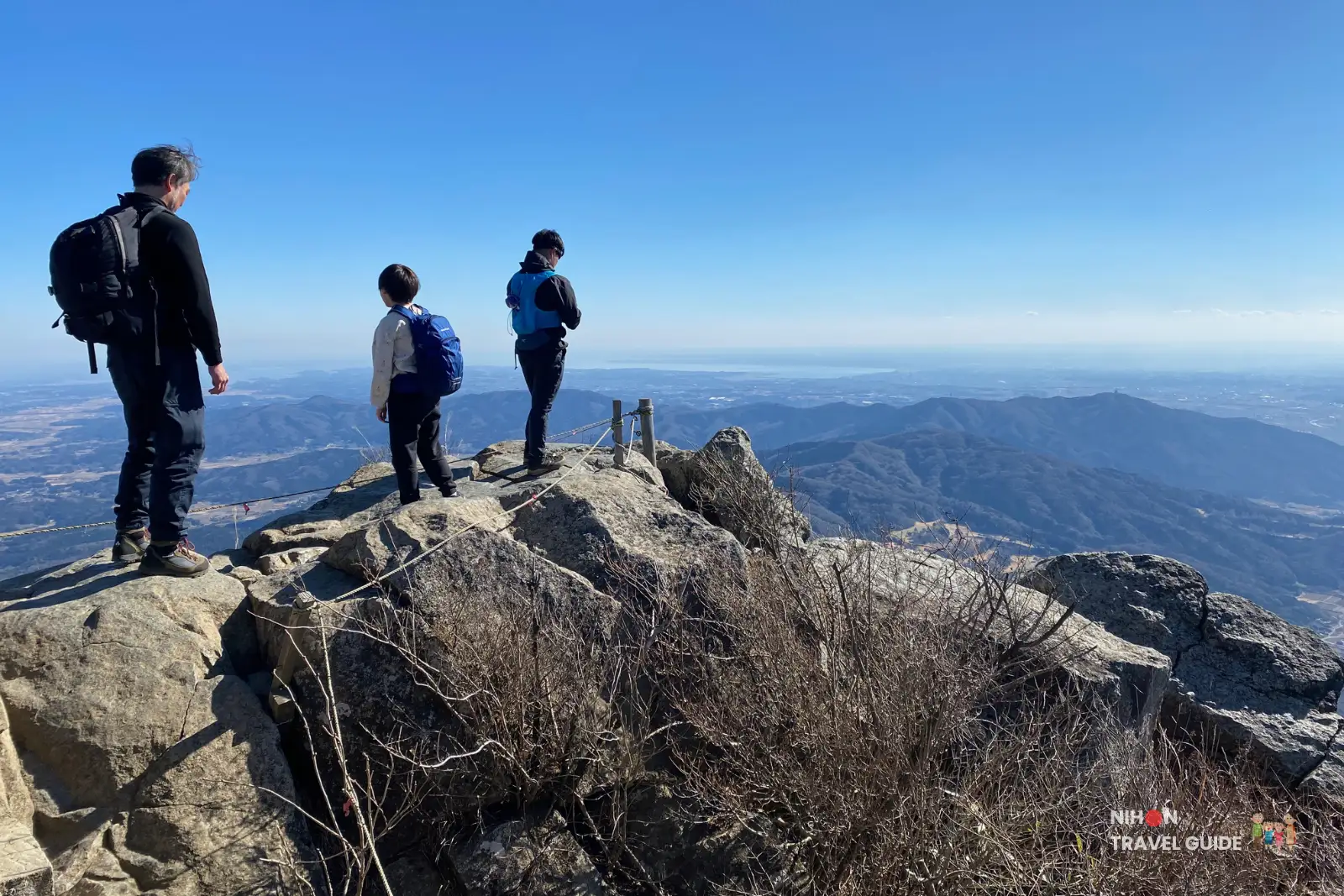
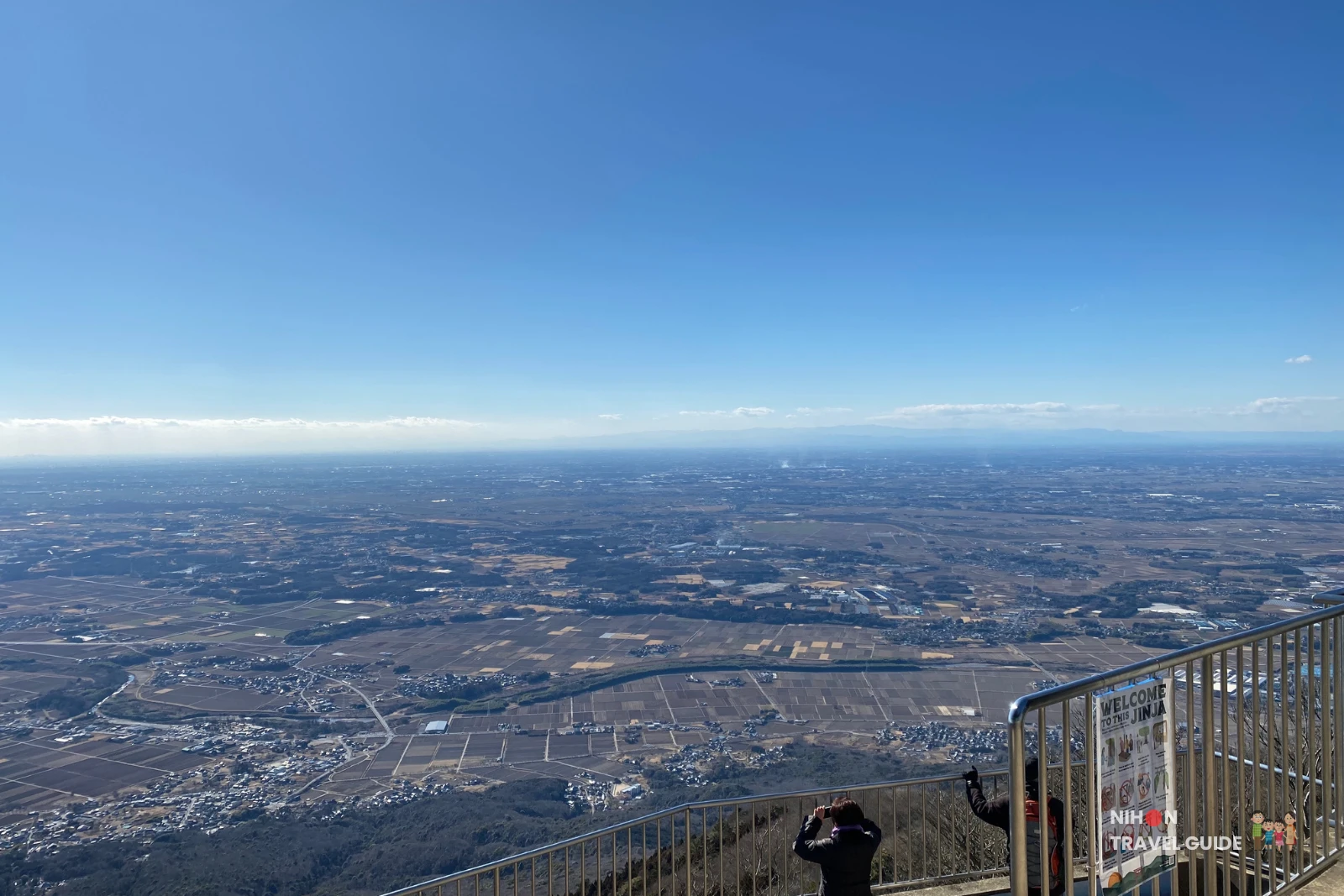
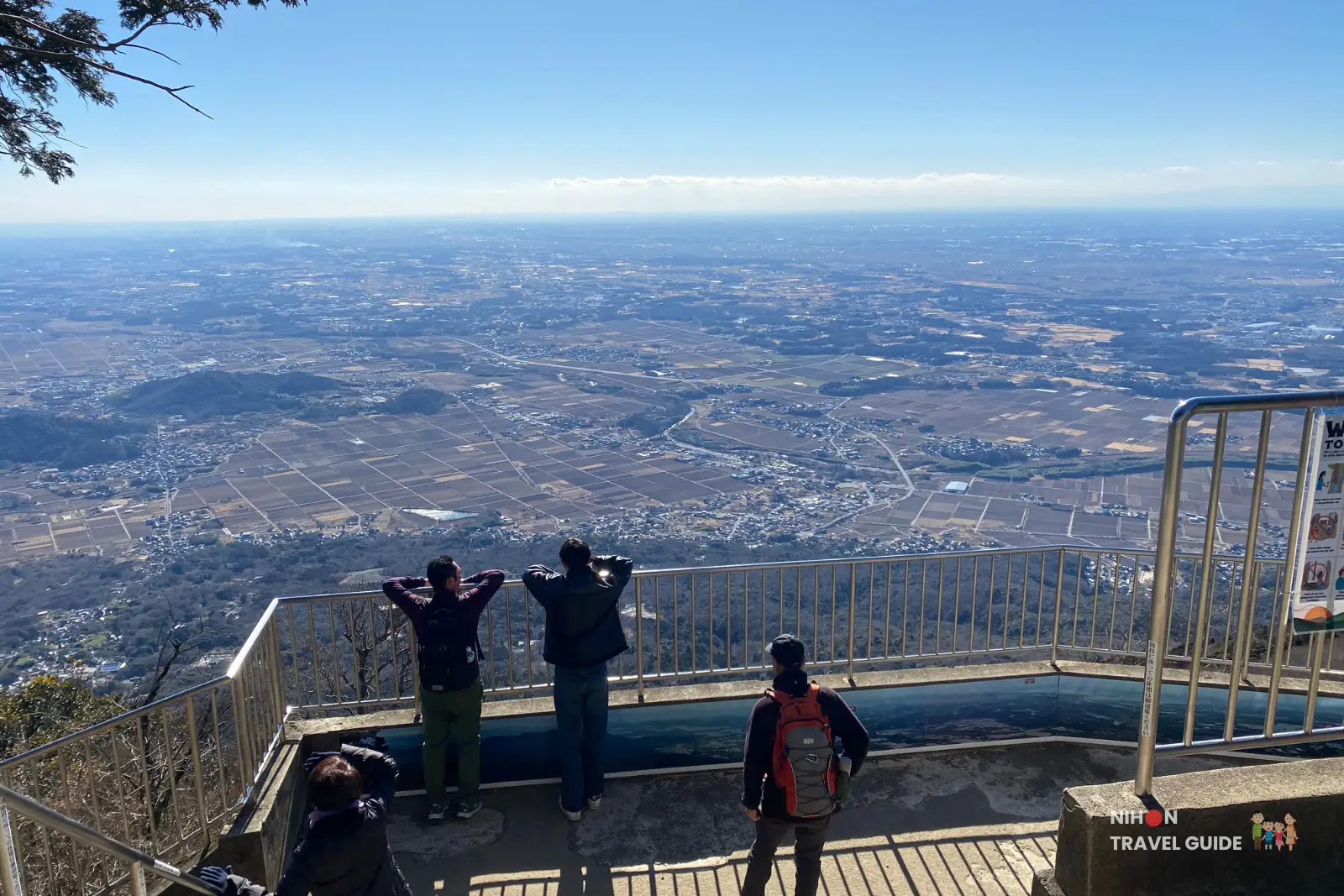
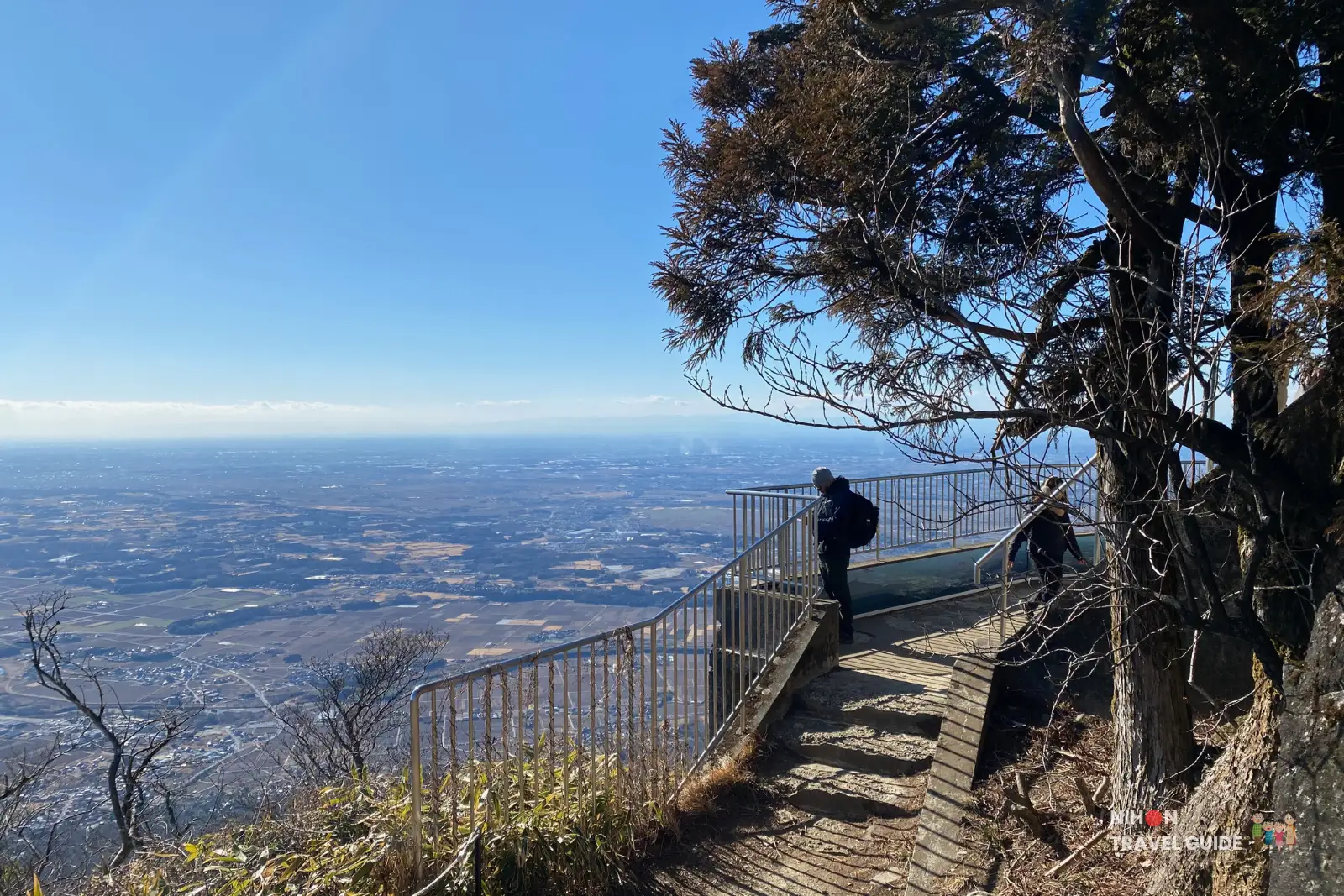
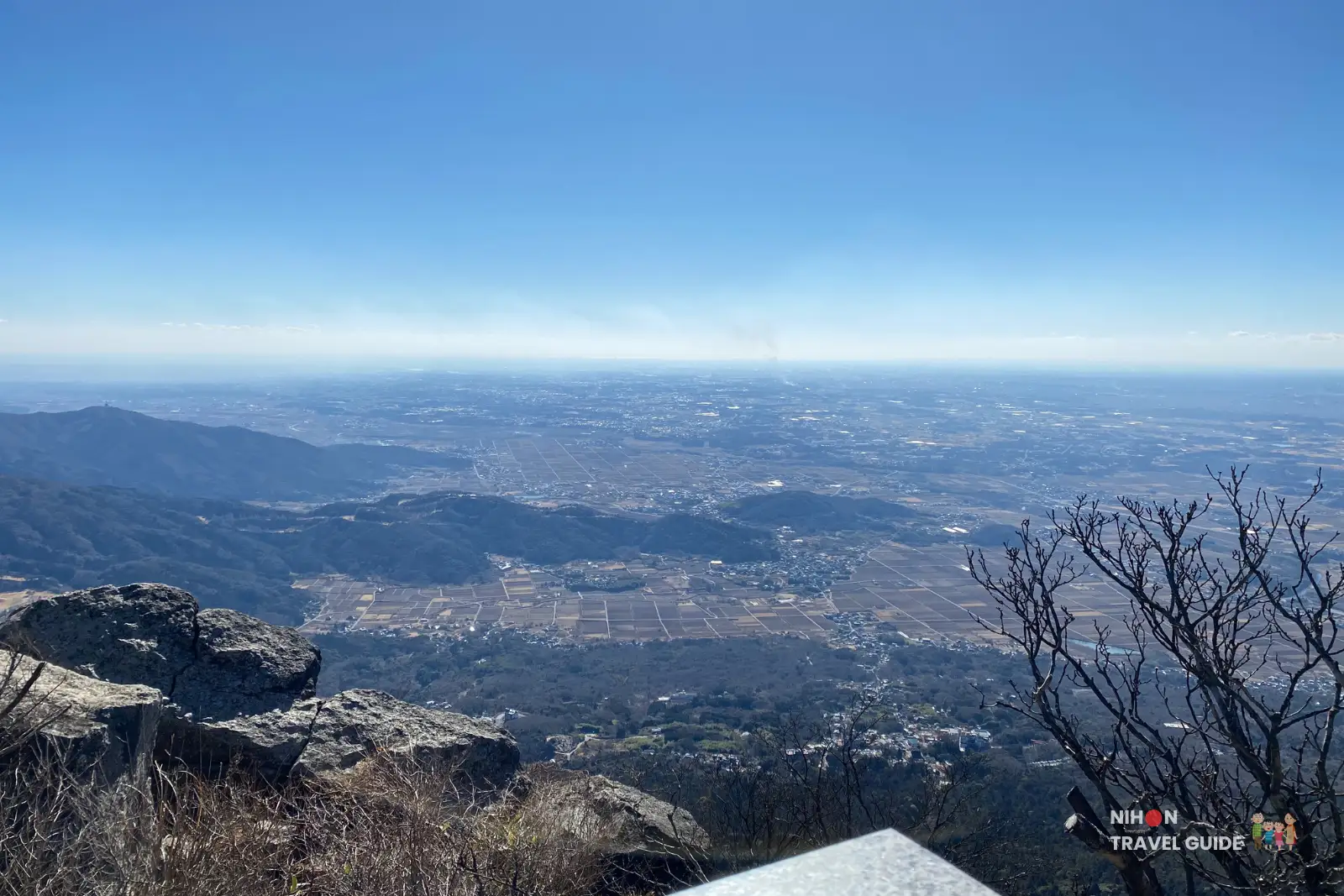
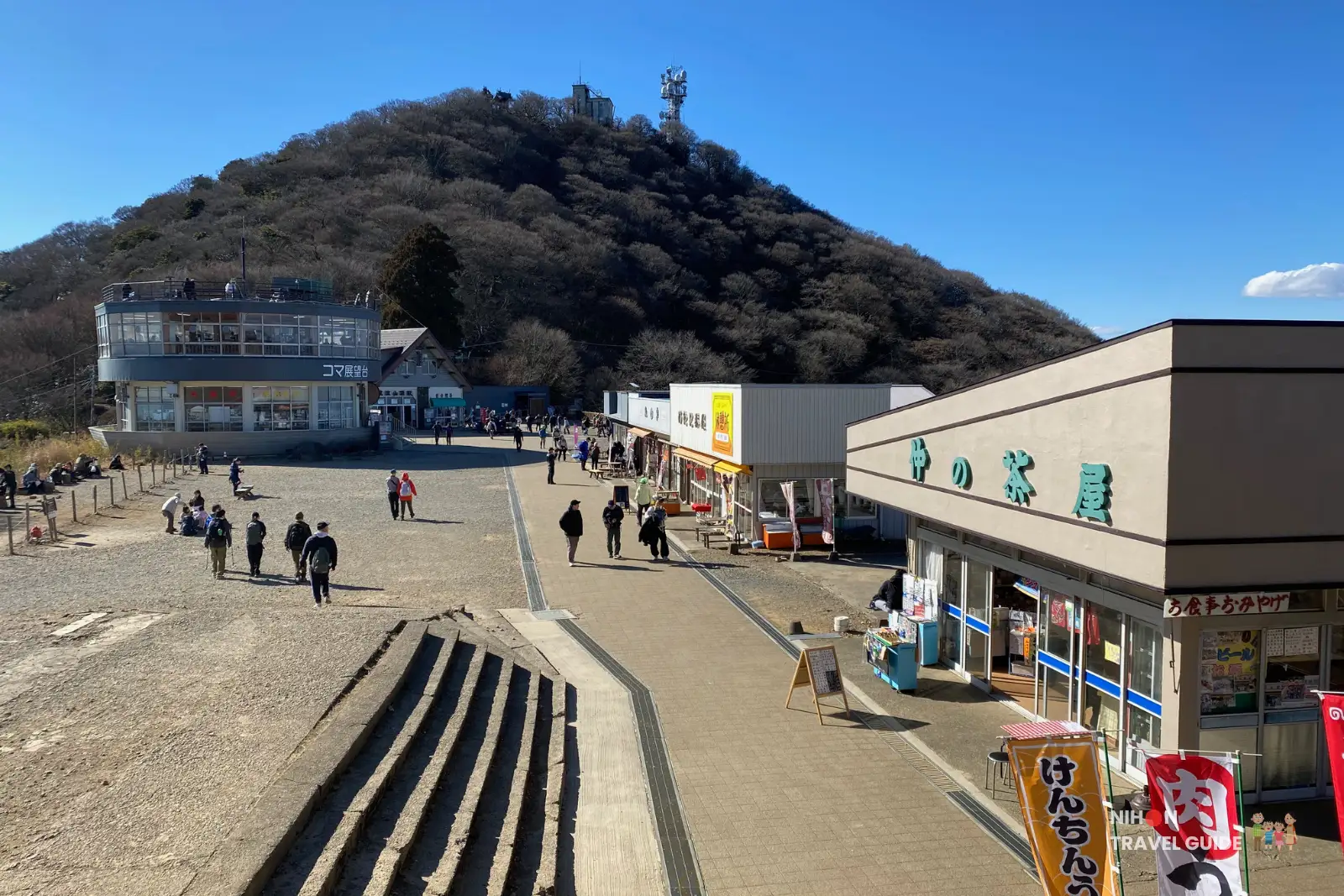
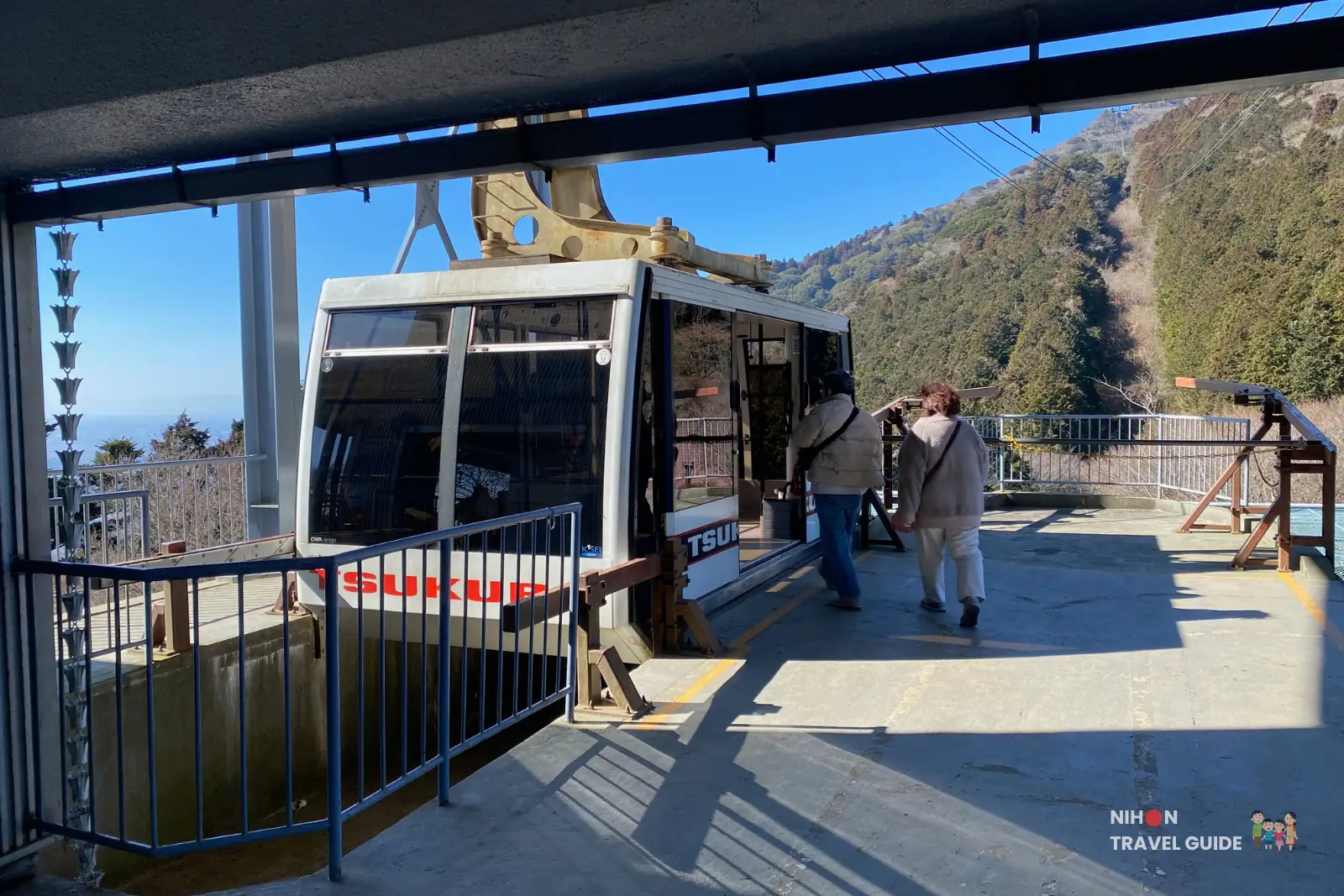
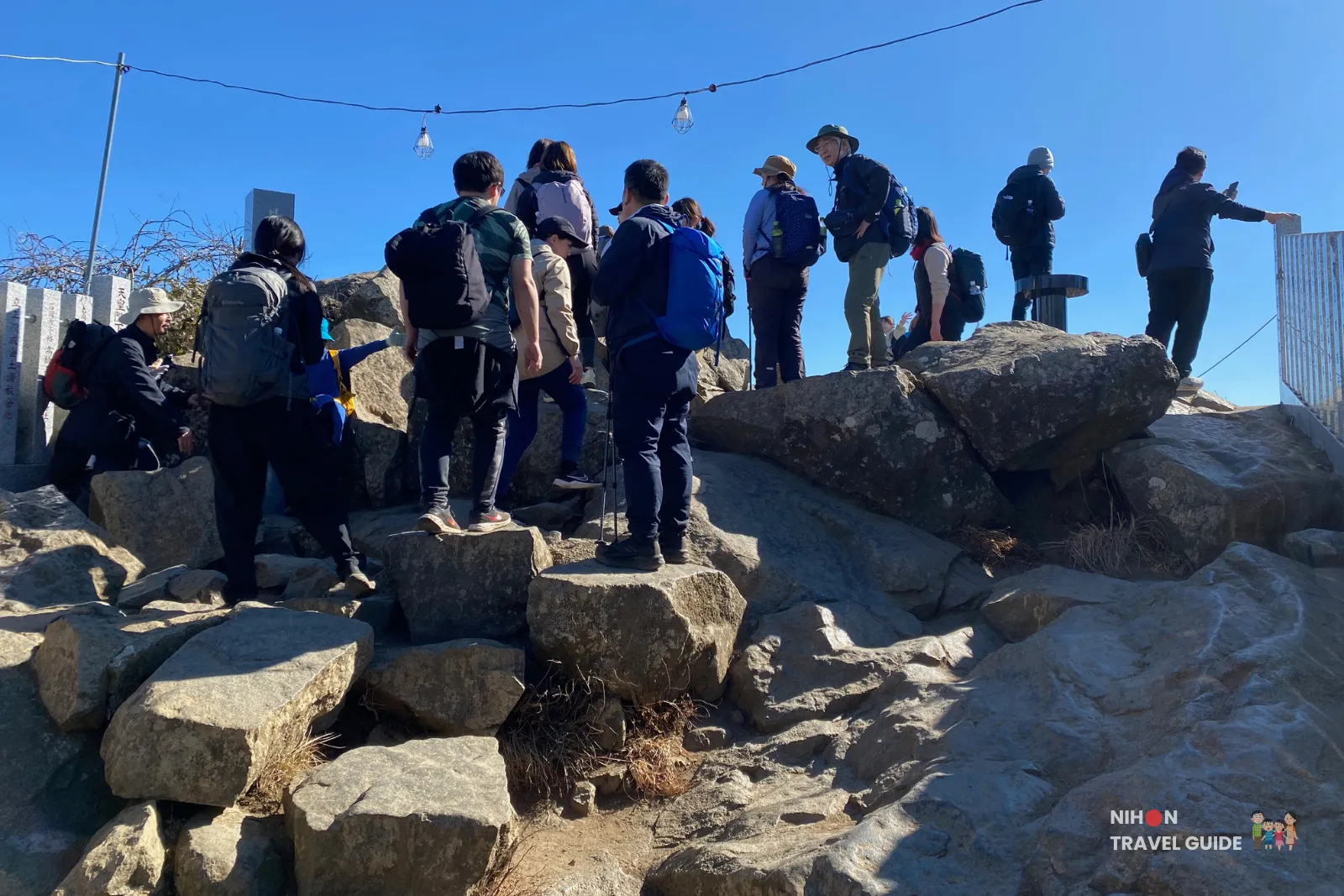
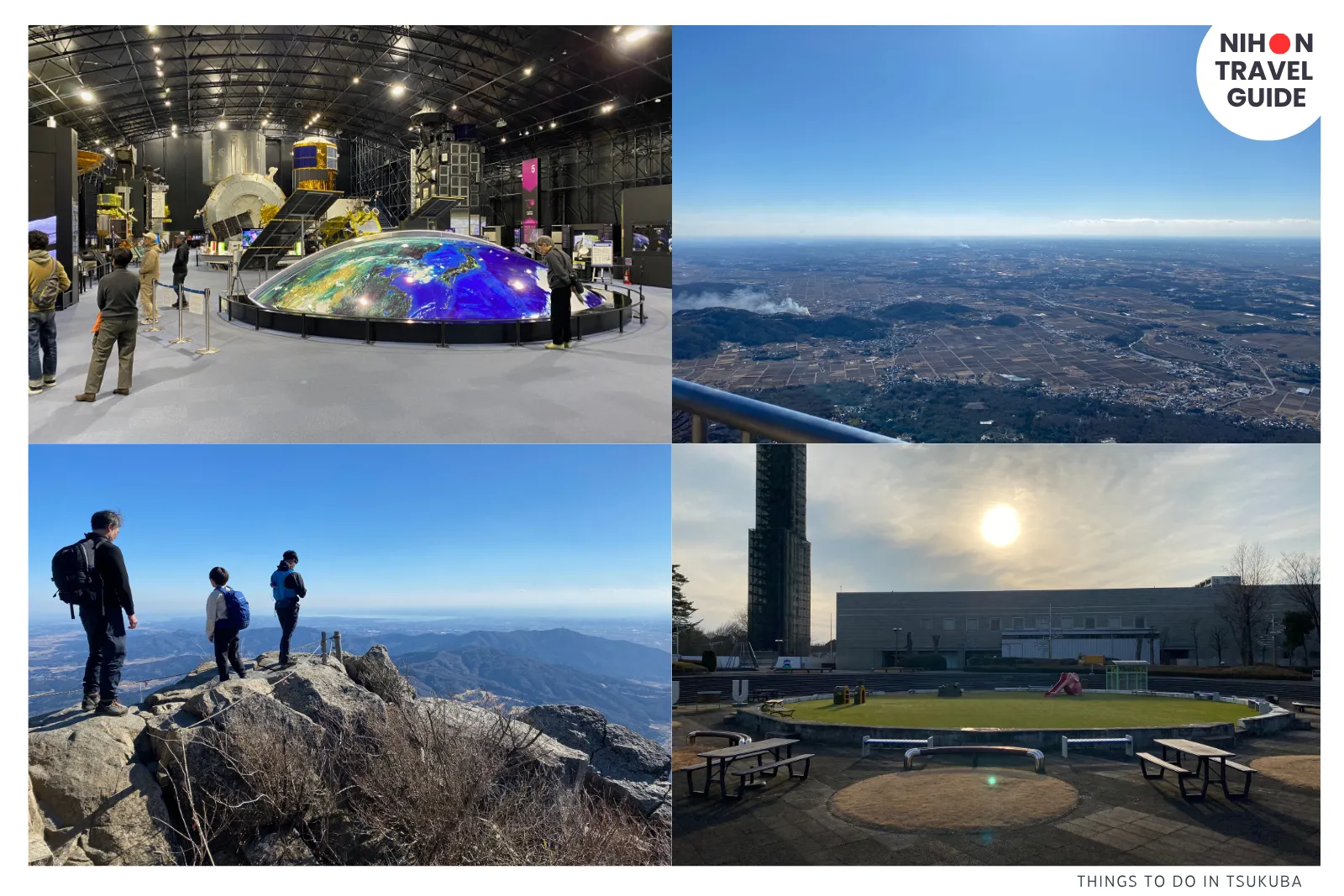
I feel that no trip to Tsukuba is complete without visiting Mount Tsukuba and though it may be a sweaty experience, you will definitely be rewarded with great stunning views. With a peak of 871m, you would be able to see lots of Ibaraki and on clear days you would even be able to see Mount Fuji.
Mount Tsukuba itself is free of charge but the Ropeway and Cable Car tickets are ¥1300 for a round trip. The Ropeway and Tram runs everyday from 9:20am to 4:40pm daily.
If you love nature, great panoramic views and don’t mind working a little hard, Mount Tsukuba is definitely worth visiting.
Want to see the stunning views from Mount Tsukuba too? Check out our detailed Mount Tsukuba guide with ropeway info, hiking pointers and a day trip itinerary from Tokyo.
#2 Tsukubasan Shrine
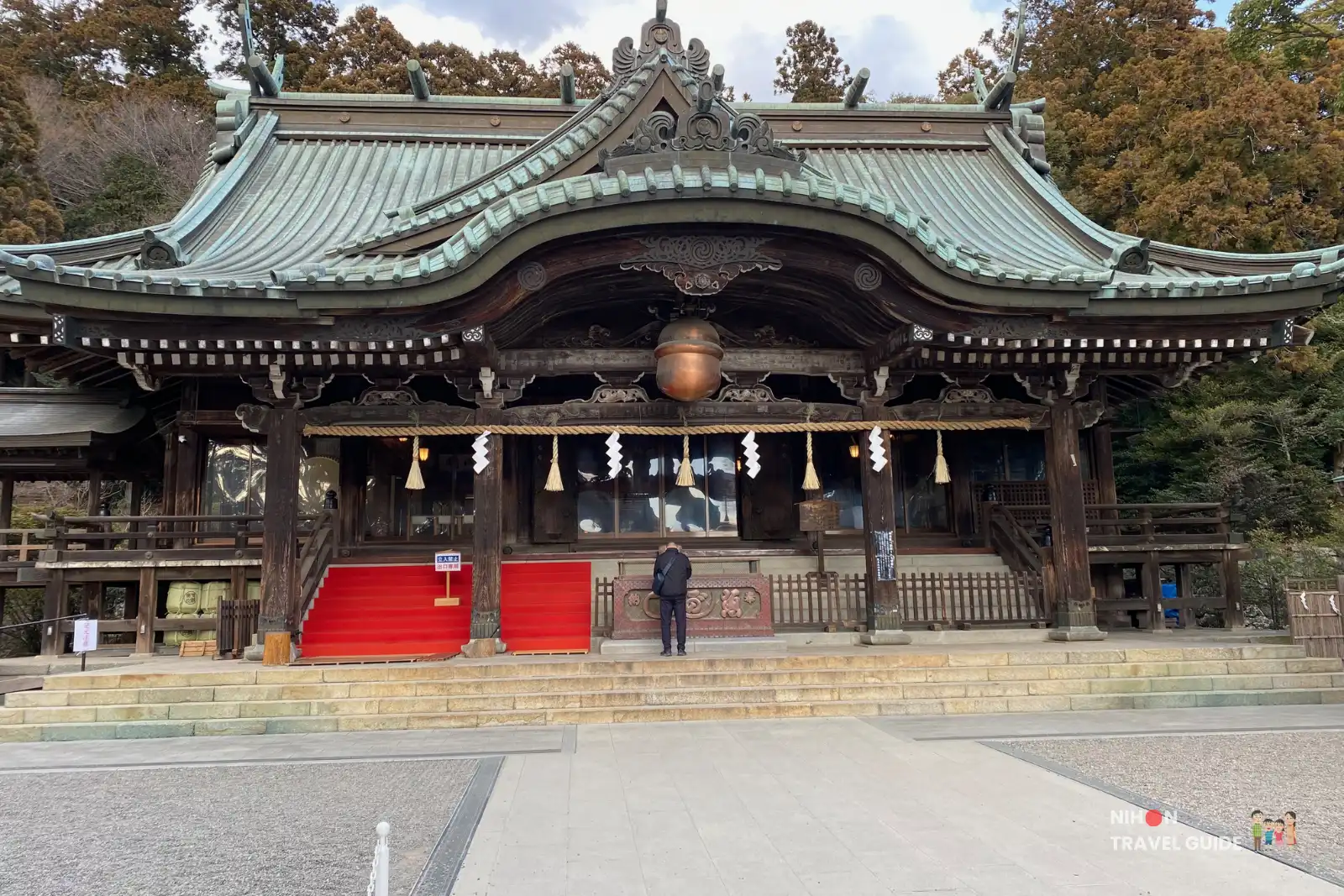
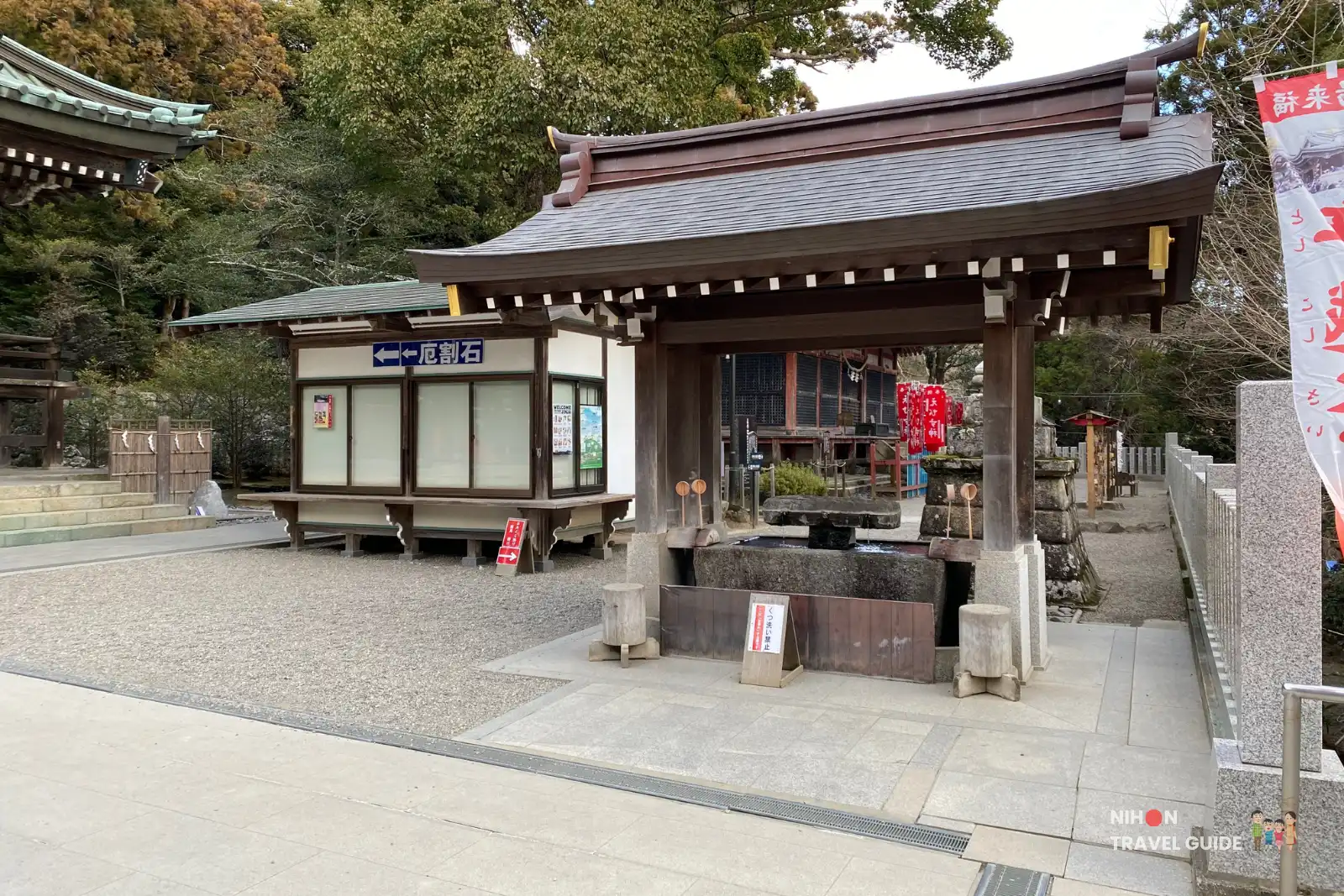
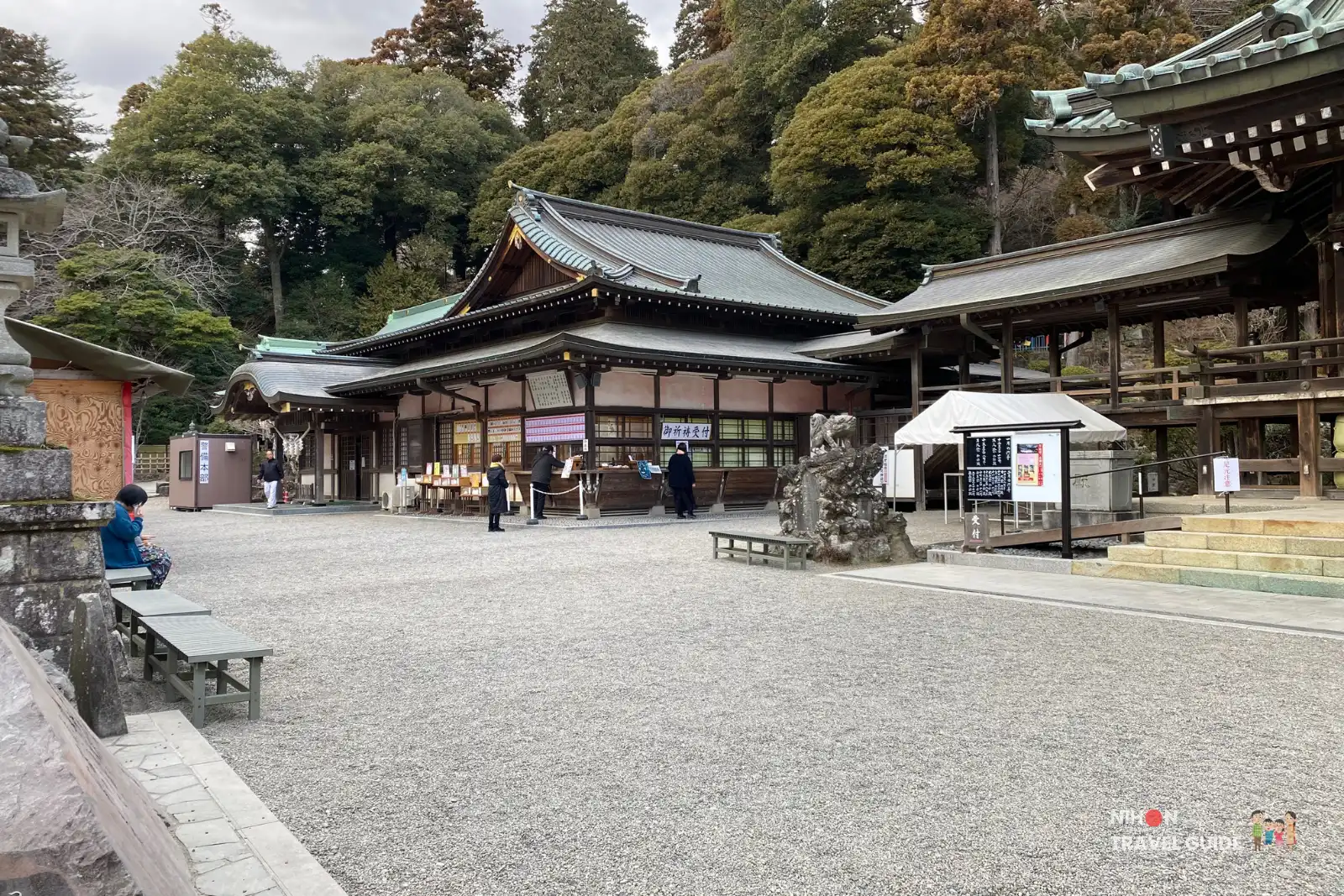
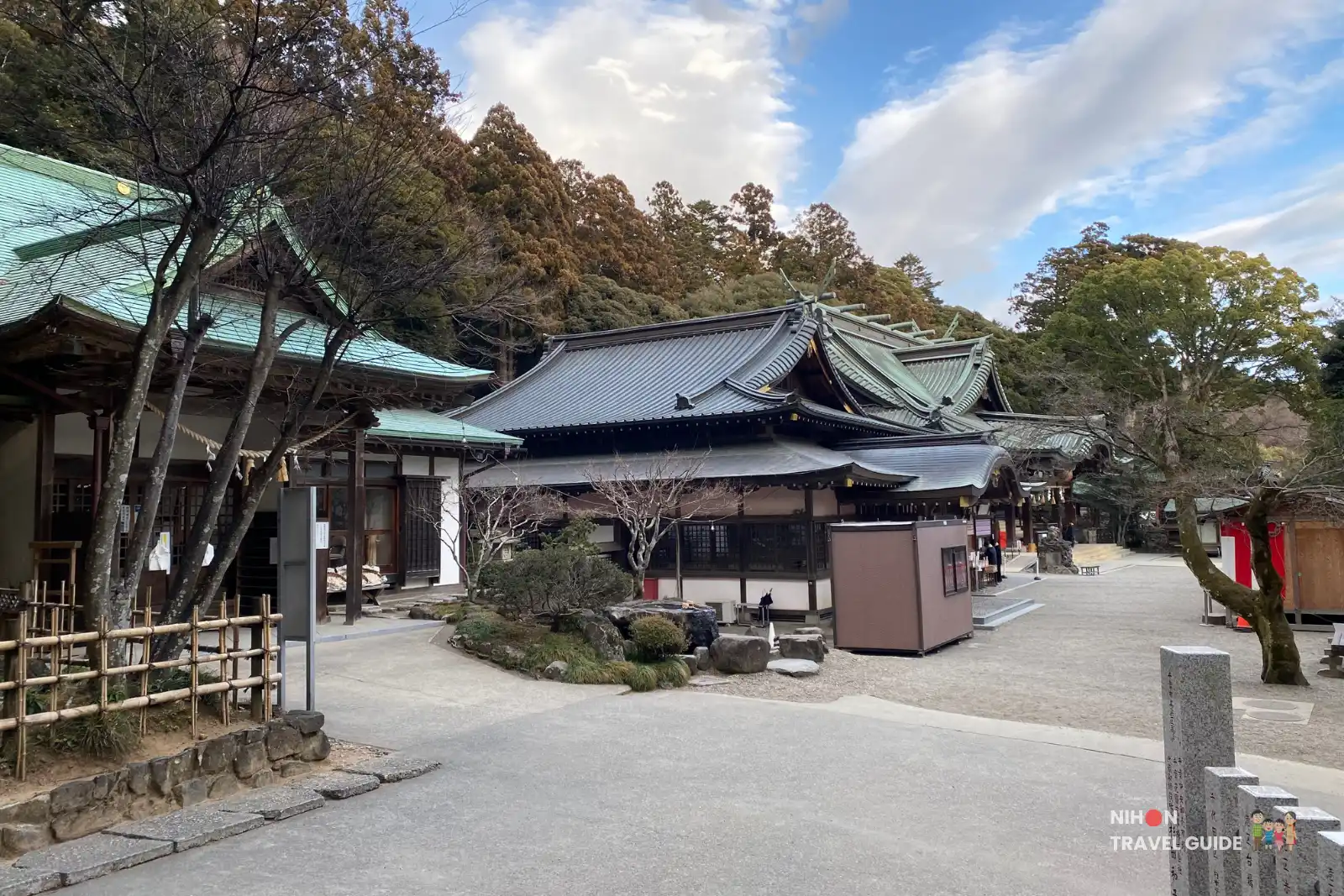
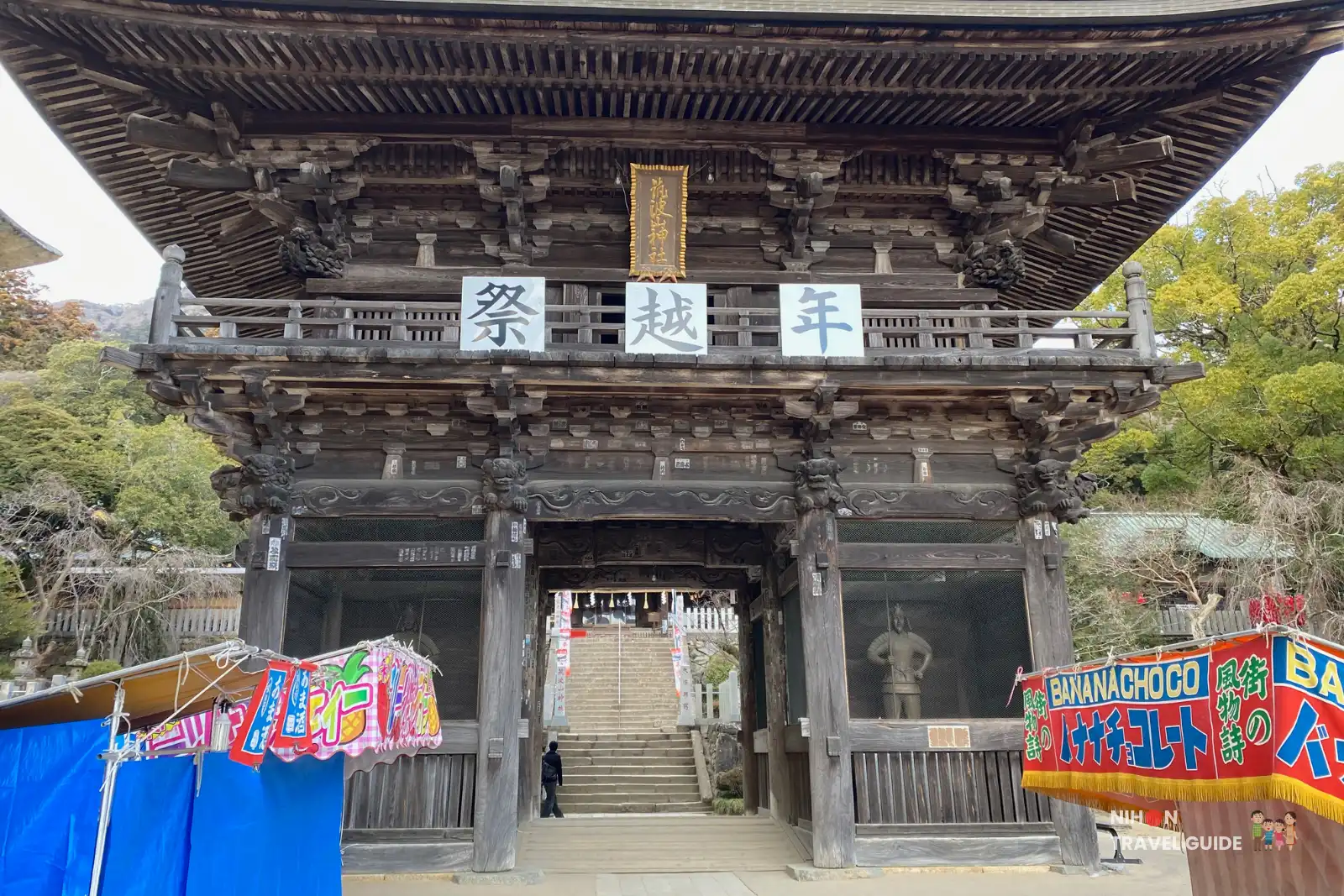
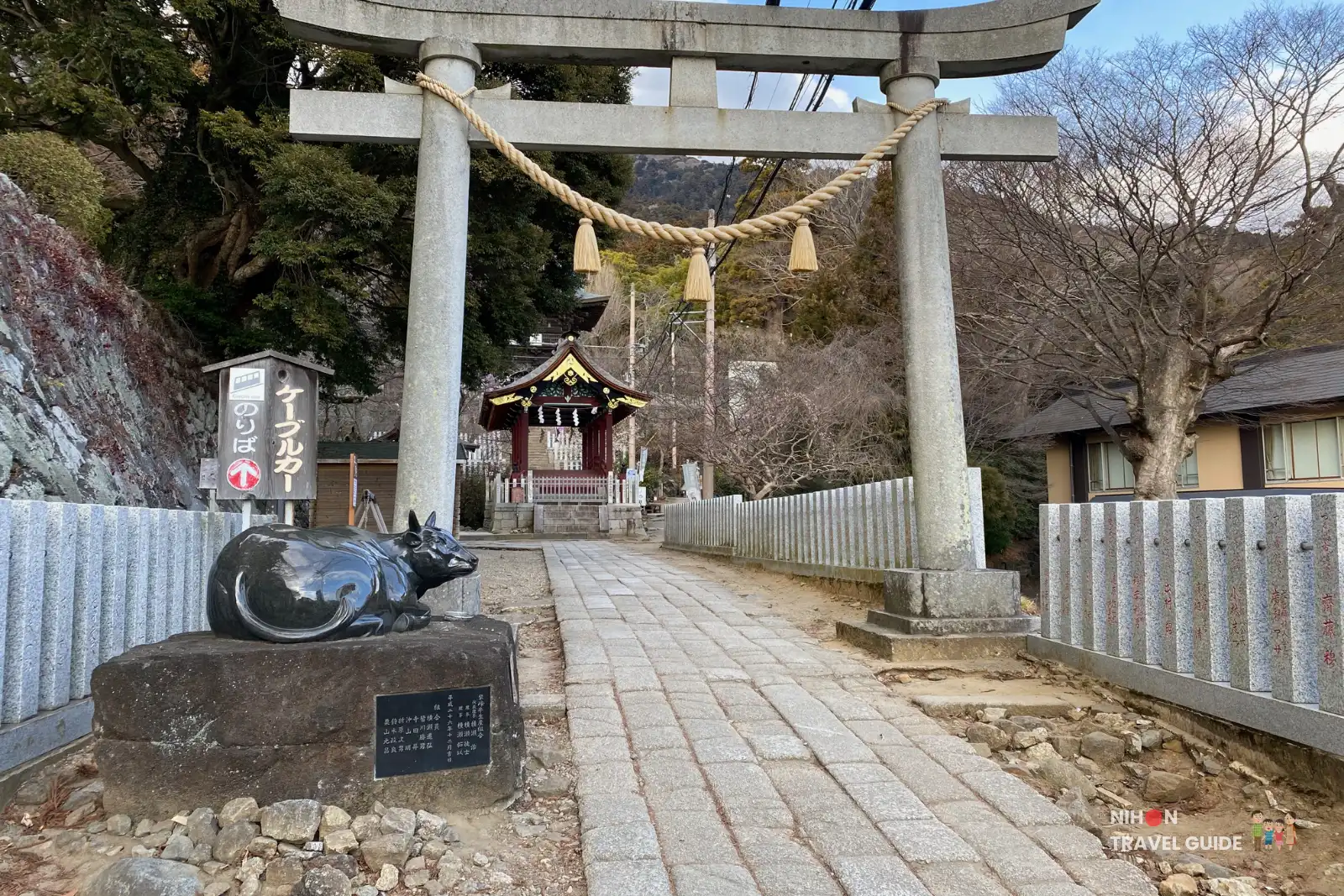
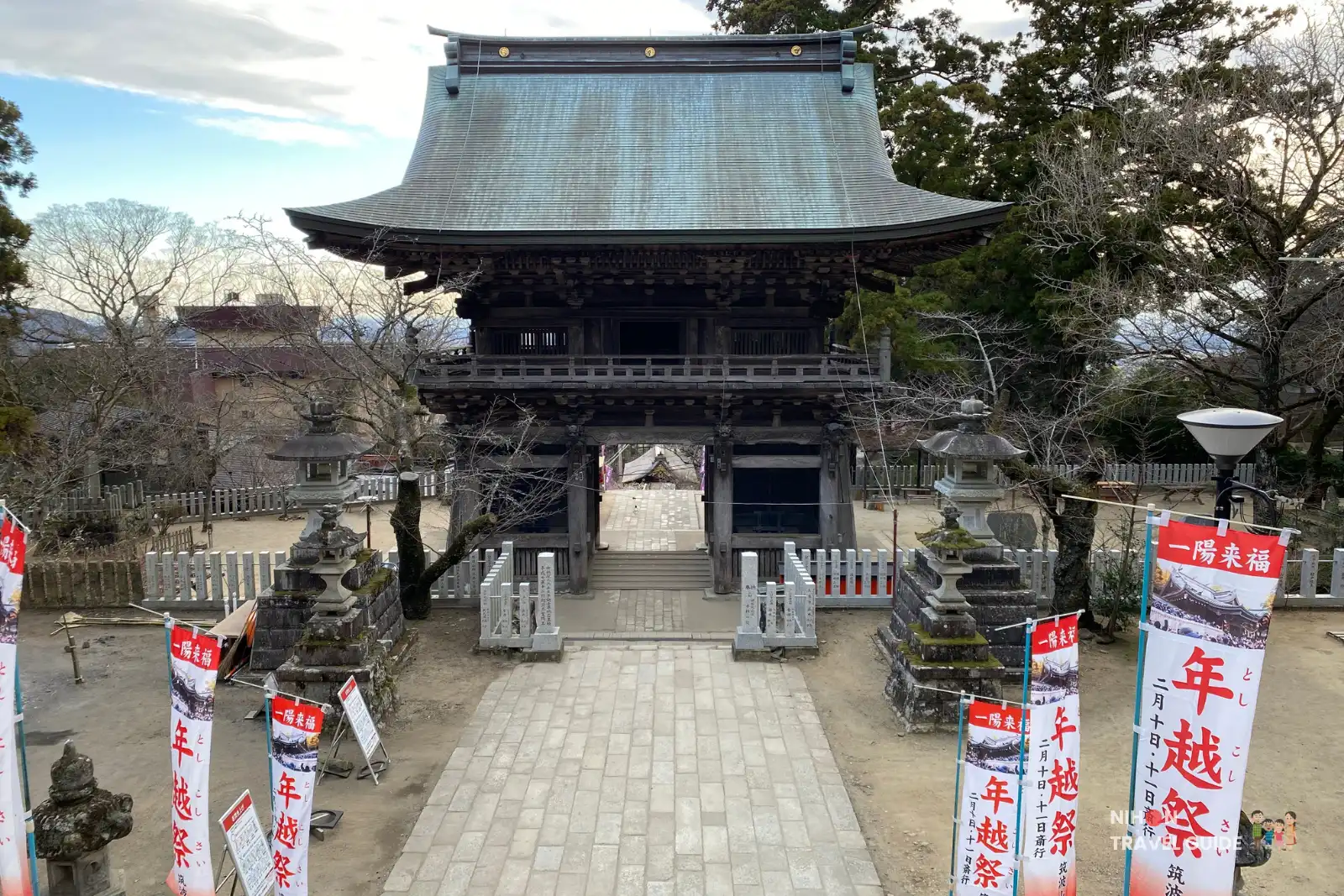
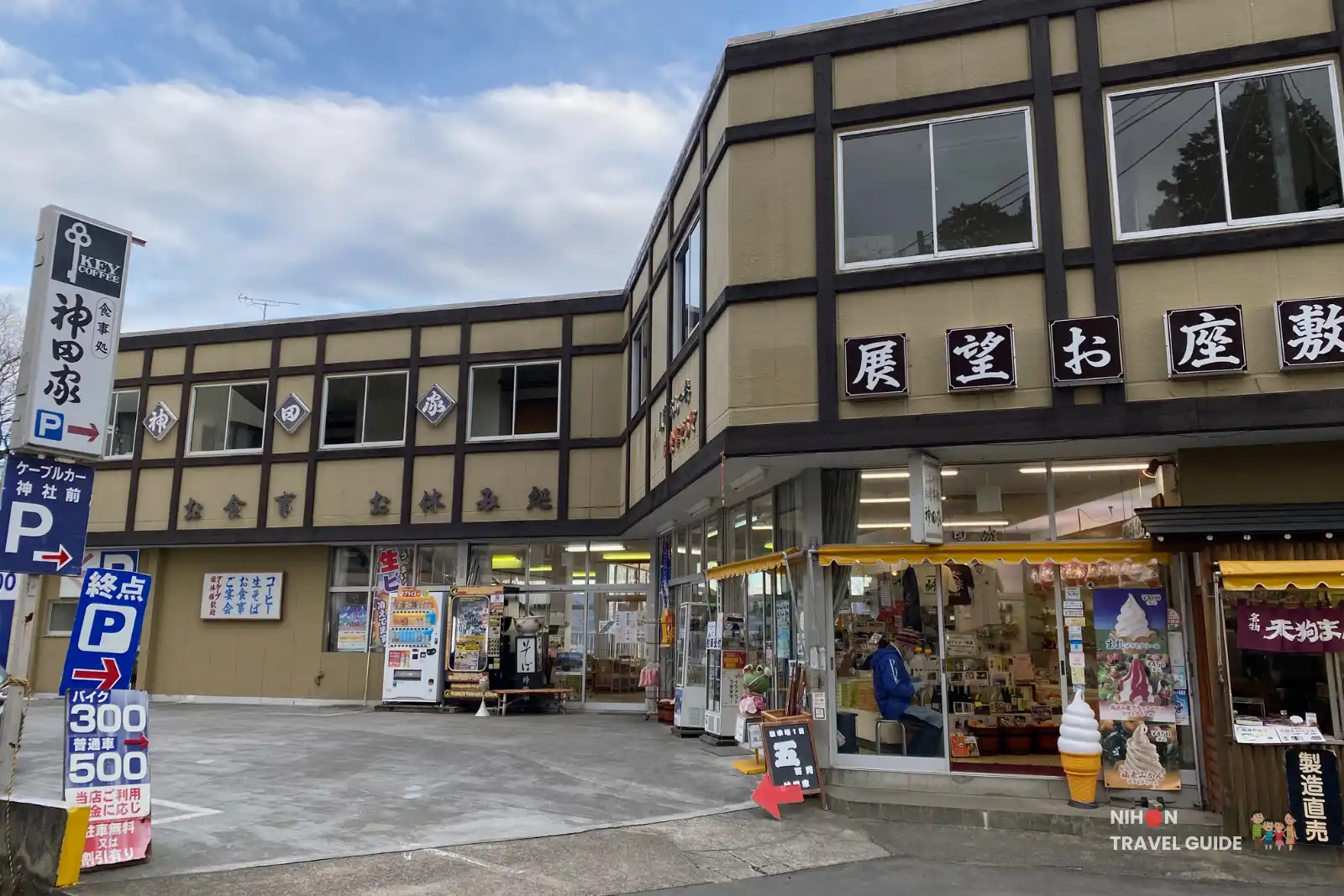
If you are checking out shrines in the area, Tsukubasan Shrine is one of the most prominent and historically significant in Tsukuba and probably in Ibaraki. It is a Beppyo Shrine and ranks highly on the ancient shrine list in Japan. Many locals and visitors see it as a major “power spot” especially for matchmaking.
It’s just beside the Miyawaki Cable Car Station if you are taking the cable car up to Mount Tsukuba. Because of the convenience, it would be a great idea to combine visiting Tsukubasan Shrine and Mount Tsukuba.
Read our complete Tsukubasan Shrine visitor guide for parking tips, what to see and the best time to visit.
#3 JAXA Tsukuba Space Center
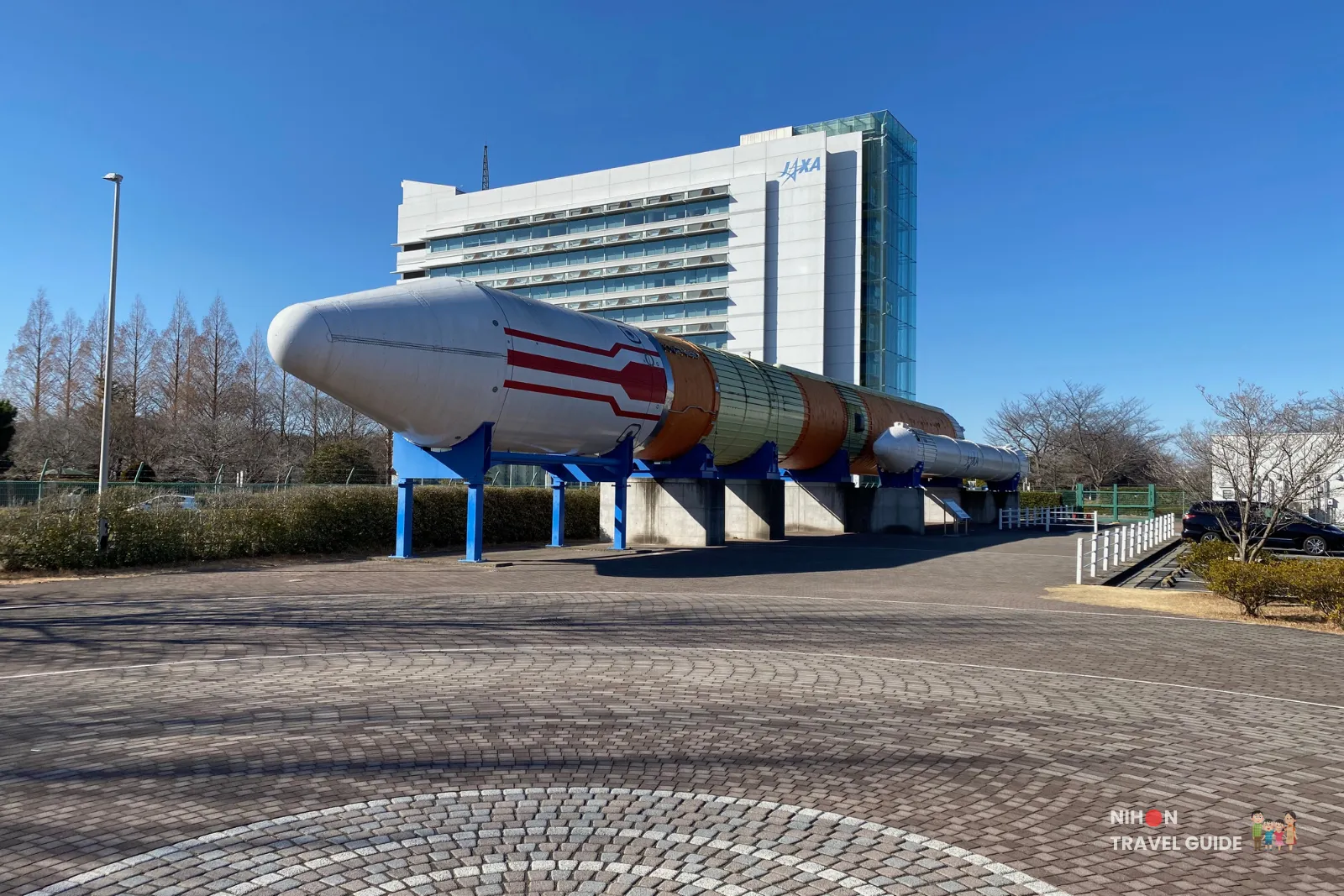
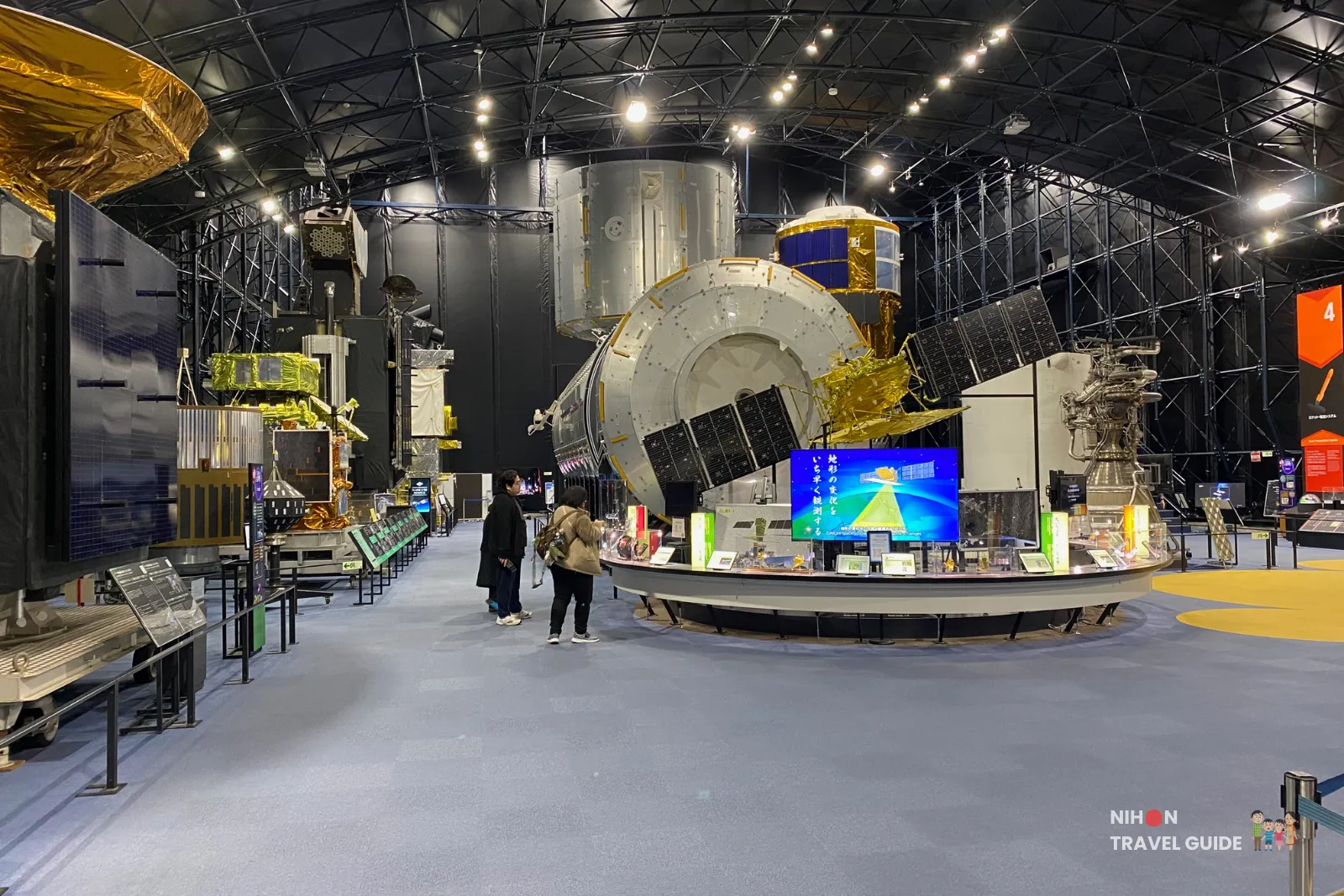
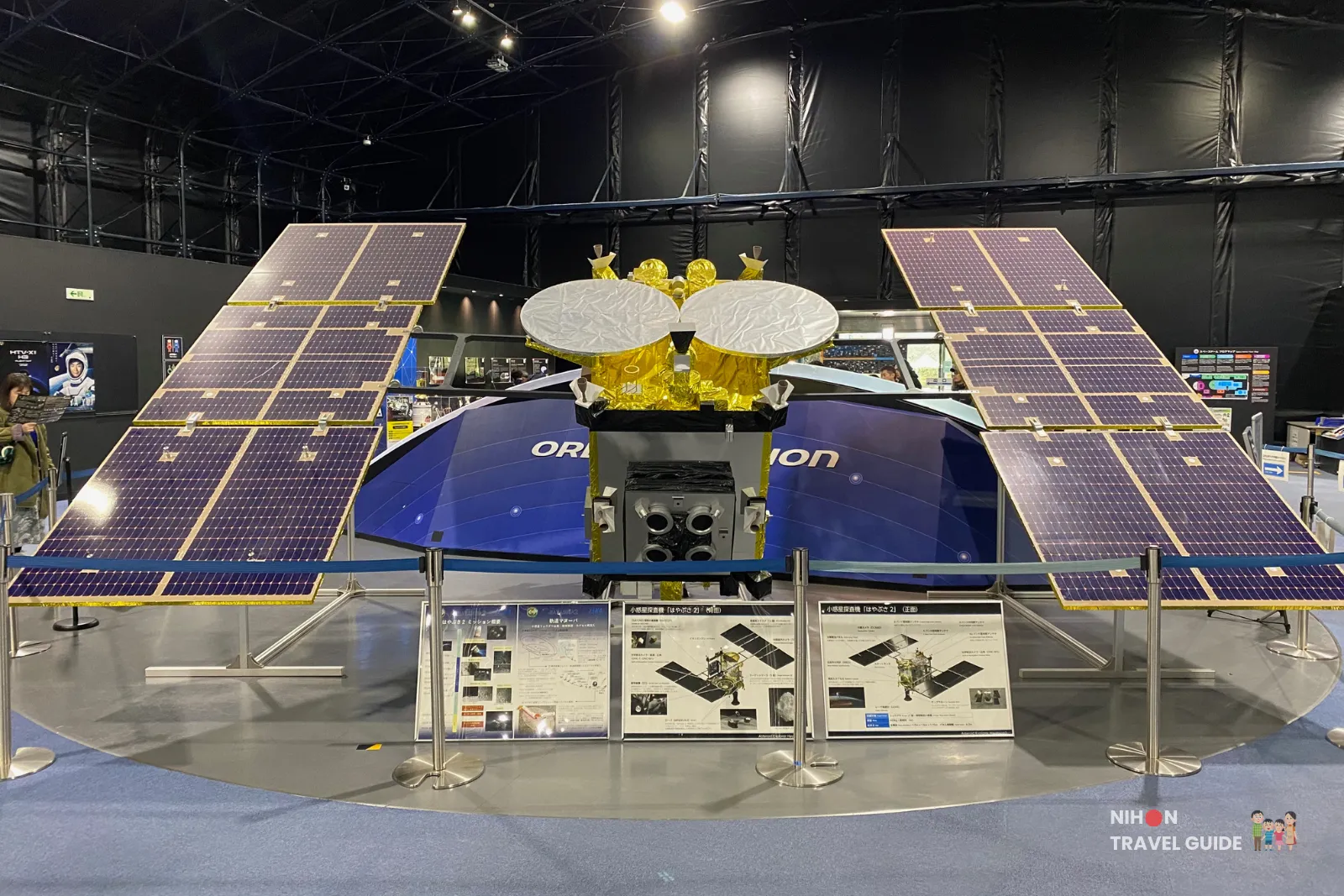
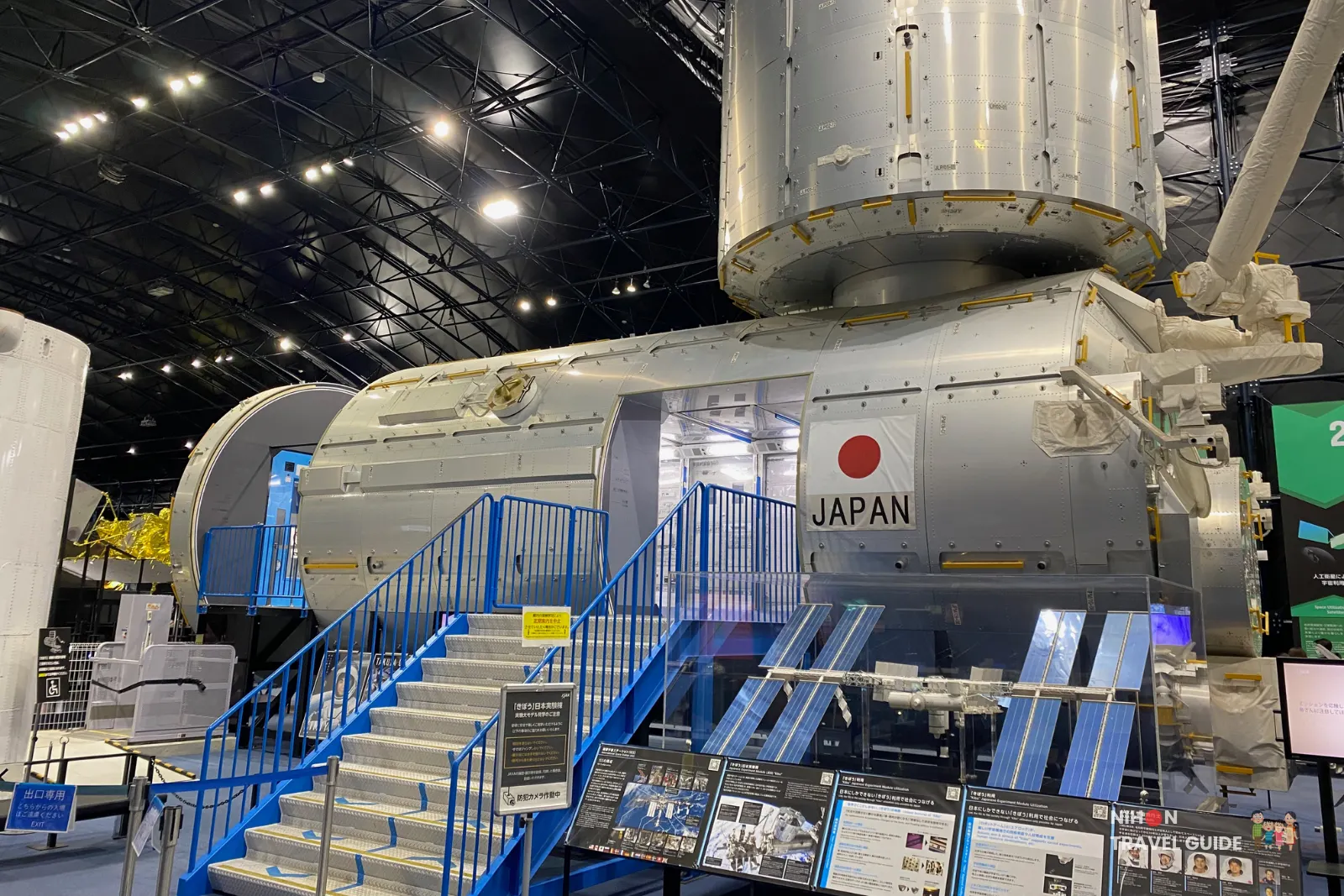
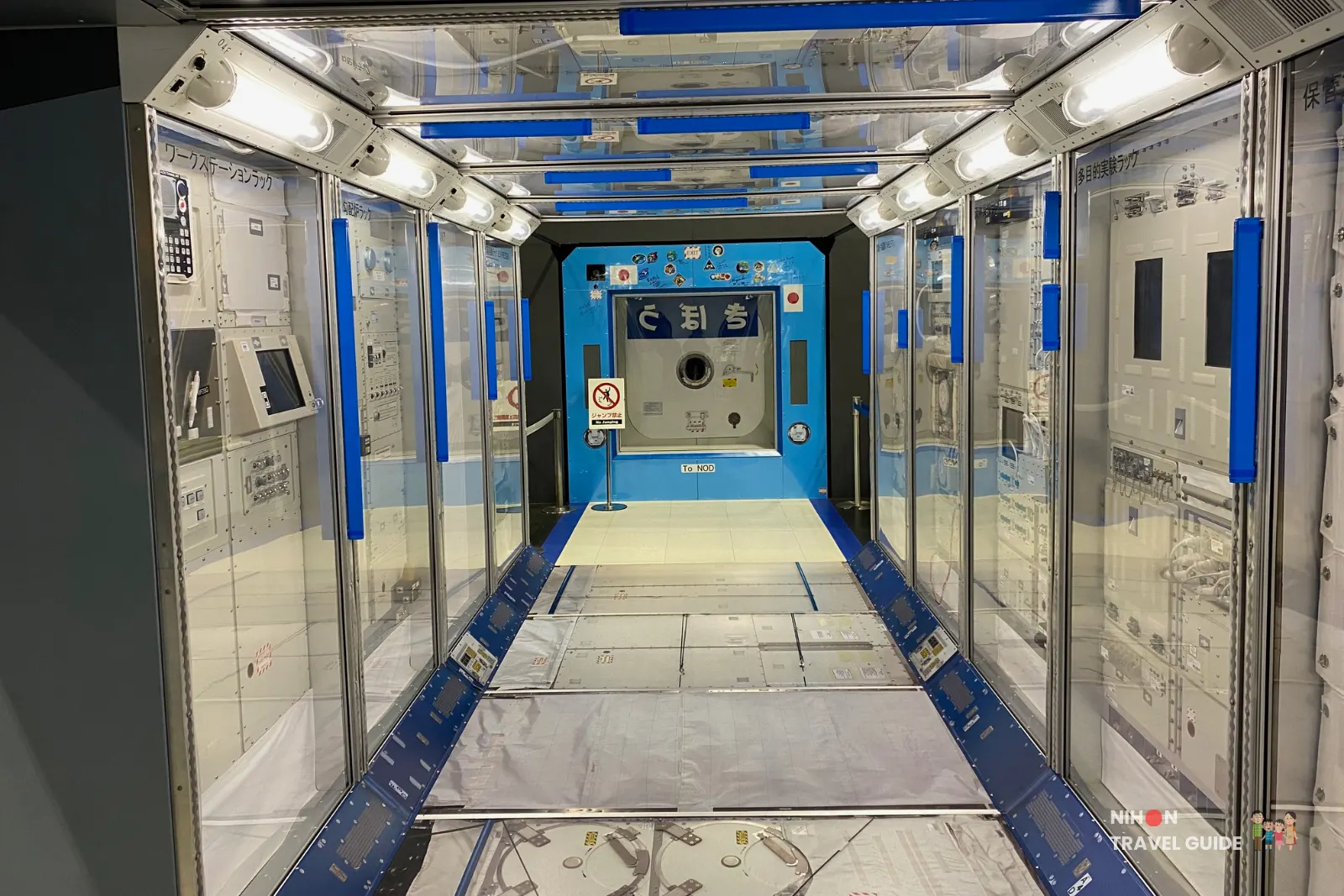
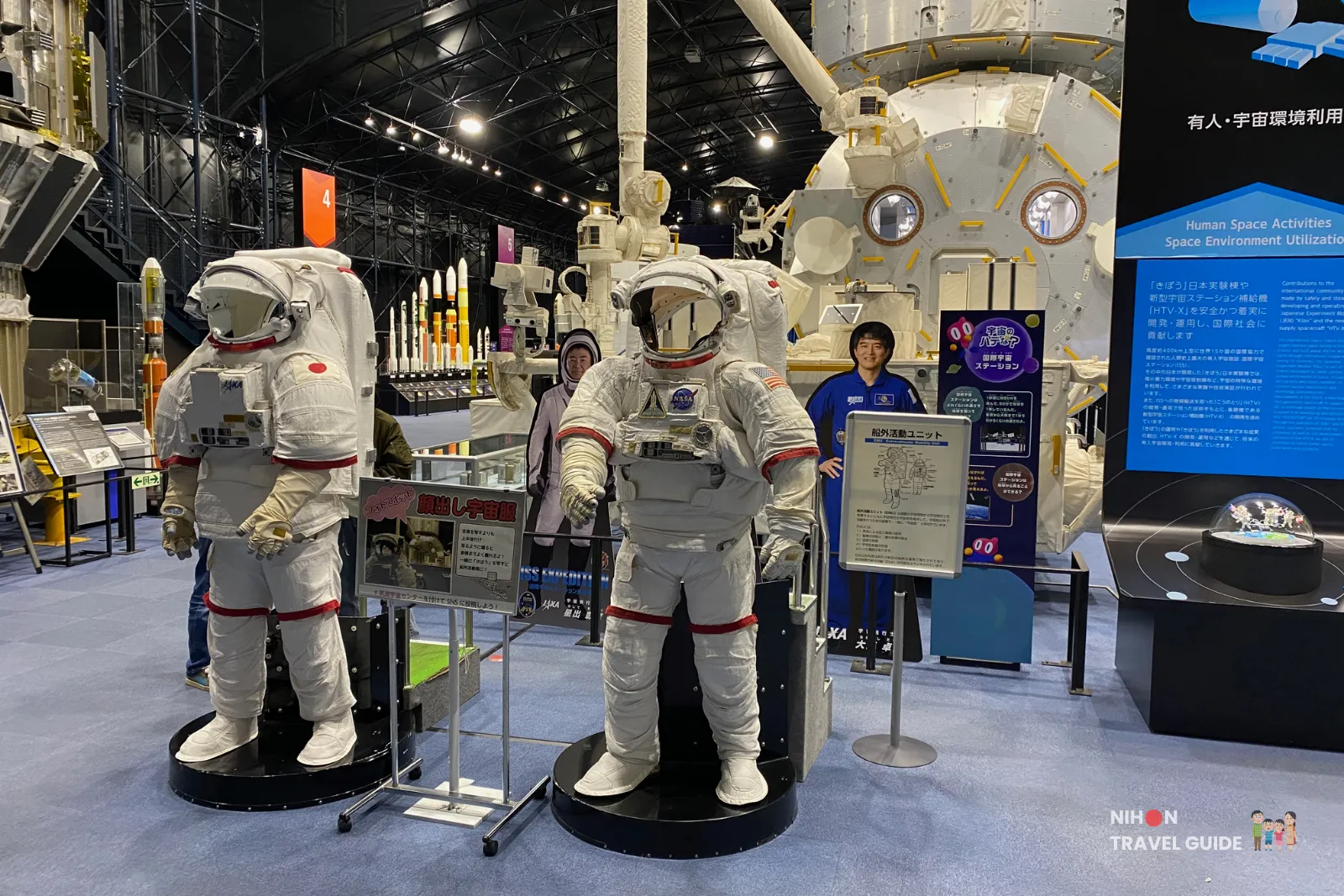
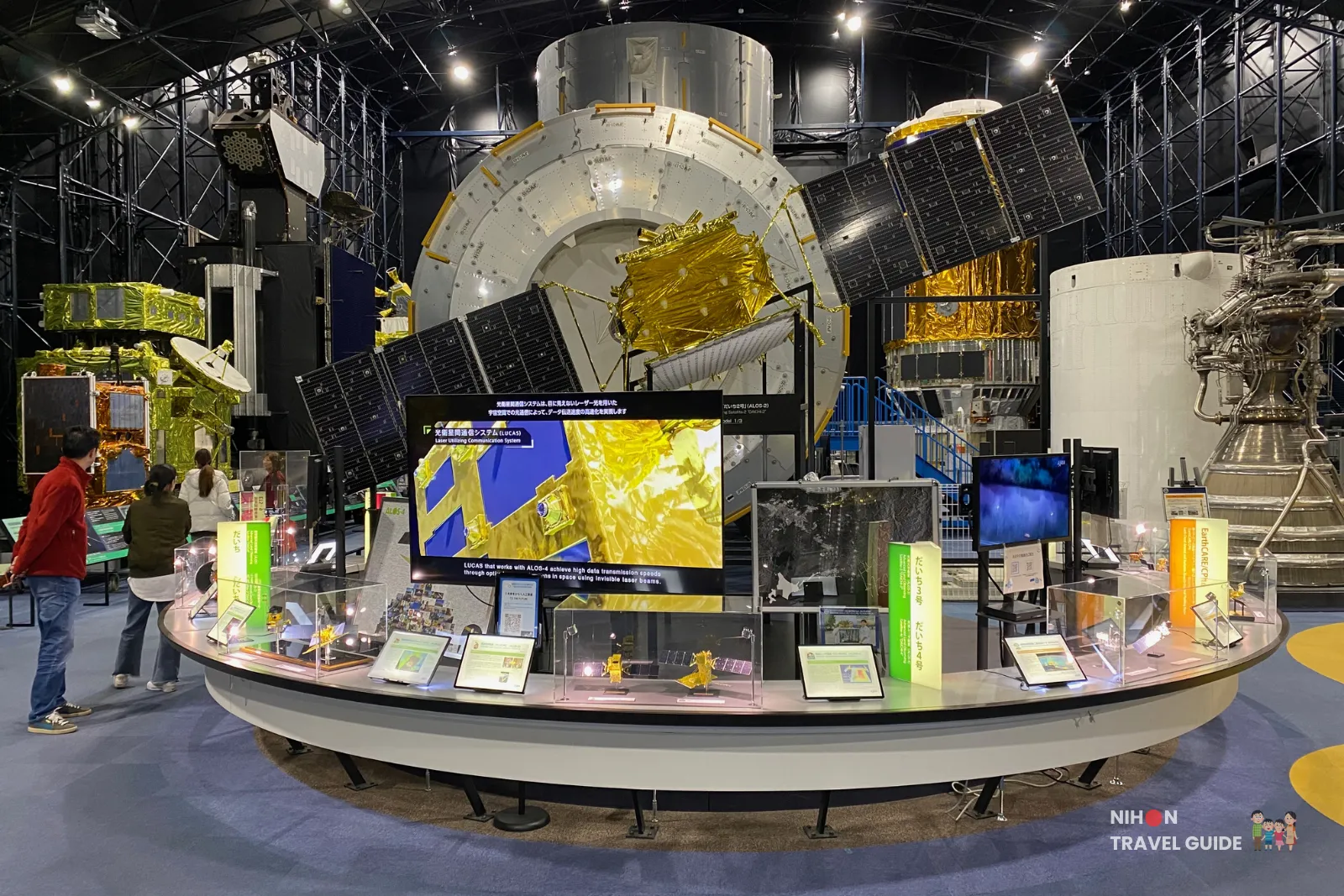
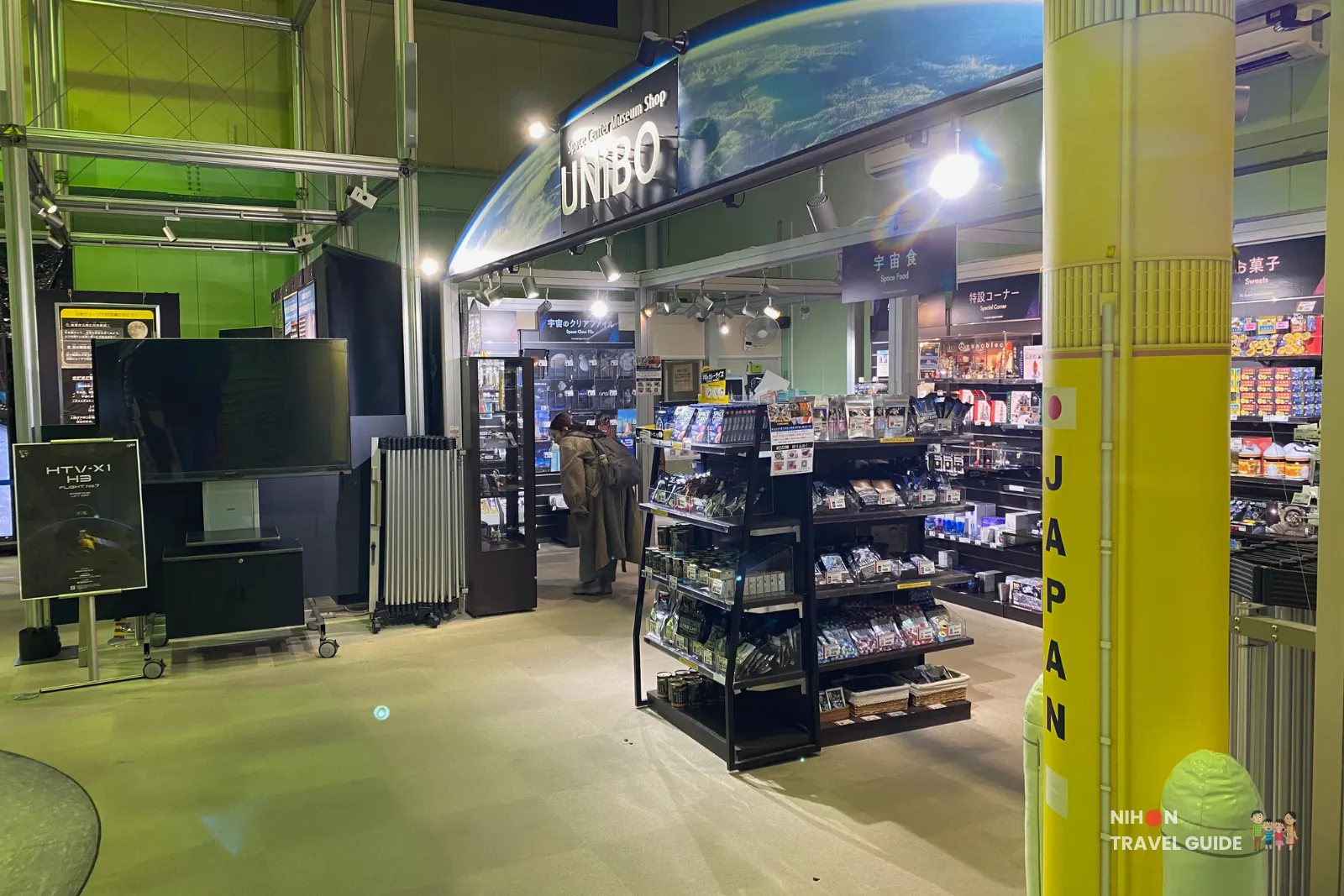
Up next is probably the most interesting place you can find in Tsukuba because you get to see test satellites and rockets that were either developed or used in actual missions.
JAXA Tsukuba Space Center is the main operations base and headquarters of JAXA space operations in Japan where they mainly develop and test space technology. But they also have an exhibition hall full of equipment that they have used in the past for the public to see.
You’ll probably feel like Elliot when he first met E.T. in his backyard as you stand in front and marvel at these machines.
JAXA Tsukuba Space Center is open everyday from 10:00am – 5:00pm (except for public holidays) and is free of charge.
Check out our guide to find out more about what it’s like to visit JAXA Tsukuba Space Center.
#4 Tsukuba Expo Center
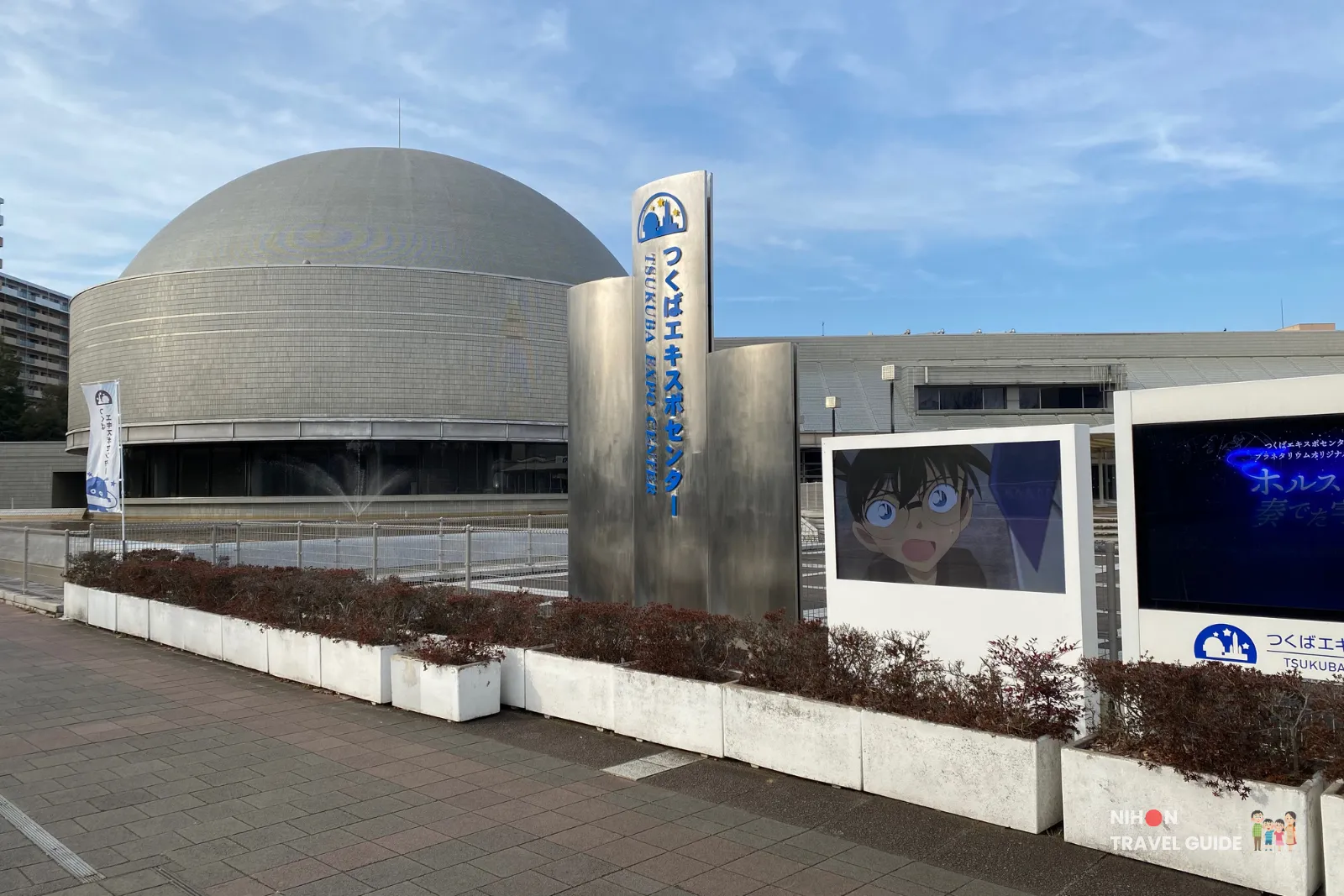
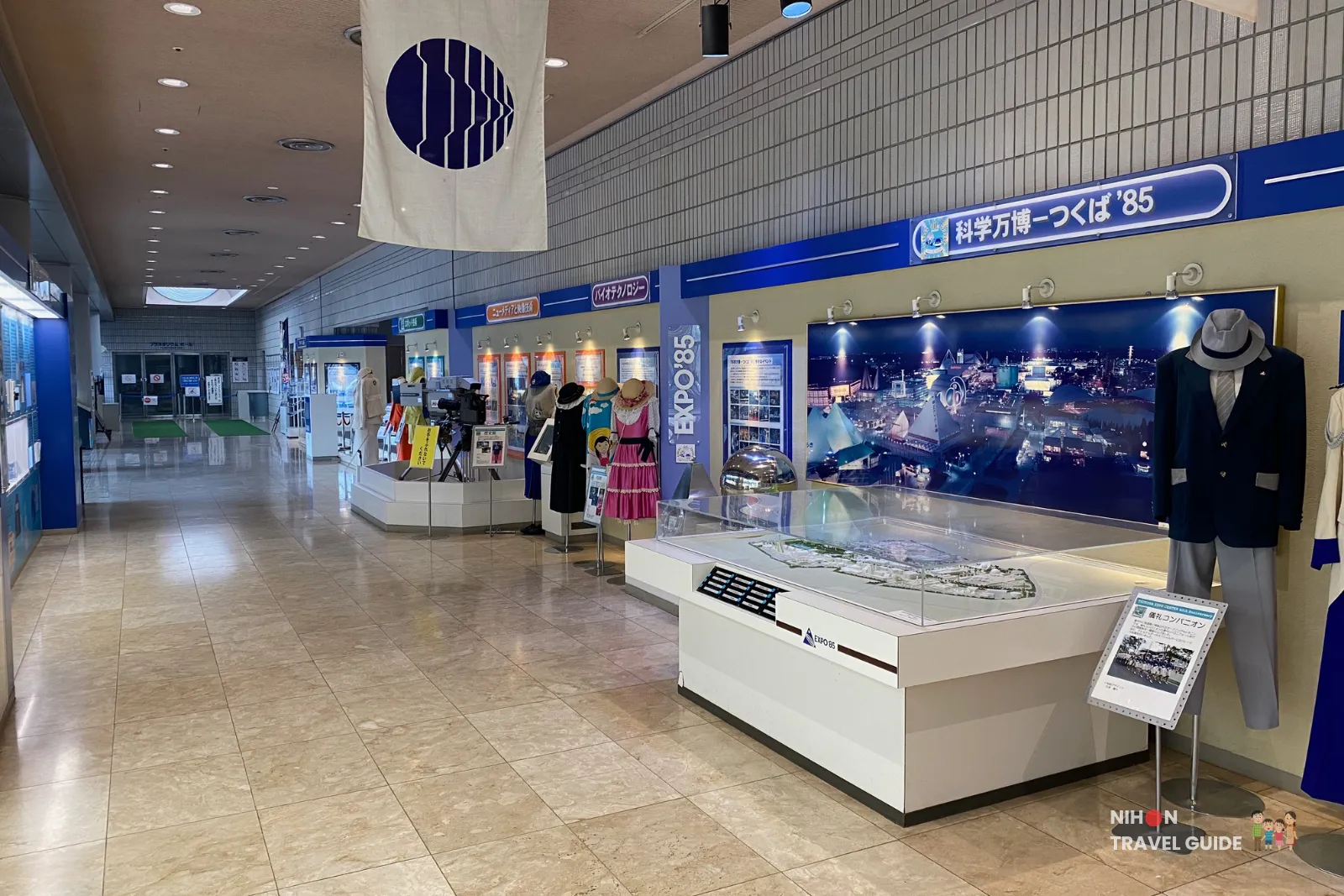
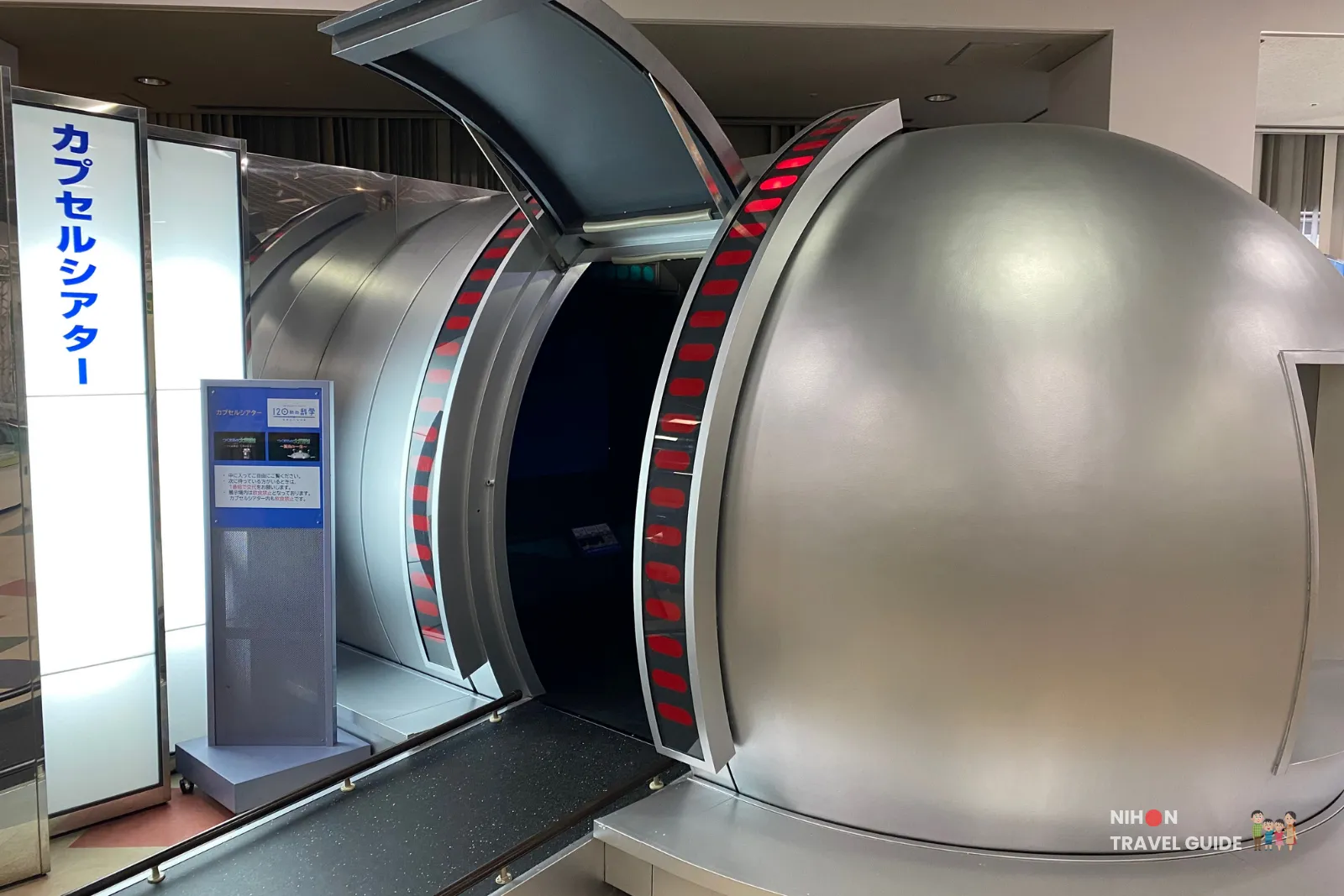
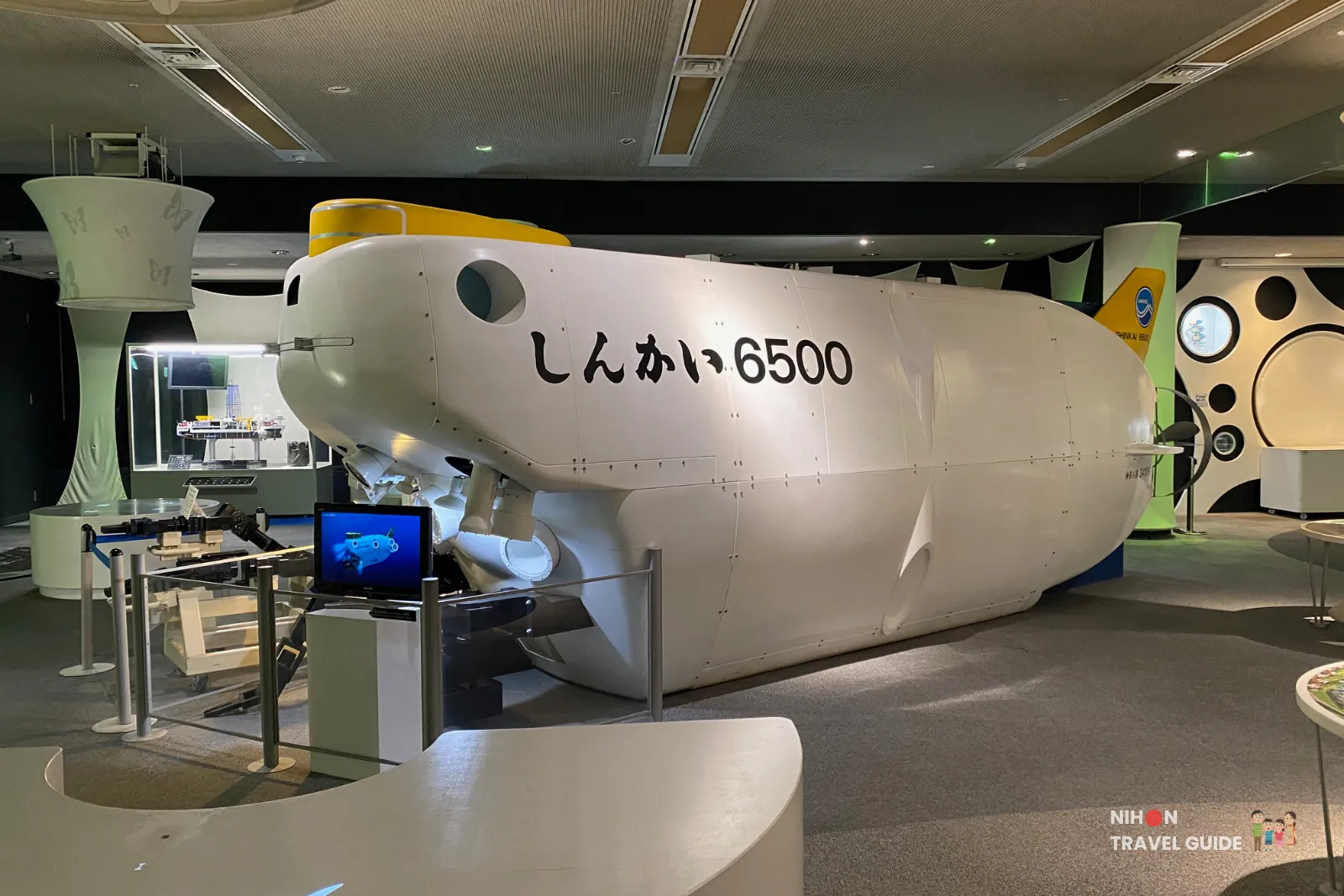
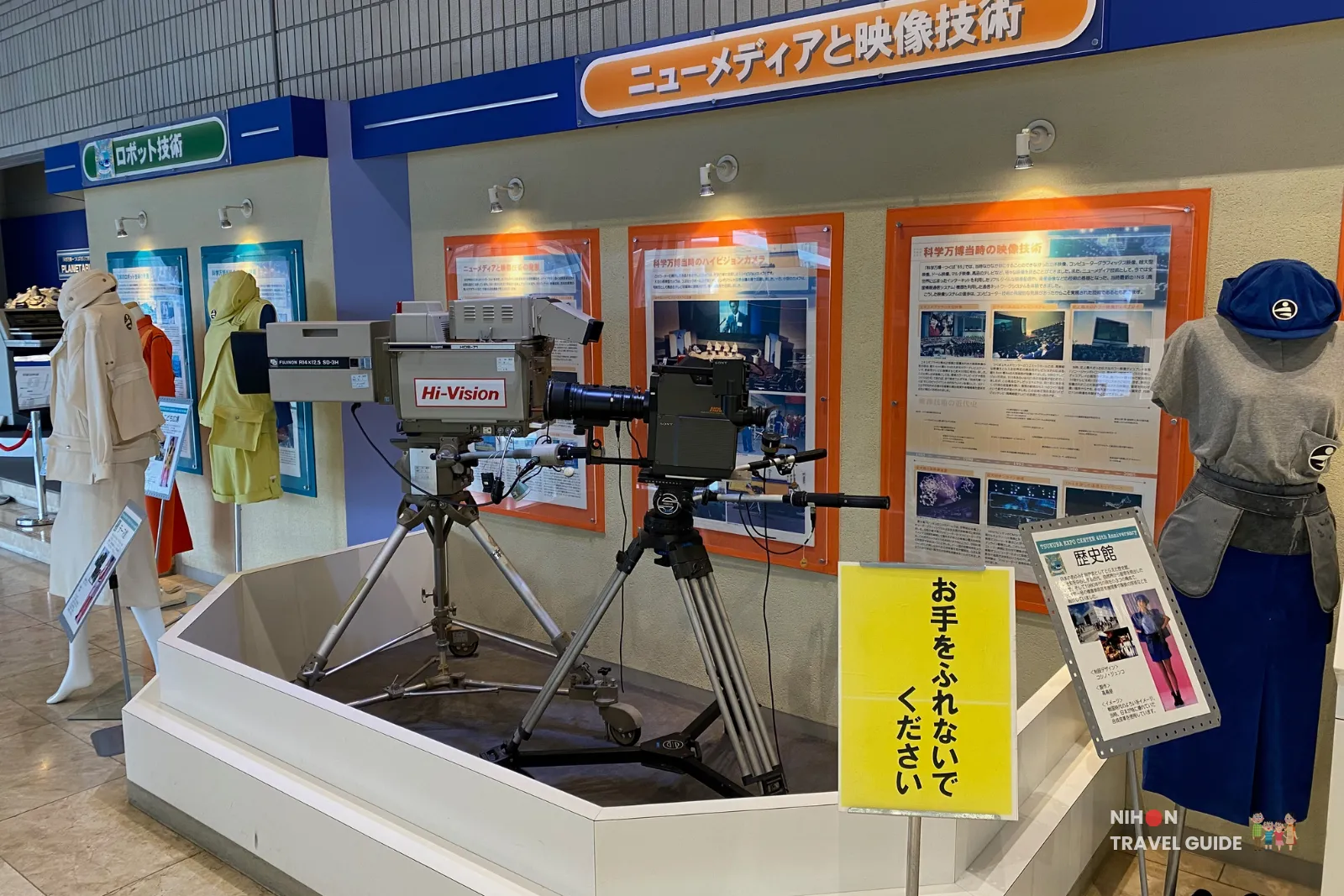
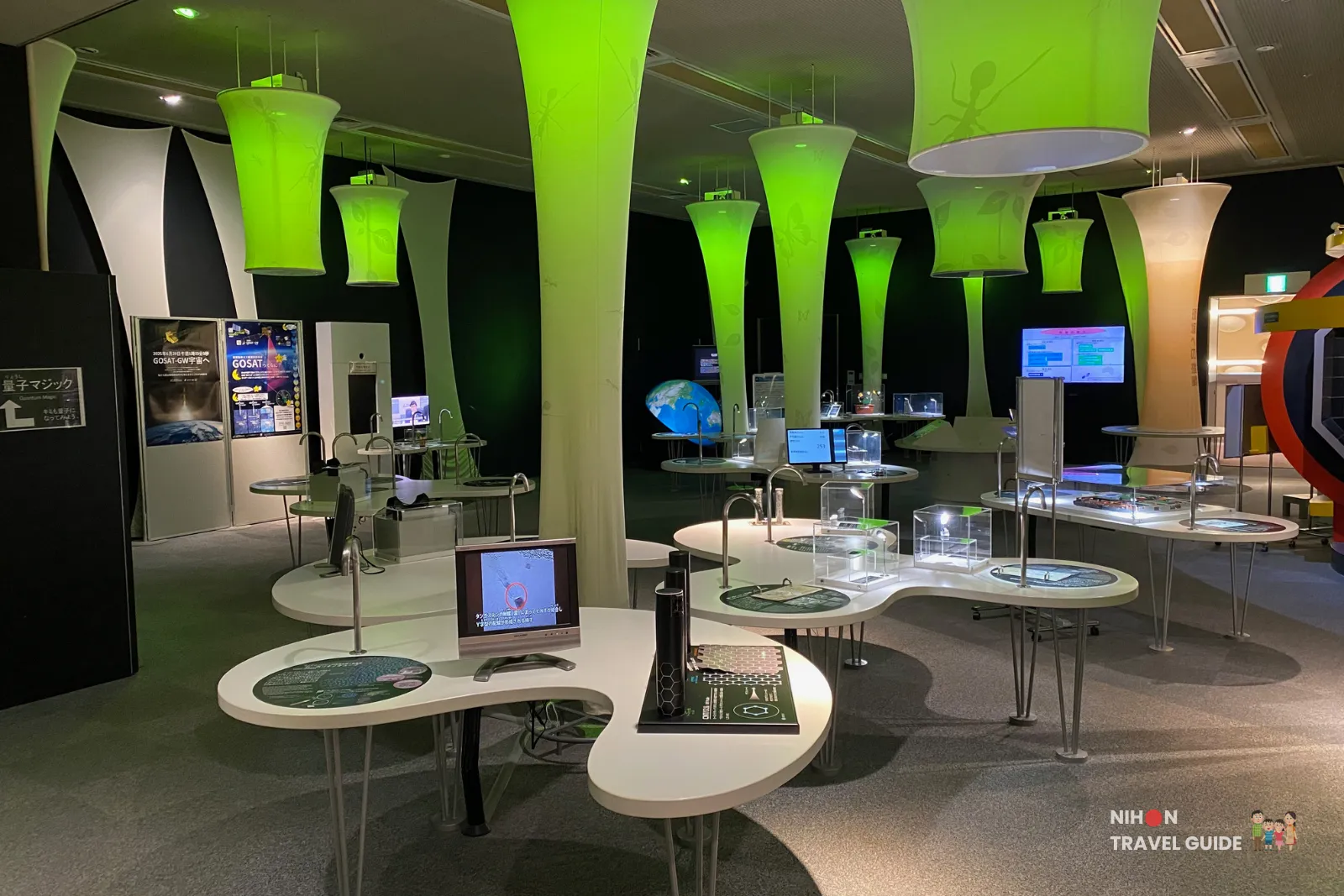
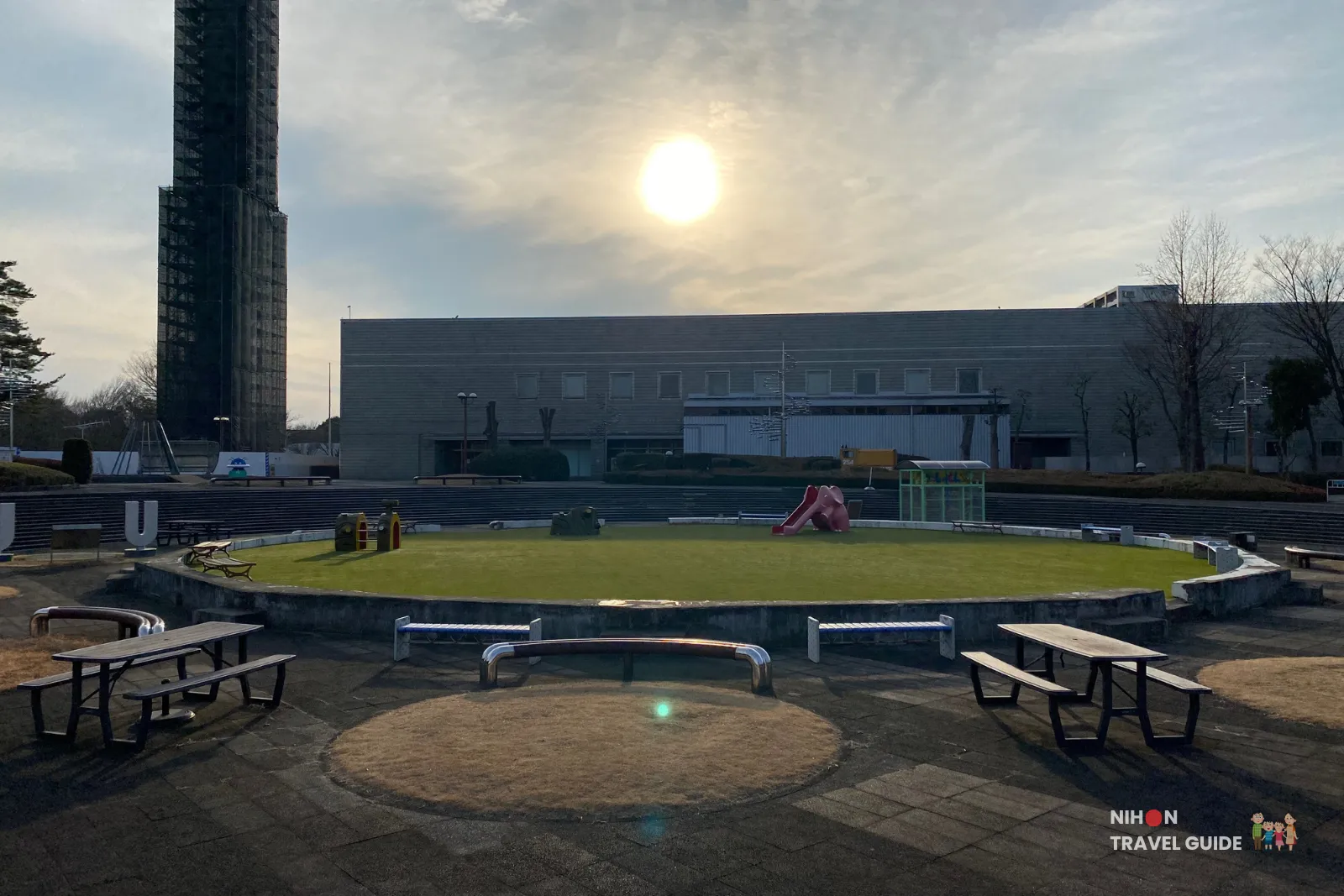
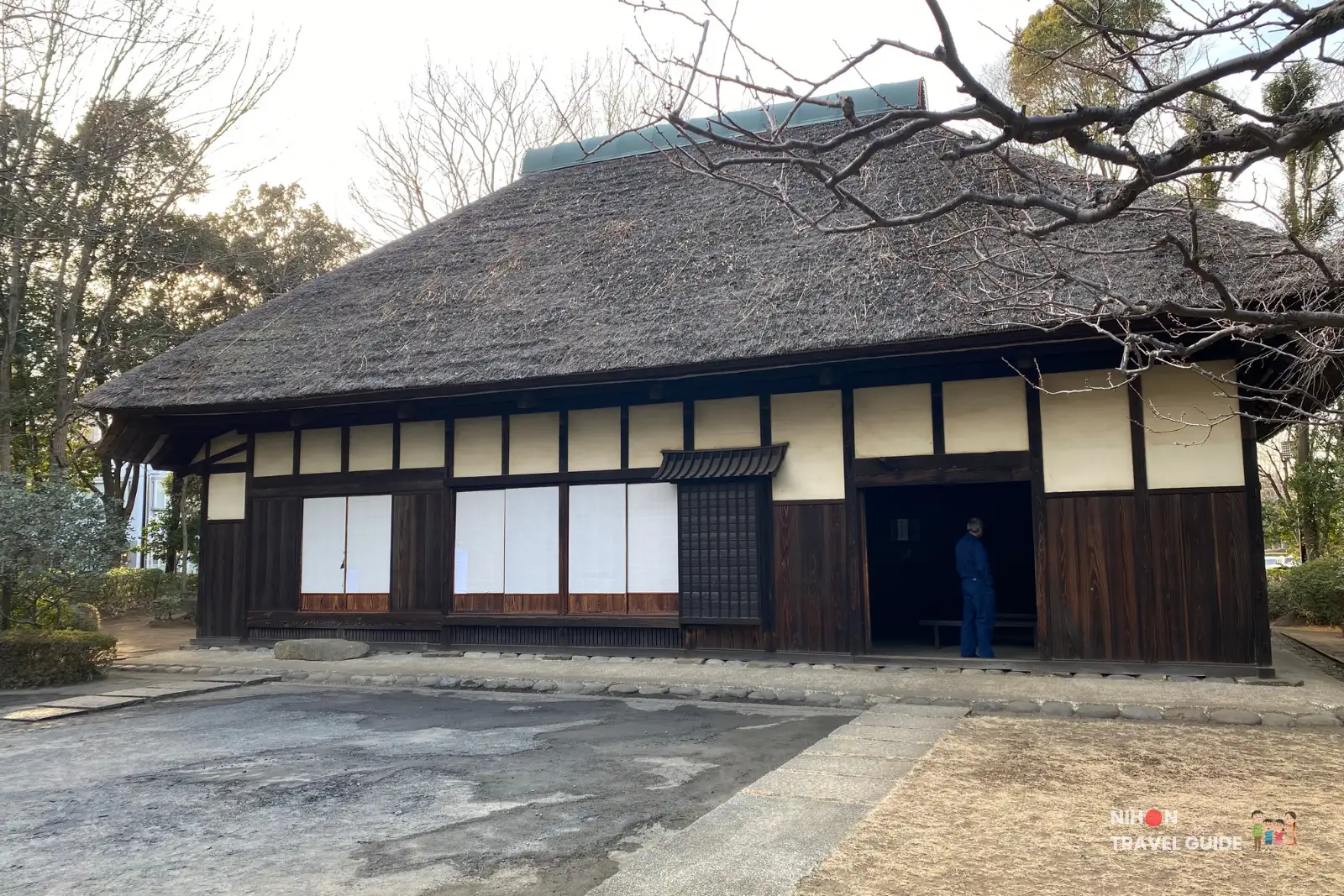
Next on the list is a trip down memory lane as the World Expo was held at the Tsukuba Expo Center back in 1985. It’s literally like entering a time machine back to the 1985 expo as you get to see all sorts of memorabilia, collectibles and equipment that were on display then.
The main highlight of the Expo Center is probably the Planetarium. It is a huge immersive dome like theater where you sit back in reclining seats and look up at a curved screen to experience the night sky, space and cosmic phenomena in a highly realistic and dramatic way.
Tsukuba Expo Center is opened everyday from 9:50am to 5:00pm and costs ¥600 to enter. You need a separate ticket to visit the Planetarium and they cost ¥600.
Check out our guide to find out more about what it’s like to visit Tsukuba Expo Center.
#5 Tsukuba Peony Garden
Tsukuba Peony Garden is one of the world’s largest peony gardens with over 60,000 peony plants and 800 varieties. There are an extensive amount of peony flowers available and is a hugely underrated spot that not many foreigners know about.
In 2026, they are opened from April 9th to May 25th. They are opened in specific periods every year, so you have to check to make sure before you visit.
They are opened from 9:00am to 5:00pm everyday and tickets cost ¥1500.
If you love flowers, nature and taking photos the Tsukuba Peony Garden is definitely a place you don’t want to miss.
Check back again for our full experience visiting the Tsukuba Peony Garden.
#6 Ibaraki Flower Park
Okay this one is technically not in Tsukuba, but it’s only 28 minutes away by car and it’s certainly not to be missed. Ibaraki Flower Park is a huge flower park in Ishioka with lots of seasonal flowers such as roses, wisteria, cherry blossoms, hydrangeas and many more.
It is also a really underrated flower viewing spot that many foreigners do not know about. If you are looking for spots outside Tokyo to view beautiful seasonal flowers Ibaraki Flower Park is also not to be missed.
Ibaraki Flower Park is opened from 9:00am to 5:00pm and cost ¥900 typically but cost ¥1200 during the peak rose seasons from April to June.
Check back again for our full experience visiting Ibaraki Flower Park.
#7 Doho Park
Doho Park is large popular city park that locals go to exercise, play sports and play with their kids. But for a tourist and in the right season, it is an underrated spot to see seasonal flowers. Definitely not well known to most foreigners.
Go in Spring to see the cherry blossoms and autumn to see the colourful autumn leaves.
Doho Park is opened 24 hours and is free of charge.
If you are looking for a hidden gem to see seasonal flowers outside Tokyo, Doho Park is one underrated you might not want to miss.
Check back again for our full experience visiting Doho Park.
#8 Ishioka Ostrich Farm
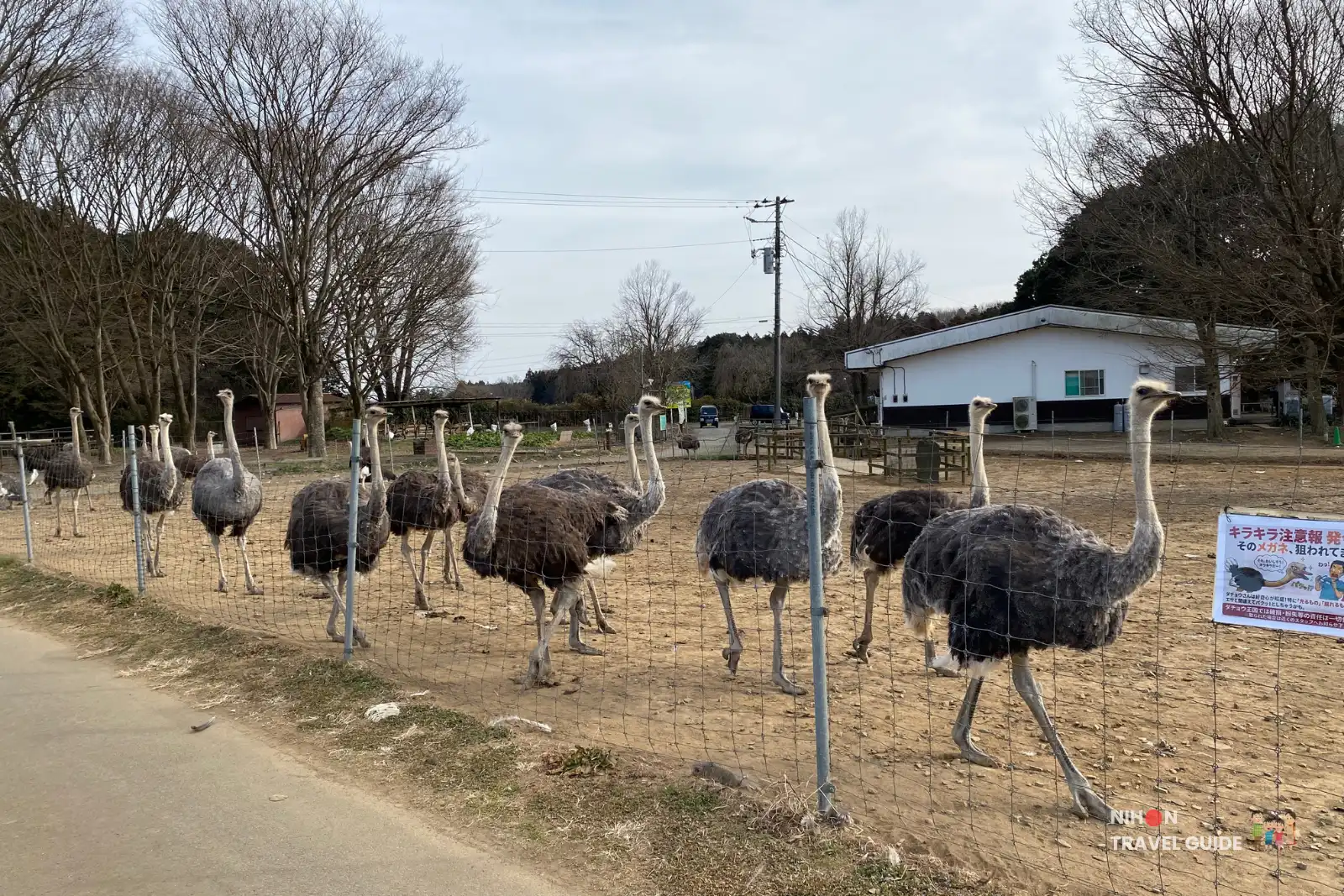
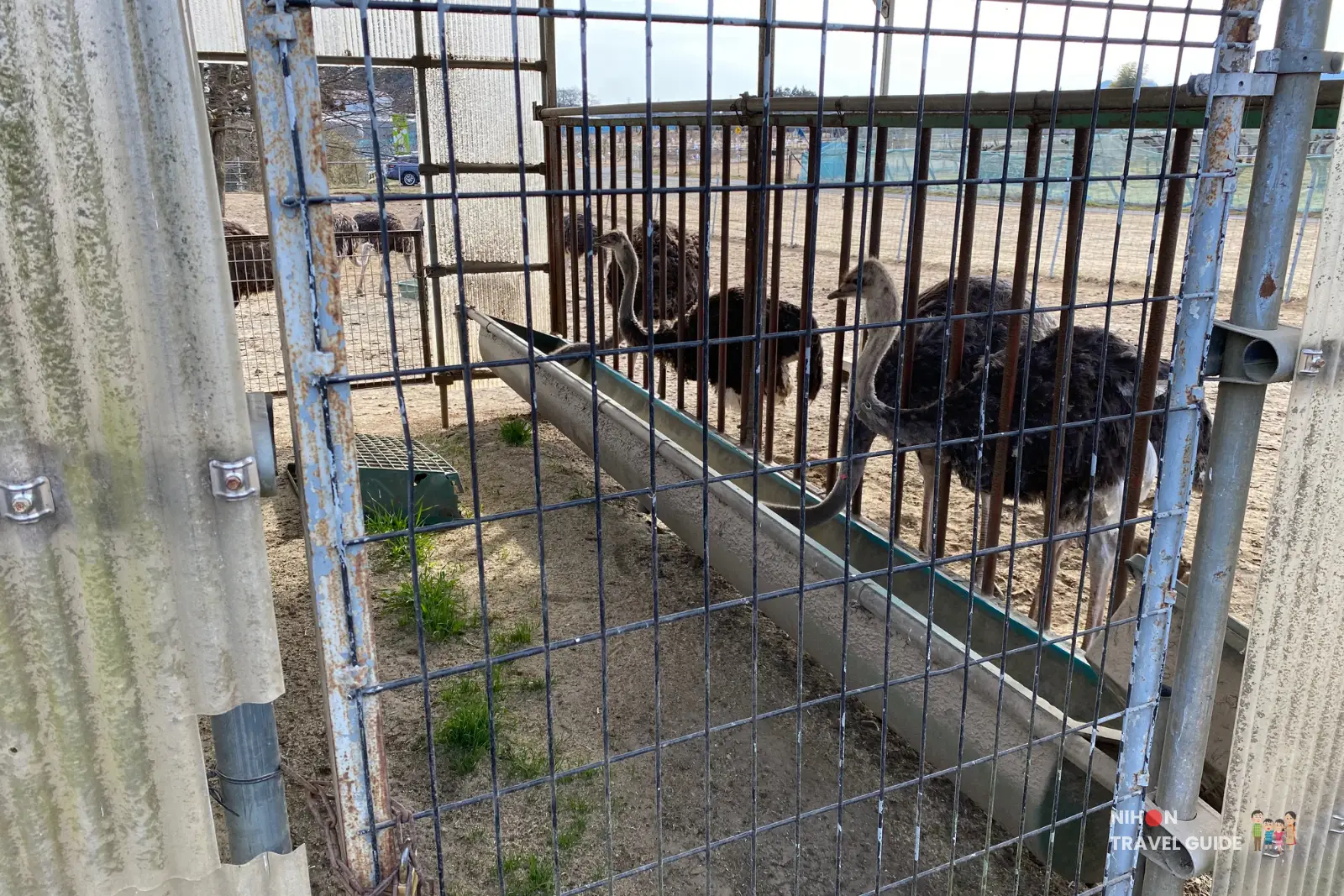
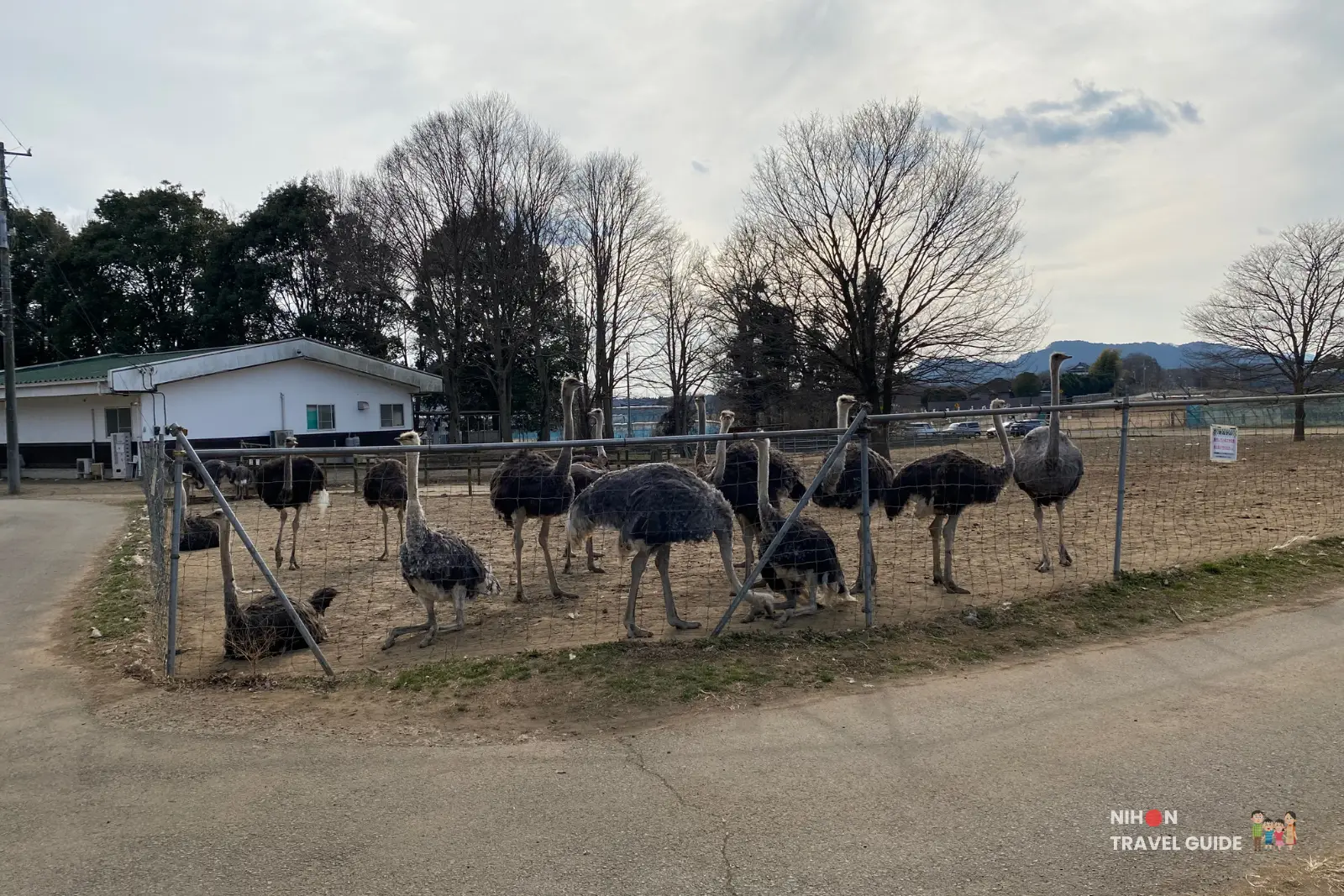
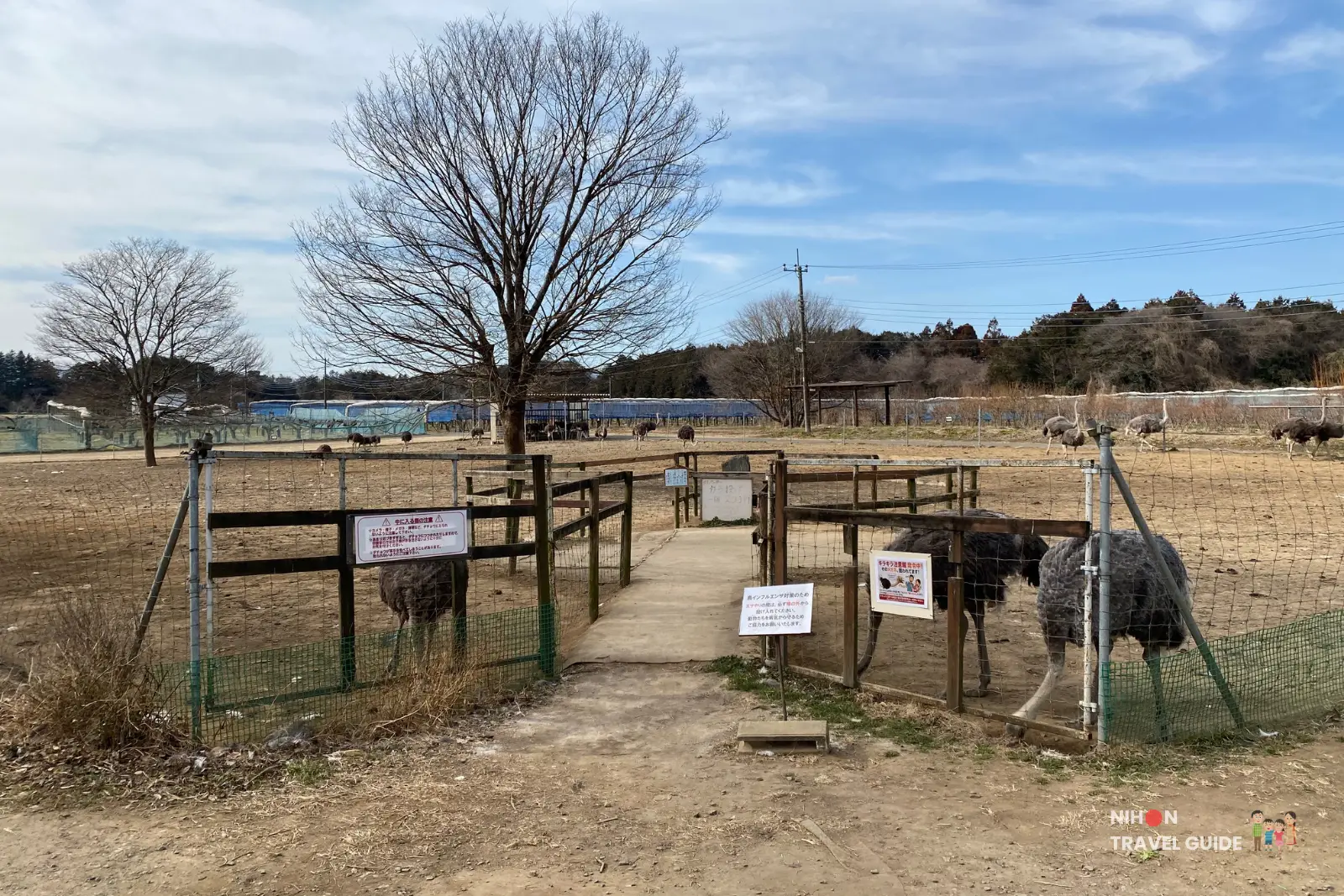
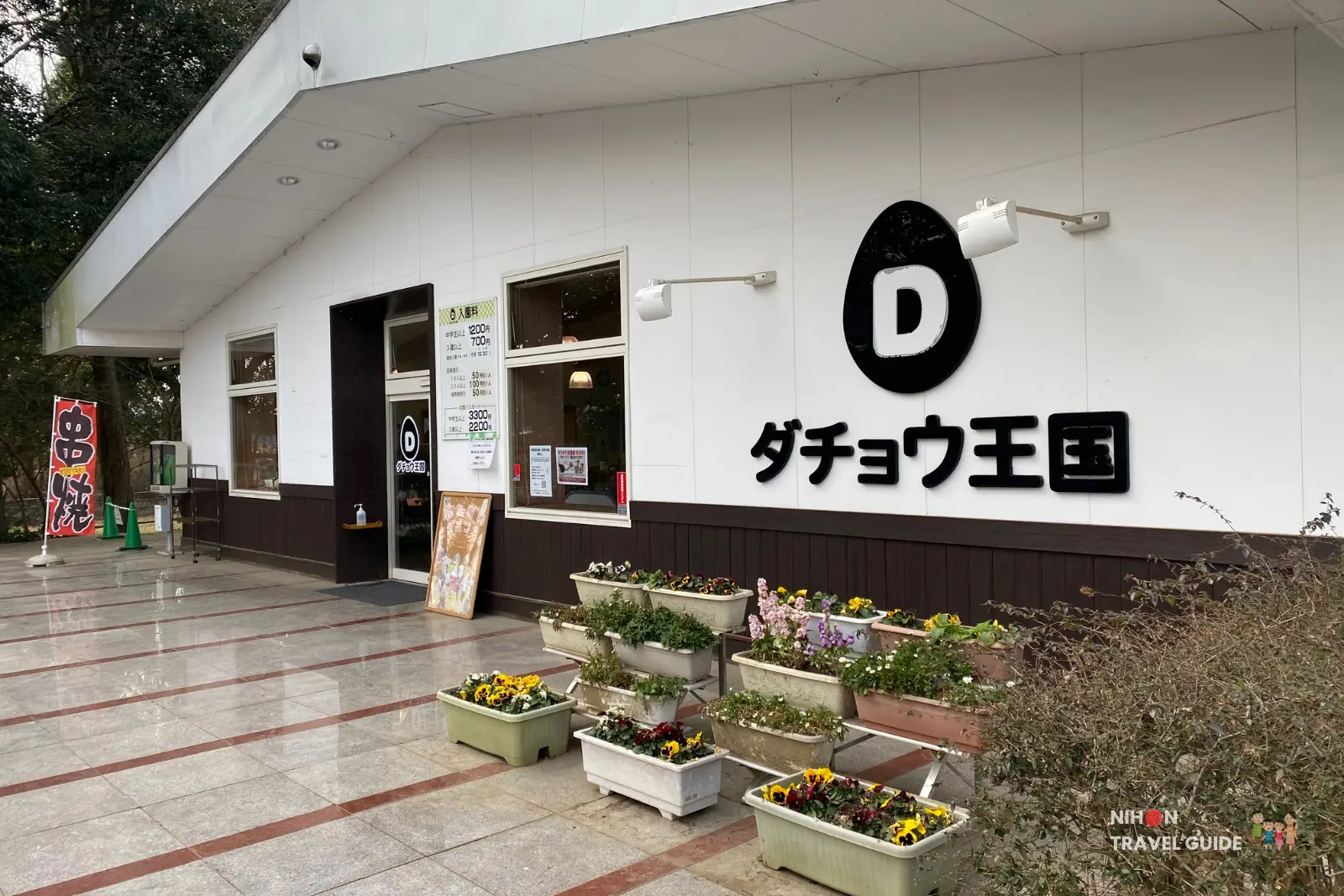
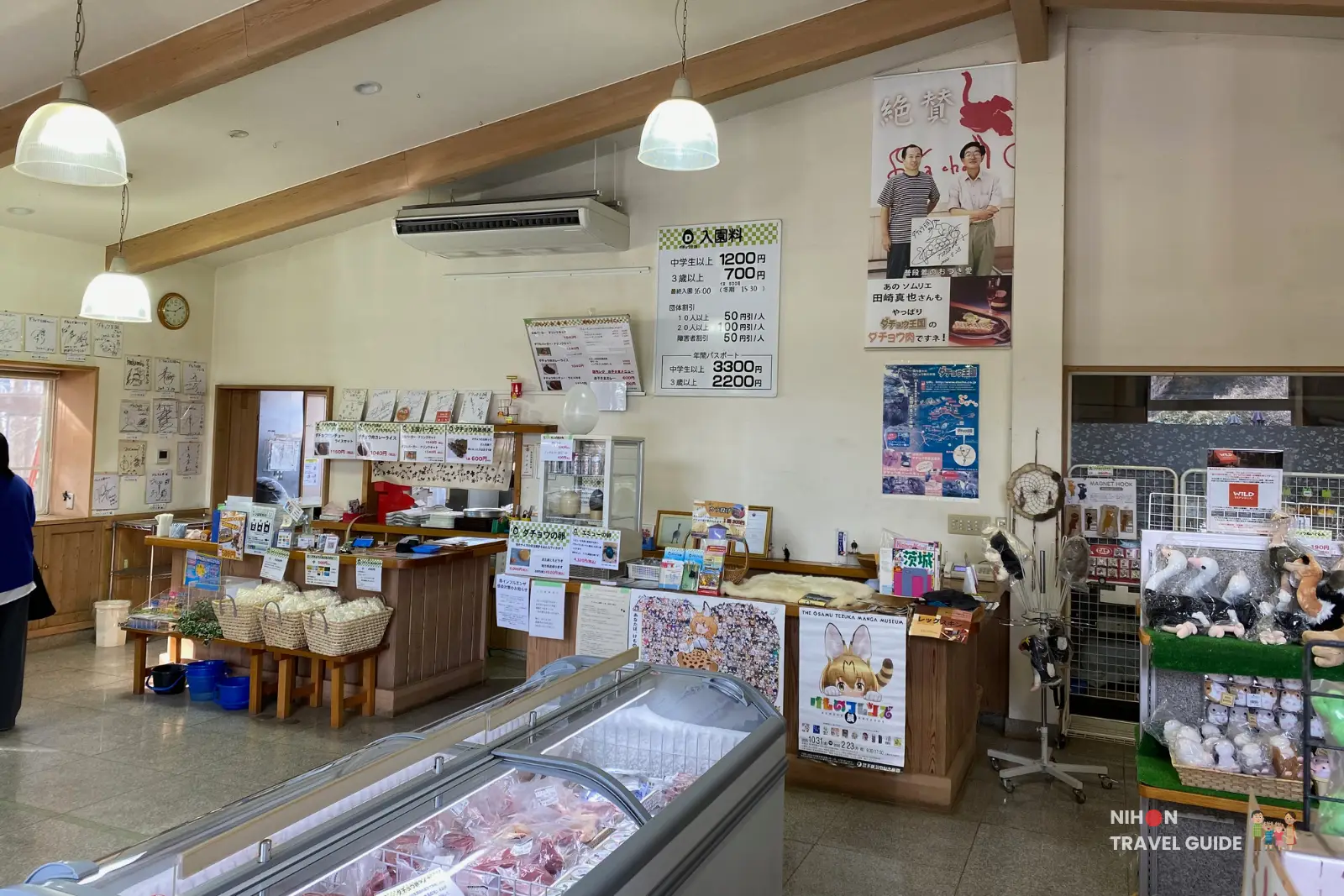
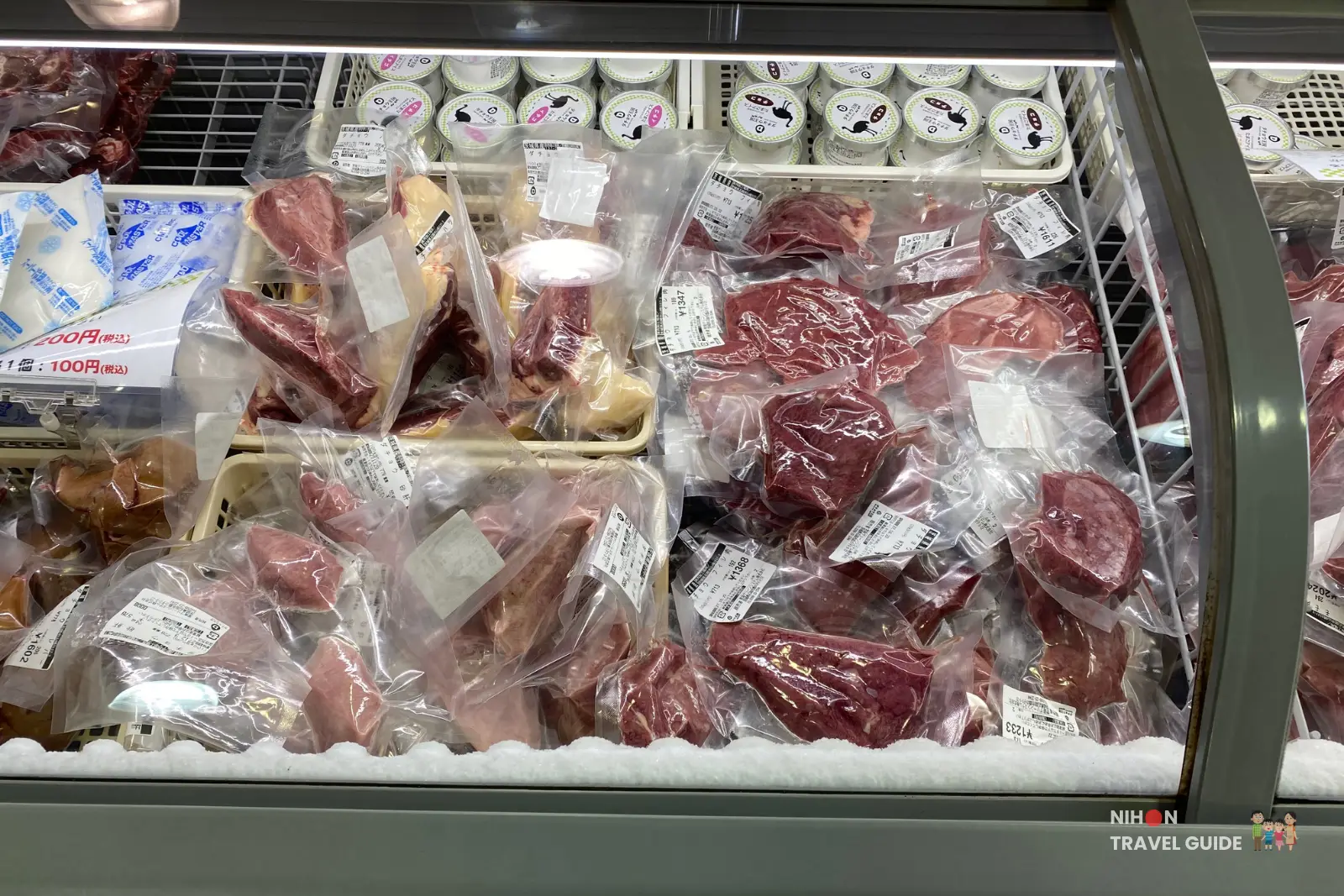
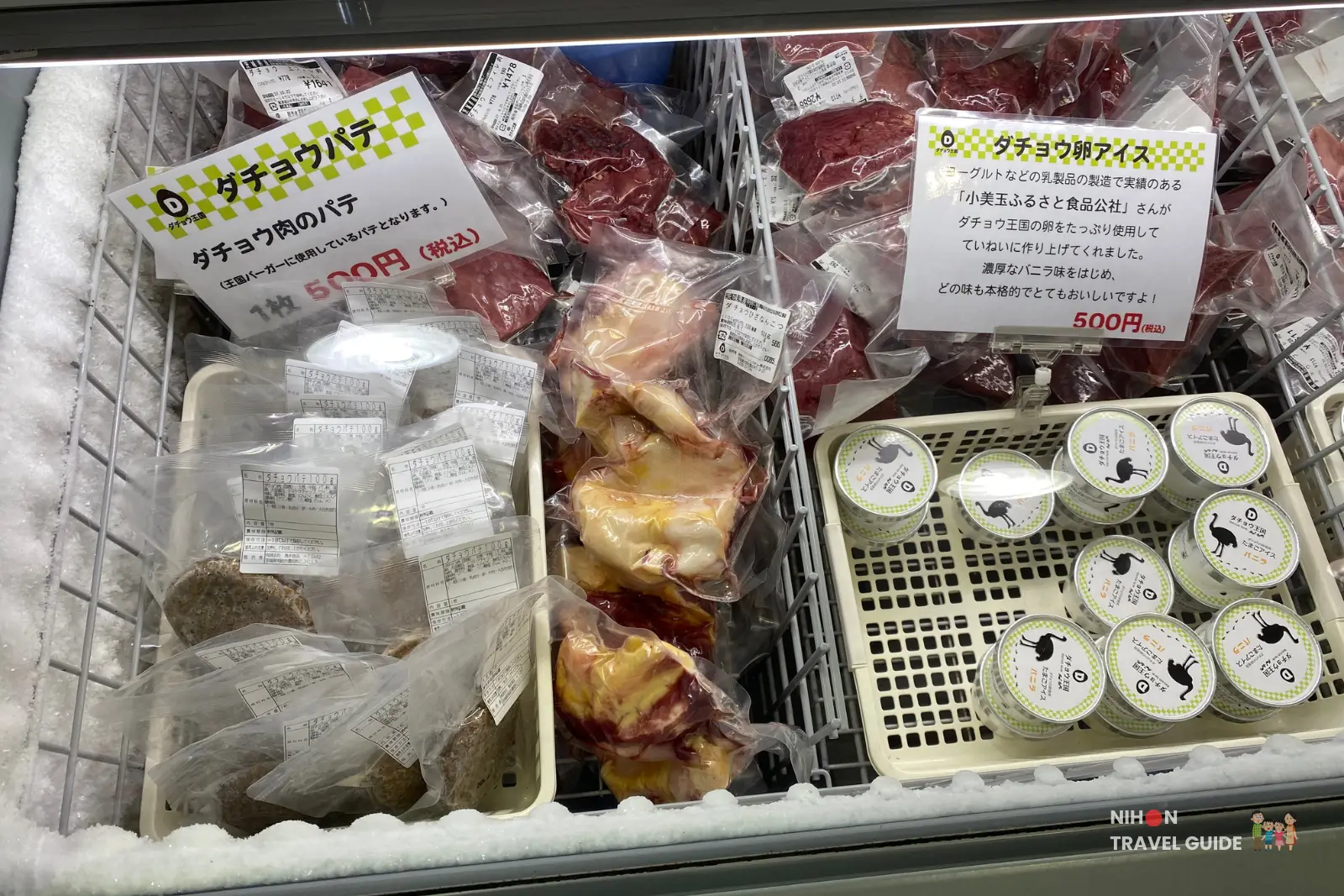
Also technically not in Tsukuba, Ishioka Ostrich Farm is also a really interesting place to visit near Tsukuba. It is home to the biggest collection of Ostriches in Japan (around 1300) and you can see them really up close, feed them and even eat them in the farm restaurant.
Ishioka Ostrich Farm is opened from 10:00am to 4:30pm and tickets cost ¥1200.
If you’re looking for something really quirky and unique near Tsukuba, Ishioka Ostrich Farm is the place for that.
For an afternoon of fun animals and ostriches, check out our guide on Ishioka Ostrich Farm.
#9 Tsukuba Museum of Art
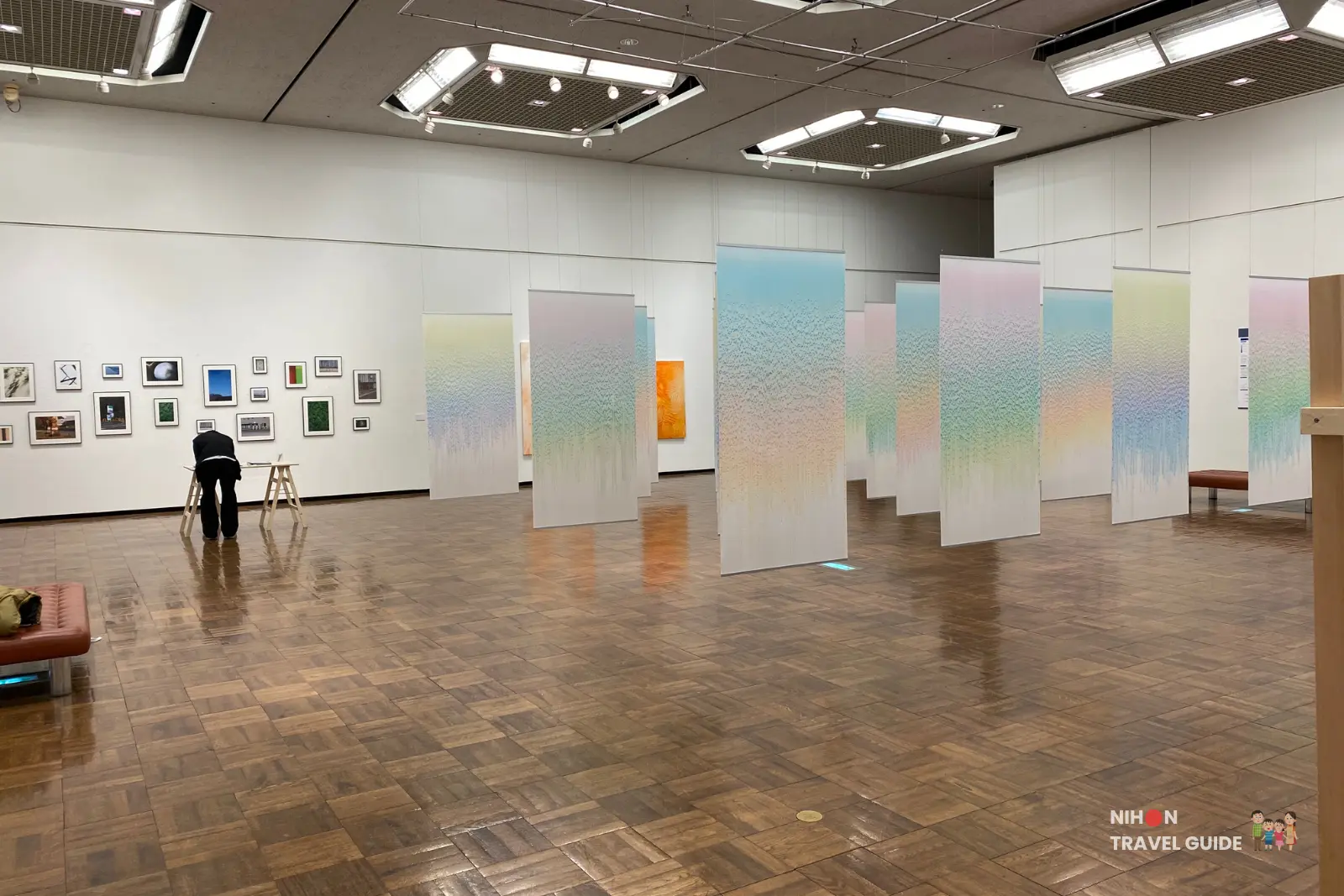
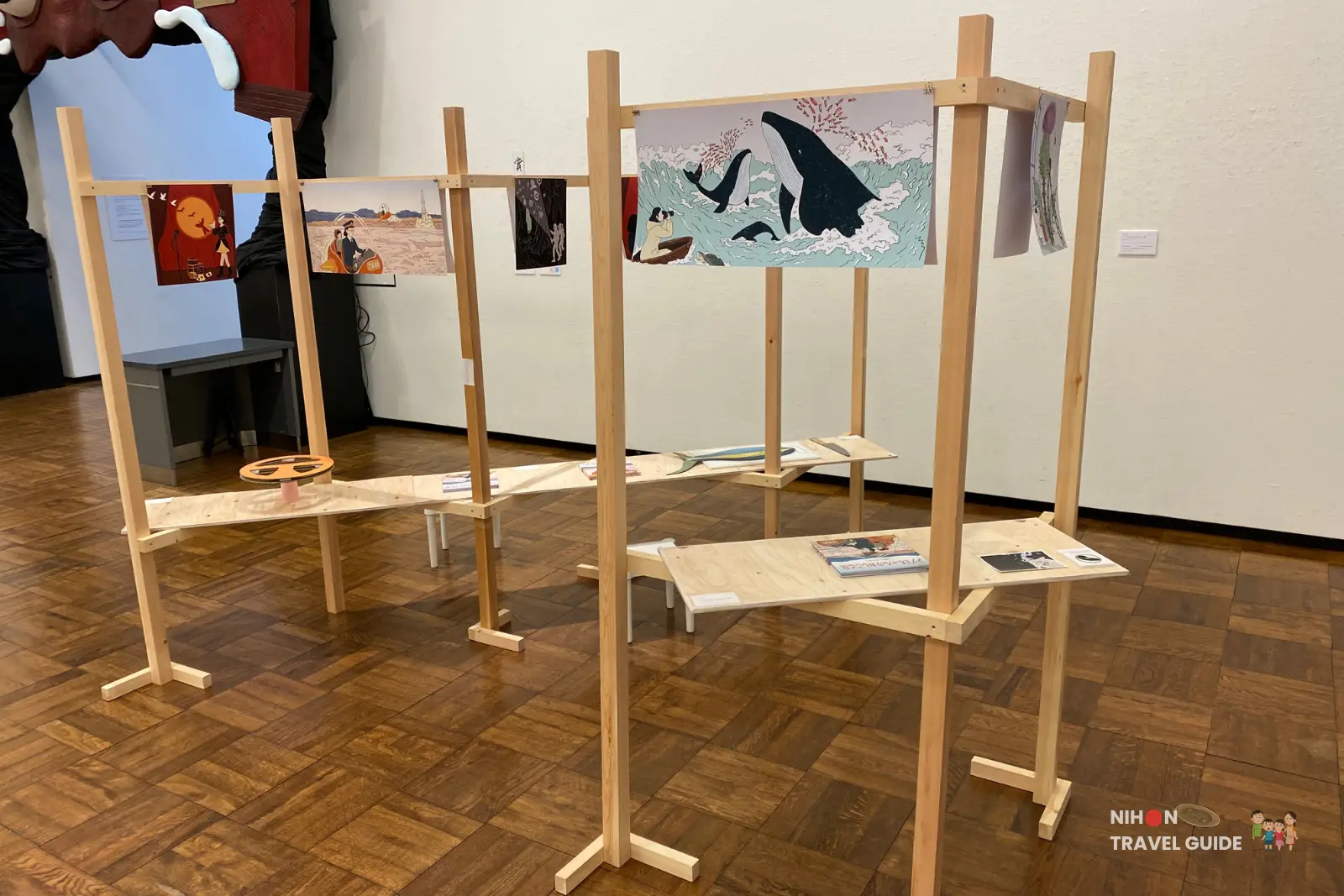
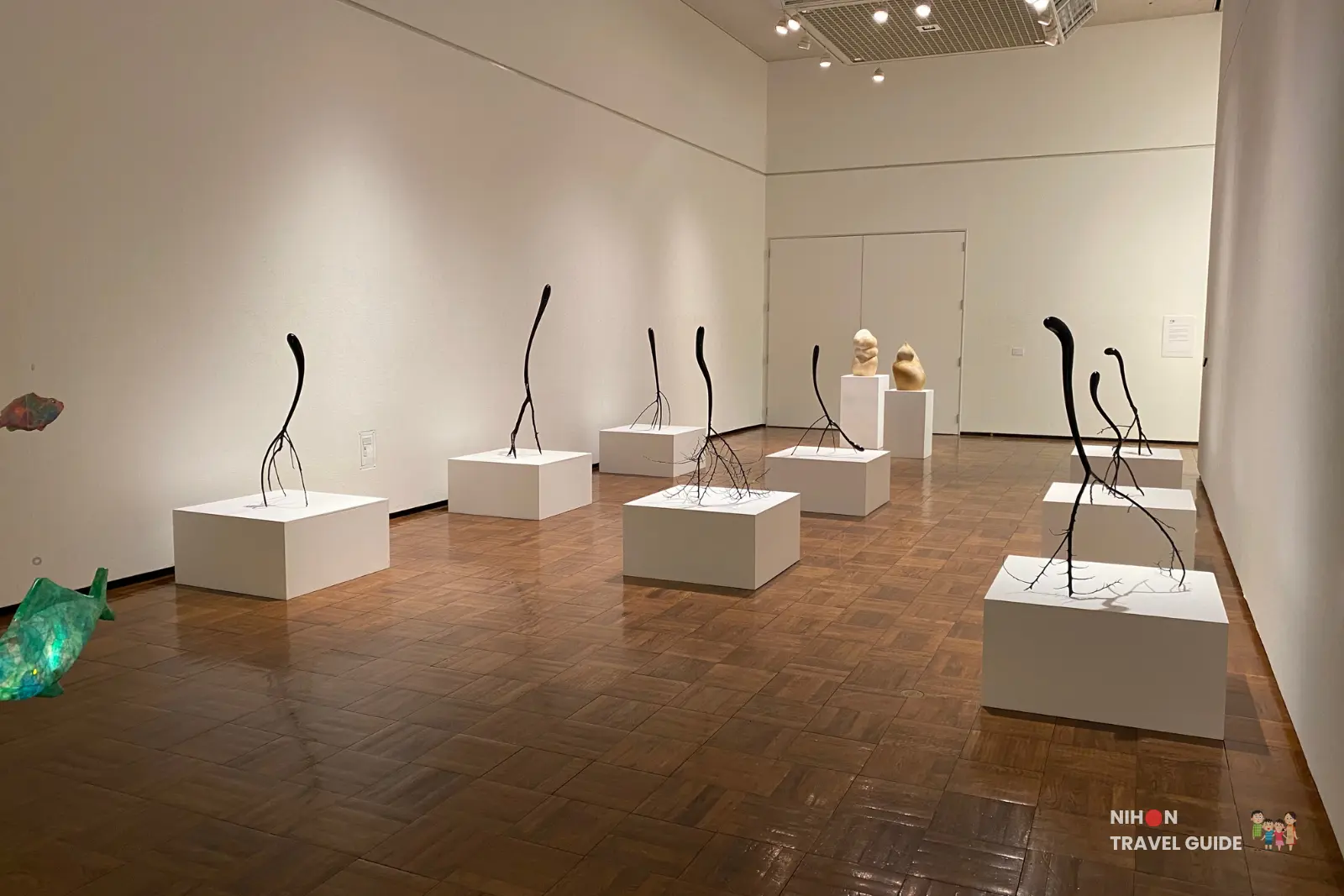
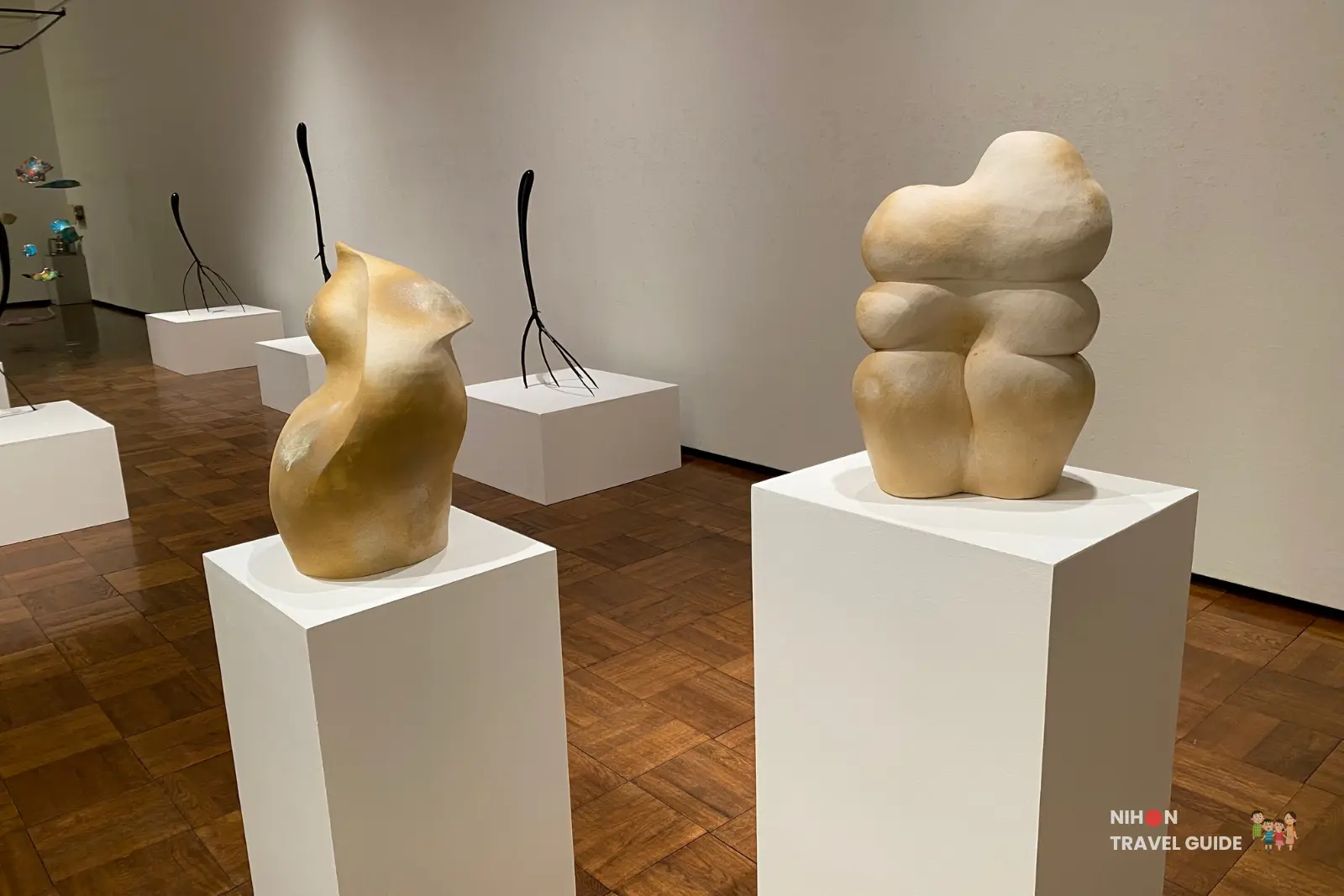
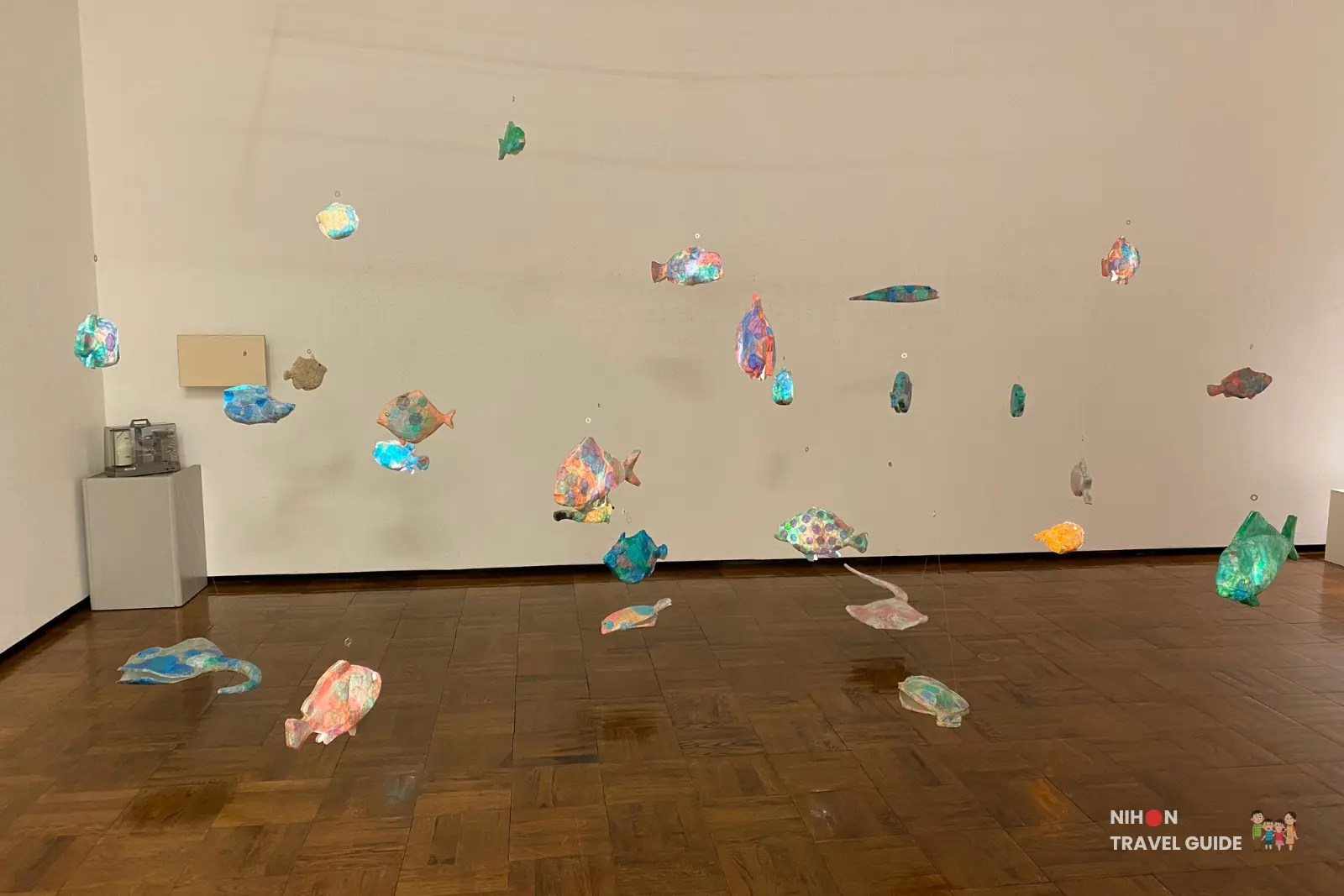
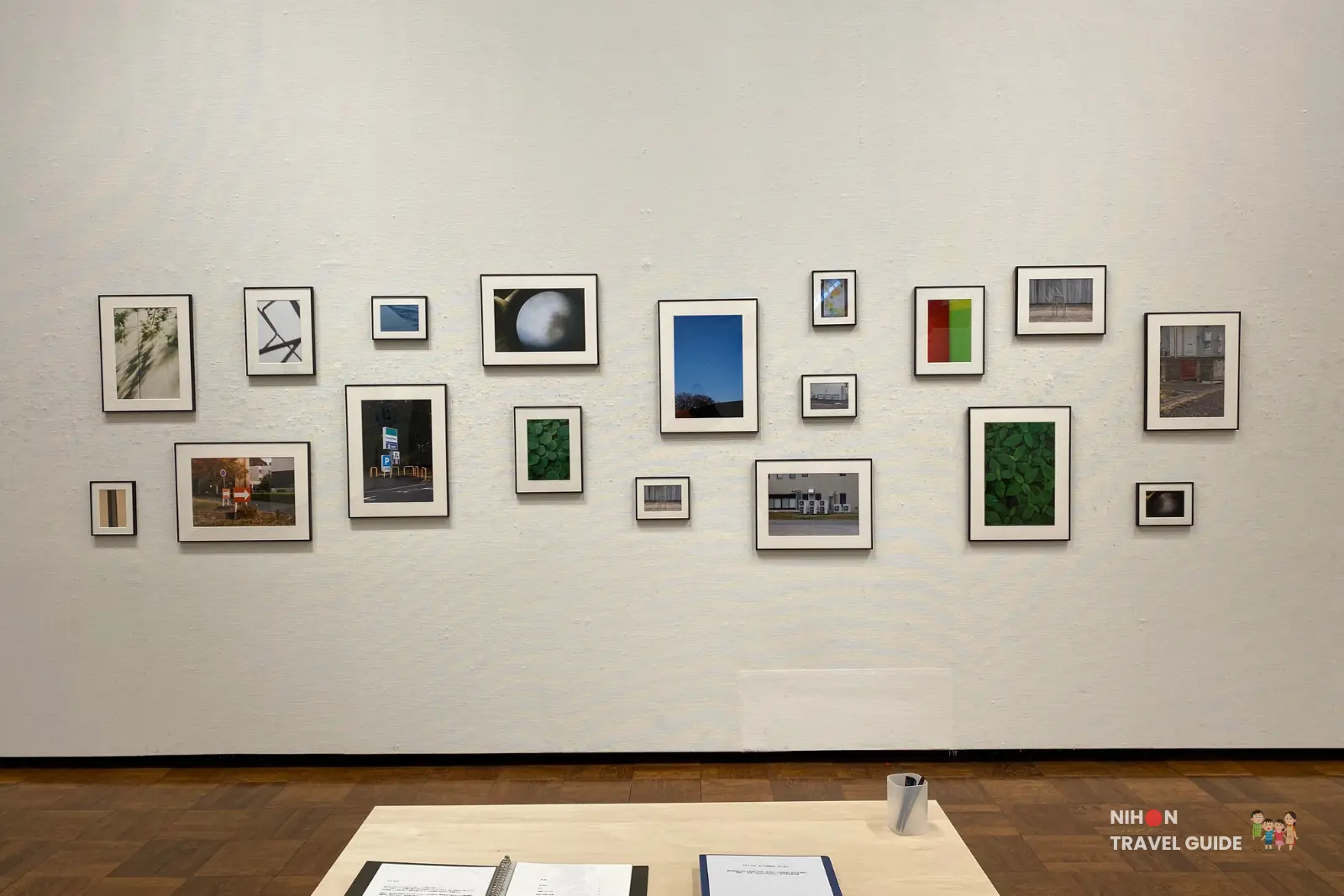
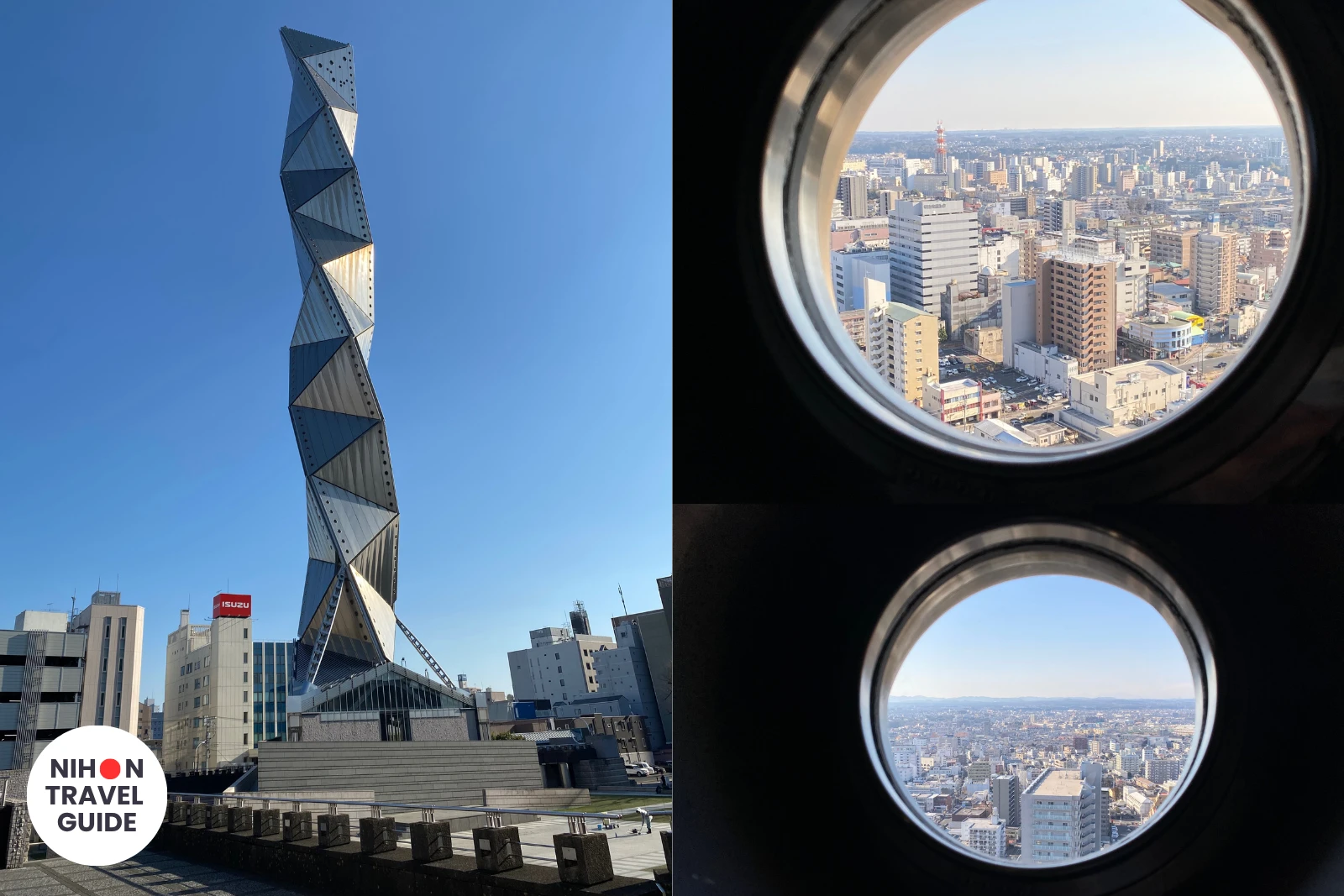
Tucked away in Tsukuba Science City is the Tsukuba Museum of Art Ibaraki. It is a rental style gallery for artists to showcase their artworks. Sort of like a local flea market.
It is a fairly small art museum comparatively and whether you should go depends on what exhibits are going on at the moment. But if you love art and want to check out the local art scene then this would be for you.
Tsukuba Museum of Art Ibaraki is opened everyday (except Monday) from 9:30am to 5:00pm and is free of charge.
Read here for our experience on visiting Tsukuba Museum of Art Ibaraki.
#10 Tsukuba Geological Museum
Next on our list is the Tsukuba Geological Musuem and it literally is a hidden gem as there are more than 170,000 registered specimens of rocks minerals and fossils. You will probably find every rock and mineral you thought existed and so much more.
The museum is really packed with information and you probably will leave without processing everything. You don’t have to be crazy about geology or geography to truly appreciate the museum.
It is opened Tuesday to Sunday from 9:30am – 4:30pm and is free of charge for anyone to enter.
Check back again for our full experience visiting the Tsukuba Geological Museum.
#11 Tsukuba Kasumigaura Ring Ring Road
If you’re into cycling, Tsukuba Kasumigaura Ring Ring Road is a scenic 180km national cycling route and is really popular with cyclists with all levels. The route will take you to places like Mount Tsukuba, Tsuchiura, rural landscapes, rice fields and small towns in Tsukuba.
It’s also a really good place to view flowers in spring as there are many cherry blossoms viewing areas along the cycling route. Many cyclists go for the “hanami cycling” or “flower cycling”.
Tsukuba Kasumigaura Ring Ring Road is opened 24 hours and is free of charge if you bring your own bicycle. Check back again for our full experience visiting the Tsukuba Kasumigaura Ring Ring Road.
#12 Matsumi Park
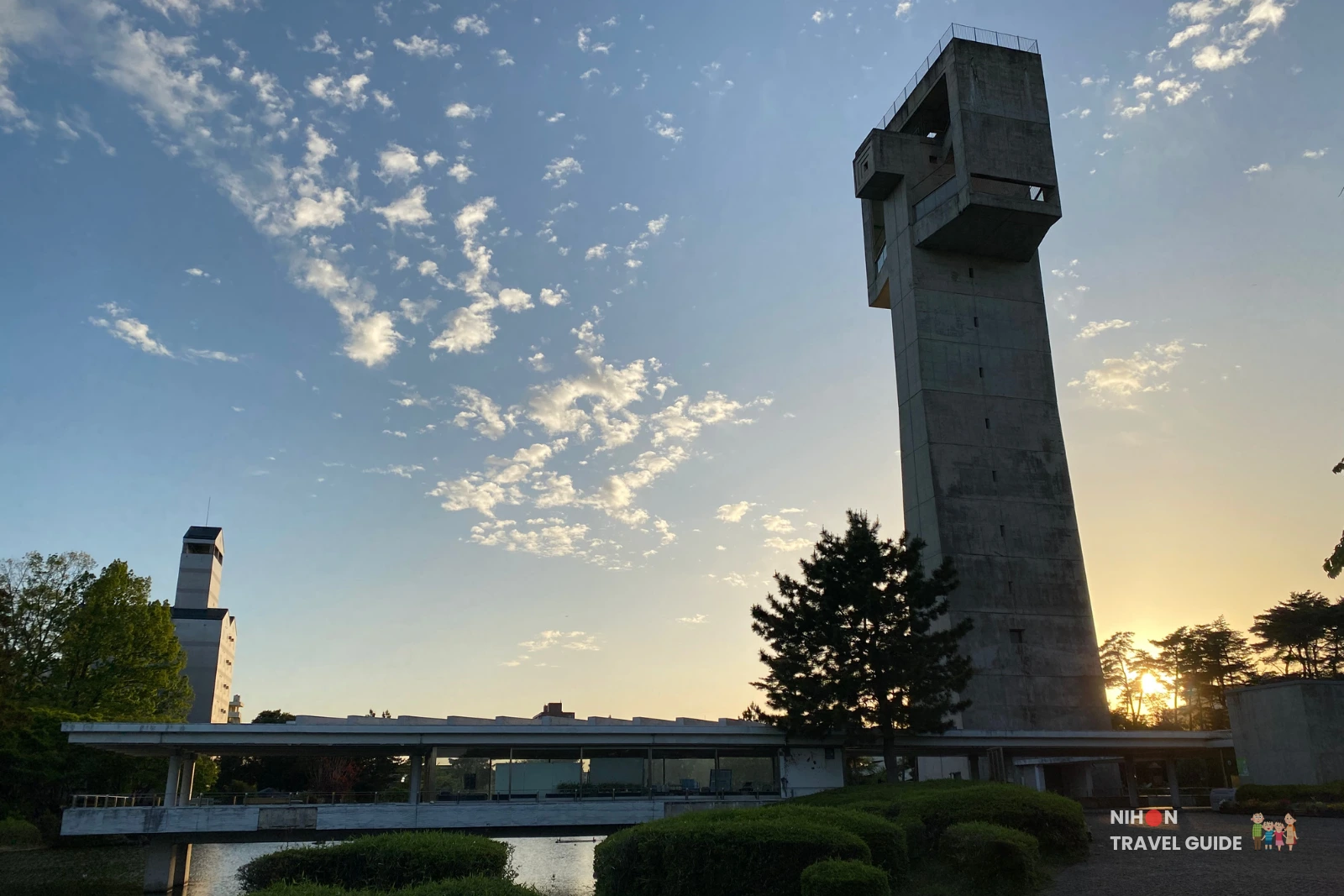
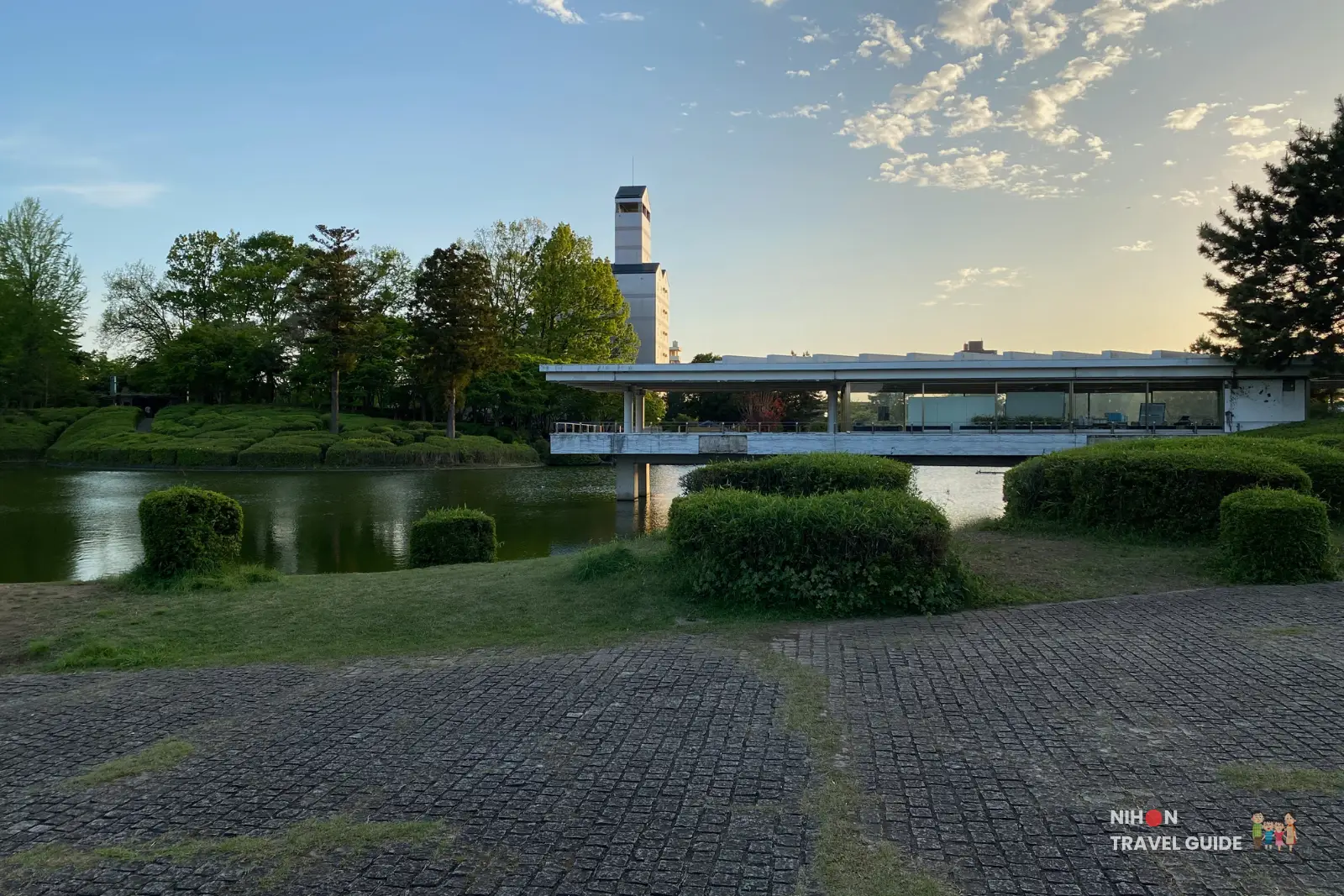
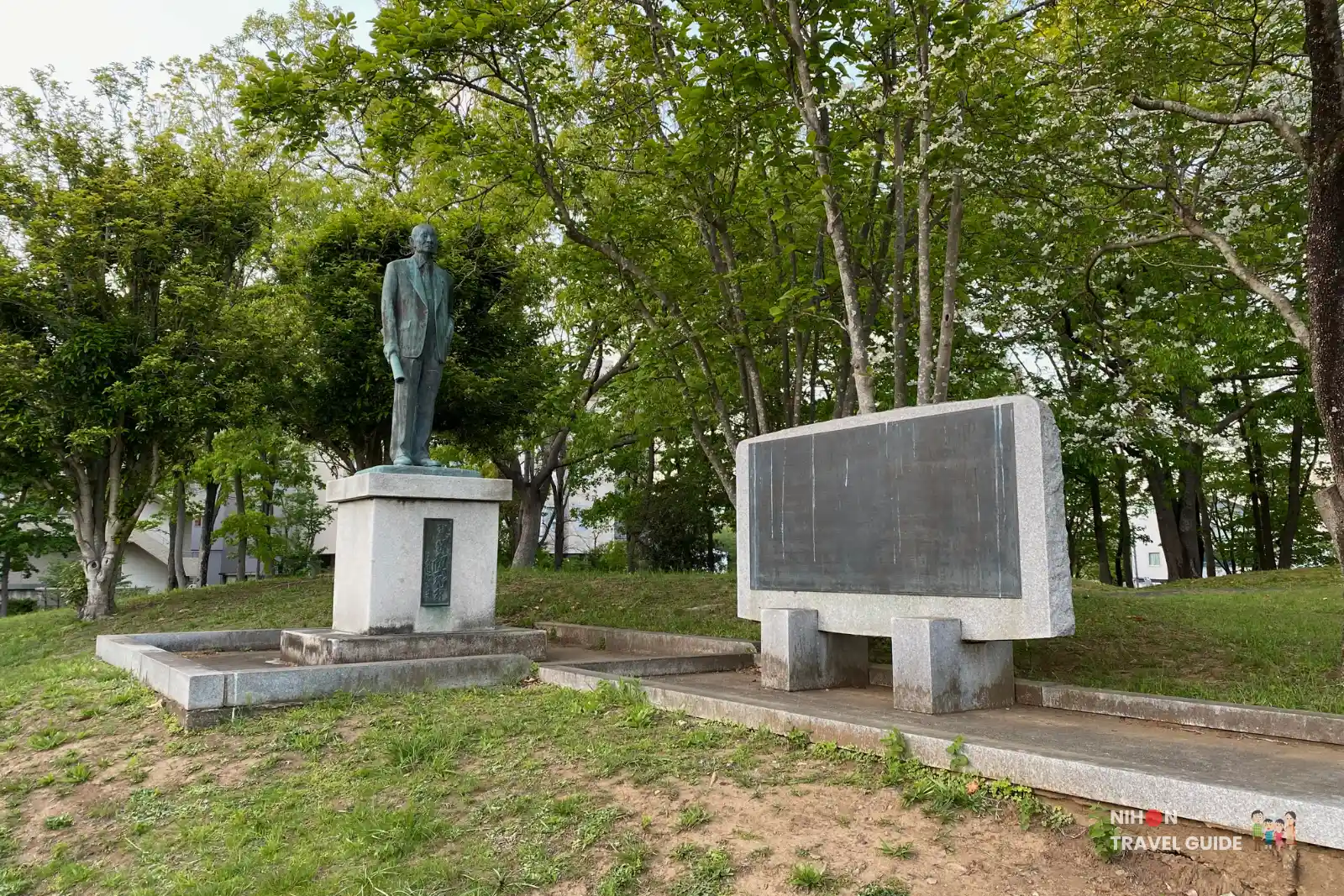
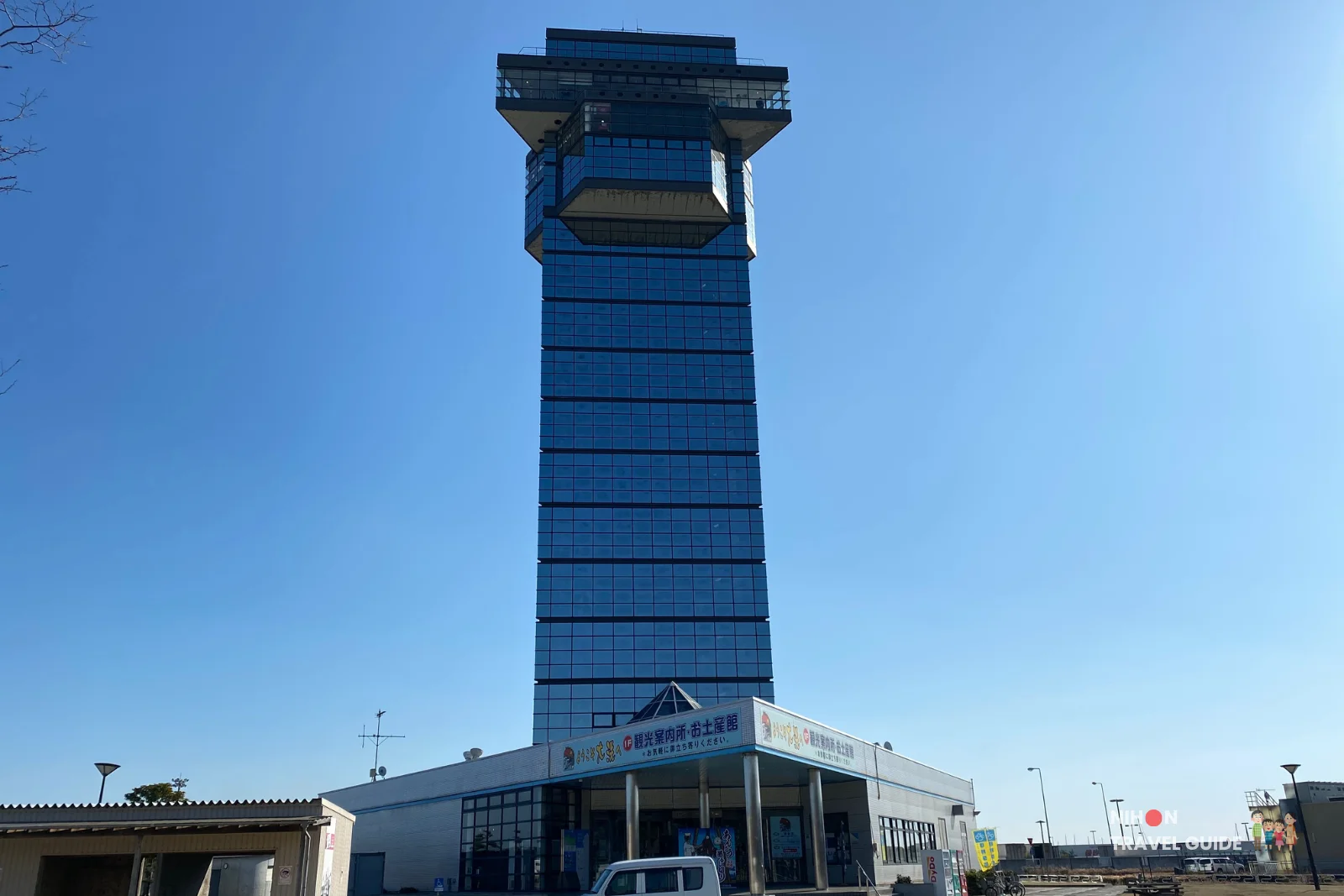
At first glance Matsumi Park seems like an ordinary city park. However, not every city park has a 45m tall observation tower in the middle. The tower will give you 360 degree panoramic views of Tsukuba Science City, Mount Tsukuba and the surrounding area.
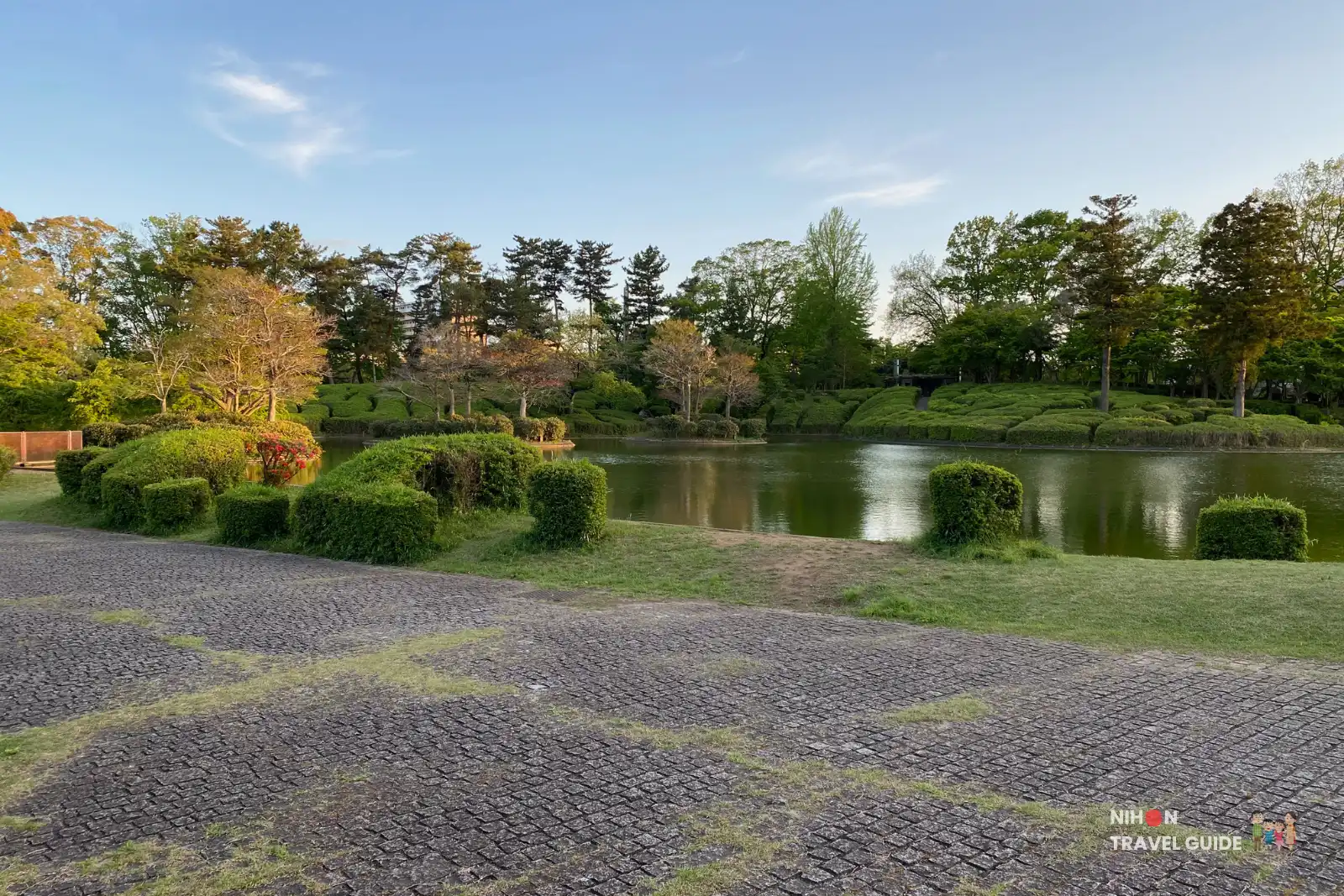
The park also has a large koi pond, garden areas and lots of grass areas for picnics. I didn’t get the chance to go up the tower however but will do so in the future when I get the chance.
Matsumi Park is opened 24 hours (as any other park) but the Observation Tower itself is opened from 9:00am to 5:00pm and costs ¥100 to enter.
Much more to come…
While these are most of the main attractions in Tsukuba, there are some other interesting places that I have spotted but have not had the chance to visit. I will be updating this article once I have visited those places.
Where to Stay – R9 The Yard Hotel Tsukuba
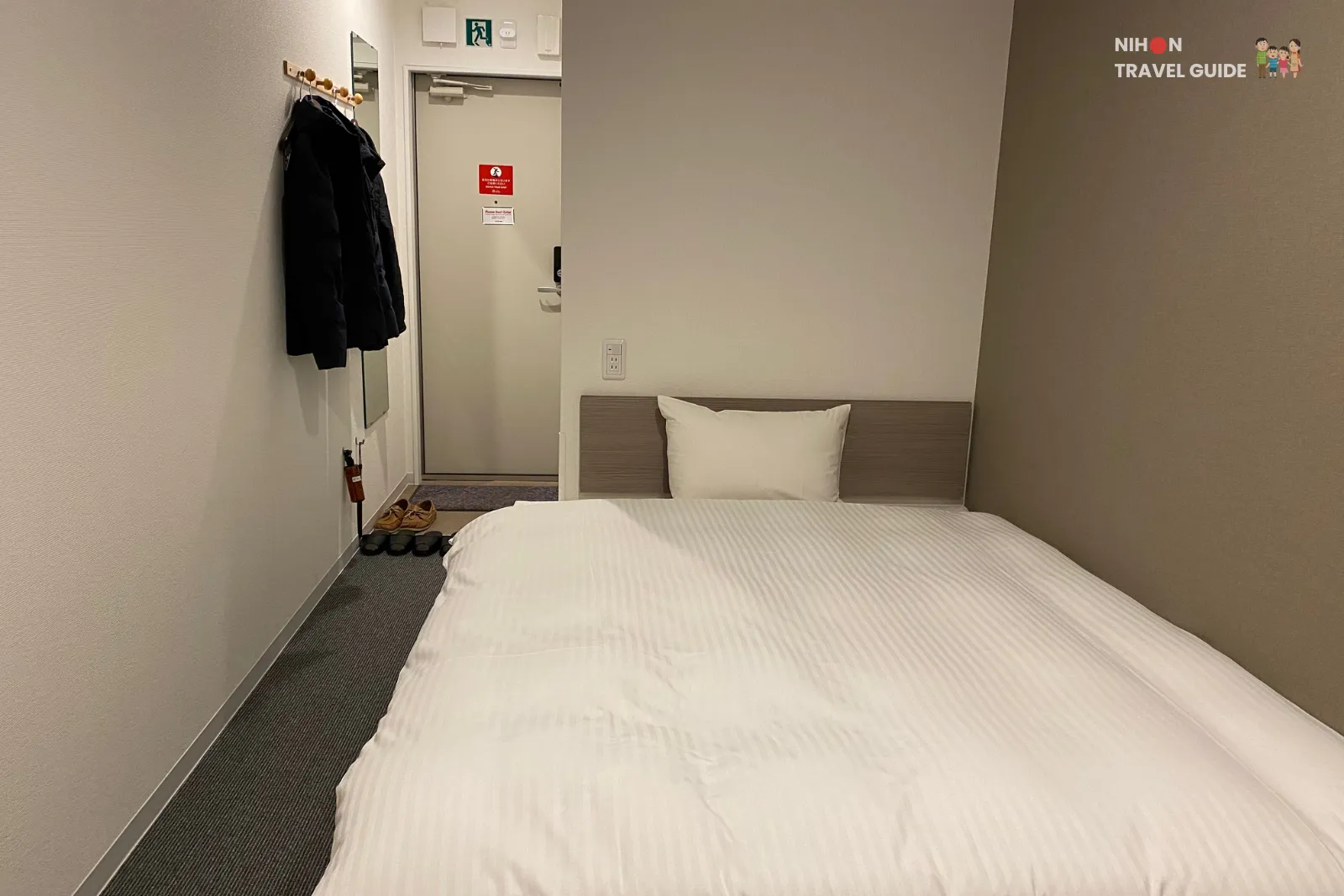
If you would like to stay in Tsukuba, you can consider staying at hotels such as the Daiwa Roynet Hotel Tsukuba. It is right next to Tsukuba Station and it’s a short walk to most attractions in Tsukuba like the Tsukuba Expo Center and JAXA Space Museum.
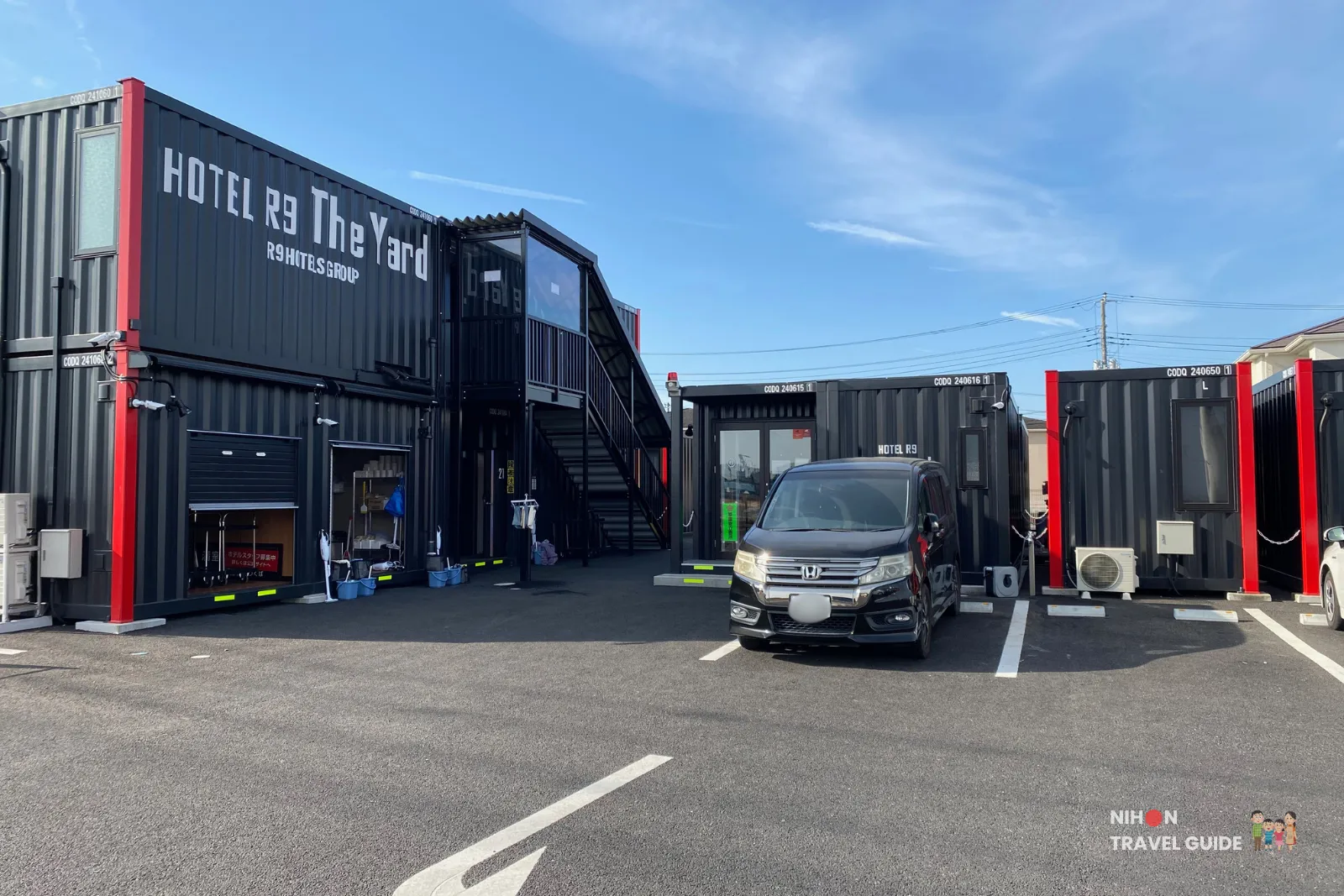
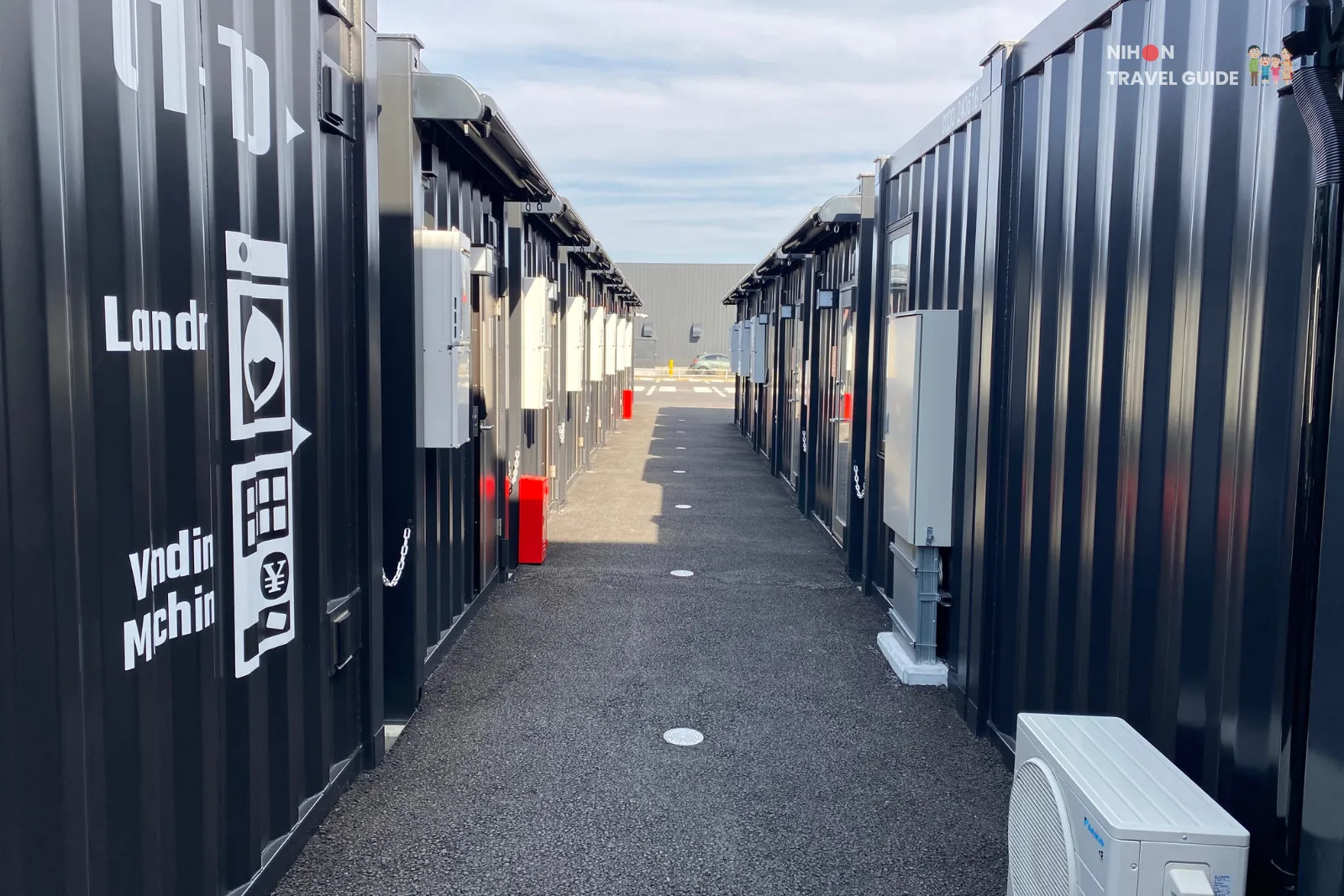
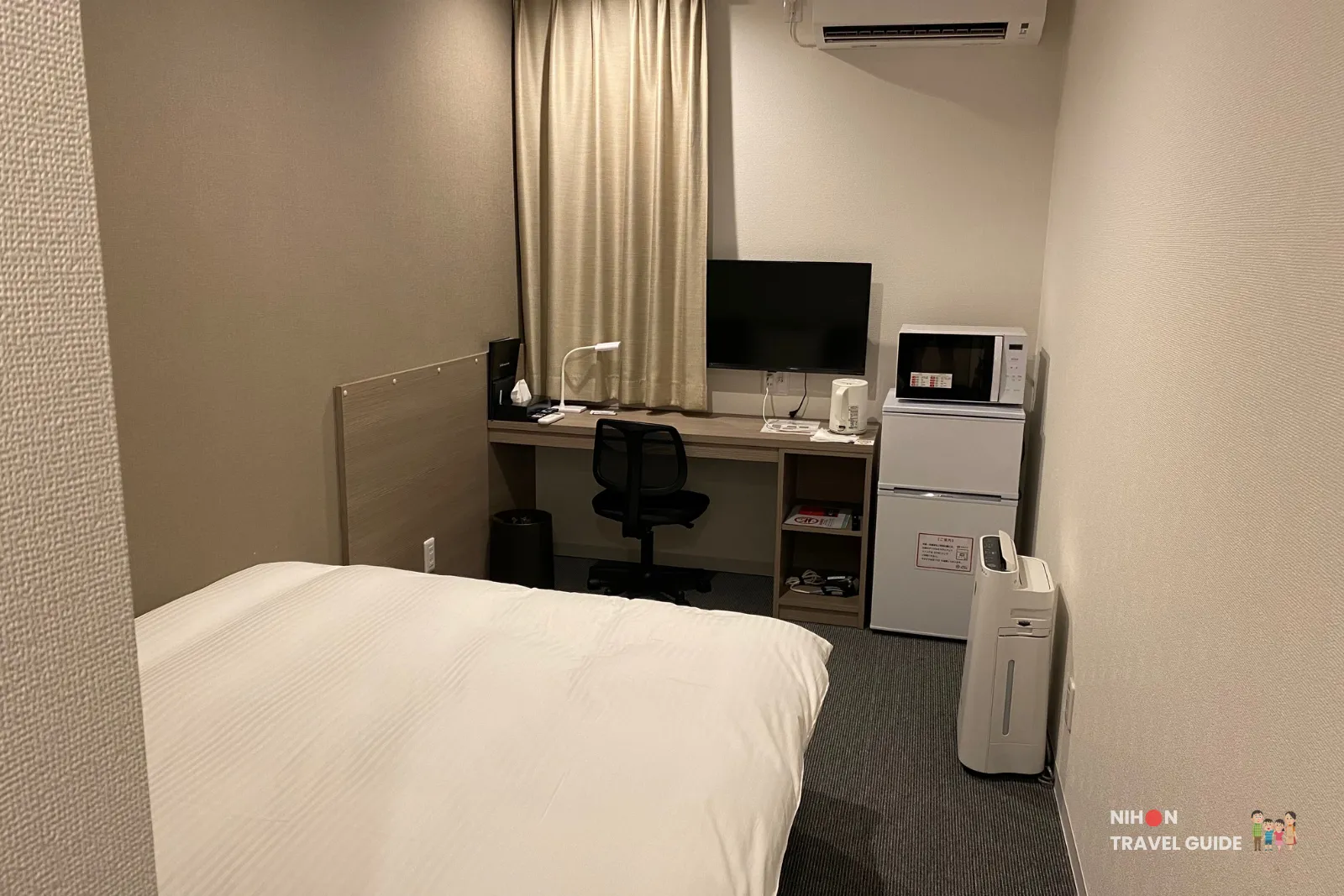
If you happen to be on a driving holiday, you can consider staying at the R9 The Yard Hotels. There is one in Tsukuba and they are really functional, no-frills container like hotel rooms that are really affordable.
They are usually further out from the city centre, but R9 The Yard Hotel Tsukuba is only about 15 minute drive from Tsukuba.
Read about our experience staying at R9 The Yard Hotel Tsukuba. Including room details, pricing and tips for a 7 night stay.
Shopping in Tsukuba
Aeon Mall Tsukuba
Aeon Mall Tsukuba is probably the biggest mall in Tsukuba. And if you’re not familiar, Aeon Mall is a huge suburban Japanese shopping mall with pretty much everything you are looking for. Supermarkets, clothes stores, lifestyle shops, food places, and a cinema.
It’s the place where local families go to shop, eat, and hang out, rather than a “must‑see” tourist attraction, but it’s incredibly handy if you need clothes, everyday items, or an easy meal in one stop.
Ami Premium Outlets

Just next to Aeon Mall Tsukuba is Ami Premium Outlets. They are a chain of outlet malls that sell a variety of stuff for cheaper prices (usually). They have about 160 over stores selling things from fashion, sports, lifestyle and accessories. There are also lots of restaurants, cafes and food places.
Also technically not in Tsukuba, it is only about a 30 minute drive from Tsukuba City Center. It is not really busy during the weekdays and it is almost a ghost town on weekday evenings. There is plenty of parking and lots of seating space in the restaurants.
Tonya Coffee
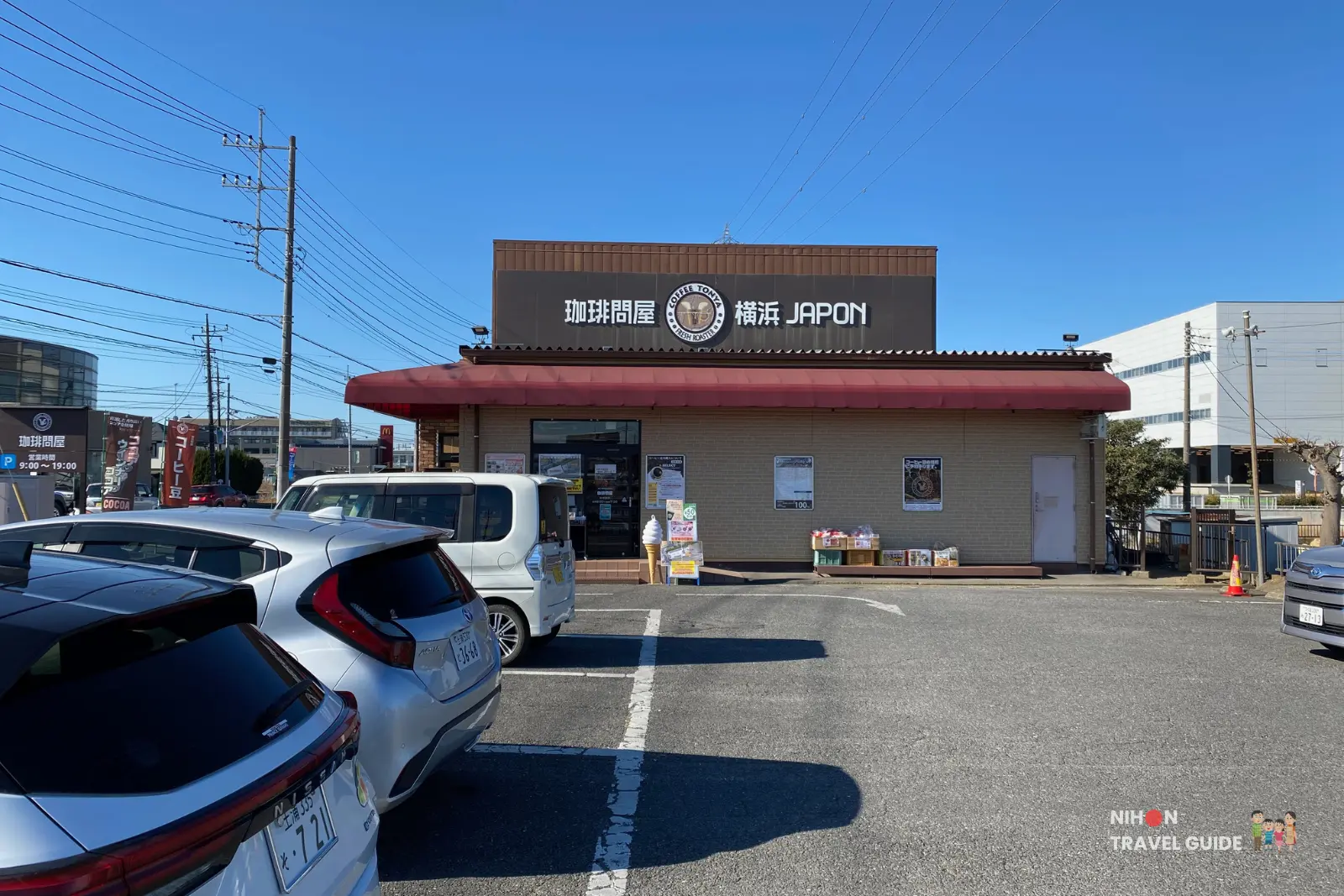
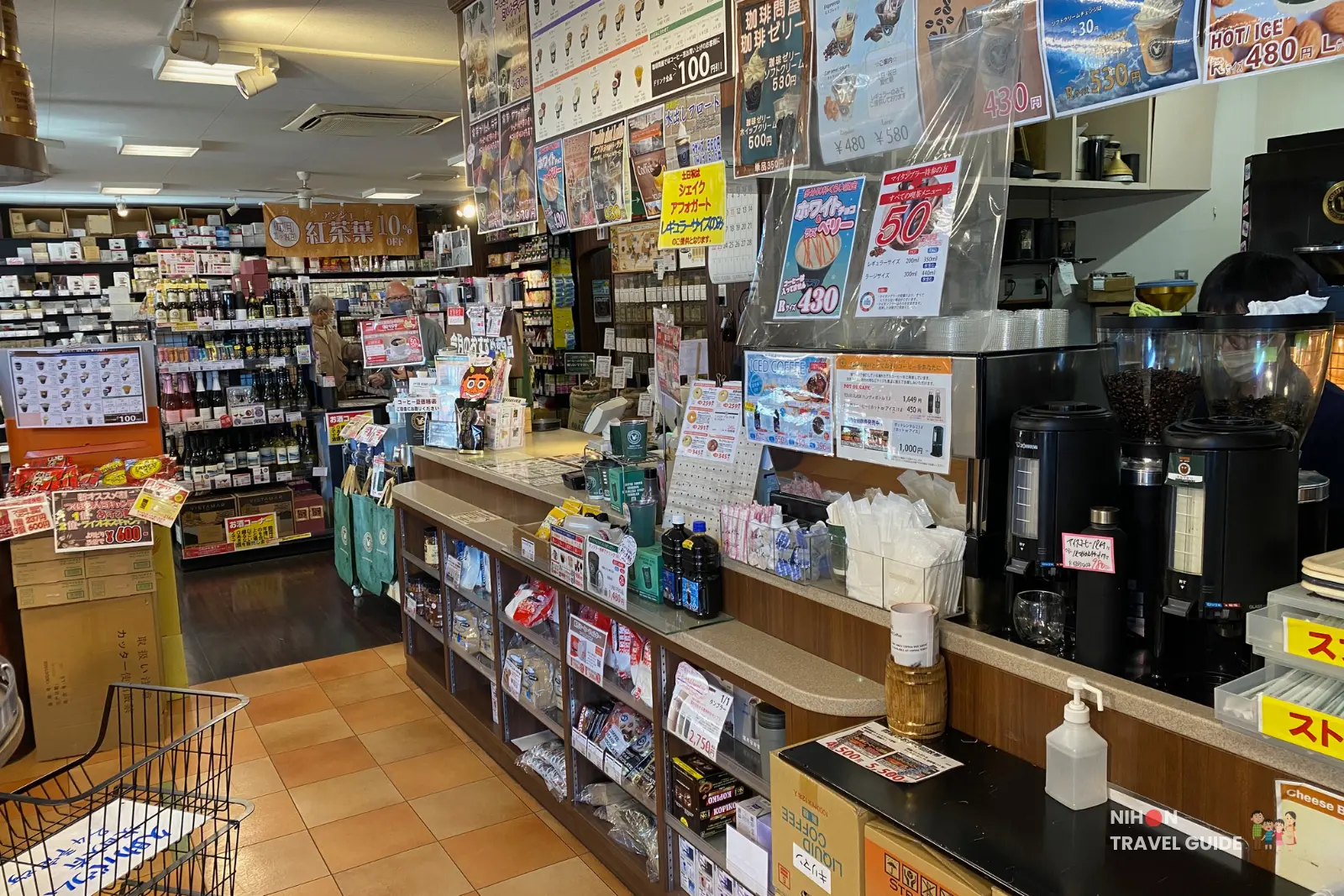
One of the more interesting food places I found was Tonya Coffee and it is literally a “coffee shop” where they not only sell coffee but all sorts of coffee beans, coffee powder, coffee machines, coffee mugs and tumblers etc.
They have a loyalty members app as well that you can earn points. The app is in Japanese but there are English instructions on their website.
Komeda Coffee
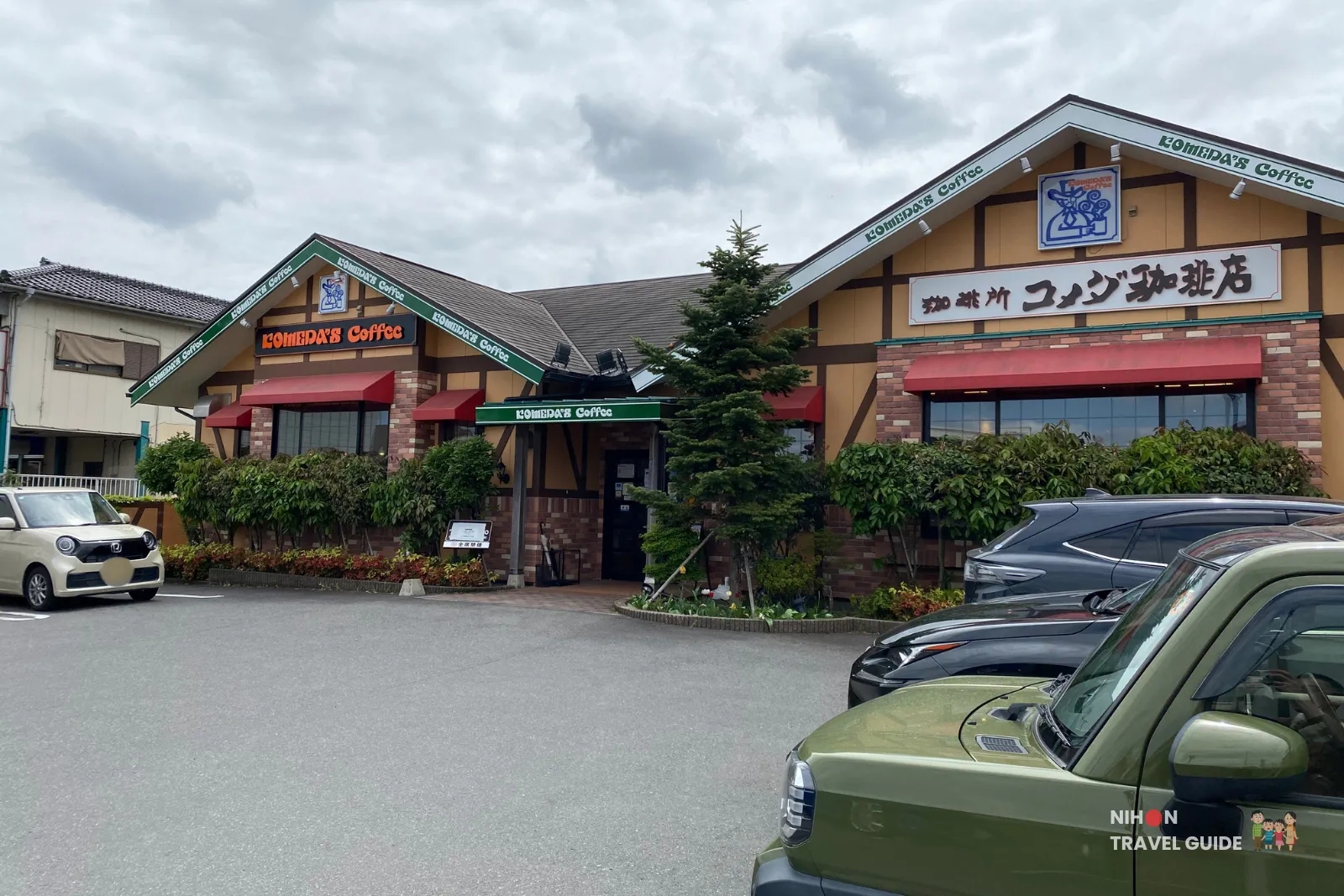
Another great coffee place in Tsukuba to visit is Komeda Coffee. They serve mainly breakfast food and coffee. It’s probably famous for it’s morning set where you can get free delicious bread whenever you order any coffee.
I didn’t visit the outlet in Tsukuba specifically, but I have been stopping by at Komeda Coffee around Ibaraki. If you are looking for a breakfast place in Tsukuba consider visiting the outlet in Tsukuba.

How to Get Around Tsukuba
While Tsukuba has a good bus service with the Kantetsu Bus and Tsukuba Bus (つくバス), it is still a better idea to rent a car to drive as some of the attractions are a bit far apart from each other. Especially if you would like to cut travel times and see as much as possible within each day.
But Tsukuba Science City is certainly not a super rural Japanese town with bad public transport.
Tsukuba Itineraries
Here are some sample Itineraries that you can try when visiting Tsukuba:
Tsukuba Science Day
Tsukuba Science Day
Tsukuba Nature Day
Tsukuba Nature Day
4 Day Tsukuba Itinerary
The Complete Tsukuba Experience
FAQ – Things to do in Tsukuba
1) Is Tsukuba worth visiting as a day trip from Tokyo?
Yes for most places — about 1 hour from Tokyo by Tsukuba Express or Highway Bus. JAXA Space Center and Tsukuba Expo Center can easily fill a half day. Add Mount Tsukuba for a full day. Best visited on a clear day for mountain views.
2) How many days do you need in Tsukuba?
1 day is enough to cover 2-3 attractions. 2 days lets you explore more comfortably — Mount Tsukuba, the shrine, JAXA, Expo Center and one of the flower parks. Staying overnight at R9 The Yard is a good affordable option for drivers.
3) What is Tsukuba famous for?
Tsukuba is famous as Japan’s Science City — home to JAXA, the University of Tsukuba and over 150 research institutes. It hosted the 1985 World Expo (Expo ’85). It’s also known for Mount Tsukuba, one of Ibaraki’s most iconic landmarks.
4) Is Tsukuba good for families?
Yes — JAXA Space Center has interactive exhibits and free entry. Tsukuba Expo Center has a hands-on Fun Science Zone for kids. Ishioka Ostrich Farm nearby is great for younger children. Most attractions are manageable with strollers.
5) What is the best thing to do in Tsukuba?
JAXA Tsukuba Space Center is the most unique attraction — free entry and genuinely impressive spacecraft exhibits. Mount Tsukuba is the most iconic. If visiting in spring the flower parks are unmissable. Most visitors should prioritise JAXA and Mount Tsukuba if time is limited.
6) How far is Tsukuba from Tokyo?
About 1 hour by Tsukuba Express from Akihabara (¥1,280) or 1 hour 10 minutes by Tsukuba-go Highway Bus from Tokyo Station Yaesu South Exit (¥1,260). By car it takes approximately 1 hour depending on traffic.
7) Do I need a car in Tsukuba?
Not essential but recommended. The city has bus services (Kantetsu Bus and つくバス) but attractions are spread out. A car makes it much easier to visit JAXA, Tsukuba Expo Center, the flower parks and Ishioka in one day. Free parking is available at JAXA and Tsukuba Expo Center.
8) When is the best time to visit Tsukuba?
Spring (March–May) for cherry blossoms and flower parks. Autumn (September–November) for foliage and the clearest views from Mount Tsukuba and observation decks. Winter is quieter with fewer crowds — good for hiking Mount Tsukuba in cooler temperatures.
9) What flowers can I see in Tsukuba?
Cherry blossoms in late March to early April at Doho Park and along the Ring Ring Road. Peonies at Tsukuba Peony Garden from April to May. Roses at Ibaraki Flower Park from May to June. Wisteria, tulips and hydrangeas also available across the flower parks in spring and early summer.
10) Is Tsukuba safe for tourists?
Yes — Tsukuba is a safe, modern university city. English signage is available at major attractions like JAXA and Tsukuba Expo Center. Staff at most venues are helpful even with limited English. Having Google Translate handy is useful for menus and smaller local spots.

Written by
Timothy Leong
Timothy is a Singapore-born, Japan-based digital marketer turned hidden-gem hunter. After ditching spreadsheets for Google Maps, he now lives full-time in Japan, chasing quiet towns, real ramen, and off-grid train routes. Every photo and tip on Nihon Travel Guide is 100% his — no AI, no fluff, no Tokyo Tower.
More about Timothy →