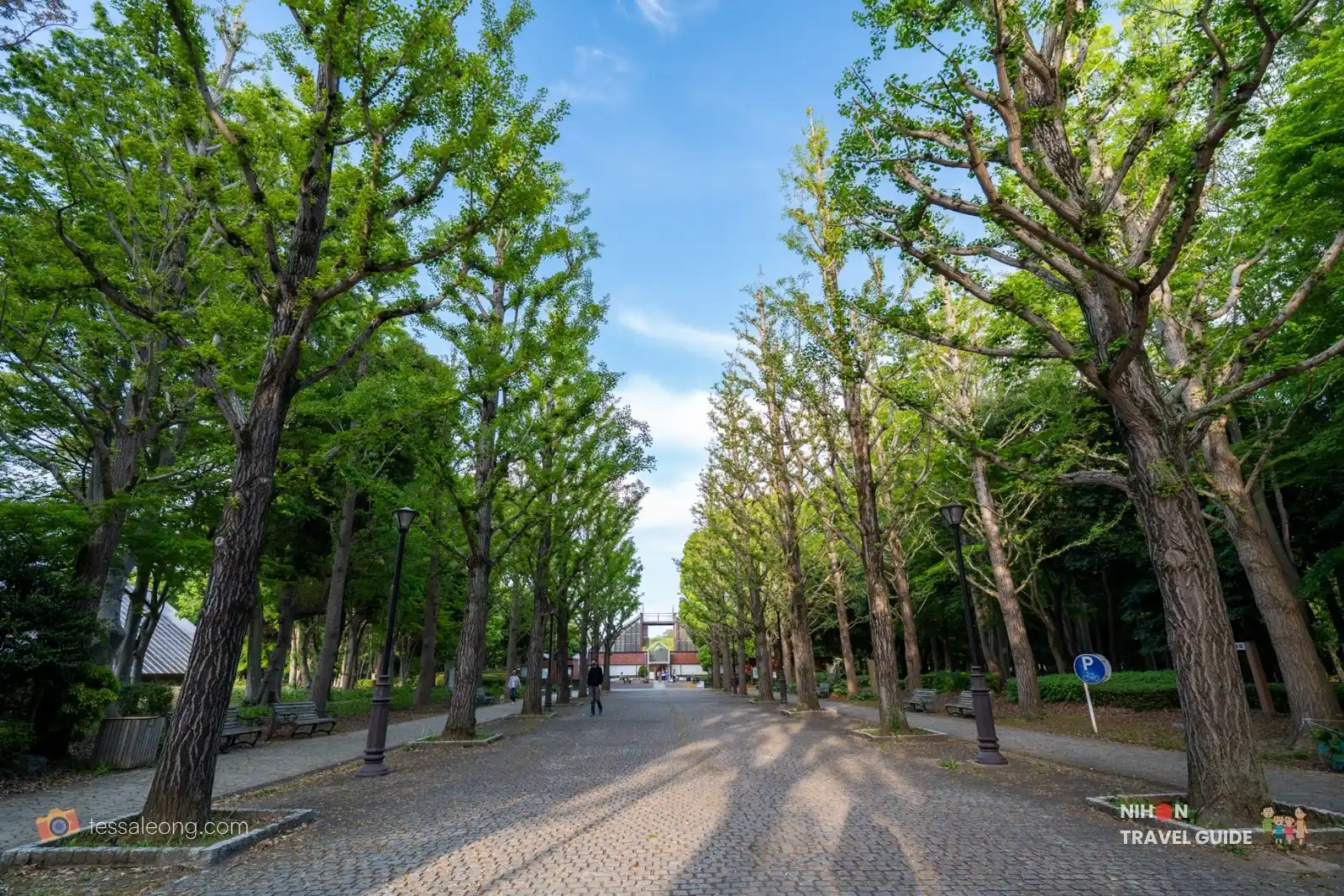
Peaceful local park in Tsukuba, Not crowded during peak flower seasons.
Disclaimer: I am not sponsored for this post. I decided to visit Doho Park because it looked interesting. Some links on this page are affiliate links, meaning I may earn a small commission if you book through them, at no extra cost to you.
- A really nice and peaceful city park — but not worth visiting on its own, even during cherry blossom or autumn foliage season
- At best, treat it as an additional stop to see nice flowers while you’re already in Tsukuba
- Japan has many other local parks and dedicated flower parks — if you’re travelling a great distance specifically to see flowers, those are better places to target instead
- Best paired with bigger Tsukuba attractions like JAXA Space Center or Mount Tsukuba rather than visited as a dedicated destination
In Feb and Apr 2026 I visited Doho Park in Tsukuba City and it was a little bit being a fish out water as I was the only “tourist” visiting a local park that locals were using for their daily activities.
Doho Park (洞峰公園) is the largest city park in Tsukuba City at about 20 hectares in size. The park has a lake, a jogging/exercise path circling it, tennis courts, a gymnasium, grassy picnic areas, and an indoor 50m heated swimming pool.
But why is Doho Park listed as a must visit on Japanese tourist sites? Why is it top 10 on trip advisor for places to visit in Tsukuba?
Read on to find out more about my experience visiting Doho Park and why you may or may not want to visit it on your next trip to Japan.
Photos on this page are mine, shot on an iPhone 11 pro. Nicer photos were shot by Tessa Leong were shot with a Sony a7IV with Tamron 28-200mm lens.
How to Get to Doho Park from Tokyo
By Highway Bus
To get to Doho park from Tokyo, you want to take the highway bus Tsukuba-go from Tokyo Station. It’s at the Yaesu South Exit. The bus will take about an hour and reach Tsukuba City Centre where you have a 15 min walk to the park. It will cost you about ¥1,260.
By Train
You can also take the Tsukuba Express line from Akihabara Station to Tsukuba Station. This would take about 45 mins. However the station is further from the park than where the bus stops. So you would need to take another bus from Tsukuba Station to Doho Park.
You can take the HitachinoUshikuLine (about 6 mins) and you would reach the park. The total travel time would be about an hour and it will cost you about ¥1,520.
Parking at Doho Park
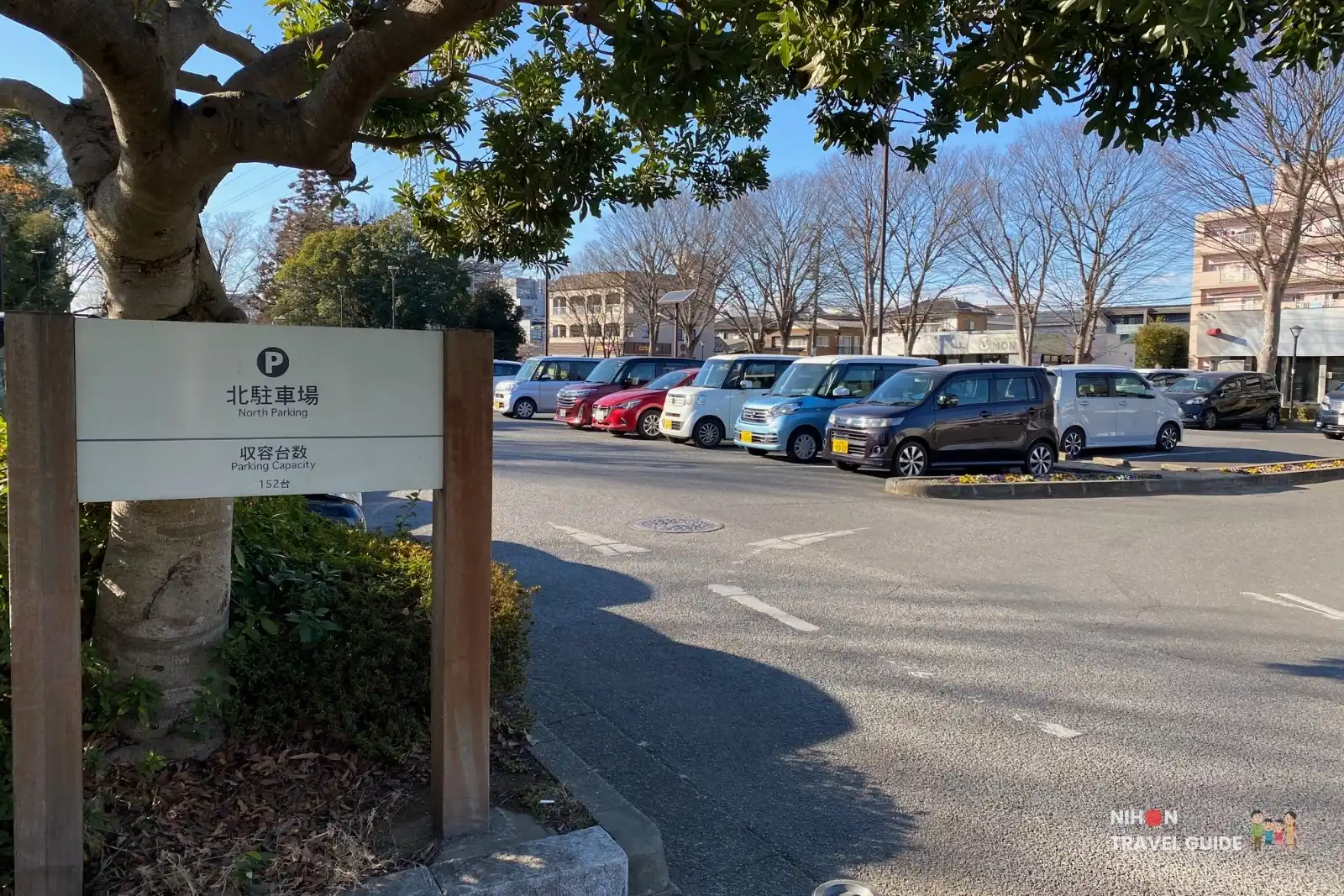
There are a few parking areas at Doho Park and are usually not full. The parking machines accept cash only.
When to visit Doho Park
📅 Doho Park — Seasonal Calendar
※ Exact dates vary each year depending on weather conditions
Our Visit Outside the Peak Seasons
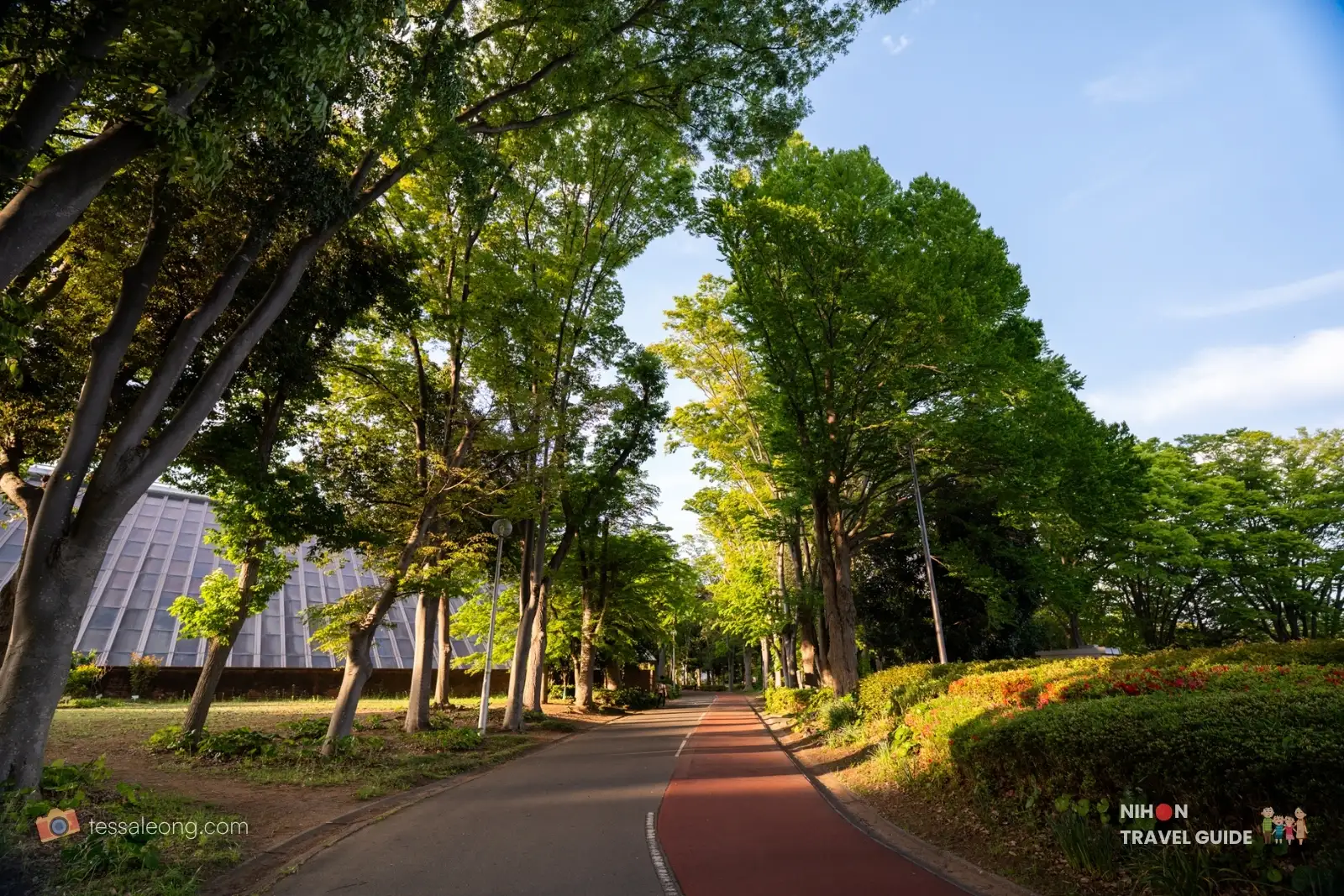
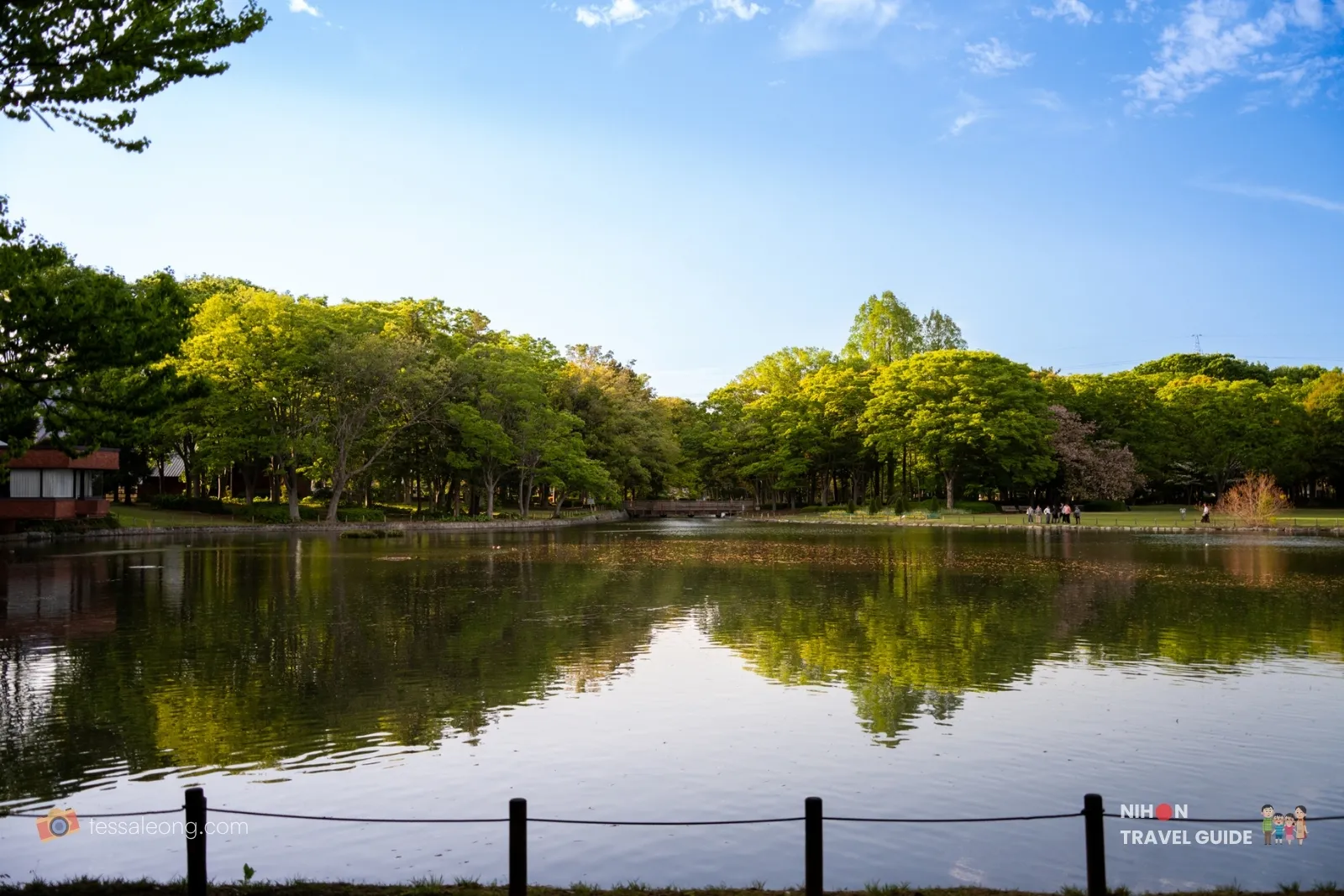
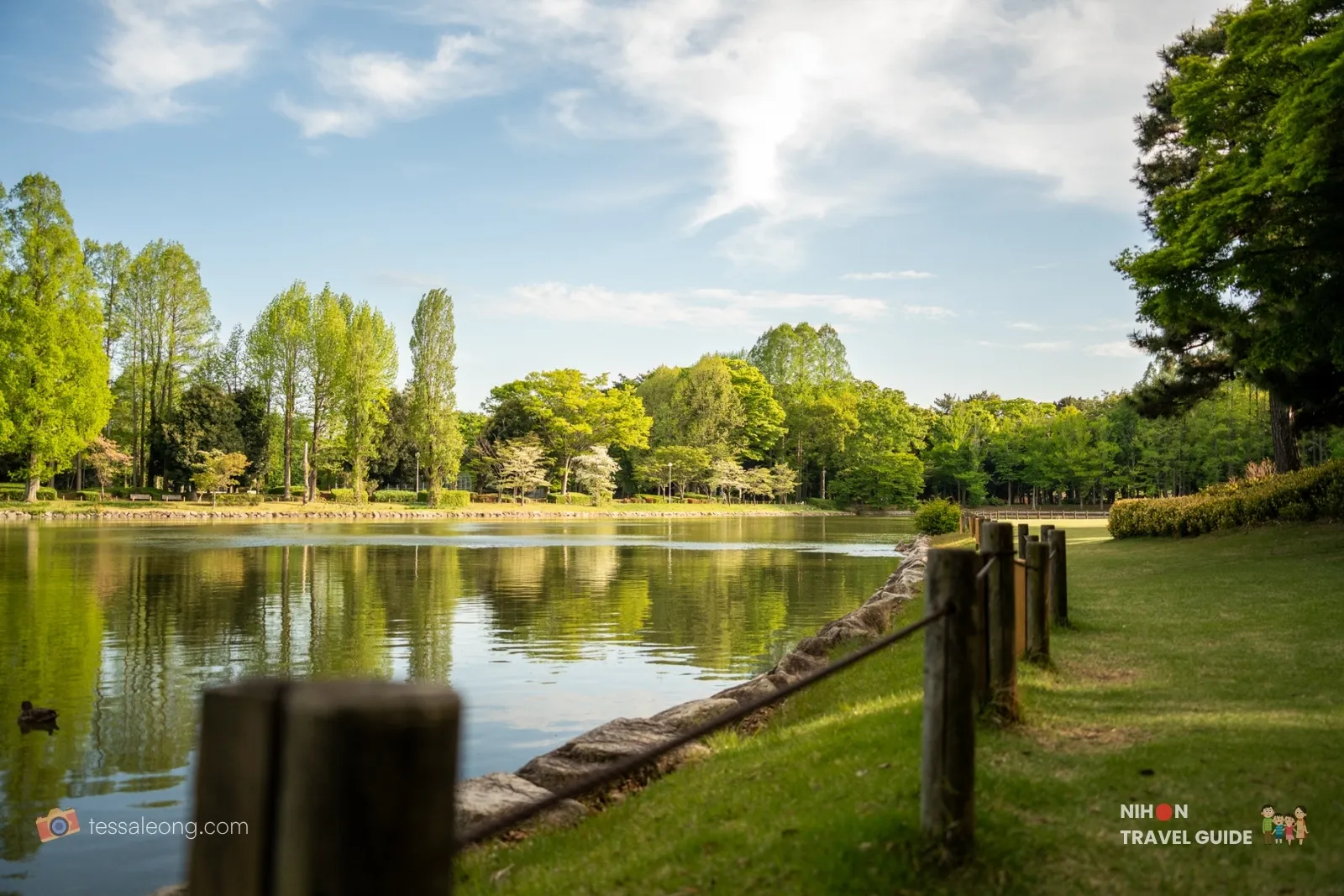
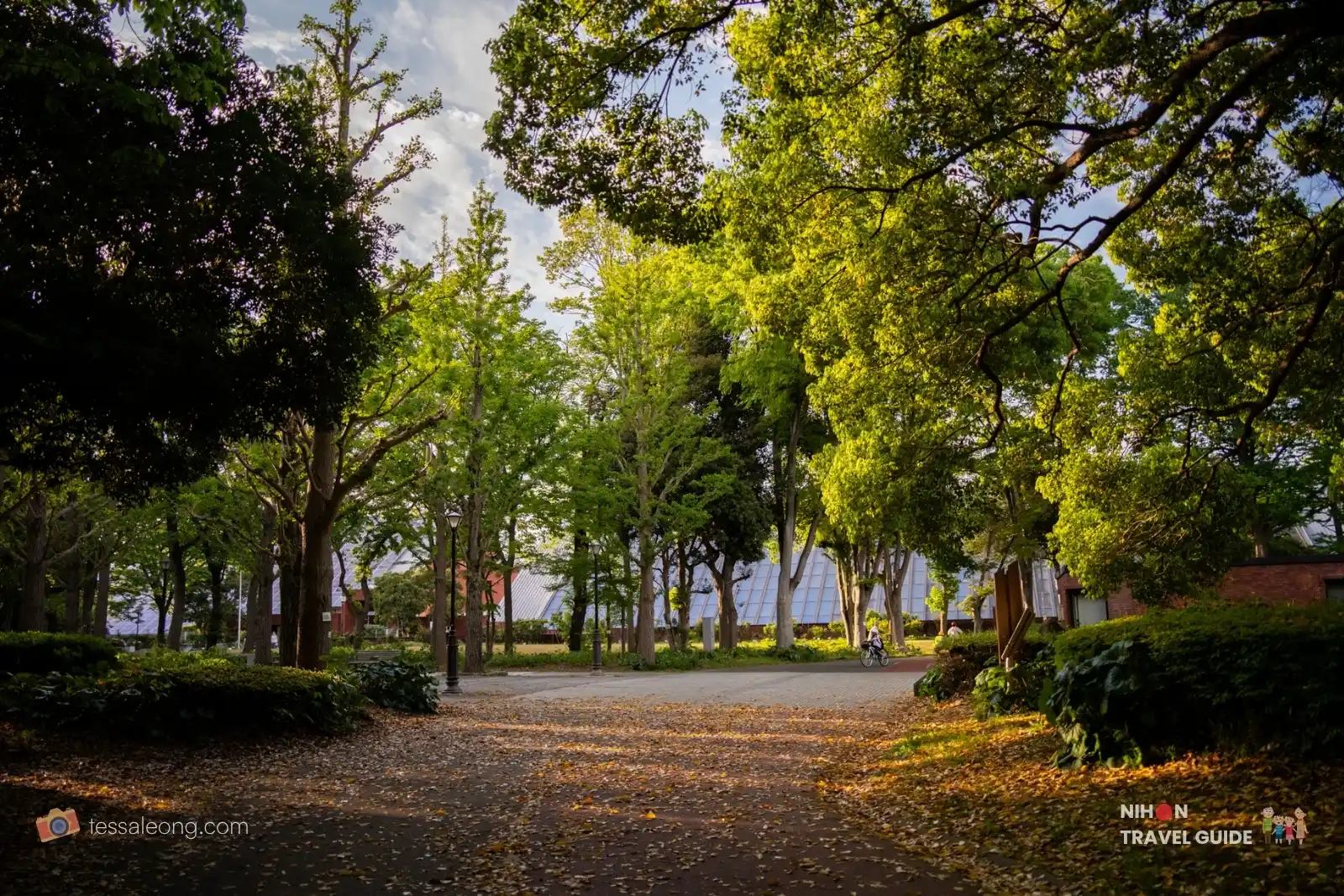
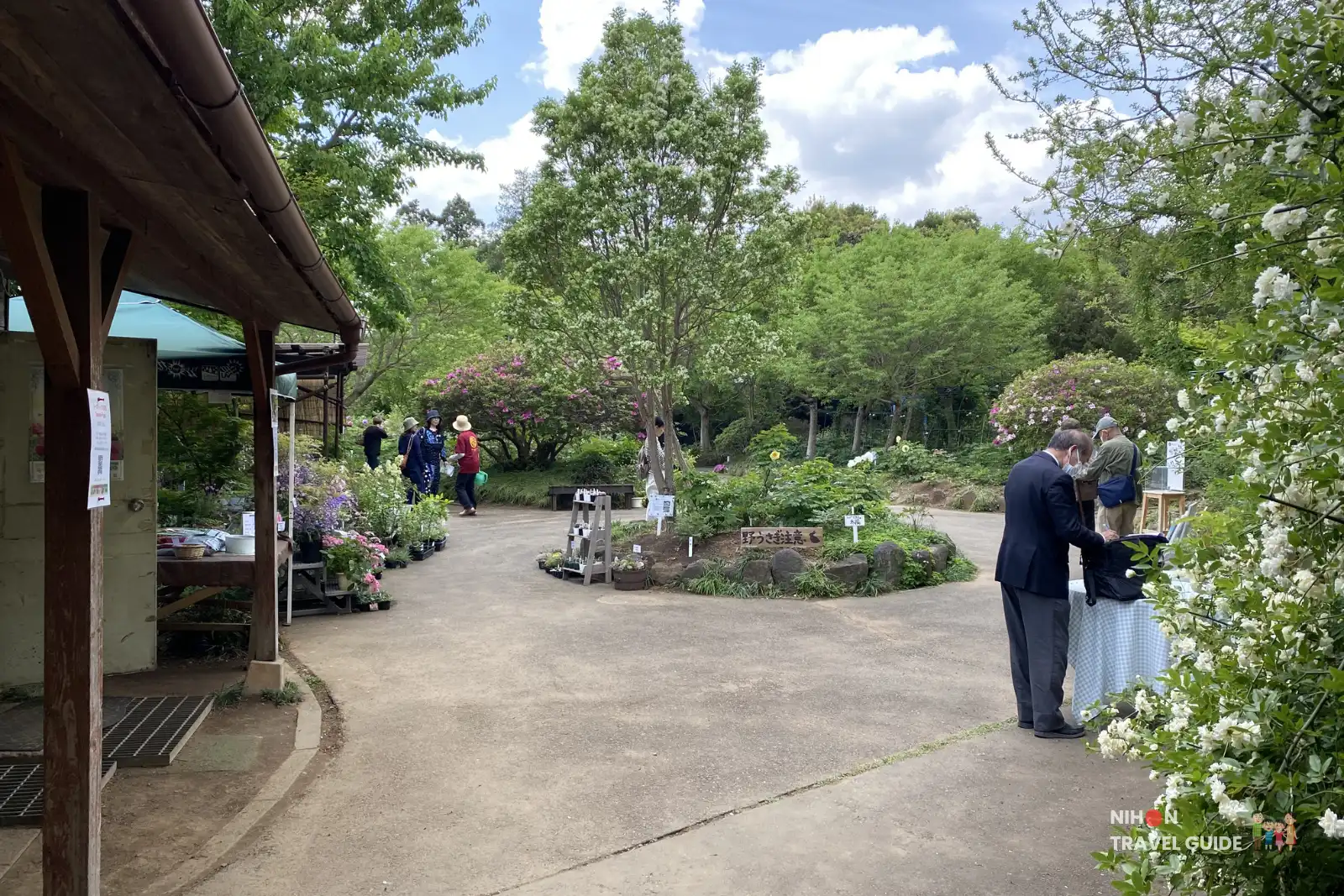
I visited the park in Feb and Apr, during the late Winter and Spring periods. As both periods have cool weather, it’s a great time for walking around the park or exercising. So there were a lot of locals exercising, walking their dogs, playing tennis or just strolling. It was quite busy with lots of activity going on. Like I mentioned before I was the only tourist there.
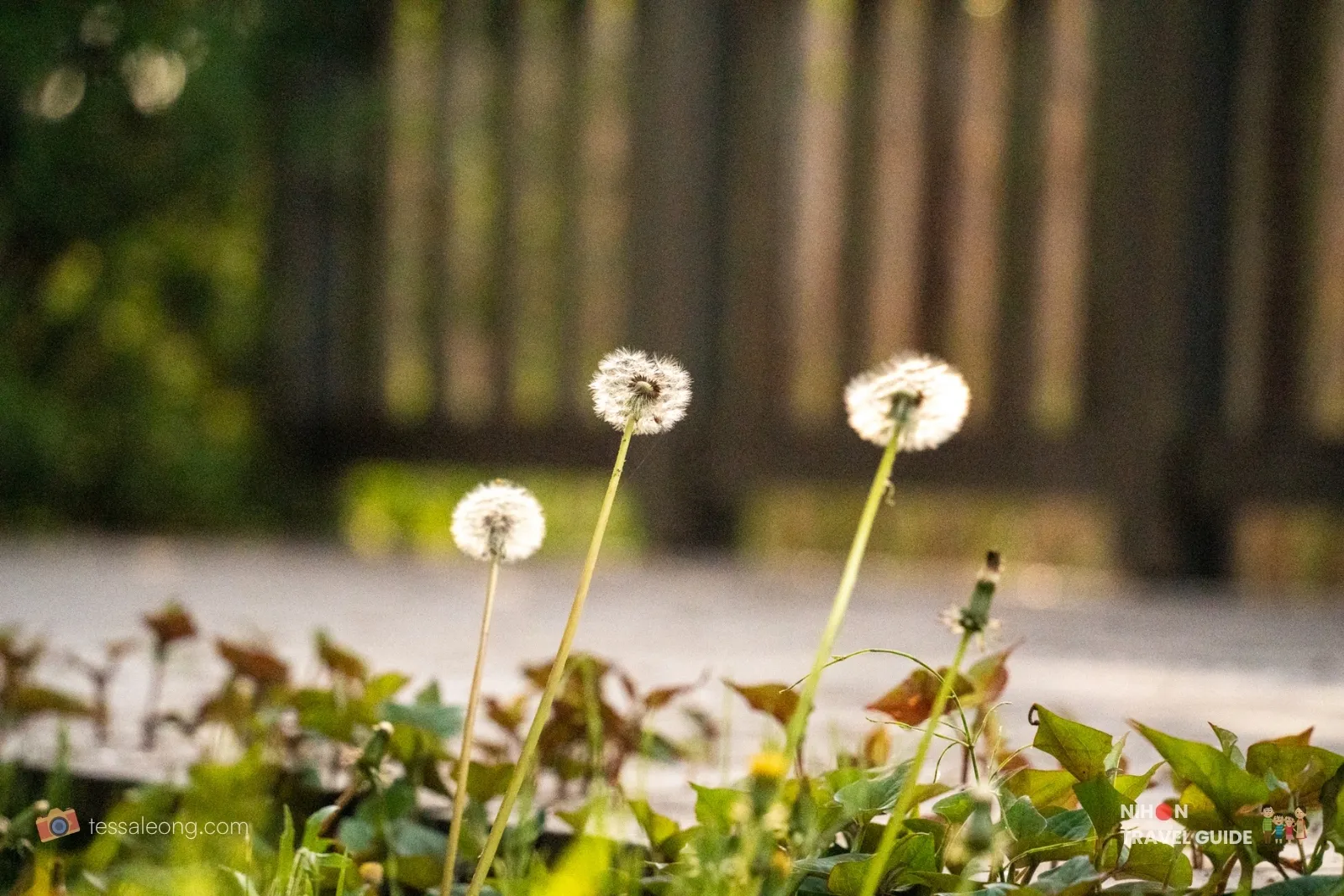
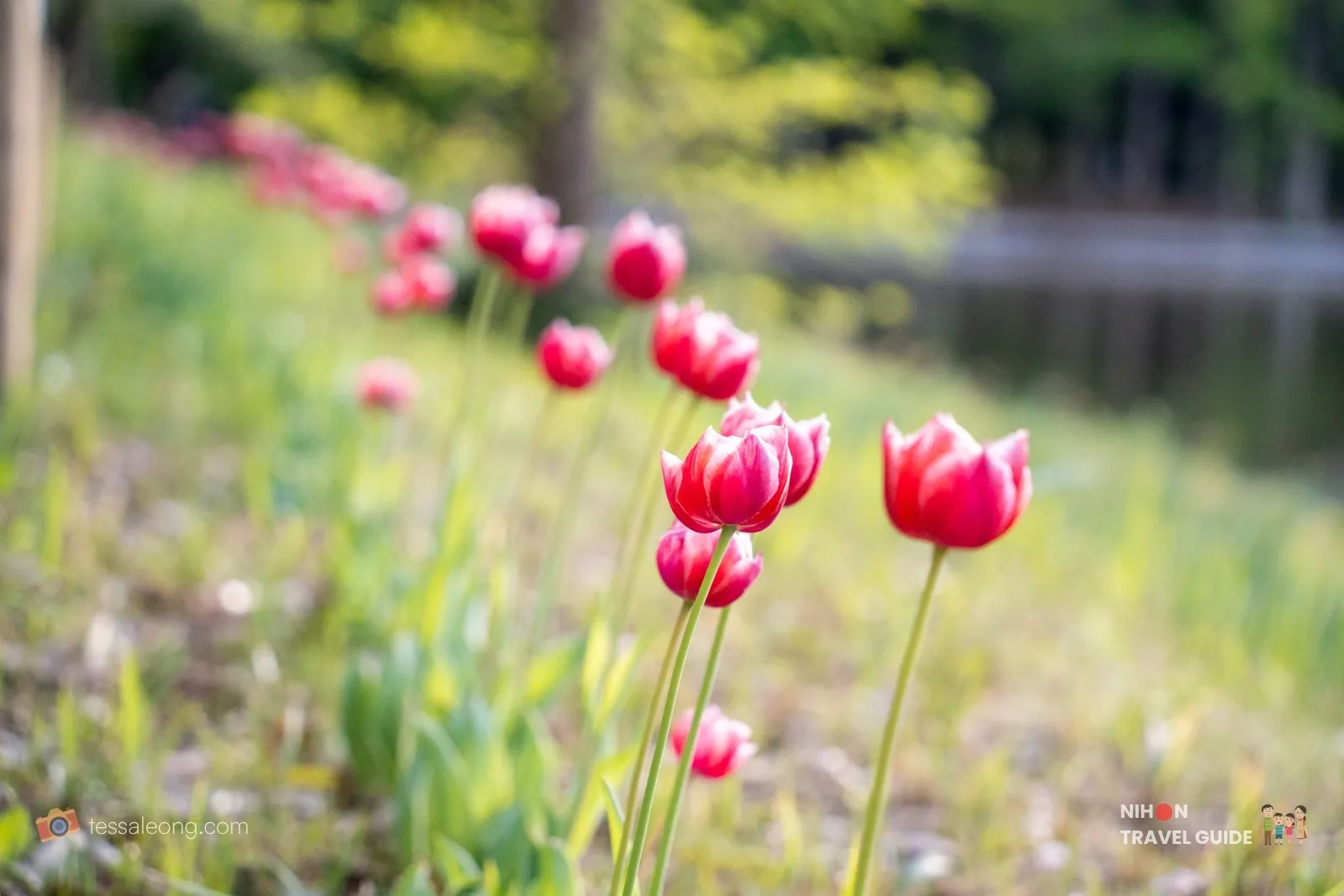
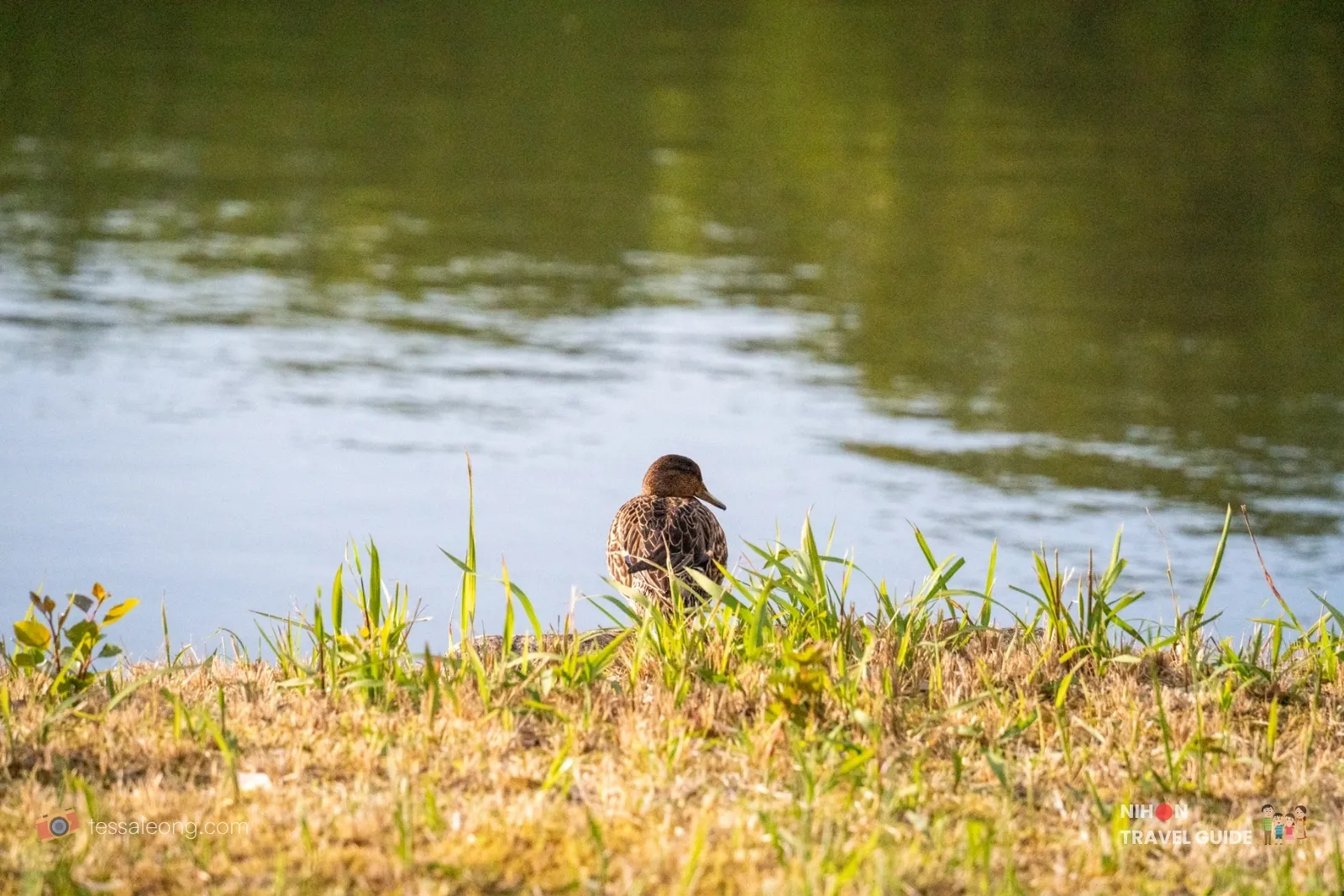
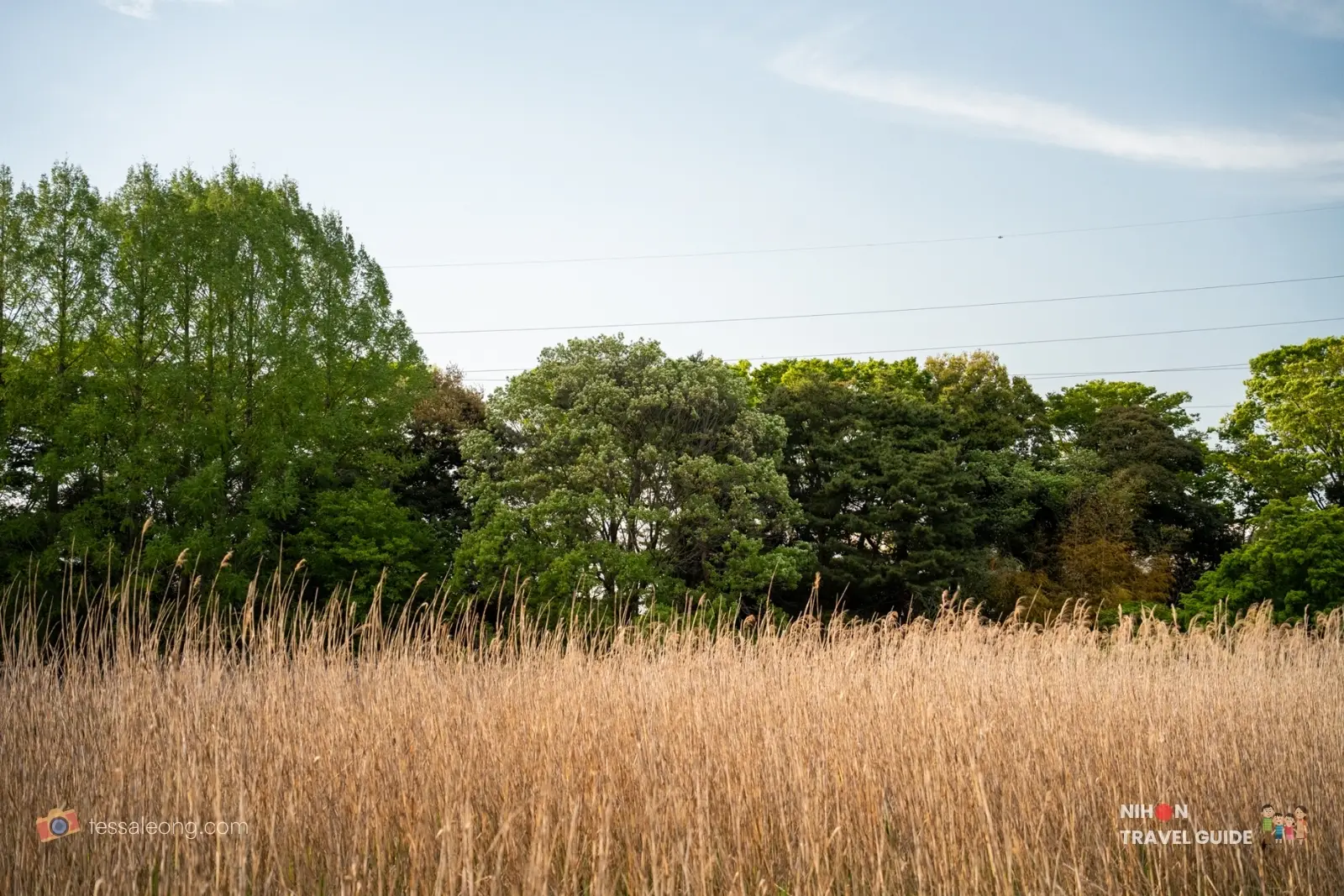
The difference between the seasons flower wise is that there were more flowers in Spring. You can expect to see dandelions, tulips and occasionally some roses. It can be quite a nice place to take photographs if you are a photographer looking to take photos of local parks. As the vibes are nice and there is generally a lot of activity going on.
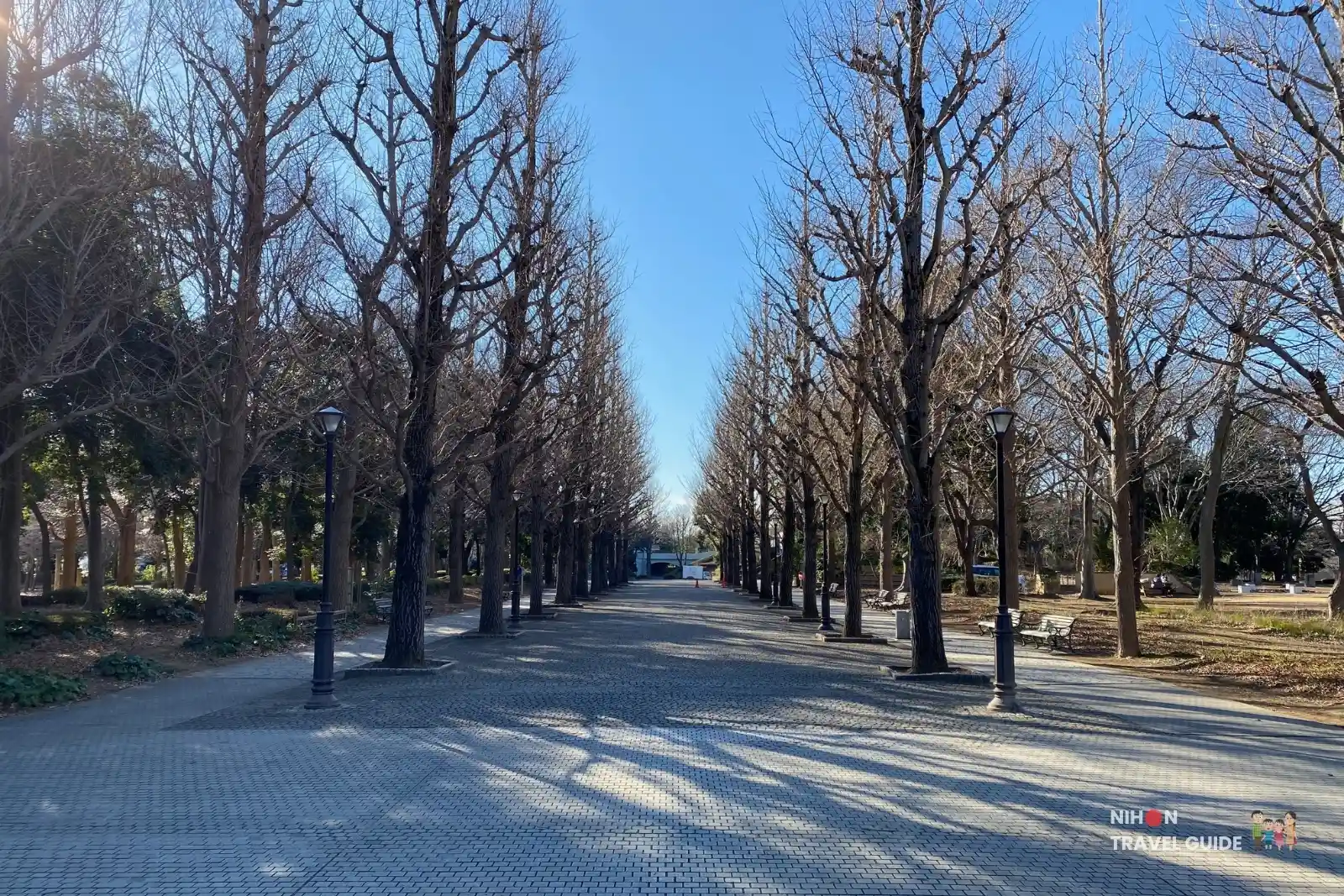
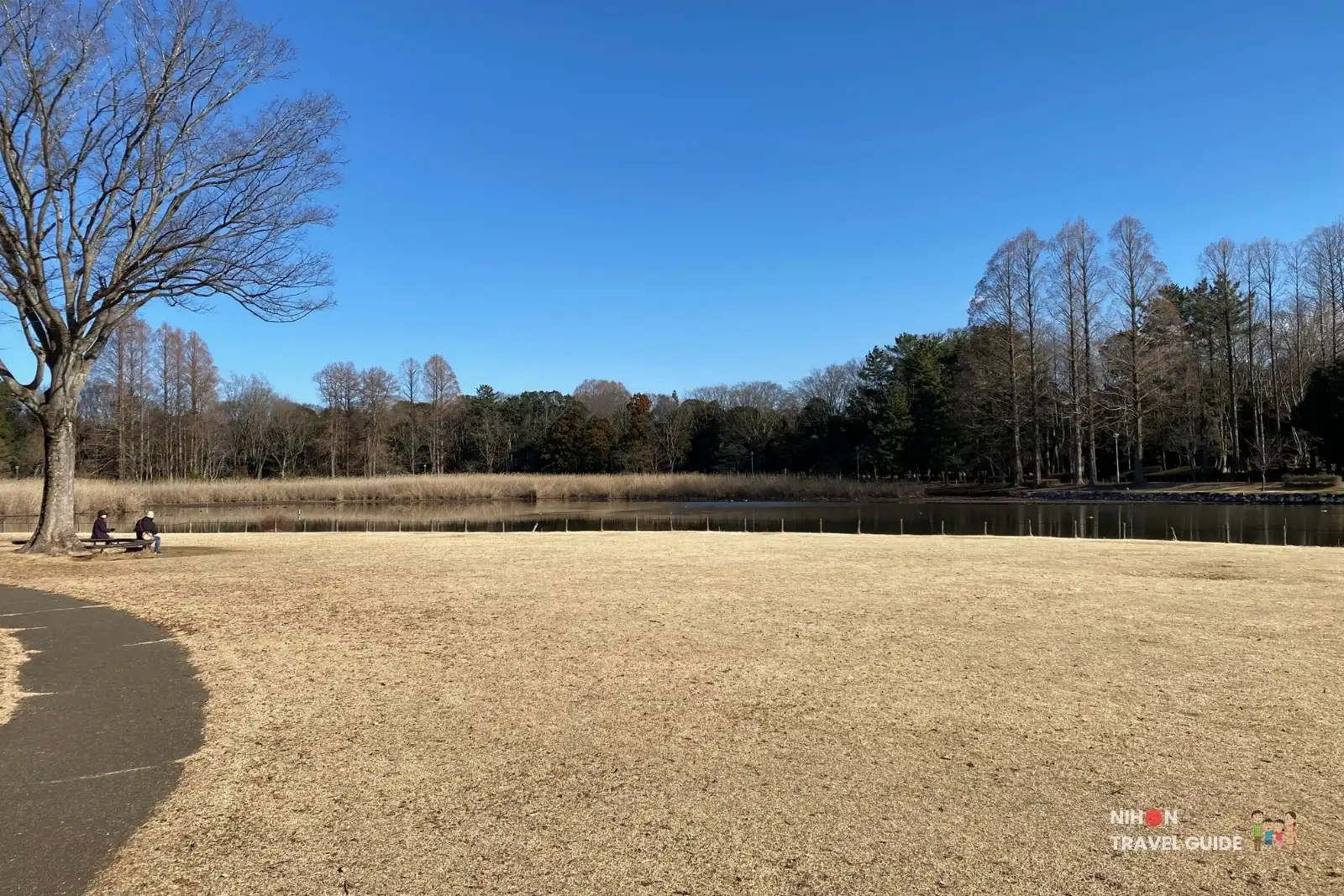
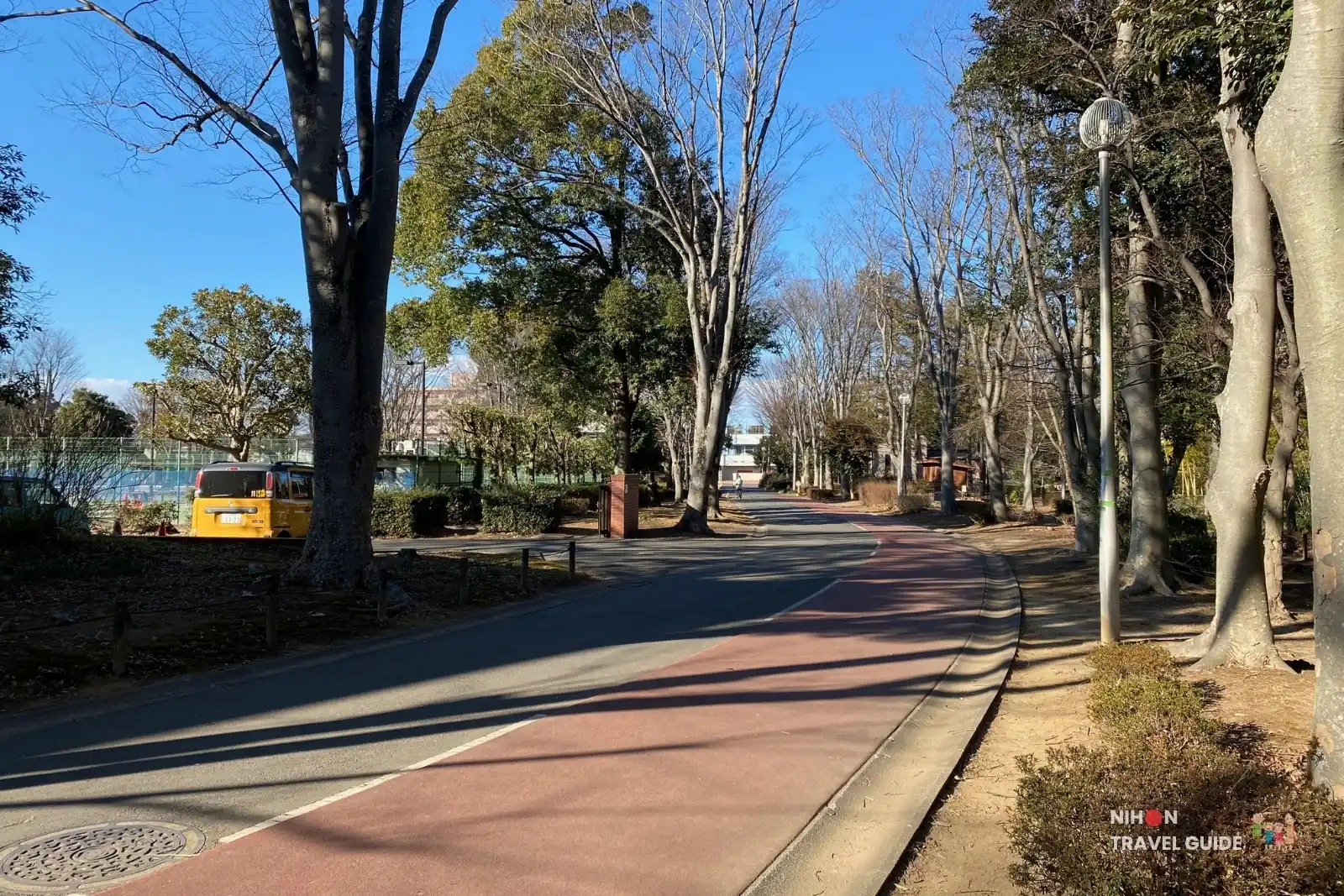
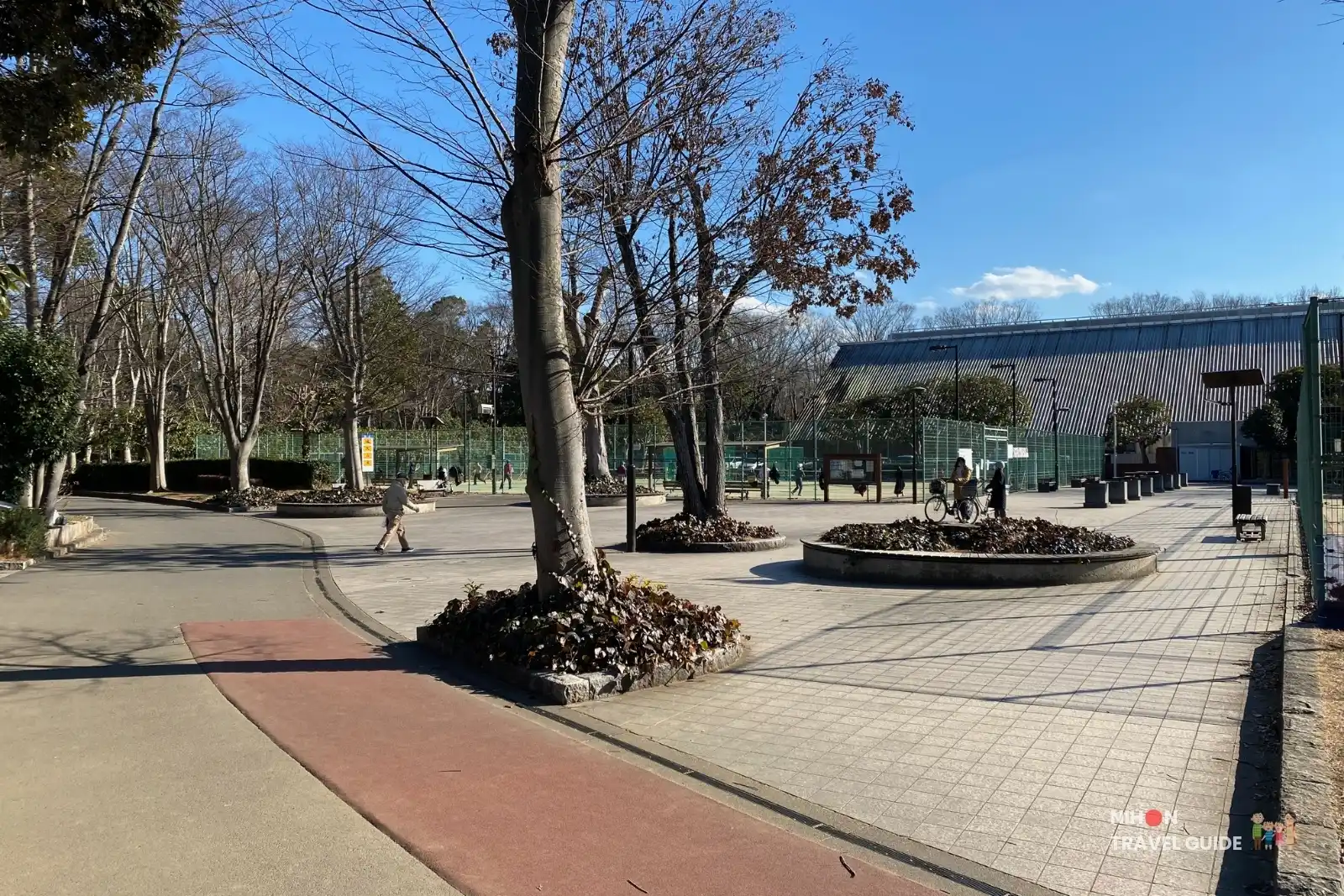
But I don’t think Doho park is really a tourist place especially outside the Cherry Blossom and Autumn Foliage seasons.
Cherry Blossom Season
For Doho Park, the Cherry Blossoms usually bloom from Late March to Early April. The sakura trees are scattered throughout the park naturally rather than being put together in a place as if they were on display. It is a nice place for a local park and relaxed cherry blossom viewing without the large crowds.
While I have not visited Doho Park during this season yet, I will update it when I get the chance to visit.
Autumn Foliage Season
For this season, the main highlight are the ginkgo trees as the trees will turn into a bright golden yellow. When the leaves fall onto the group they become like a thick yellow carpet. The promenade in the park is known as the “Lovers’ Promenade” (恋人たちのプロムナード) for this reason.
I have not visited Doho Park during this season yet too and will update it when I get the chance to visit.
MaSiLo Cafe (マジロカフェ)
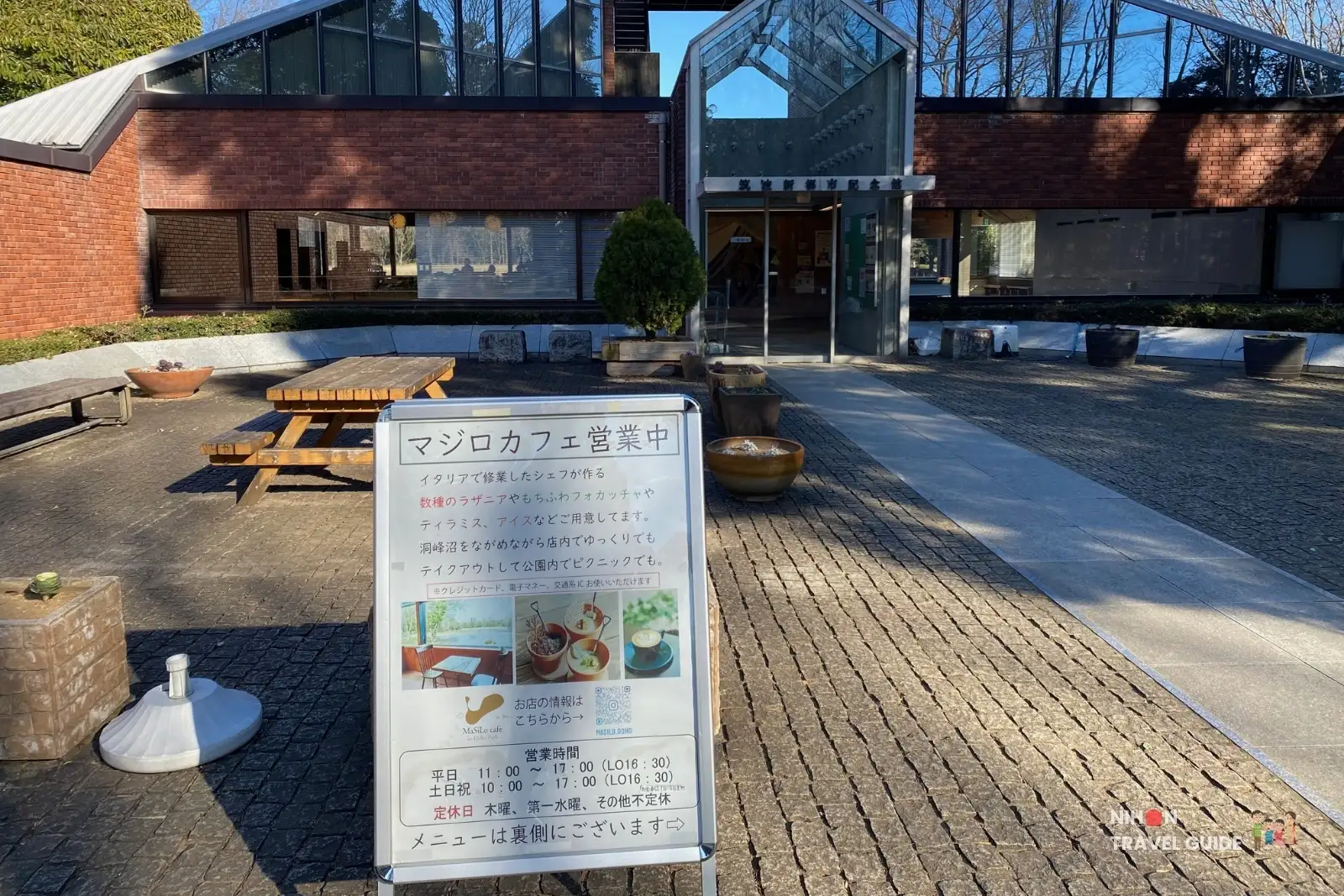
Doho Park has a cafe inside the New City Memorial Hall called MaSiLo Cafe. They serve Italian-style dishes such as lasagna, focaccia and tiramisu. They also sell drinks like coffee, tea and other cafe items. You can find their menu here.
Some Tips
- Park parking is coins only.
- It is free of charge to enter.
Is Doho Park Worth Visiting?
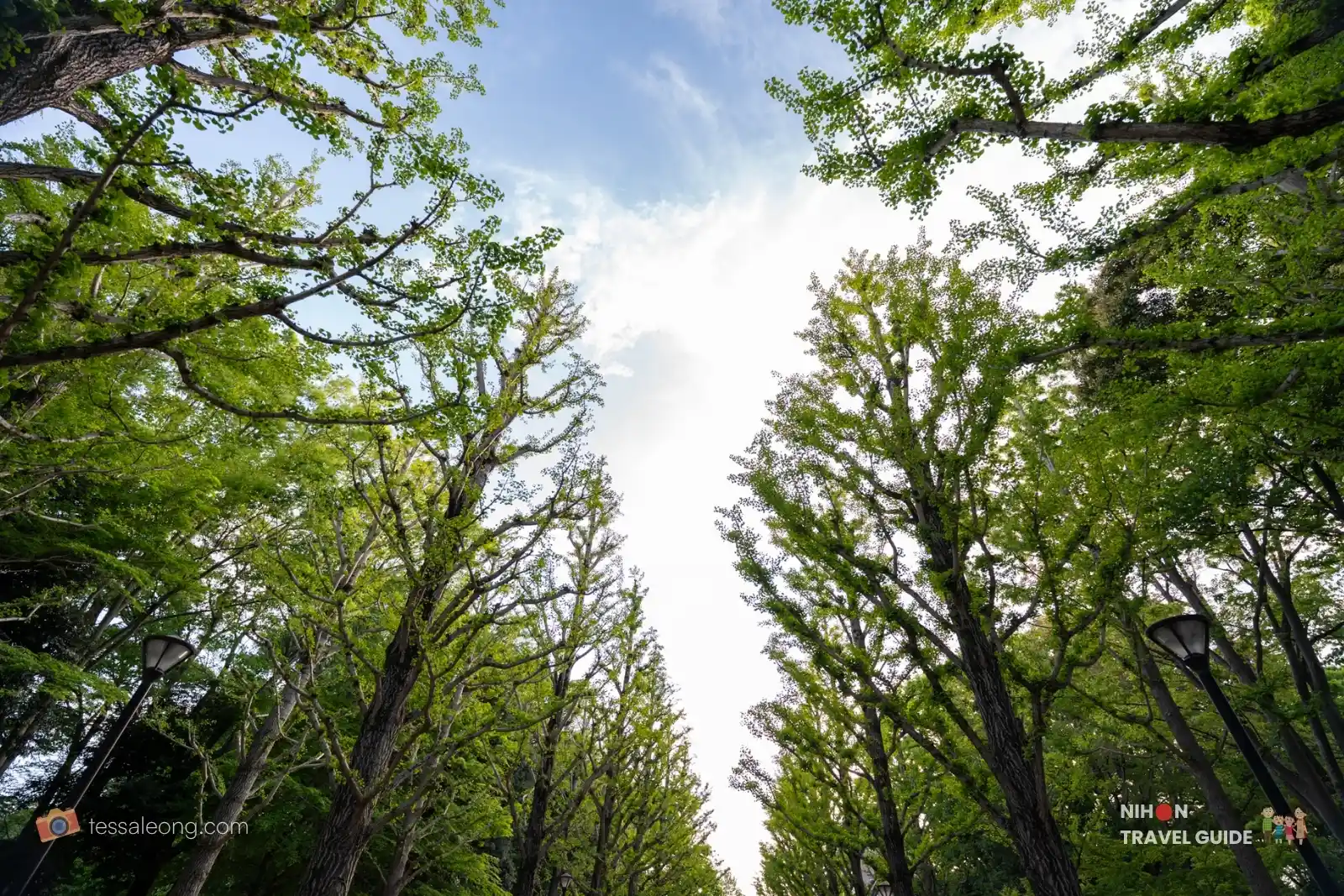
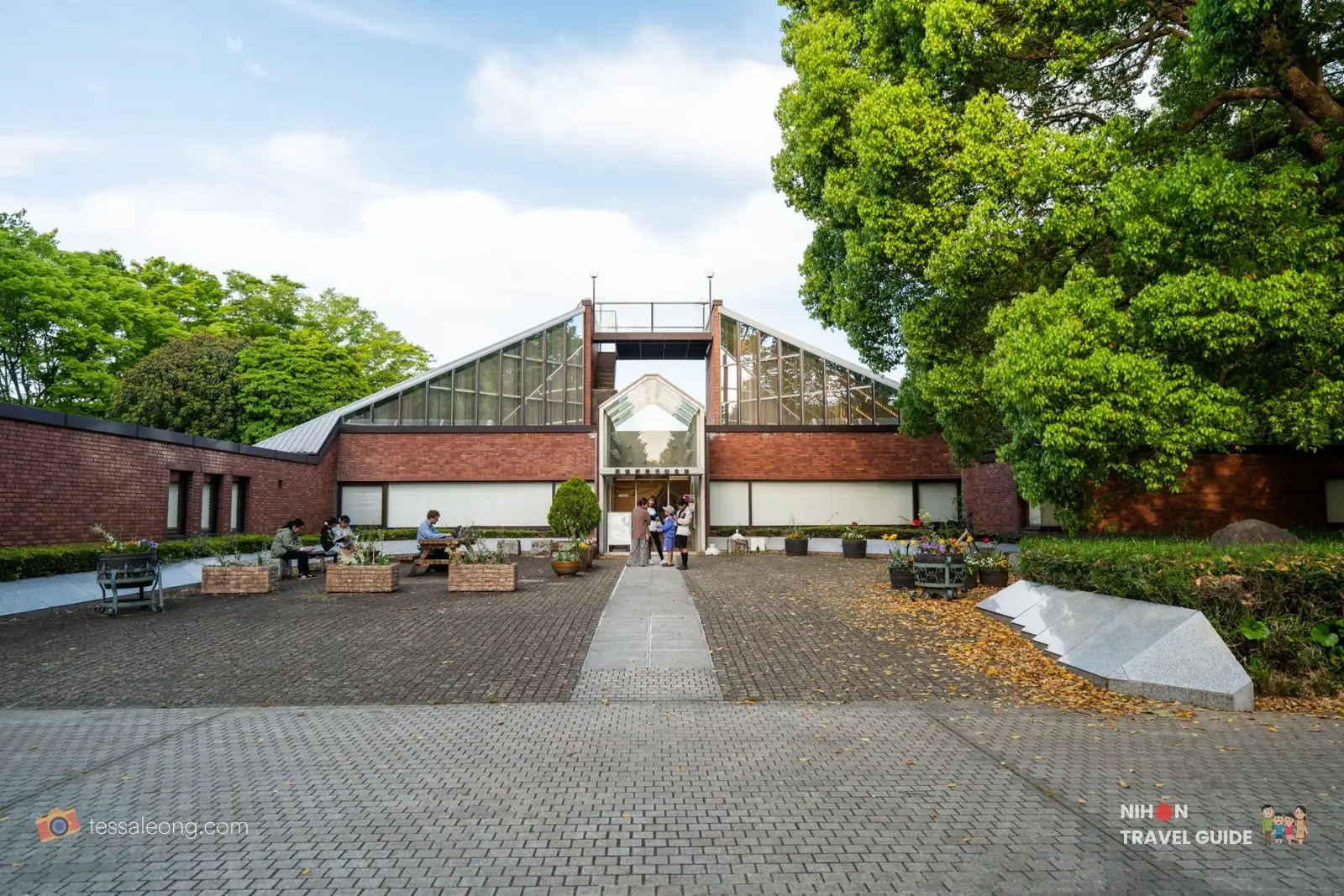
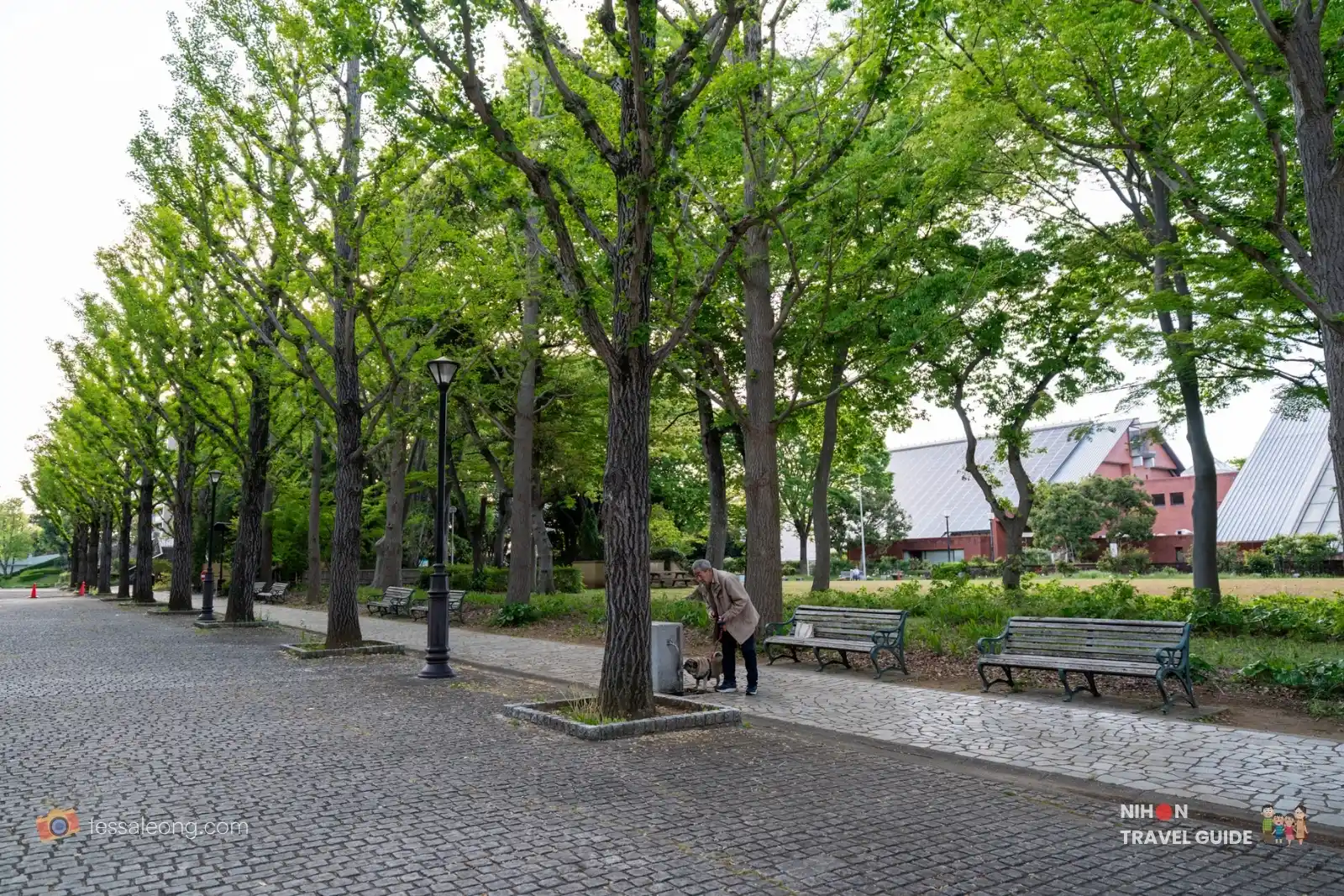
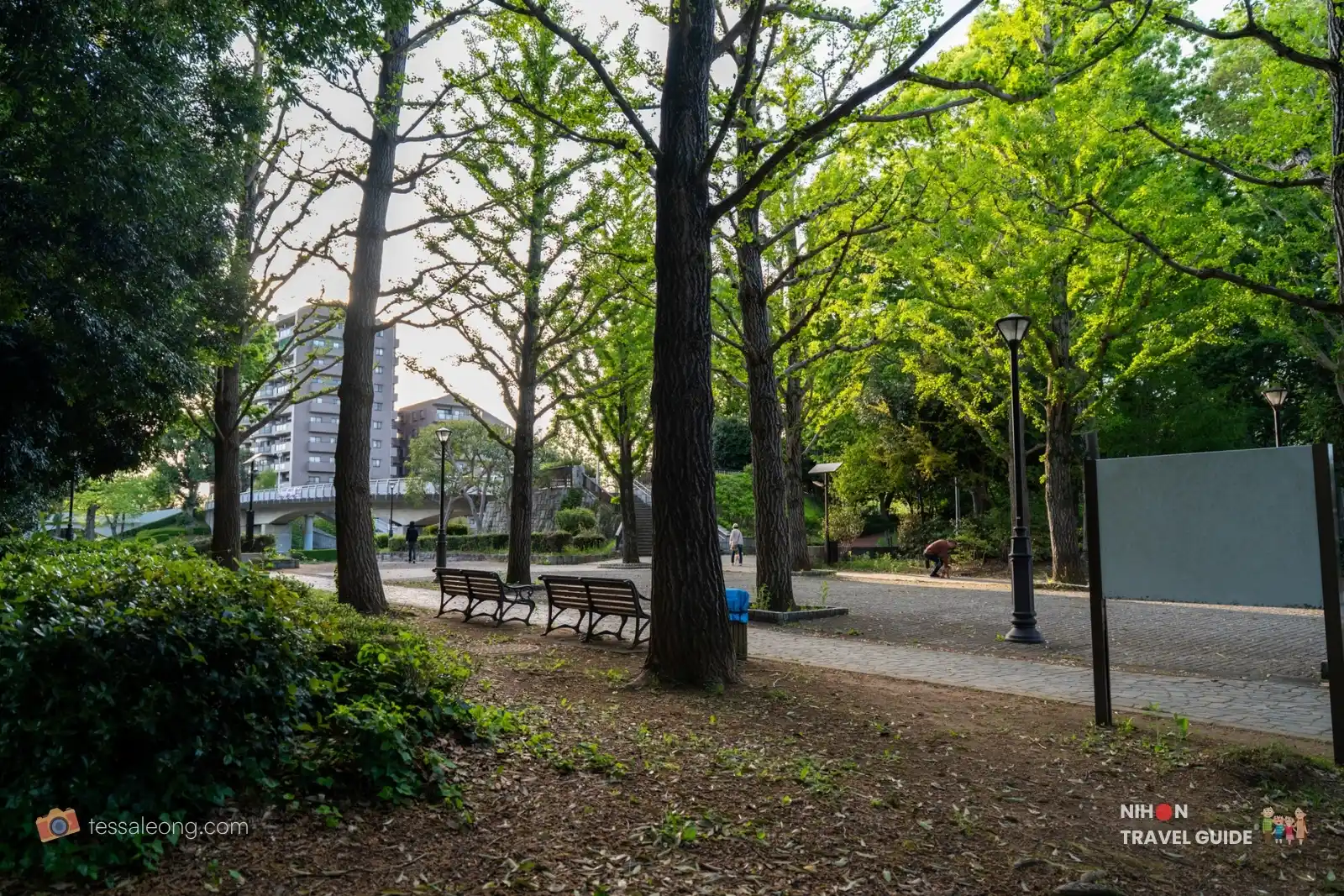
While Doho Park is a really nice and peaceful city park, I don’t think it’s worth visiting on its own especially not during the Cherry Blossom or Autumn Foliage seasons. At best it feels more like an additional place to go to see nice flowers while you are in Tsukuba.
The thing is that Japan has lots of nice local parks around the country and even nicer flower parks that are dedicated to growing the nicest flowers in the best conditions. If you are traveling a great distance to visit Japan to see flowers, those are the places you might want to target instead.
Other Attractions Nearby in Tsukuba
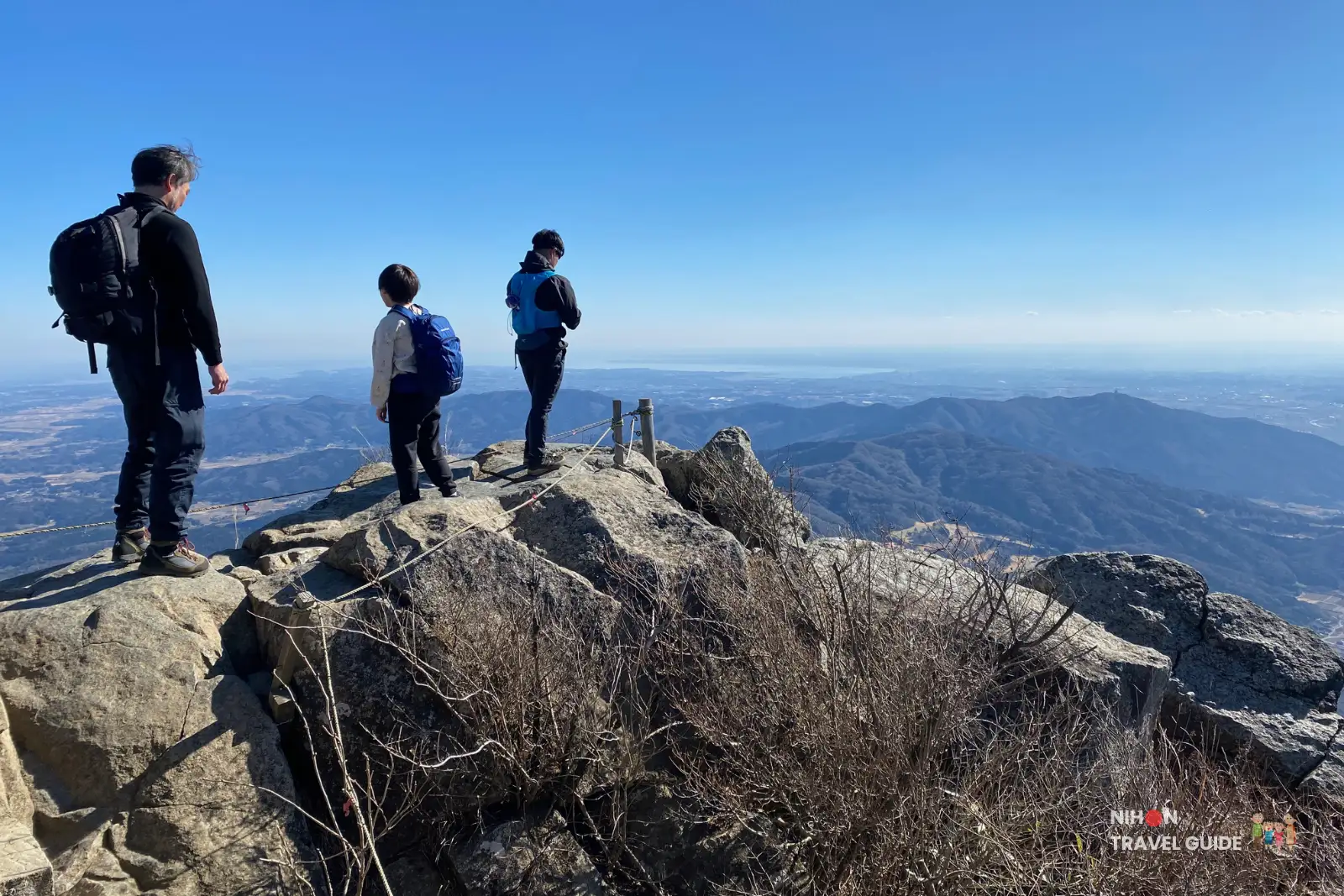
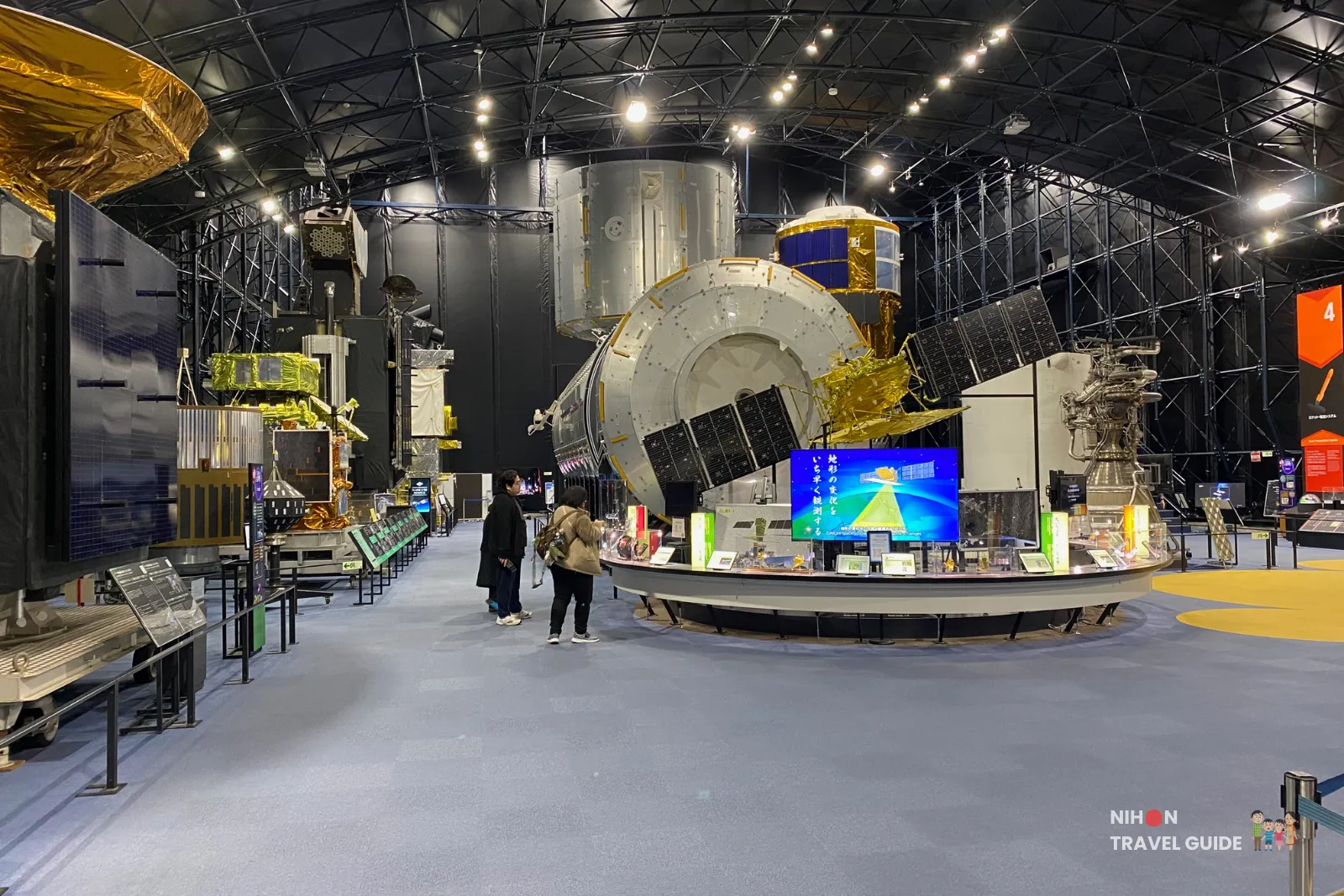
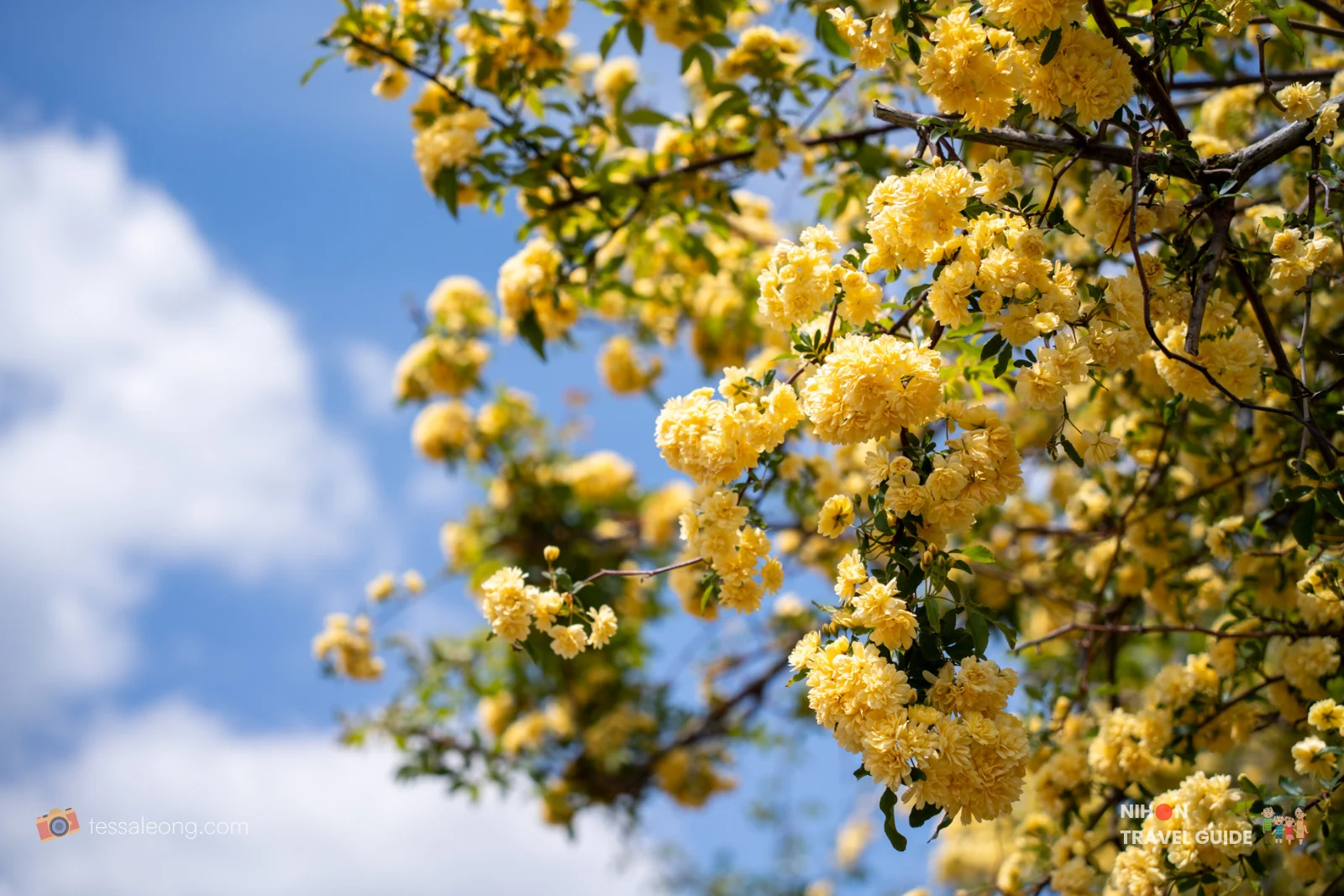
If you are looking for other places to visit in Tsukuba, here are some other things that you can do in Tsukuba to make the most of your trip. JAXA Space Museum and Mount Tsukuba are some of the bigger attractions in Tsukuba that are not to be missed.
But Tsukuba is not all science and museums though, check out other flower parks, gardens, an ostrich farm and many more.
For the full list of things to do in Tsukuba and the surrounding area, check out our complete Tsukuba visitor guide.
Where to Stay Nearby


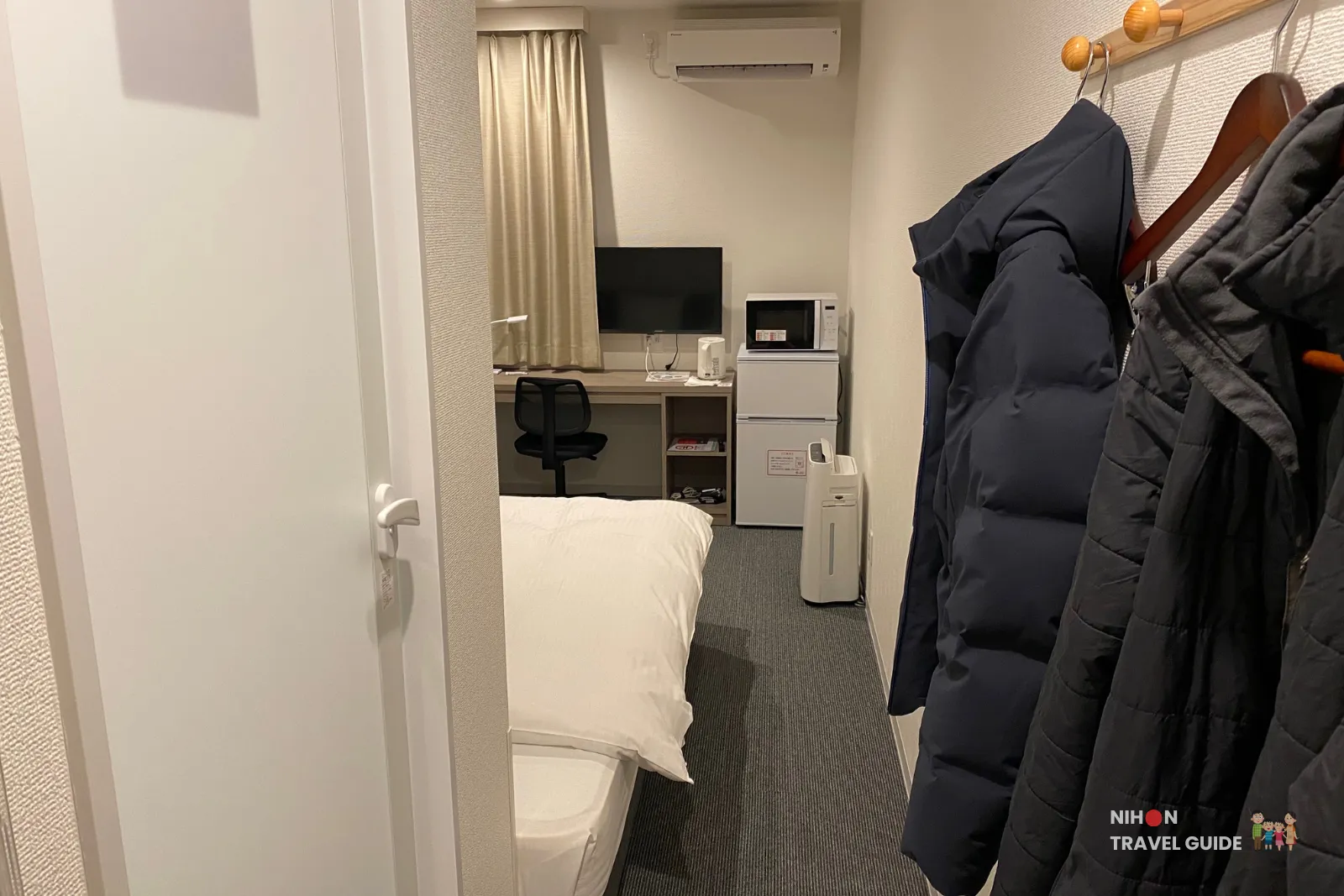
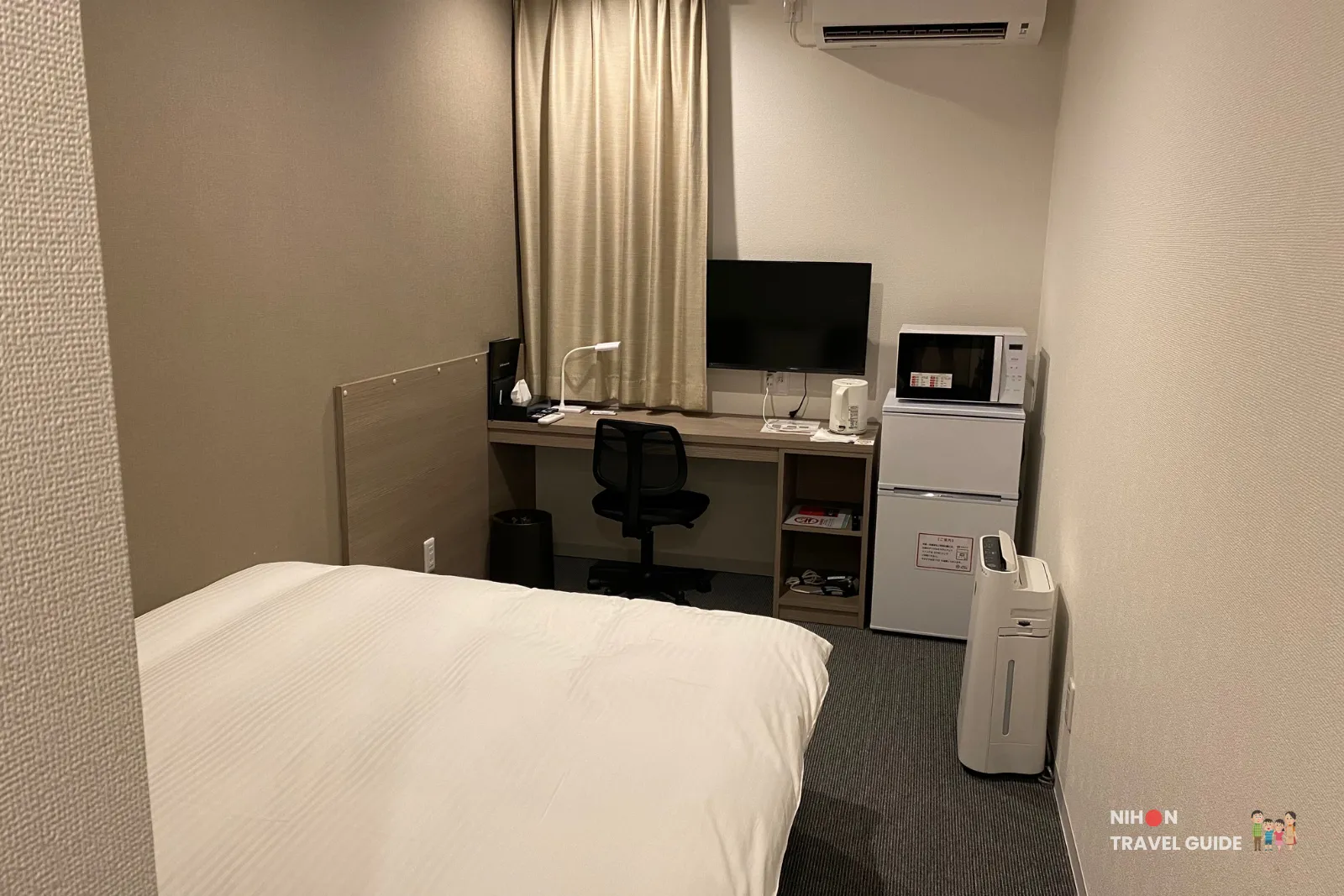
If you would like to stay in Tsukuba City Center, you can consider staying at hotels such as the Daiwa Roynet Hotel Tsukuba. It is also about 12 minutes away from Doho Park and is fairly accessible by public transport. It is right next to Tsukuba Station and it’s a short walk to most of the other attractions like the Tsukuba Expo Center and JAXA Space Museum.
If you happen to be on a driving holiday, you can consider staying at the R9 The Yard Hotels. There is one in Tsukuba and they are really functional, no-frills container like hotel rooms that are really affordable.
They are usually further out from the city center, however it is only 12 minutes drive to Doho Park from the hotel.
Read about our experience staying at R9 The Yard Hotel Tsukuba. Including room details, pricing and tips for a 7 night stay.
FAQ – Doho Park
1) Is Doho Park free?
Yes — entry is completely free. On-site parking available but coins only, so bring cash.
2) When is the best time to visit Doho Park?
Mid-to-late November for golden ginkgo on the “Lovers’ Promenade”. Late March–early April for scattered cherry blossoms. Mid-May–mid-June for rose season (~170 bushes + Rose Festa).
3) How do I get to Doho Park from Tokyo?
Highway bus: Tsukuba-go from Tokyo Station Yaesu South Exit → Tsukuba City Centre (~1 hr) + 15-min walk · ≈¥1,260.
Train: Tsukuba Express from Akihabara → Tsukuba Station (~45 min) + Hitachino Ushiku Line bus (~6 min) · total ~1 hr · ≈¥1,520.
4) Are there cherry blossoms at Doho Park?
Yes — sakura scattered naturally throughout the park (not one big display). Blooms late March–early April. Relaxed viewing with fewer crowds than famous spots.
5) How long does Doho Park take?
1–1.5 hours for a relaxed walk around the lake and main areas. Add extra time in cherry blossom / autumn foliage season or for MaSiLo Cafe.
6) Is there parking at Doho Park?
Yes — on-site parking available but coins only. Bring cash.
7) Can I combine Doho Park with other Tsukuba attractions?
Yes — works well as an extra stop with JAXA Space Center, Mount Tsukuba, or other local flower parks/gardens. Better as an add-on than a standalone destination.
8) Is Doho Park suitable for families?
Yes — grassy picnic areas, playground, indoor heated swimming pool and wide open spaces. Especially comfortable in warmer months.
9) Is Doho Park worth visiting?
Peaceful and well-maintained local park, but not worth a dedicated trip outside cherry blossom or autumn foliage season. Nice add-on if already in Tsukuba; prioritise more dedicated flower parks if travelling specifically for blooms.
10) What is MaSiLo Cafe at Doho Park?
MaSiLo Cafe (マジロカフェ) inside the New City Memorial Hall. Italian-style dishes (lasagna, focaccia), tiramisu, coffee, tea and other café items.

Written by
Timothy Leong
Timothy is a Singapore-born, Japan-based digital marketer turned hidden-gem hunter. After ditching spreadsheets for Google Maps, he now lives full-time in Japan, chasing quiet towns, real ramen, and off-grid train routes. Every photo and tip on Nihon Travel Guide is 100% his — no AI, no fluff, no Tokyo Tower.
More about Timothy →