One of Japan’s Three Great Gardens, traditional Japanese building, best experienced during plum blossom season.
- One of Japan’s Three Great Gardens — alongside Kenroku-en in Kanazawa and Koraku-en in Okayama · Home to 3,000 plum trees of over 100 varieties
- Best visited during the Mito Plum Blossom Festival (mid February – mid March) or cherry blossom season (early to mid April) — plan your trip around these periods
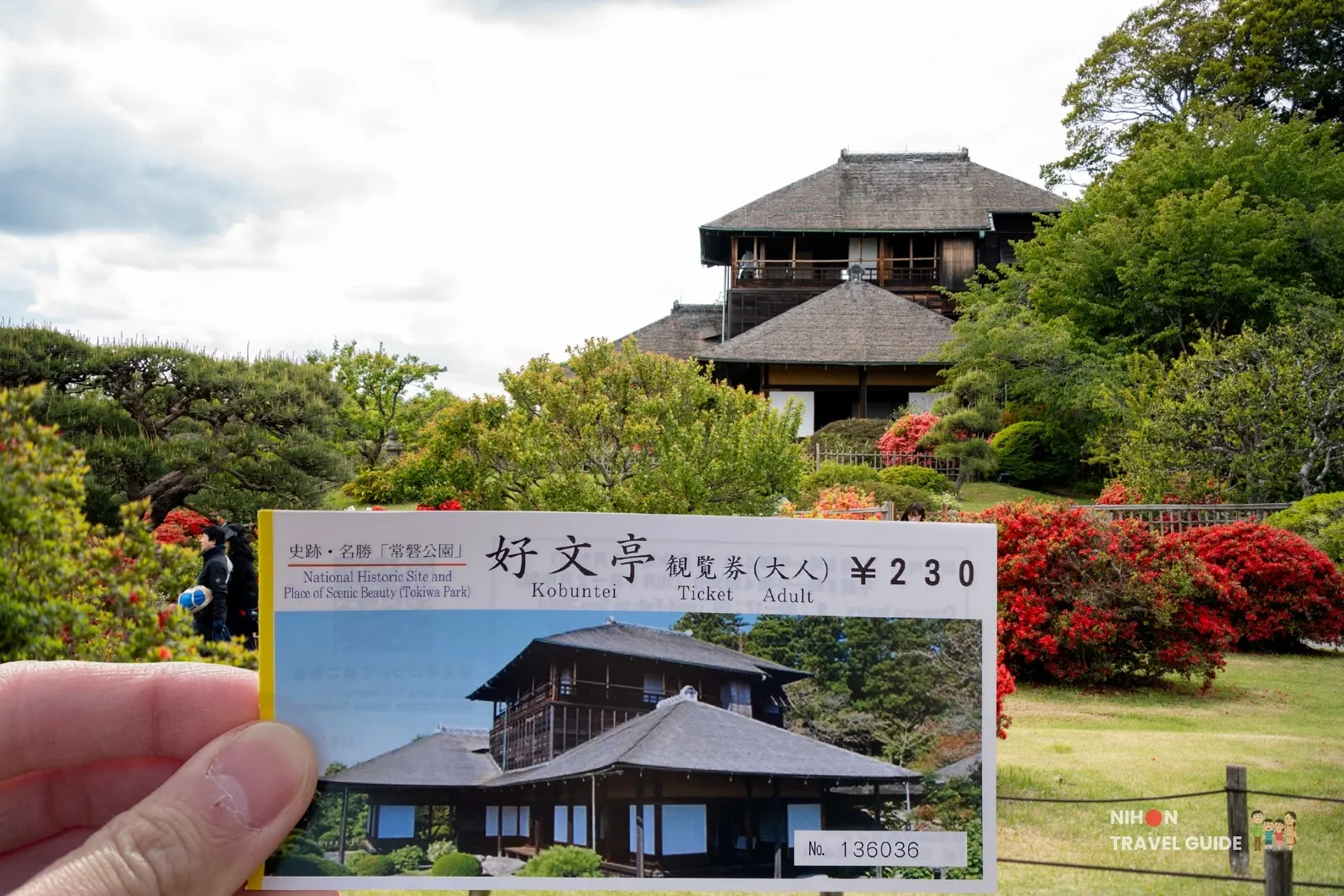
- Koubuntei is a beautifully restored 1842 wooden villa inside the garden — worth visiting even outside of flower season · ¥230 entry · Remove shoes before entering
- Free entry before 9:00am — except during the Plum Blossom Festival period
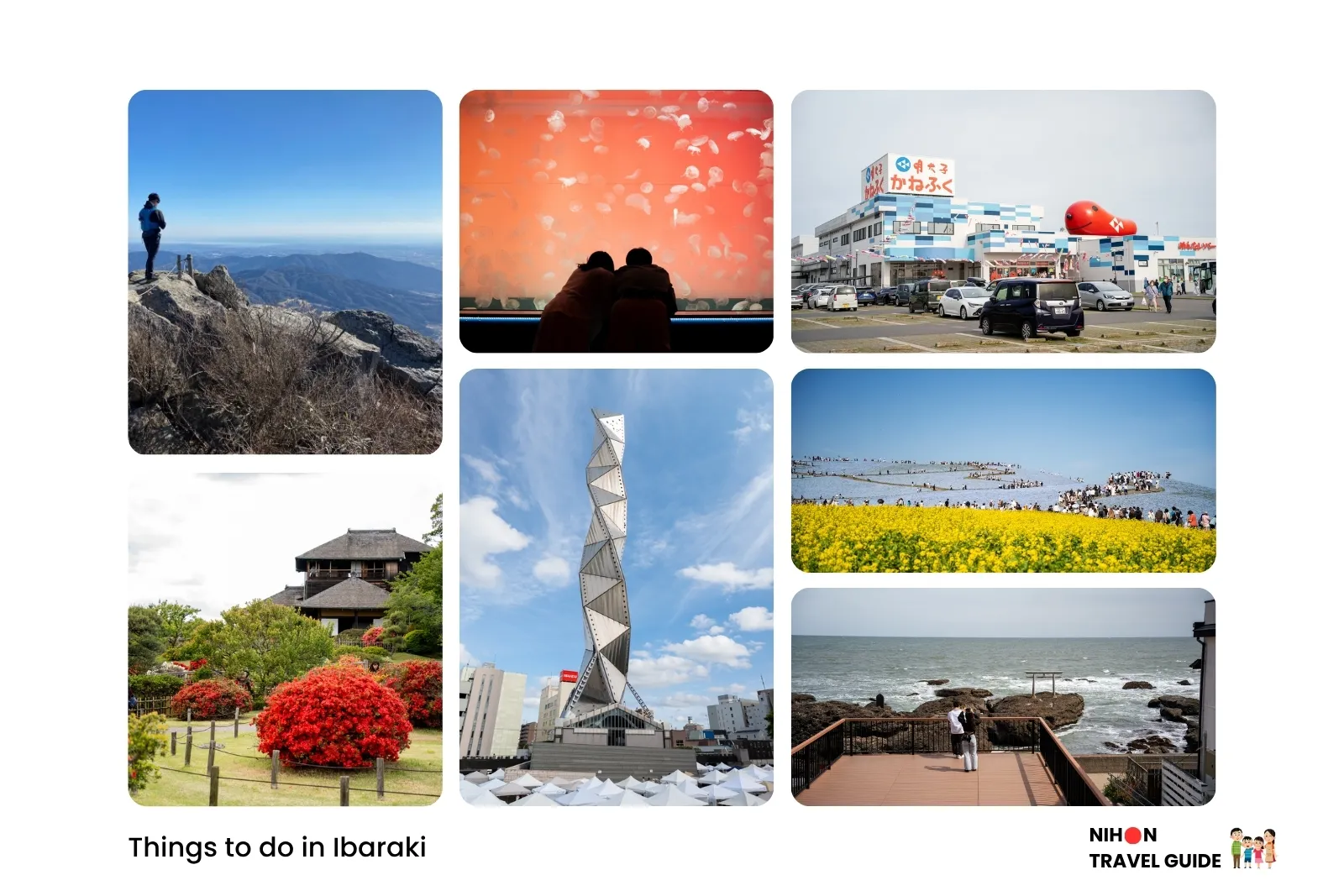
- Best combined with Art Tower Mito and Lake Senba for a full day in Mito City
Disclaimer: I am not sponsored for this post. I decided to visit Mito Kairakuen Garden & Koubuntei because it looked interesting. Some links on this page are affiliate links, meaning I may earn a small commission if you book through them, at no extra cost to you.
In April 2026 I visited Mito Kairakuen Garden (偕楽園) & Koubuntei (好文亭) and it was a little bit like stepping into a Japanese History textbook because you got to see how Japanese lived in the past and what their homes and gardens used to look like.
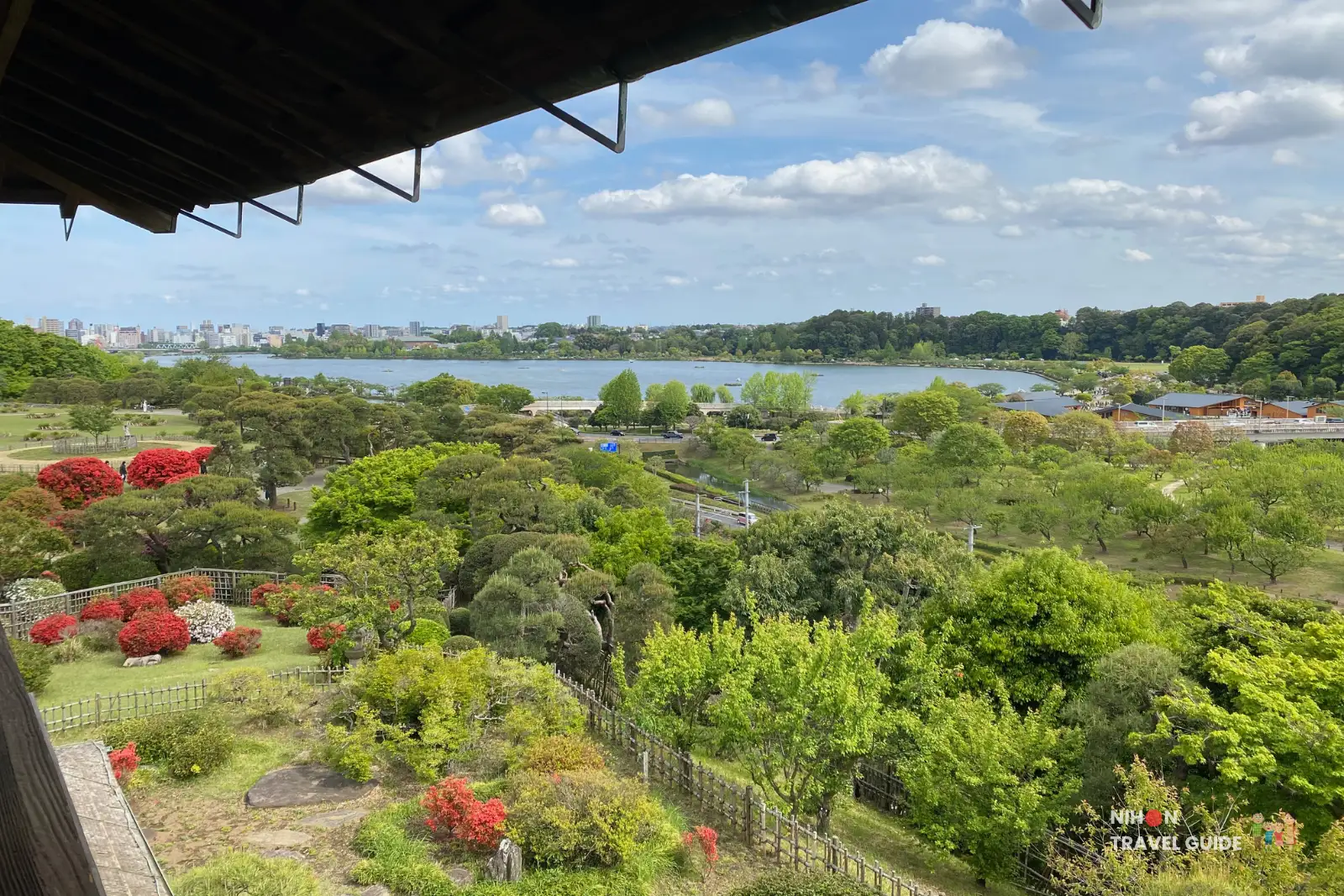
Mito Kairakuen Garden is one of Japan’s Three Great Gardens and (at the time) was designed to be enjoyed by the public besides the nobles and elites. It also is home to 3000 over plum trees among other flowers and gives a great panoramic view of Mito City.
Anyway, I will let you know what my experience was like visiting Mito Kairakuen Garden and Koubuntei and why you should consider visiting one of Japan’s Three Great Gardens on your next trip to Japan.
- How to get to Mito Kairakuen Garden
- Mito Kairakuen Garden Ticket Prices
- Mito Kairakuen Garden & Koubuntei Opening Hours
- Mito Kairakuen Garden Event Calendar
- Mito Kairakuen Garden in April
- Why is it “One of Japan's Three Great Gardens”?
- Koubuntei
- Some Tips
- Should you Avoid, Shortlist or Visit Mito Kairakuen Garden
- Other Mito City Attractions
- Mito City Day Trip Itinerary
- Where to Stay Nearby
Photos on this page are mine, shot on an iPhone 11 pro. Nicer photos were shot by Tessa Leong were shot with a Sony a7IV with Tamron 28-200mm lens.
How to get to Mito Kairakuen Garden
Via Mito Station
Mito Kairakuen Garden is about a 15-20 minute walk from Mito Station. However Mito Station is closer to the East side of Lake Senba. Mito Kairakuen Garden are all towards the West side of the lake, so that would be another 15-20 minutes walk.
Mito Station is about 1hr 20 mins away from Tokyo station via the Hitachi and Tokiwa 61 Limited Express Katsuta Train. It costs about ¥4000.
Bus to Senbako Stop
If you don’t want to walk, you can buses from the Platform 6 at Mito Station towards Senba. They should stop at Senbako stop, much closer to Kairakuen Garden and Mito Kobun Terrace.
Kairakuen Station
Kairakuen Station is actually much closer to Mito Kairakuen Garden. However it’s only opened during the peak of the Mito Plum Blossom Festival (usually mid-February to late March).
Lake Senba/Mito Kobun Terrace Parking
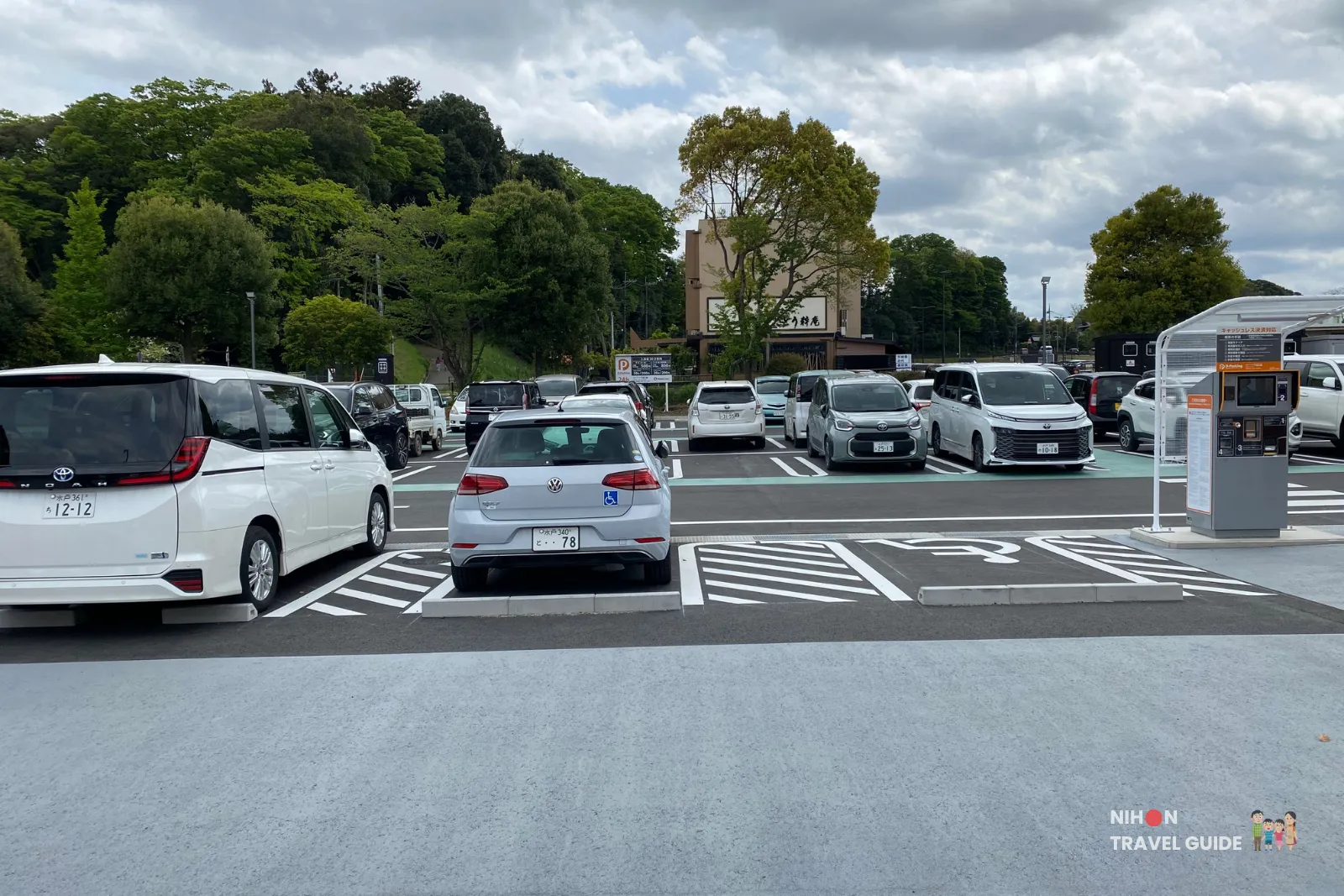
🅿️ Mito Kobun Terrace — Parking Fees
| Period | Flat Rate (up to 24hrs) | Additional Fee |
|---|---|---|
| Weekdays (Mon–Fri) | ¥500 | ¥200 per 30 mins |
| Sat, Sun & Holidays | ¥800 | ¥200 per 30 mins |
💡 Free parking is available around Lake Senba — about 5–10 minutes walk to Mito Kobun Terrace. Prices may change — always check before visiting.
There is parking at Mito Kobun Terrace complex at Lake Senba, but it is paid parking. I don’t really recommend parking here.
Free Parking around Lake Senba
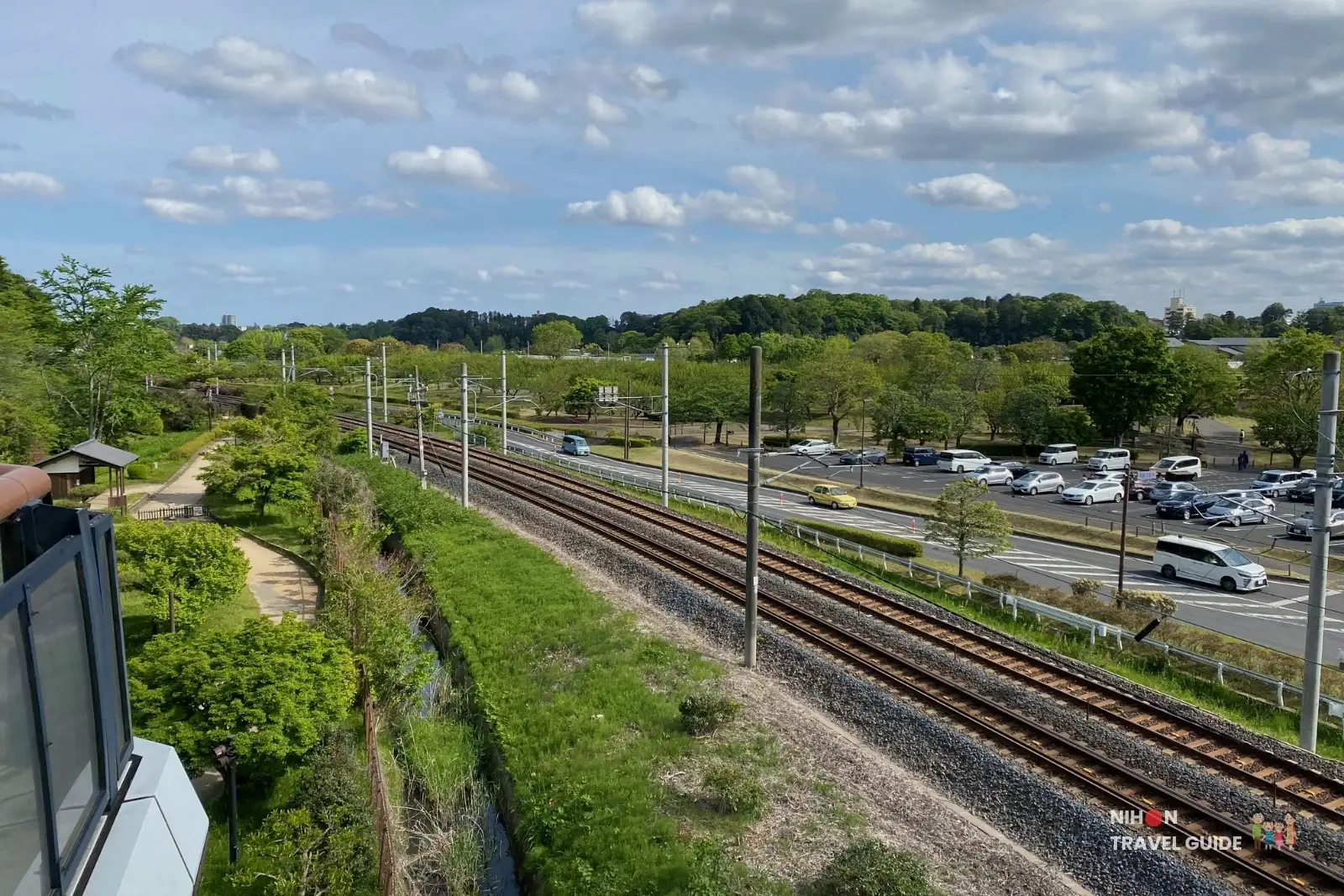
Instead, I recommend parking at other free parking areas around Mito Kairakuen Garden and Lake Senba. There are plenty of parking spaces and is slightly closer to the garden then the paid parking.
Mito Kairakuen Garden Ticket Prices
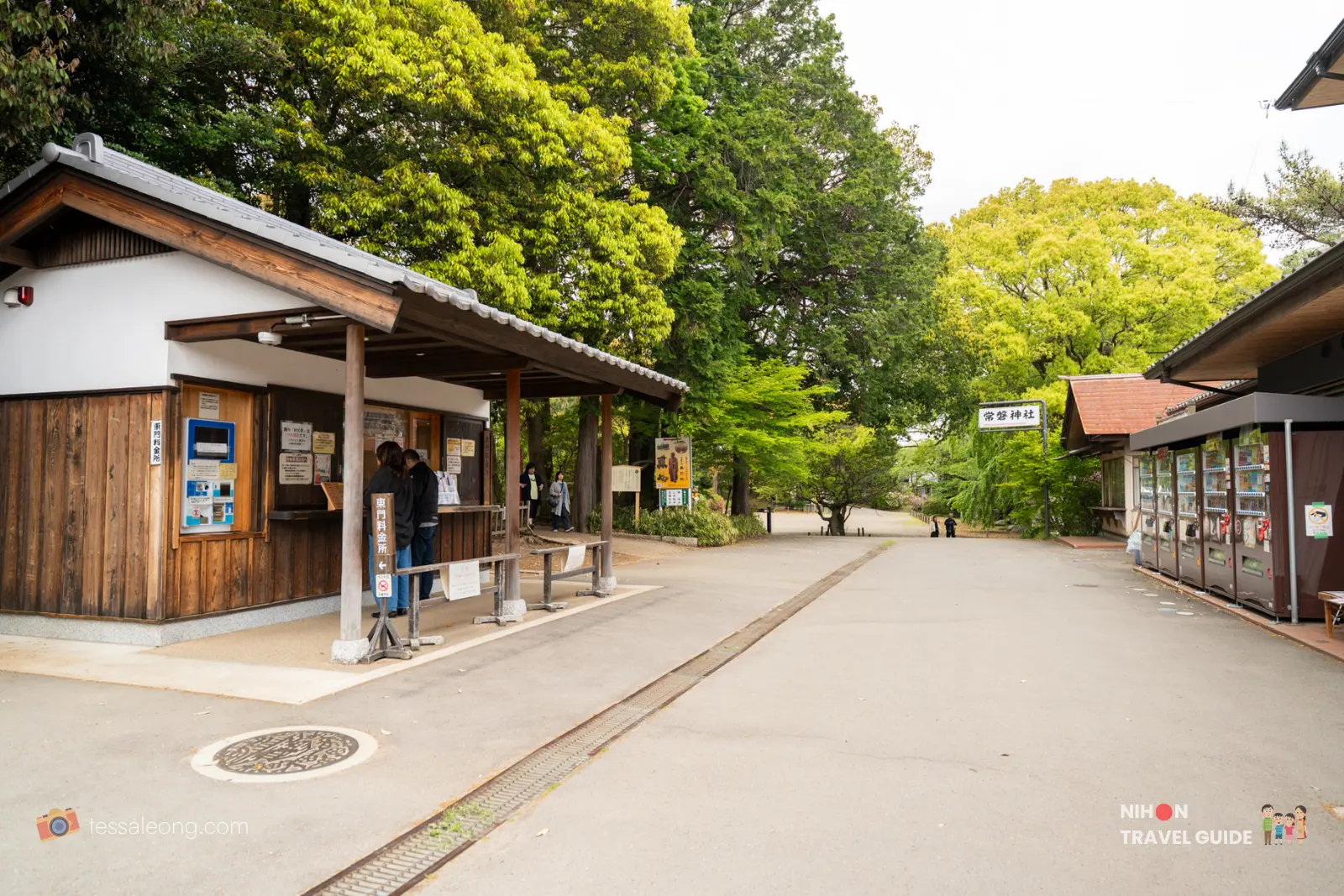
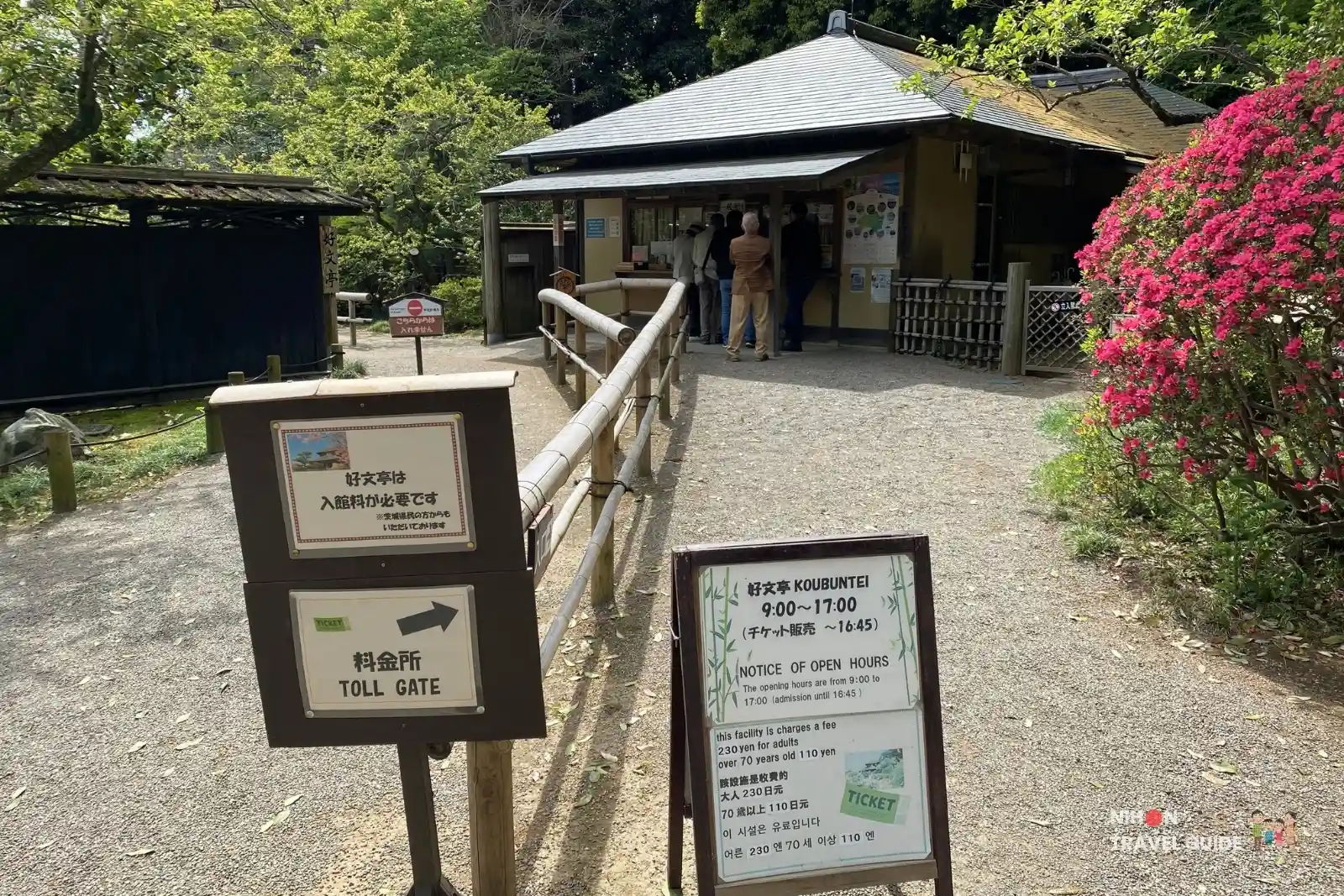
🎟️ Mito Kairakuen Garden & Koubuntei — Ticket Prices
| Category | Price |
|---|---|
| Adult (High school & above) | ¥320 |
| Elementary & Middle School Students | ¥160 |
| Category | Price |
|---|---|
| Adult (High school & above) | ¥230 |
| Elementary & Middle School Students | ¥110 |
| Age 70 and over | ¥110 |
| Category | Garden | Koubuntei | Total |
|---|---|---|---|
| Adult | ¥320 | ¥230 | ¥550 |
| Elementary & Middle School | ¥160 | ¥110 | ¥270 |
You will need another separate ticket to enter Koubuntei itself. That ticket will be purchased just before entering Kobuntei itself. They accept cash and card payment methods.
Mito Kairakuen Garden & Koubuntei Opening Hours
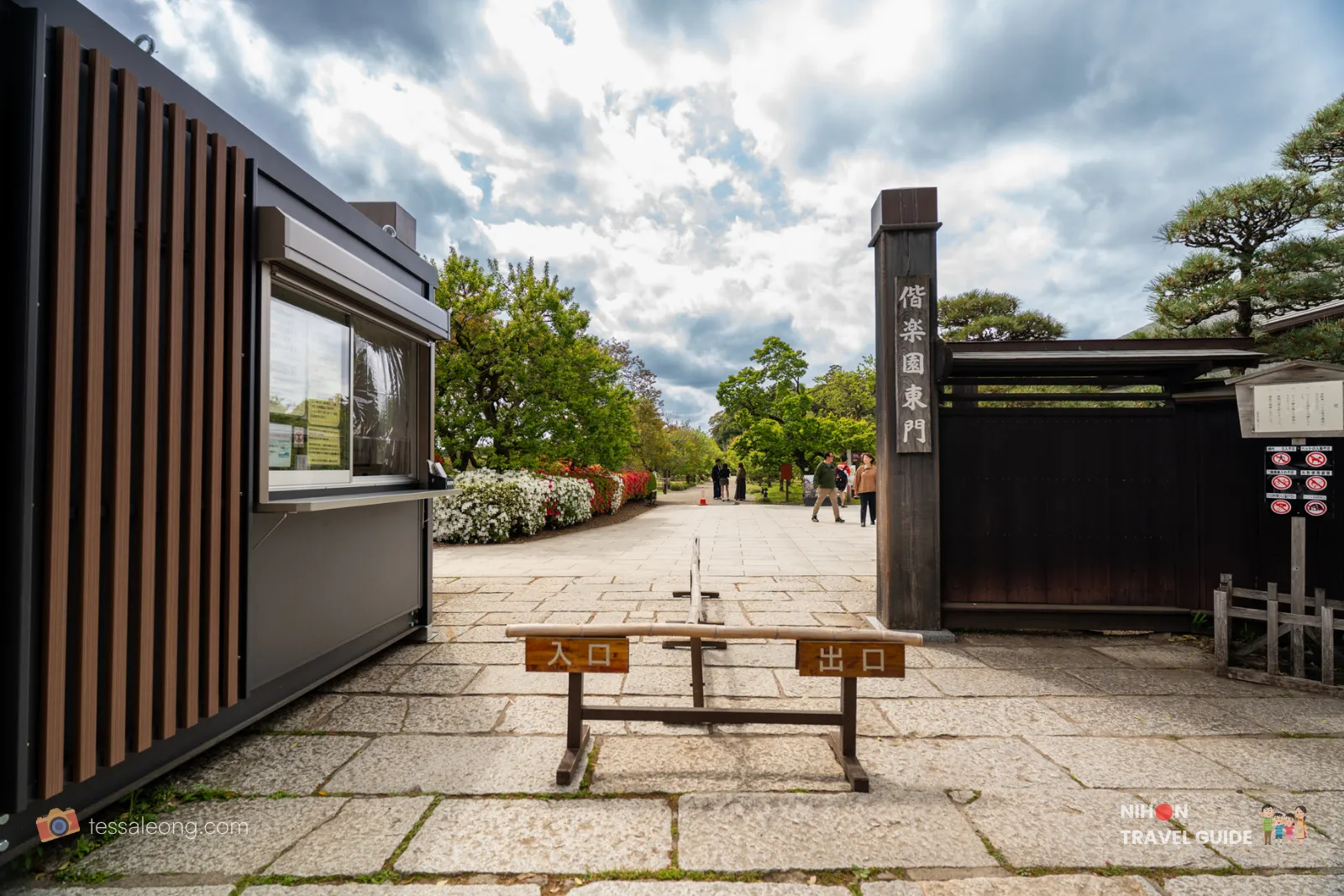
🕘 Mito Kairakuen Garden & Koubuntei — Opening Hours
| Period | Opening Hours | Last Entry |
|---|---|---|
| Mid-February – 30 September | 6:00am – 7:00pm | 6:45pm |
| 1 October – Mid-February | 7:00am – 6:00pm | 5:45pm |
| 29 December – 3 January | Closed | — |
| Period | Opening Hours | Last Entry |
|---|---|---|
| Mid-February – 30 September | 9:00am – 5:00pm | 4:45pm |
| 1 October – Mid-February | 9:00am – 4:30pm | 4:15pm |
| 29 December – 3 January | Closed | — |
The garden is closed from December 29th to January 3rd. Some outer areas (outside the main paid garden) are open 24/7.
Koubuntei is also closed from December 29th to January 3rd.
Mito Kairakuen Garden Event Calendar
📅 Mito Kairakuen Garden — Seasonal Event Calendar
※ Exact dates vary each year — check the official website before planning your visit
Mito Kairakuen Garden has event scheduled all year round. One of the best times to visit the garden would be during Spring during the Plum and Cherry Blossom blooming periods as the garden will be full of beautiful pink flowers.
Mito Kairakuen Garden in April
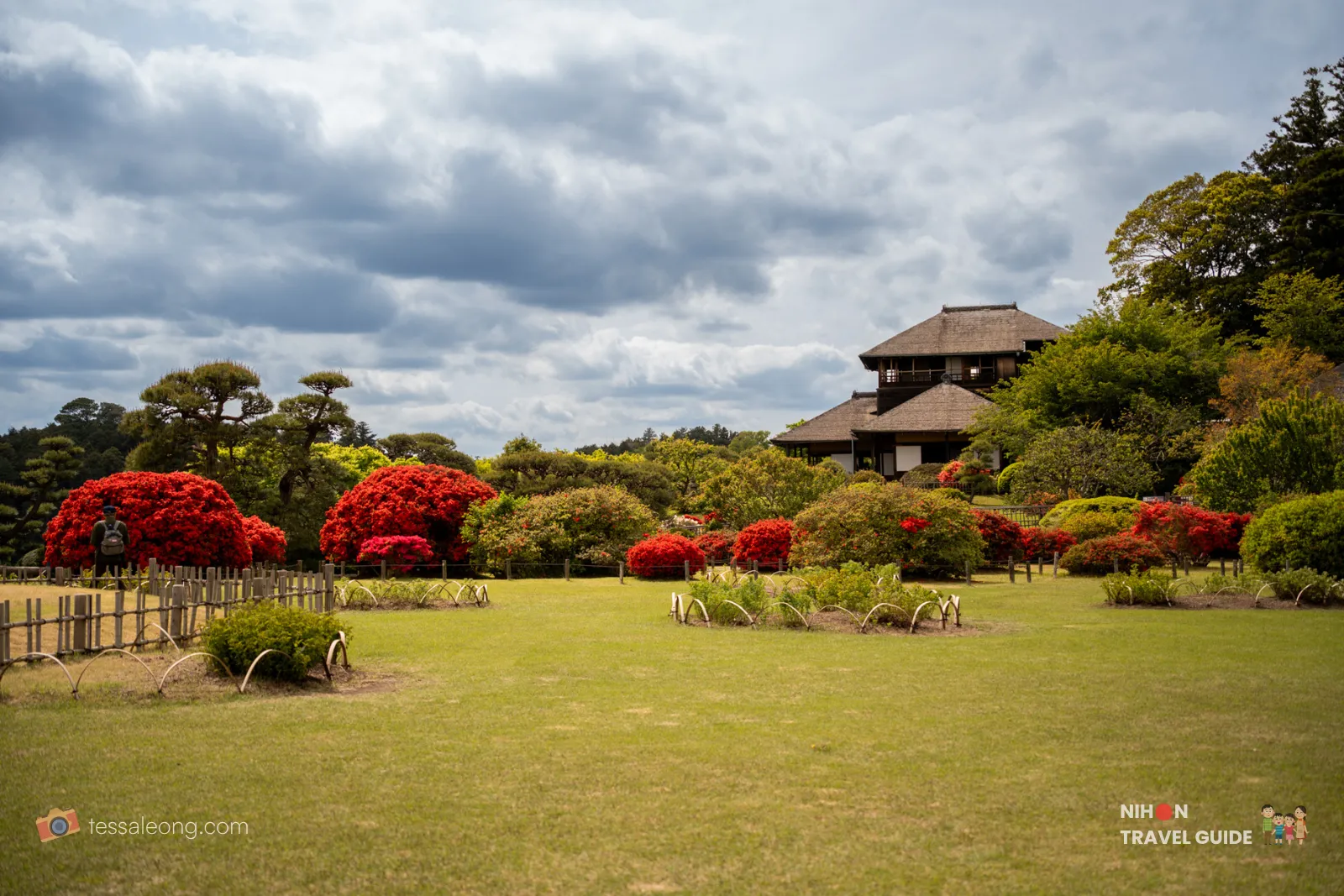
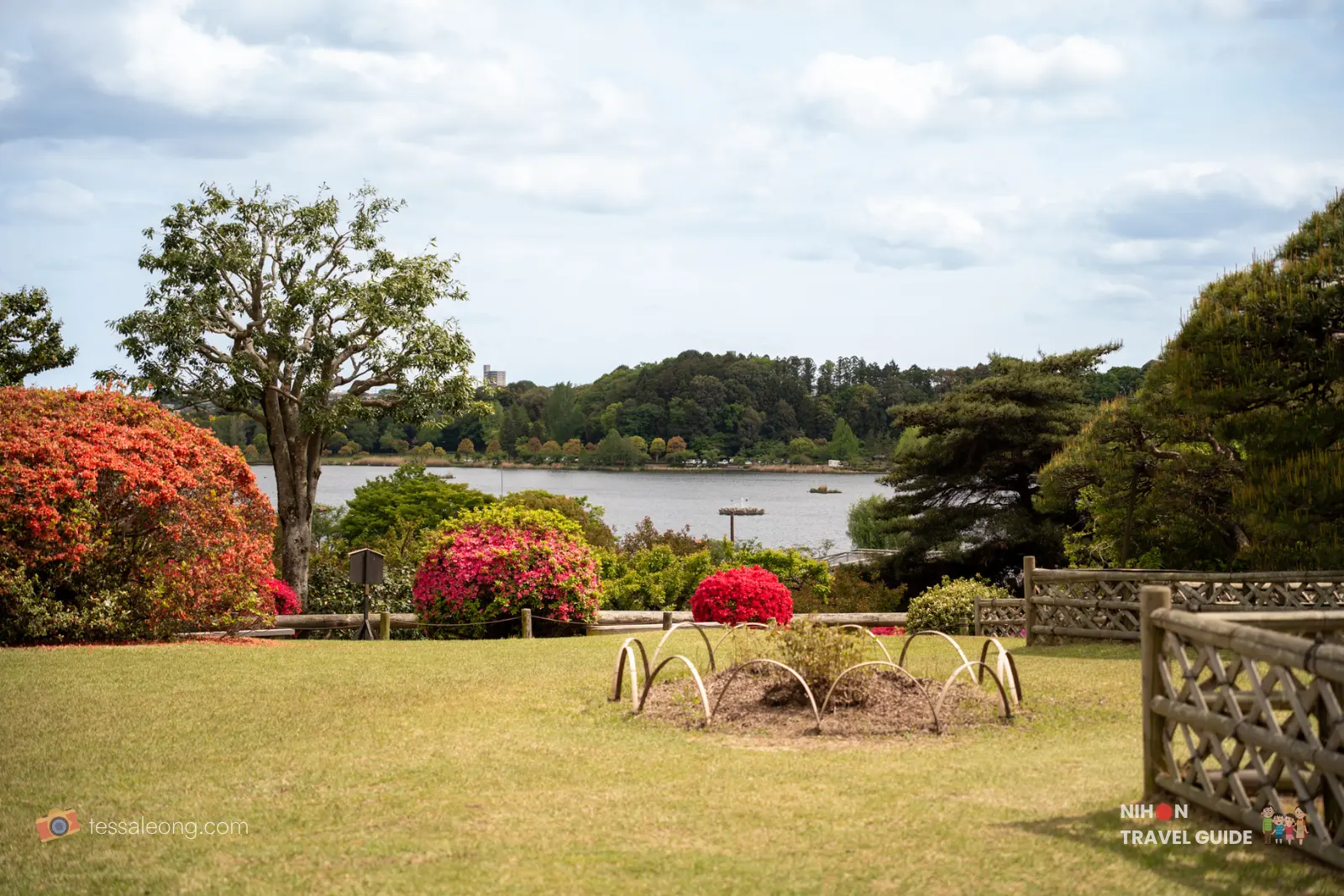
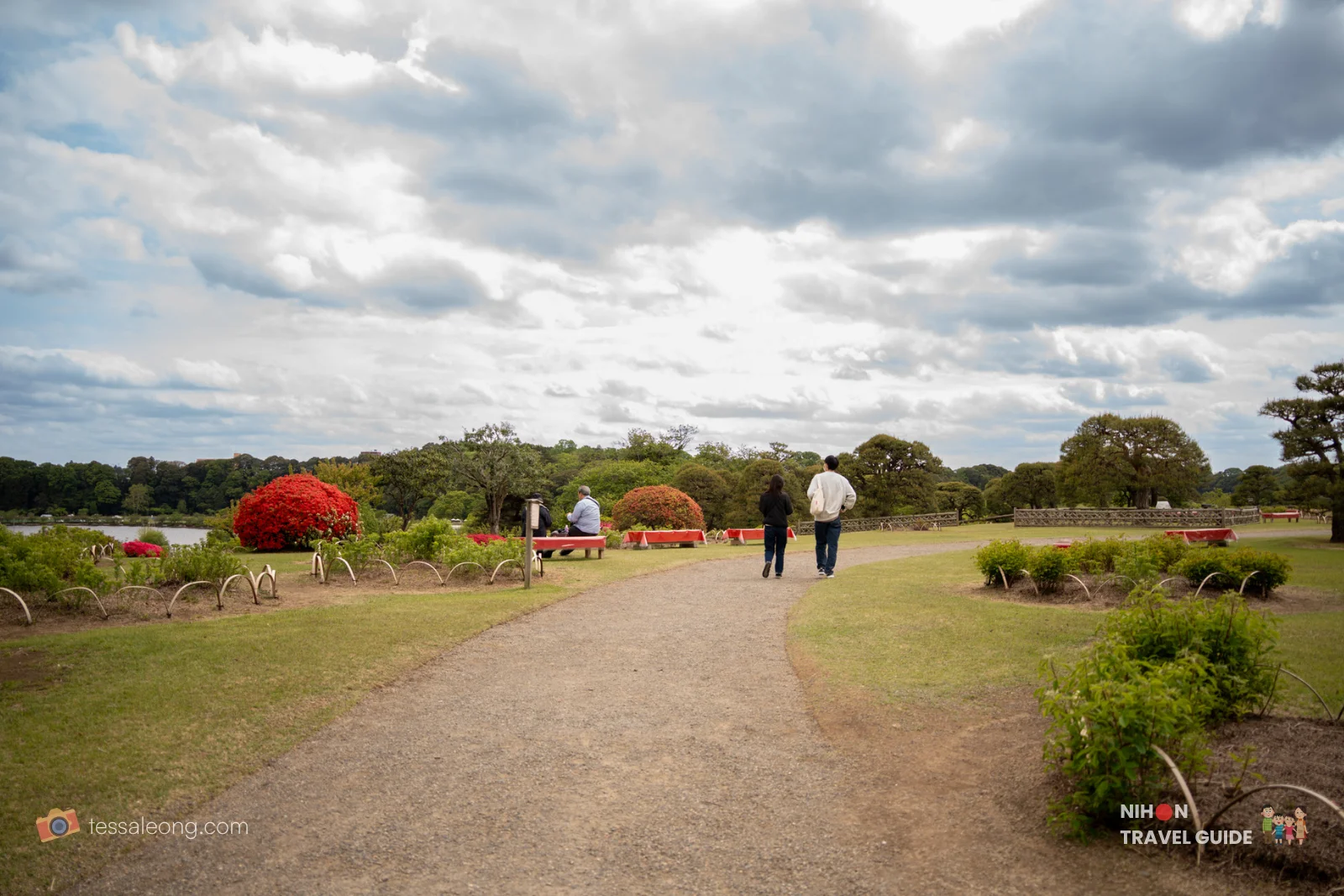
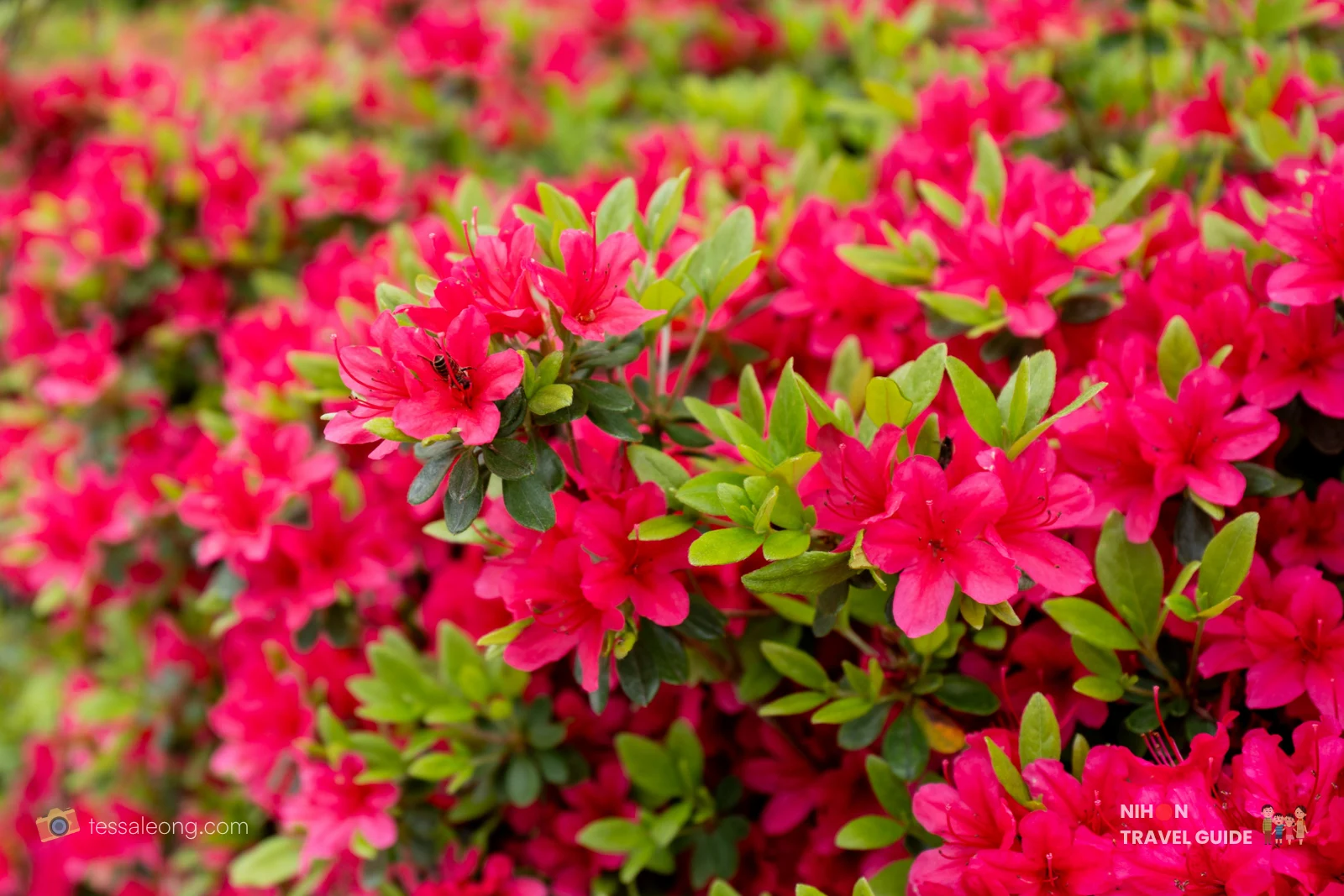
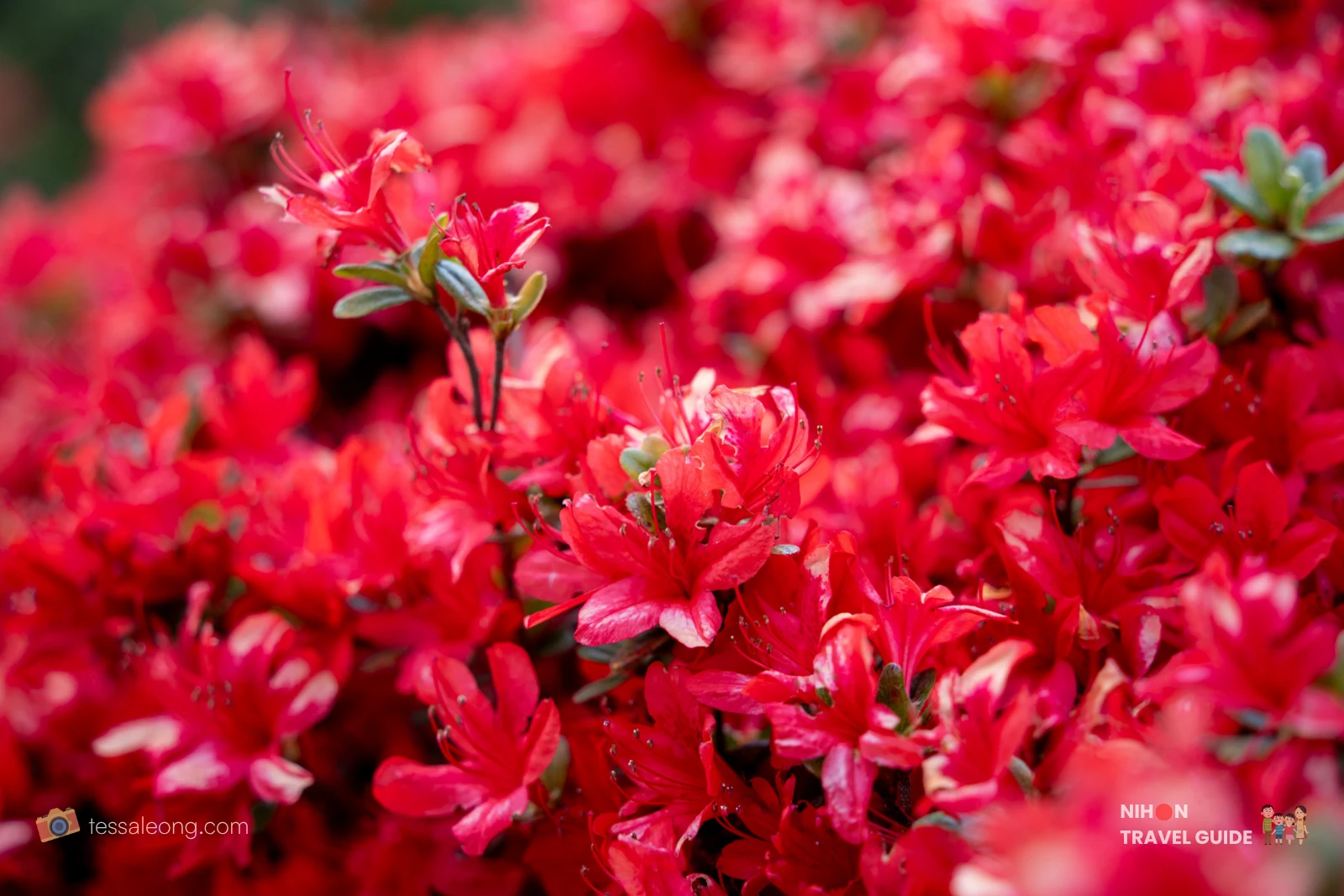
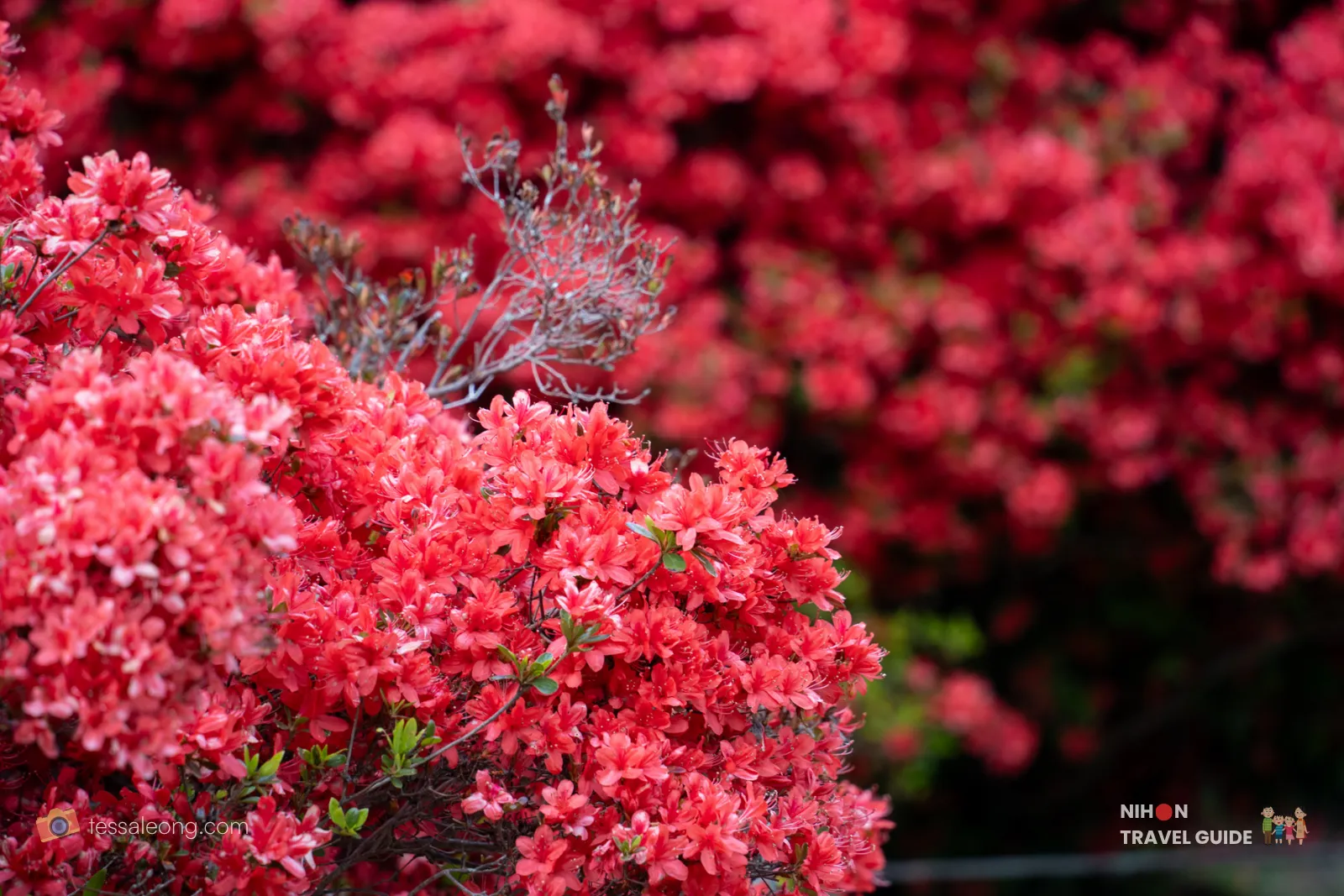
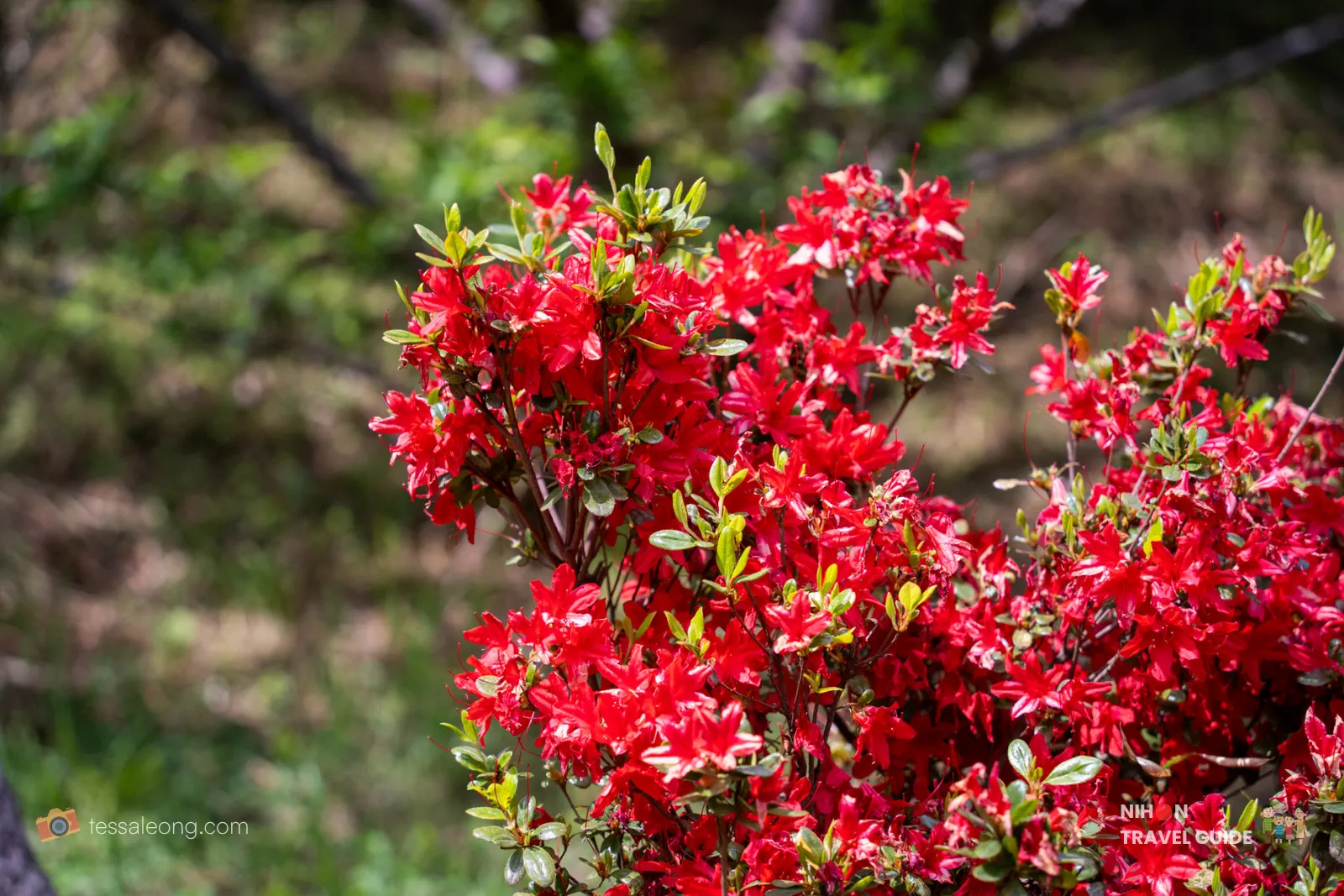
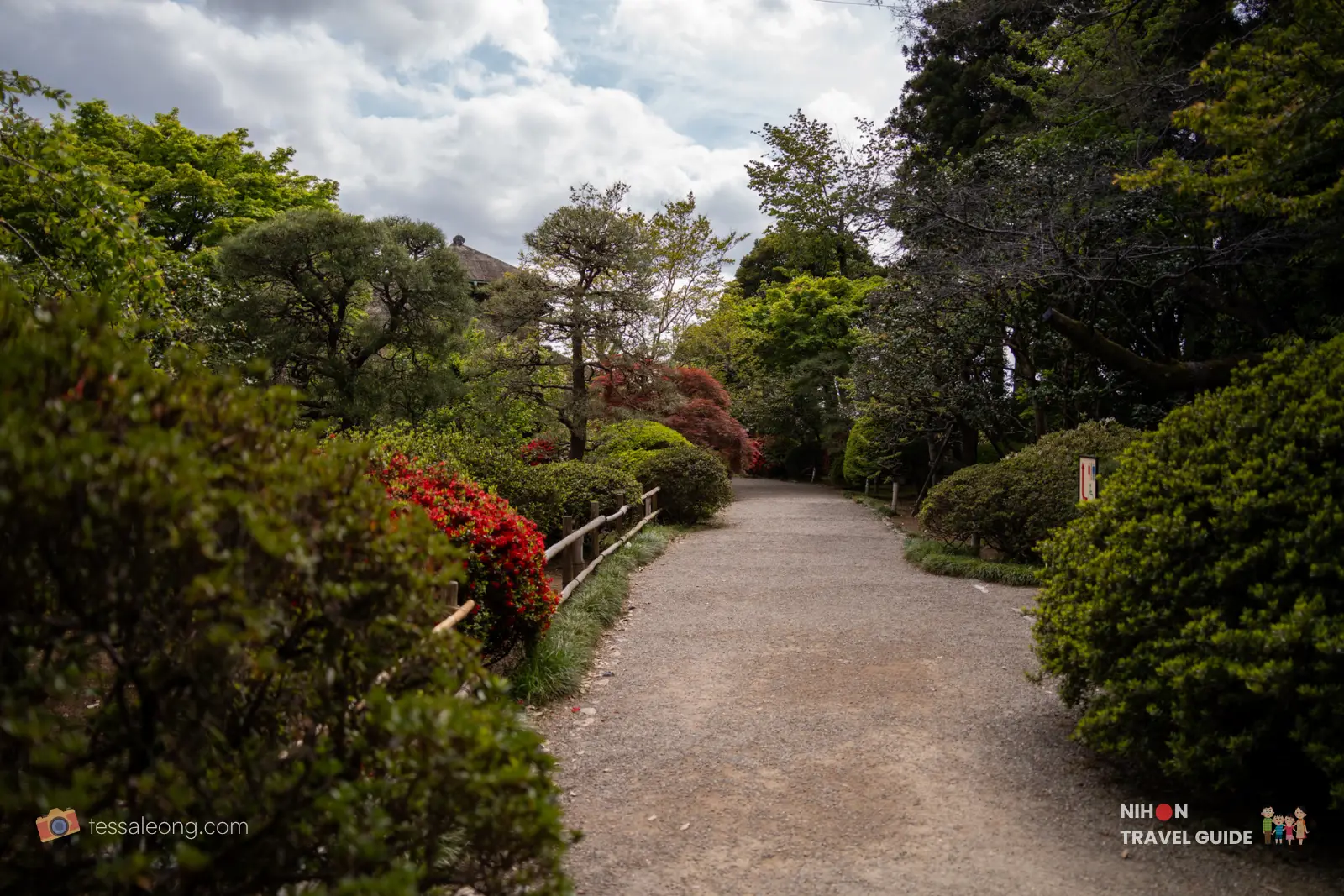
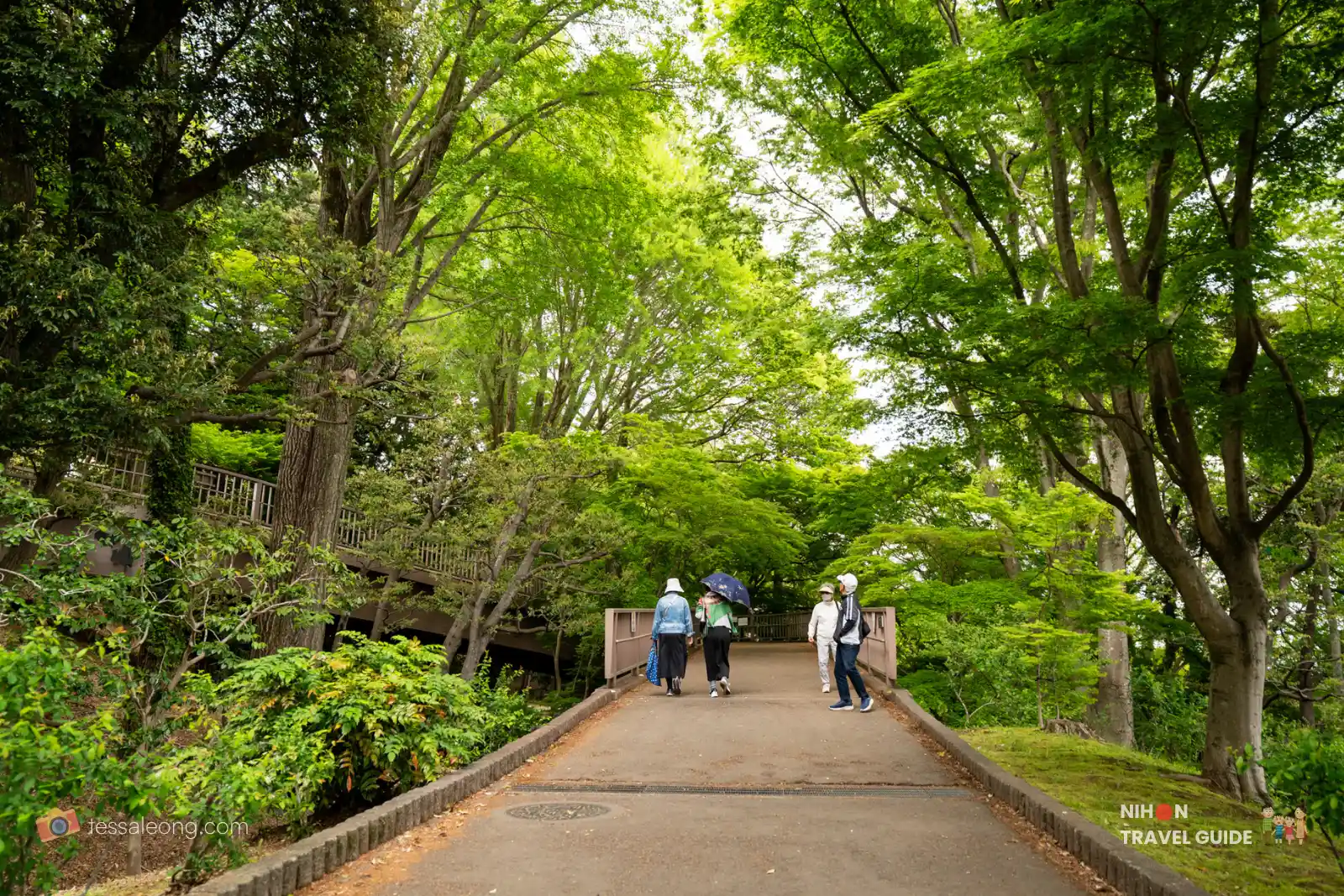
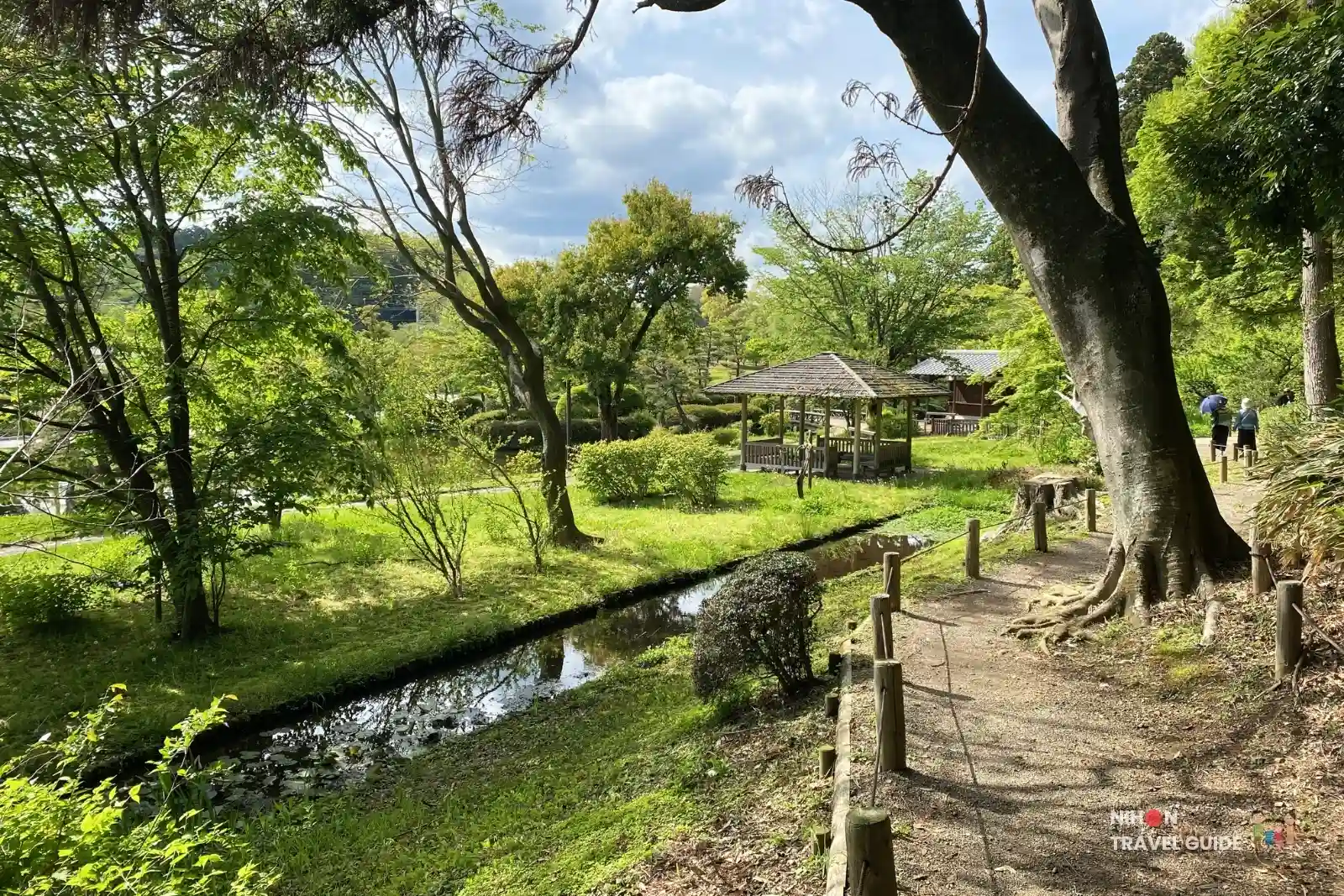
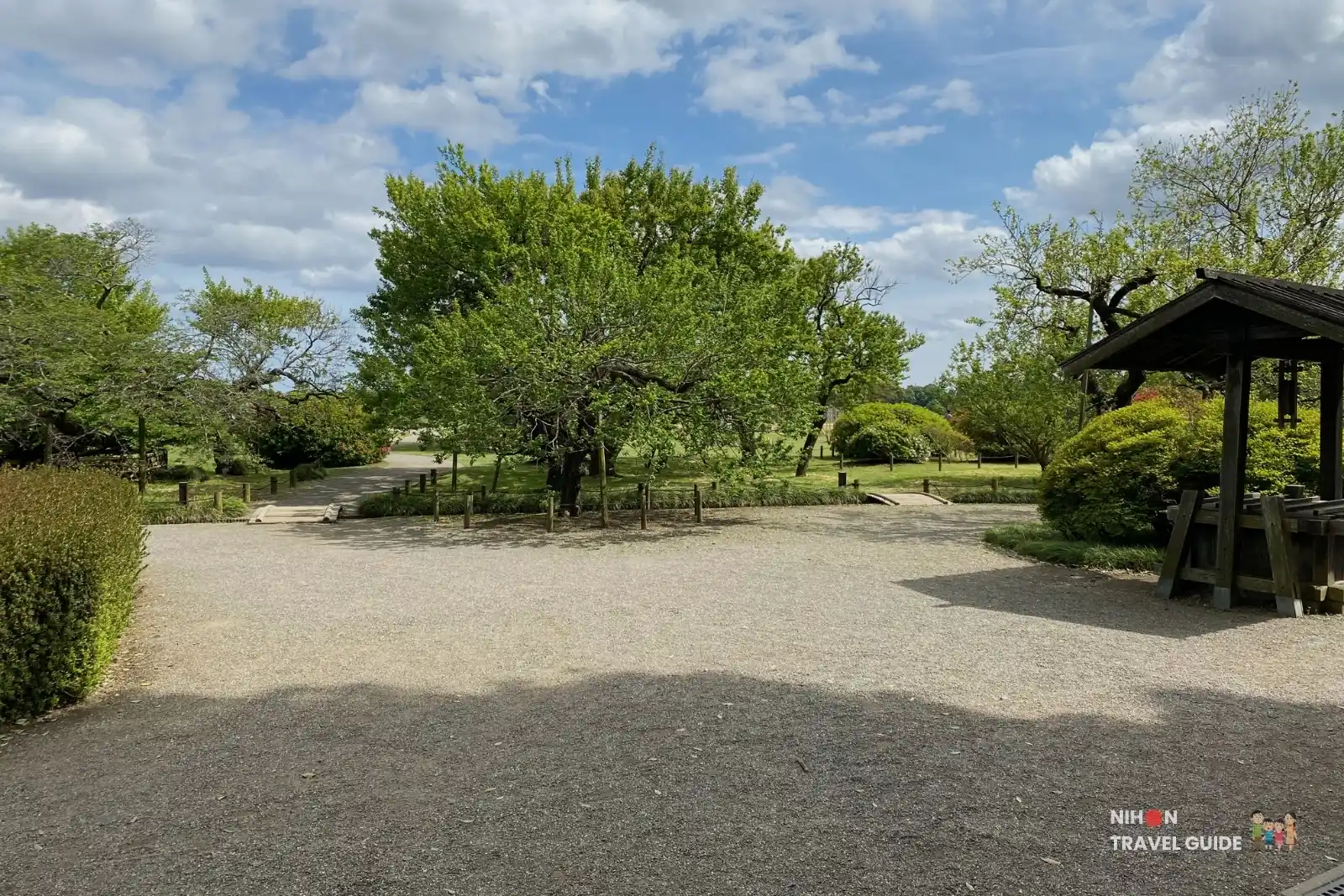
We visited the garden towards the end of April right after both Plum and Cherry Blossom seasons so there weren’t many pink flowers left. There were still a variety of flowers in the garden and it still looked really beautiful and peaceful.
Why is it “One of Japan’s Three Great Gardens”?
The Three Great Gardens of Japan are the most celebrated landscape gardens in the country and are chosen based on their exceptional beauty, historical importance and artistic merit. They were created by feudal lords during the Edo period (1603-1868) and represent the pinnacle of Japanese garden design.
The other two are Kenrokuen (兼六園) in Kanazawa Ishikawa and Korakuen (後楽園) — Okayama, Okayama. And we will definitely be planning to visit them in the future.
How does Mito Kairakuen Garden differ from the other two gardens?
🌿 Japan’s Three Great Gardens · 日本三名園
Three celebrated Edo-period gardens designated as Japan’s finest — each with its own distinct character
Koubuntei
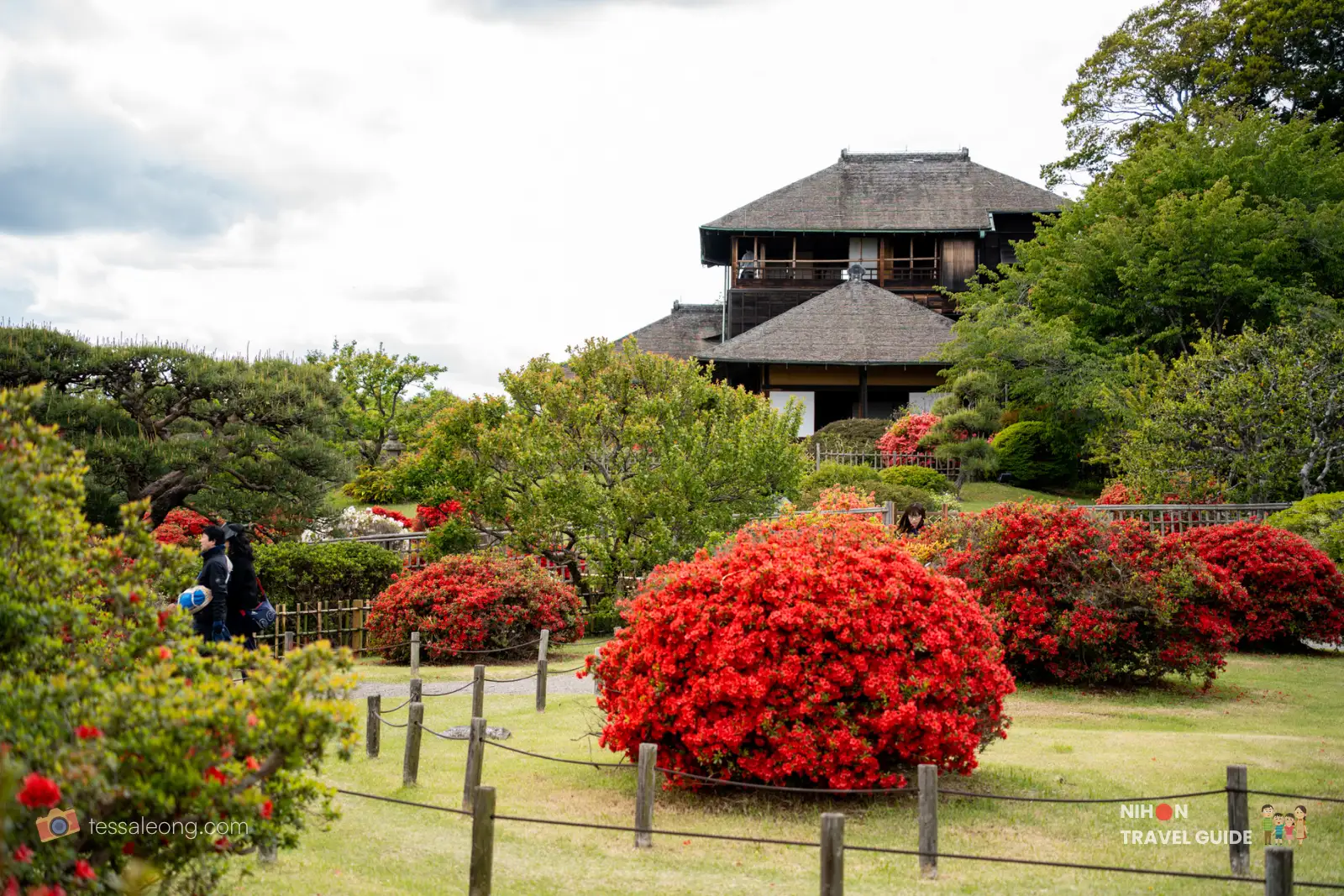
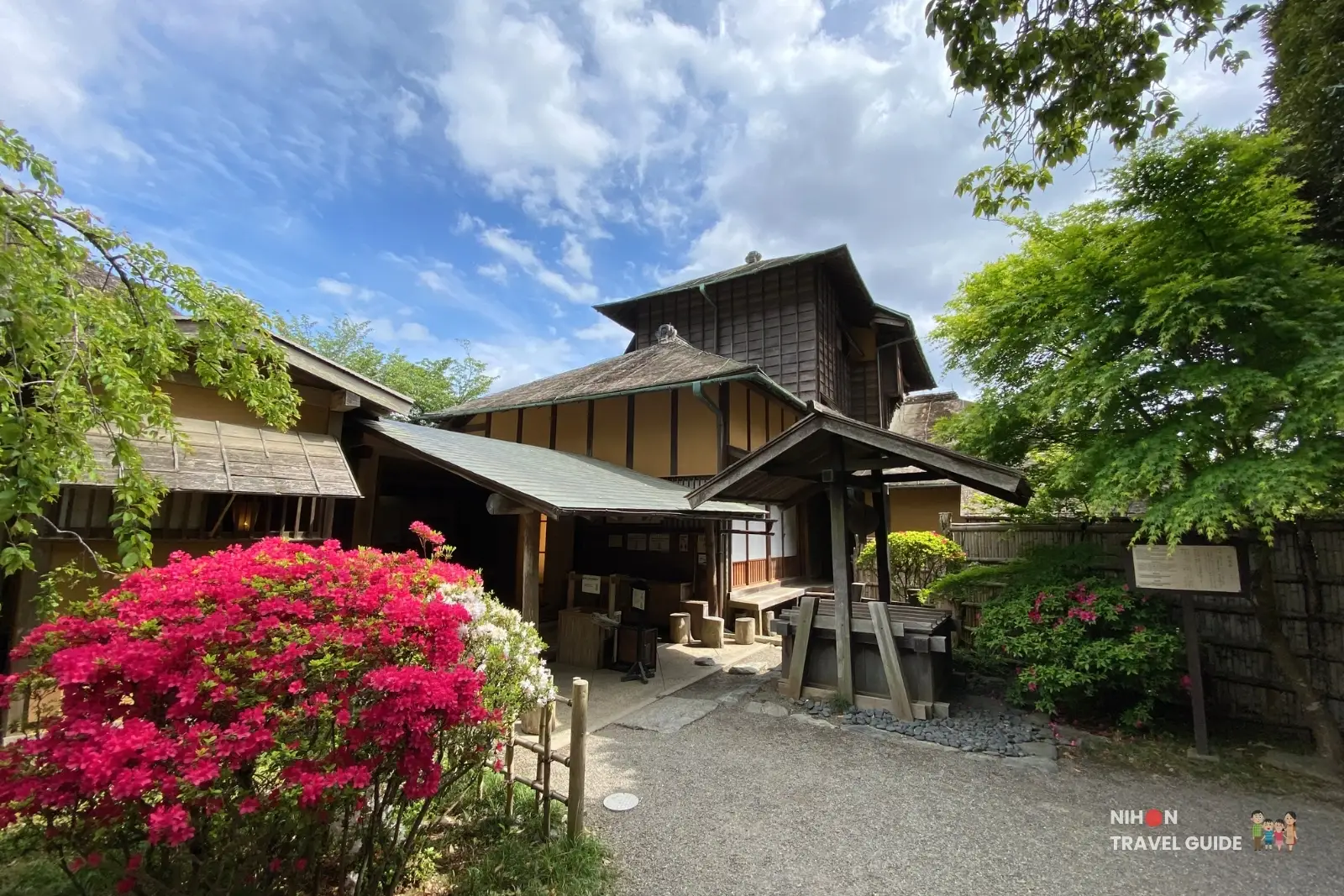
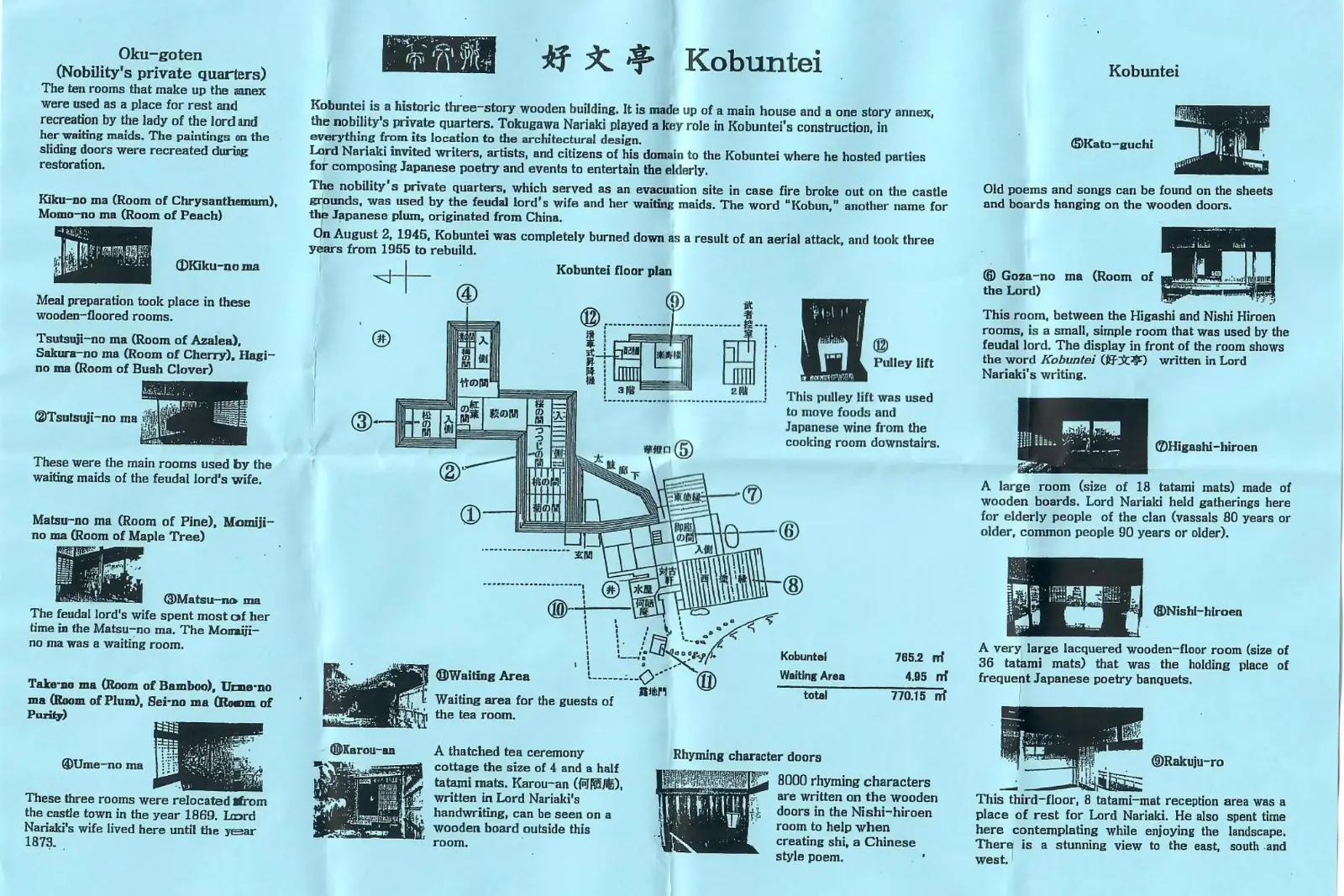
Koubuntei is a historic three story wooden building that was built in 1842 by Tokugawa Nariaki, the ninth lord of the Mito Domain. He had a key role in Koubuntei’s construction including it’s location and architectural design.
In 1945 the building was completely burnt down and was later rebuilt in the late 1950s. So even though the building is not originally the one built in 1842, it was rebuilt to be as close as possible to the original design.
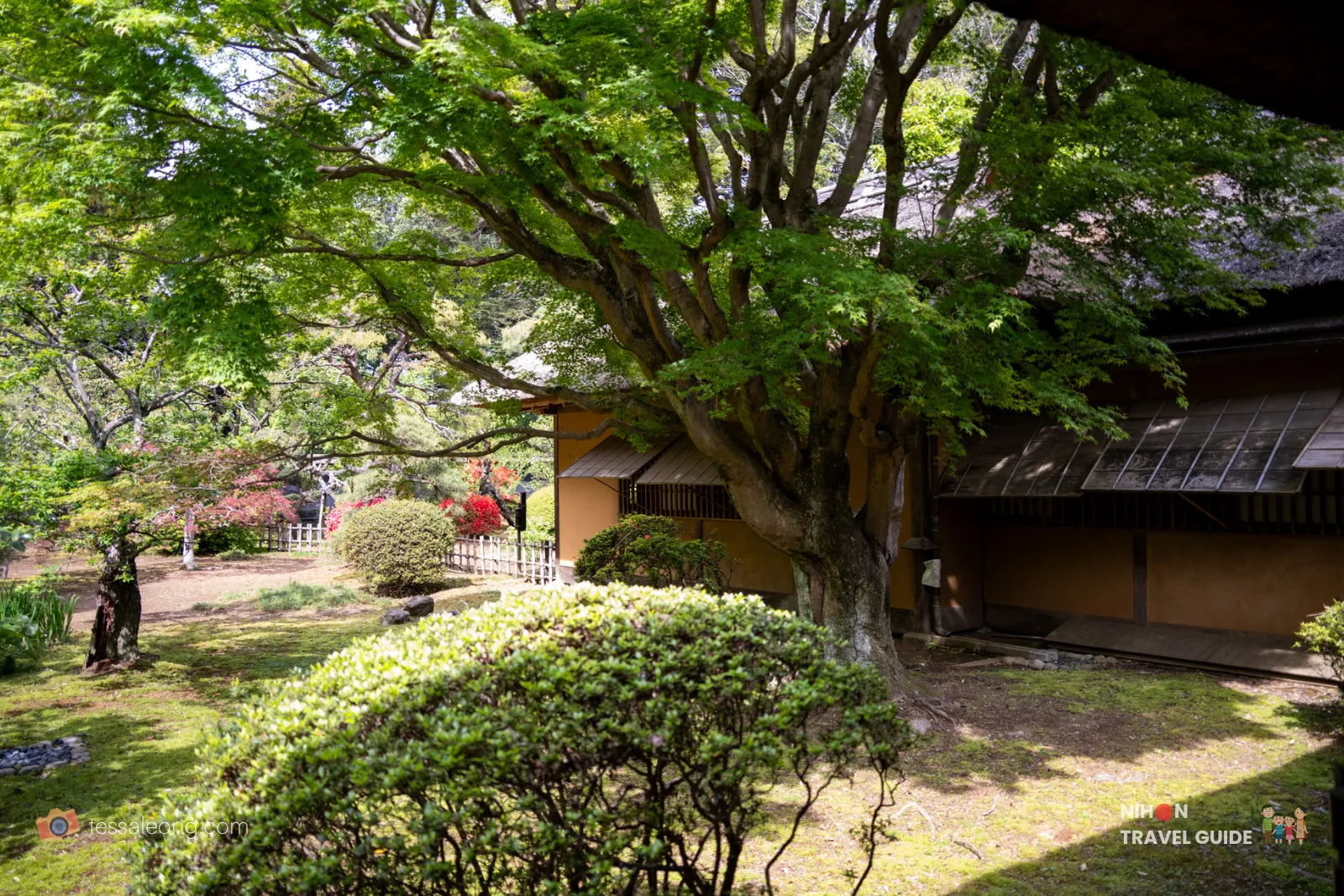
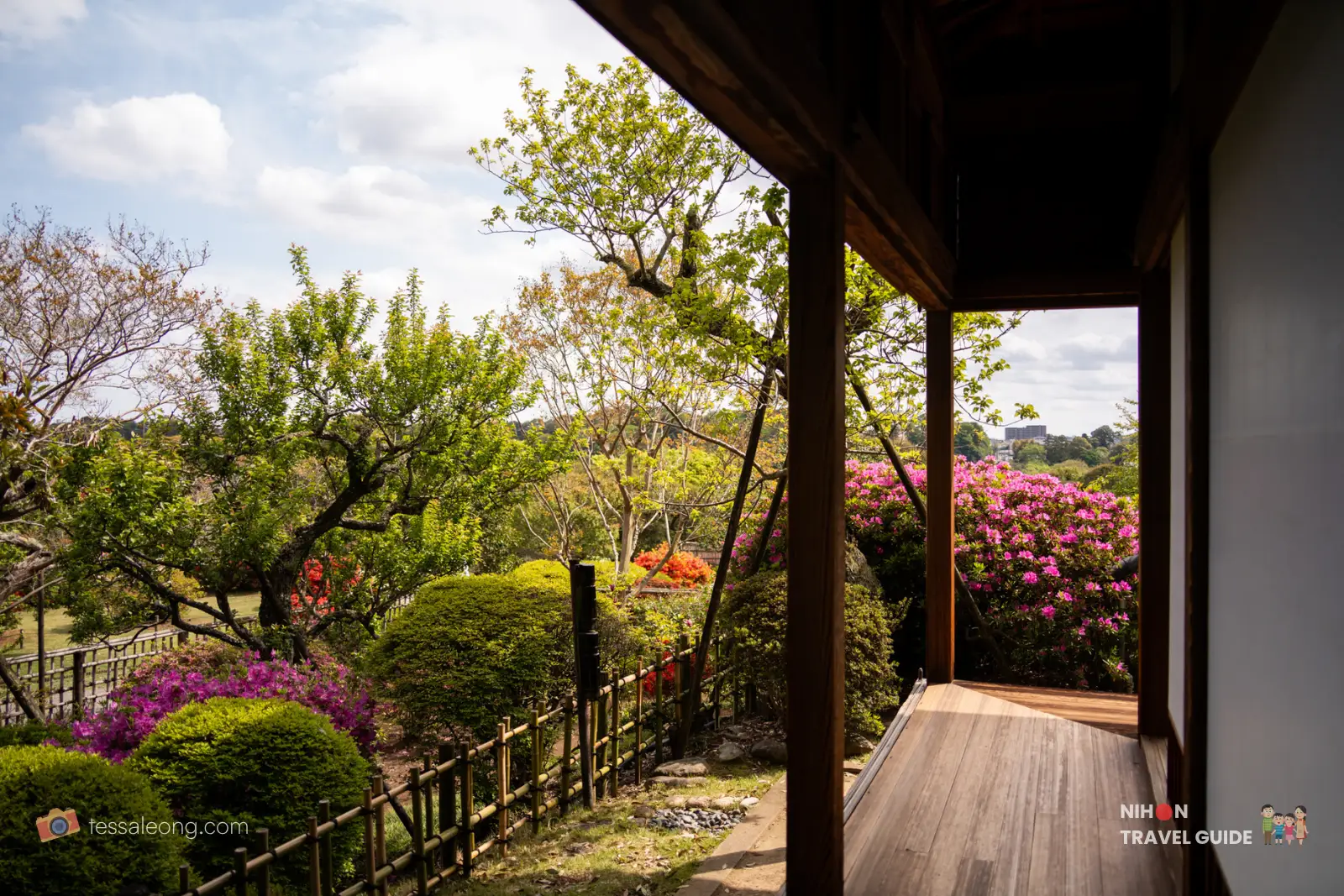
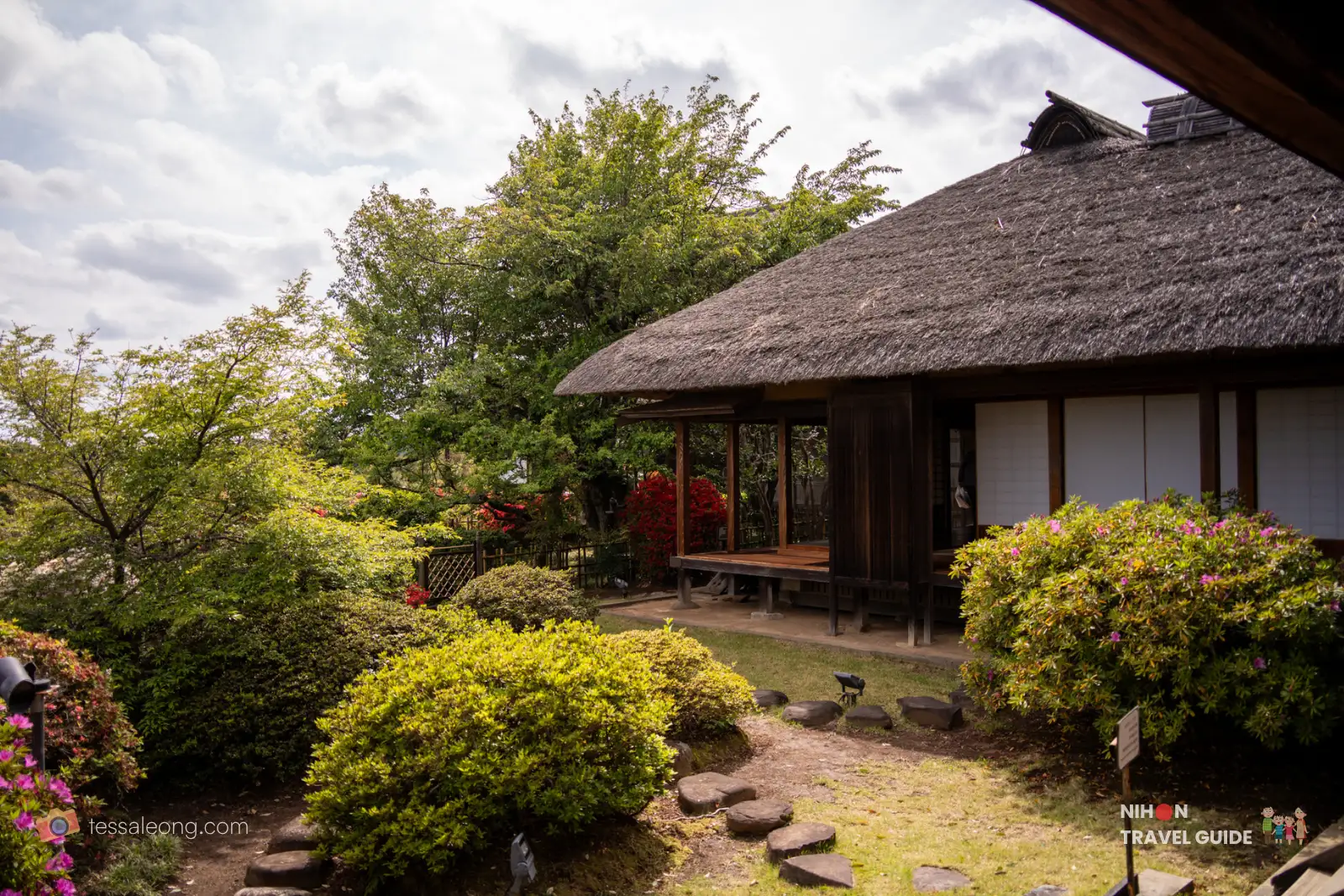
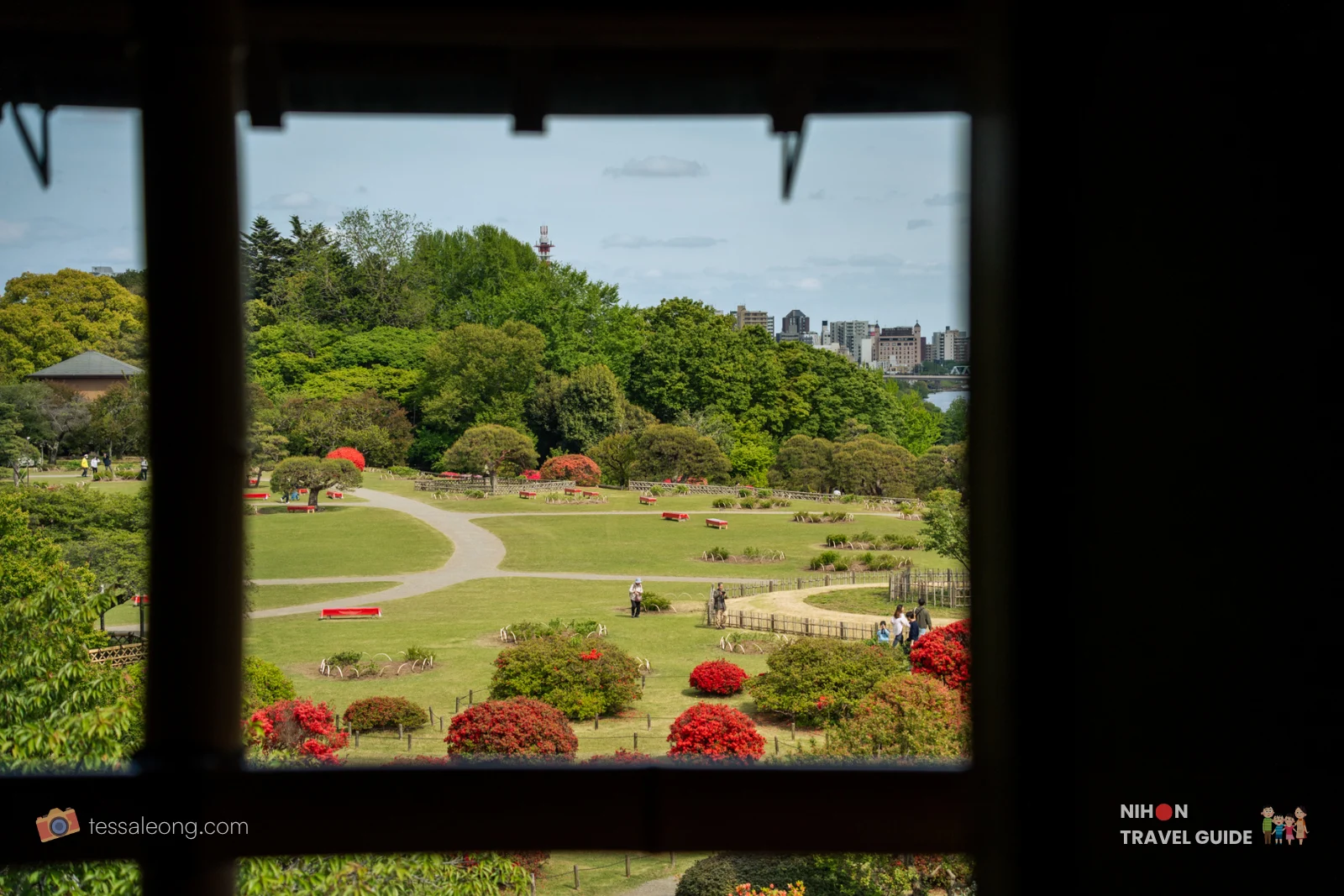
There are 3 levels to the building and while you may freely walk inside the building, the layout is done in a way that you would go one round and visit all the rooms on all the levels before finishing at the building entrance again.
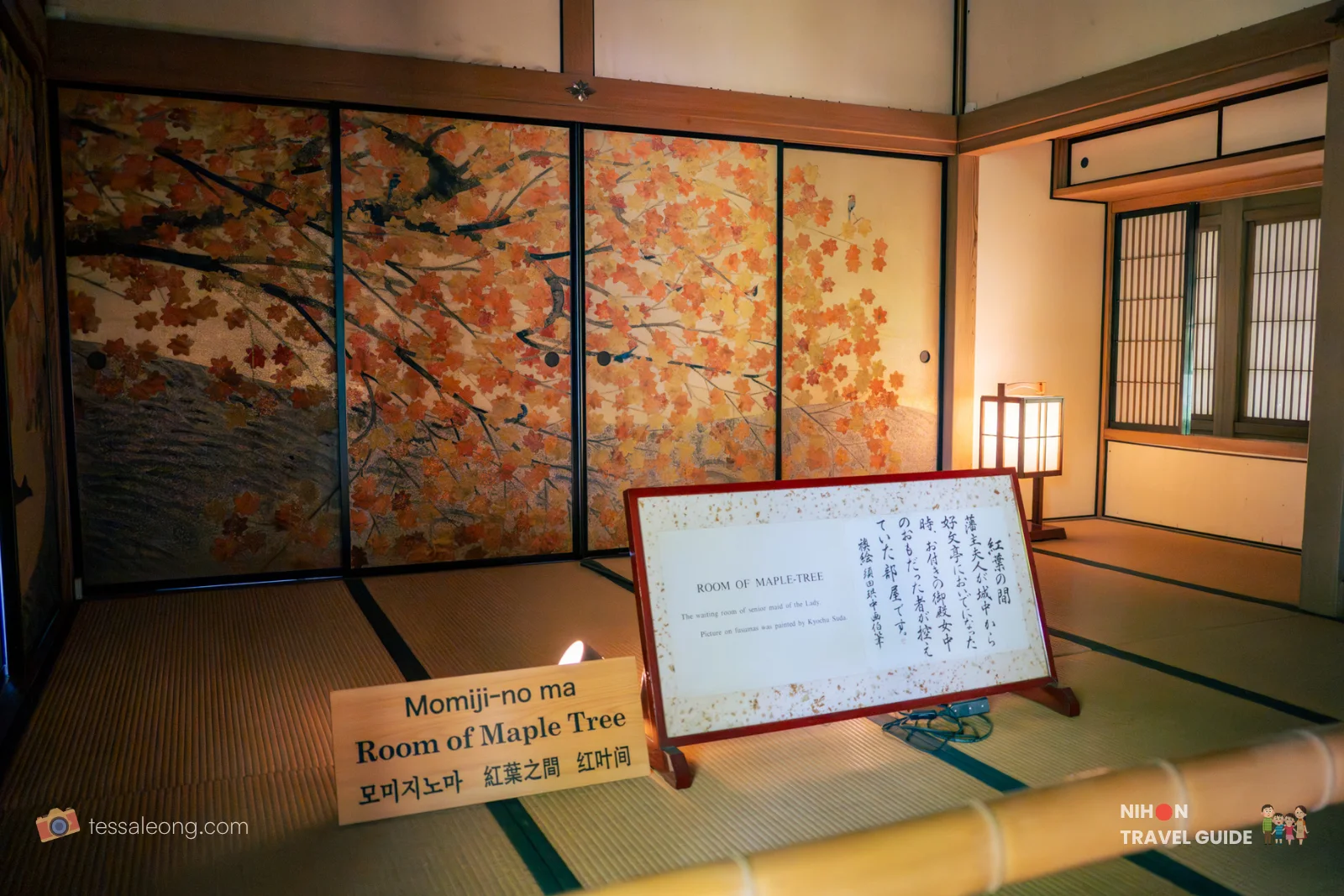
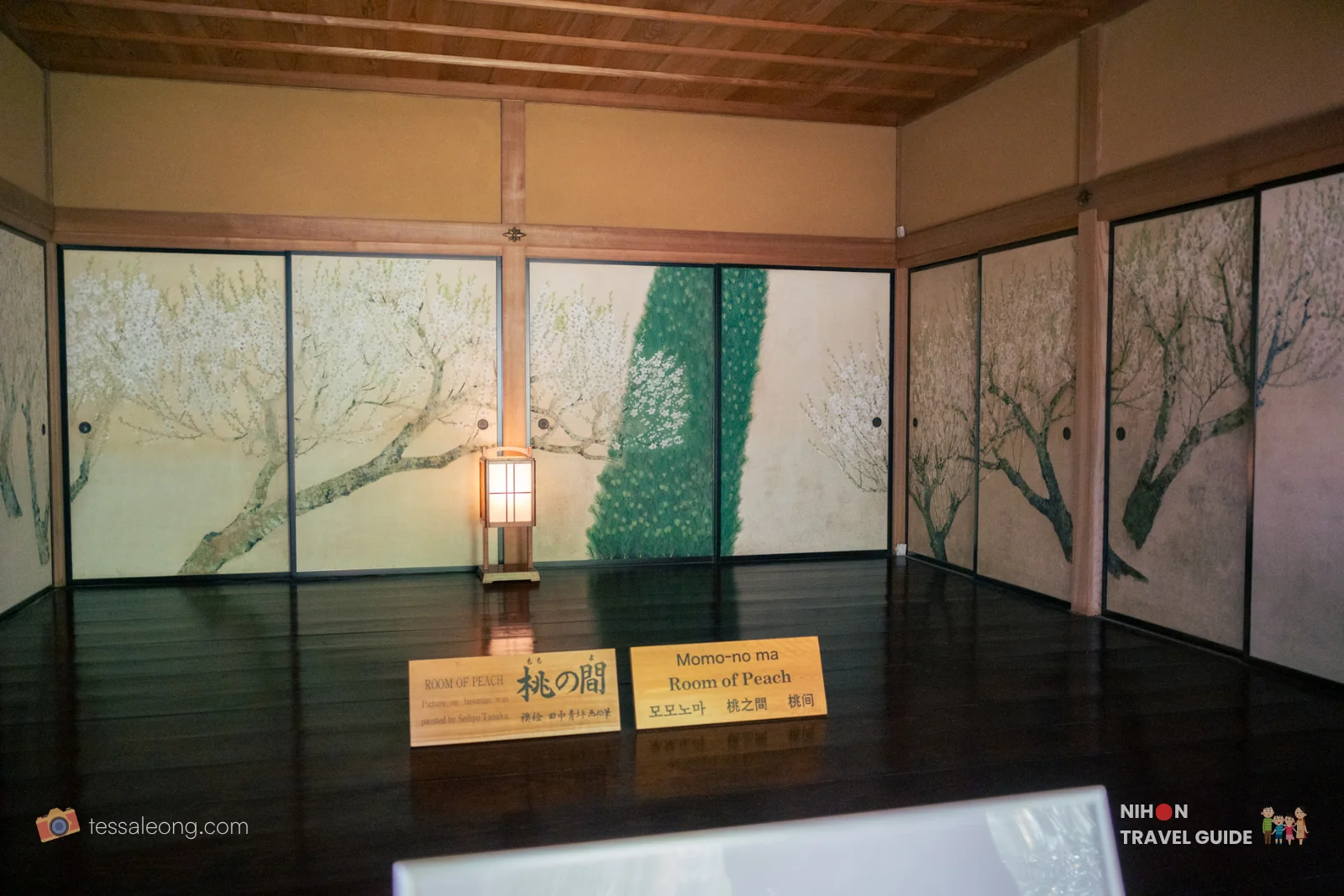
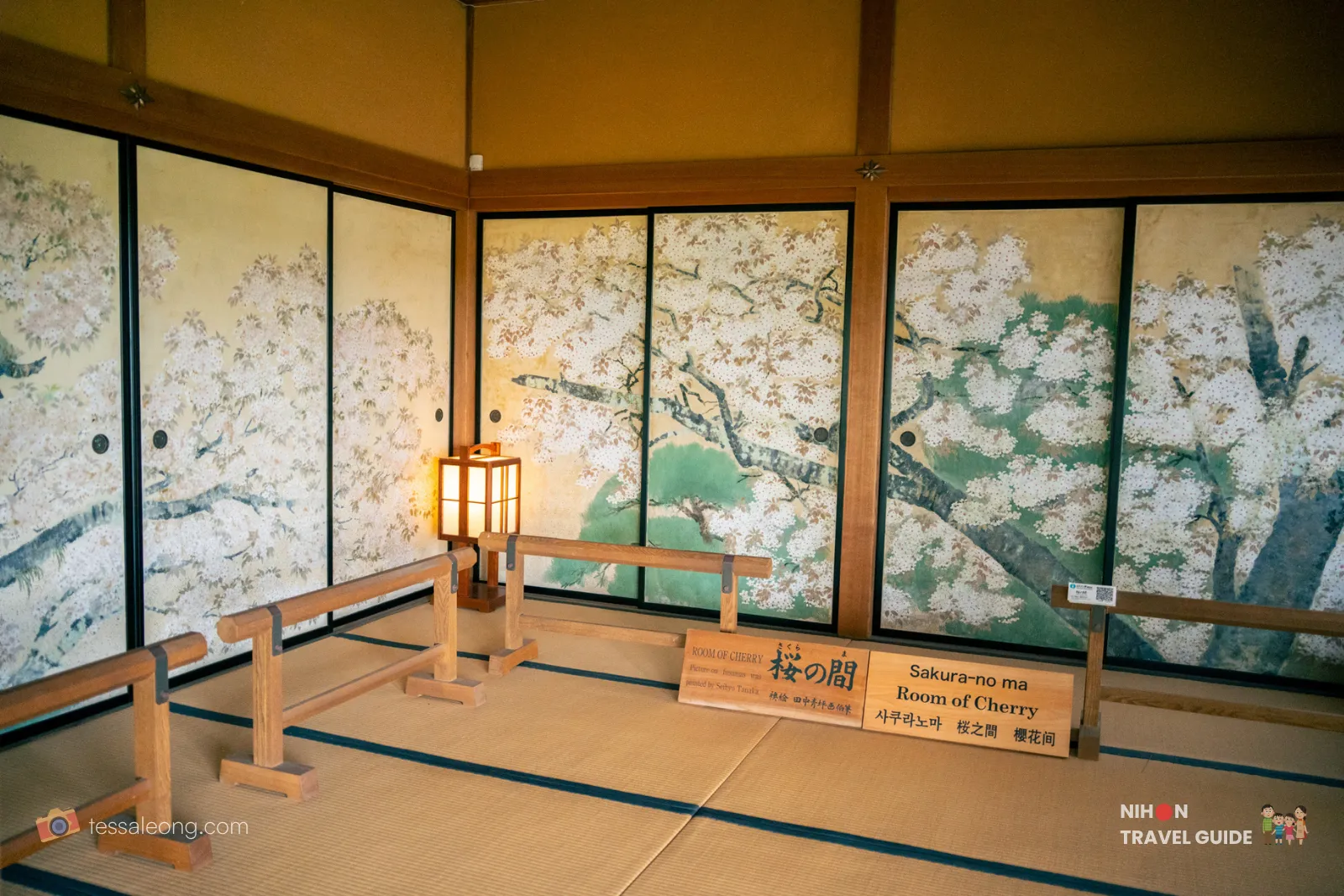
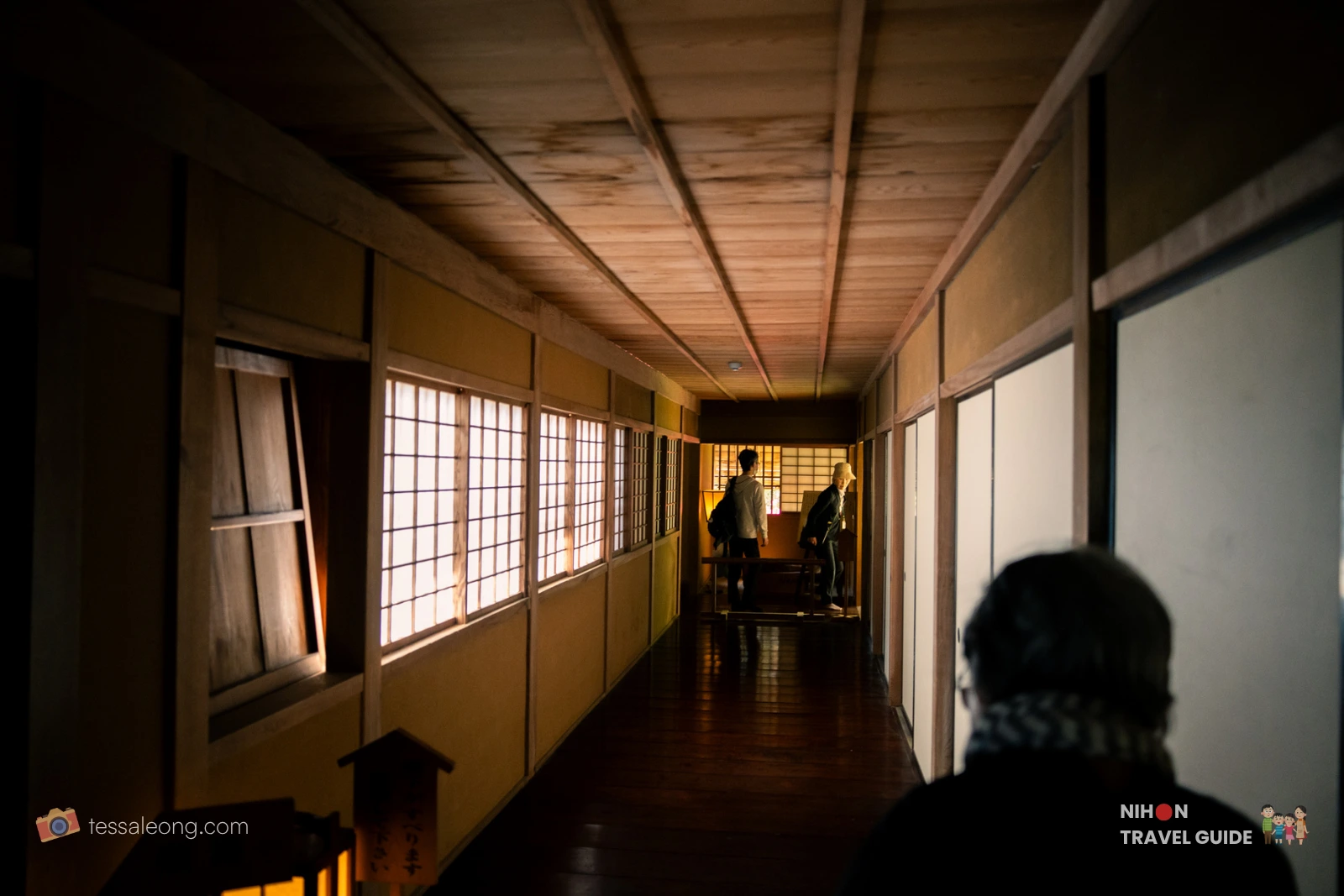
The corridors are quite narrow so most places are single-file. If it gets busy and there are a lot of visitors you might end up spending only a few seconds on each room before moving on. Just so that you don’t hold up the others behind.
This also sort of makes it a bit difficult to take photographs although most visitors are really kind and patient so they would wait for you to finish taking photographs.
Koubuntei Top Floor – Great Photo Opportunities
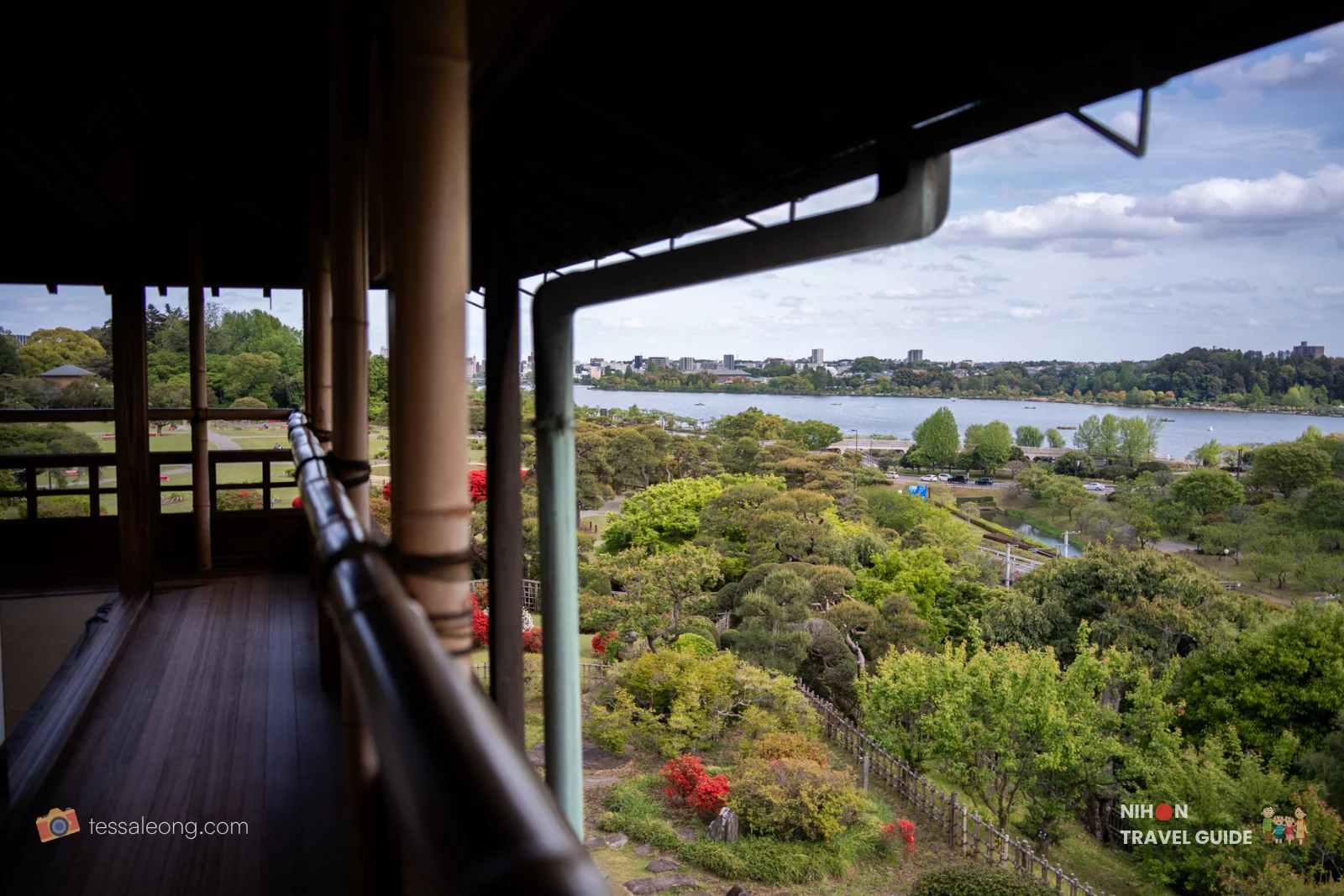
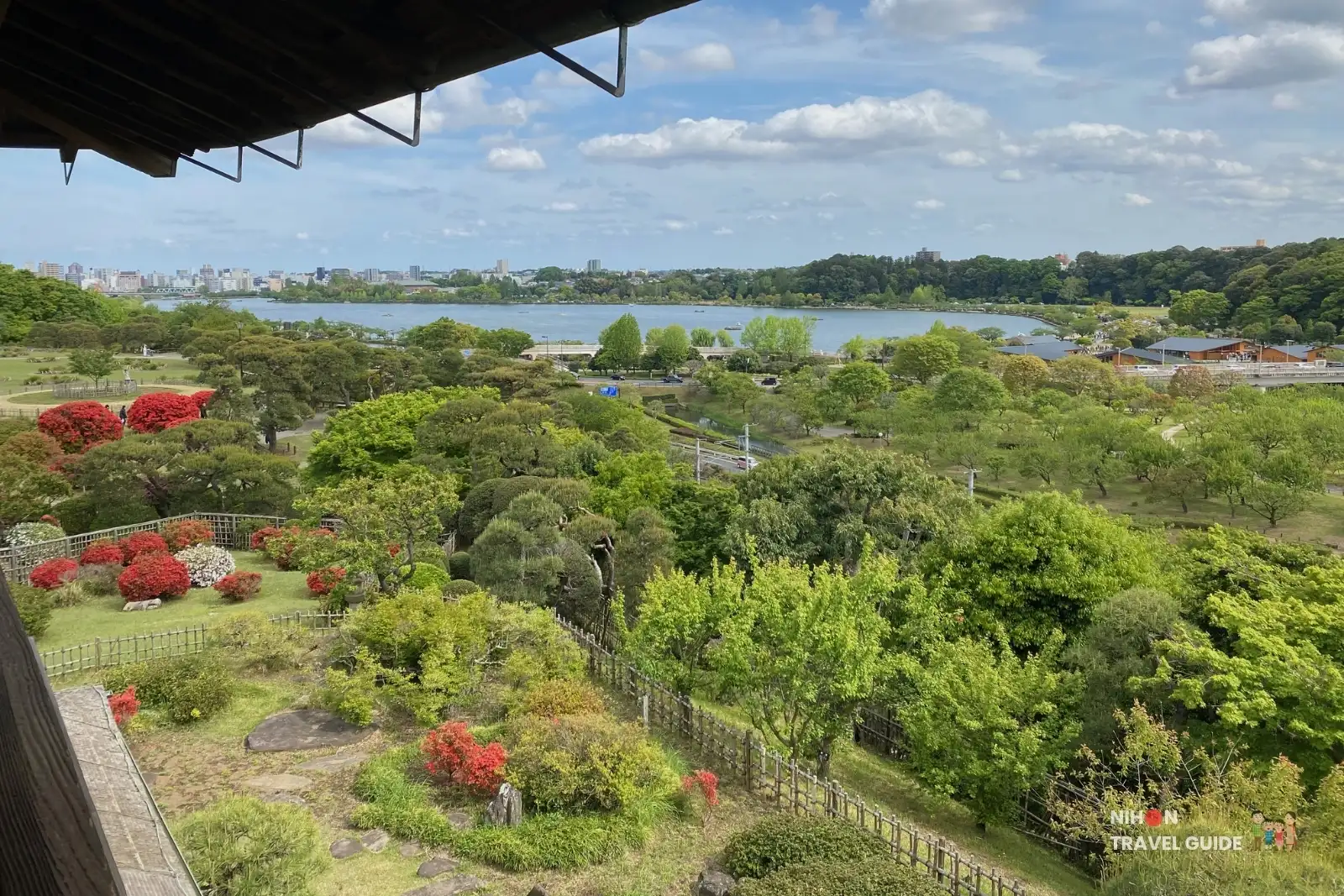
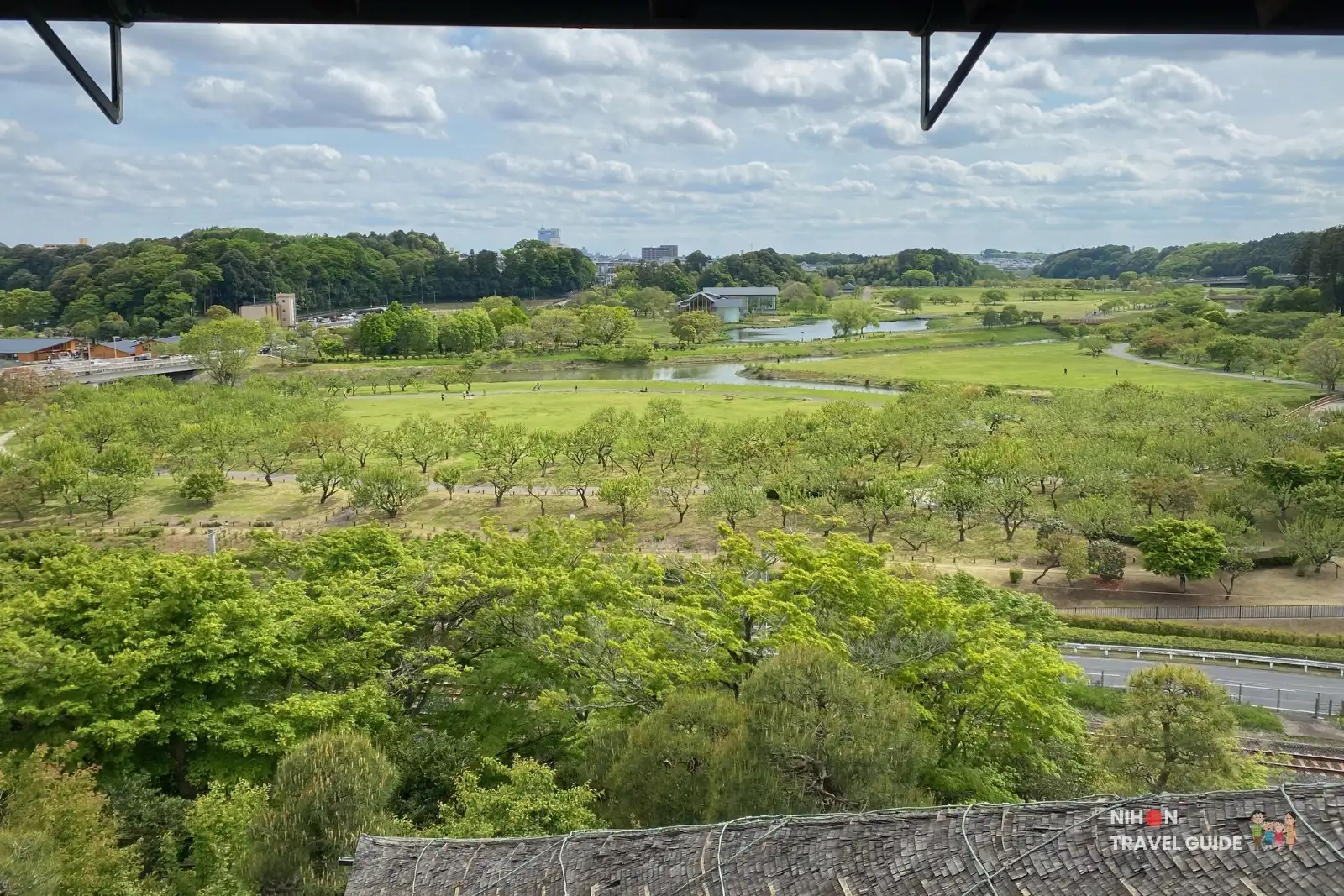
On the top floor is quite a large tatami mat room that was for Tokugawa itself. But from there you get to see really nice panoramic view of Kairakuen Garden and Lake Senba as well. It is a great spot for taking photos and selfies of the scenery.
It was also quite windy and chilly as well on the day that we visited (in Spring), so I wished I brought my jacket even though we on the top floor for a short while.
Removing of Shoes before entering Koubuntei
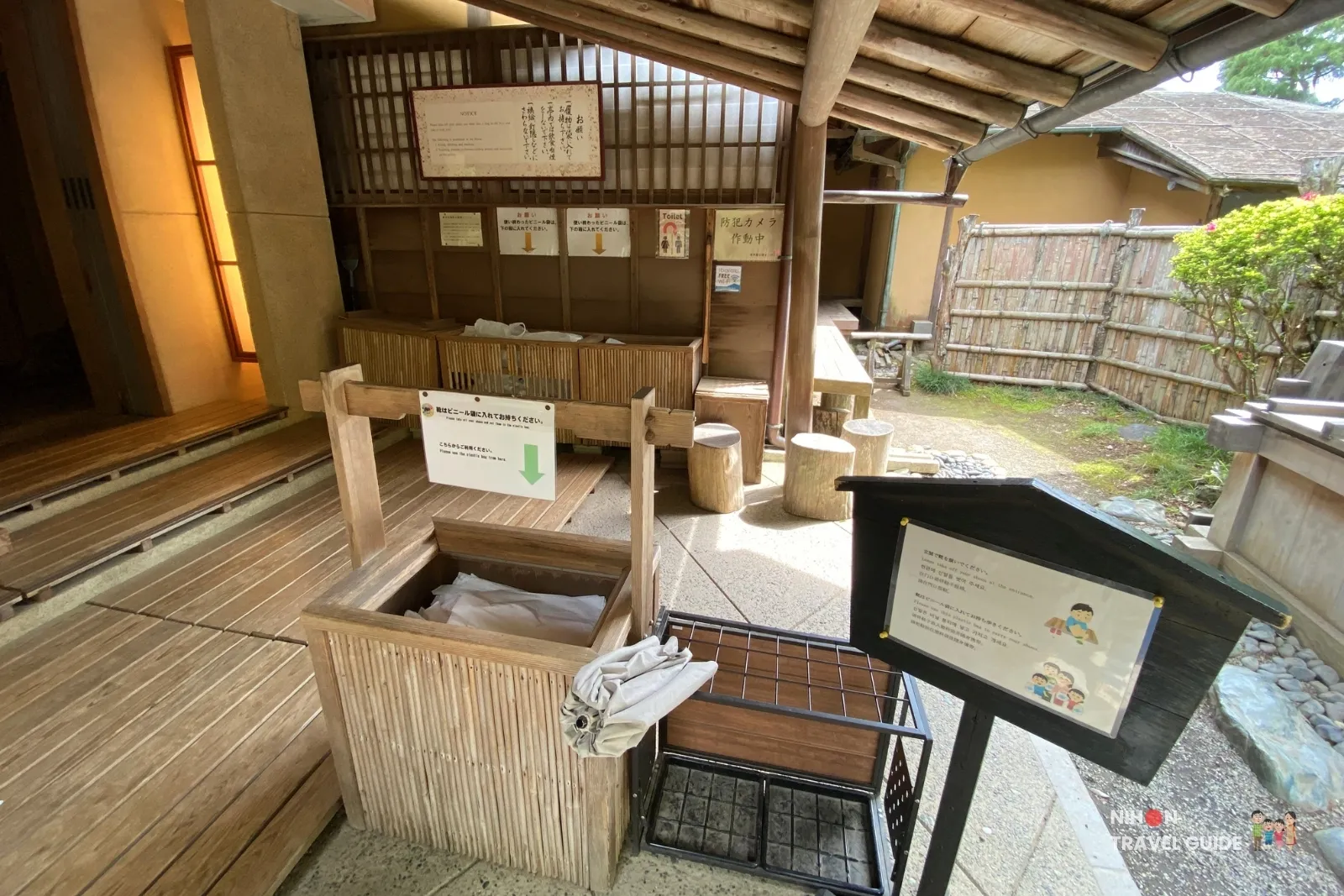
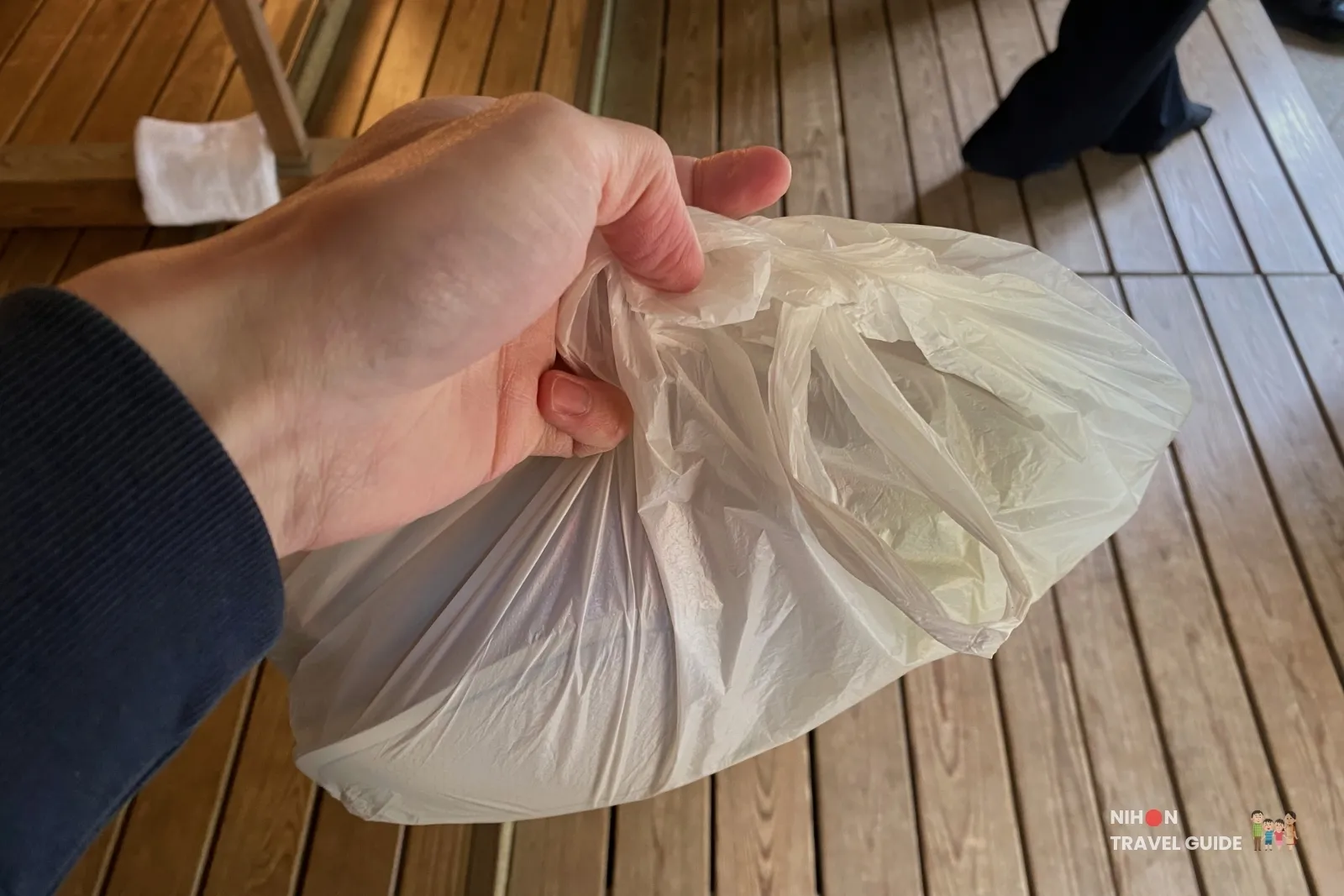
Before you enter Koubuntei , you need to remove your shoes and place them inside plastic bags where you will carry them as you tour Koubuntei . It is advised to wear socks (and shoes) not just for cleanliness, but also because the natural wood grains of the floor sometimes protrudes a bit. So if you slide your bare feet when walking you might accidentally cut yourself.
Cafe inside Koubuntei?
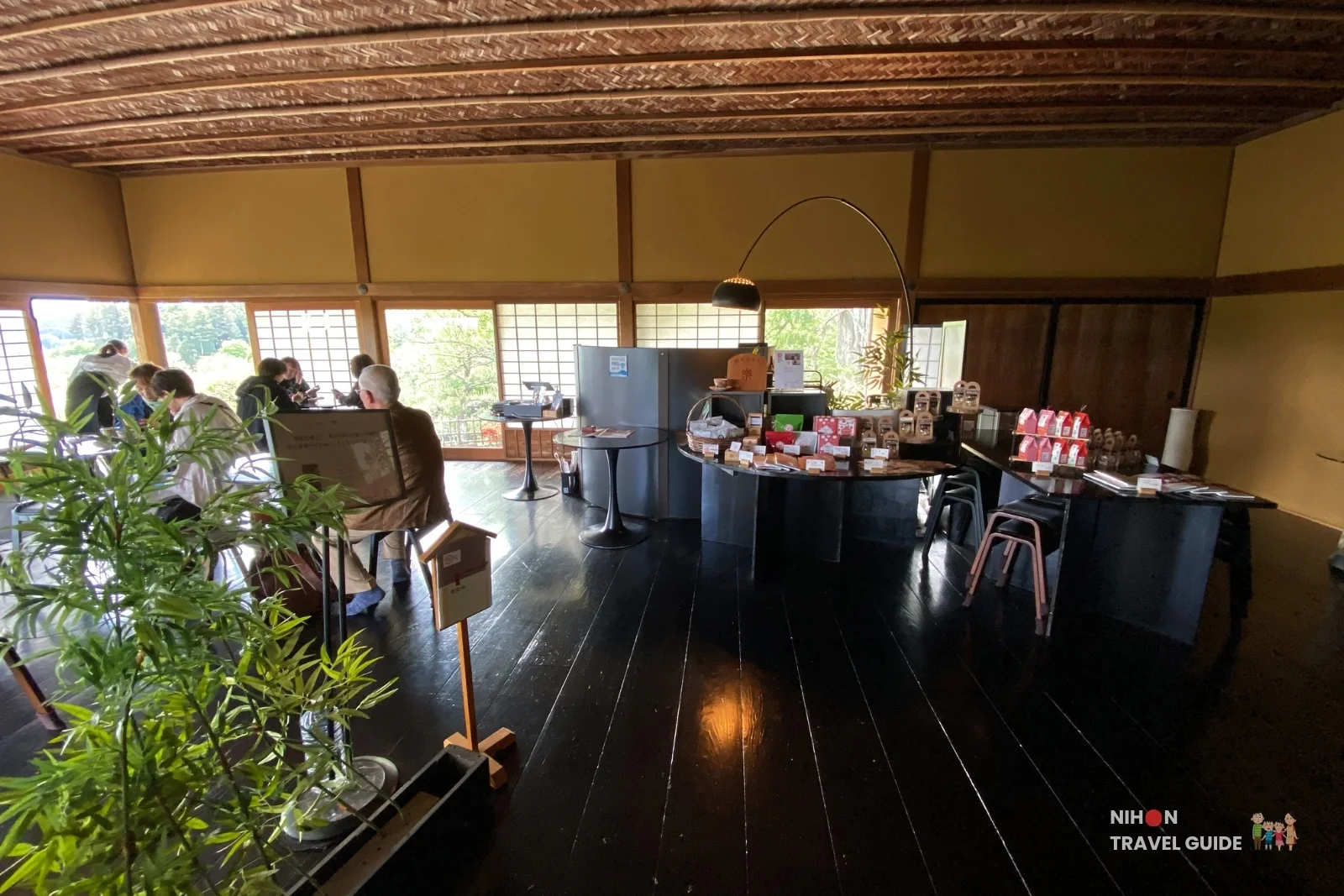
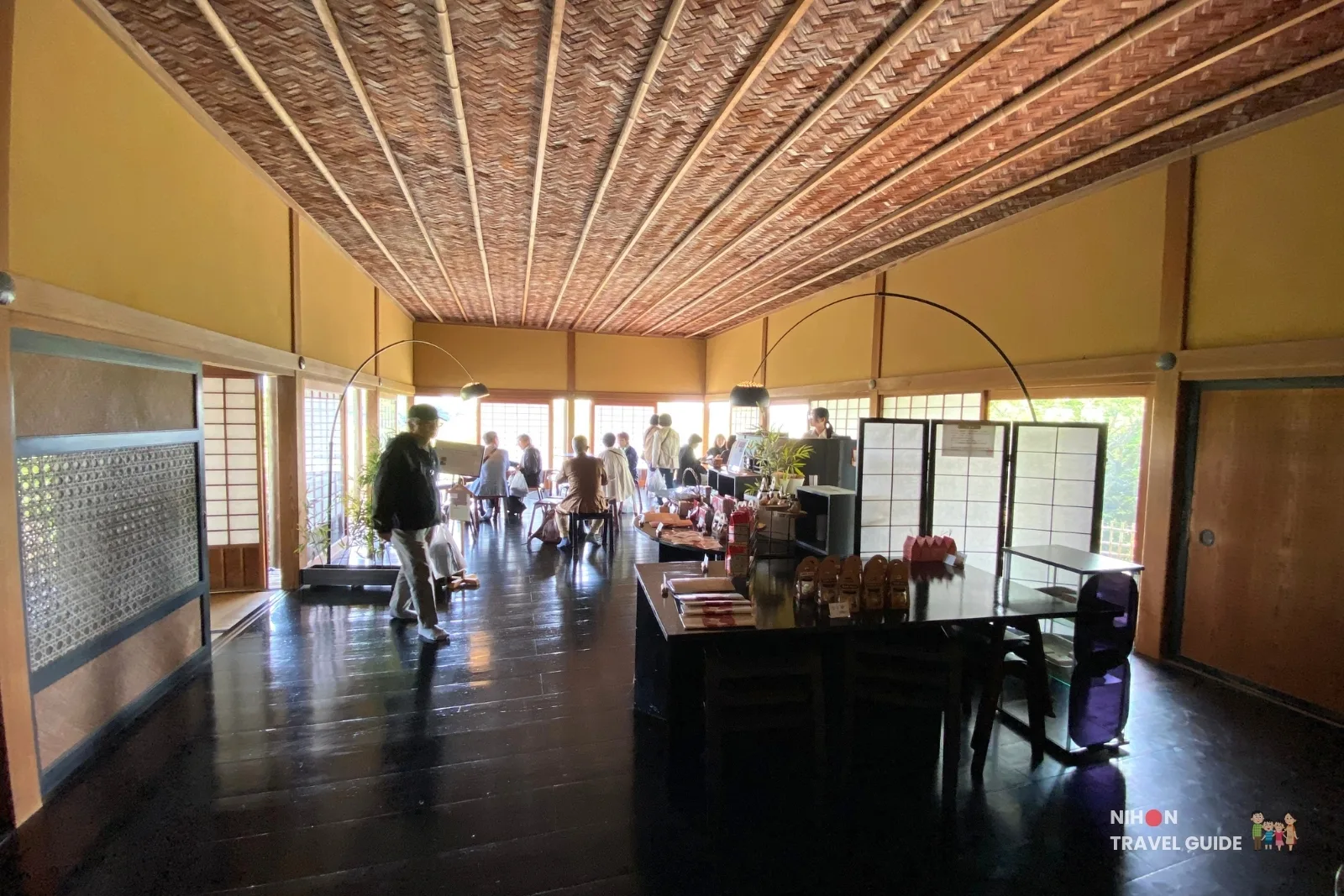
There is also a cafe inside Koubuntei called Cafe Raku (カフェ樂). They serve coffee, matcha green tea, tiramisu and other snacks. So you can enjoy some light refreshments inside a traditional Japanese building. You can only eat or drink in that room though, you can’t bring it along on the tour of the building.
I certainly did not expect this (as I didn’t see any signs outside), but it was quite an interesting thing to see and I’m sure it would be an interesting experience.
Some Tips
- Wear socks as you have to remove your shoes when entering Koubuntei .
- Koubuntei has really narrow corridors and staircases, so you would need to be careful.
- Wheelchairs can’t be used inside Koubuntei as it is quite narrow.
Should you Avoid, Shortlist or Visit Mito Kairakuen Garden
I would recommend going to Mito Kairakuen Garden during either the Plum and Cherry Blossom blooming periods (in Spring) or during the other festival periods. The garden would look really beautiful and there are lots of activities around the nearby Senba Park to complement your visit.
So I would say shortlist Mito Kairakuen Garden together with the other attractions in Mito City and plan your trip around these festivals and events.
And since you’re in the garden, why not visit Koubuntei as well? You might have seen traditional Japanese houses before but every building is slightly different as each noble had different needs and architectural input.
Other Mito City Attractions
Lake Senba/Senba Park & Mito Kobun Terrace
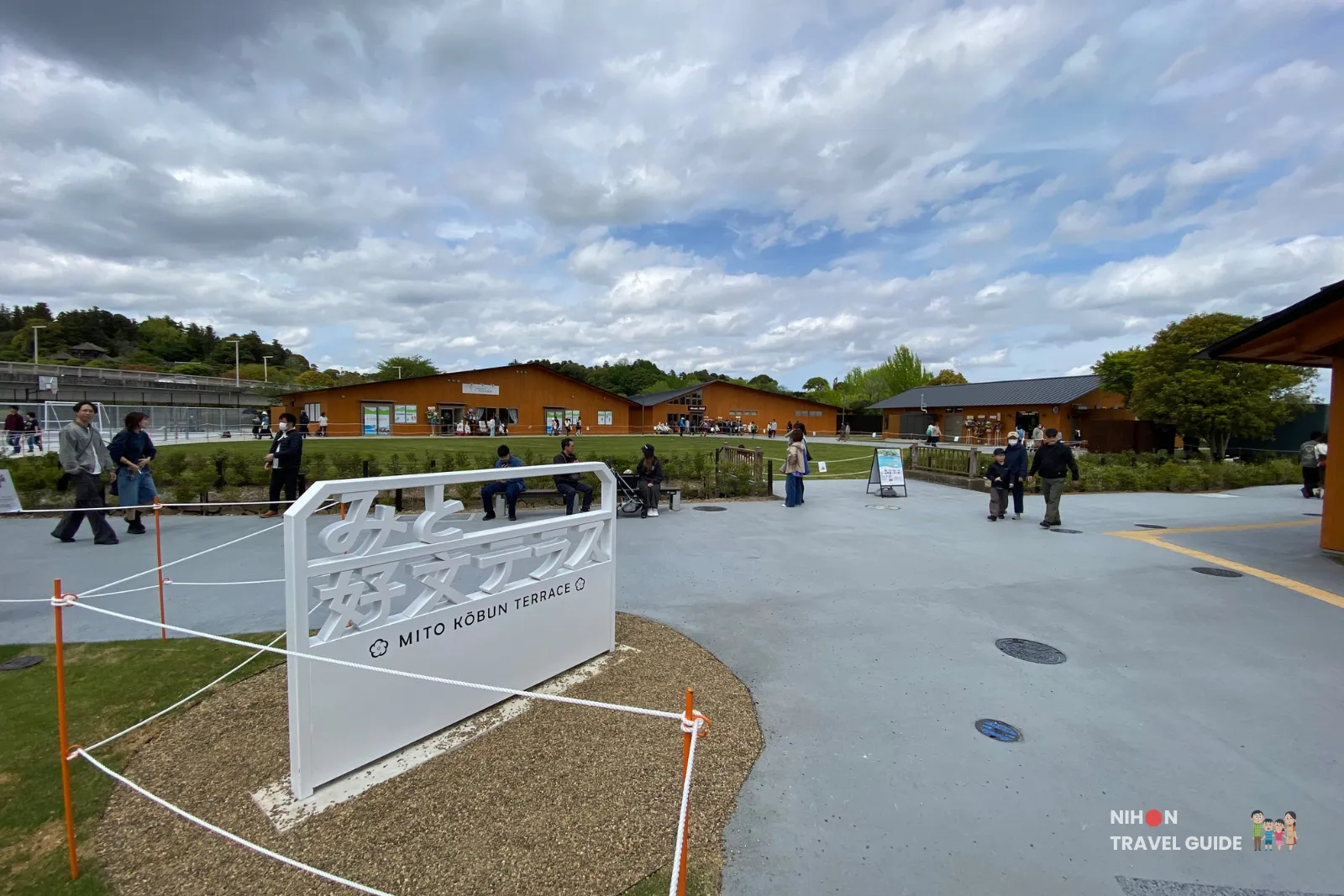
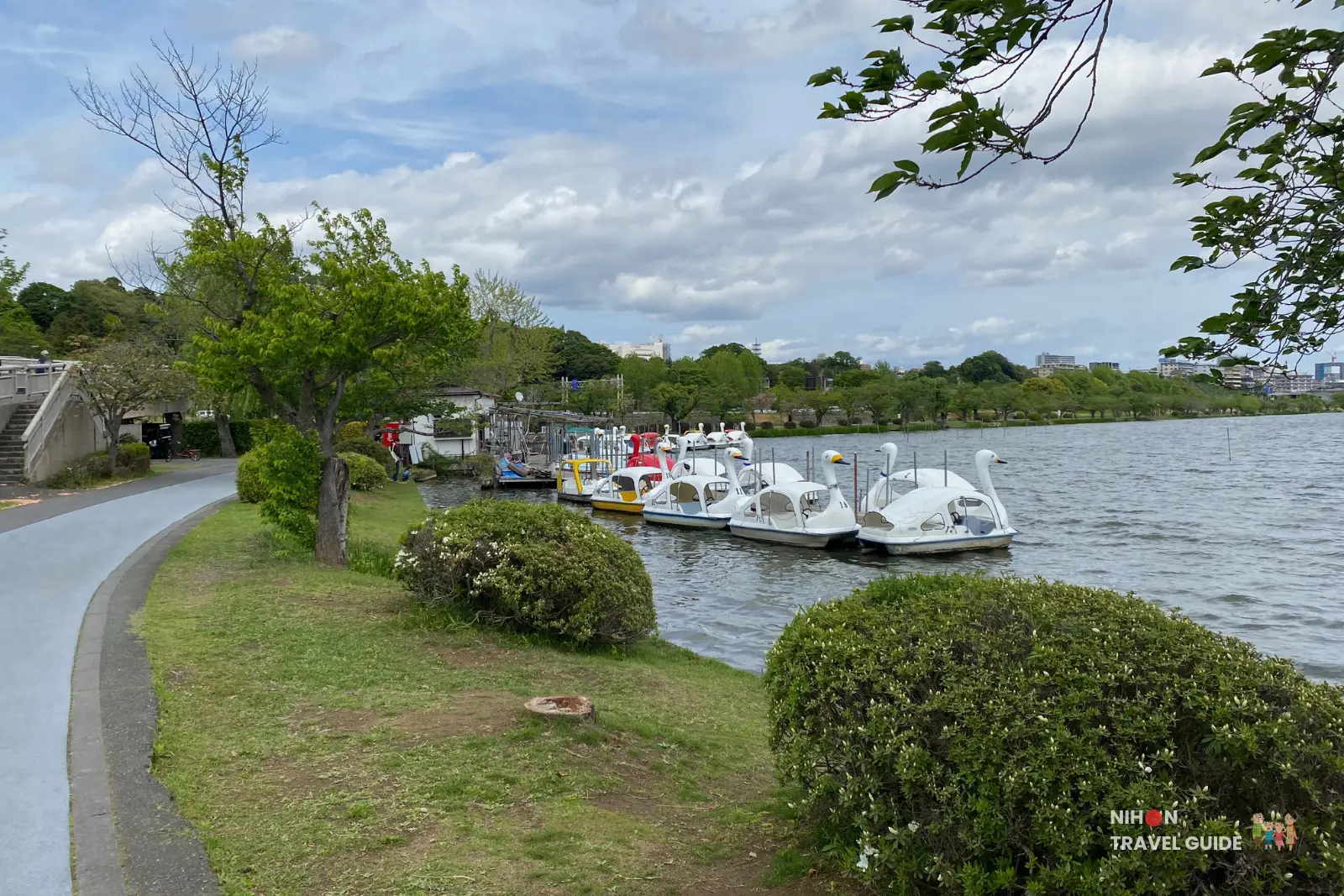
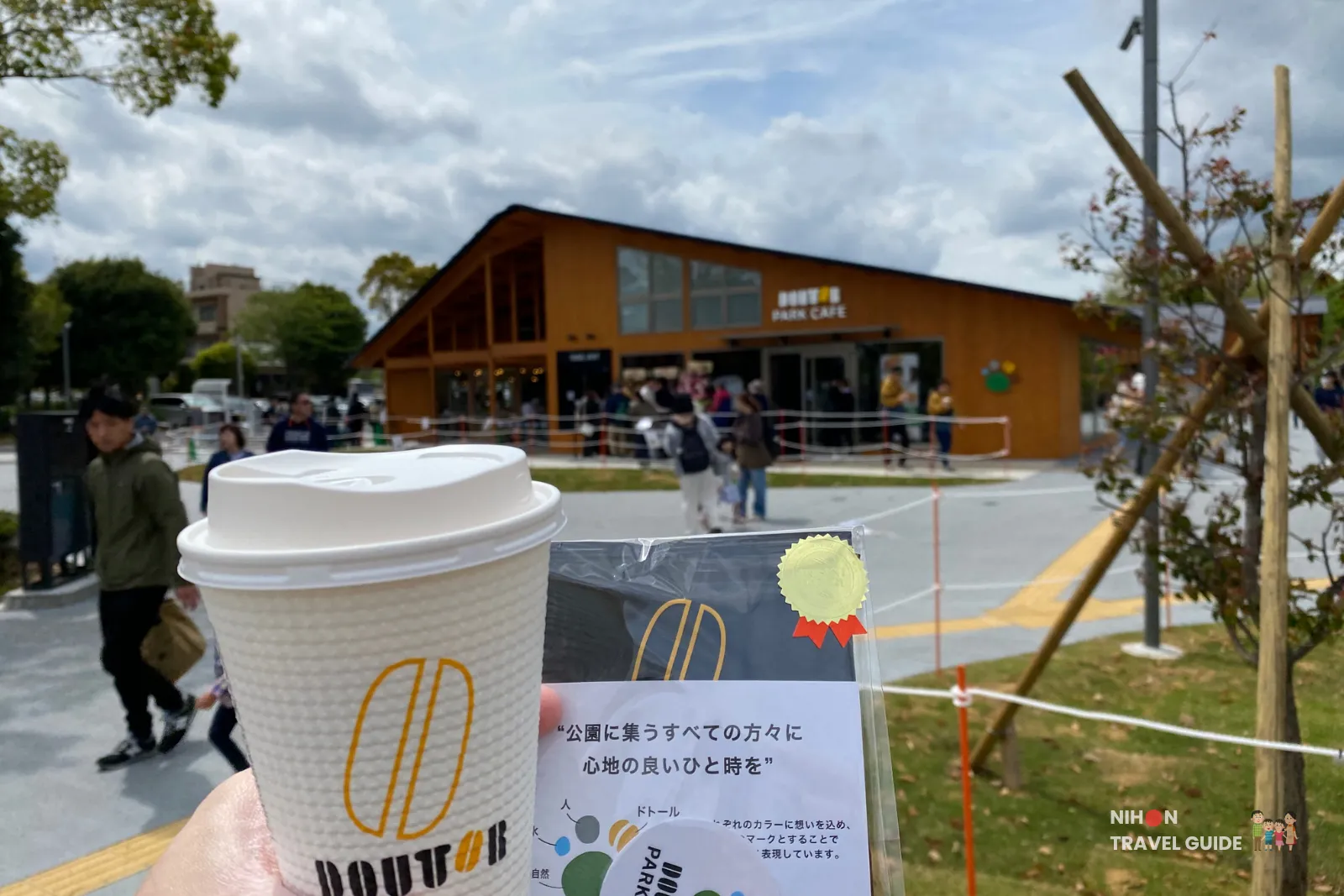
Lake Senba/Senba Park is a freshwater lake and park in the heart of Mito City where locals go to exercise, cycle and ride swan boats. They also just opened a new complex (Mito Kobun Terrace) beside it with shops, restaurants and cafes. This makes it a great place to stop by for lunch or a break when visiting Mito Kairakuen Garden.
Check out our full guide to Lake Senba & Mito Kobun Terrace including what’s inside the new complex, swan boat prices and tips for combining with Kairakuen Garden.
Art Tower Mito
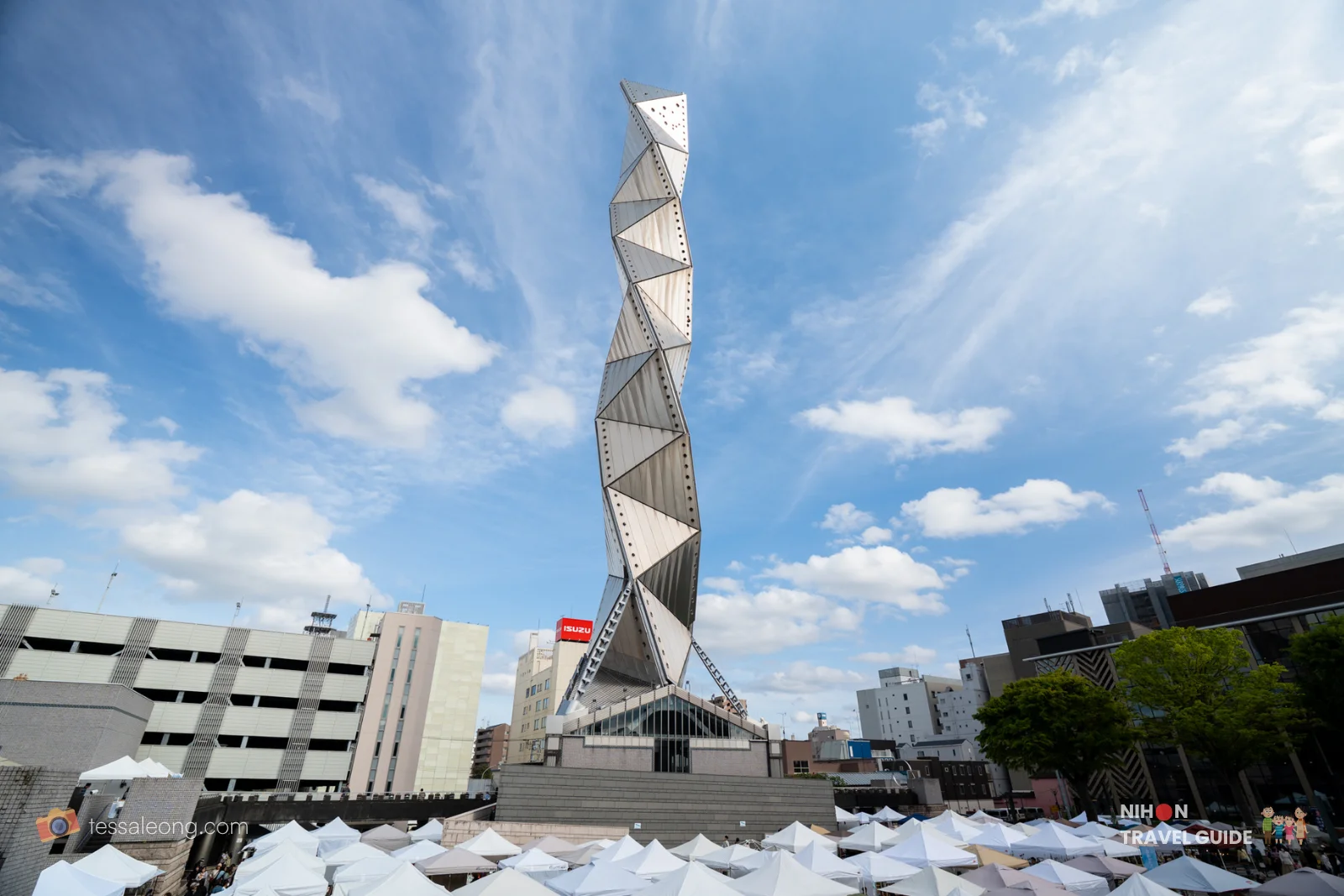
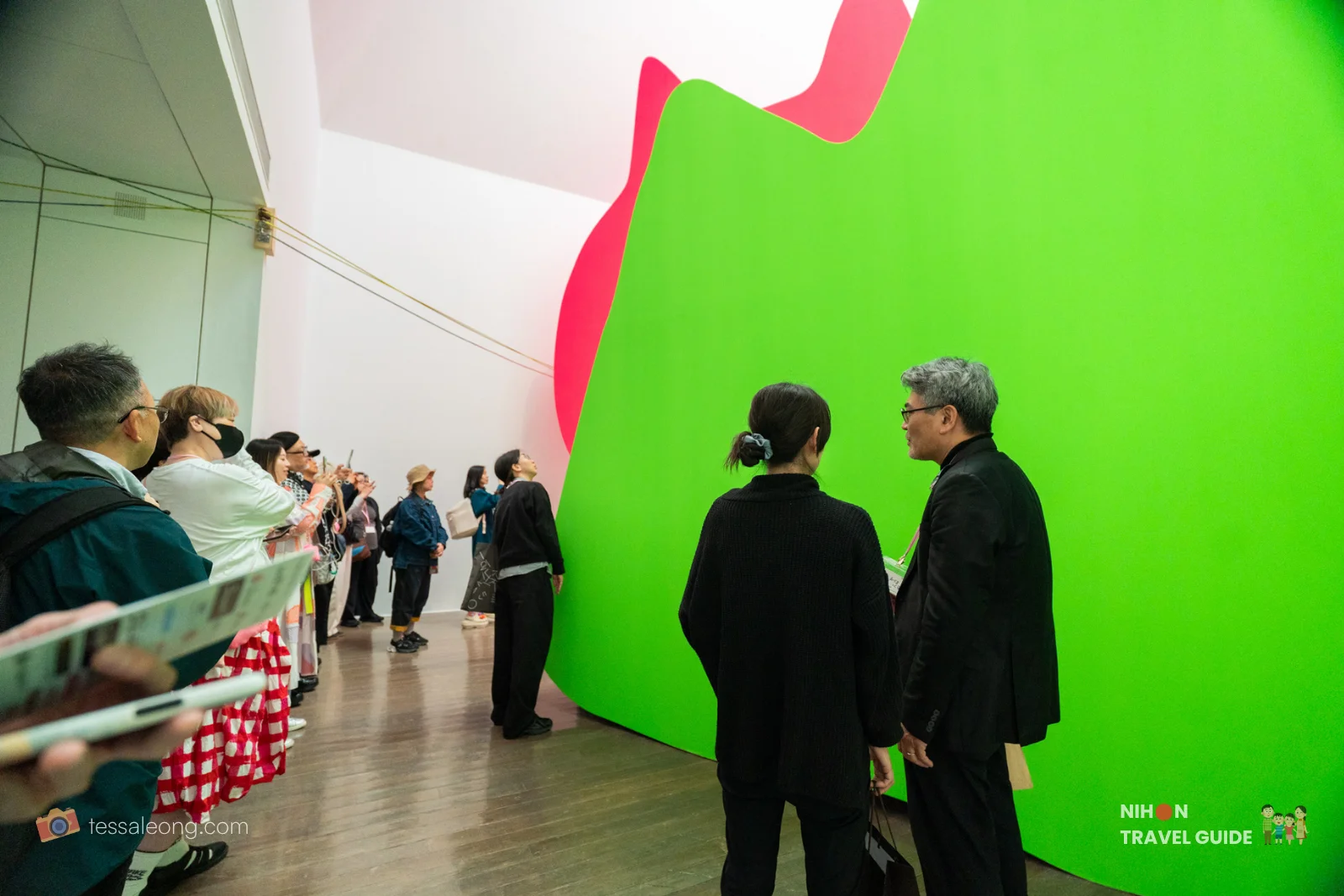
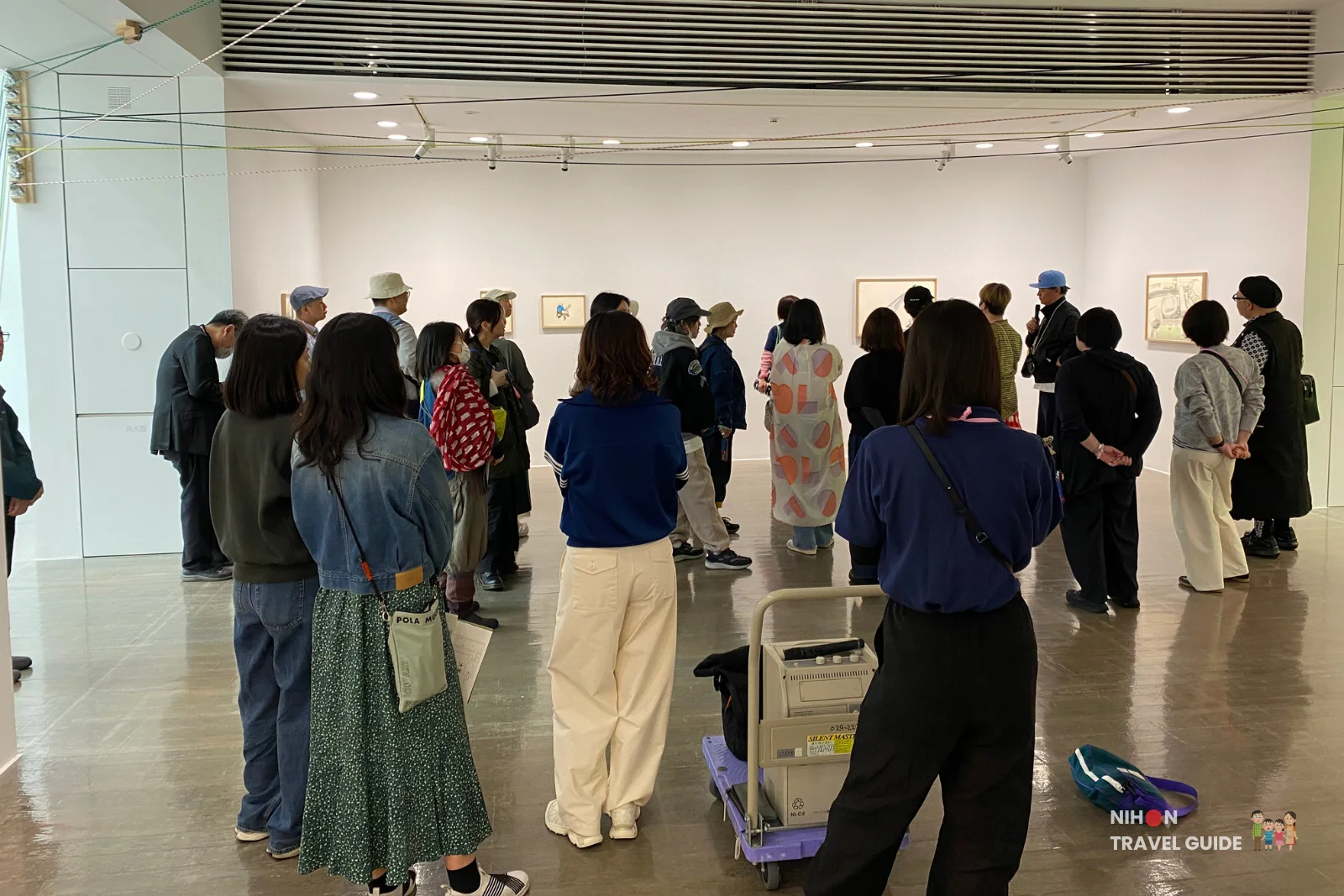
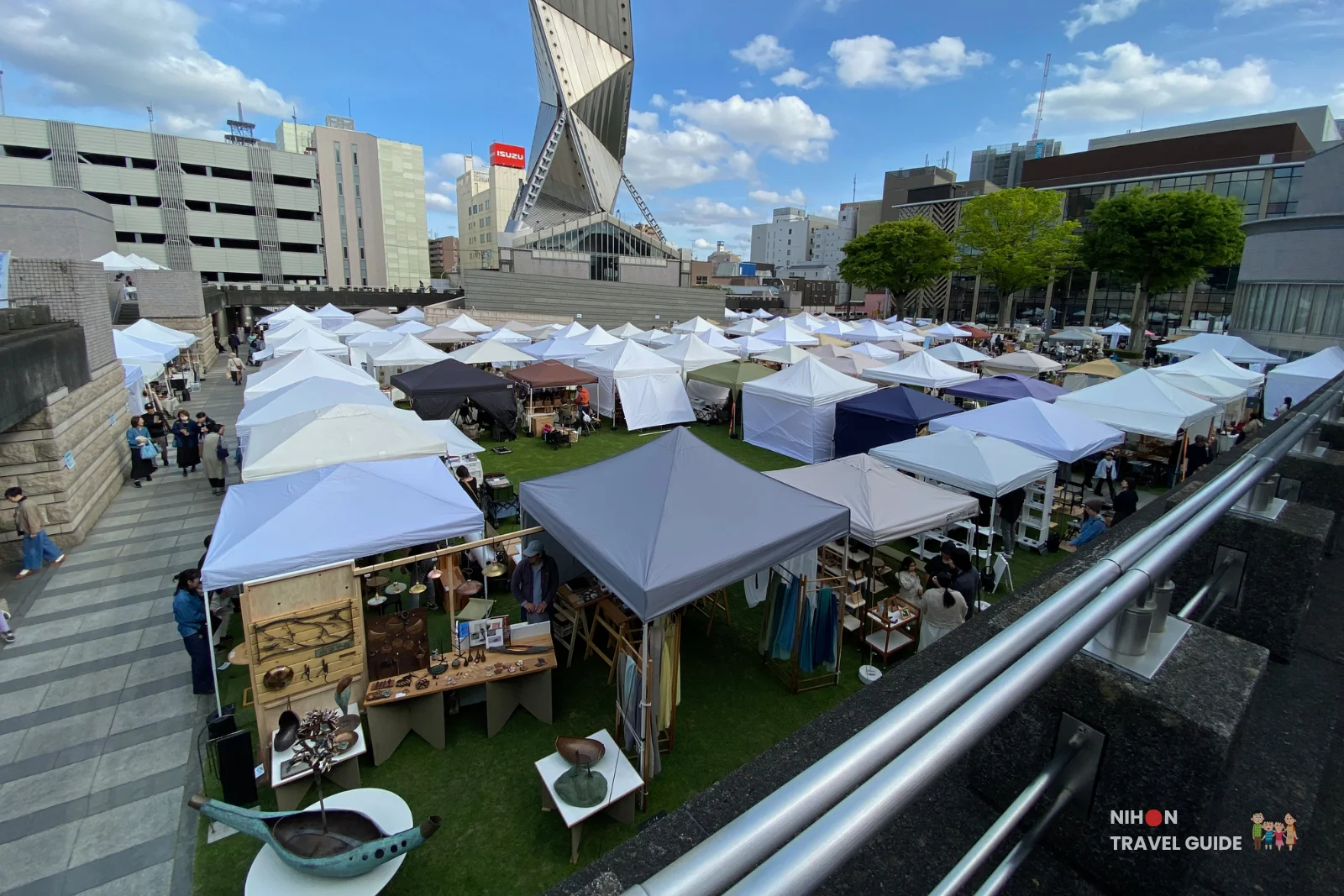
If you are looking for something else to do in the city, check out Art Tower Mito. It’s a striking looking tower that you probably would have seen while driving into the city. It has an observation deck, art musuem and crafts markets on some weekends. Even stopping for 5 minutes to take photos of the tower is an interesting experience.
Check out our visit to Art Tower Mito, the art museum and the arts and craft stalls.
Mito City Day Trip Itinerary
A Full Day in Mito
Where to Stay Nearby
If you decided to stay in Mito City, staying near the city center is a good idea as it gives you easy access to public transport and is fairly easy to travel around the city.
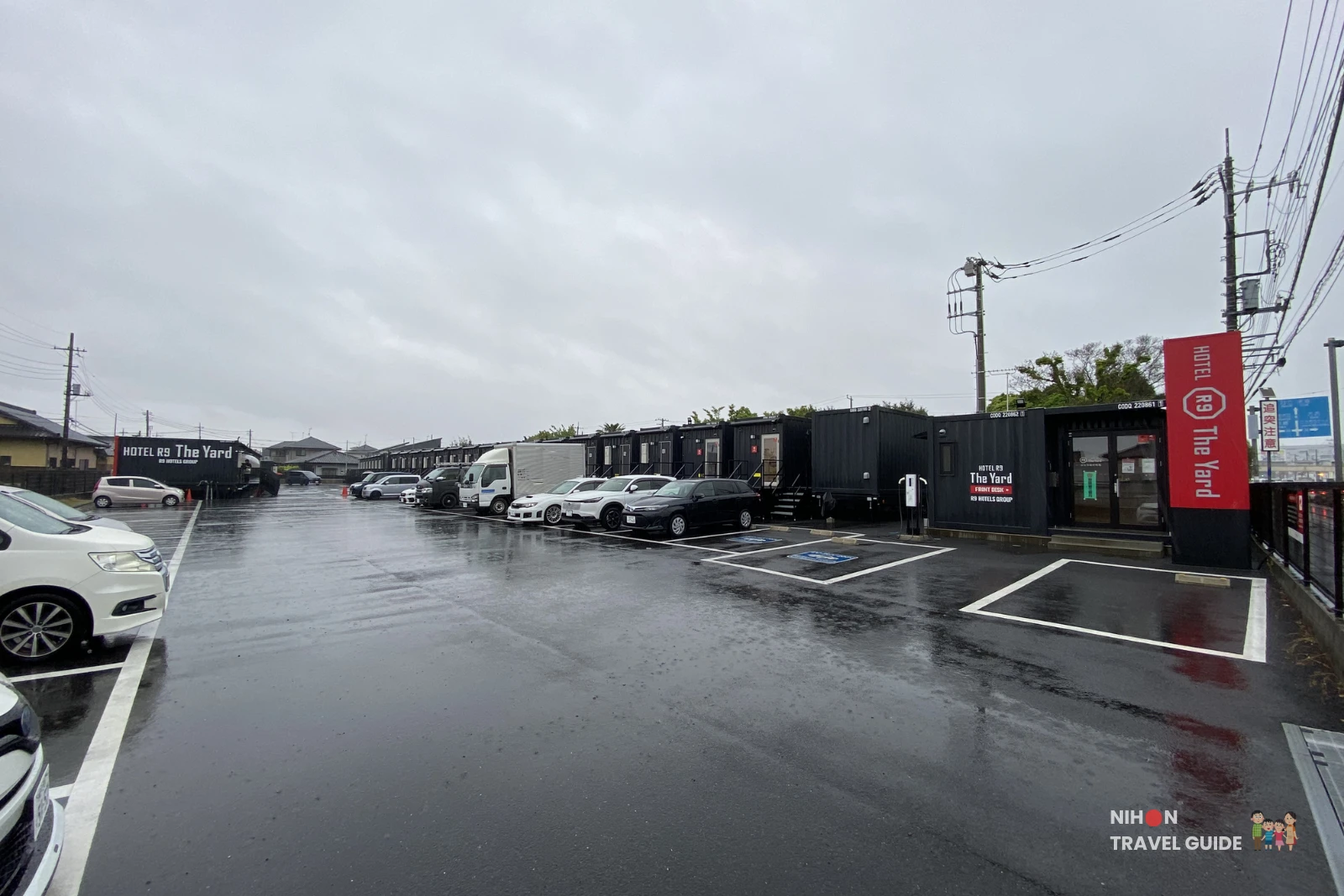
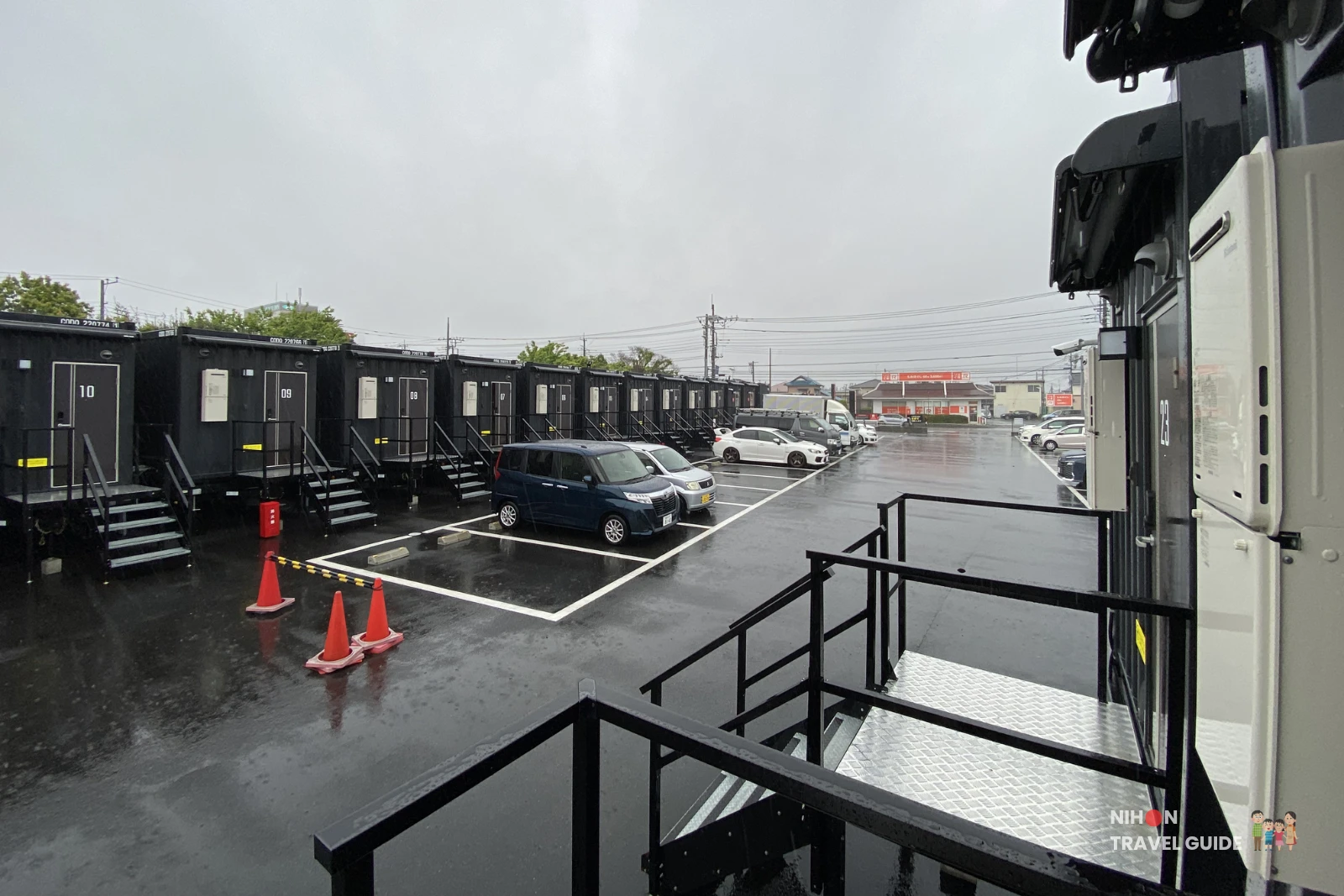
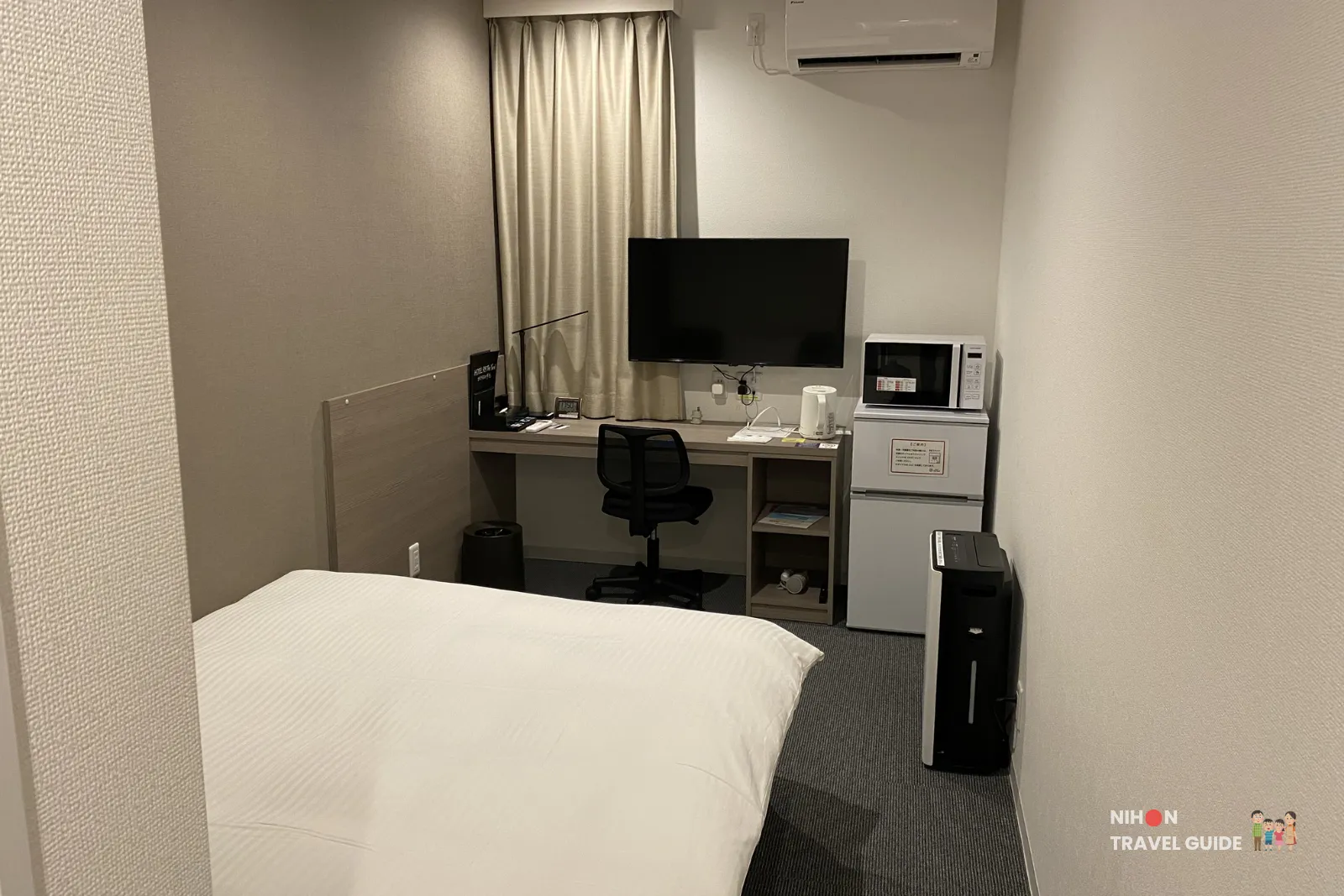
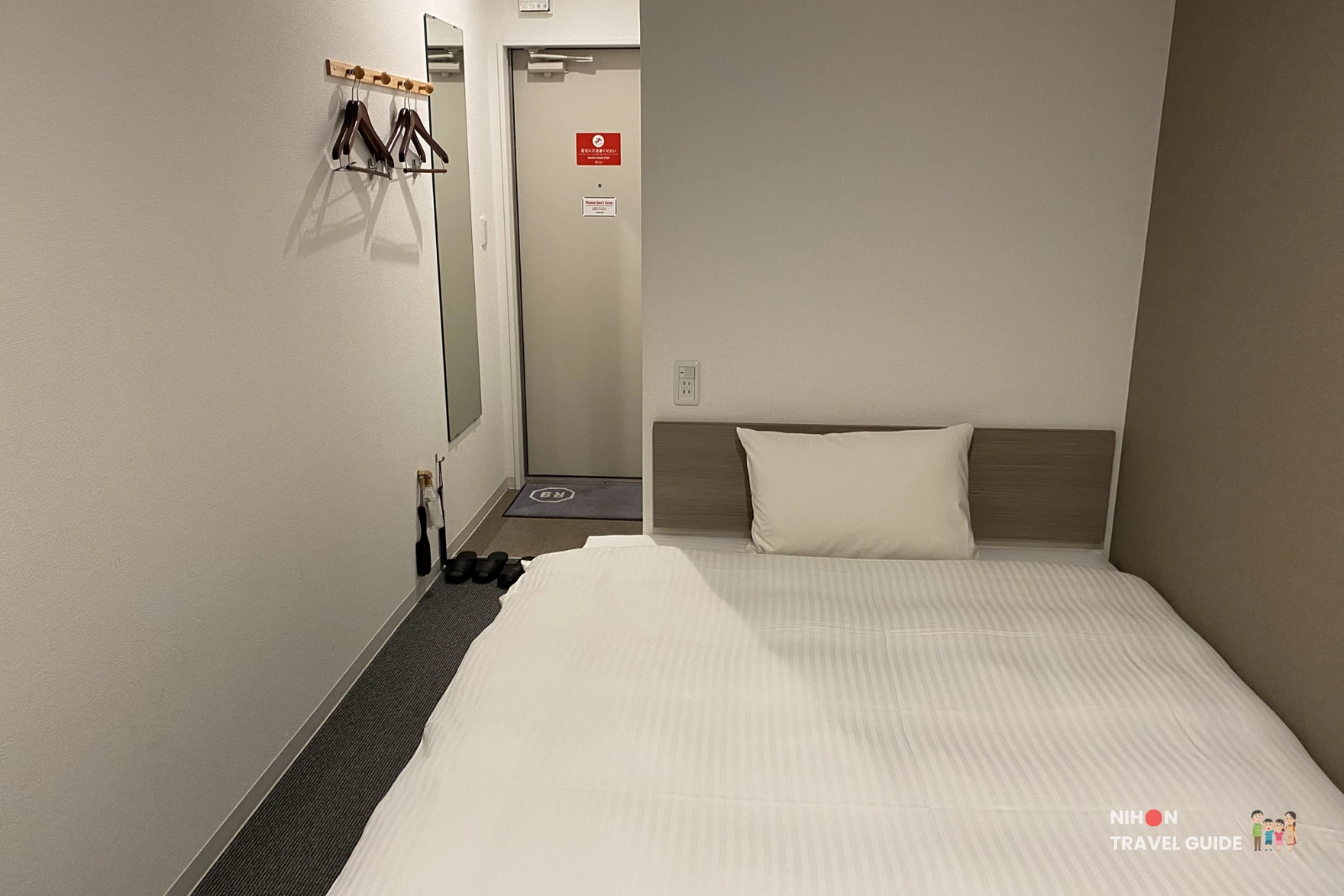
If you are on a driving holiday, you can consider staying at the R9 The Yard Hotel Hitachinaka Ichige like I did. They are a chain of container hotels that are quite affordable, clean, relatively new but really utilitarian.
It is about a 15 minute drive from Mito City and is fairly accessible to the attractions in the city.
Read our full review of Hotel R9 The Yard Hitachinaka Ichige including room details, nightly pricing and honest pros and cons from an 8 night stay.
FAQ – Mito Kairakuen Garden
1) Is Mito Kairakuen Garden free?
No — Adults ¥320. Koubuntei separate ticket ¥230. Combined ¥550. Outer areas free and open 24 hours.
2) When is the best time to visit?
Mito Plum Blossom Festival (mid Feb – late Mar) with 3,000 plum trees. Cherry blossoms late Mar – early Apr. Still beautiful year-round but less dramatic outside bloom season.
3) How do I get there from Tokyo?
Hitachi/Tokiwa Limited Express from Tokyo Station to Mito Station (~1h20m, ~¥4,000). Then bus from Platform 6 to Senbako stop. Seasonal Kairakuen Station opens during plum festival.
4) How long does a visit take?
1 hour for garden + 30–45 min for Koubuntei. Total ~2 hours with café stop. Add time for Lake Senba.
5) What is Koubuntei?
Historic 3-storey wooden villa (built 1842, rebuilt 1950s). Panoramic top-floor tatami room with garden & lake views.
6) Is it worth visiting outside plum season?
Yes — especially combined with Koubuntei, Lake Senba & Art Tower Mito. Peaceful and well-maintained year-round.
7) When is the Mito Plum Festival?
Mid February to late March (dates vary). One of Japan’s top plum blossom events. Seasonal station opens.
8) Is there parking?
Free parking around Lake Senba (recommended). Paid at Mito Kobun Terrace: ¥500 weekdays, ¥800 weekends/holidays.
9) Do I need to remove shoes for Koubuntei?
Yes — shoes in plastic bags. Wear socks. Narrow corridors, limited wheelchair access.
10) Is there a café inside Koubuntei?
Yes — Café Raku. Coffee, matcha, tiramisu & snacks. Consume inside café only.
11) What are Japan’s Three Great Gardens?
Kairakuen (Mito), Kenroku-en (Kanazawa), Koraku-en (Okayama).
12) Can I combine with Art Tower Mito?
Yes — Recommended full-day itinerary: Kairakuen morning + Lake Senba lunch + Art Tower afternoon.

Written by
Timothy Leong
Timothy is a Singapore-born, Japan-based digital marketer turned hidden-gem hunter. After ditching spreadsheets for Google Maps, he now lives full-time in Japan, chasing quiet towns, real ramen, and off-grid train routes. Every photo and tip on Nihon Travel Guide is 100% his — no AI, no fluff, no Tokyo Tower.
More about Timothy →