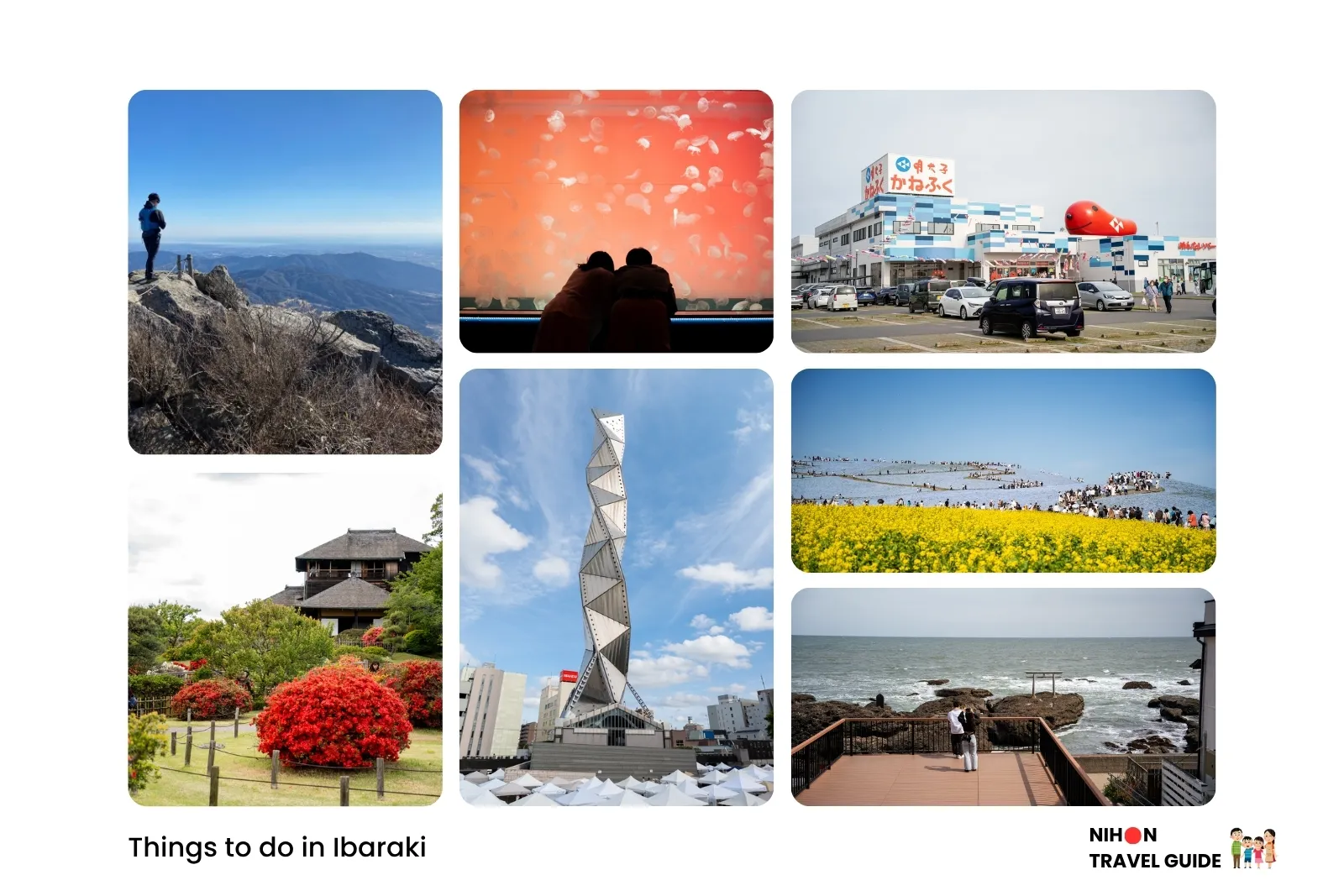
Striking titanium tower, interactive contemporary art exhibitions, and even better when Craft Markets are on.
TL;DR – Yes, Art Tower Mito is 100% worth it if you are travelling around the area.
- Art Tower Mito is ¥200 for adults and takes about 30 minutes to see everything
- The observation deck at 86 metres has circular windows with views of Mount Tsukuba, Lake Senba and on clear days even Mount Fuji
- Best visited as part of a wider Mito trip — not worth a standalone day trip from Tokyo given the distance and travel cost.
- The Contemporary Art Museum costs ¥900 and is worth visiting — the artists themselves are often present and surprisingly accessible.
- Visit during the Aozora Craft Ichi market (held twice yearly) for a completely different atmosphere with food trucks, live music and local craft stalls.
Disclaimer: I am not sponsored for this post. I just decided to visit Art Tower Mito because it looked interesting.
Originally visited in February 2026 for the Art Tower Mito and again in April 2026 to see the Art Museum and Exhibitions.
Recently in February 26 I was travelling around the Ibaraki prefecture and I happened to see this weird looking tower in Mito City on Google Maps. It looked like something out of a post apocalypse movie or video game and I immediately made plans to visit it the next day.
What I saw was the Art Tower Mito, a contemporary arts complex that has an art gallery, concert halls, a multi-purpose cultural facility and the building in question: the Art Tower. It is 100 meters tall and was designed by the architect Arata Isozaki.
The structure is based on a helical arrangement of triangular or tetrahedral units clad in titanium panels, and there is an observation deck at 86 meters high.
Anyway, I will let you know what my experience was like going up the Art Tower, what you can see from the tower and why you might want to visit it if you are travelling around the area.
- How to Get to Art Tower Mito
- Art Tower Mito Ticket Prices & Opening Hours
- Art Tower Mito Museum Tickets & Opening Hours
- History of Art Tower Mito
- Art Tower Mito Observation Deck
- Art Tower Mito Ground Floor
- Where to take photo of the whole tower?
- Art Tower Mito Museum
- Art Tower Mito Museum Shop
- Aozora Arts & Craft Stall Market
- Some Tips
- Is Art Tower Mito Worth Visiting?
- When is the best time to visit Art Tower Mito?
- Nearby Attractions – Mito City
- Where to Stay Nearby
Photos on this page are mine, shot on an iPhone 11 pro. Nicer photos were shot by Tessa Leong were shot with a Sony a7IV with Tamron 28-200mm lens.
How to Get to Art Tower Mito
The fastest way to get to Art Tower Mito from Tokyo is via the Hitachi 21 Limited Express Sendai. It takes about 1 hour 14 minutes from Tokyo Station to Mito City Station. From there, you need to take the Mito City Loop [Outer Route] Towards Hachimangu Shrine. It takes about 4 minutes and 4 stops and you alight at 泉町一丁目 (Izumi-cho 1-chome).
This would cost you about ¥4190 in total.
Alternatively you can take the highway bus Mito-go (水戸号) from the Tokyo Station Yaesu Exit (departs every 20 minutes). It is about 1 hour 47 minutes and would take you straight to the Art Tower Mito. The travel time is slightly more but it is at half the cost at ¥2250. You find more information about the bus here.
Art Tower Mito Parking
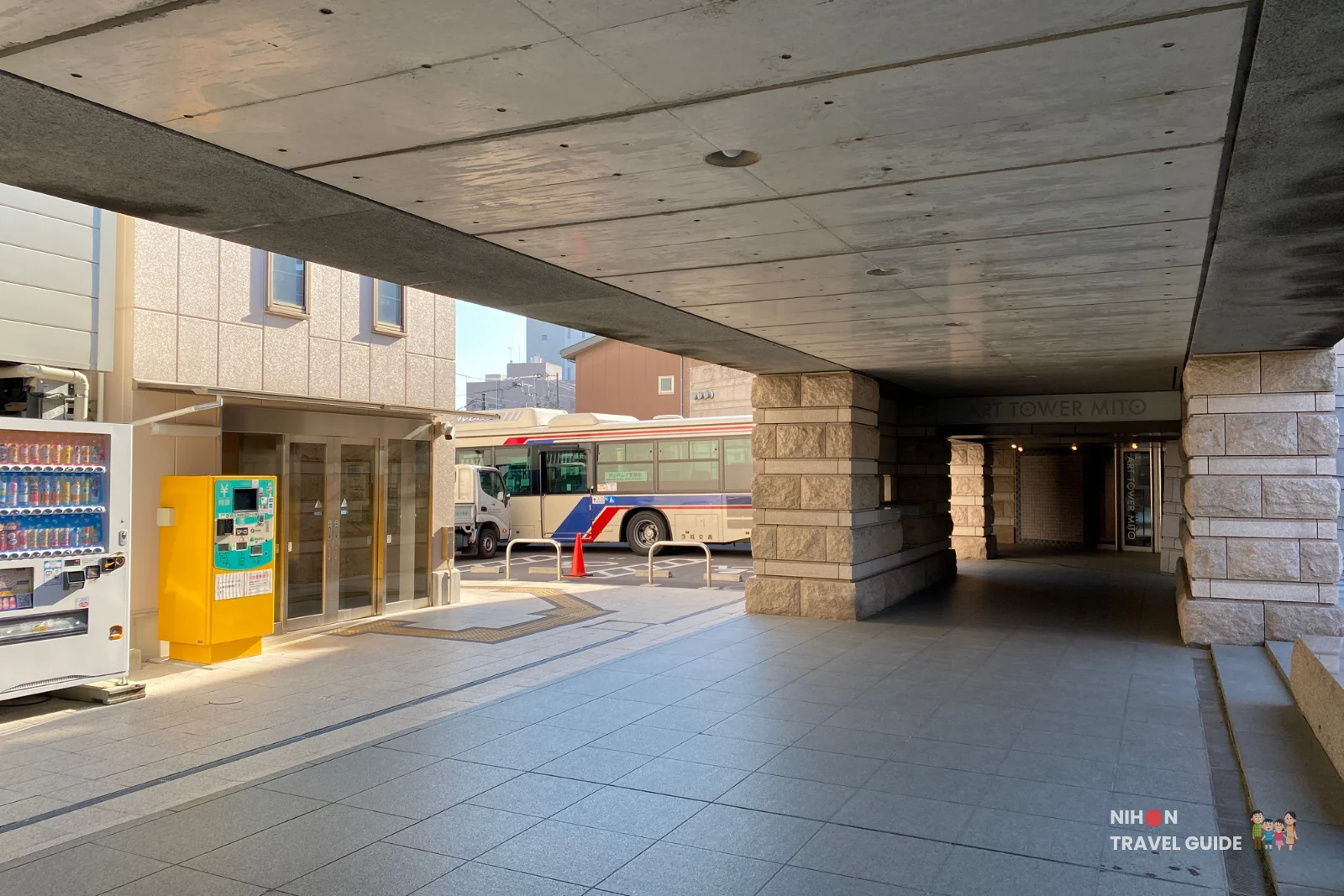
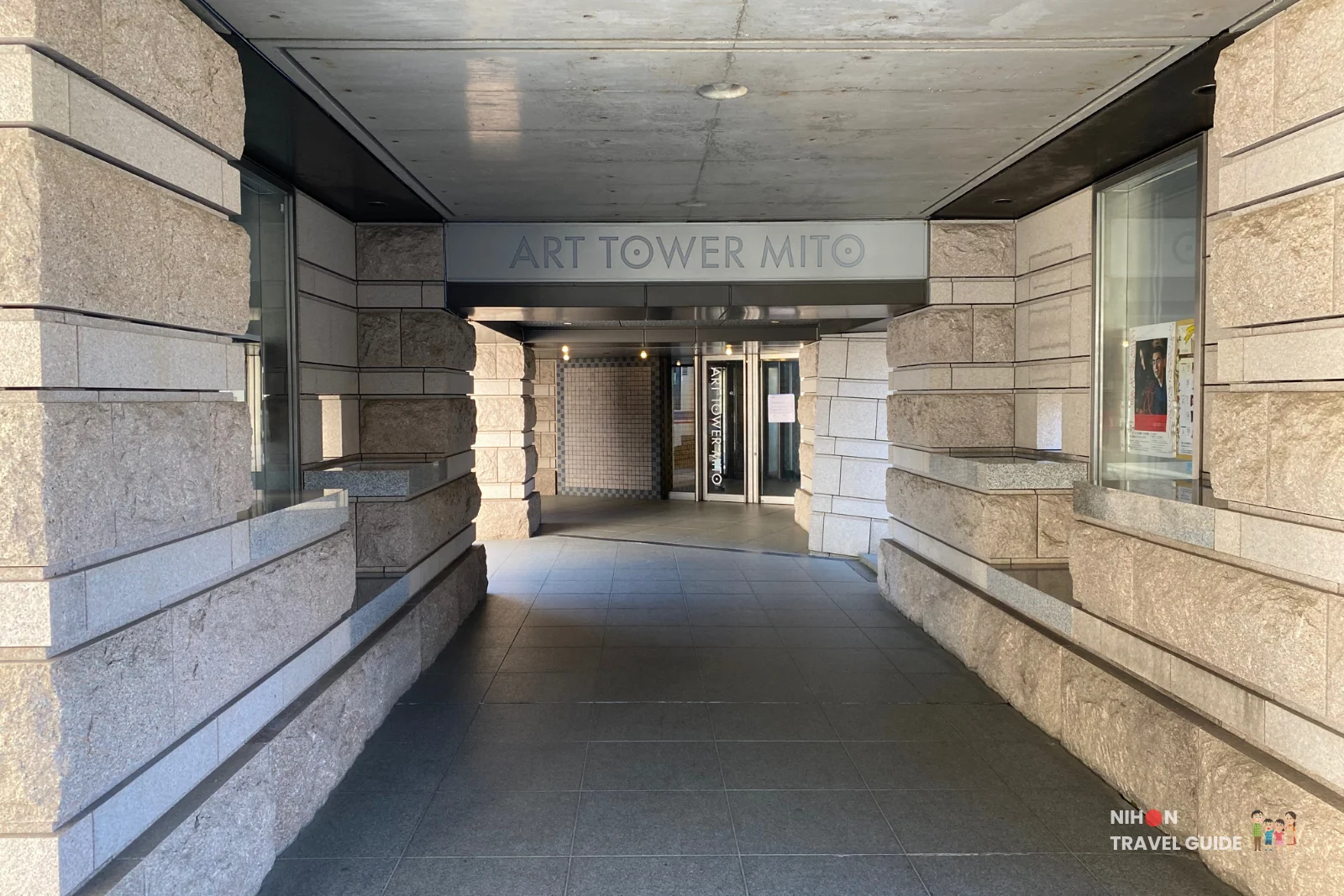
There are plenty of parking spaces around Art Tower Mito as it’s in the city centre. But I parked at the Mito City Gokencho Parking Building (on the map above) just beside it. You can exit the parking building and you would be at the Art Tower Mito straight away.
Art Tower Mito Ticket Prices & Opening Hours
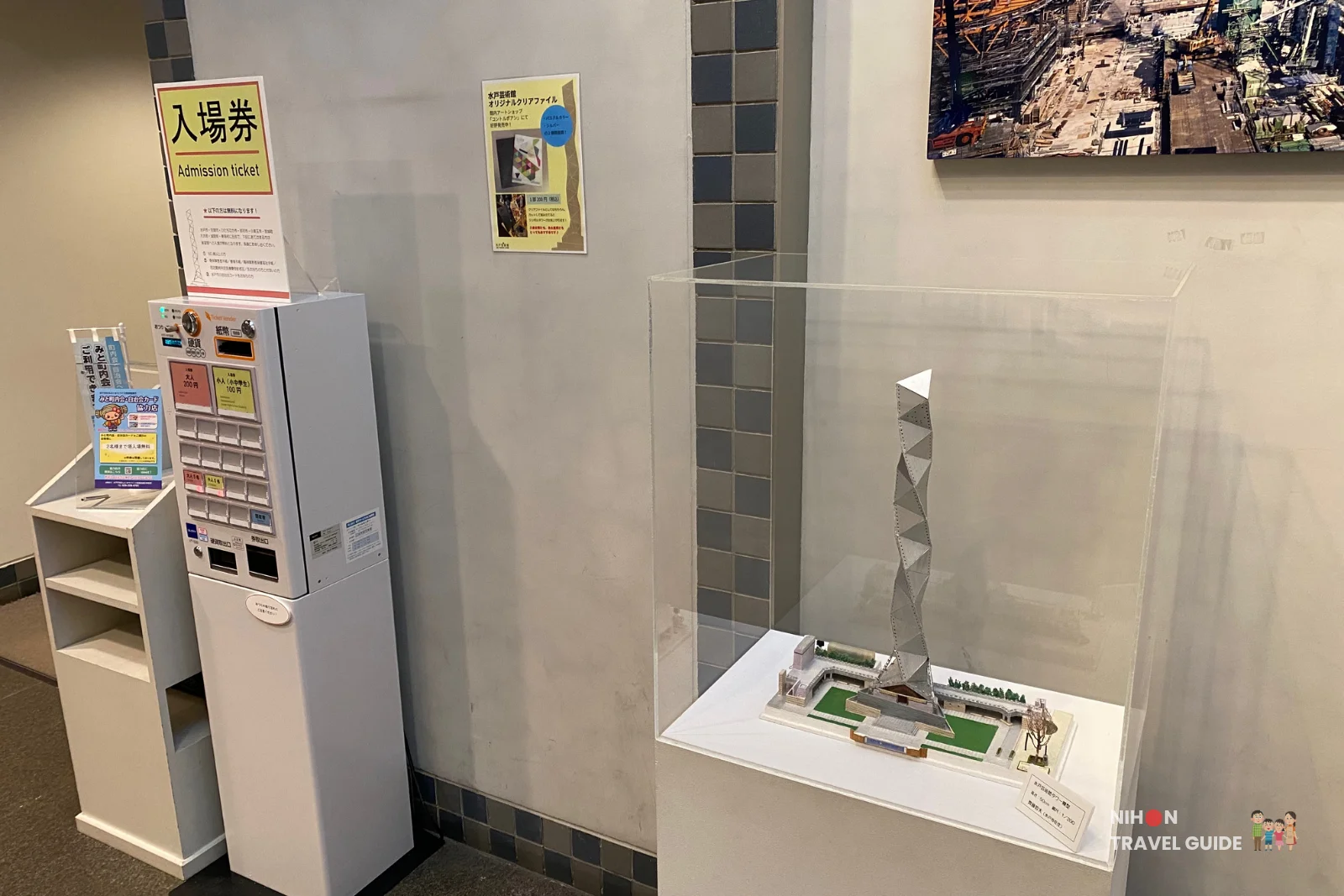
When you enter the tower base there should be a friendly staff standing near the ticket machine who would help you with the ticket purchase. The staff who was there at the time didn’t speak English but the machine itself is pretty simple and self explanatory.
The tickets cost ¥200 for adults and ¥100 for children.
Art Tower Mito is opened everyday from 9:30am to 6pm except on Mondays and national holidays.
Once you have purchased the tickets, the staff will help you with the lift up to the observation deck.
Art Tower Mito Museum Tickets & Opening Hours
For the museum, the tickets cost ¥900 for adults and it’s free for high school children (under 18), seniors (over 70) and people with disabilities (with one companion).
The museum is opened from 10am to 6pm (last entry at 5:30pm) everyday except on Mondays and national holidays.
History of Art Tower Mito
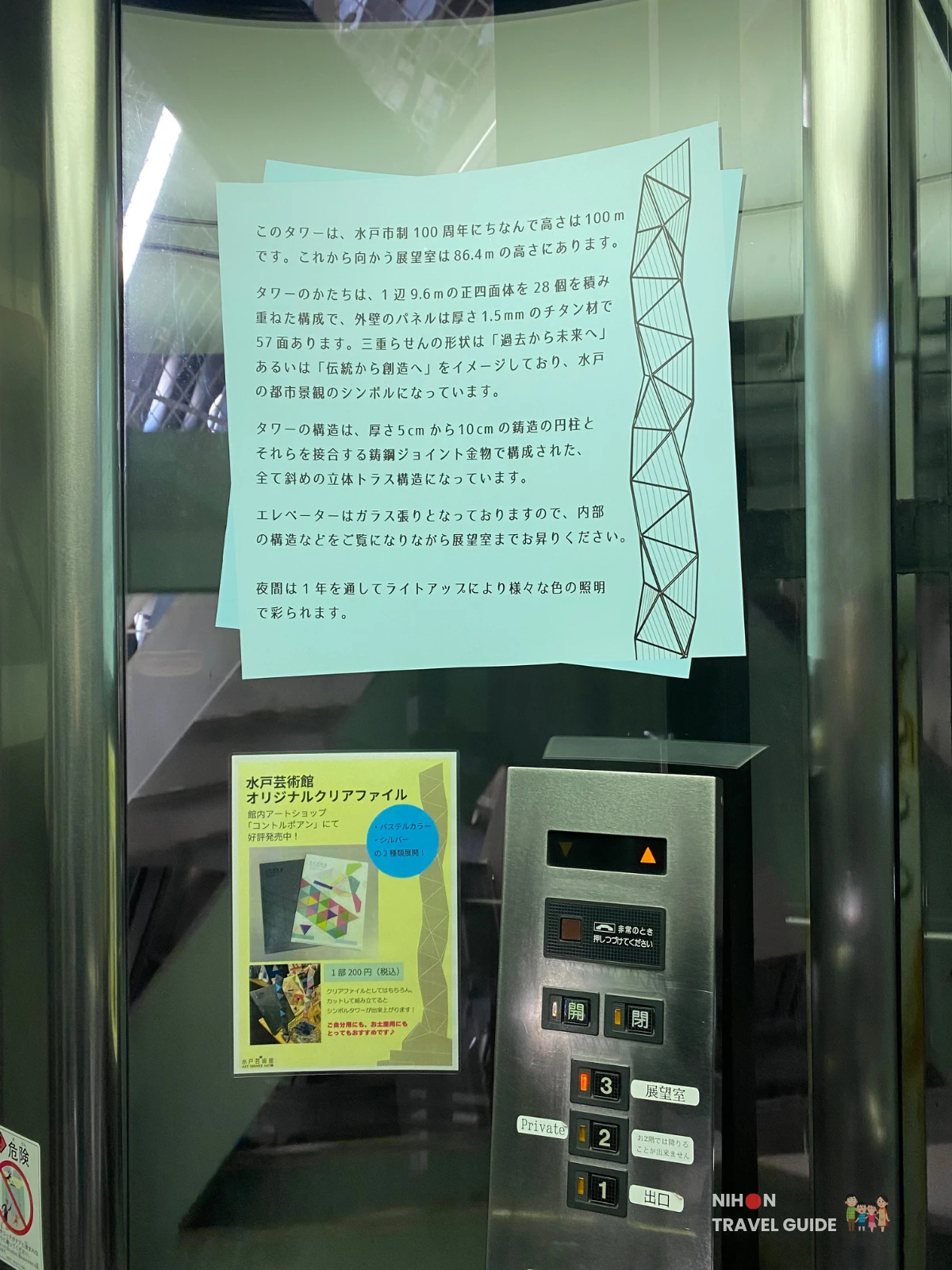
Art Tower Mito (水戸芸術館, Mito Geijutsukan) is alandmark arts complex in Mito, Ibaraki. It was opened in 1990 to celebrate the 100thanniversary of Mito’s designation as an official city. It is also best known for it’s 100 meter tall spiral tower.
The tower itself comprises 28 stacked tetrahedrons (triangular pyramids with 9.6m-long edges) that are covered in titanium panels. The exterior wall panels are made of 1.5mm-thick titanium and consist of 57 faces. Because they are set at a slightly different angle, each panel is able to catch and reflect light uniquely from each other.
The structure is inspired by a Boerdijk–Coxeter helix and according to the architect Arata Isozaki, the helix is meant to symbolise movement “from the past toward the future” and“from tradition to creation”.
At night, the Art Tower Mito will be illuminated in various colours by a lighting display. It has since become a symbol of Mito City’s landscape.
Earthquake Prevention
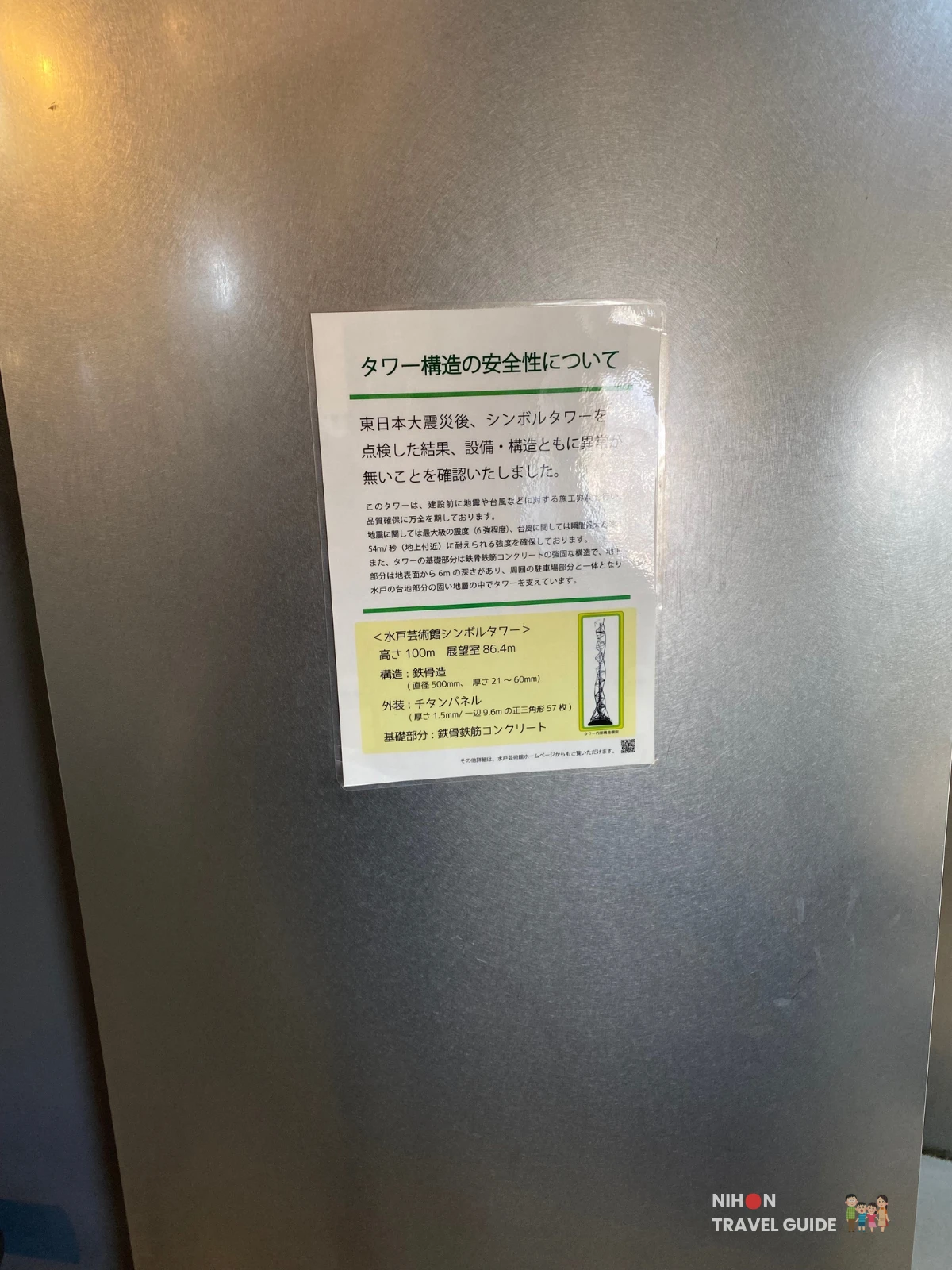
Just like most buildings in Japan, Art Tower Mito is also designed to withstand earthquakes and typhoons. It was able to survive the Great East Japan Earthquake and had no damage to the facilities or the structure. It was designed to withstand the maximum intensity of seismic activity (Seismic Intensity 6) and typhoons with wind speeds of up to 54m/s.
The tower’s foundation is built on solid reinforced concrete base that extends 6 metres deep into the surface which certainty helps the tower in event of any natural disasters. It really is a marvel that such a building could survive such a natural disaster. It makes you feel safer when visiting tall structures in Japan like this.
Art Tower Mito Observation Deck
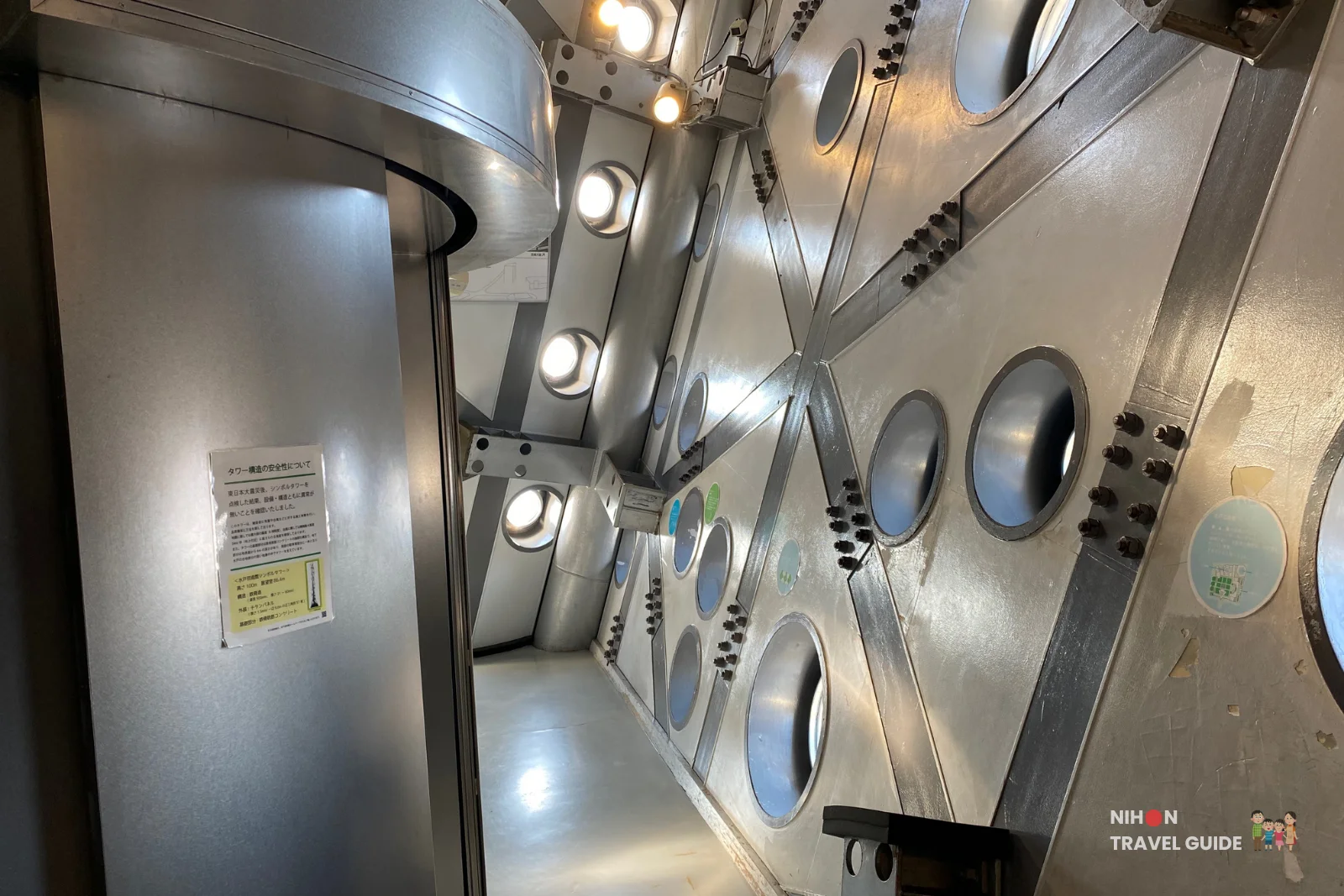
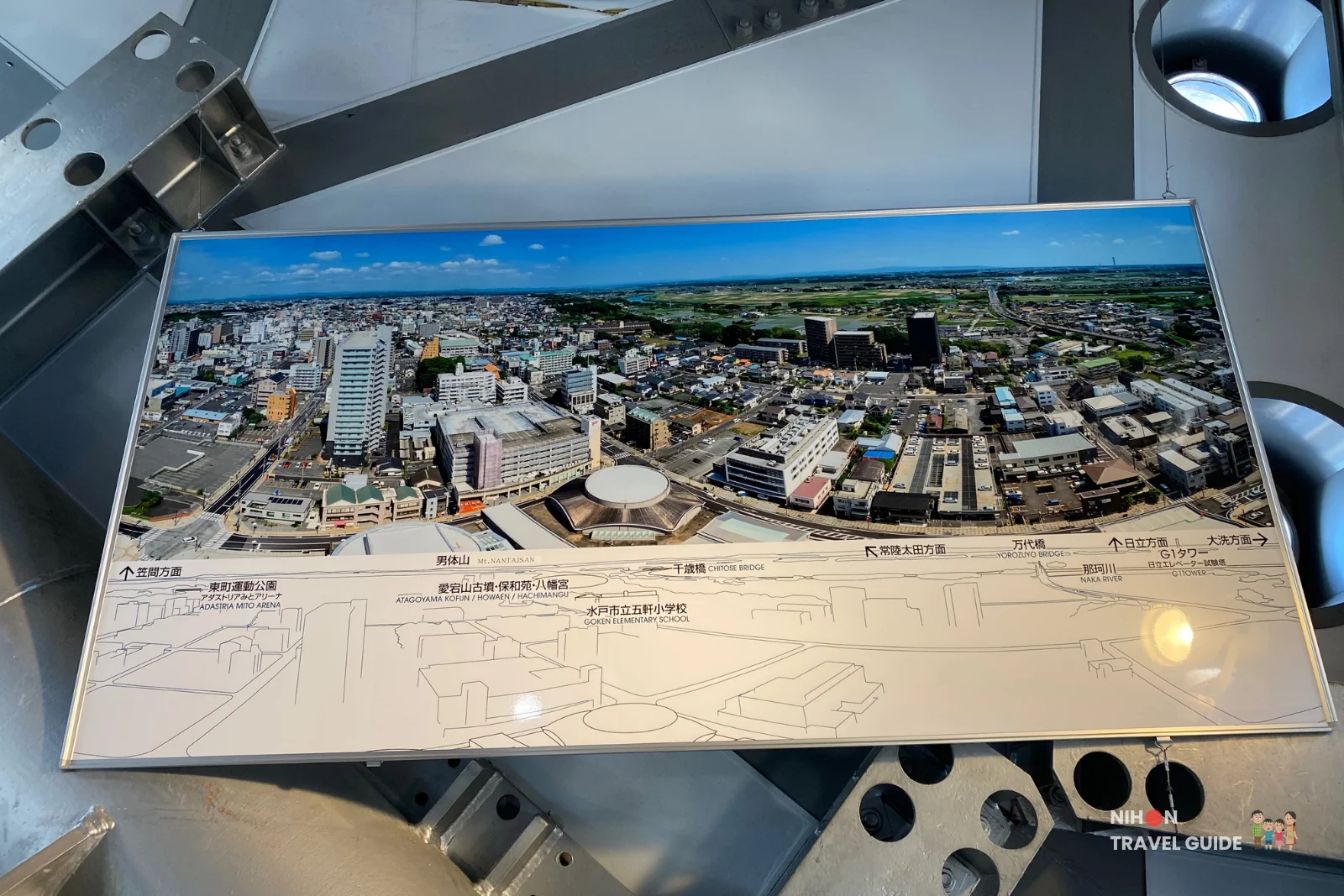
By now you would have seen pictures of the tower and might be wondering: “Observation deck? But I don’t see any windows?”. That’s because Art Tower Mito has a unique take on observation towers.
When the lift doors open, you would see that you are surrounded in a metal structure with lots of small circular windows all around. The different windows allow you to see all around you especially the Mito City.
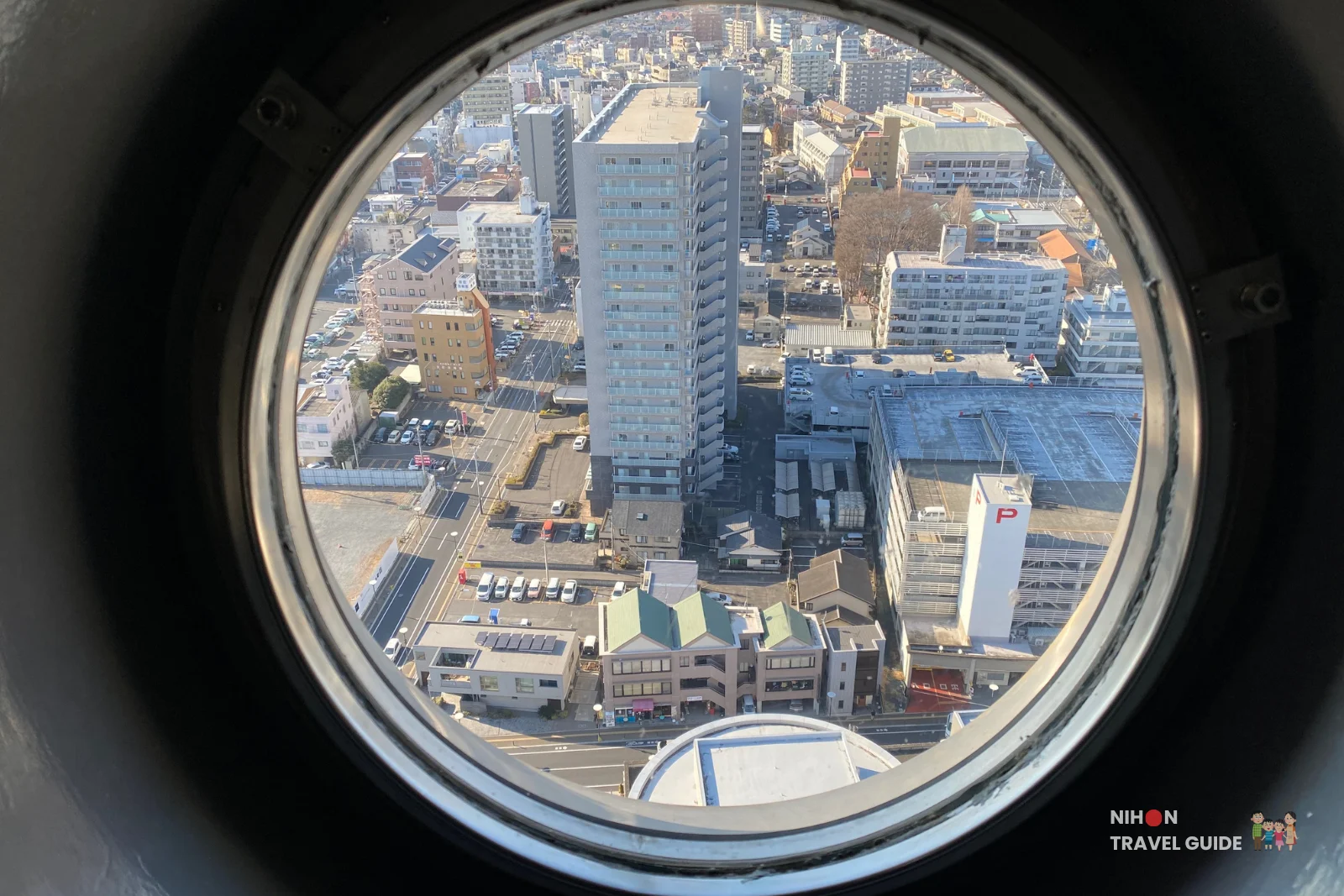
There are even specific windows that have been made so that you can see specific attractions in Ibaraki. Here are some of the main highlights:
Mount Fuji & Lake Senba
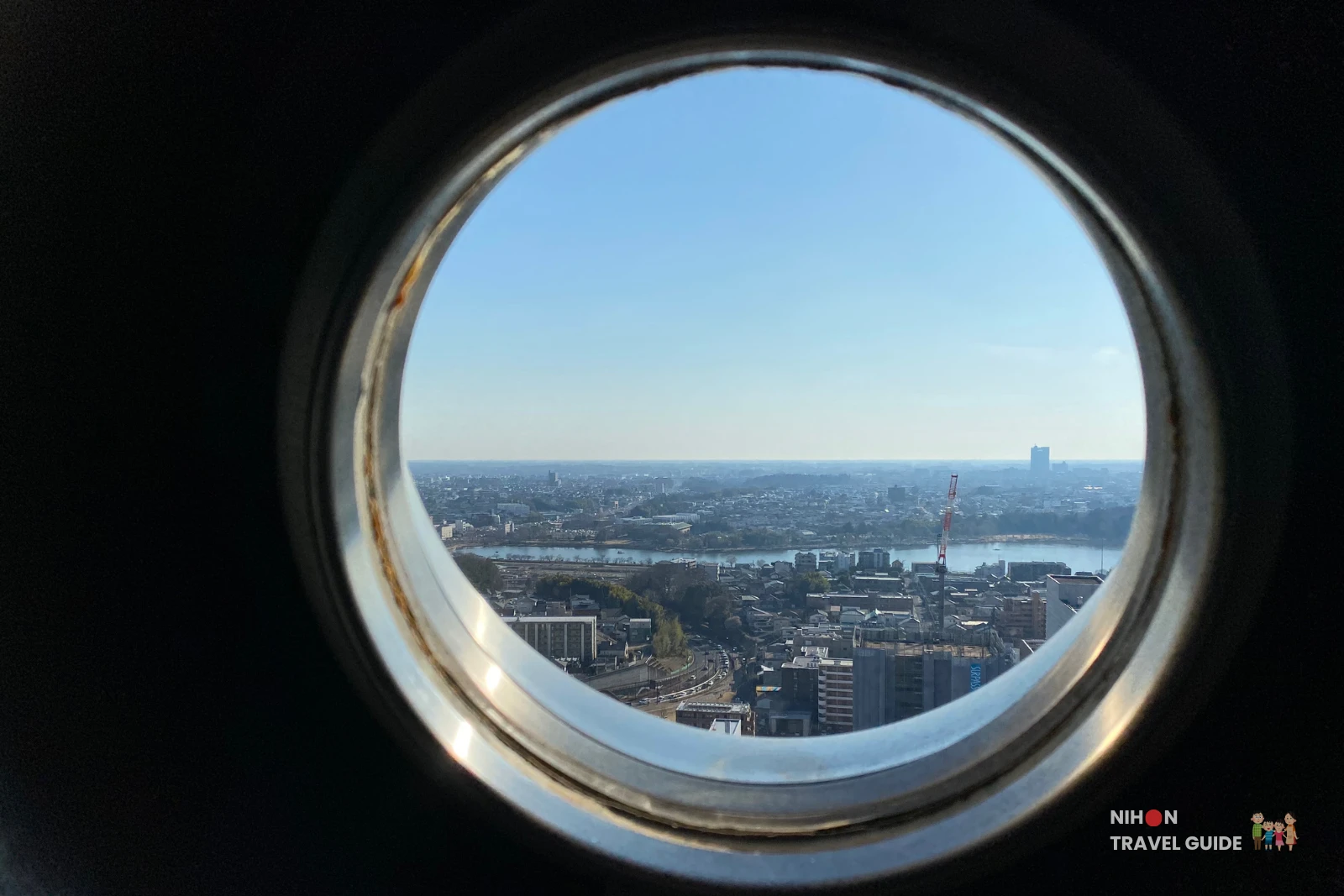
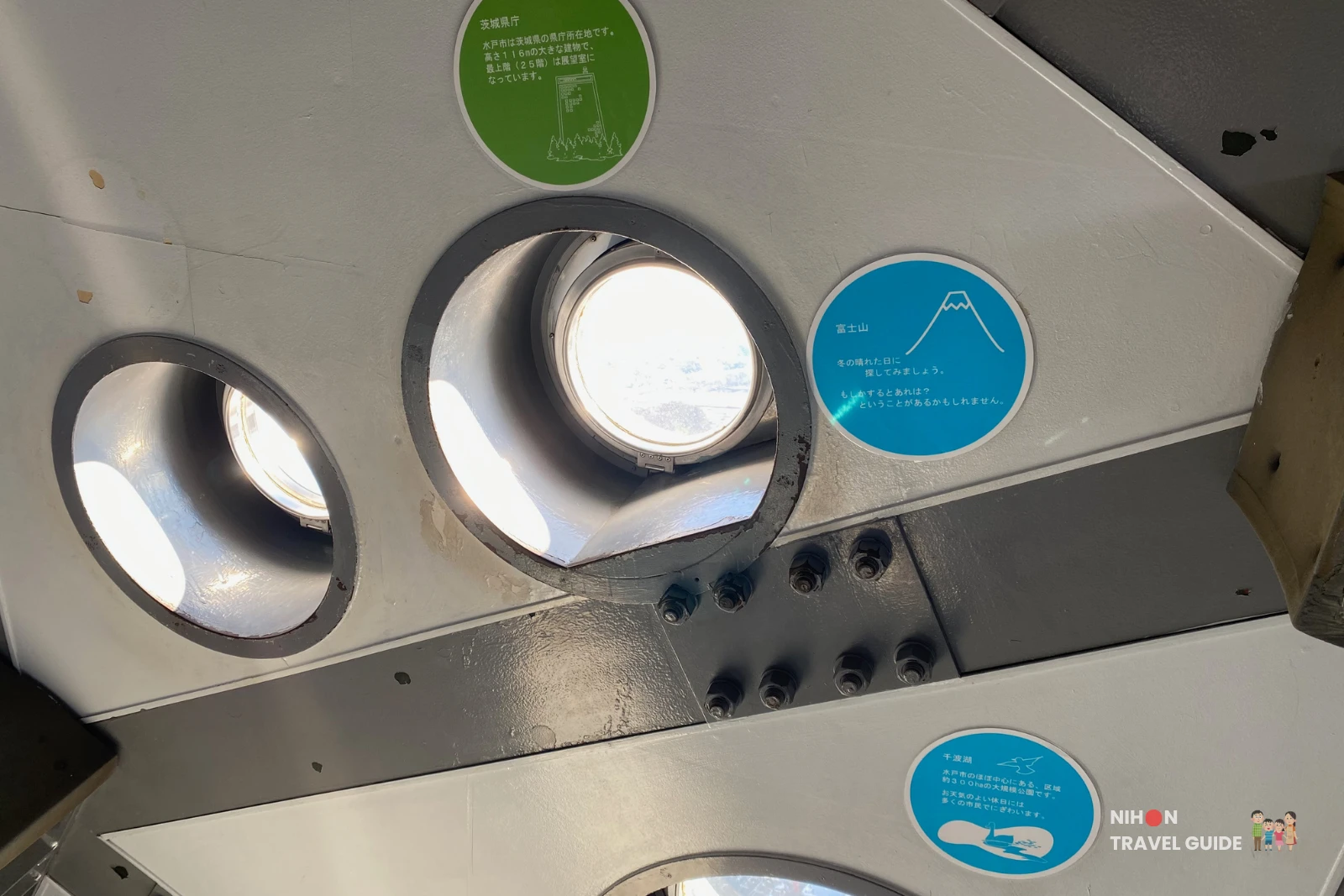
From this window here, on a clear day, you should be able to see Lake Senba and Mount Fuji in the horizon. Unfortunately on the day I was there it was quite cloudy, so I couldn’t see Mount Fuji clearly. Mount Fuji is really really far away from Mito city though so it must be quite fascinating if you are able to see it.
You will however be able to see a nice view of Lake Senba, a man-made lake right in the heart of Mito City. It forms around the Senba Park and is a beloved space by the locals for jogging and picnics. You can even rent swan-shaped pedal boats to pedal across the lake.
Mount Tsukuba
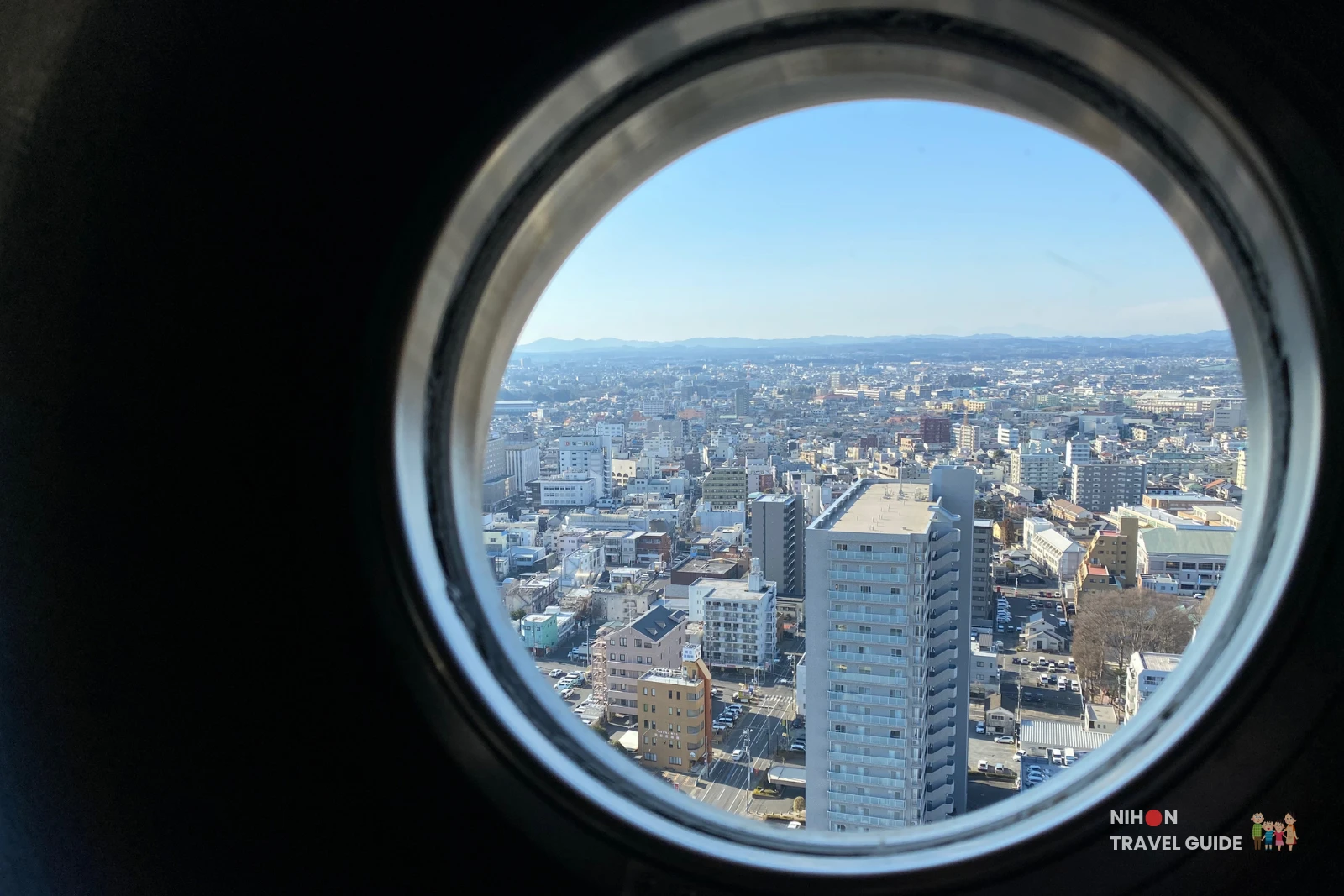
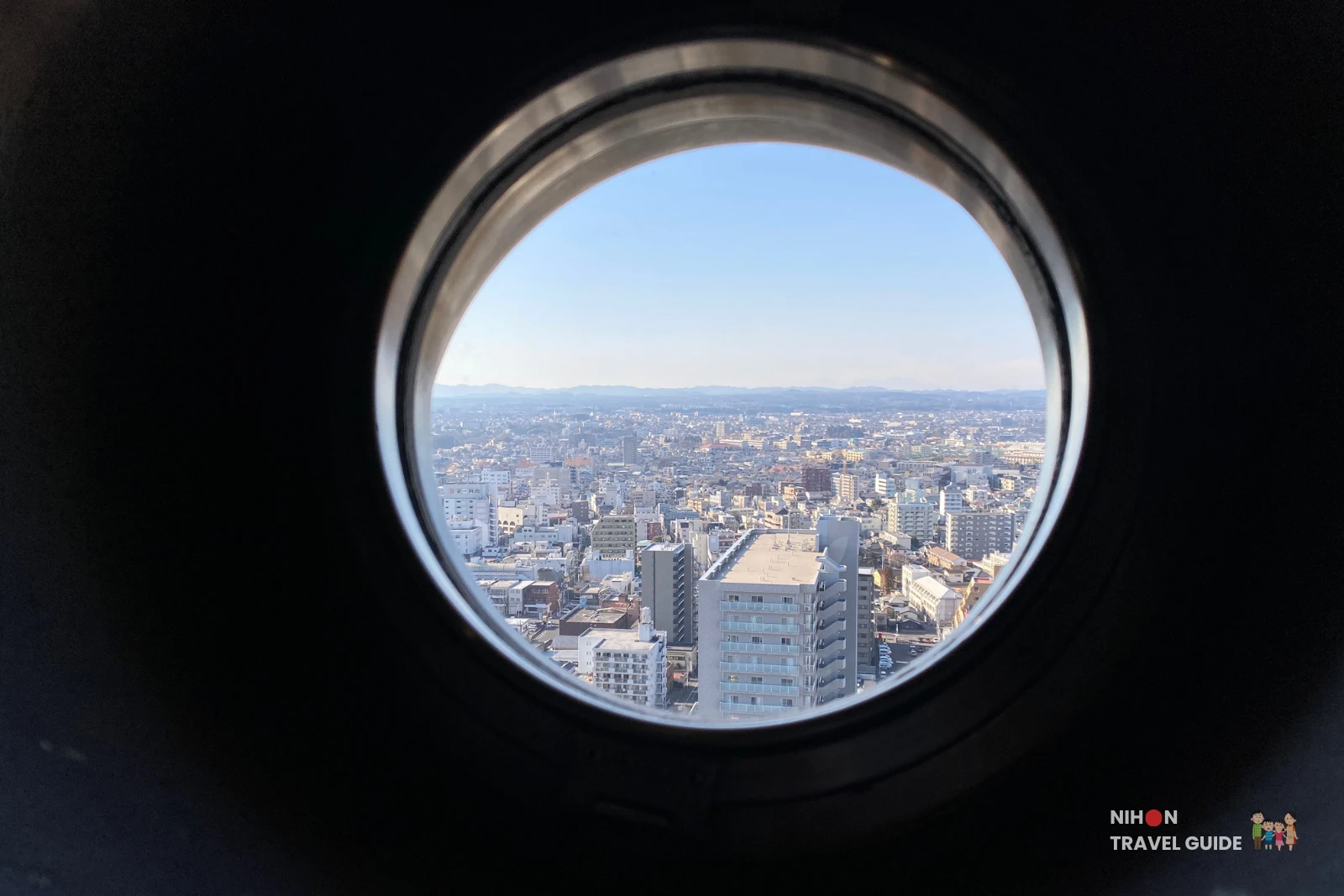
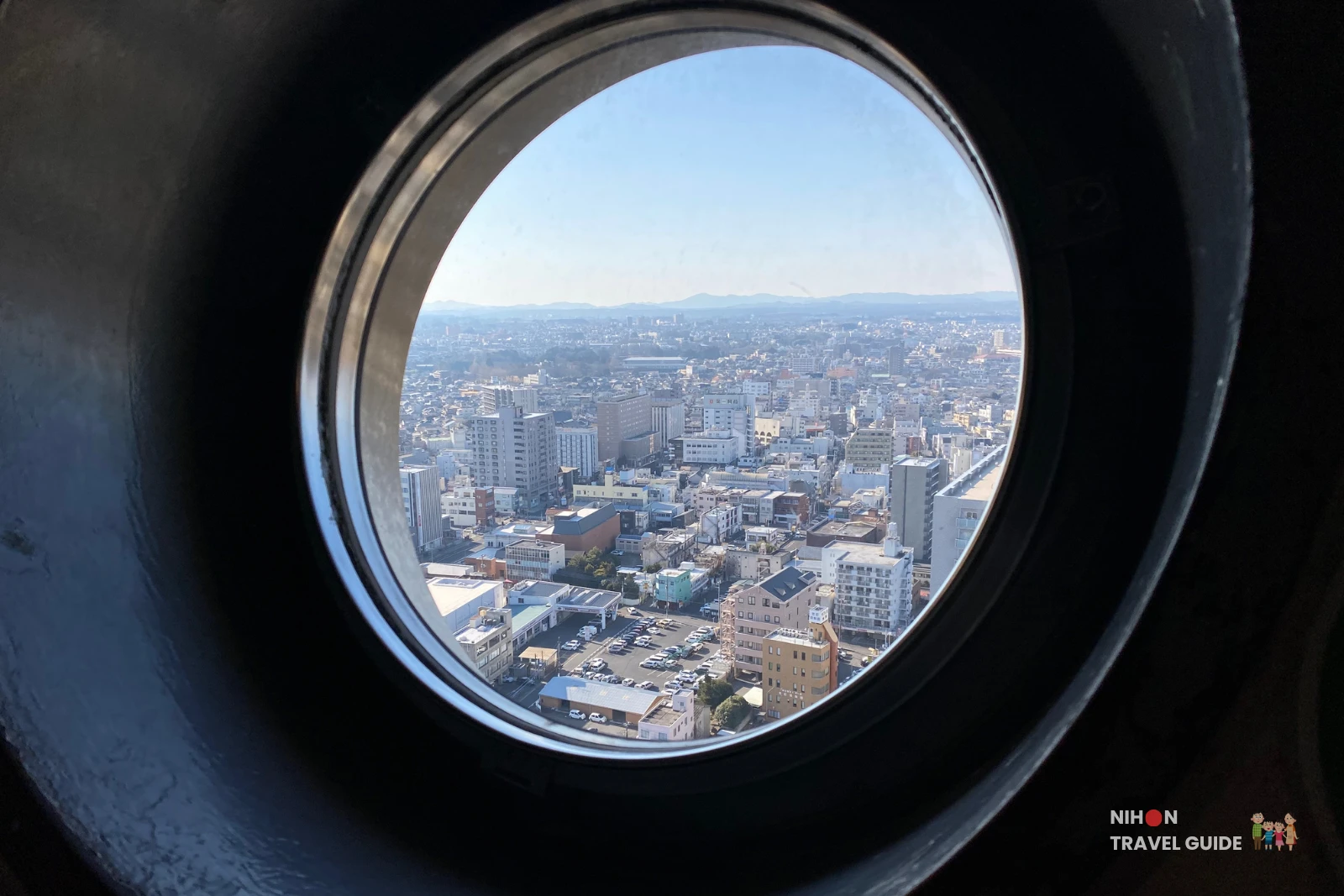
From one of the windows you would be able to see Mount Tsukuba. Mount Tsukuba is much closer (compared to Mount Fuji) and you are able to see it even though it was slightly cloudy. I actually climbed Mount Tsukuba and it was one sweaty but memorable experience.
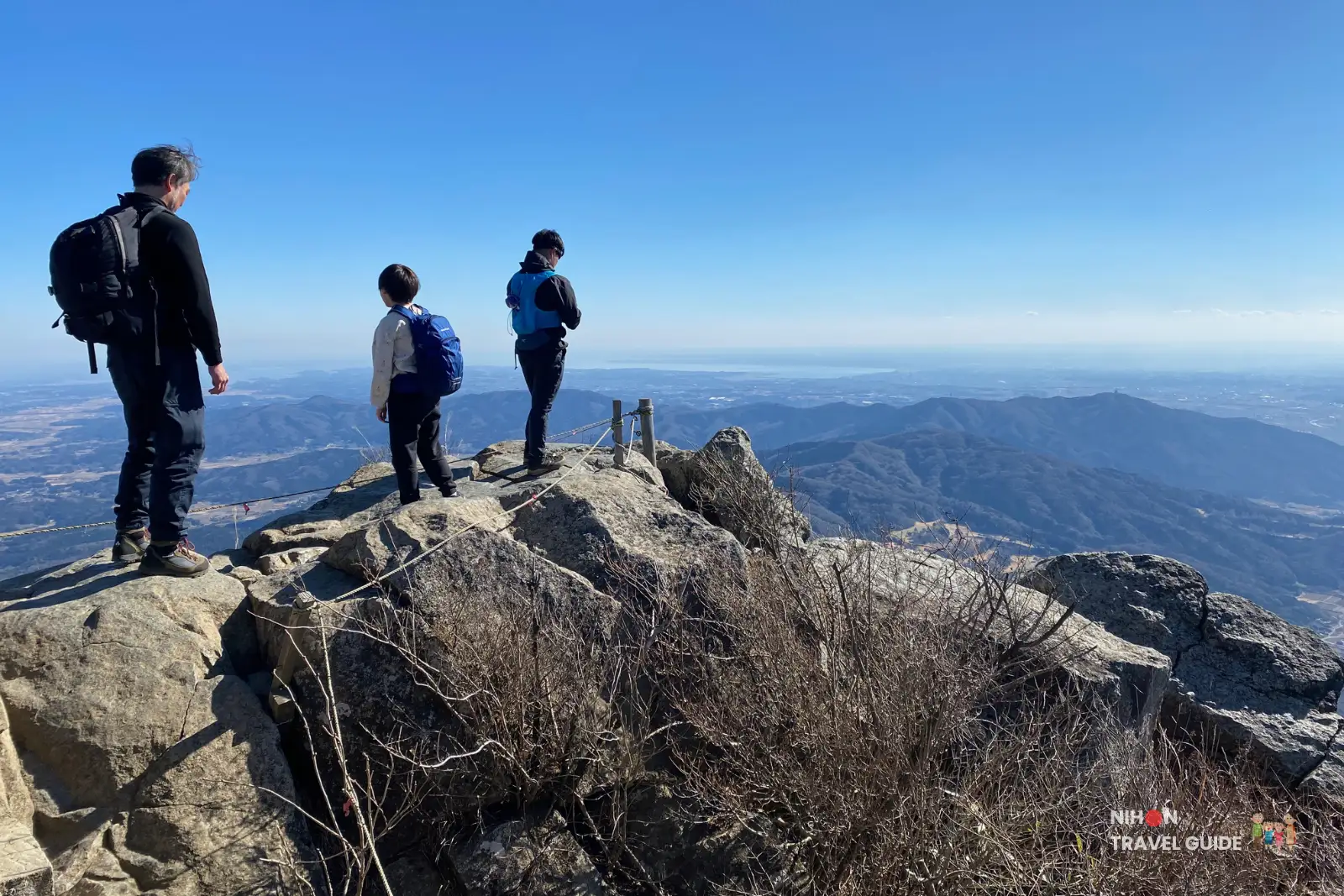
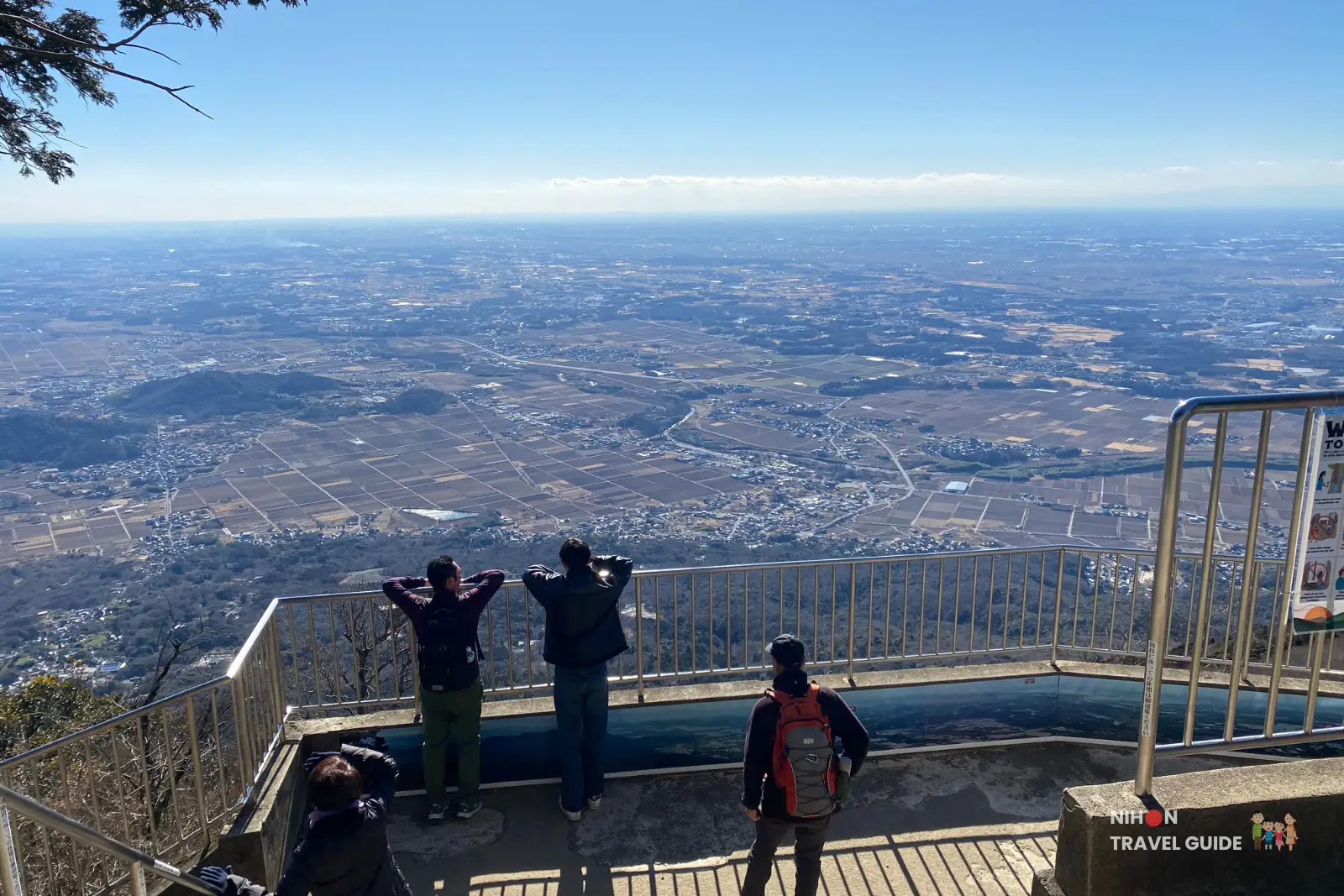
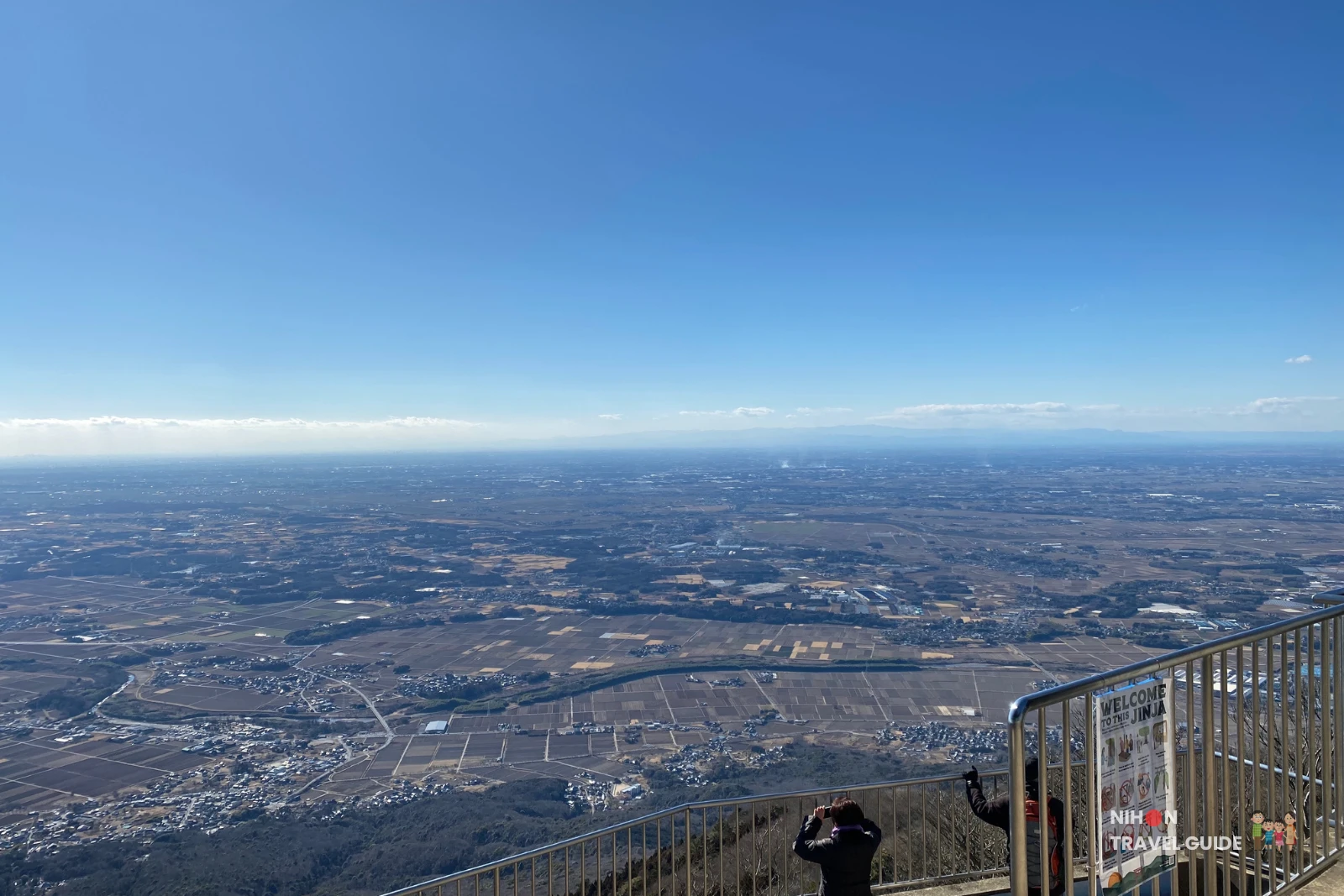
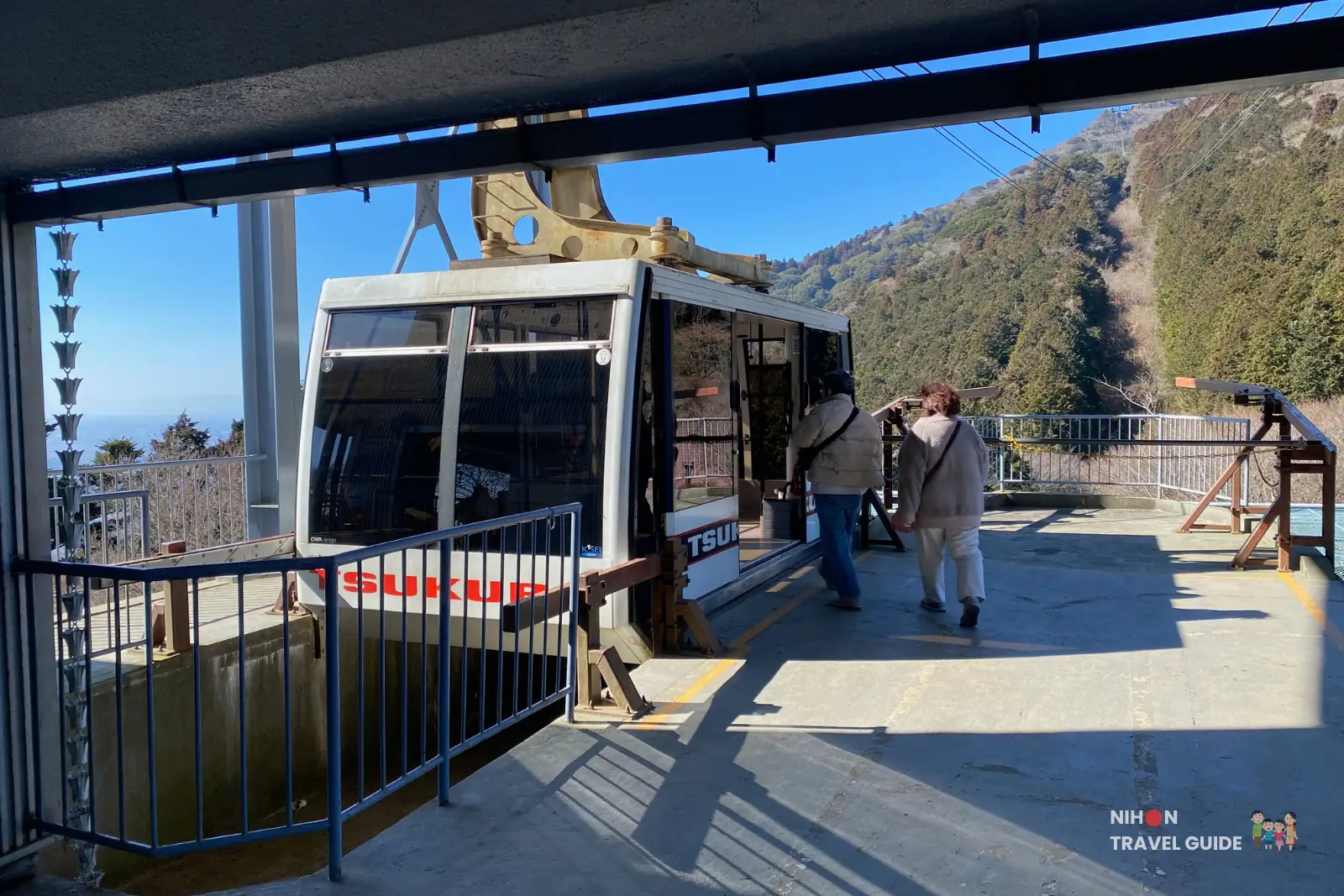
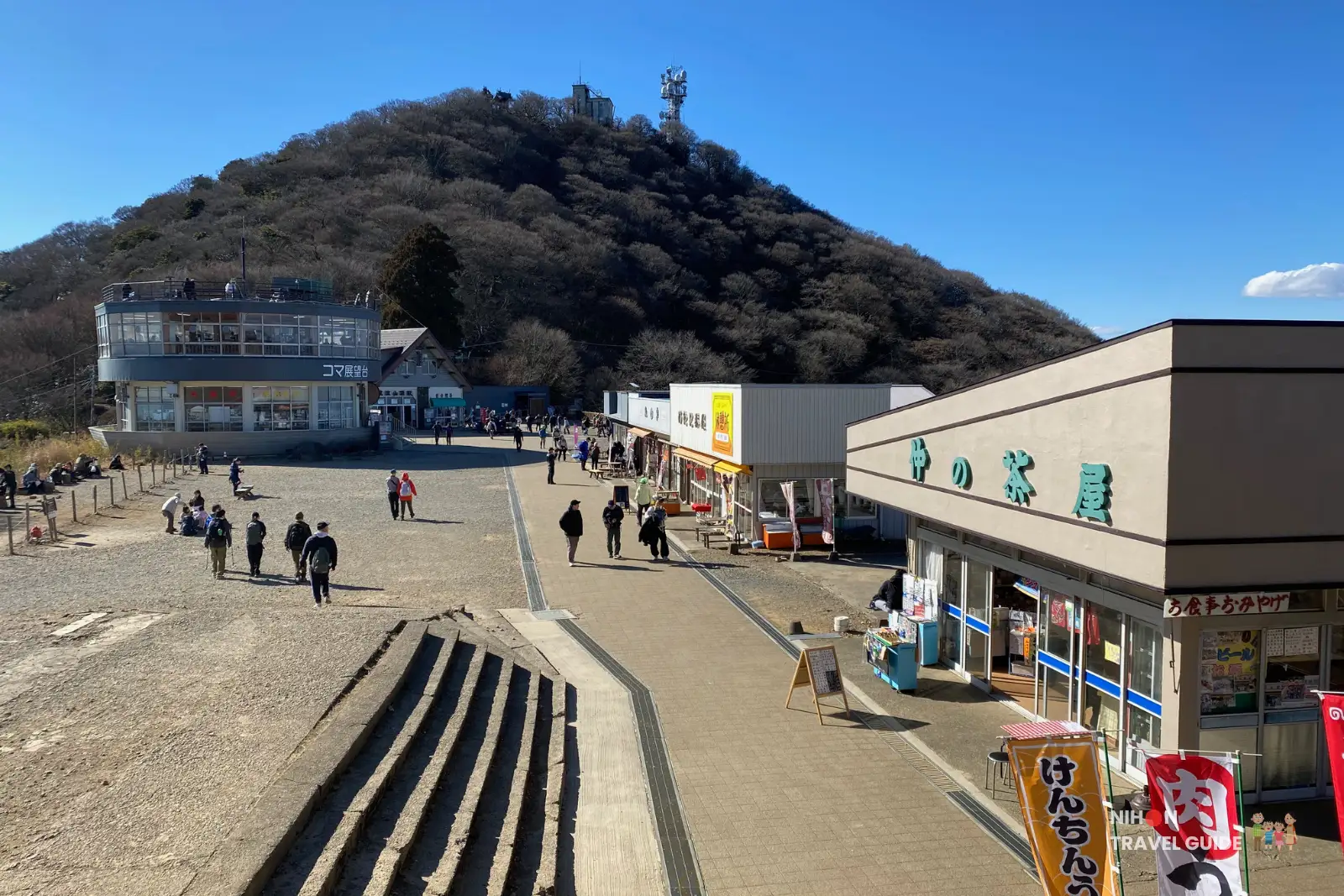
If you want to get better views of Ibaraki and have a better chance of seeing Mount Fuji, I recommend climbing Mount Tsukuba as you would be much higher up and the views are absolutely stunning.
If you would like to find out more about climbing Mount Tsukuba read our guide here.
Bandai Bridge (万代橋) & G1 Tower
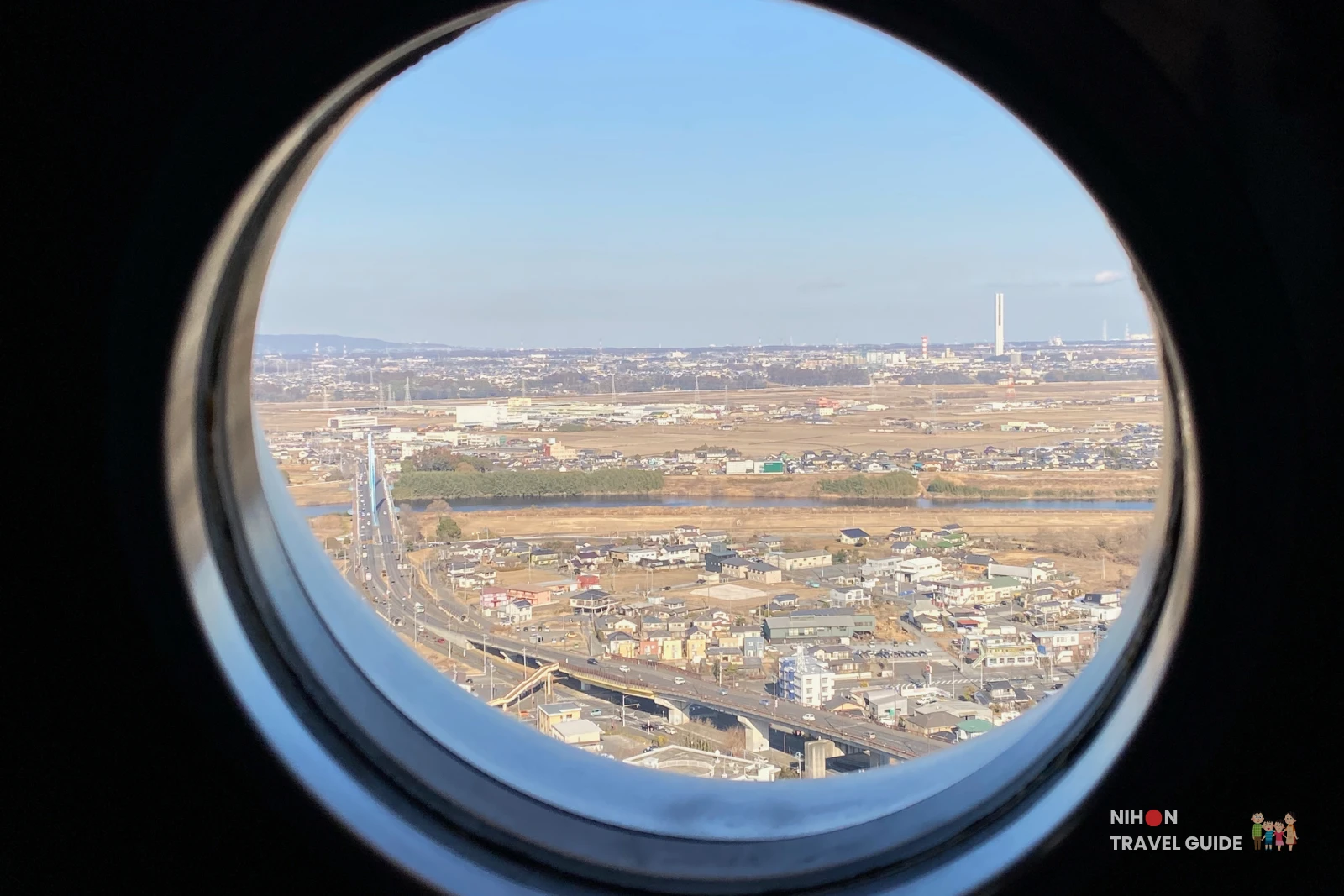
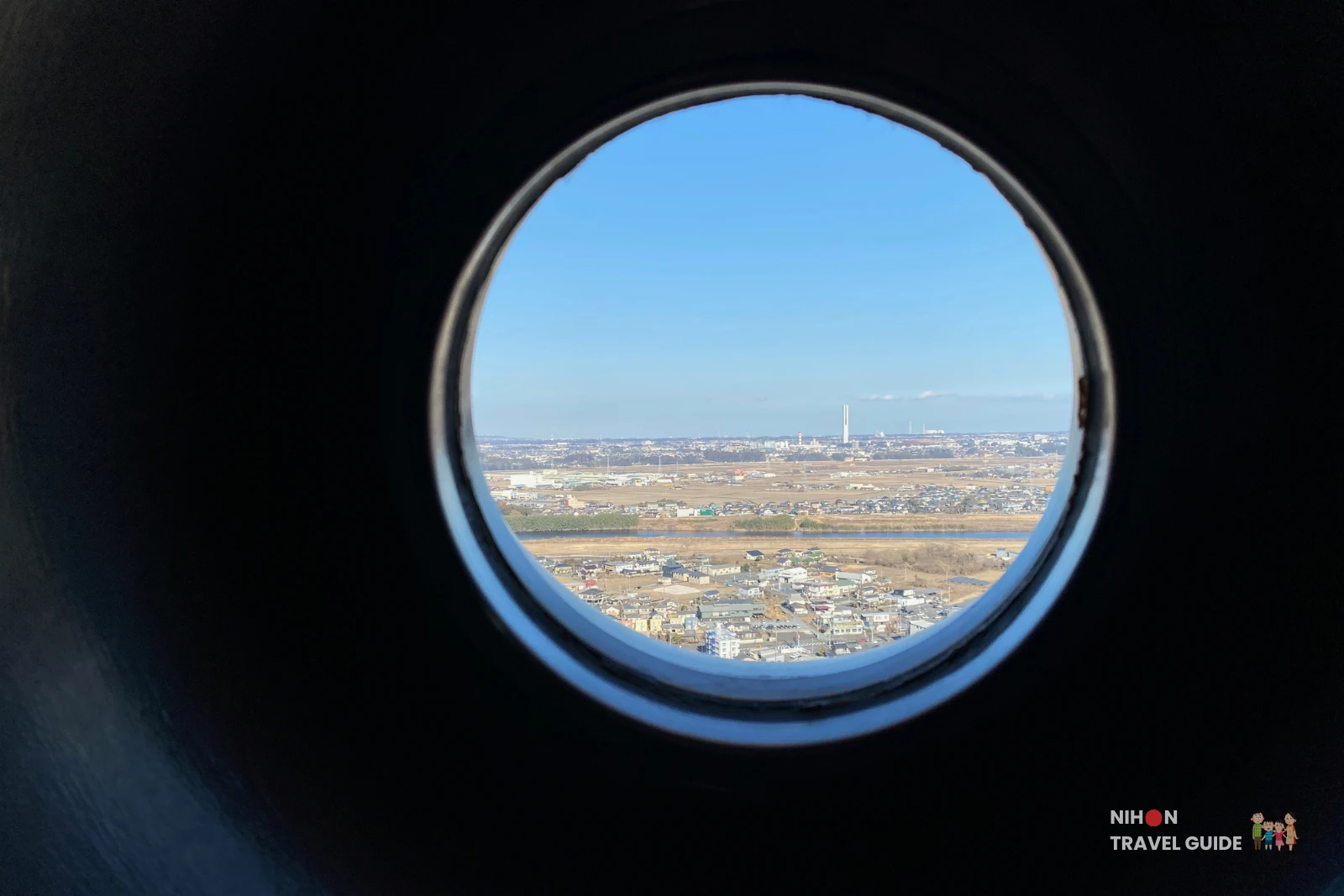
From this window you can see the Bandai Bridge (万代橋). It is a cable-stayed bridge that stretches 357.6 metres across the Naka River (那珂川).
From this same window you can also see one really tall building (you can’t really miss it) that is the G1 Tower. It stands at 213.5 metres tall and is used by Hitachi to research and test elevators. G1 stands for “Global Number One” reflecting their ambition to be the number one in the world in elevator technology. It is a pretty cool structure although it’s not a tourist attraction.
Pacific Ocean
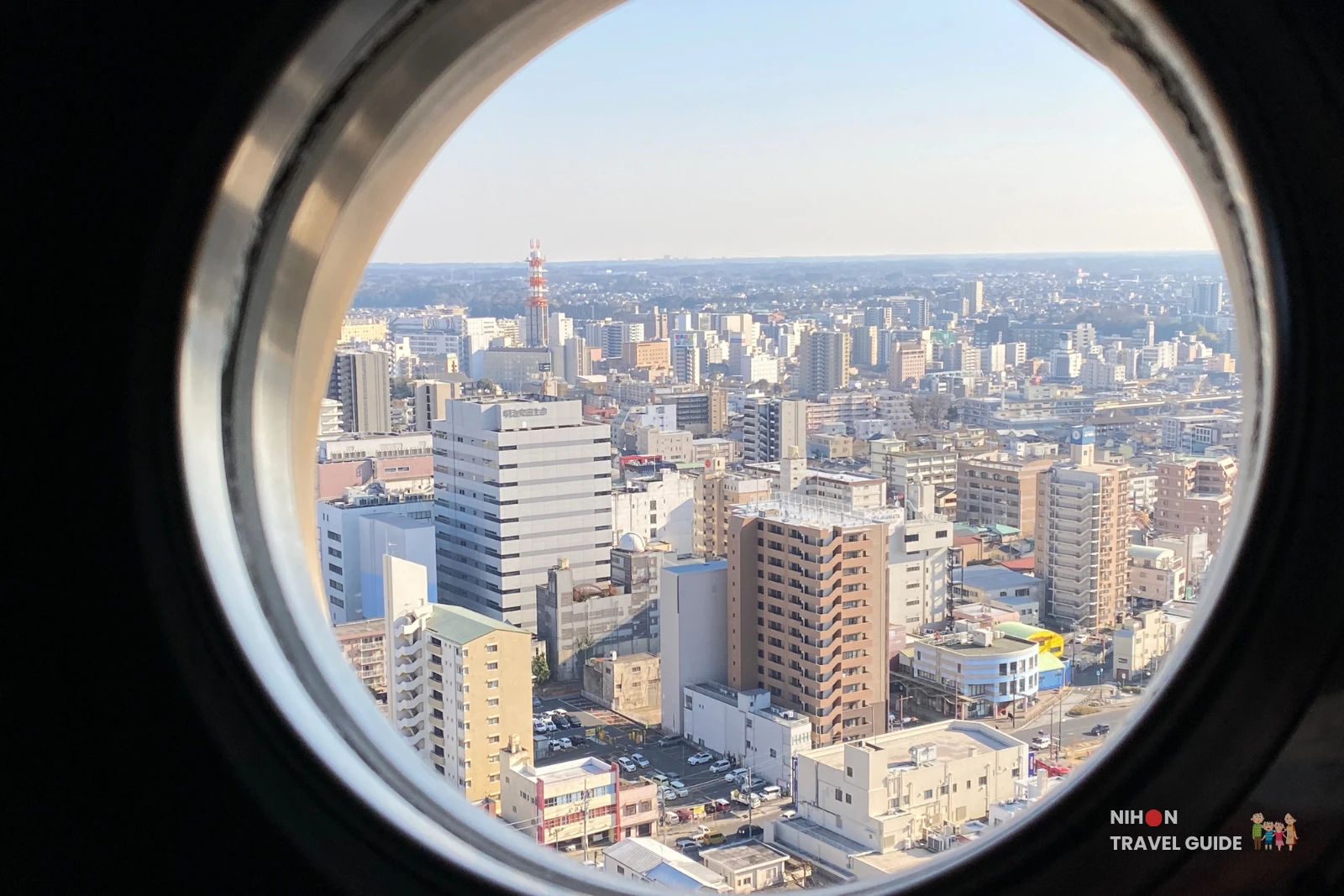
So in this view on a clear day you can see the Pacific Ocean. Apparently if you really squint you would be able to faintly see the glittering of the sea surface. It was really cloudy though so I really couldn’t see it.
Art Tower Mito Ground Floor
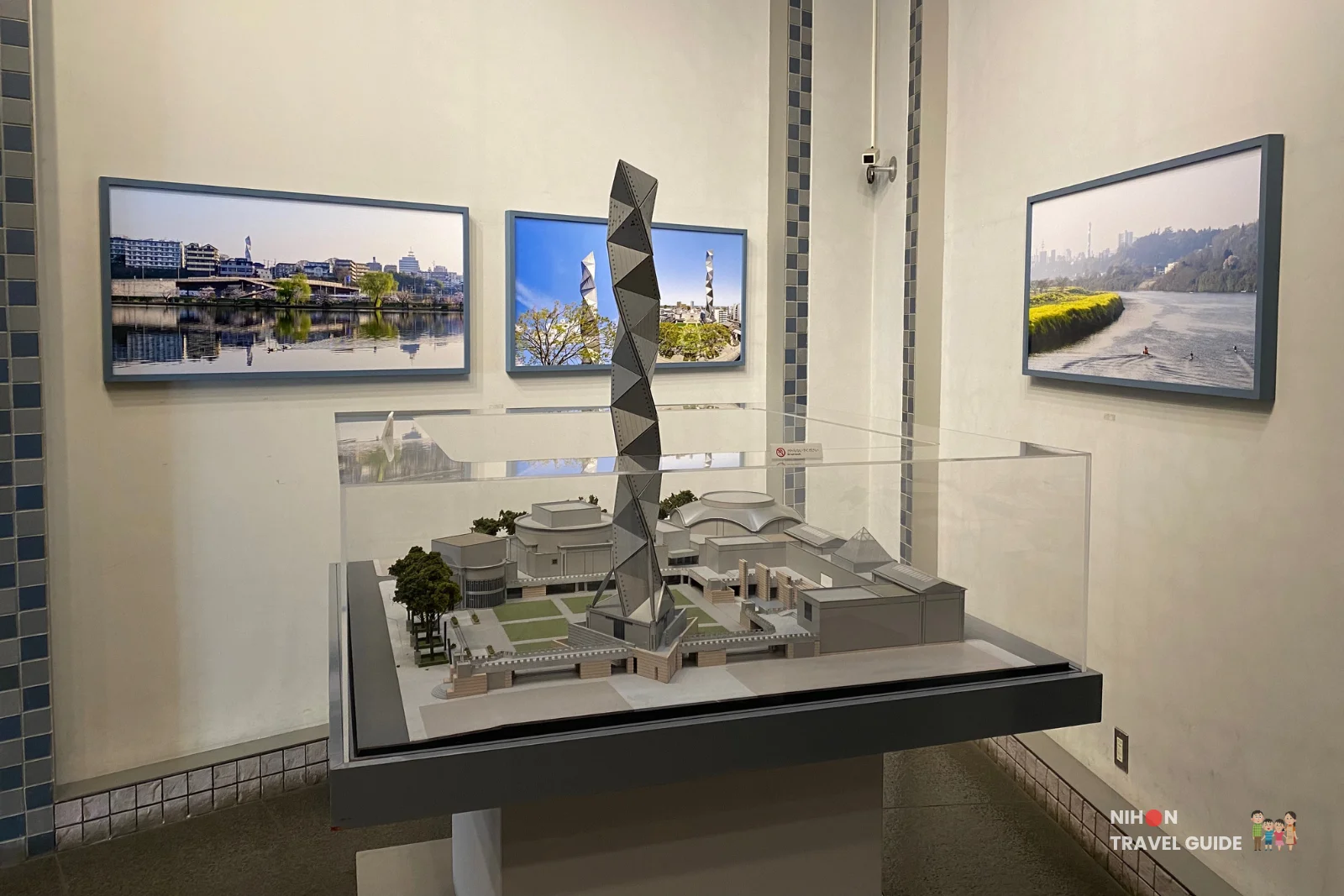
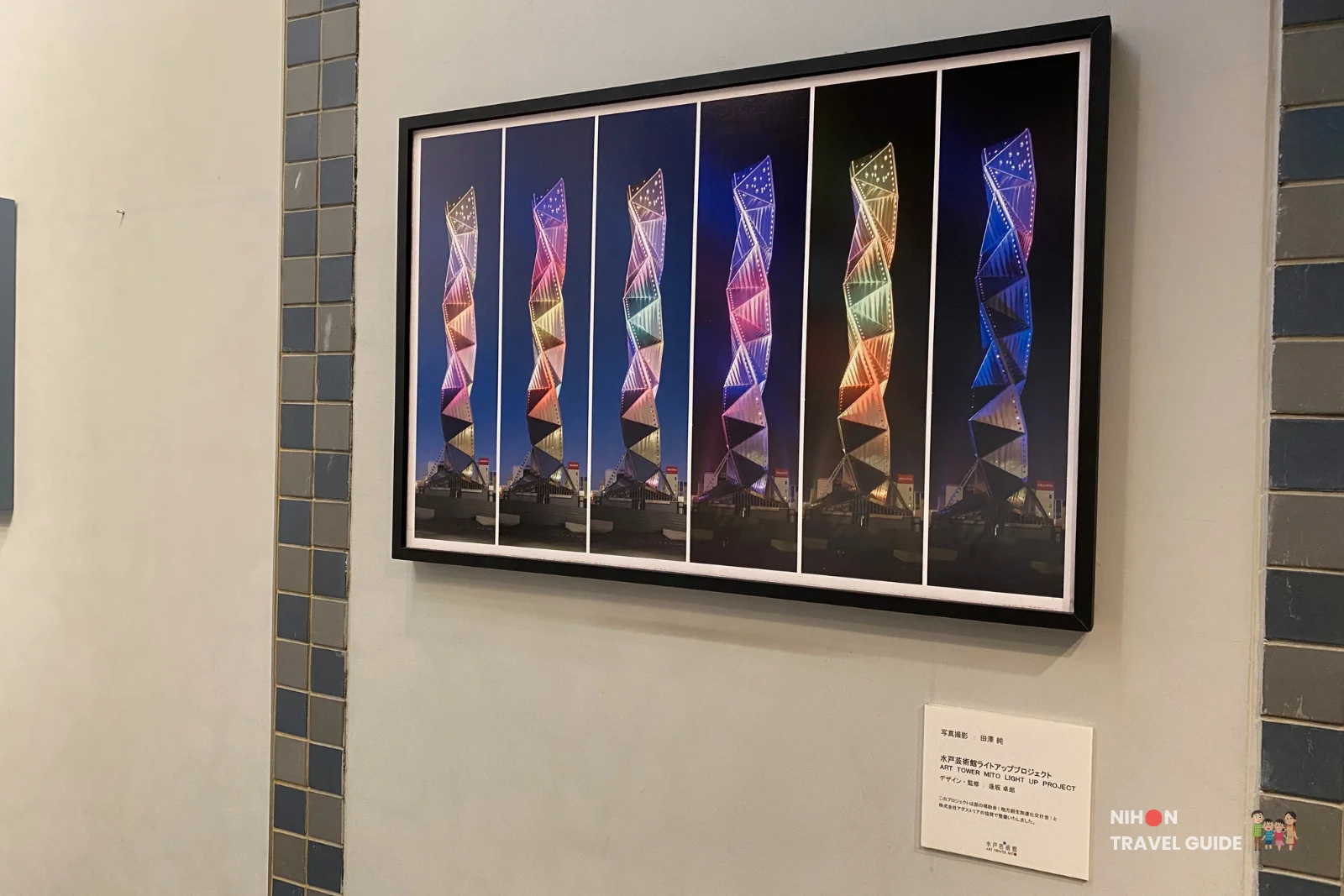
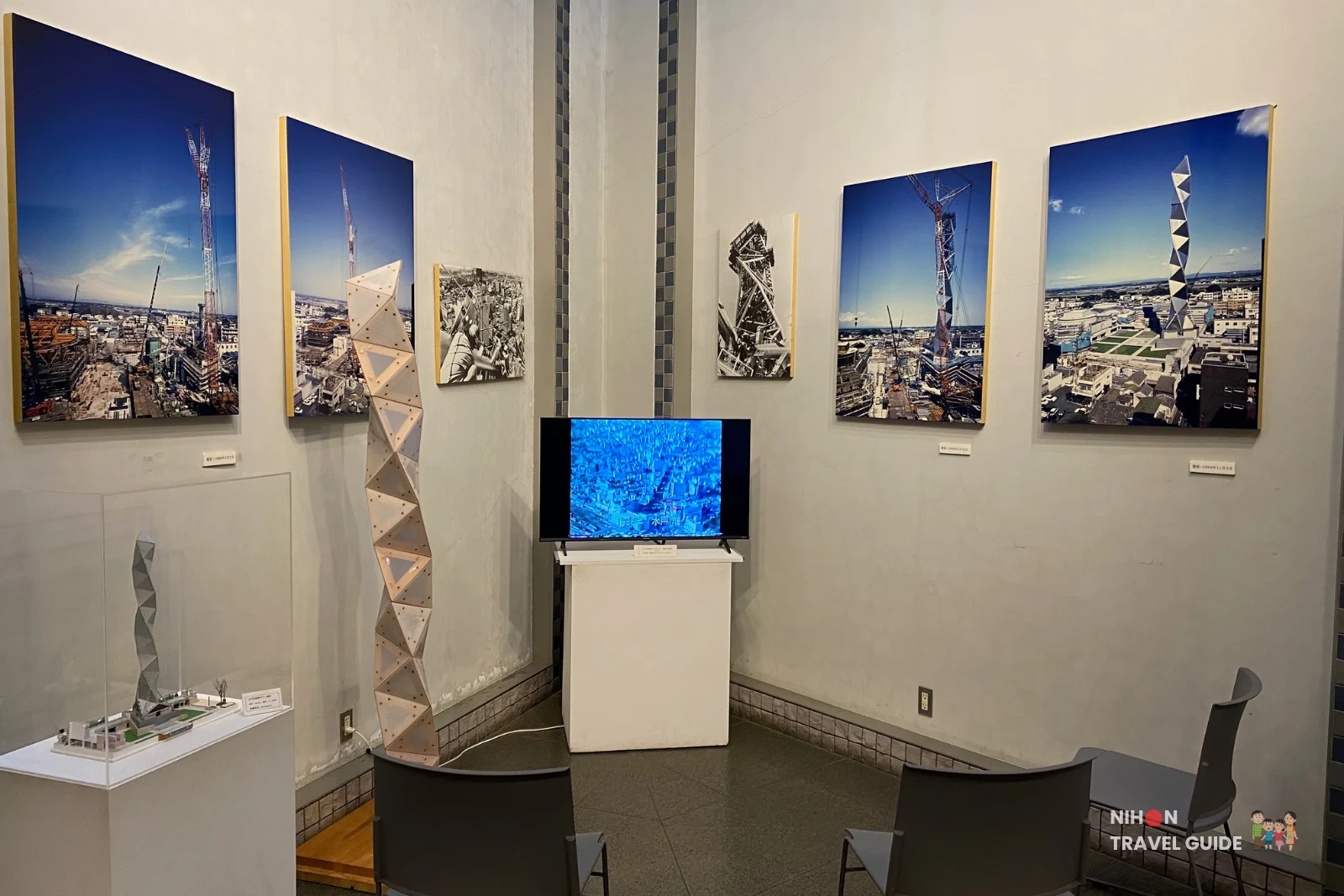
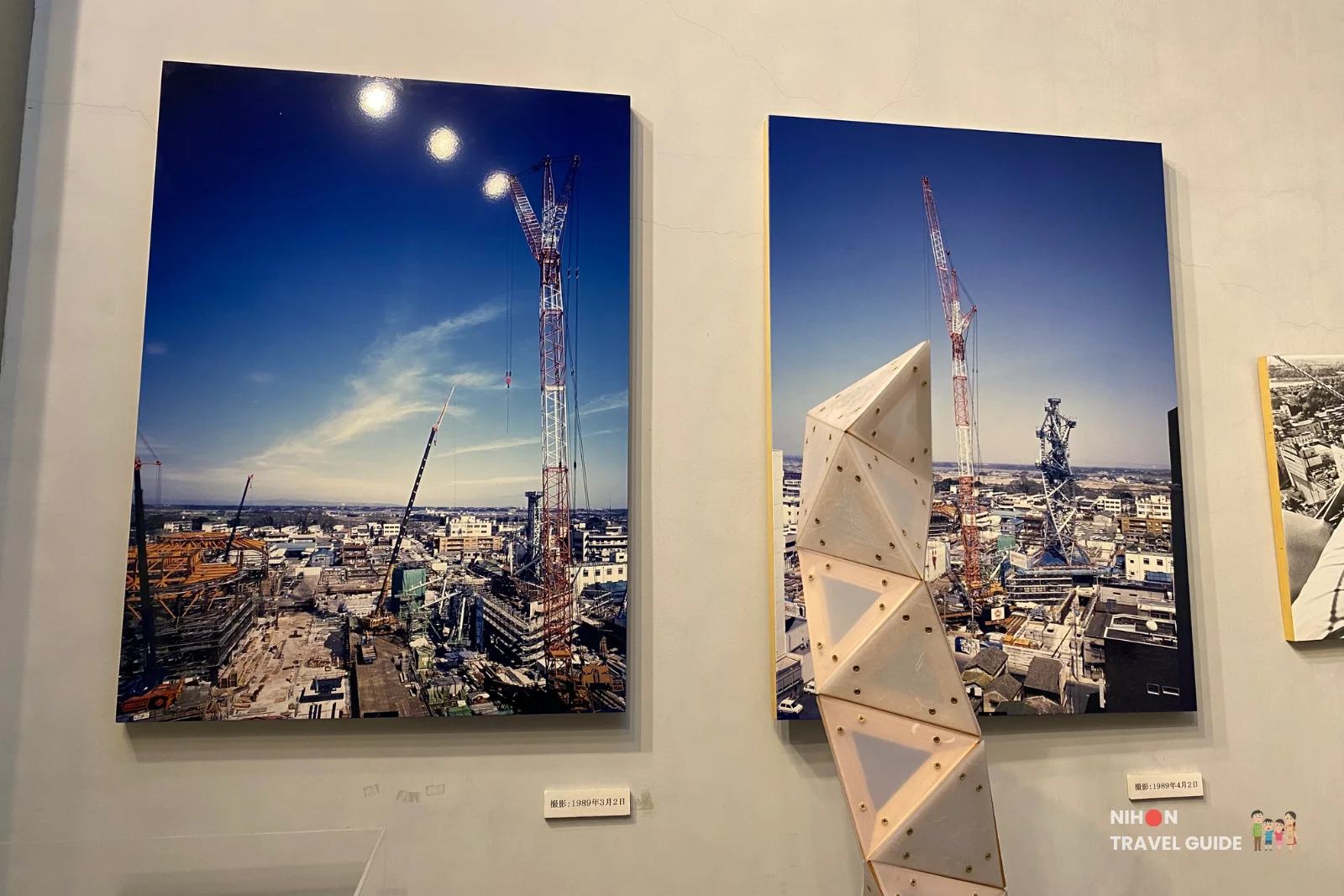
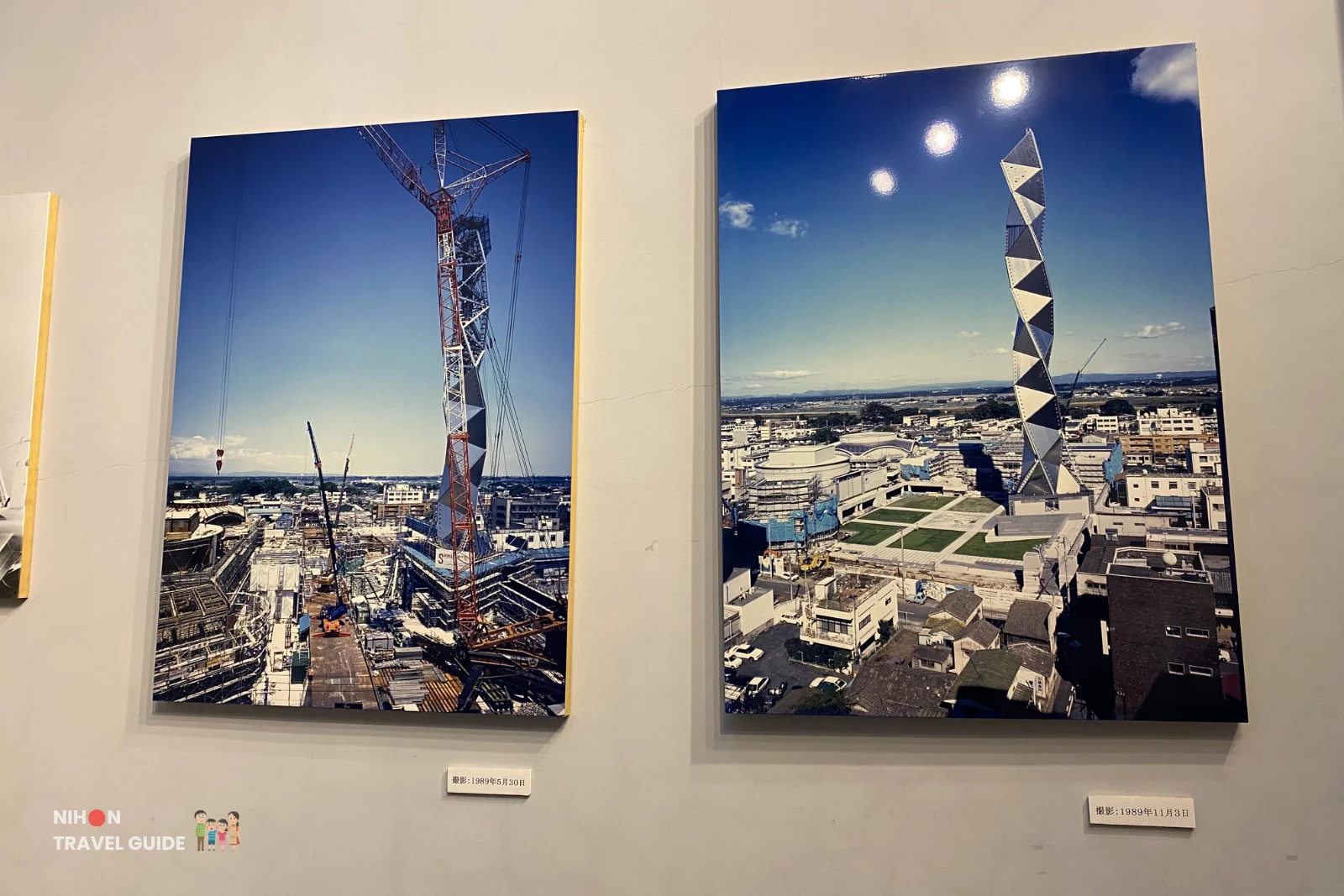
Back on the ground floor, there are some other interesting things to see. There is an architectural scale model of the Art Tower Mito and it’s complex. There are also photos of the Art Tower Mito at night, showing how it looks like when it’s illuminated.
There are also some pictures of the Art Tower Mito being constructed at different phases way back in 1989. It looked like it was the only high rise building in the area at the time and I wonder if it really stood out in a good or bad way back then. There is also a TV showing a mini documentary in Japanese about how the tower was built.
Where to take photo of the whole tower?
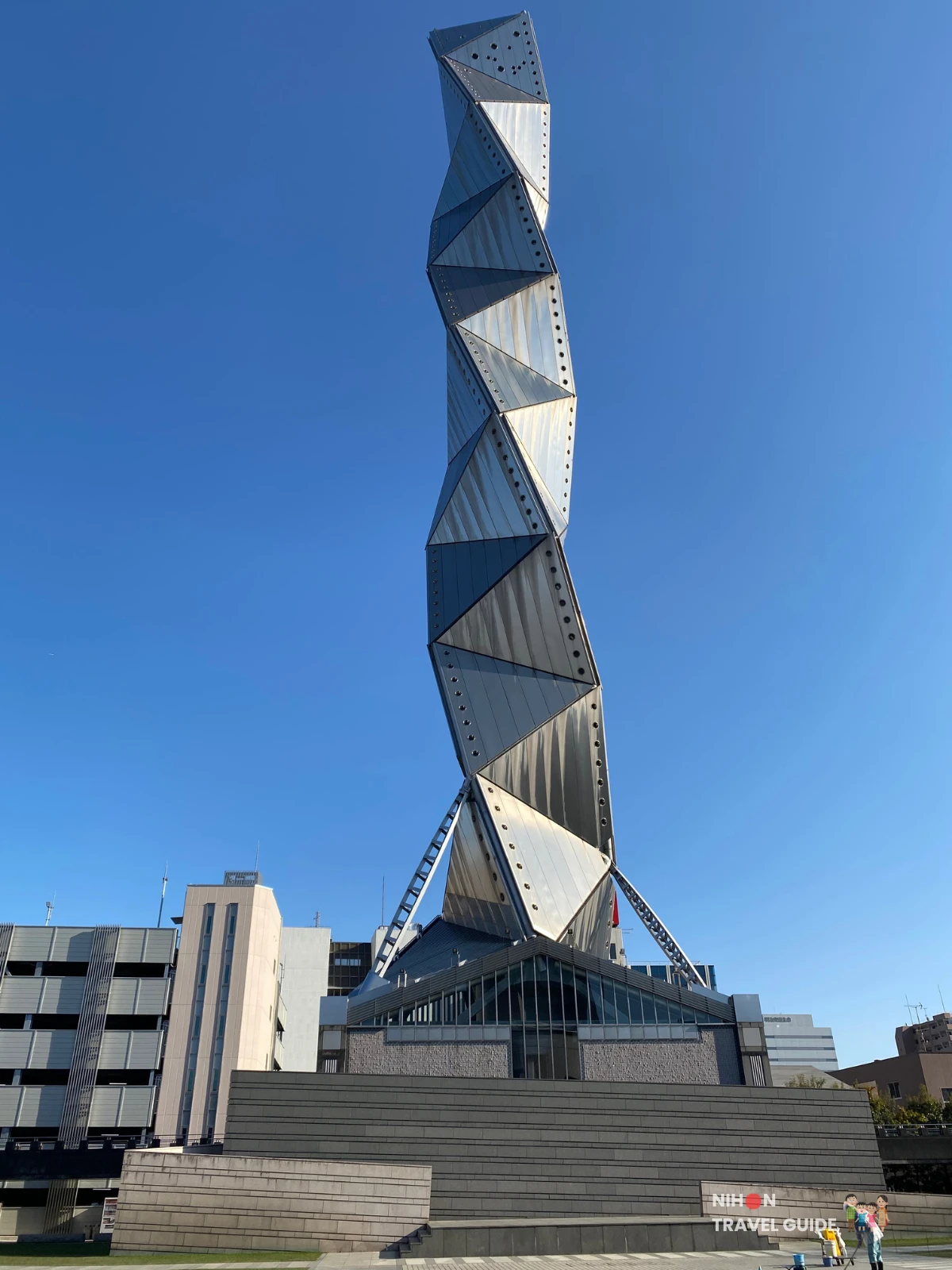
One of the things you would realise when you first reach is that it is quite difficult to get a full picture of the tower (since its so tall). There are two places that I found that are not too bad. The first one is just underneath the building shelter from across the Art Tower and the lawn. You can get quite a good portrait photo of the Art Tower Mito from the ground up.
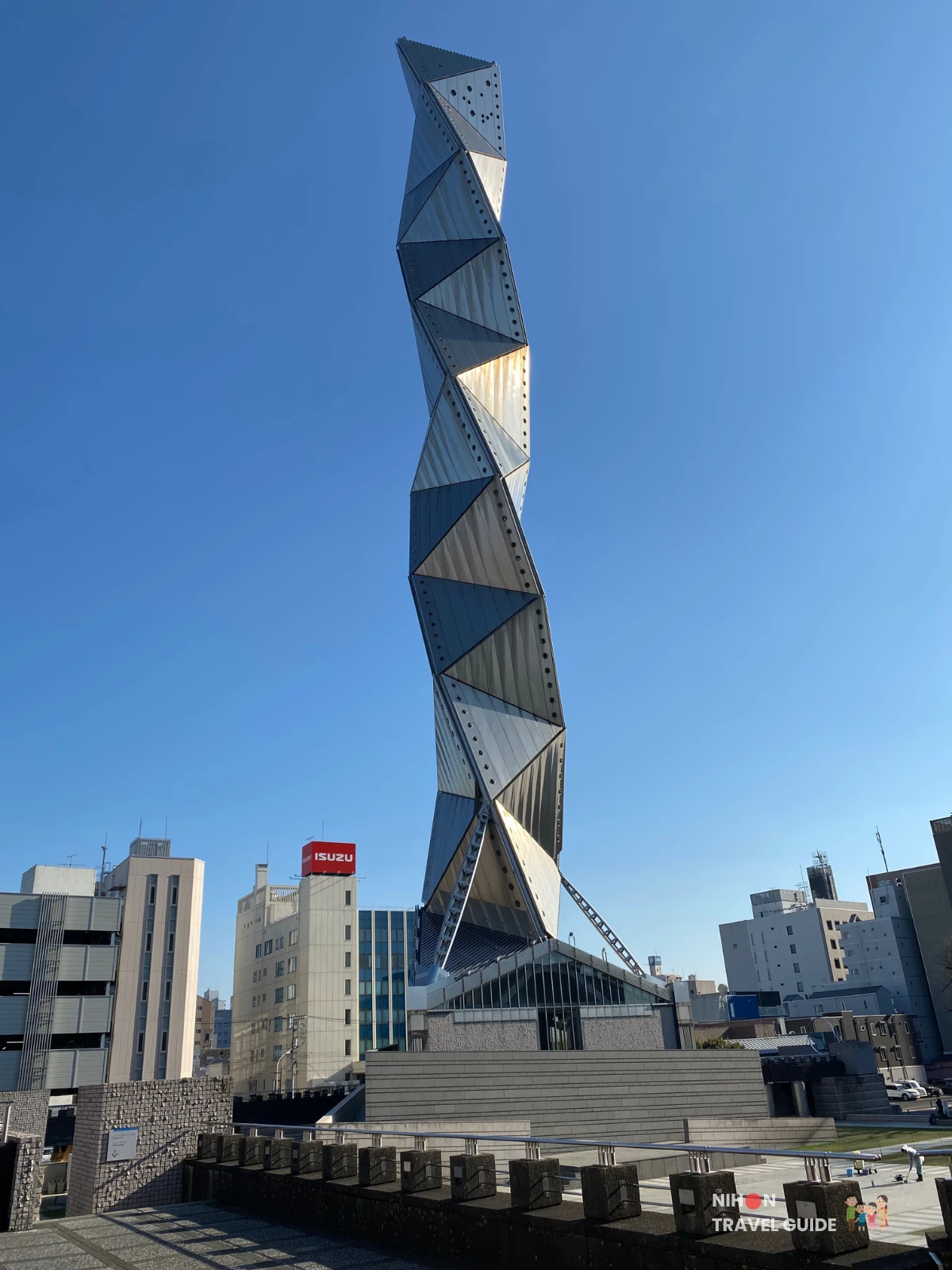
The second place is on the second level. Just near the fountain there are stairs that would lead you to an outdoor area on the second level just across the Art Tower. You can get some decent portrait photos as well.
Where to take Landscape Photos of Art Tower Mito?
So initially I had trouble taking photos of the whole Art Tower Mito in landscape mode. I then wrote an email to the staff to ask if they had any suggestions on where to get good landscape photos. This is what they wrote to me:
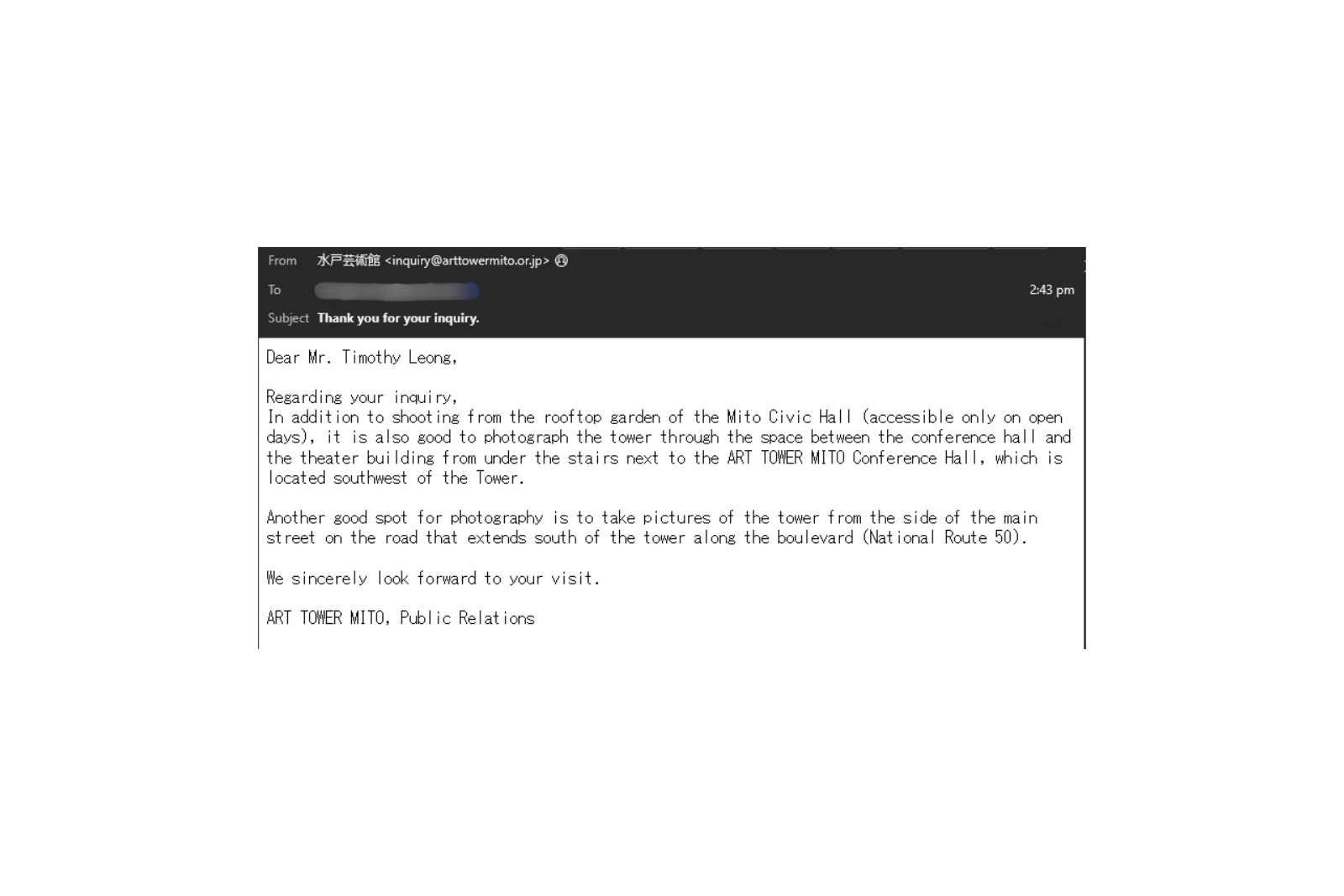
The three spots they listed are:
- Rooftop garden of the Mito Civic Hall.
- Through the space between the conference hall and the theater building from under the stairs next to the Art Tower Mito Conference Hall (southwest of the tower).
- From the side of the main street on the road that extends south of the tower along the boulevard (National Route 50).
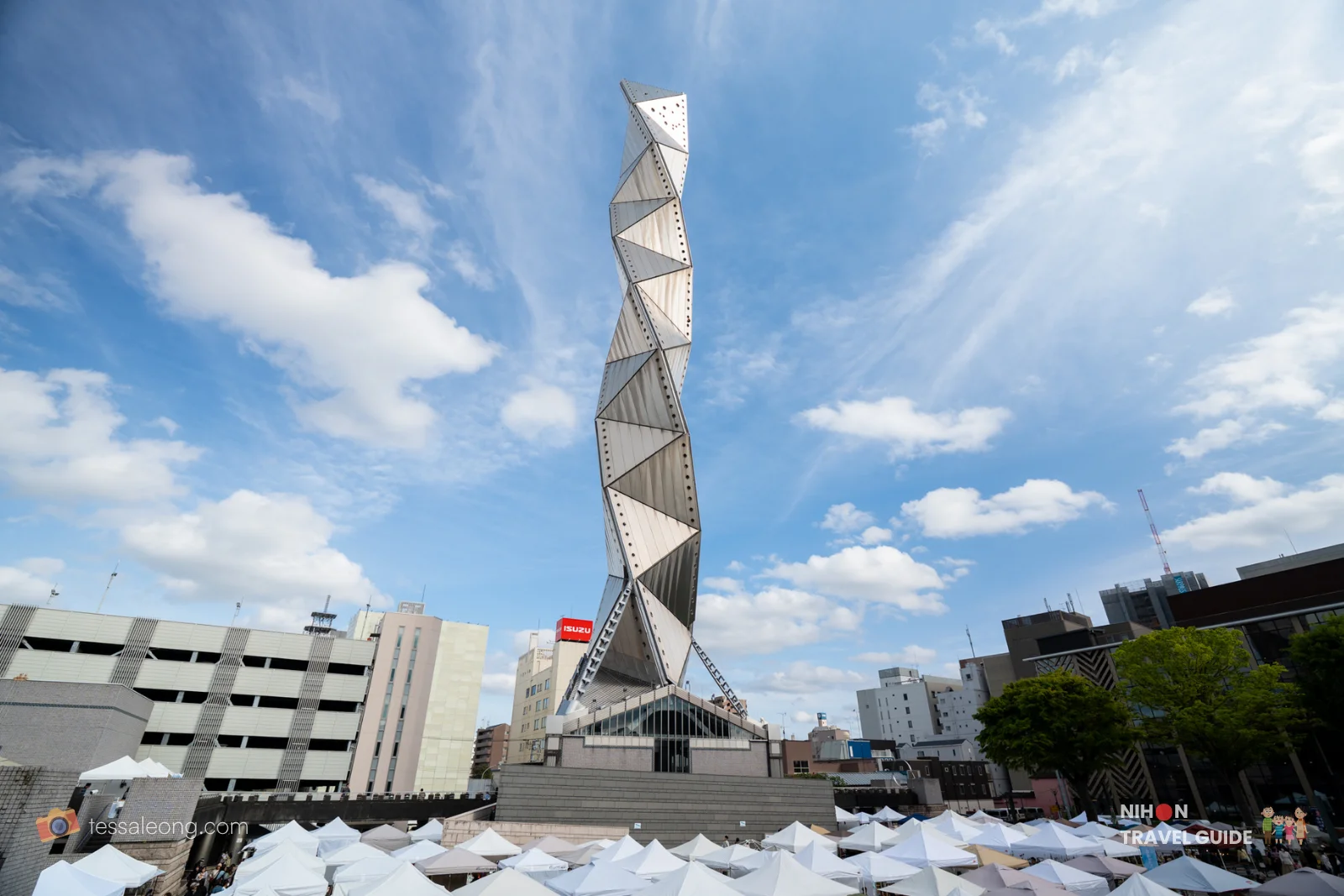
It was at this time that I remembered that iPhone cameras have a function to zoom out. I then visited again in April 2026 to try that out and was able to get pretty good photos of the whole Art Tower Mito in landscape mode.
But a slightly elevated position, such as the second floor of the museum gave me better results.
Art Tower Mito Museum
I visited Art Tower Mito again in April 2026 to check out the museum exhibitions and also take better photographs of the tower. Tickets to the exhibition halls cost ¥900 and you can see all the exhibits. Here were the two exhibits going on at the time:
Takehiro Iikawa: Gathering Matters and Mediations
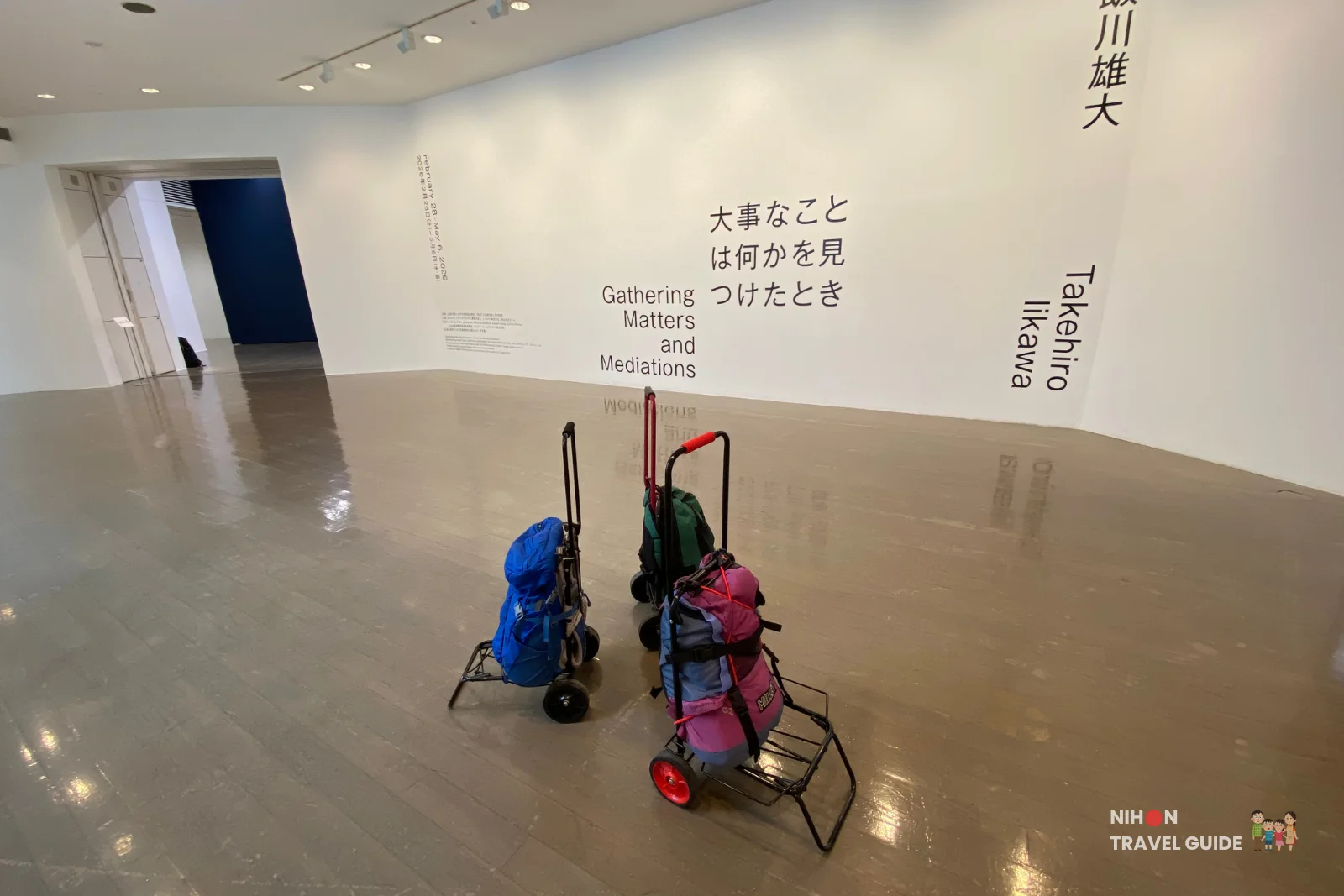
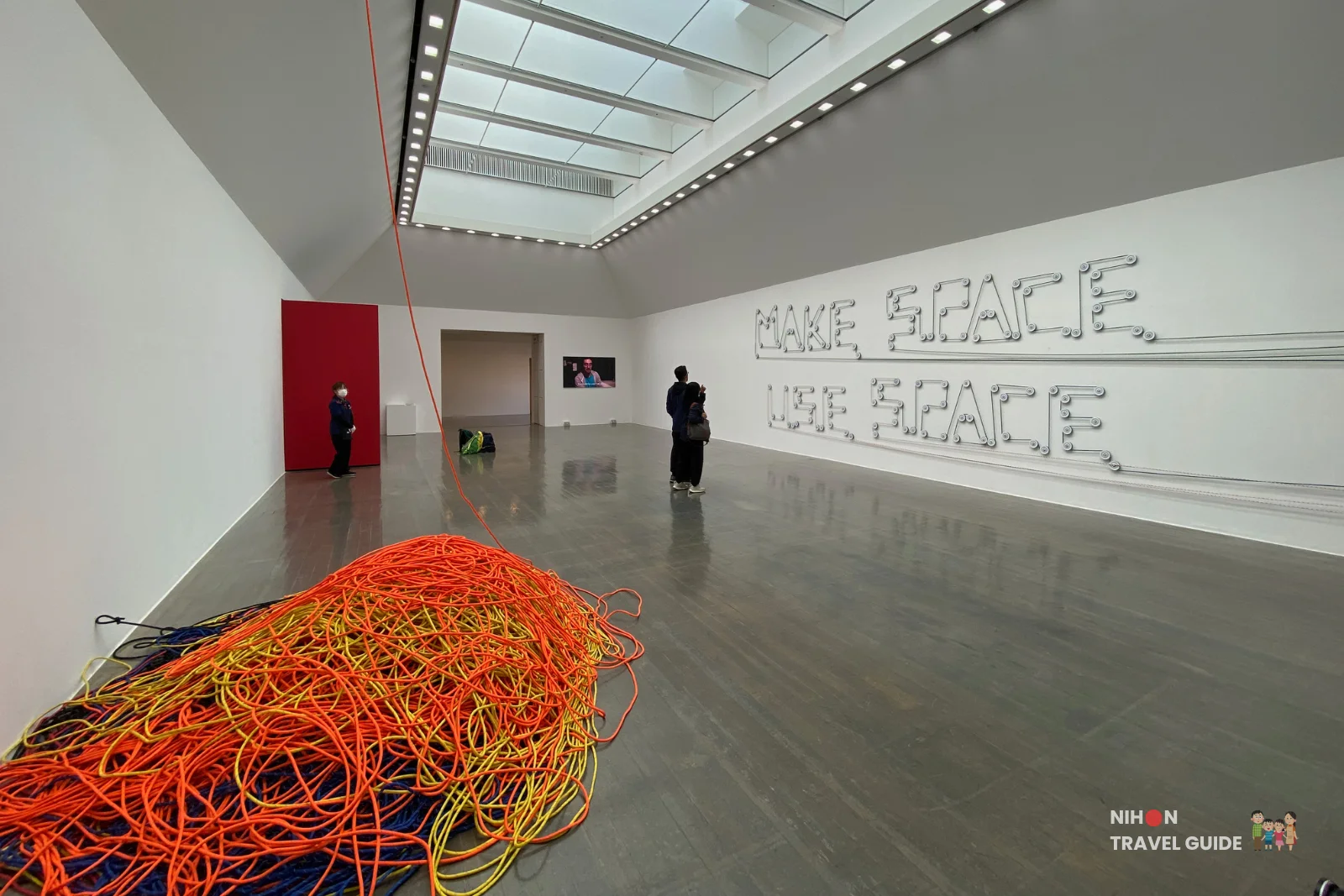
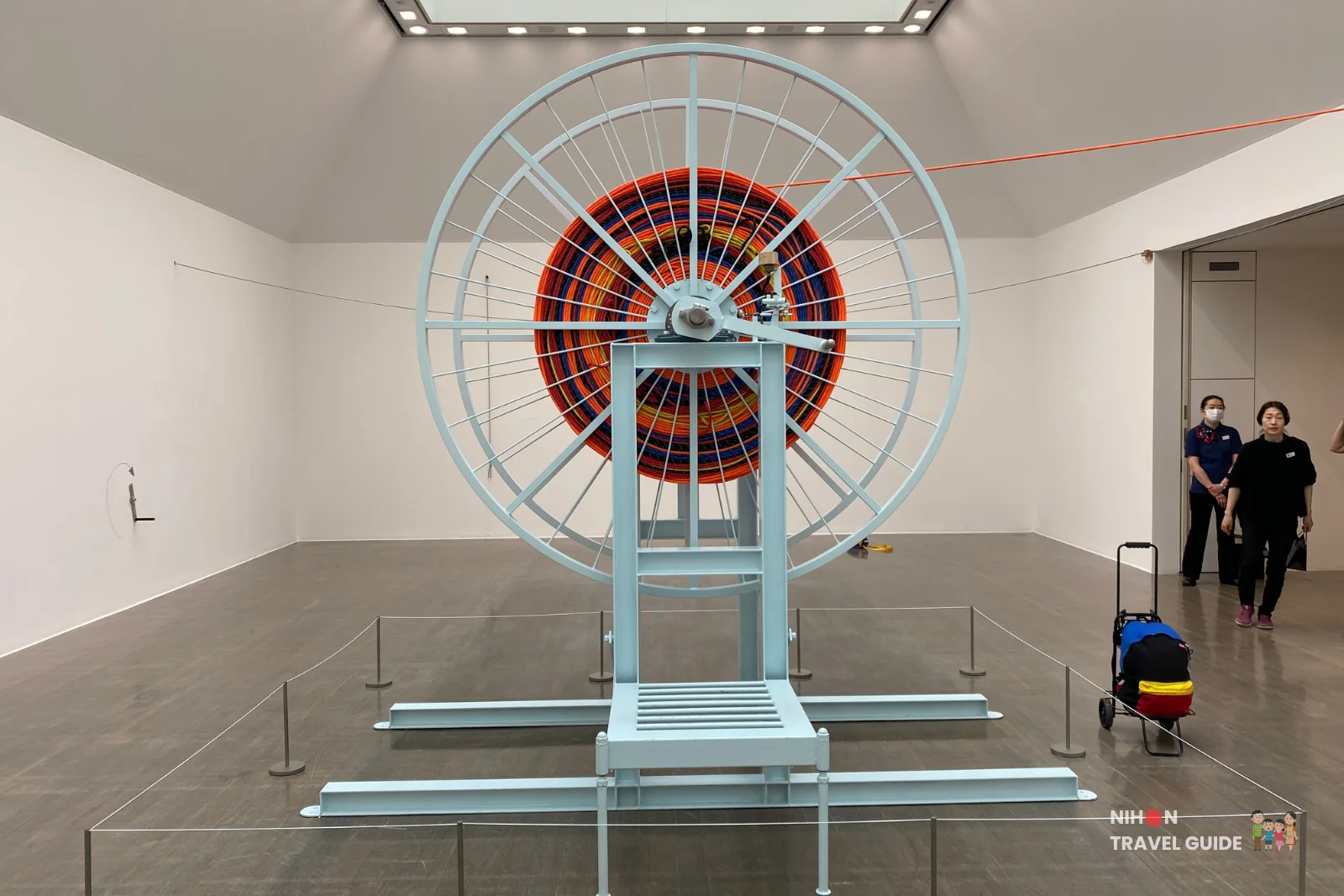
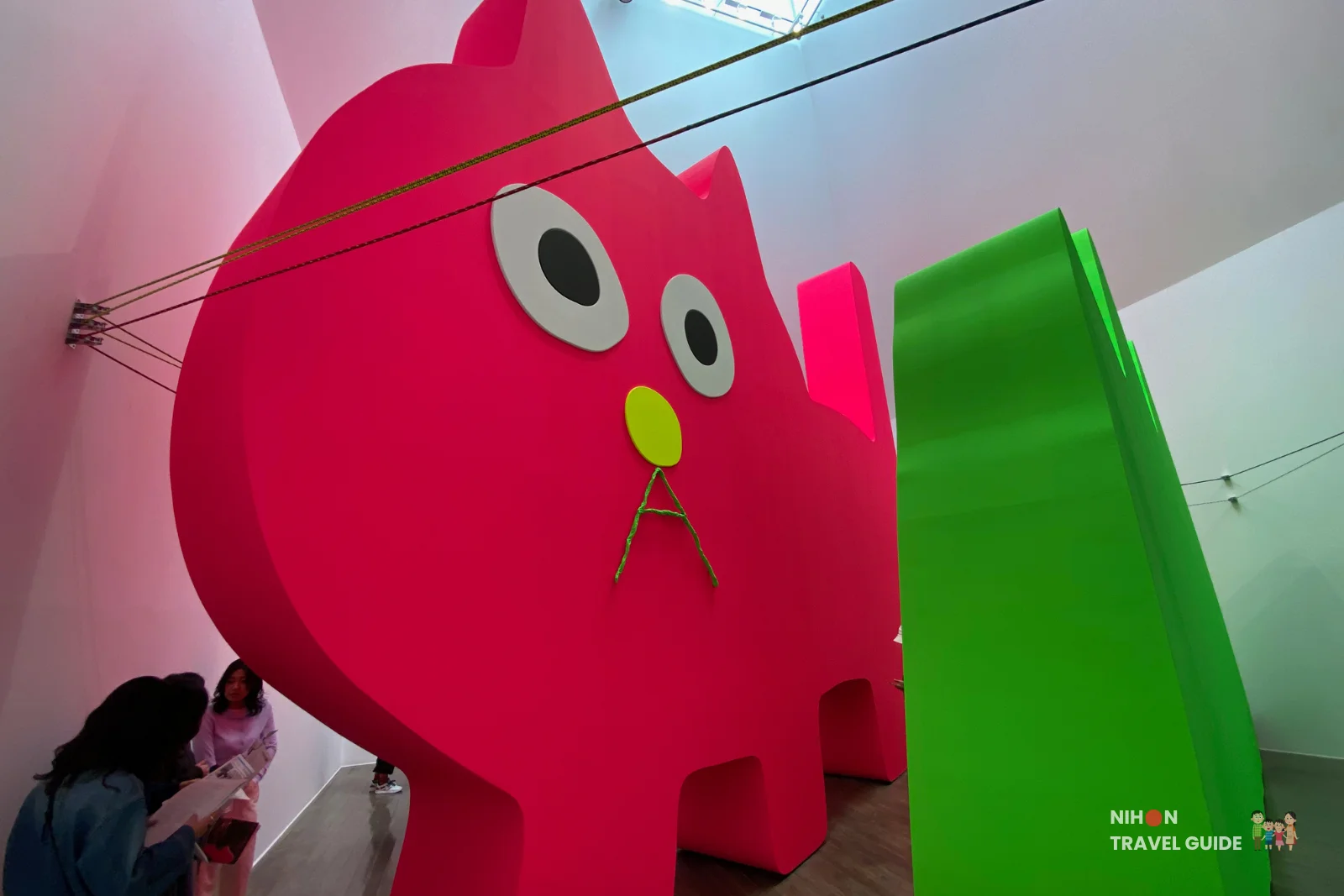
This exhibition reflects on the artist’s (Takehiro Iikawa) interest on how we notice, record, share and mediate experiences. Some themes include how viewers become absorbed in “play” and lost track of time and creating unexpected “scenes” or realisations through interactions.
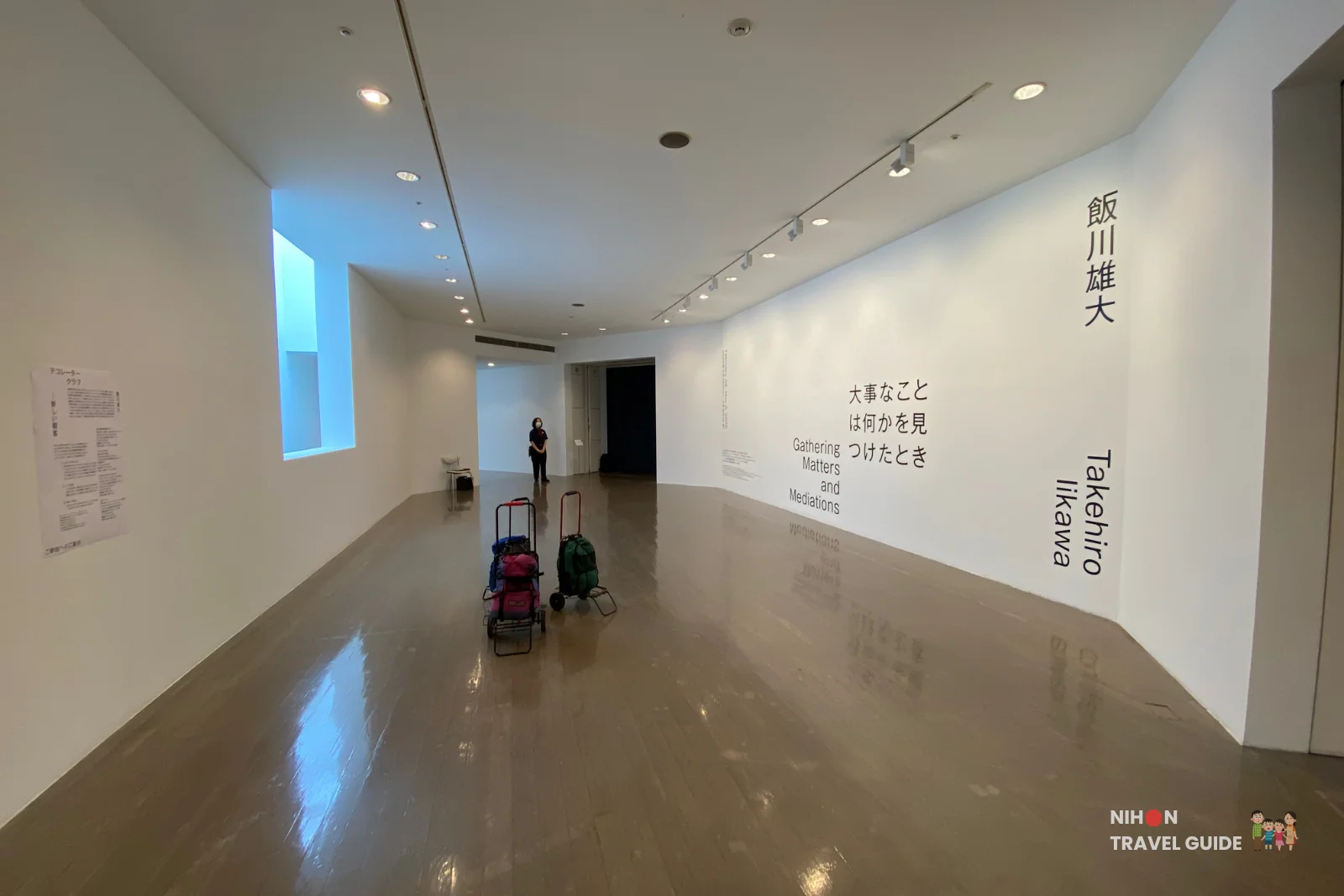
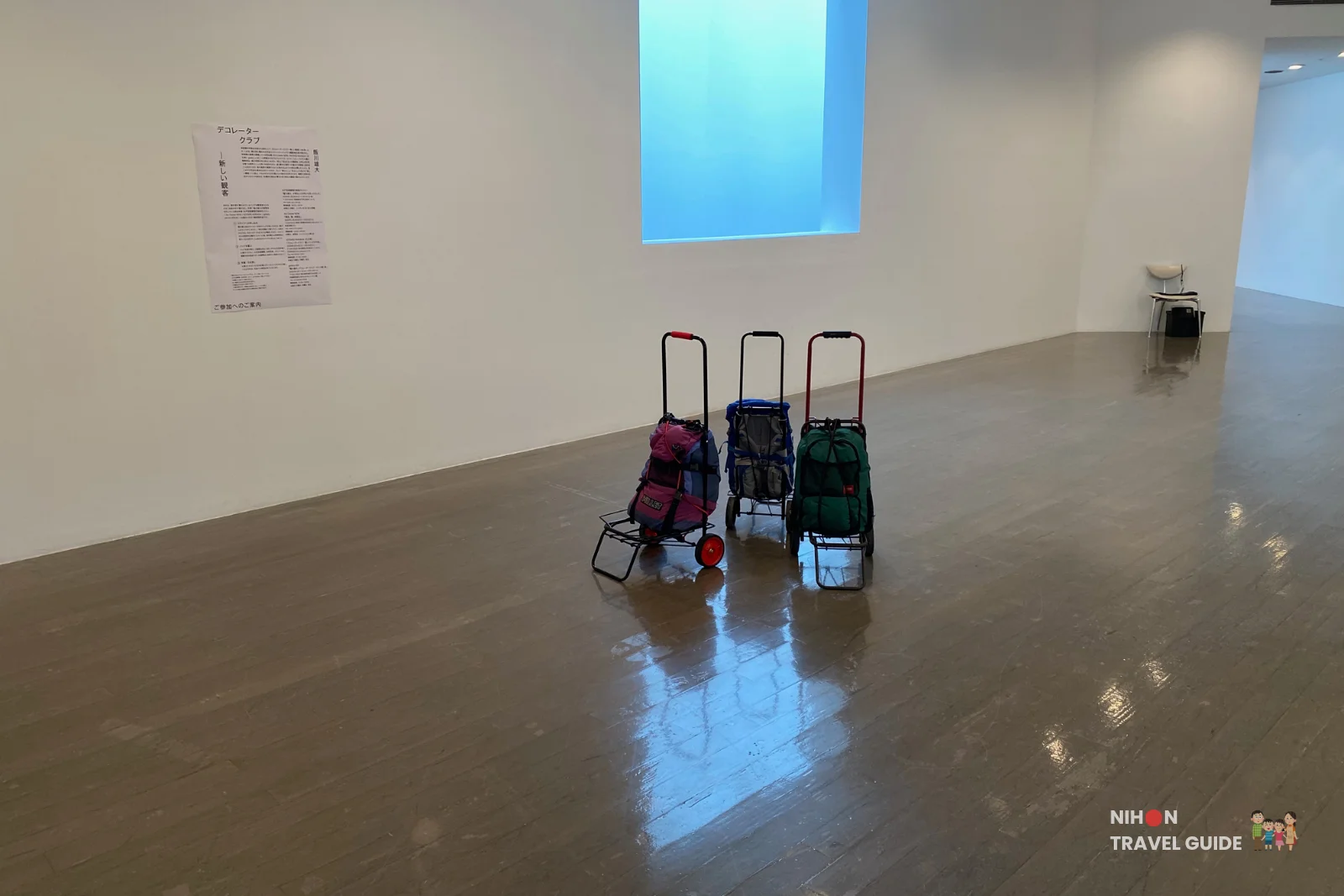
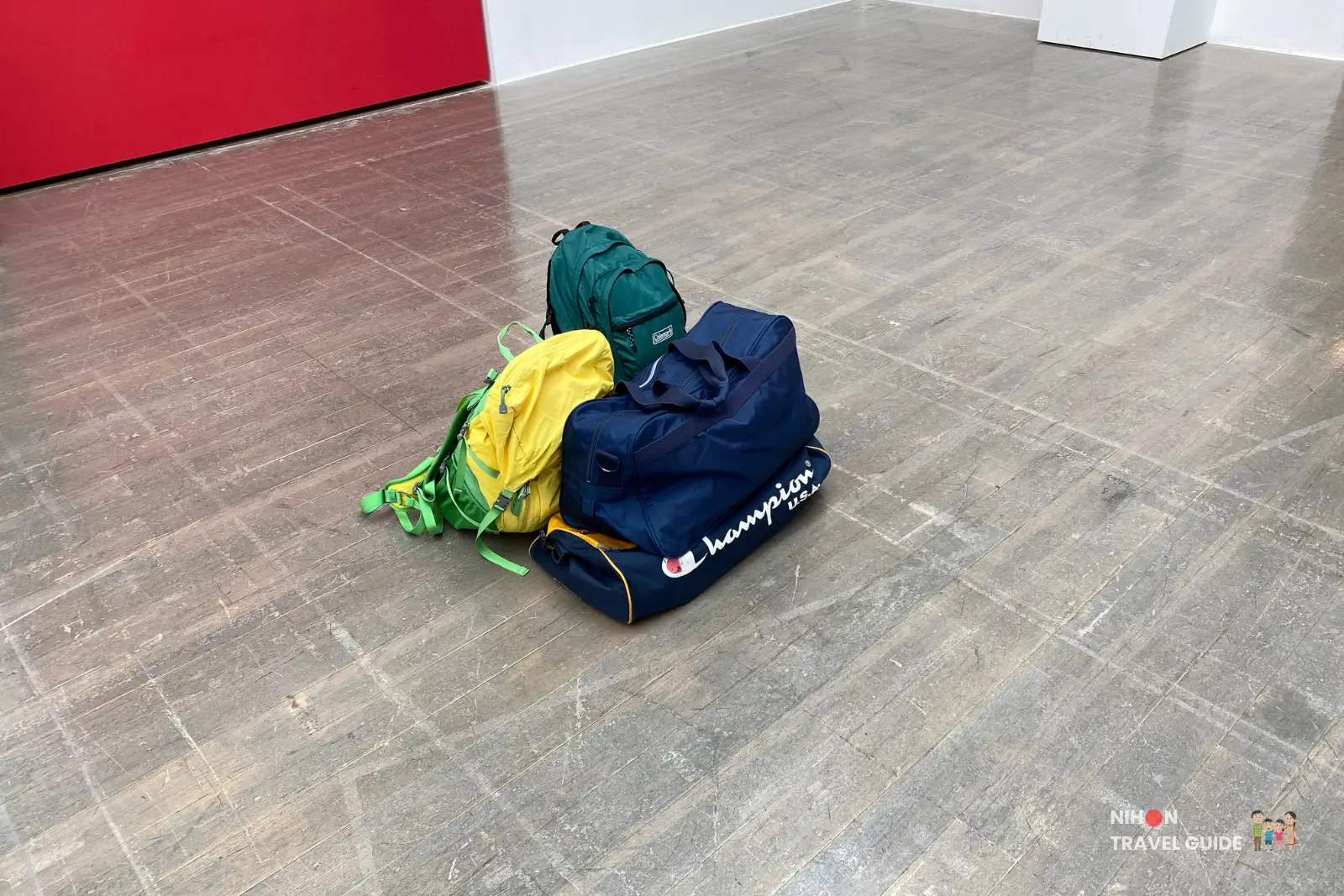
There was another project being featured in the same exhibition hall: Decorator Crab — Make Space, Use Space which connect’s the Mito exhibition to the Iikawa’s other shows in Tokyo and Yokohama. Throughout the hall there were bags on the floor or arranged in a certain artistic way.
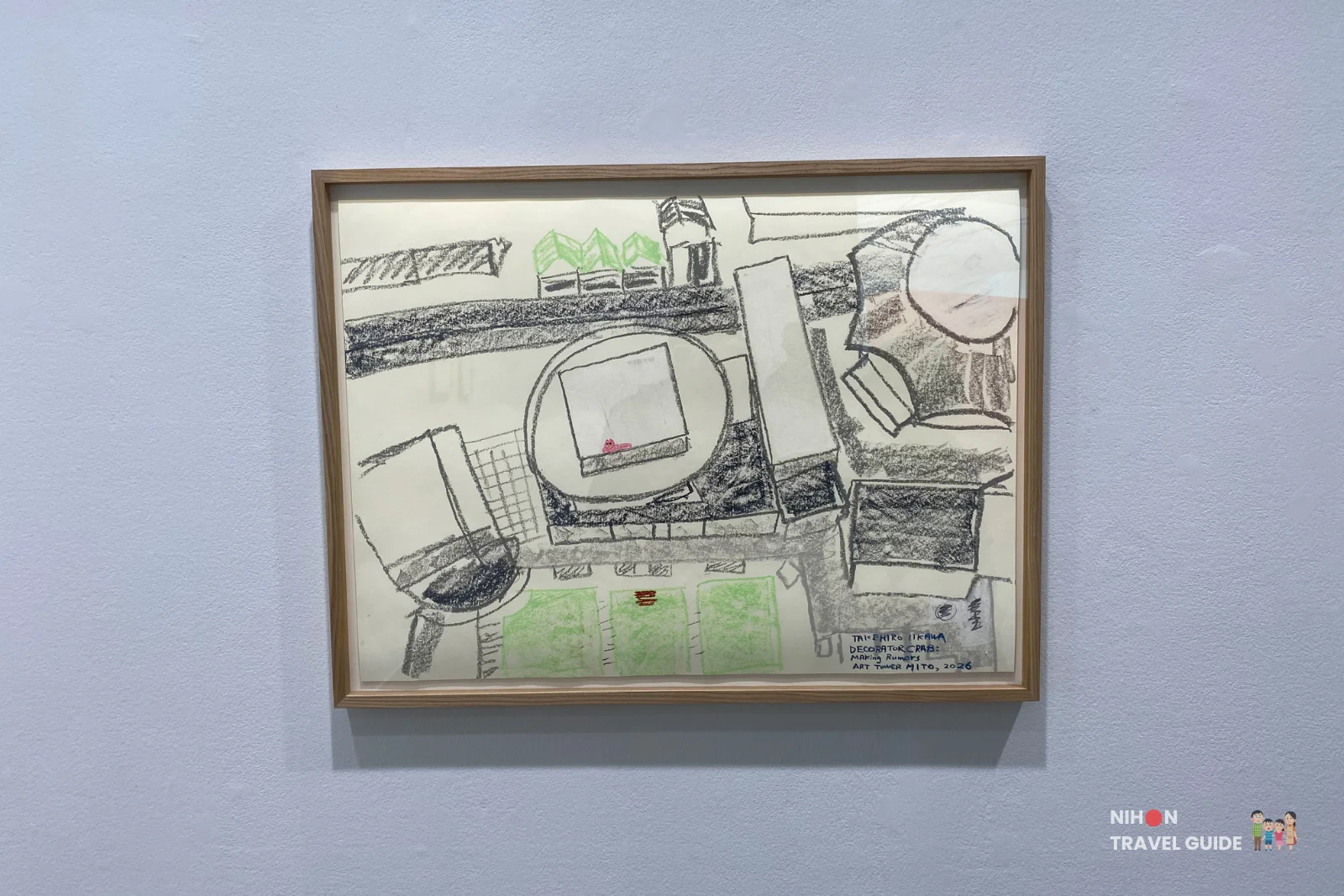
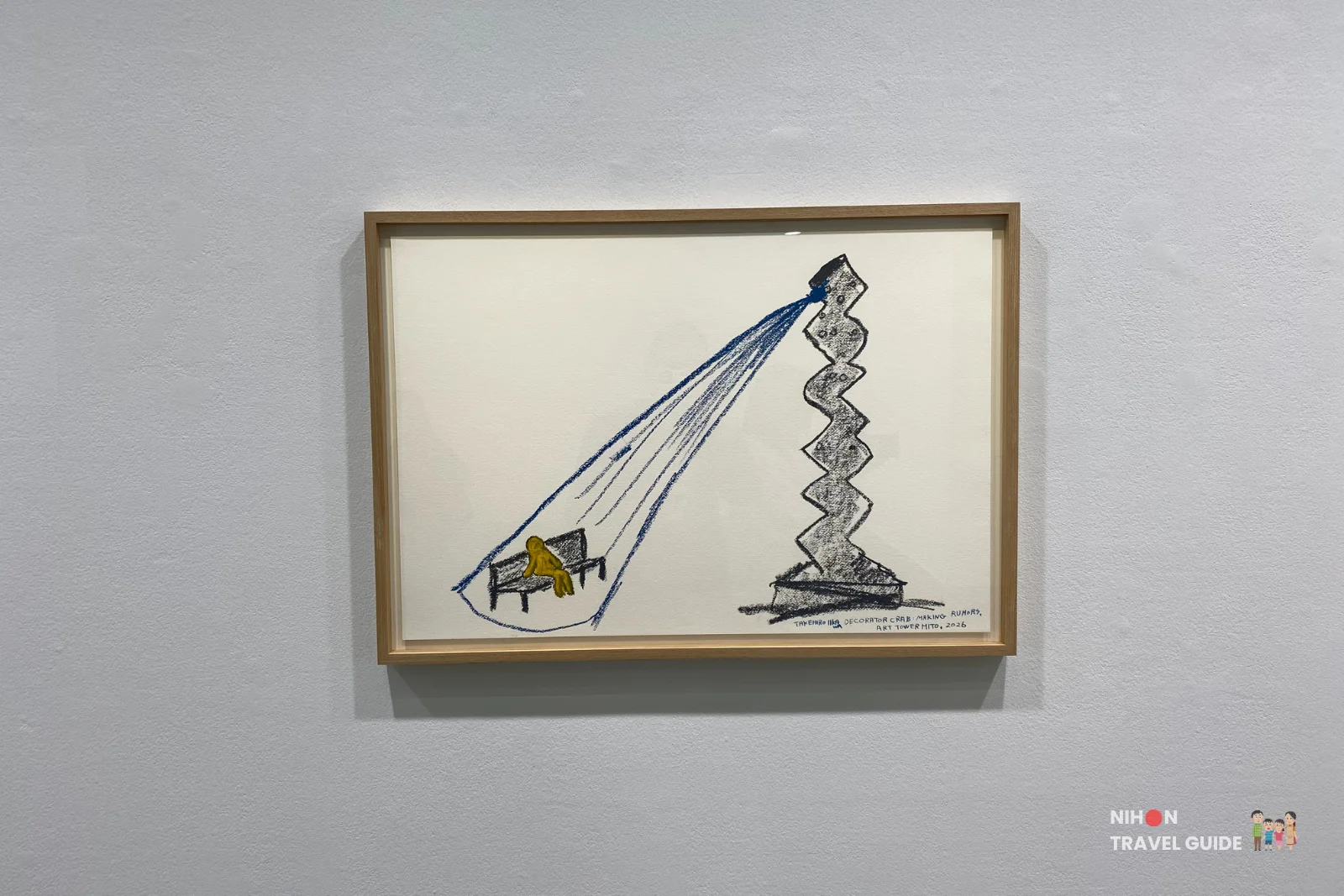
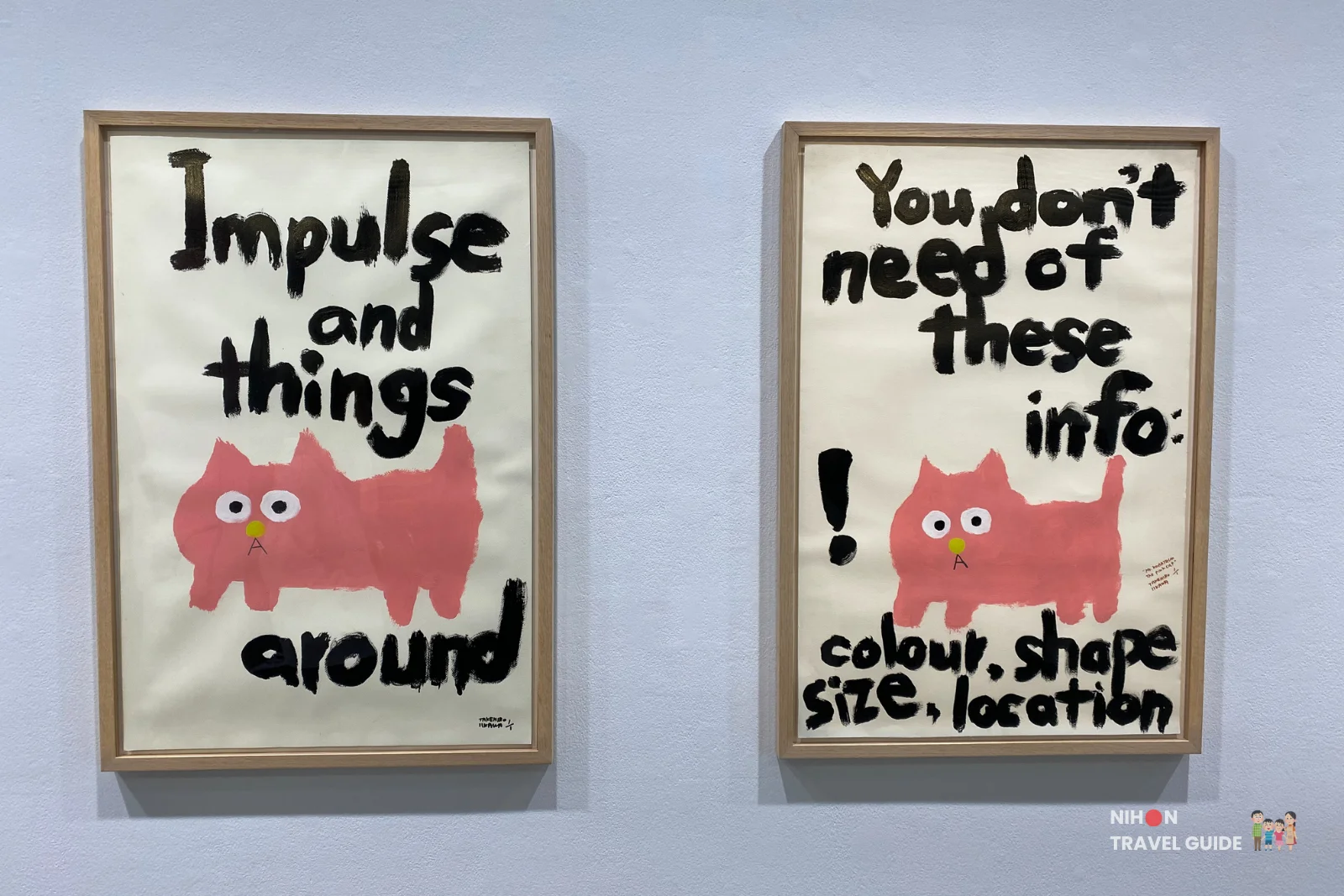
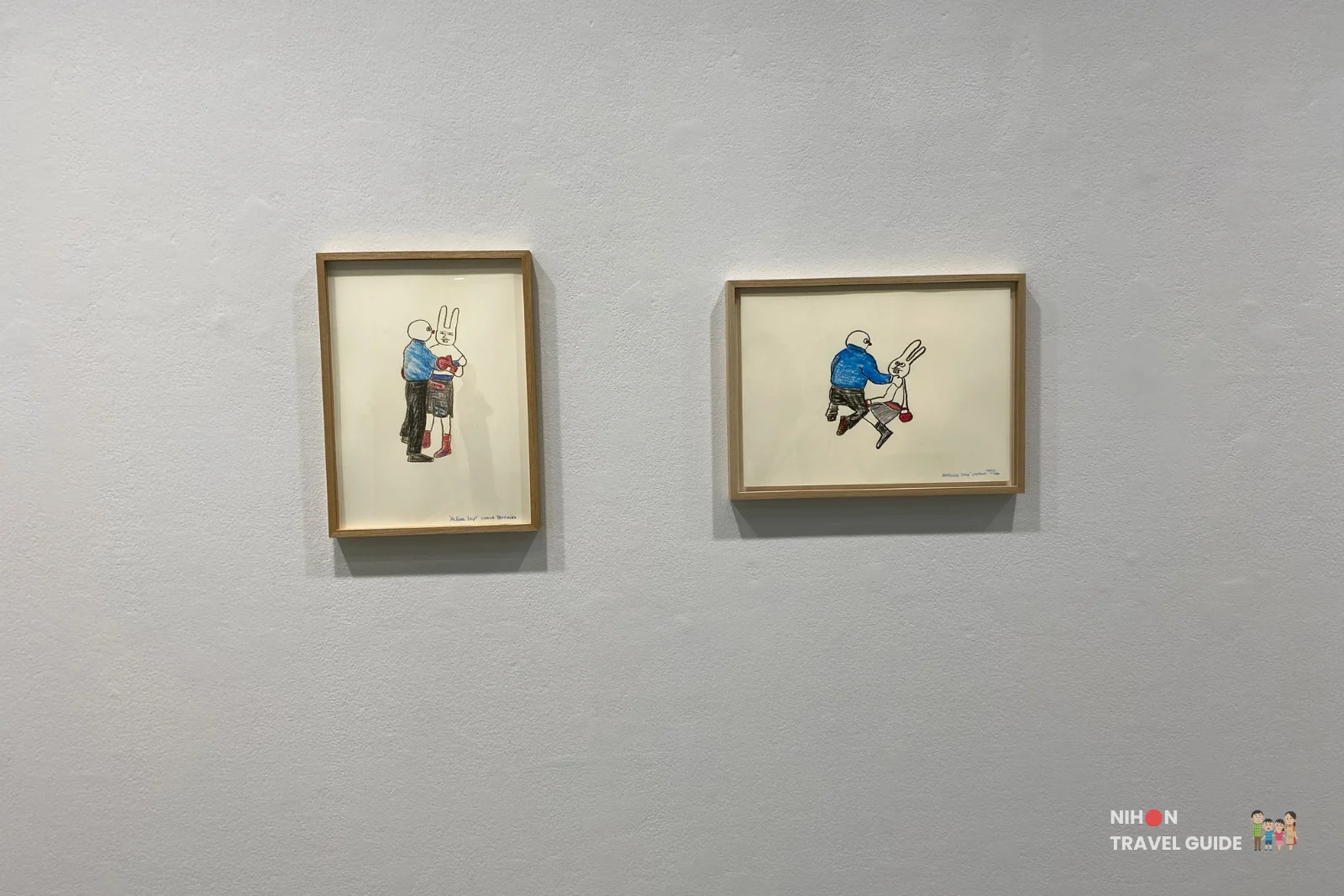
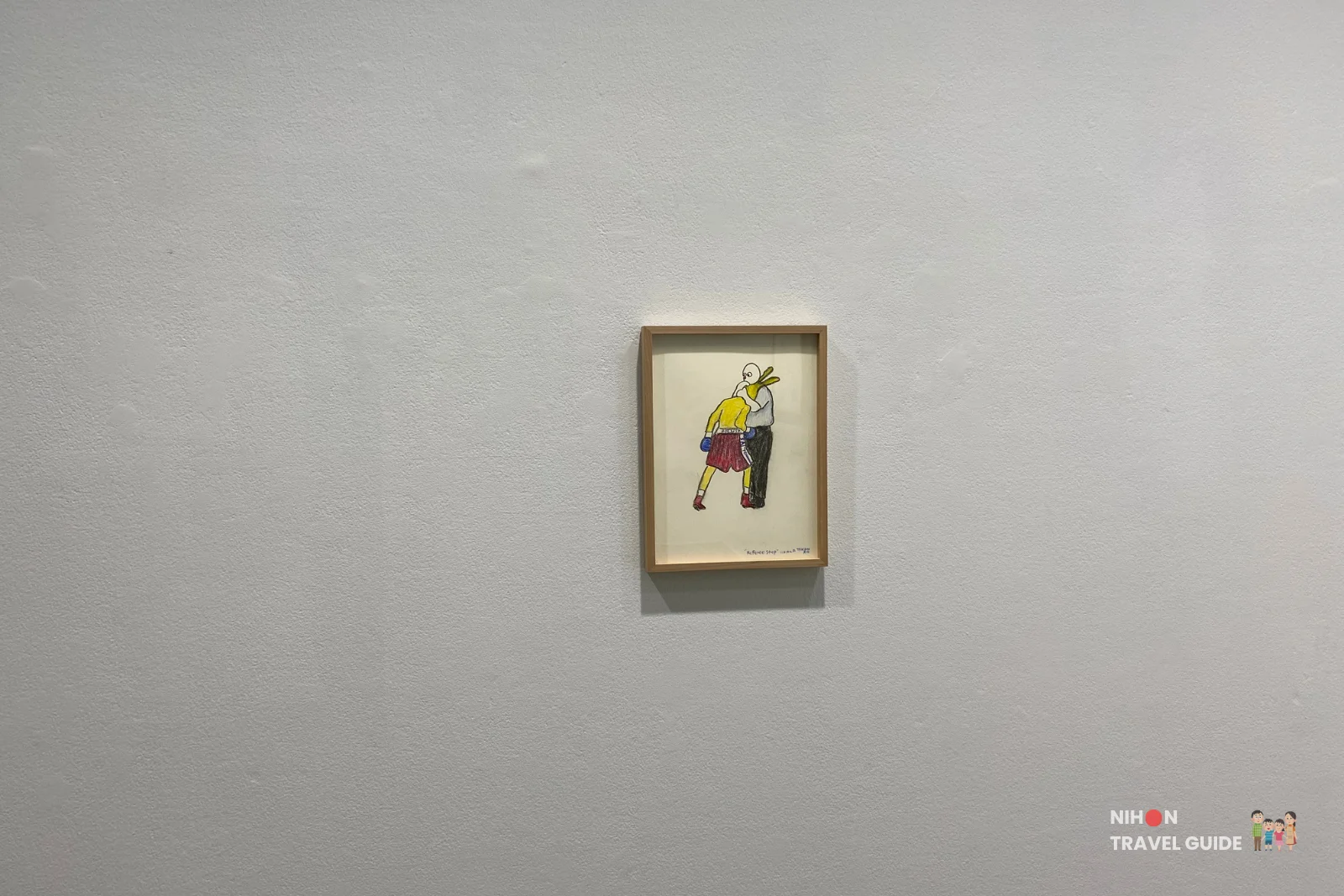
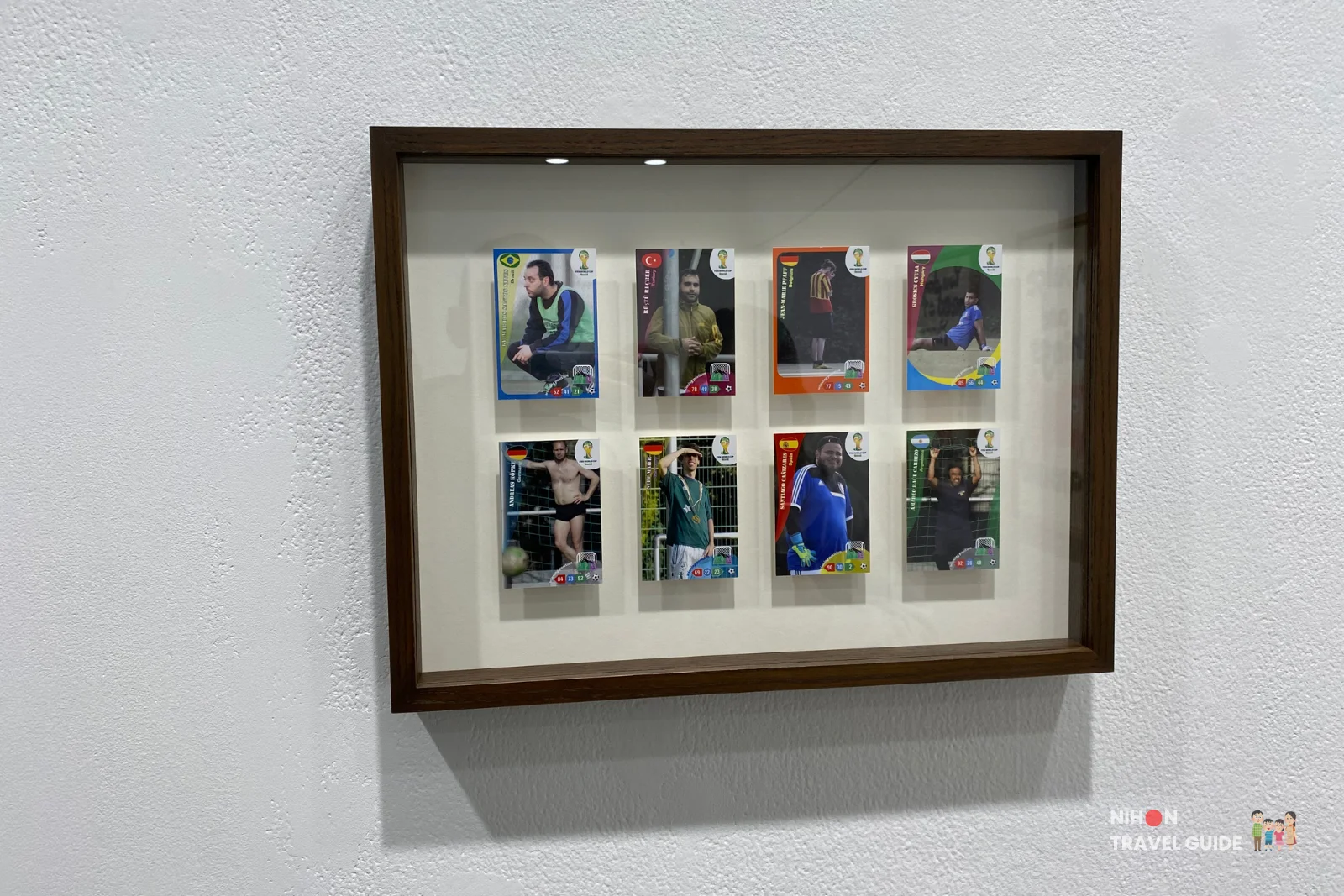
It was quite an interesting experience as you actually get to touch and play with most of Iikawa’s exhibits. I always had the impression that you can’t touch anything in an art exhibit but this was the complete opposite of that.
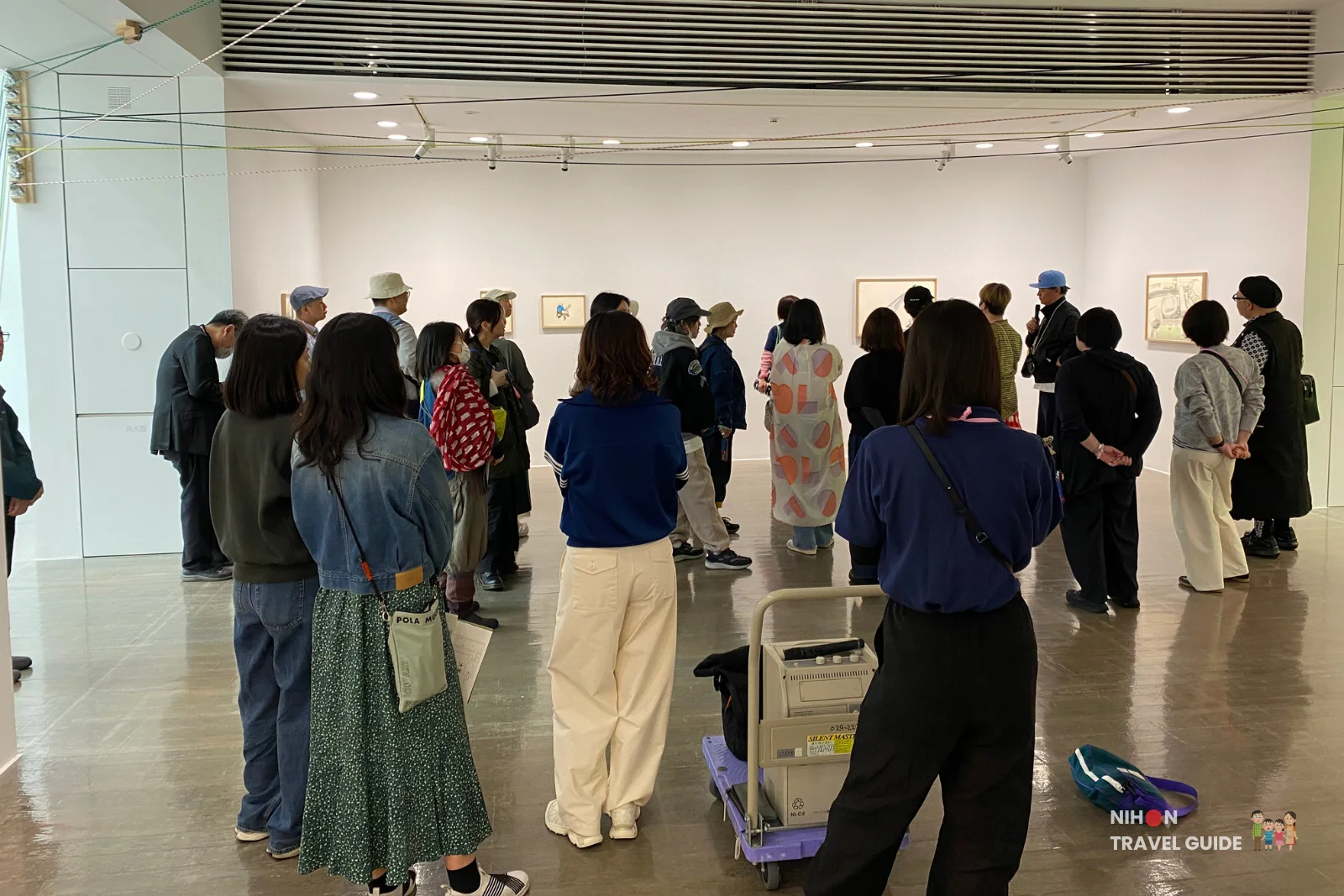
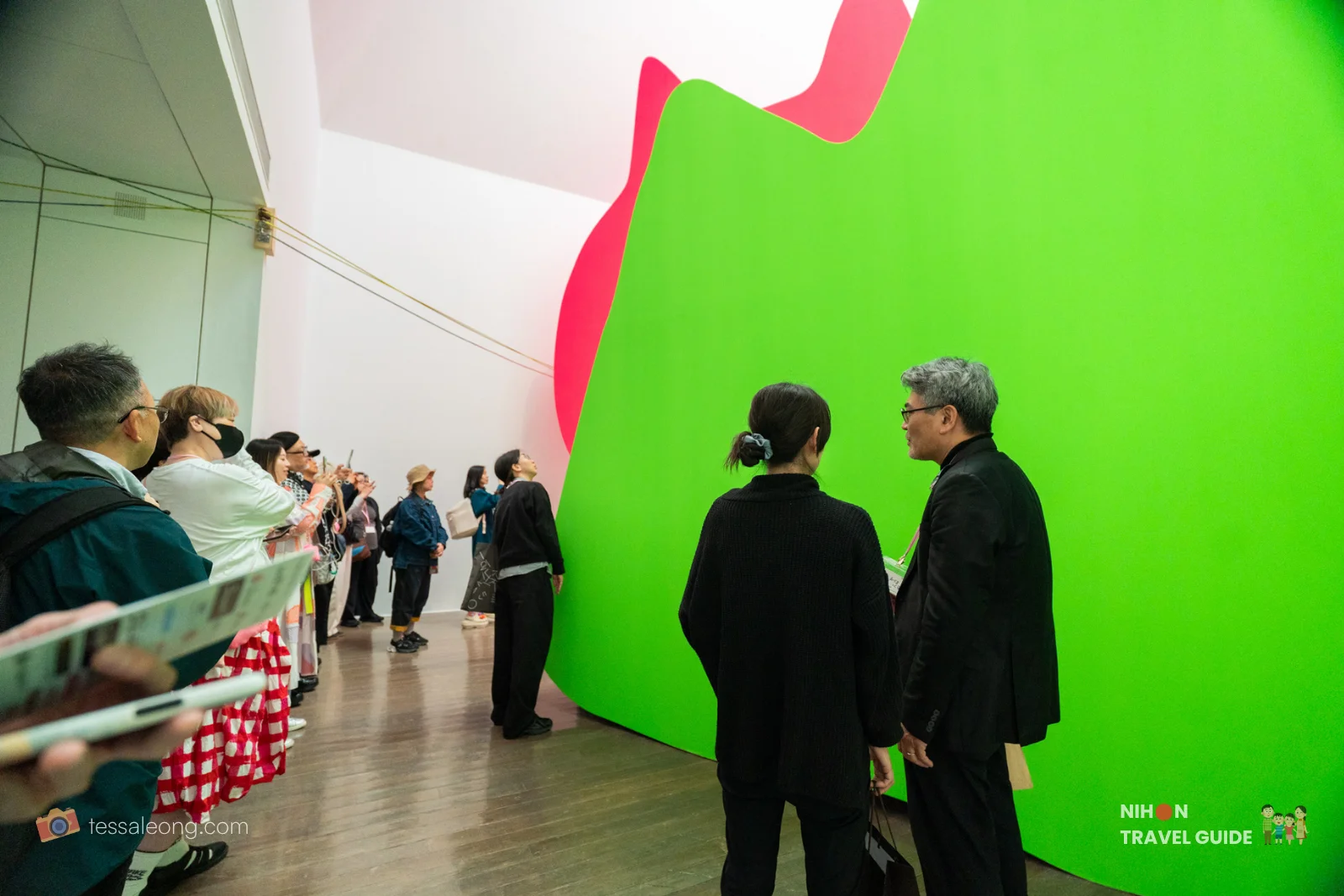
We actually entered the exhibition at the right time as the artist himself Takehiro Iikawa was giving a guided tour of his exhibition. So we sort of hung around and followed the tour a bit. The tour was given in Japanese so you would need to know the language to understand what is going on.
CRITERIUM 102: Takuto Shiromaru
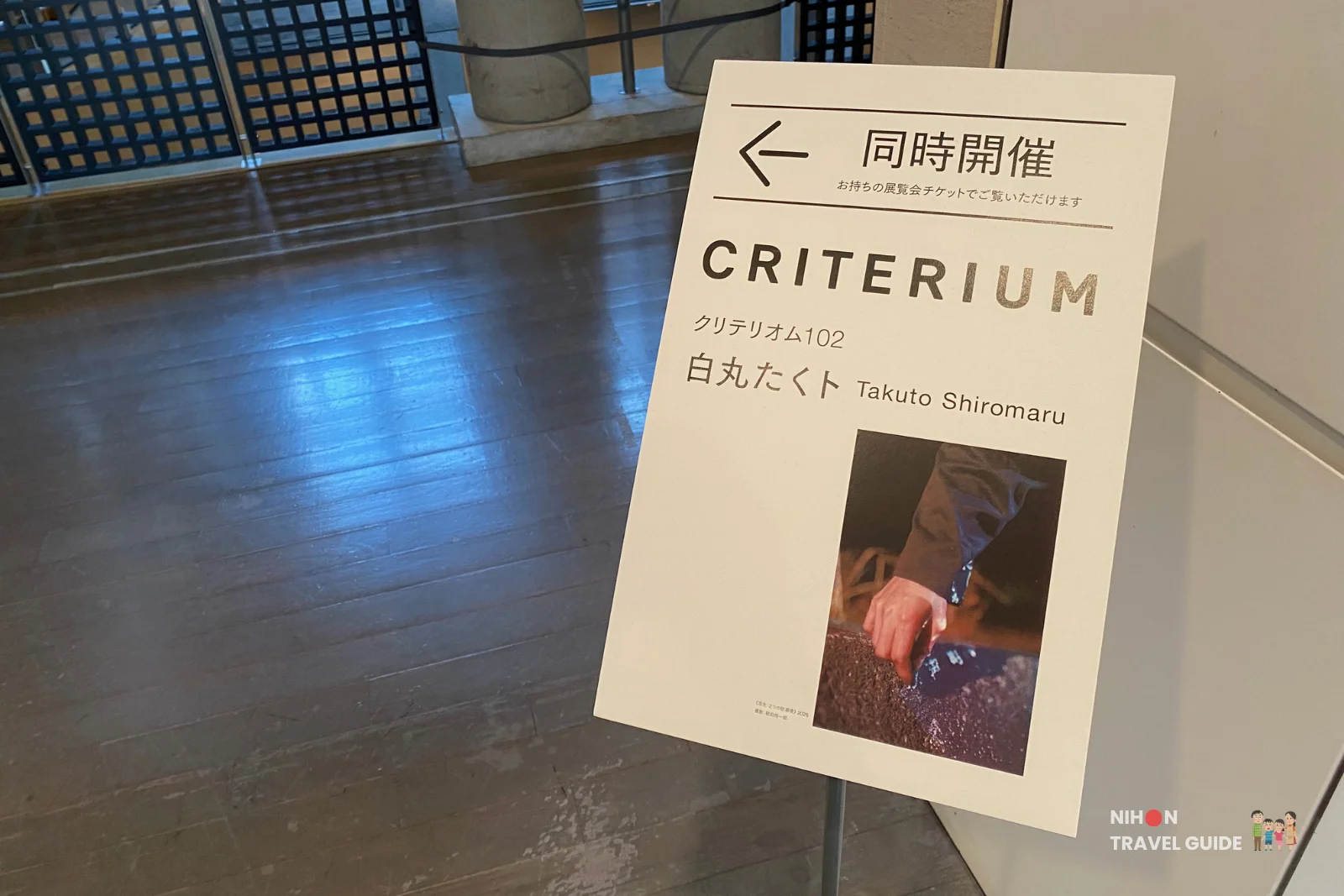
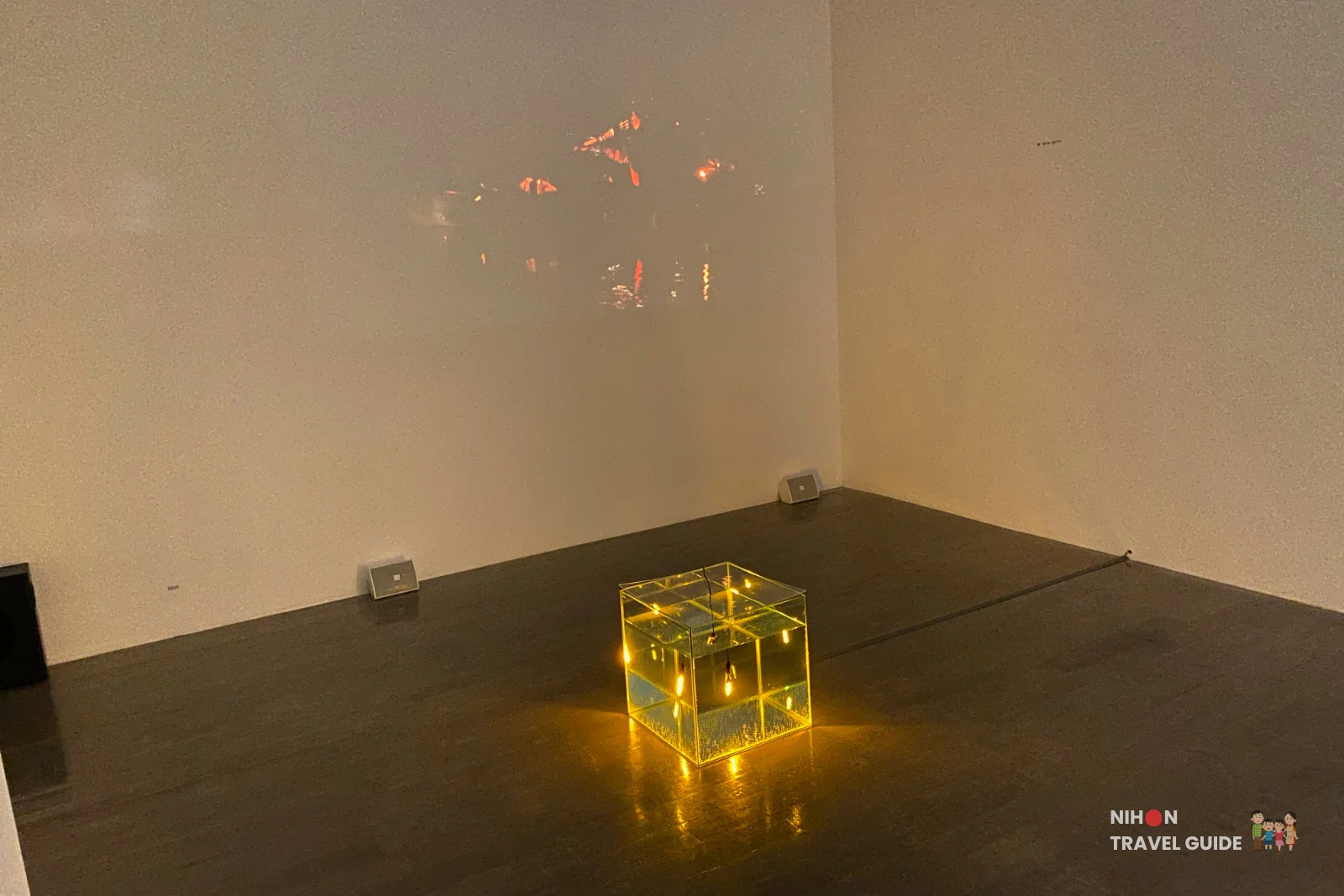
The other exhibit going on at the time was the Criterium 102 exhibit that focuses on showcasing young promising Japanese artists. This exhibition is much smaller and it gives the artist a dedicated small gallery for a focused presentation of for their new work.
The exhibition was titled Awai no Hibiki (Liminal Echoes) referring to the resonances that exist in the “in-between” spaces between time, space, presence and absence. Shiromaru focuses on his current home in Oarai and observes the flows of people, nature, and time along the coast.
Just like the other exhibit, Takuto Shiromaru was actually there talking to the other patrons viewing his exhibition.
Art Tower Mito Museum Shop
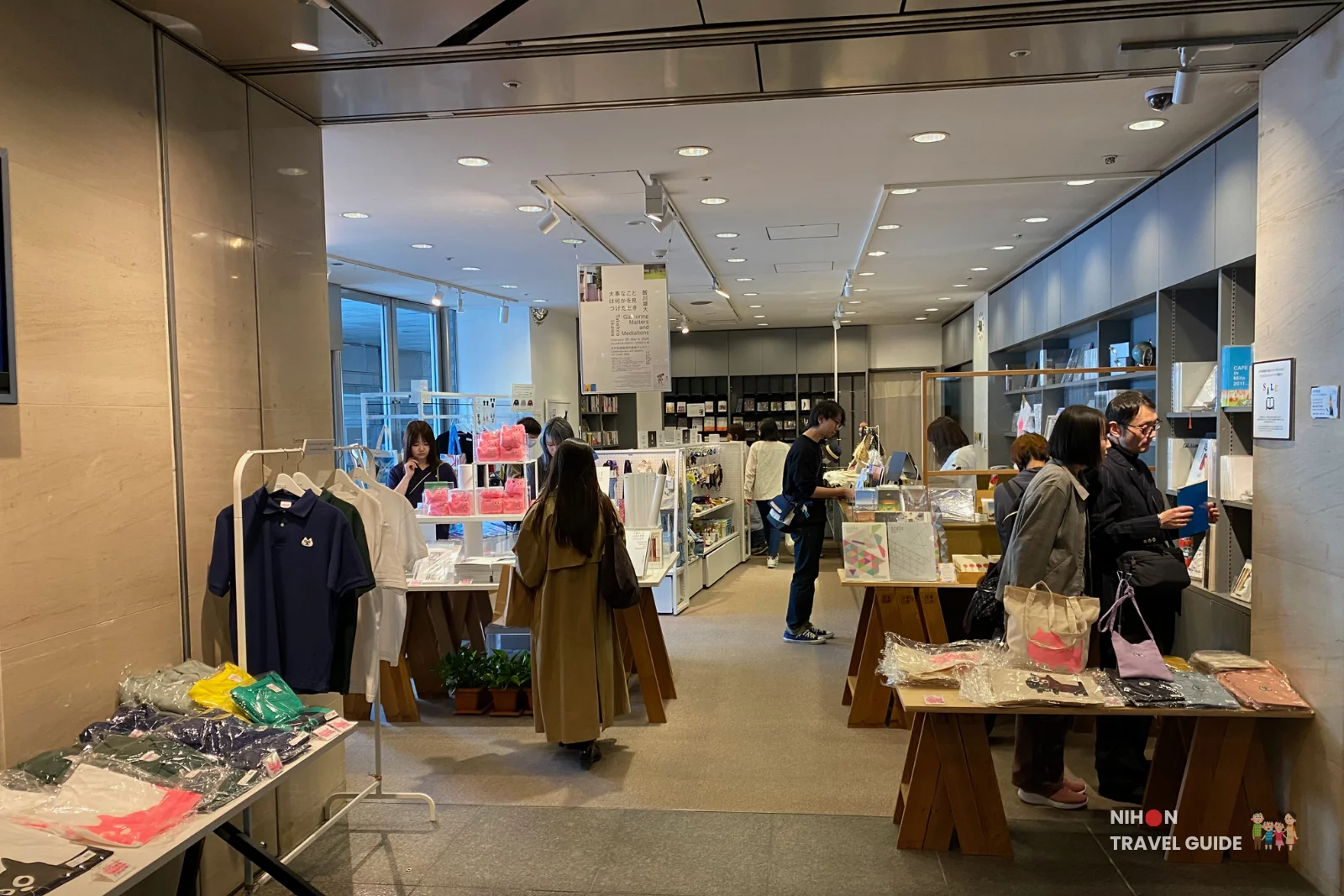
On the ground floor is the Art Tower Mito Museum Shop, they sell lots of souvenirs of the Art Tower and the on going exhibitions. We actually got a shirt with Mr. Kobayashi the Pink Cat on it from the museum shop.
Aozora Arts & Craft Stall Market
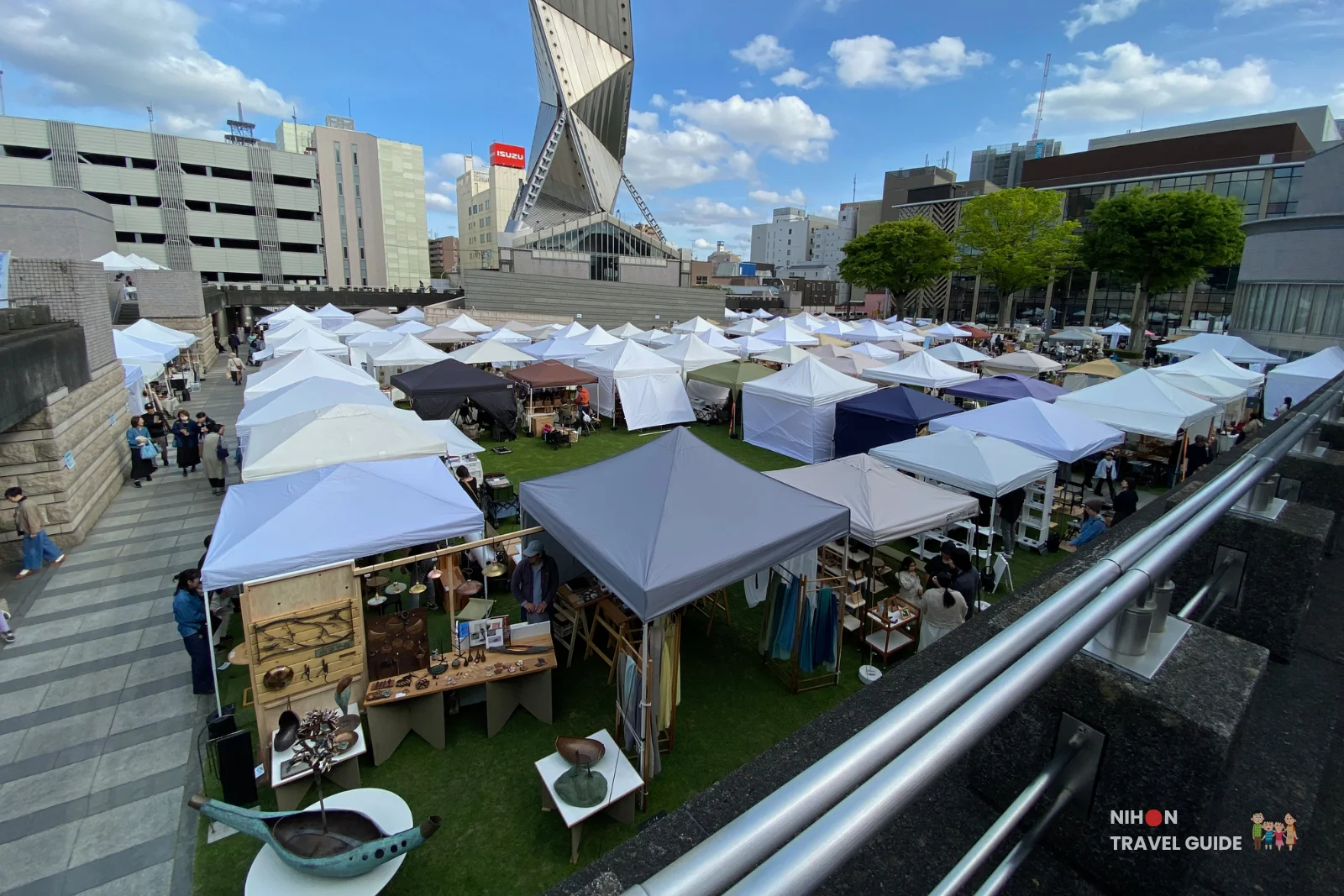
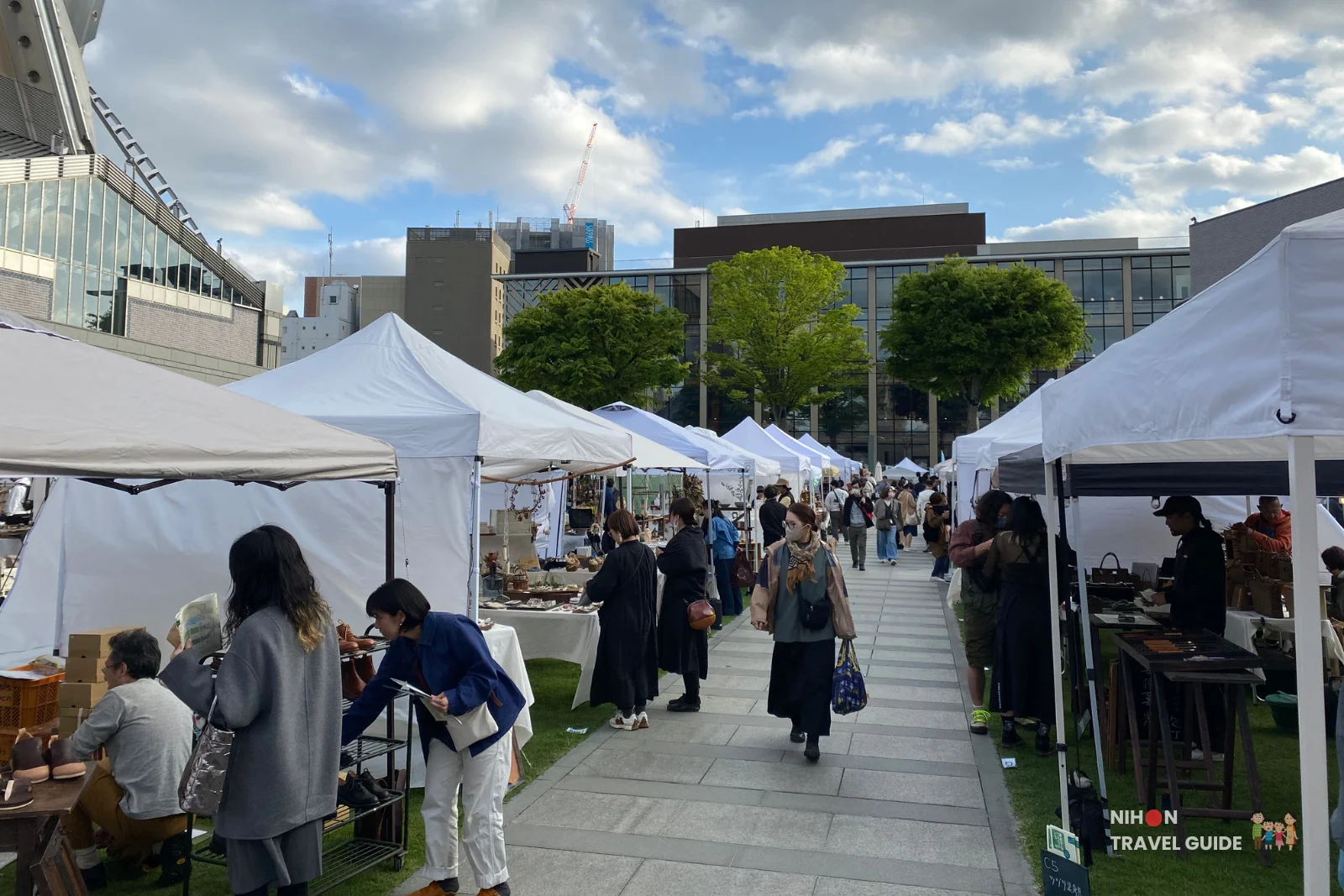
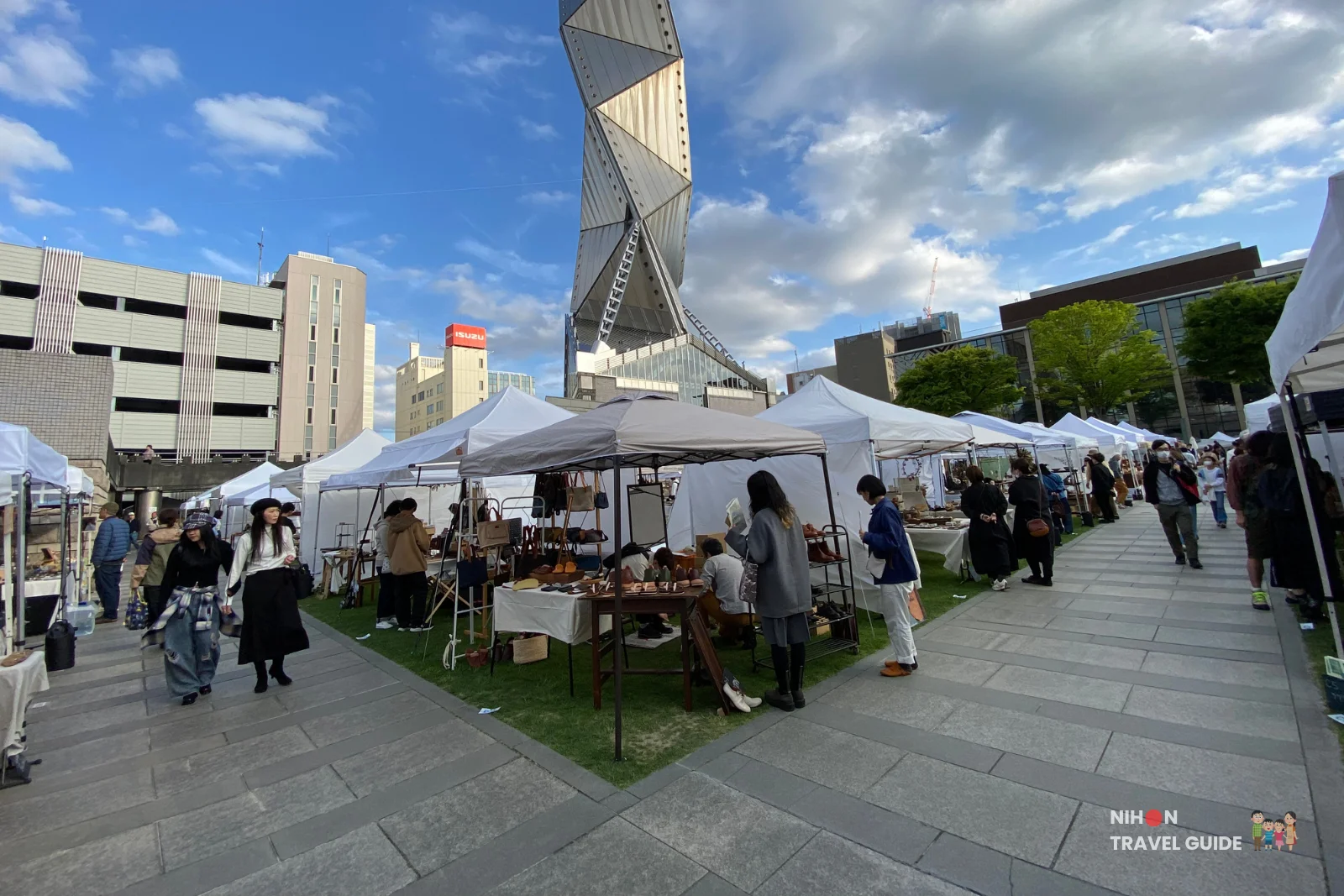
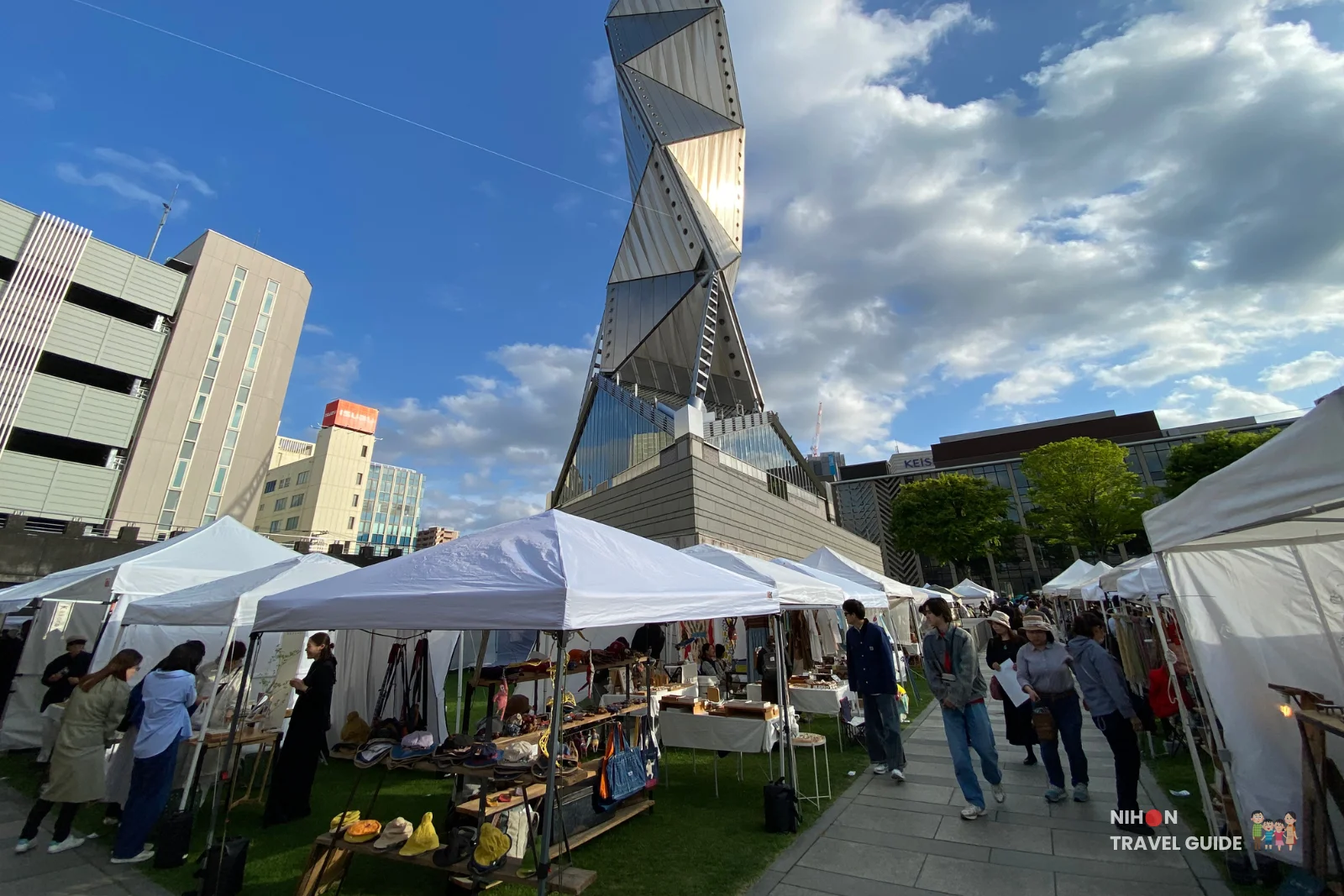
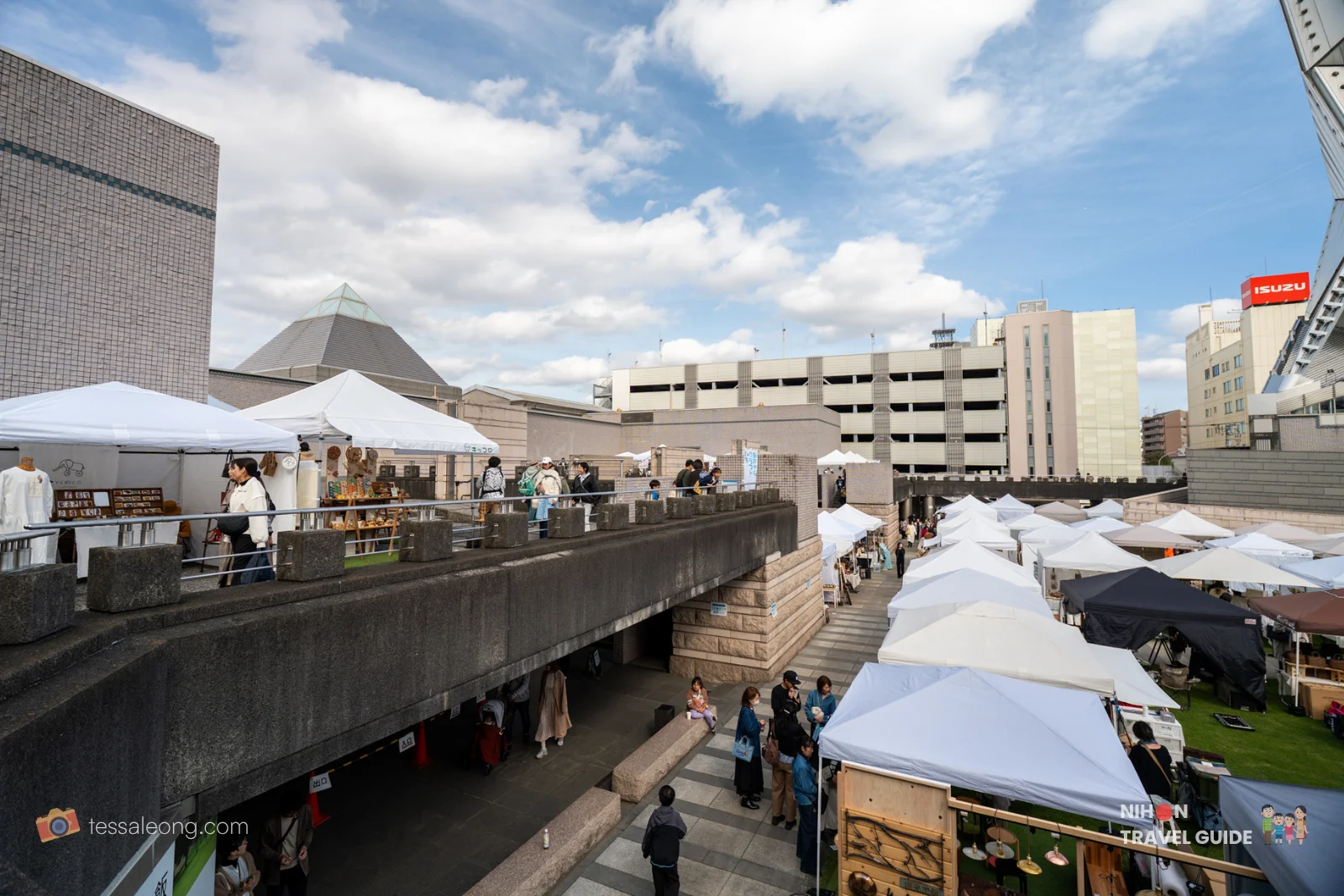
When we arrived at Art Tower Mito (in April 2026), we saw a lot of arts and craft stores on the front lawn. It turns out that it was the Aozora Craft Ichi Spring Market (あおぞらクラフトいち Spring in 水戸 2026). It’s a twice yearly event with the goal of creating a relaxed space for visitors to enjoy crafts, food, music, the Art Tower setting and also promote the regional artists.
It was a little bit like a bricks and mortar version of an Etsy store. There were lots of different items being sold like hats, bags, clothes, hand made jewellery and lots of decorative items to put at home. There were also quite a few food trucks selling food and coffee.
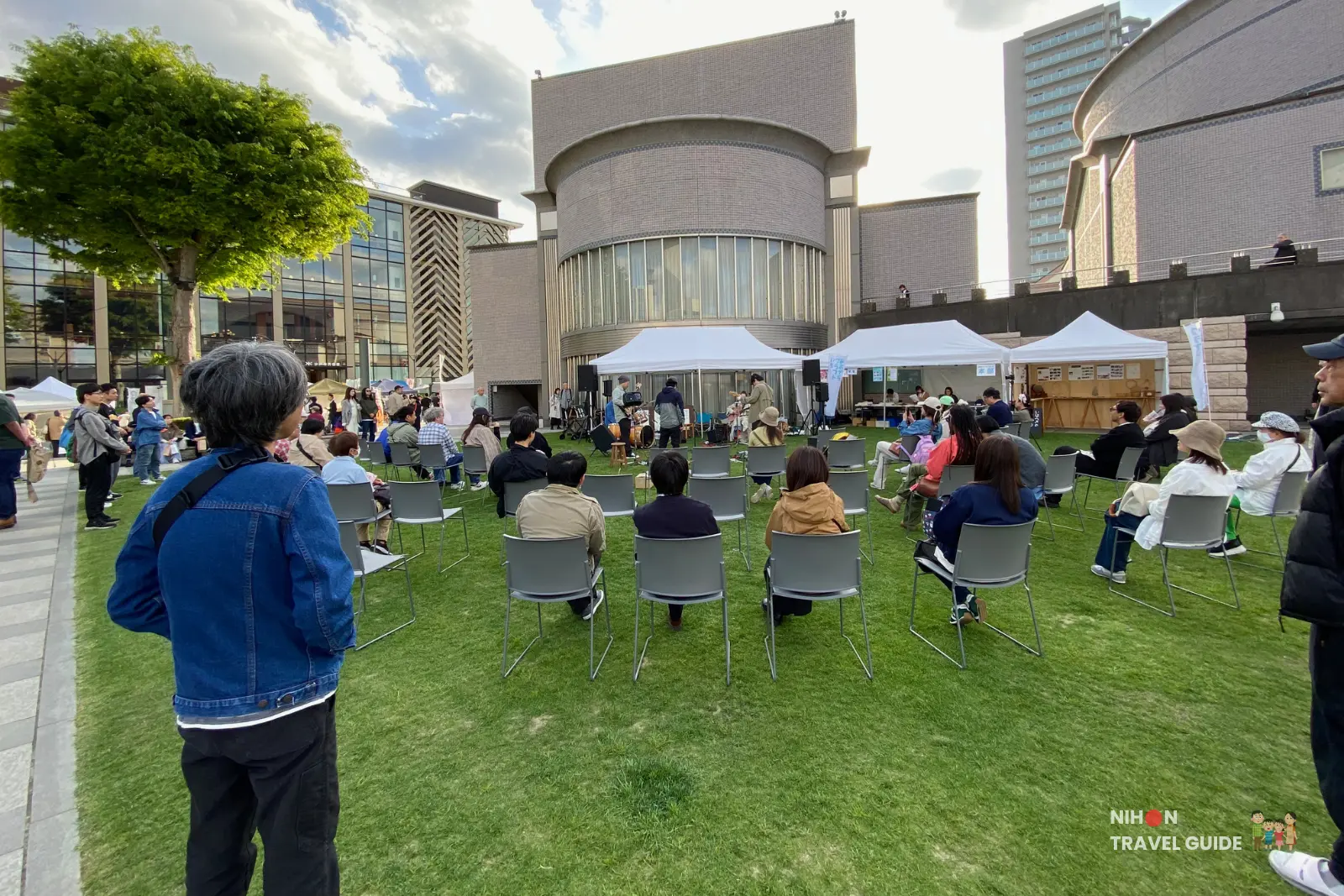
There was even live music by some musicians and chairs where people can sit and listen to the music. Quite an interesting way to spend your weekend.
There are also other such markets that go on throughout the year. Check out the Aozora Craft website for more information about upcoming craft markets if you are interested in visiting one.
Some Tips
– Go at night if you would like to see the Art Tower Mito being illuminated.
– Try to go on non-cloudy days to see views of Mount Tsukuba and maybe even Mount Fuji.
– Go to the second level across the tower to get nice photos of Art Tower Mito.
– The signs in the tower describing the attractions are in Japanese. But you can just use AI to take a photo and translate it.
– Check out Art Tower Mito’s website for more information about upcoming craft markets if you are interesting in visiting one.
Is Art Tower Mito Worth Visiting?
I do recommend visiting Art Tower Mito if you happen to be travelling in the area. It’s quite a cool concept, its only ¥200, and you can see everything in about 30 minutes. You get great views of Mount Tsukuba and Mito City (maybe even the Pacific Ocean) although Mount Fuji might be a bit of a stretch.
The art museum is worth going if you appreciate art or are really artistic. You don’t have to completely understand what is going on (I certainly didn’t) to enjoy the exhibits. The artists themselves were really friendly and talked to the patrons extensively, something that I don’t think I’ve really seen in art museums.
If you are not travelling in the area, I don’t really recommend taking a day trip out from Tokyo as it is pretty far away. The travelling time is only worth it if you are bundling it with other attractions in the area.
My Rating: 4 / 5
Striking titanium tower, interactive contemporary art exhibitions, and even better when Craft Markets are on.
When is the best time to visit Art Tower Mito?
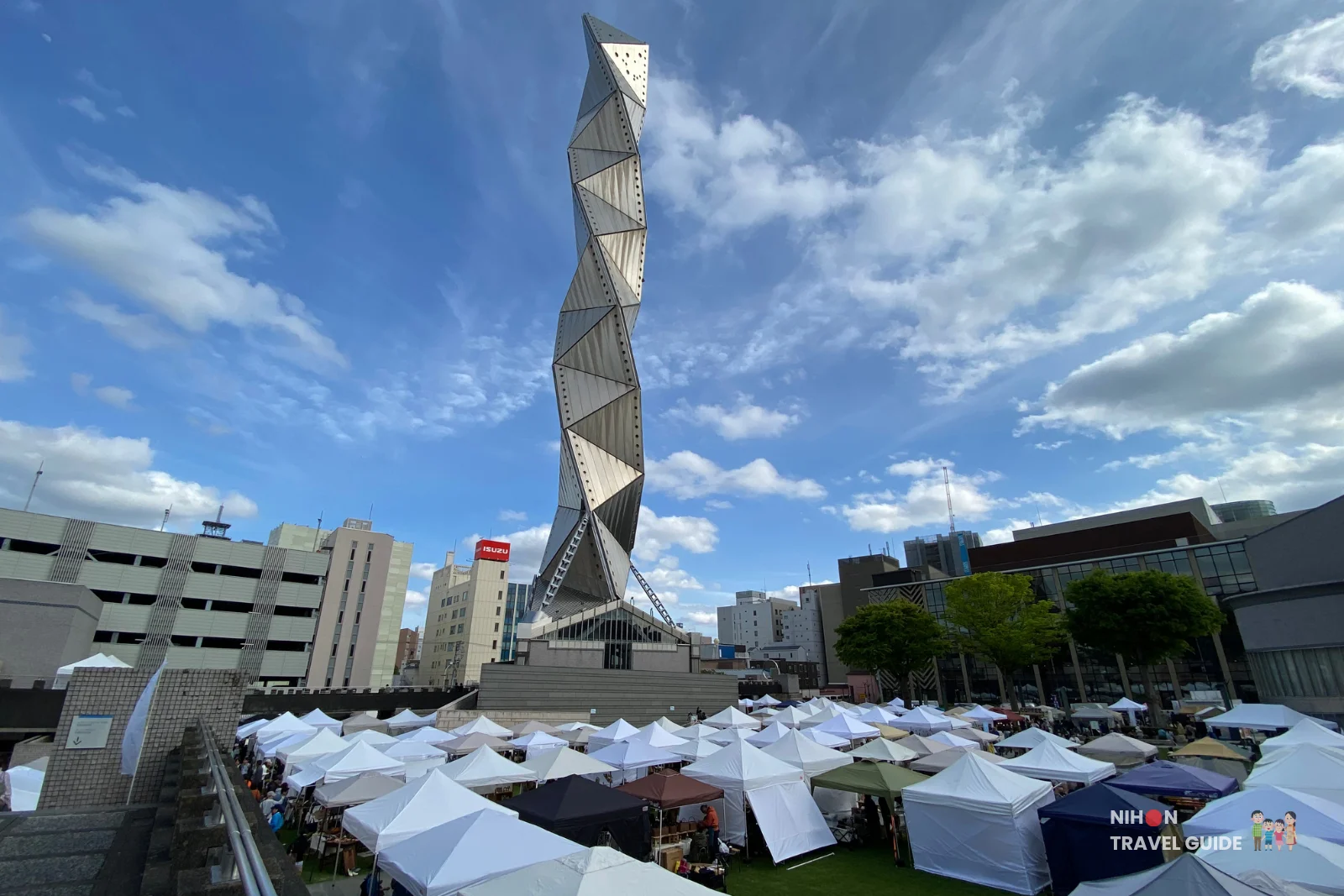
For a complete experience of Art Tower Mito and the museum, I recommend visiting when the Aozora Craft Ichi Craft Market (or other similar outdoor craft markets) is going on. The vibe is completely different and you get to experience a full range of art, craft products, food, music and great views. It’s almost like a mini arts and music festival.
Check out Art Tower Mito’s website for more information about upcoming craft markets if you are interesting in visiting one.
For the Art Tower Mito observation deck itself, try not to go on a cloudy day as you most likely won’t be able to see further out like Mount Tsukuba and Tokyo City. I went during the winter period and it was still quite cloudy in the distance so I couldn’t see very far away. But you still get great views from the near to middle range so it’s still okay.
Seeing Mount Fuji is possible but really rare. If you managed to see it please let us know as it’s almost like catching a rare Pokemon.
How long to spend at Art Tower Mito?
You probably can spend about 30 minutes at Art Tower Mito to look at all the different views. Maybe stretch it to an hour even. But you would be pretty much done before that. I spent about 20 minutes there as it was quite cloudy and couldn’t see as far out.
If you are visiting the tower, the art gallery and the crafts market, you can easily spend up to 2 hours.
Nearby Attractions – Mito City
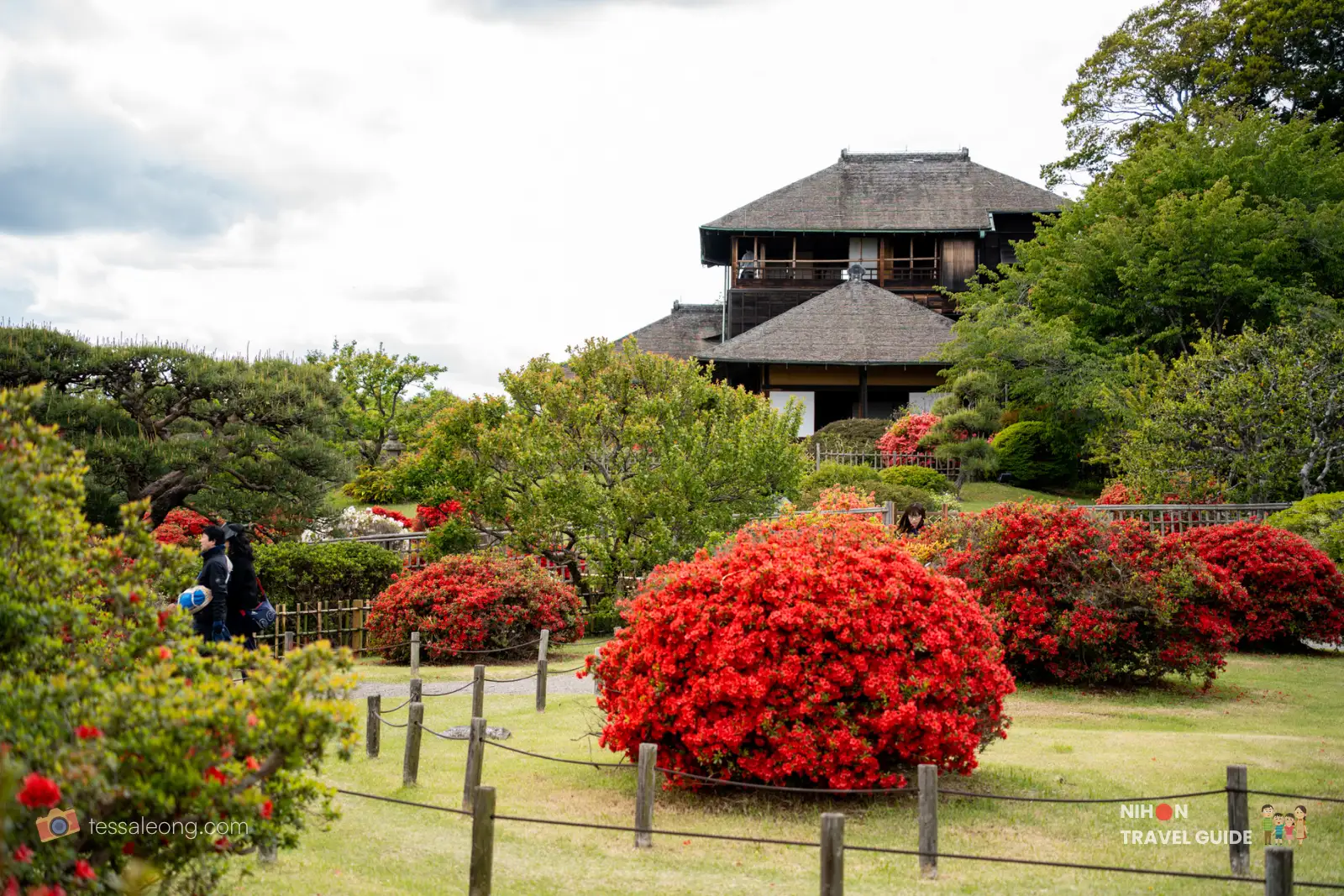
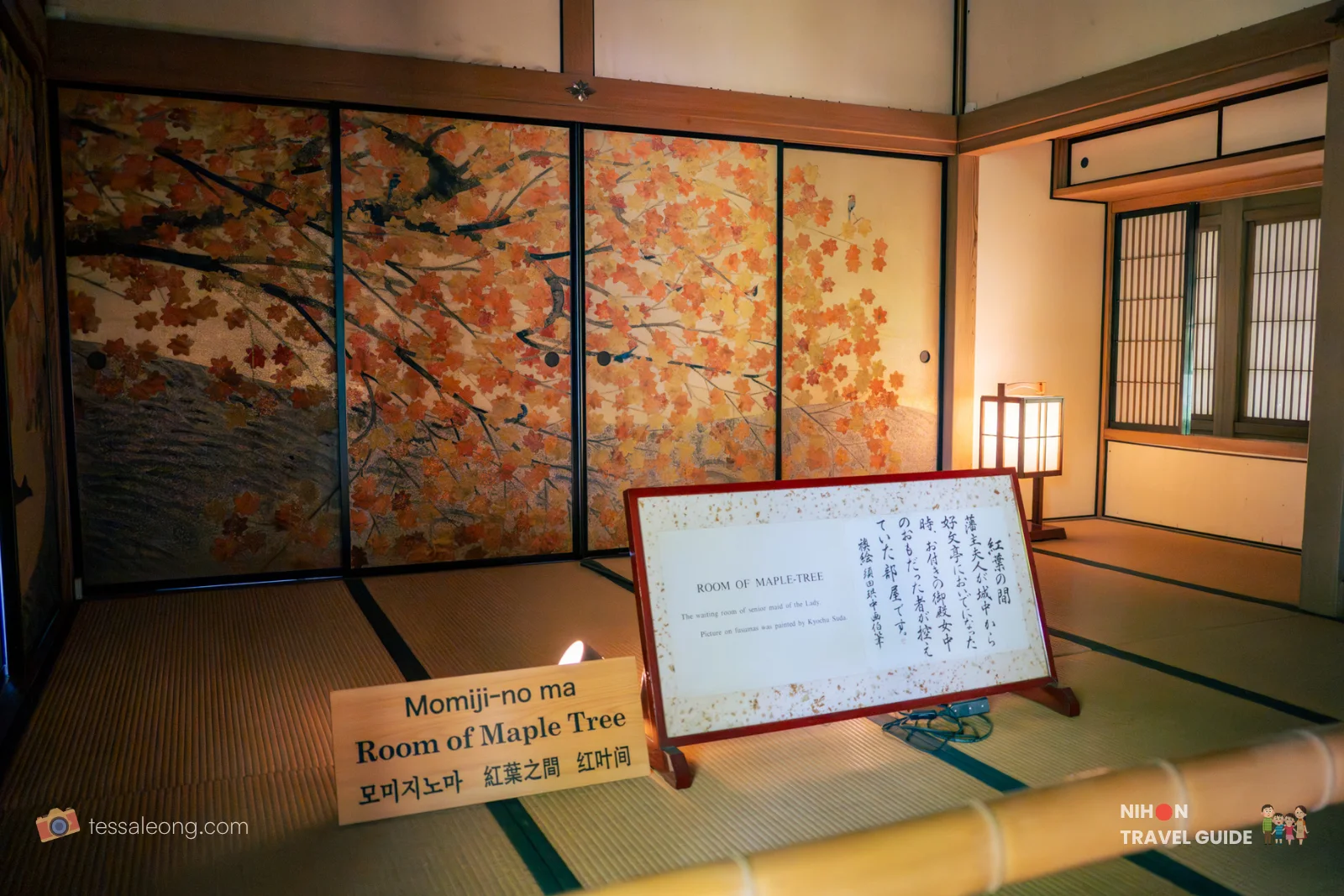
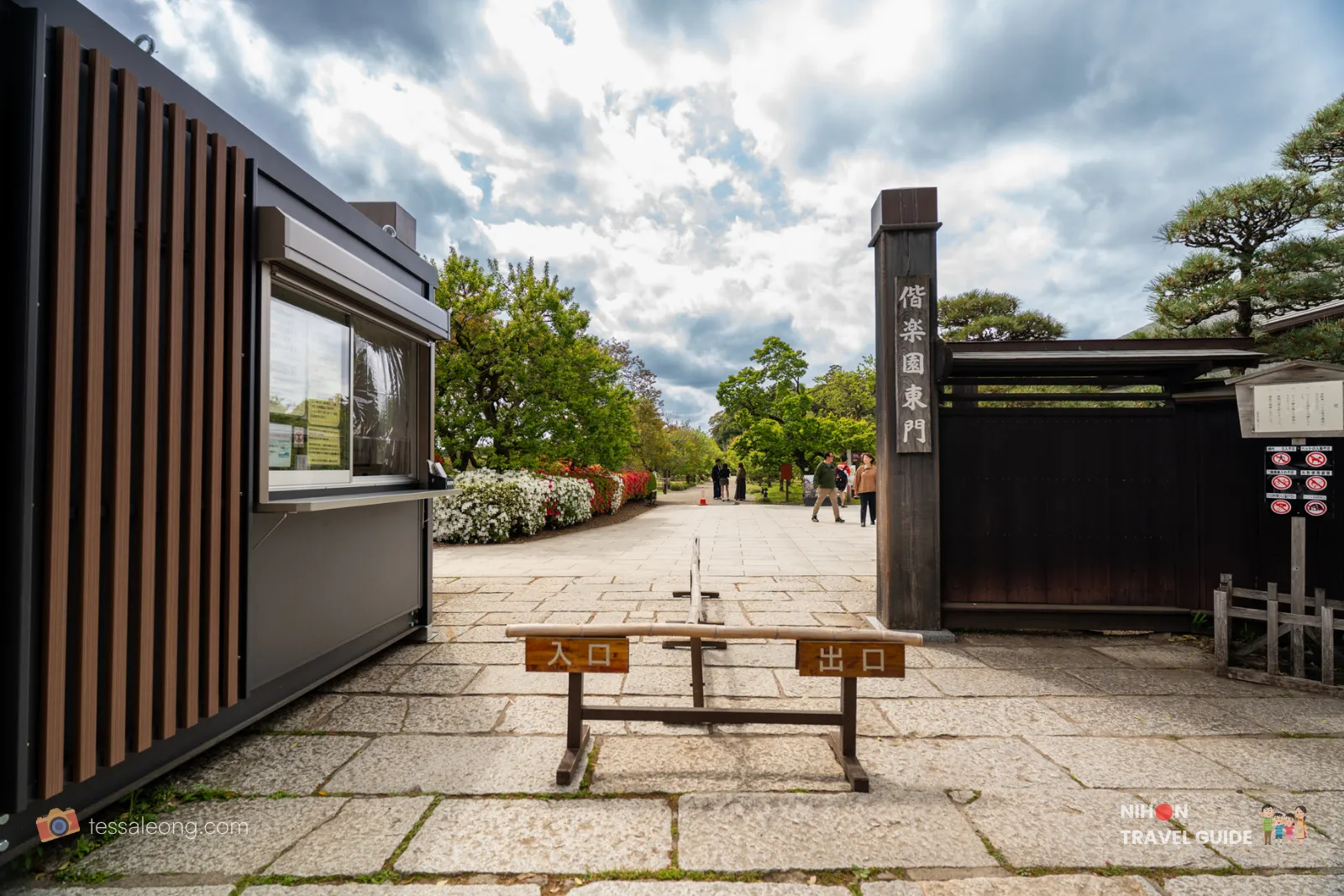
I think no visit to Mito City is complete without visiting Kairakuen Garden (偕楽園), one of Japan’s three greatest gardens. It’s just across the road from Senba Park and will be a great experience in Spring during the Plum Blossom and Cherry Blossom blooming periods.
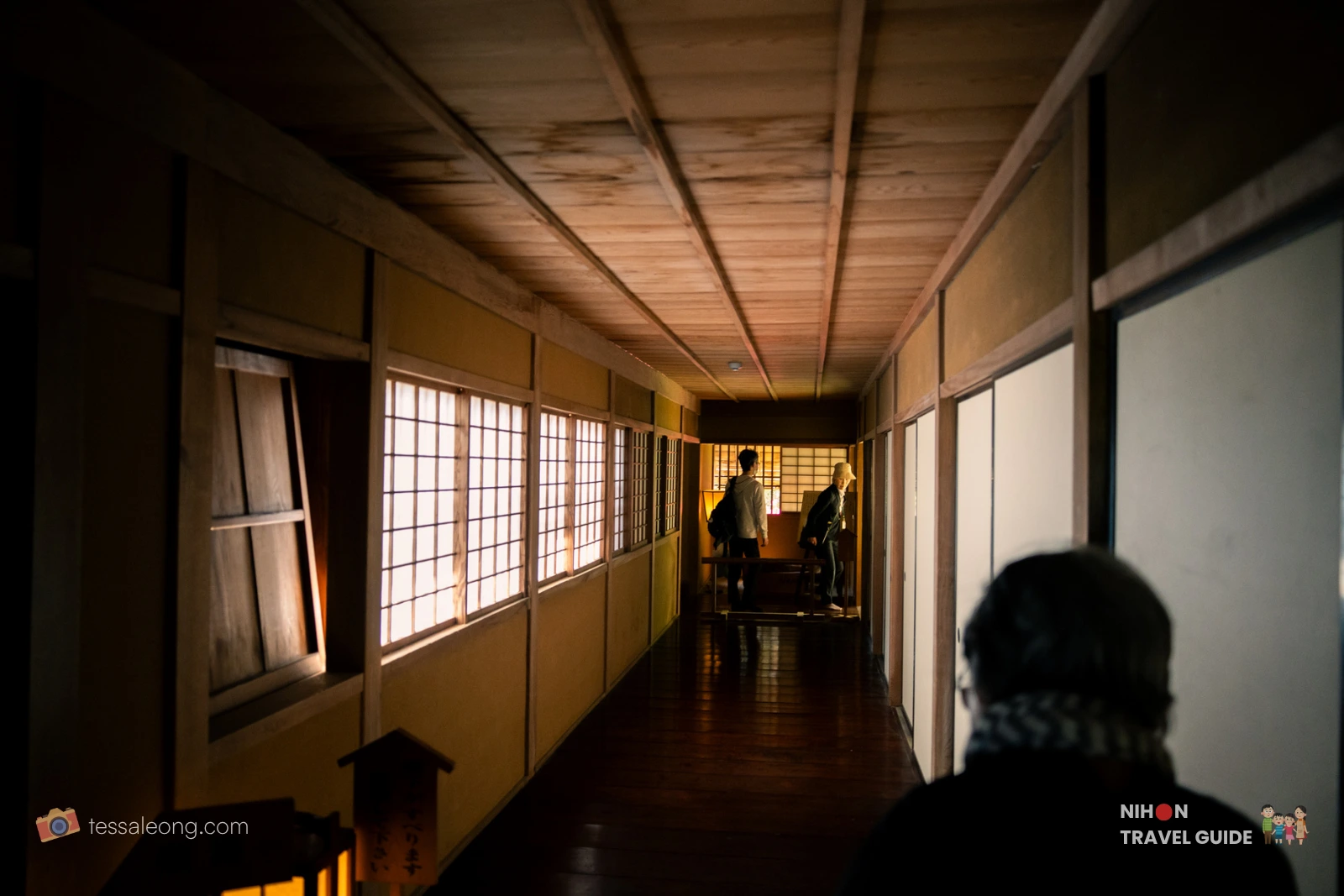
And why not stop by Koubuntei as well? It’s a unique traditional Japanese building designed by a feudal lord of Mito City in the 1800s. It gives you a real feel of what Japanese people used to live like back then.
Read our complete Mito Kairakuen Garden & Koubuntei visitor guide including ticket prices, opening hours, the seasonal event calendar and tips for combining with other Mito City attractions.
Lake Senba & Mito Kobun Terrace
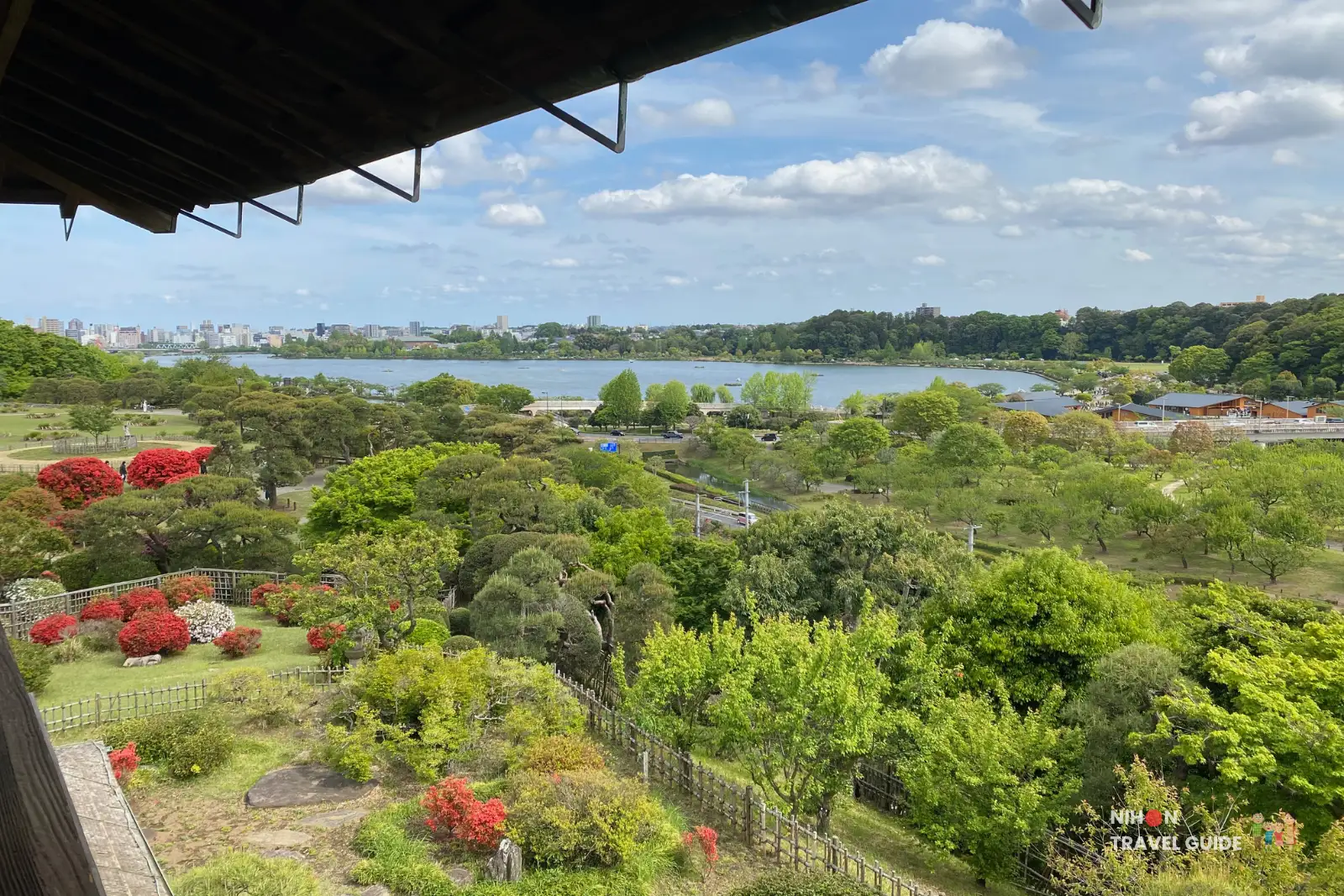
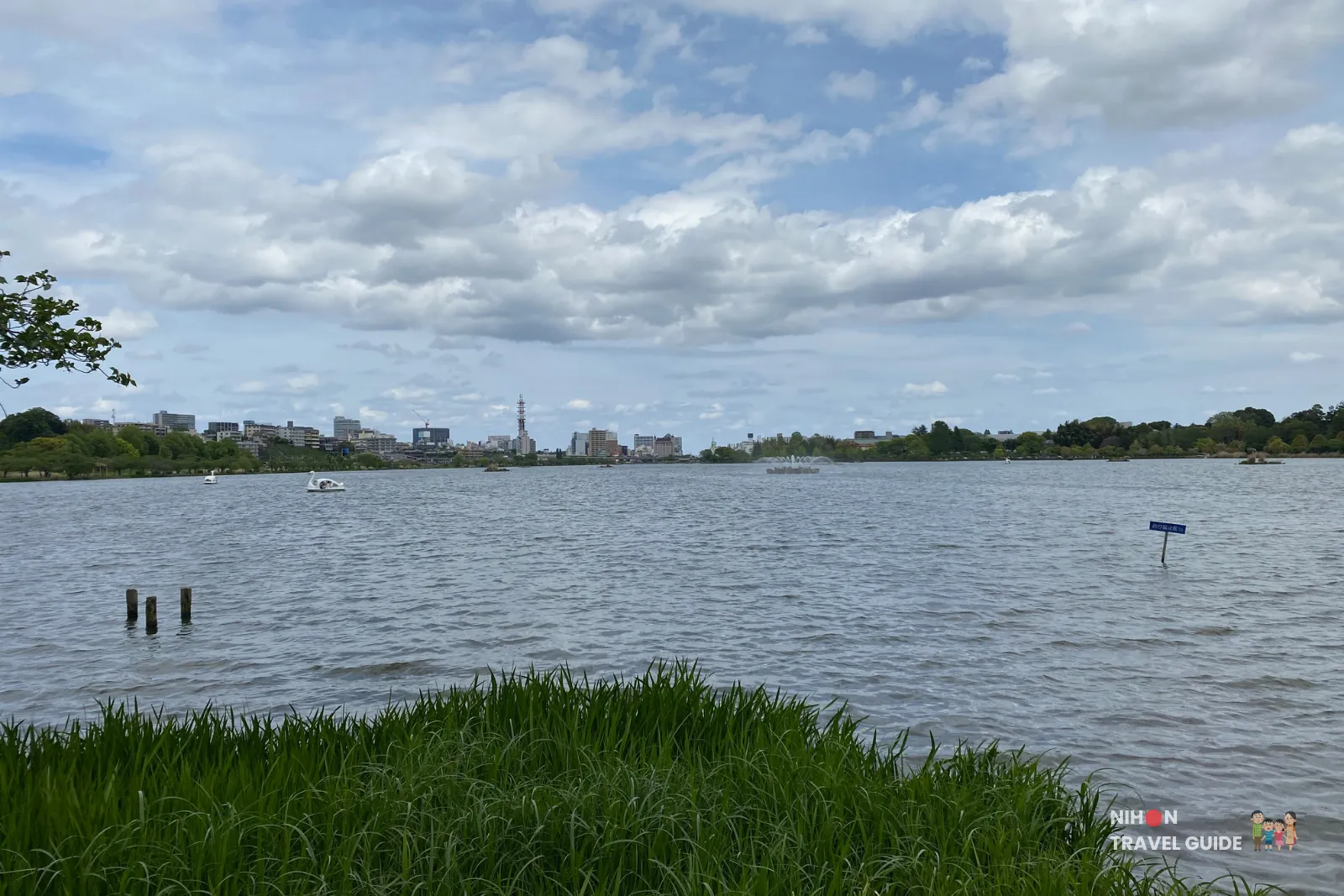
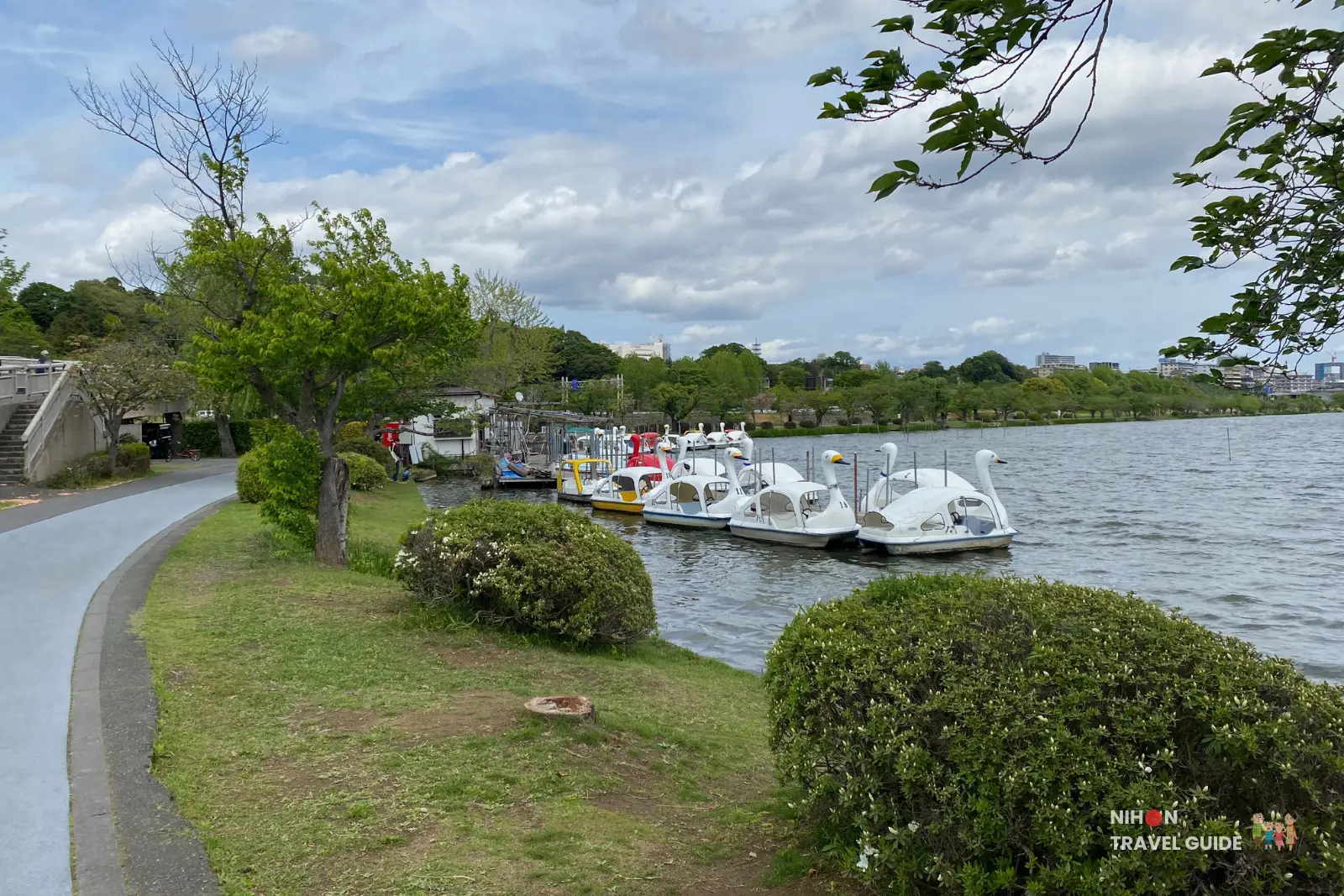
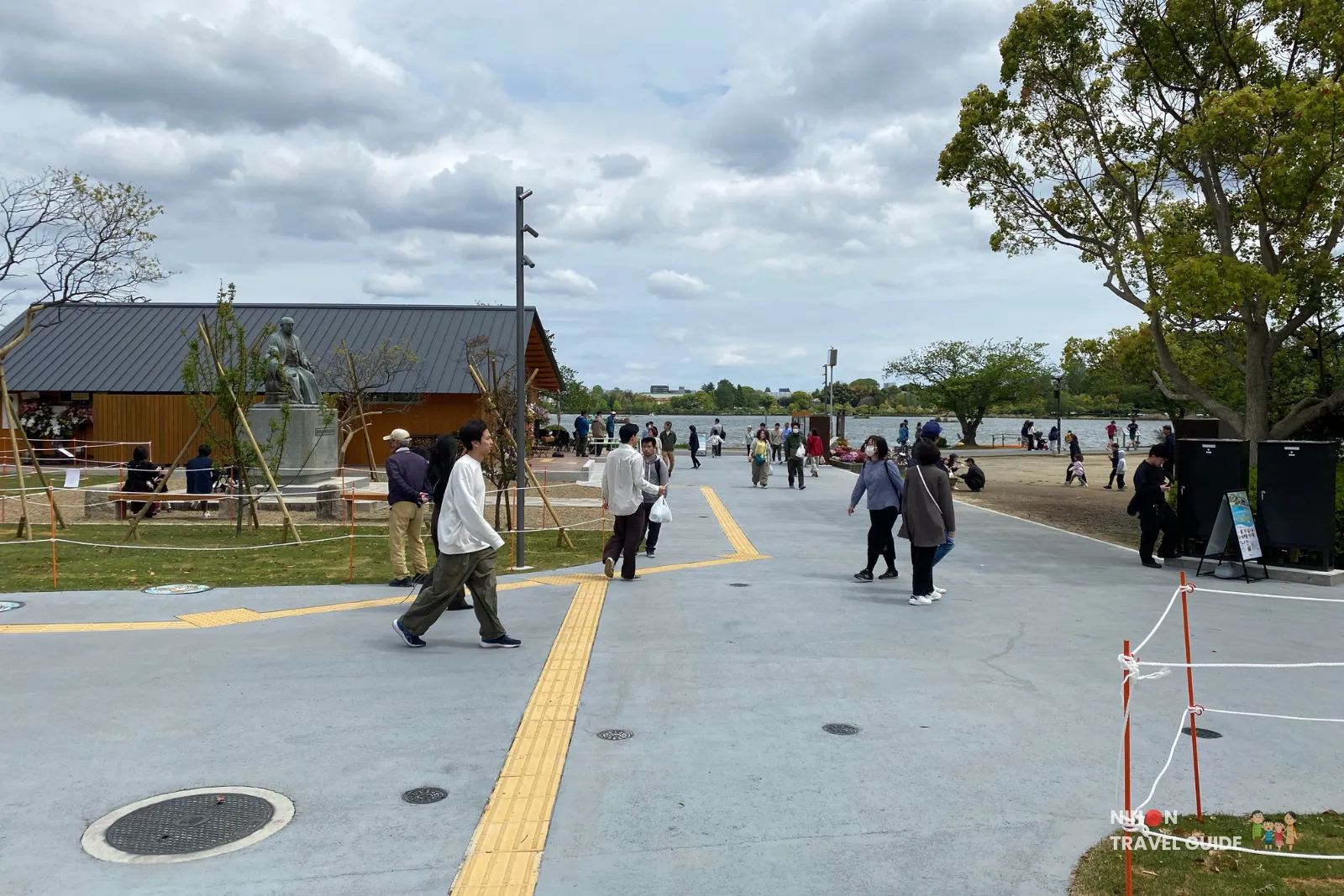
Lake Senba is a big lake in the middle of Mito City where locals go to exercise, relax, ride swan boats and spend time with their family. There is also a newly built complex (Mito Kobun Terrace) right beside it with cafes, restaurants and a kimono rental shop.
Right beside Lake Senba is Kairakuen Garden (水戸偕楽園), one of Japan’s three finest gardens famous for having over 3000 plum trees. There is also a traditional Japanese building, Kobuntei, if you want to see what traditional Japanese houses look like.
For a more in-depth look at Lake Senba, Mito Kobun Terrace, and the surrounding attractions (including seasonal events, best times to visit, and photography tips), check out our full guide: Lake Senba & Mito Kobun Terrace – Complete Visitor Guide.
Where to Stay Nearby
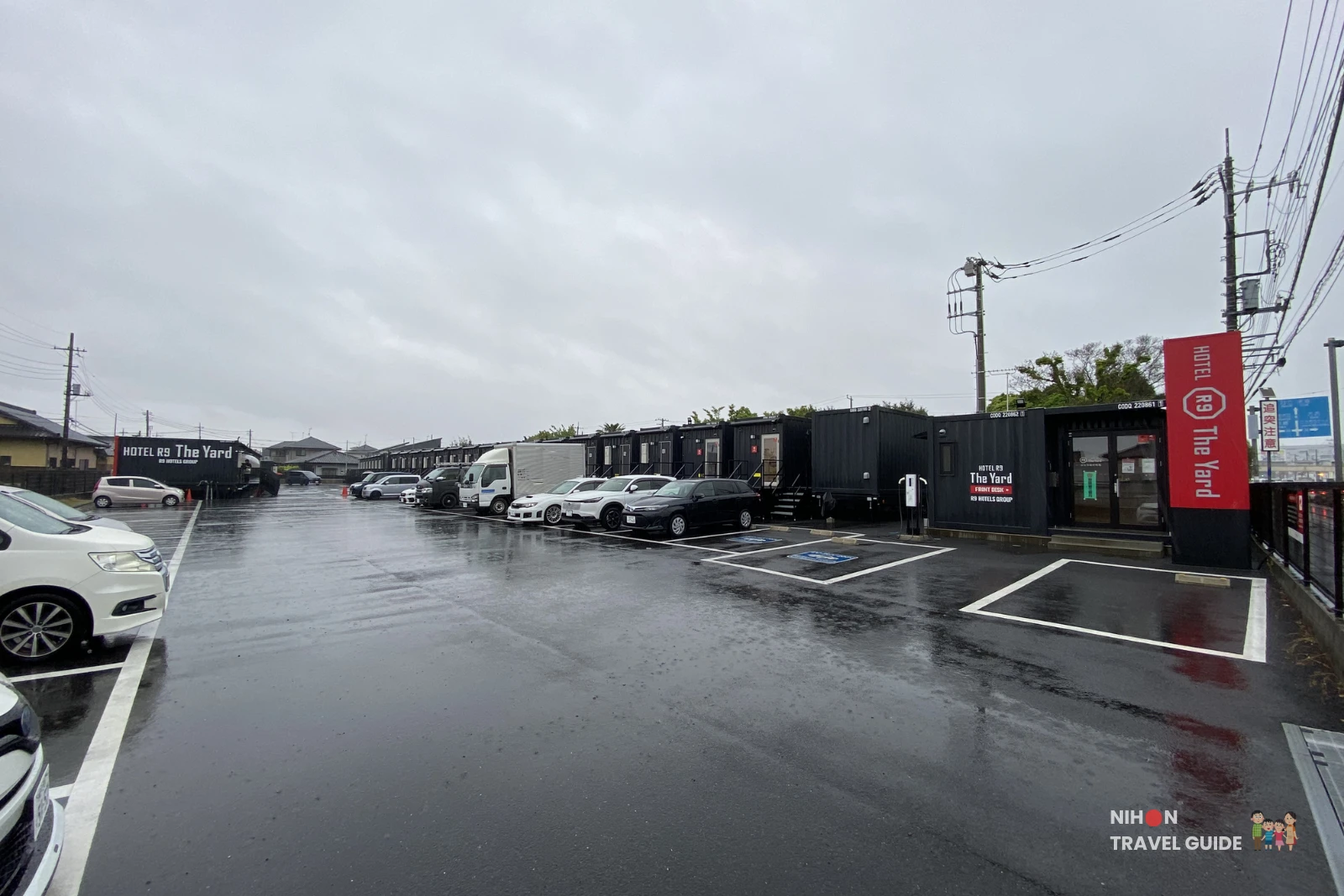
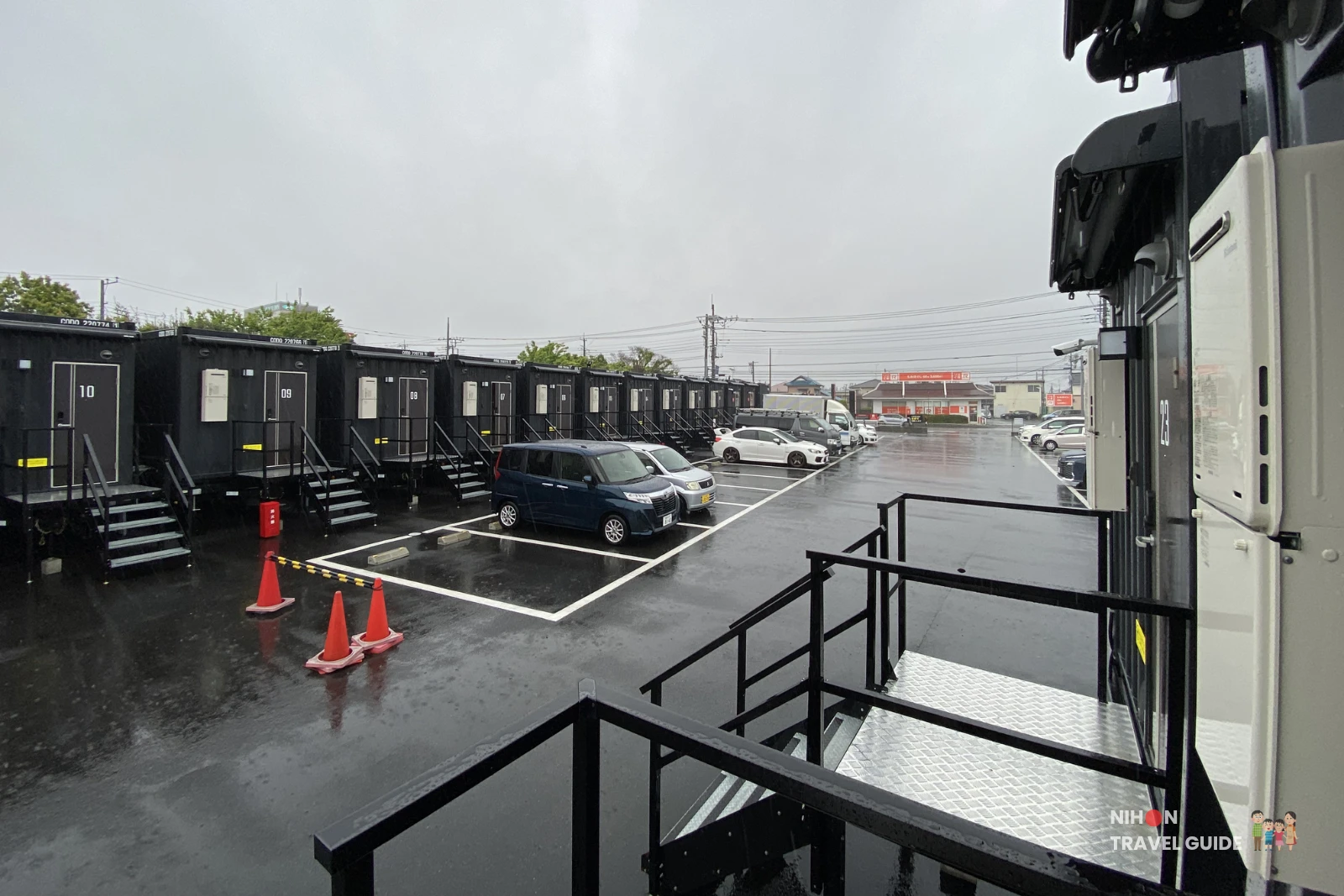
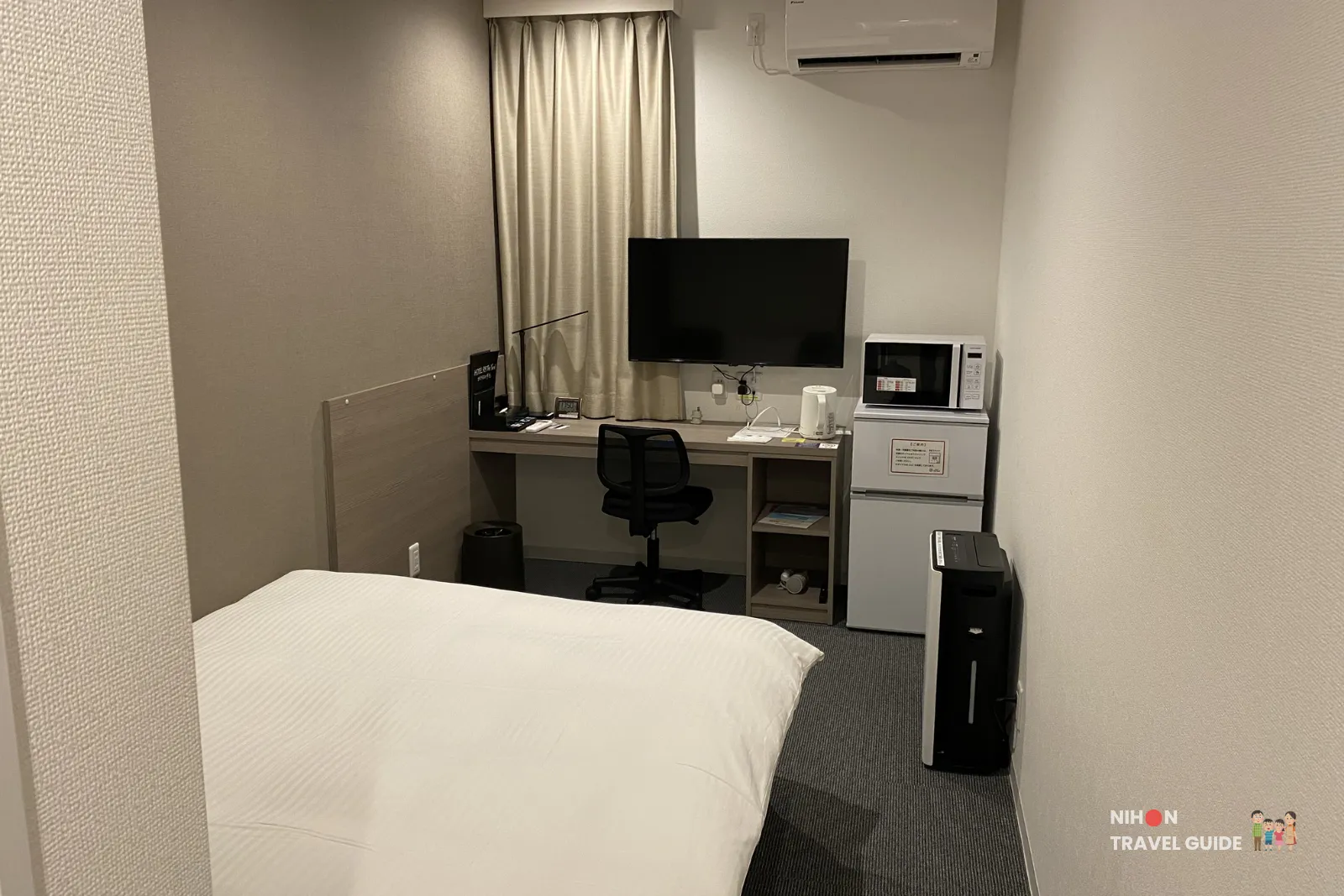
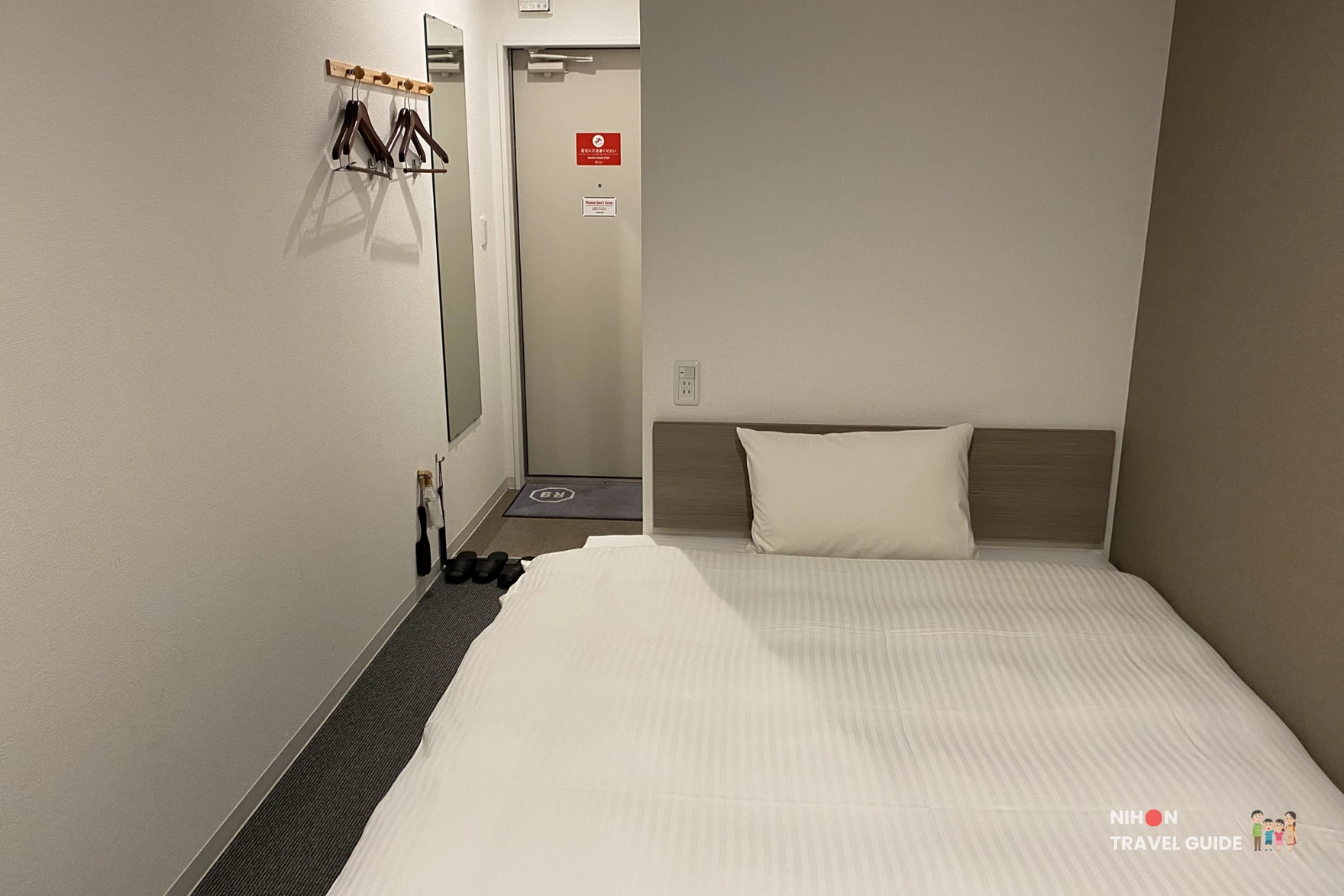
If you decided to stay in Mito City, staying near the city center is a good idea as it gives you easy access to public transport and is fairly easy to travel around the city.
If you are on a driving holiday, you can consider staying at the R9 The Yard Hotel Hitachinaka Ichige like I did. They are a chain of container hotels that are quite affordable, clean, relatively new but really utilitarian.
It is about a 15 minute drive from Mito City and is fairly accessible to the attractions in the city.
Read our full review of Hotel R9 The Yard Hitachinaka Ichige including room details, nightly pricing and honest pros and cons from an 8 night stay.
Mito City All Day Itinerary
A Full Day in Mito
FAQ – Art Tower Mito
1) Is Art Tower Mito free?
No but it is very affordable. Entry to the observation deck is ¥200 for adults and ¥100 for children. The tower base and surrounding grounds are free to walk around.
2) Can you go up Art Tower Mito?
Yes. There is an observation deck at 86 metres with circular windows looking out over Mito City, Mount Tsukuba, Lake Senba and on a clear day Mount Fuji. A staff member will assist you with the lift up to the deck.
3) How do I get to Art Tower Mito from Tokyo?
The fastest option is the Hitachi 21 Limited Express from Tokyo Station to Mito Station (about 1 hour 14 minutes, ¥4,190), then a short bus ride. The more affordable option is the Mito-go highway bus from Tokyo Station Yaesu Exit (about 1 hour 47 minutes, ¥2,250) which drops you closer to the tower.
4) How long does Art Tower Mito take?
About 30 minutes to 1 hour for the tower and observation deck alone. If you are visiting the contemporary art gallery as well allow up to 2 hours.
5) What are the opening hours for Art Tower Mito?
Art Tower Mito is open daily from 9:30am to 6:00pm. It is closed on Mondays and national holidays. Always check the official website before visiting as hours can change.
6) Is there parking at Art Tower Mito?
Yes. There are several parking options nearby in Mito City centre. The Mito City Gokencho Parking Building is right next to the tower and is the most convenient option.
7) What is the best time to visit Art Tower Mito?
Go on a clear day for the best views from the observation deck — cloudy days significantly reduce visibility. Visiting at night is also worth considering if you want to see the tower illuminated.
8) Can you see Mount Fuji from Art Tower Mito?
Only on very clear days. Mount Tsukuba is much closer and visible even on partially cloudy days.
9) Who designed Art Tower Mito?
Designed by Japanese architect Arata Isozaki and opened in 1990. The 100 metre tower is made up of 28 stacked tetrahedrons clad in titanium panels.
10) Is Art Tower Mito worth visiting?
Yes if you are already in the Mito or Ibaraki area — it is cheap, quick and unique. Not worth a dedicated day trip from Tokyo, but pairs well with Kairakuen Garden.
11) What is the Aozora Craft Ichi market at Art Tower Mito?
Twice-yearly outdoor craft market on the front lawn. Local artists sell handmade goods (clothing, jewellery, home décor), plus food trucks and live music. Relaxed festival atmosphere. Check the Aozora Craft website for dates.
12) How much does the Art Tower Mito Contemporary Art Gallery cost?
¥900 for adults — covers all current exhibitions. Separate from the ¥200 observation deck ticket. Holds 3–4 exhibitions per year. Check website for current shows.

Written by
Timothy Leong
Timothy is a Singapore-born, Japan-based digital marketer turned hidden-gem hunter. After ditching spreadsheets for Google Maps, he now lives full-time in Japan, chasing quiet towns, real ramen, and off-grid train routes. Every photo and tip on Nihon Travel Guide is 100% his — no AI, no fluff, no Tokyo Tower.
More about Timothy →